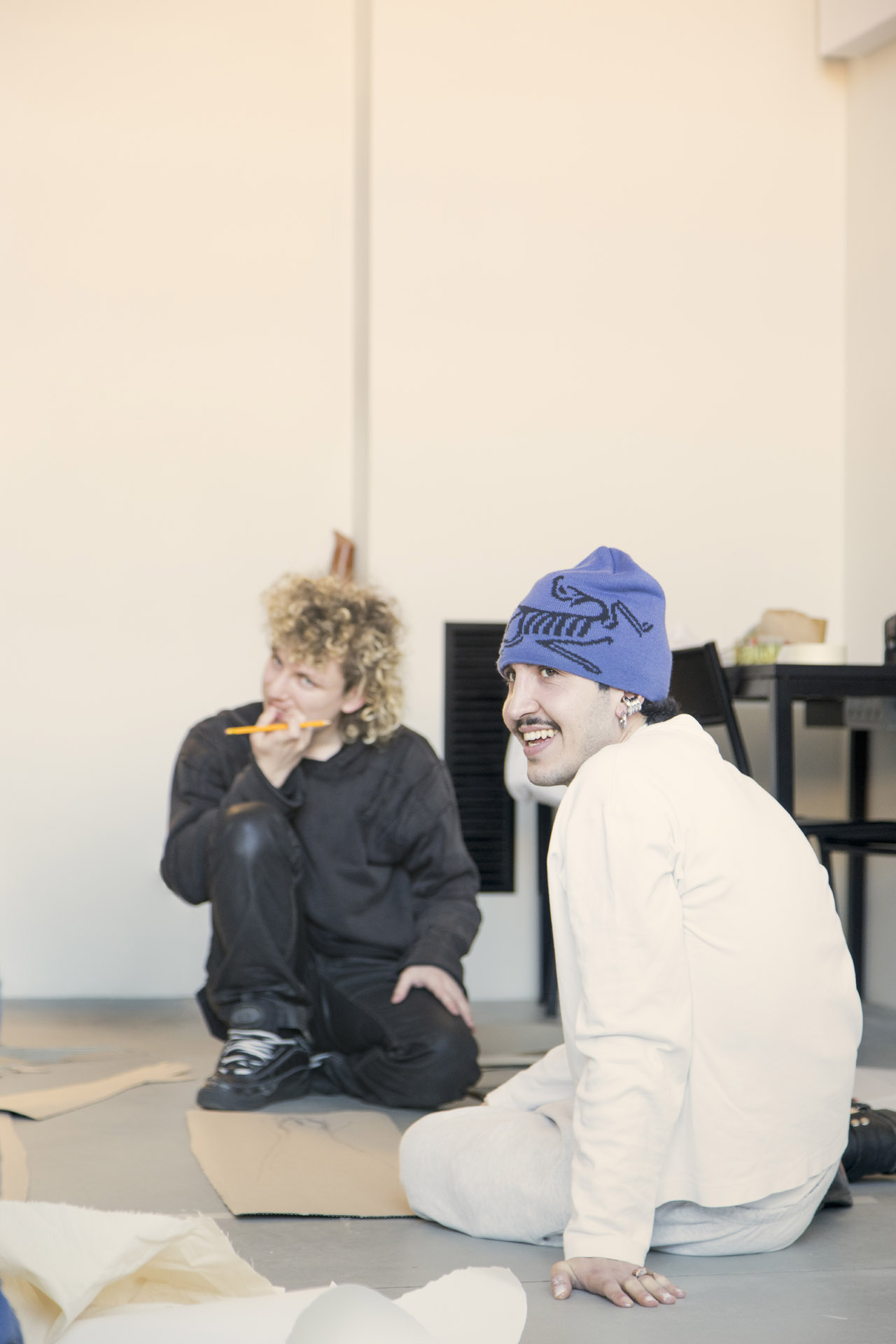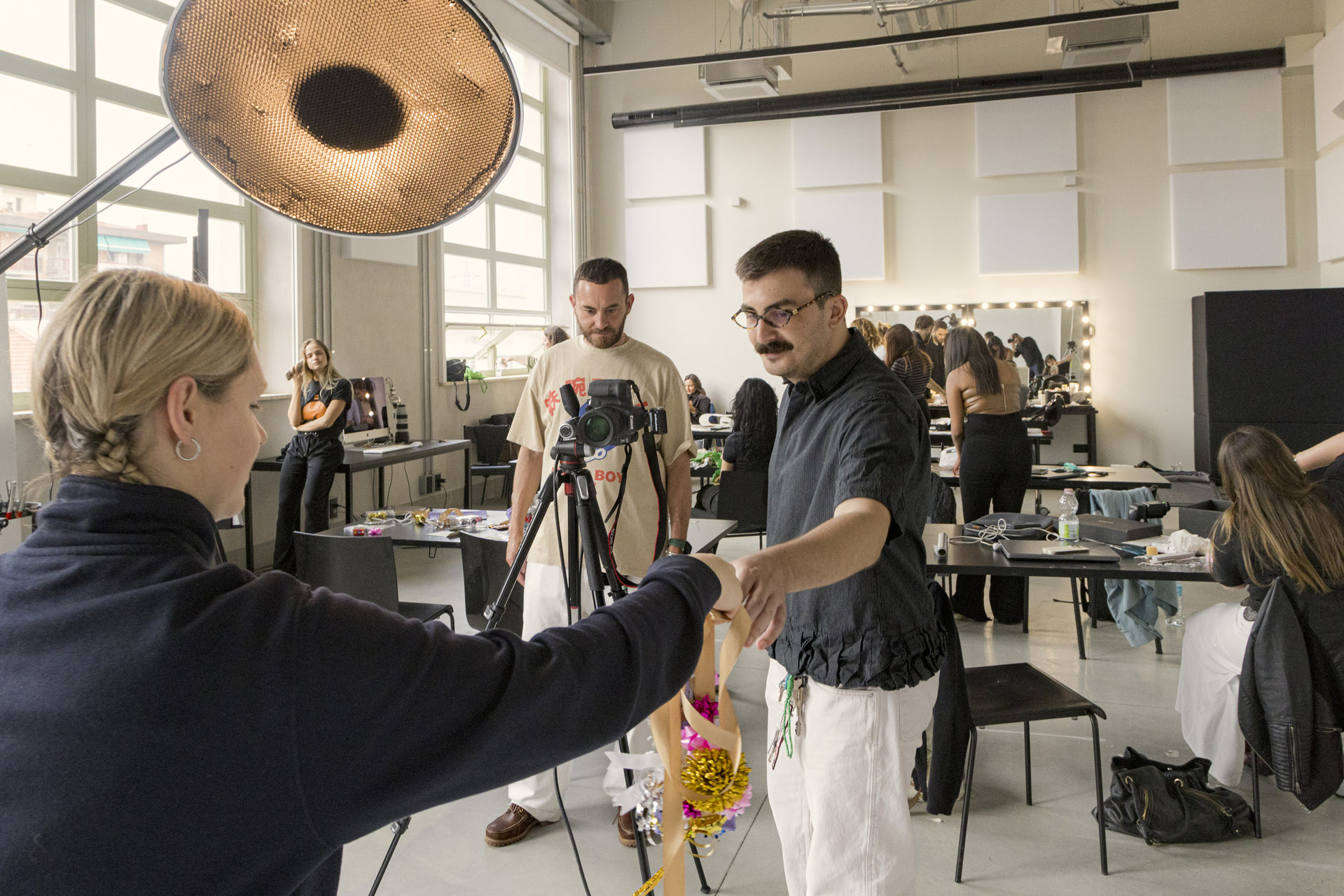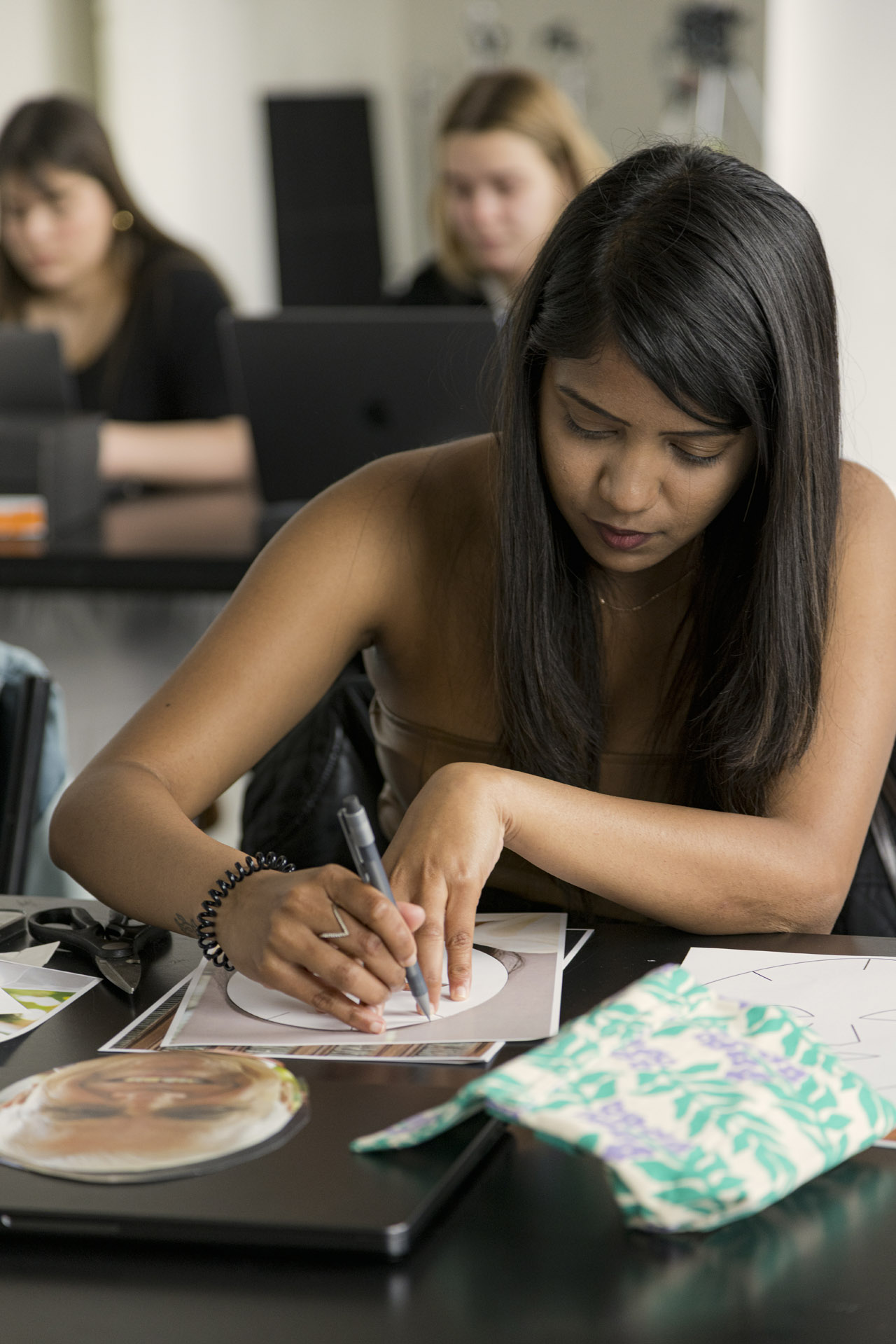
Through the lens of subversive innovation, Undergraduate in Fashion Styling students are reimagining the boundaries of identity. Working in collaborative groups, these emerging creatives harness their collective vision to challenge conventional narratives and craft new perspectives on perceived reality, one transformative workshop at a time.
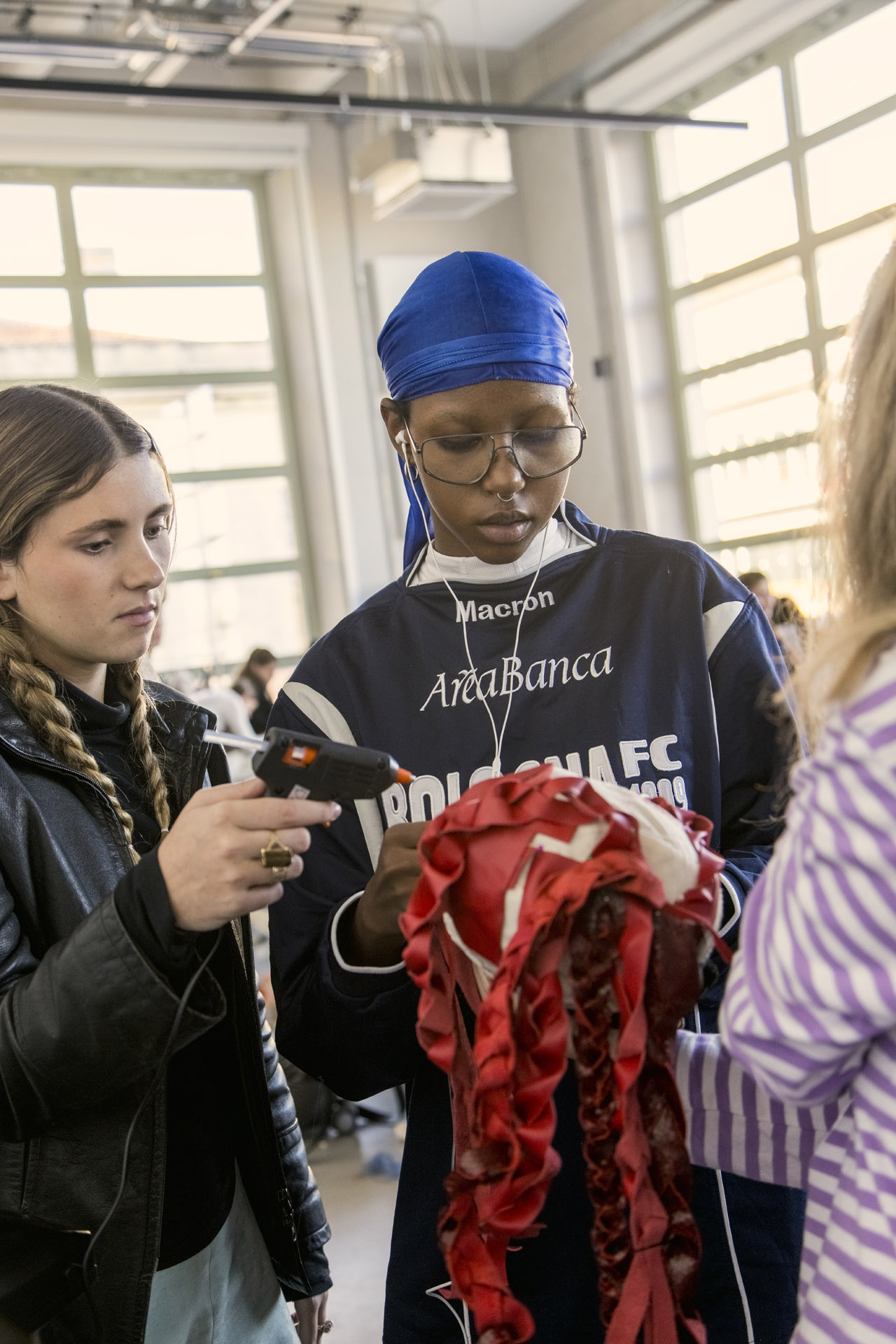
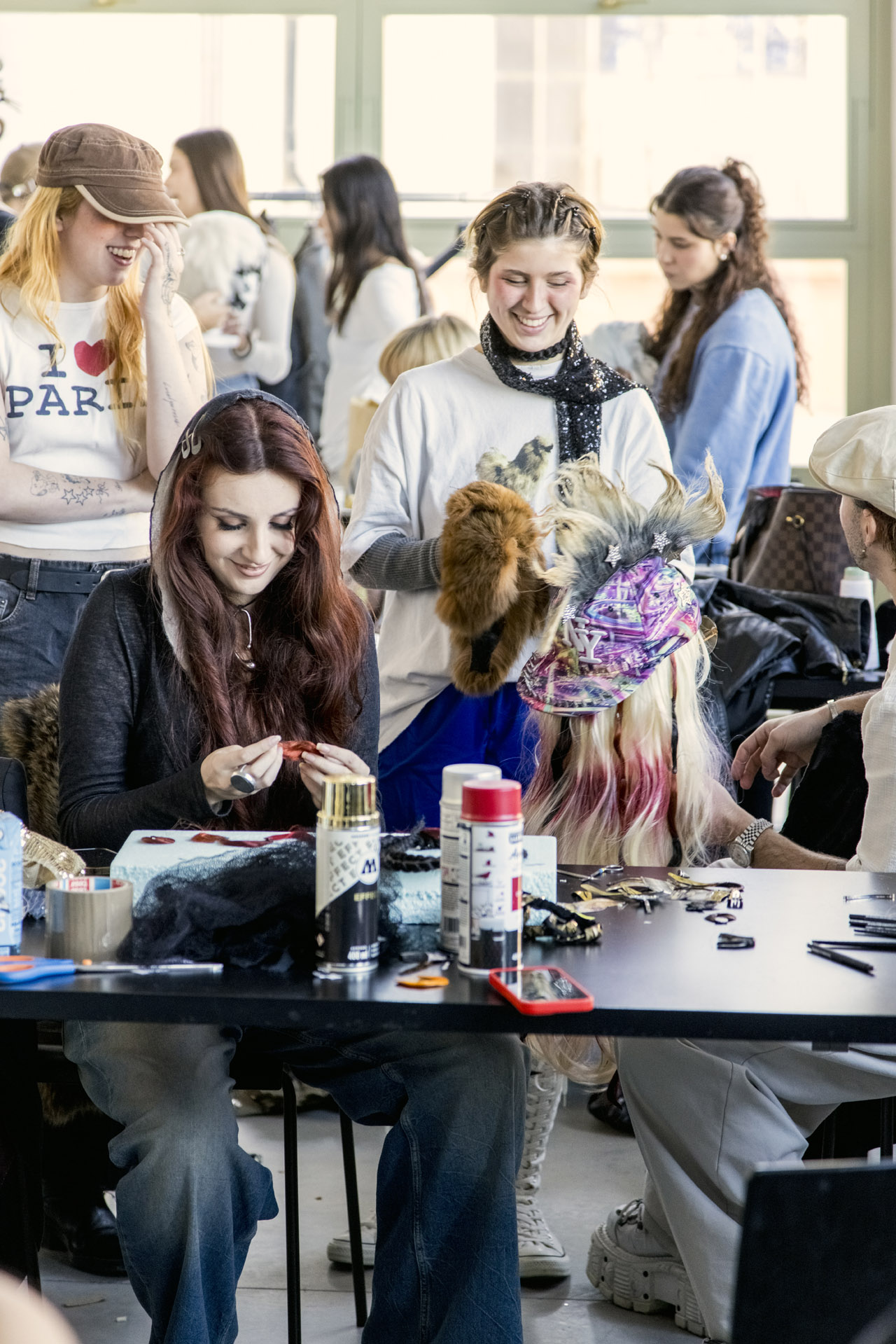
A new educational project created by Fabio Messana and Paolo Convinto for the 2024-2025 academic year at Polimoda, Case of Wonders is a container for creativity that challenges traditional academic approaches to learning. The project recognizes that the value of ideas and creative planning is being lost in a performance and metrics driven world. It provides a remedy for this in which the students are encouraged to unleash their creativity, break stereotypes and play with their ideas
Consisting of creative styling workshops in Florence that are structured around realistic professional timelines, each session involves a guest professional from a variety of fields; from hair styling, movement, make up and beauty, scenography, to art and set design. Students receive a brief only three days before the project has to be conducted, reflecting real world timings. They then create a mood board before participating in a review of their project with a teacher. They have to collect any materials or resources they need, before doing the workshop with the professional.
As free as my wig
“Your head is full of ideas.
These ideas can generate wonder.
Your fantastic thoughts can take physical form in reality.
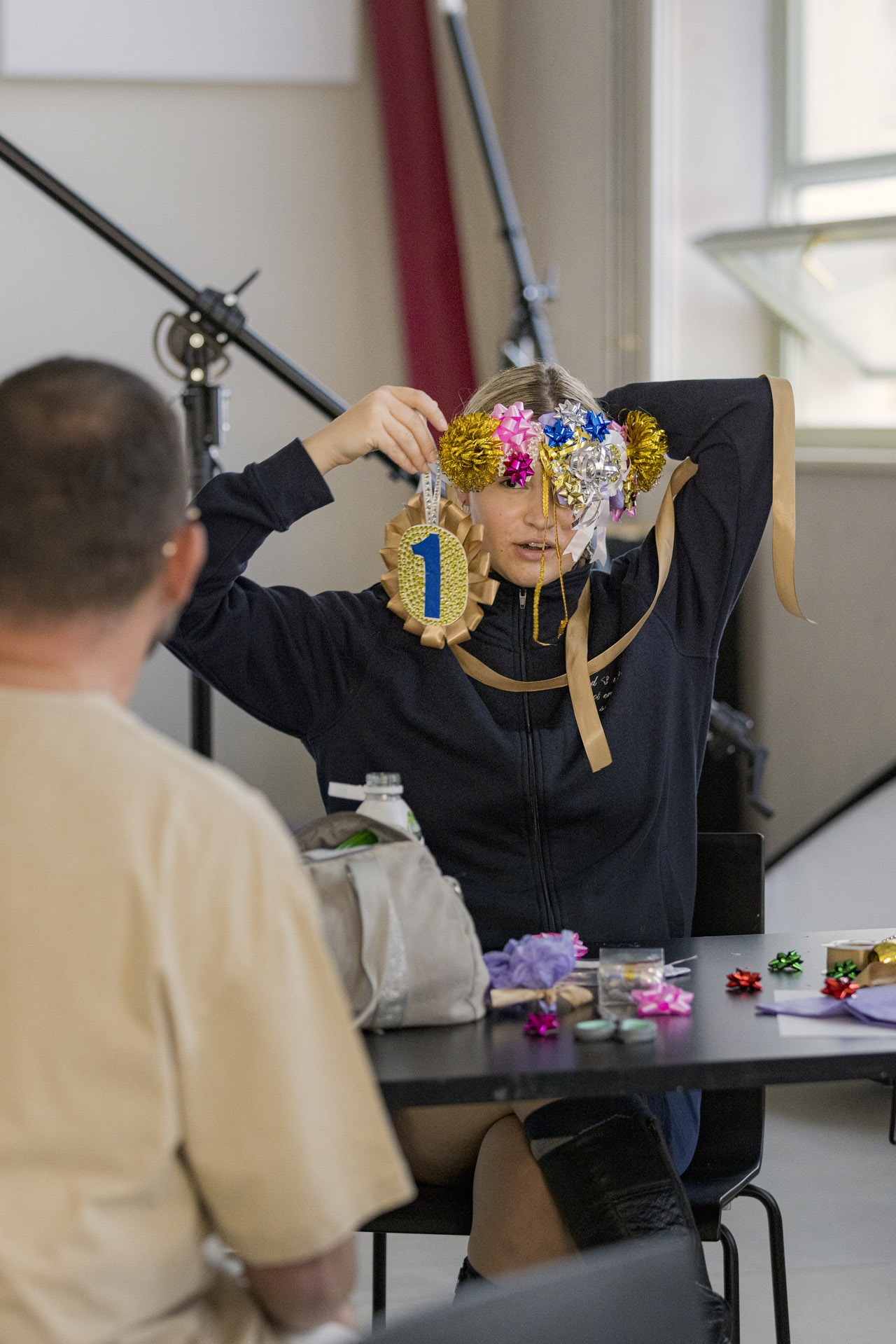
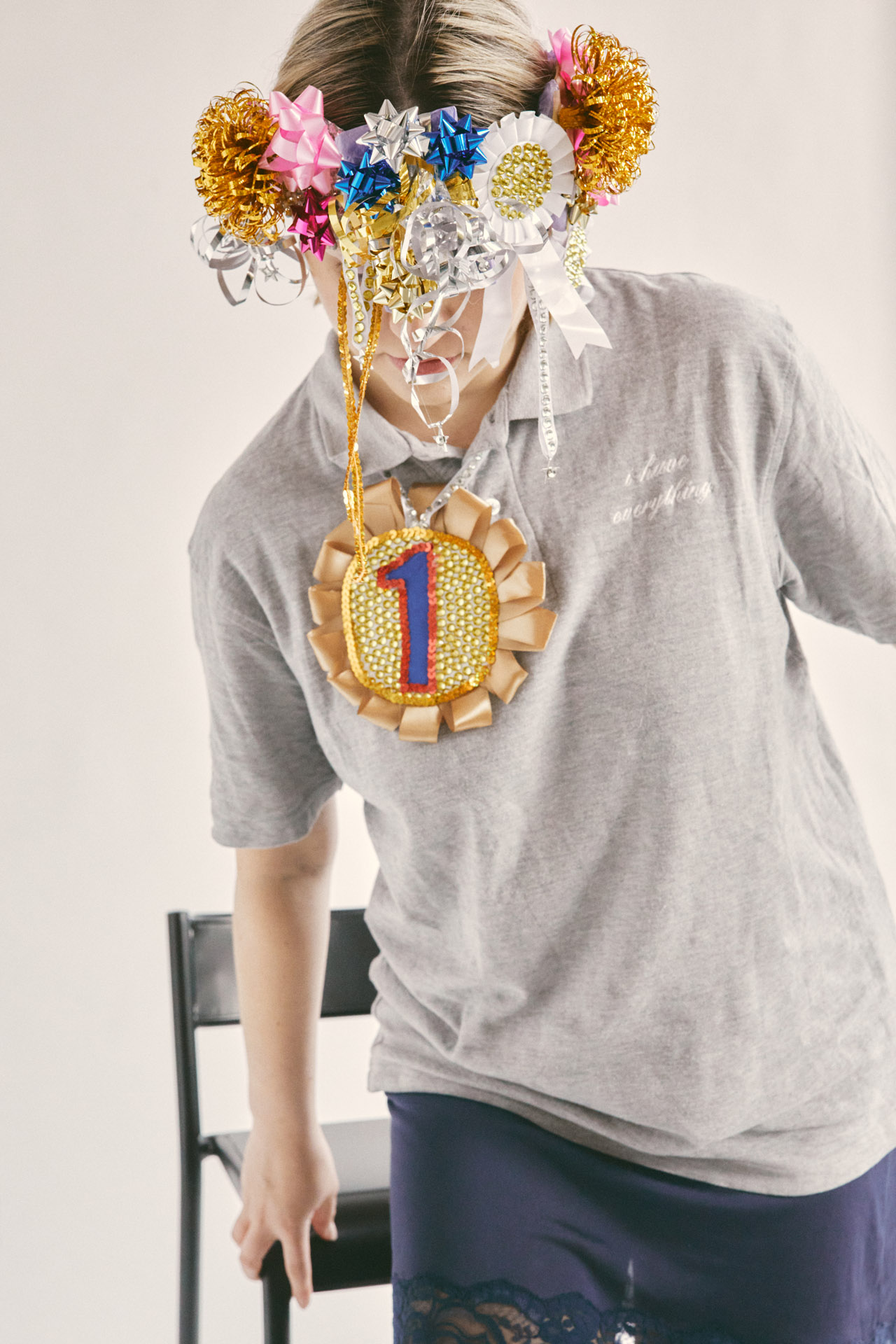
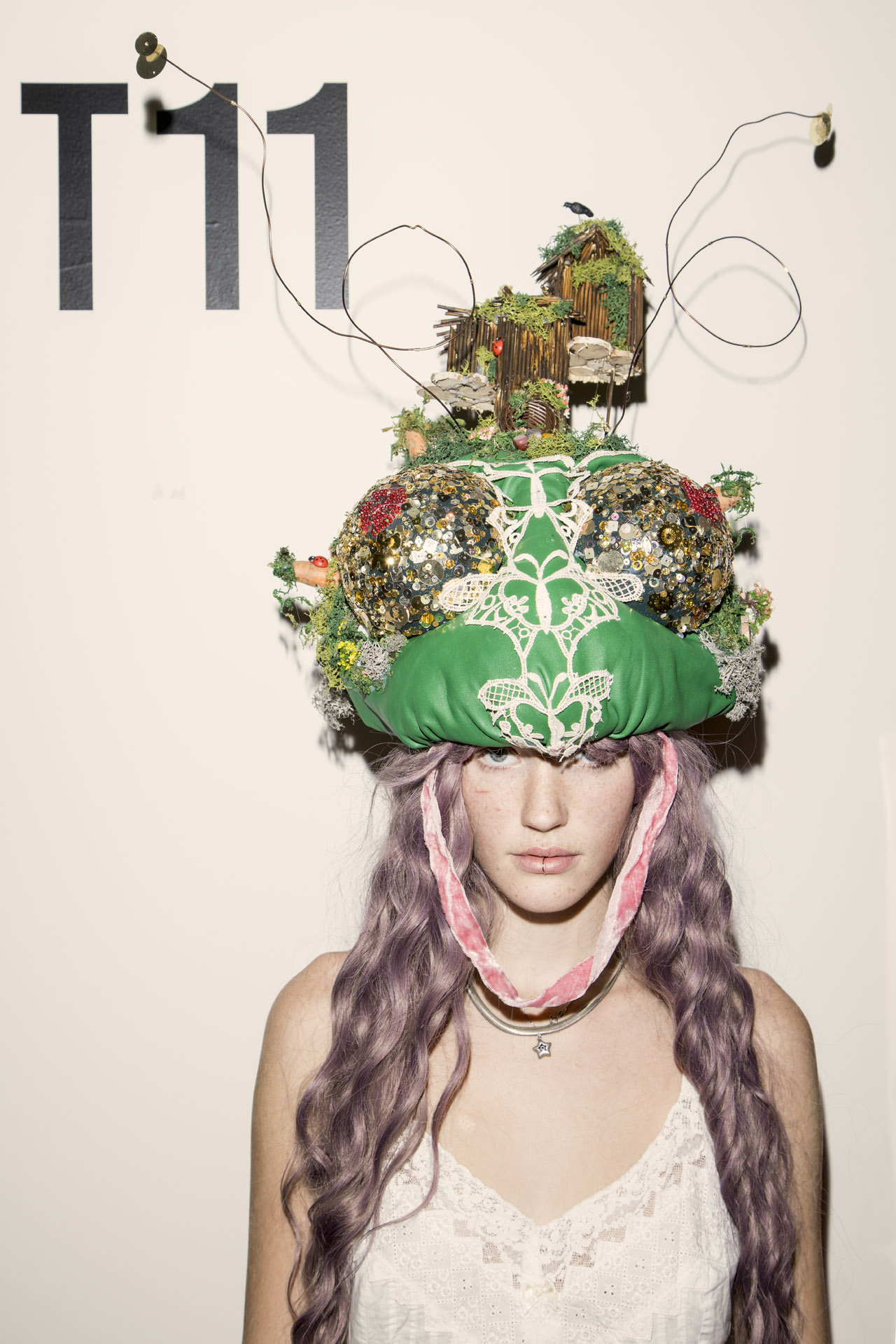
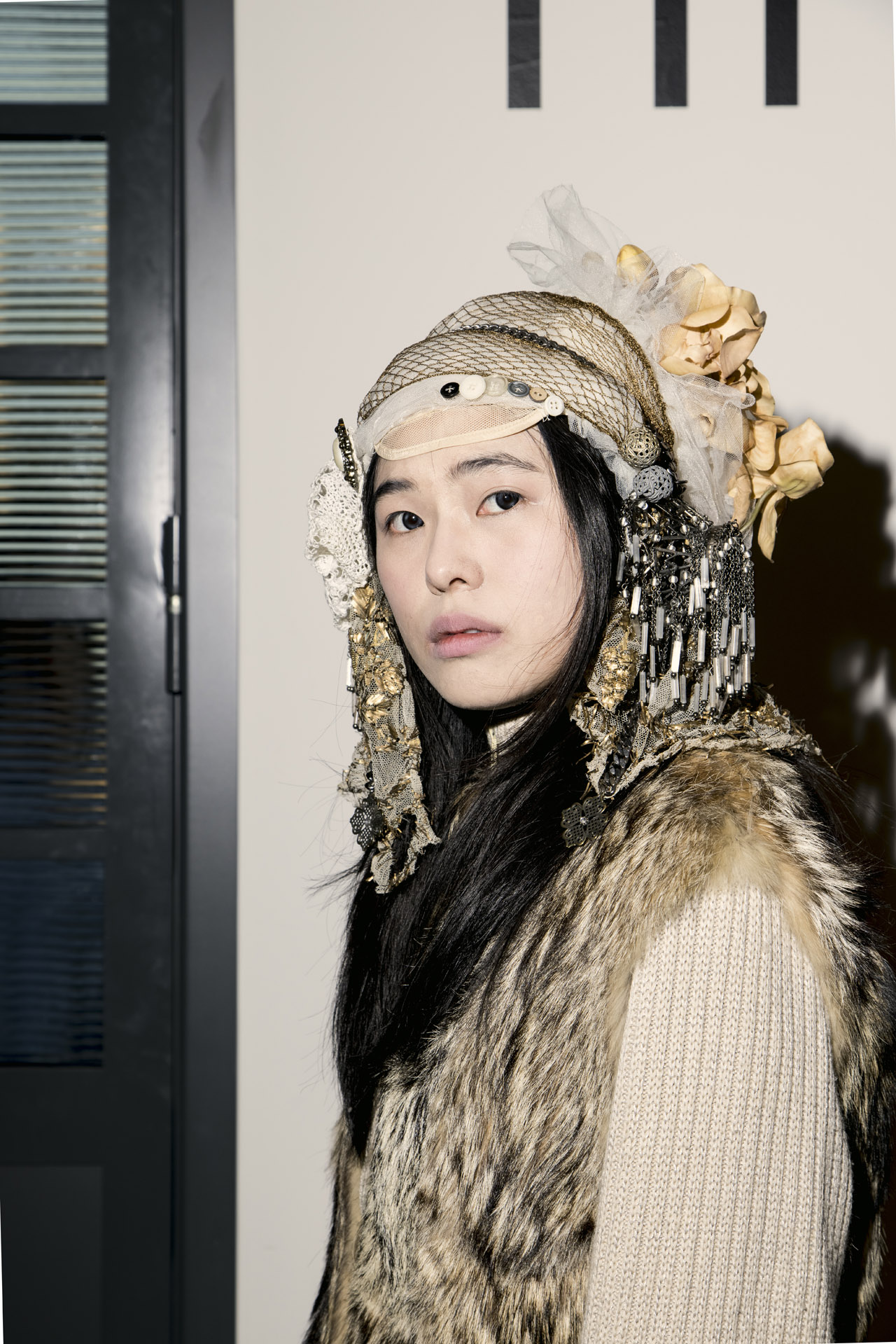
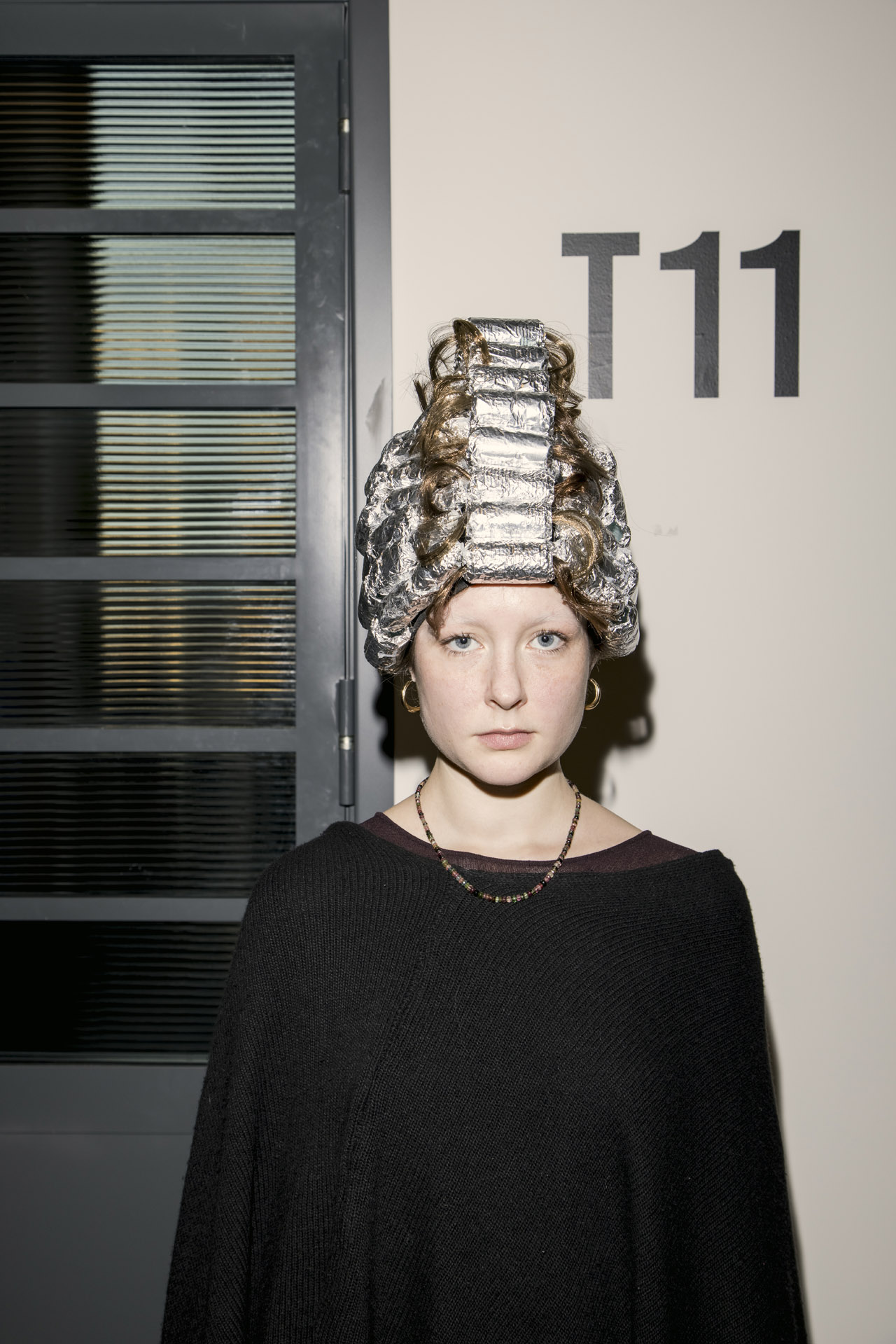
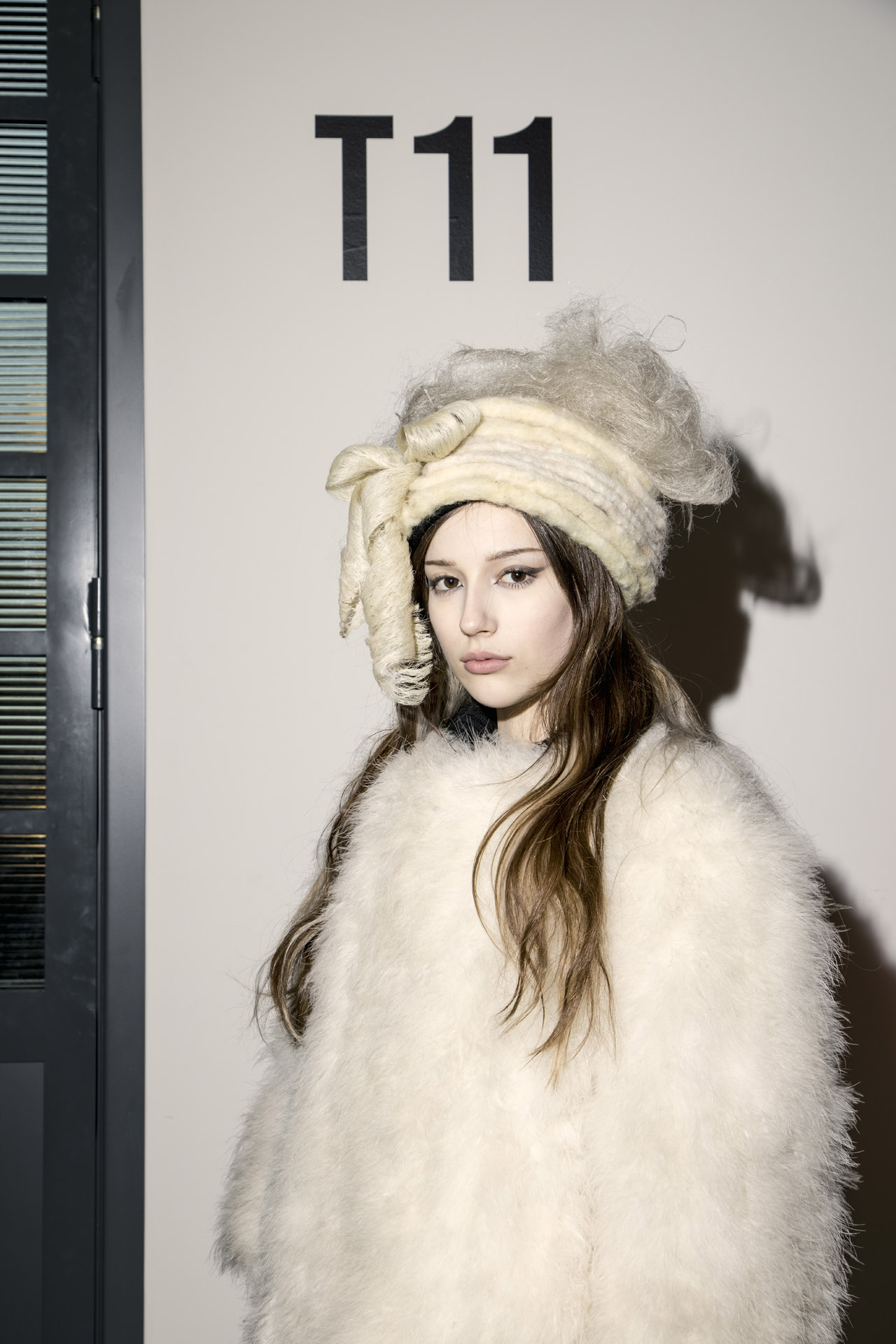
Starting from this insight, create a headpiece that is the physical expression of your fantastic mental chaos.
To wear.”
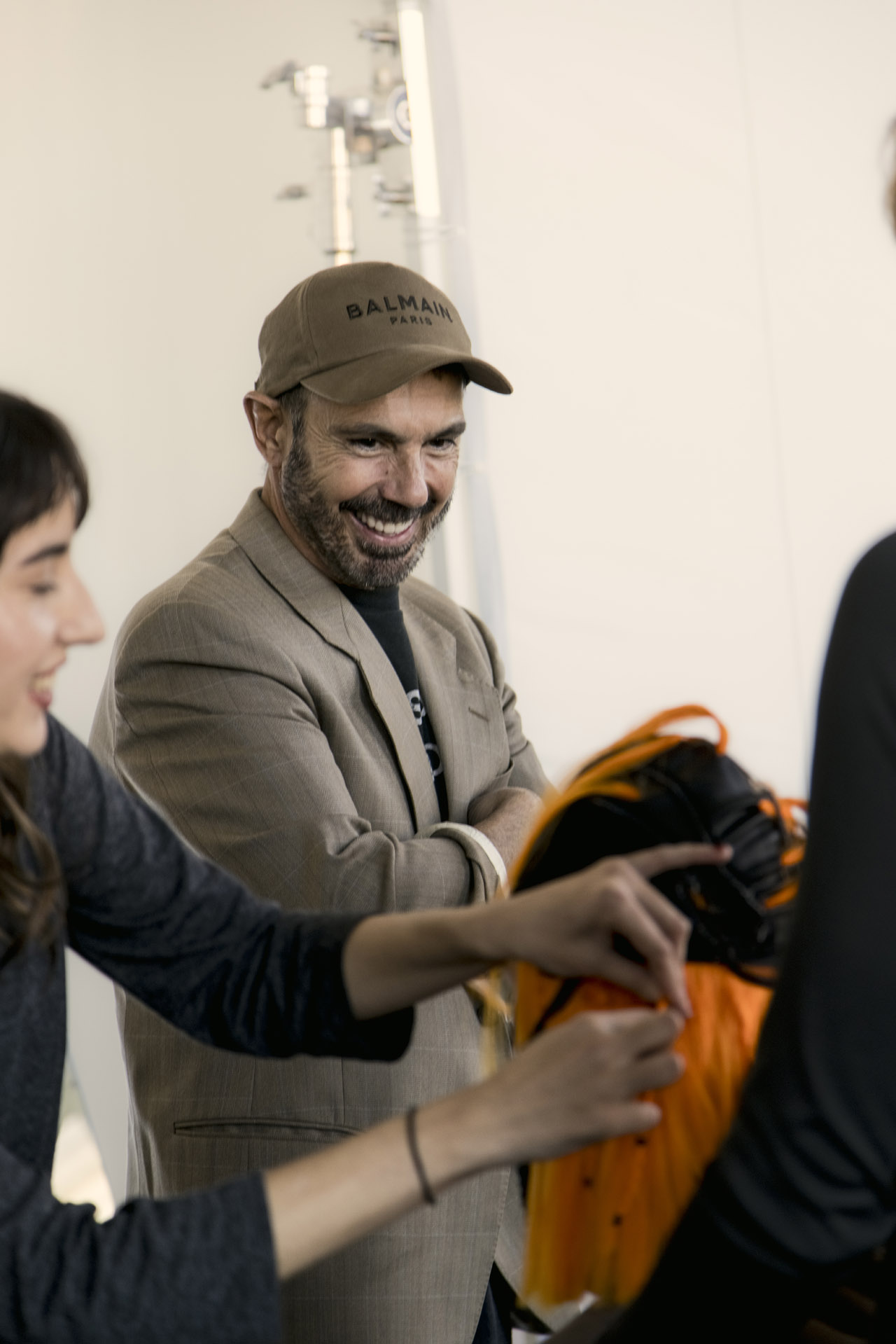
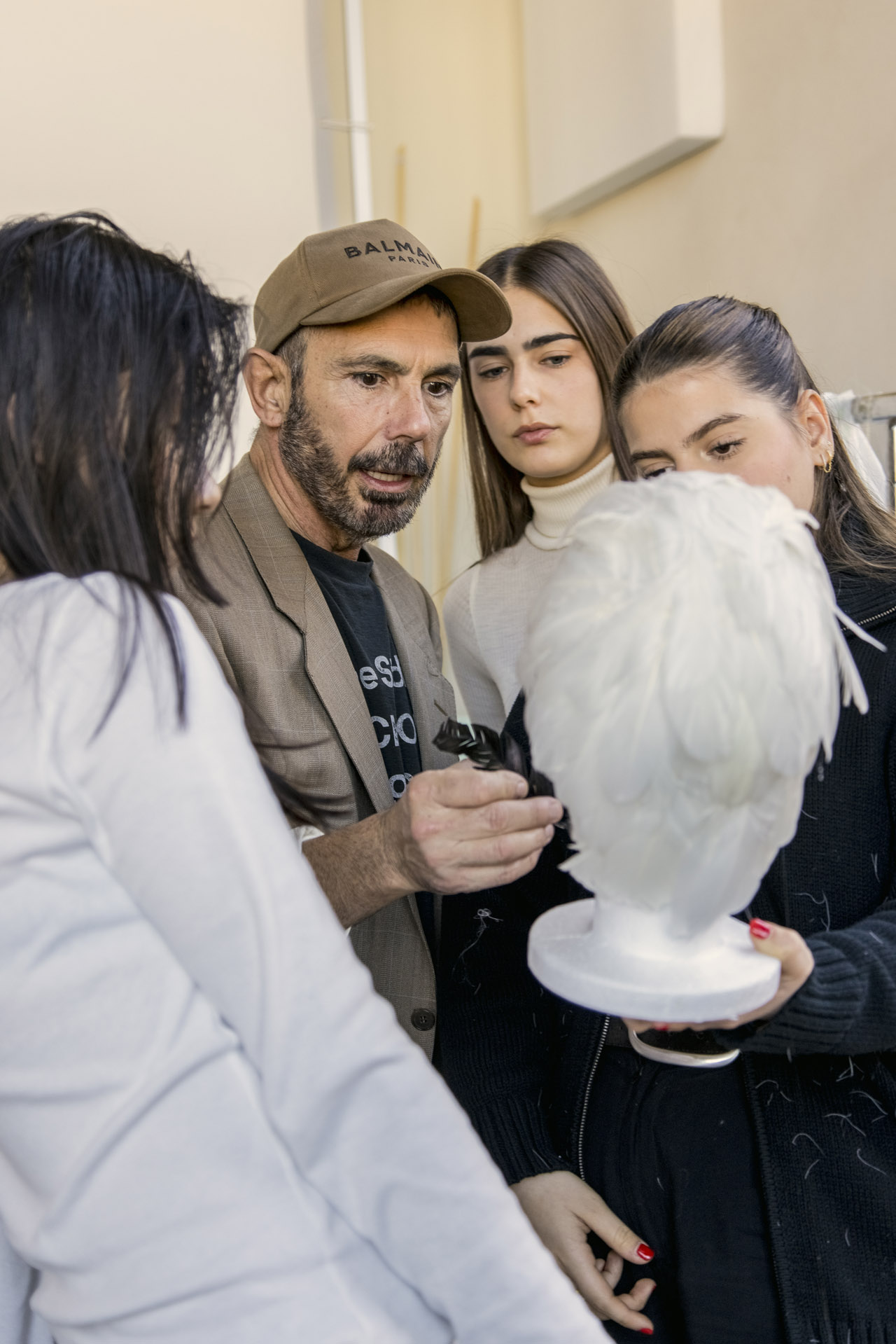
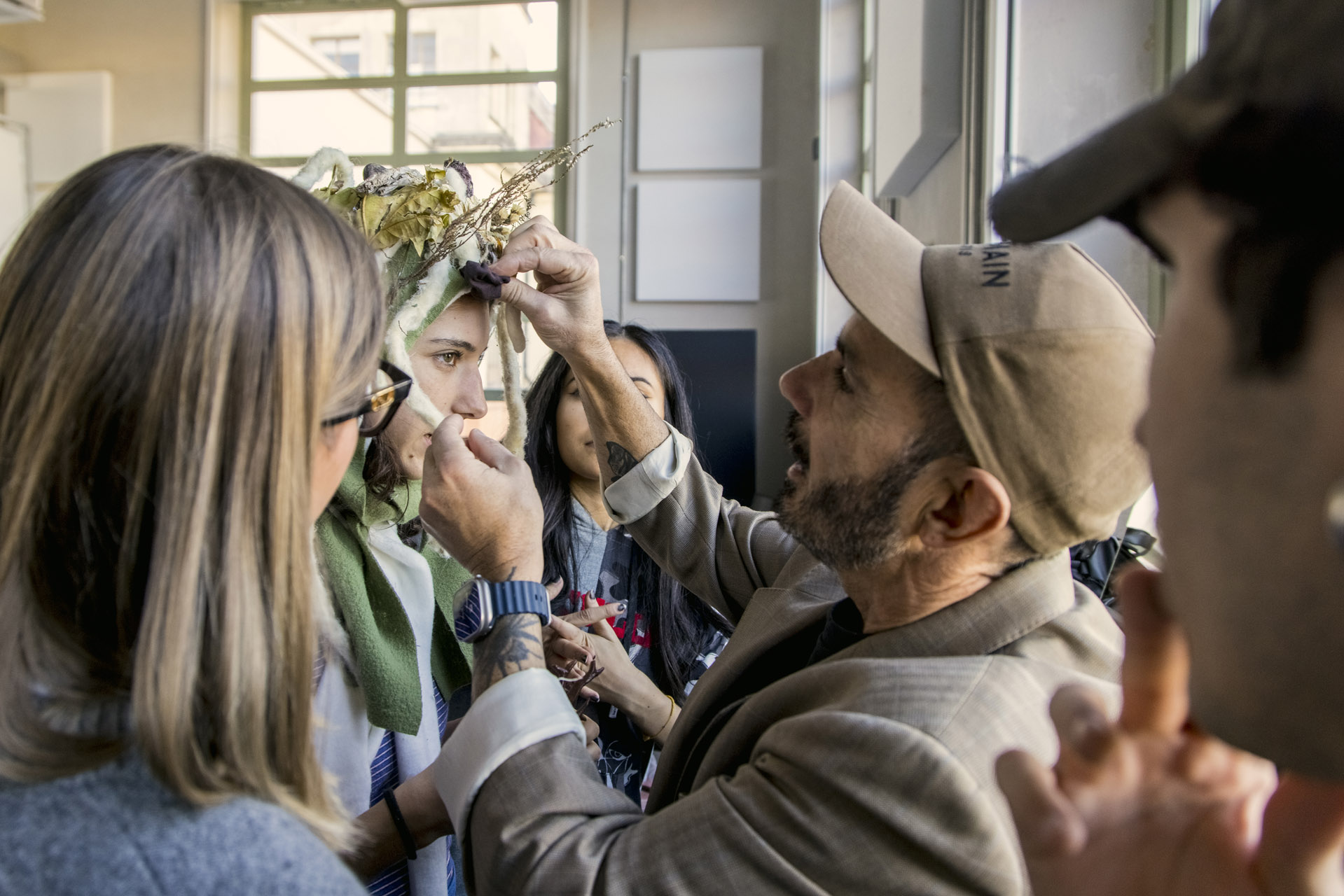
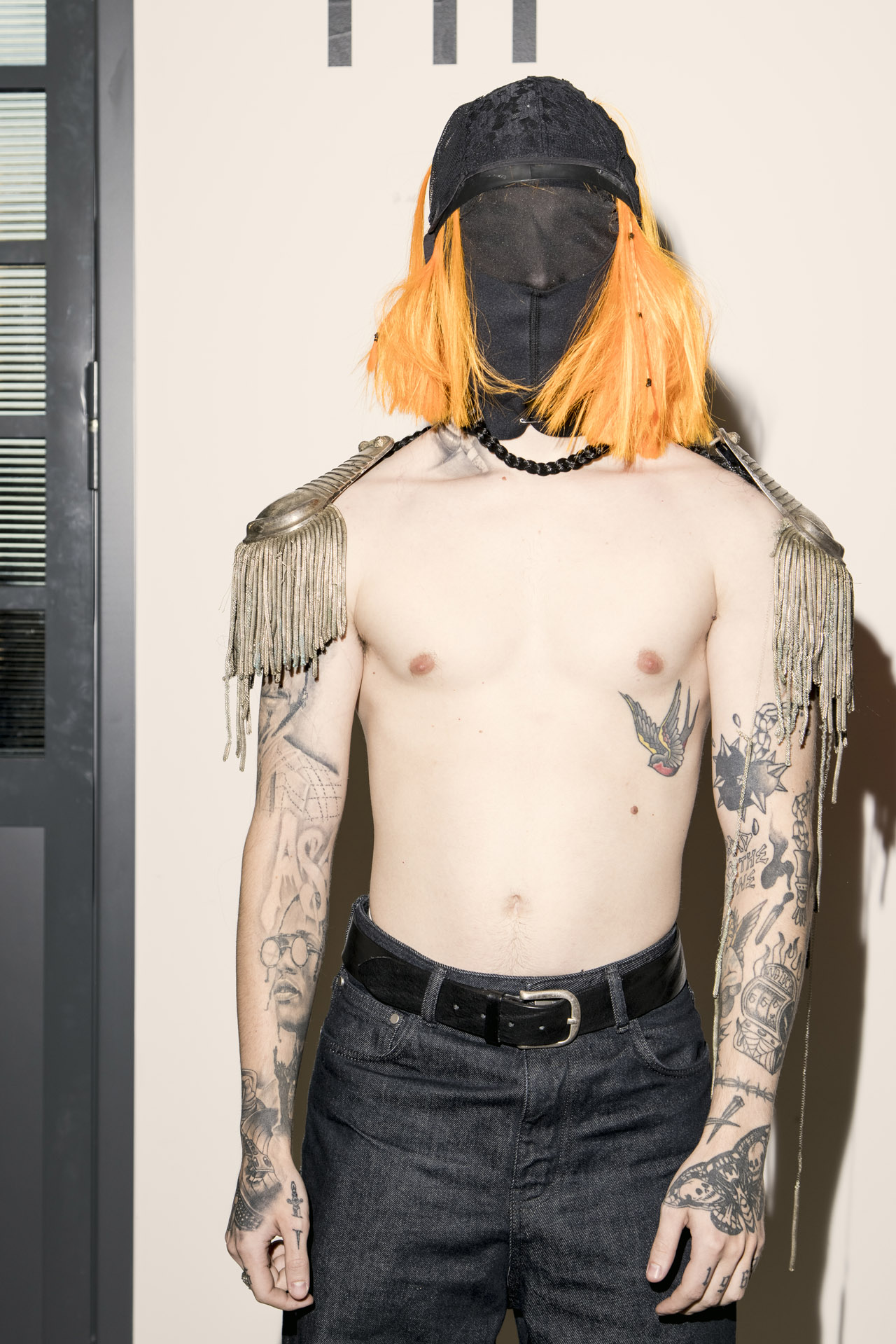
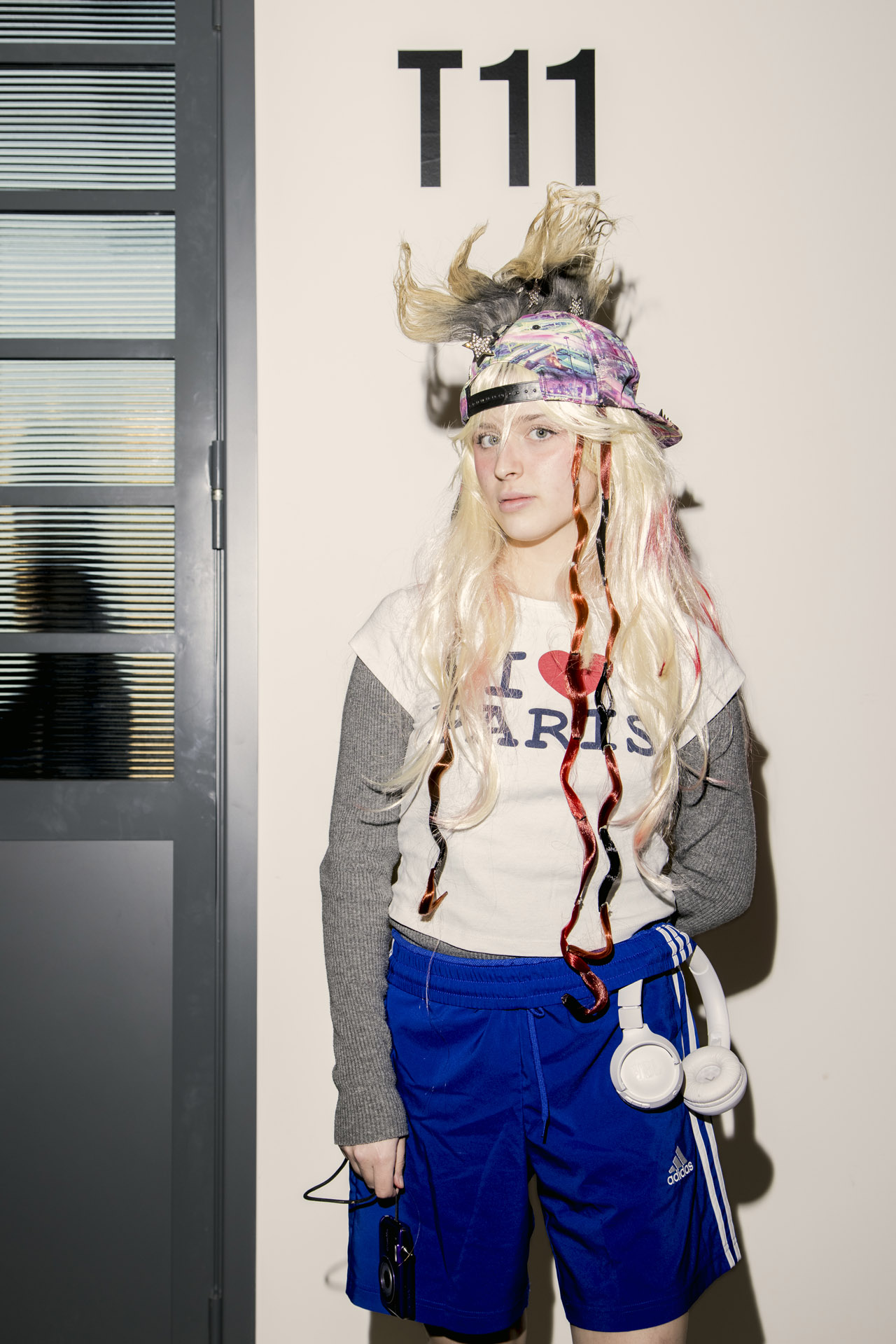
This was the brief received by students from Pierpaolo Lai, hairstylist who loves to dare and has no fear, living his dream of creating art through hair. Originally from Sardinia, he’s a master of his craft; from firefighter in his twenties, to film and theatre student, and then hairstylist extraordinaire, he doesn’t shy away from breaking established norms with his extraordinary technical skills and imagination.
For this workshop, he challenged the students of Undergraduate in Fashion Styling to create a headpiece that is the physical expression of personal mental chaos. Curious, thoughtful and passionate, Pierpaolo told us about hair and beauty as a creative material, the impact of marketing on fashion’s creative spirit and generational learning and mentorship.
@polimoda Case of Wonders with Pier Paolo Lai! ✨ #fashionstyling #fashionschool #polimoda ♬ original sound - Polimoda
Pierpaolo sees hair as a material in itself. With enormous potential, it is a vital tool to telling stories; “I saw hair as a material that could be manipulated, almost like plastic. There is a real relationship between material, hair and transforming it. This is what I do in fashion: if somebody calls me, it’s because they want something that’s been molded and shaped.”
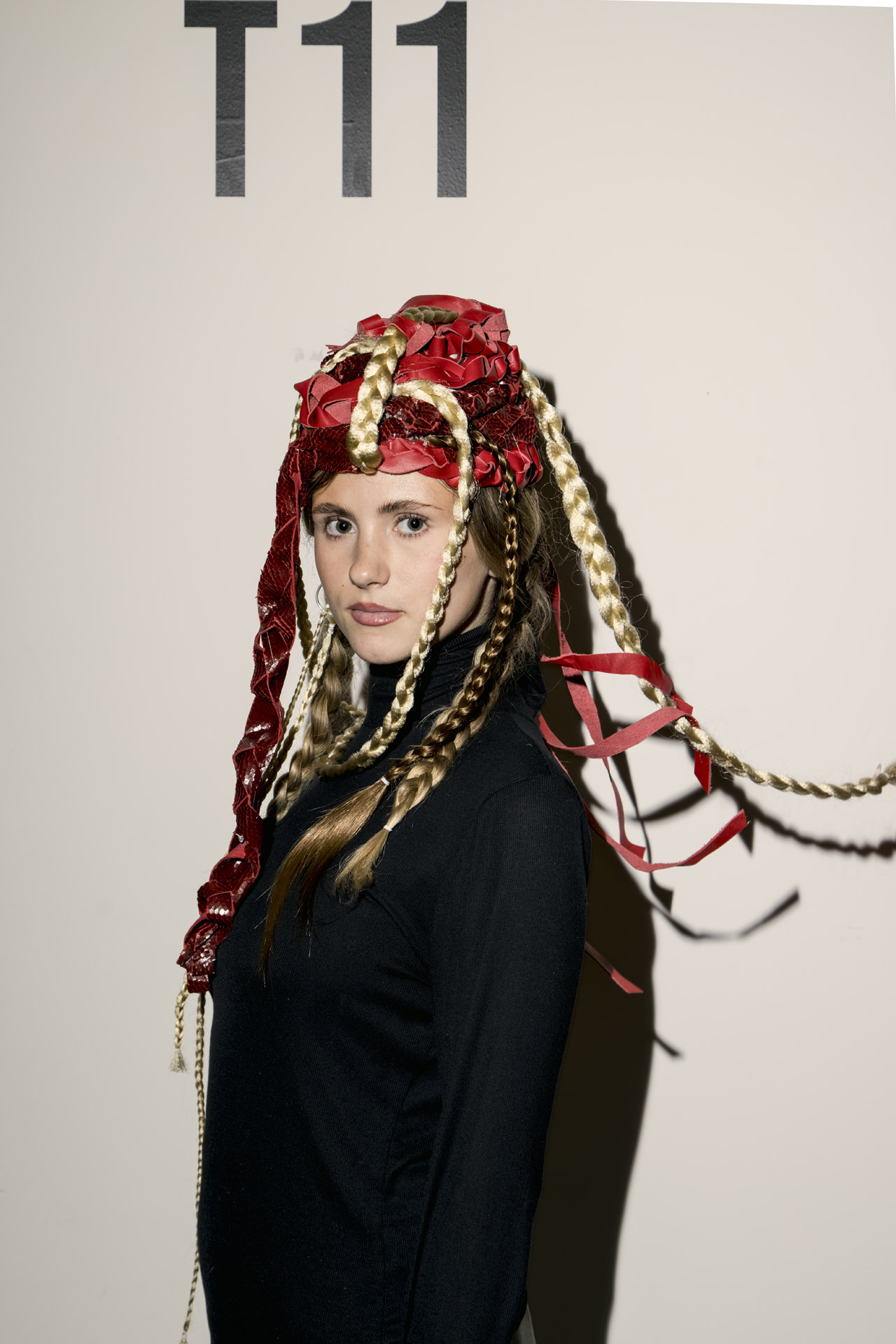
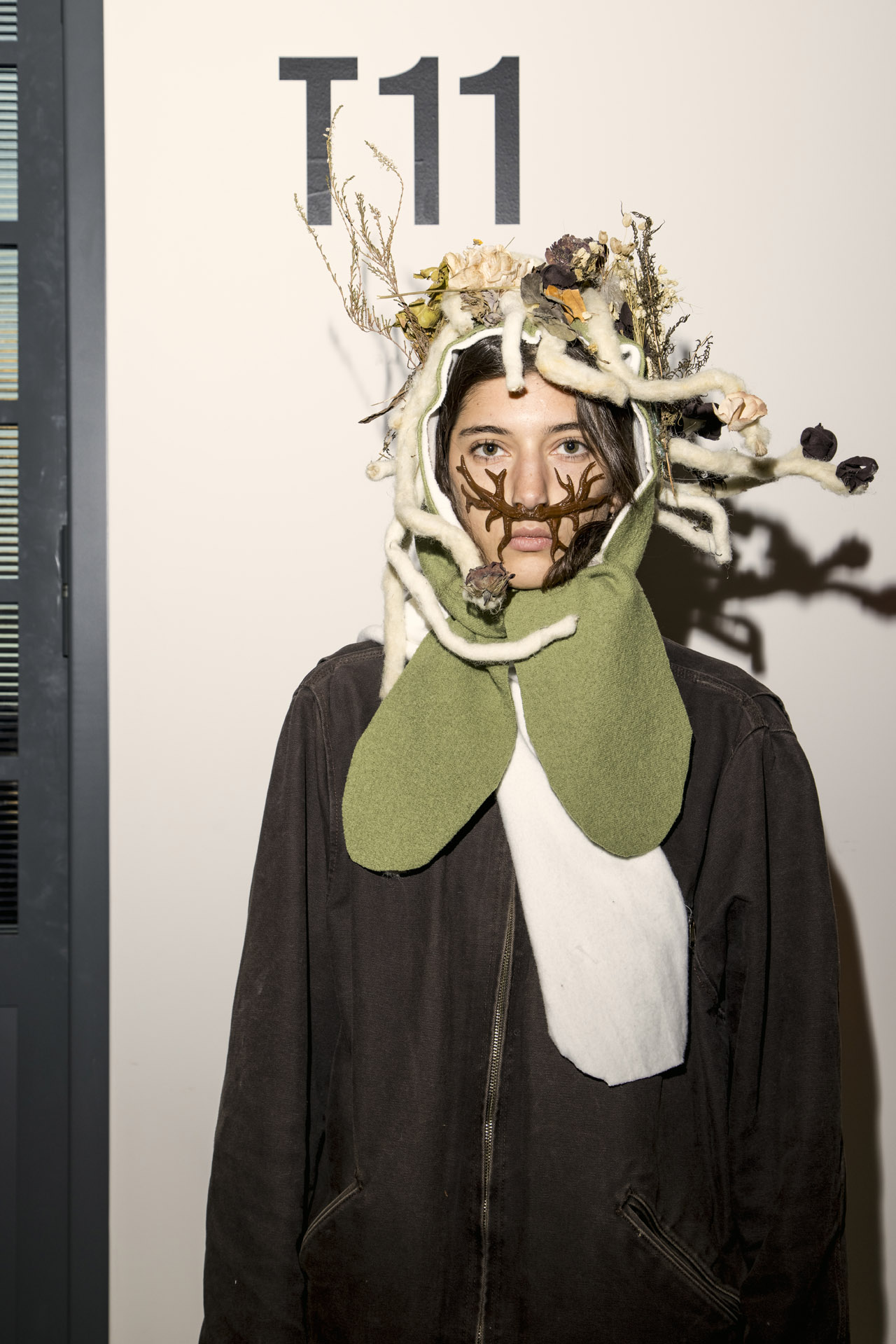
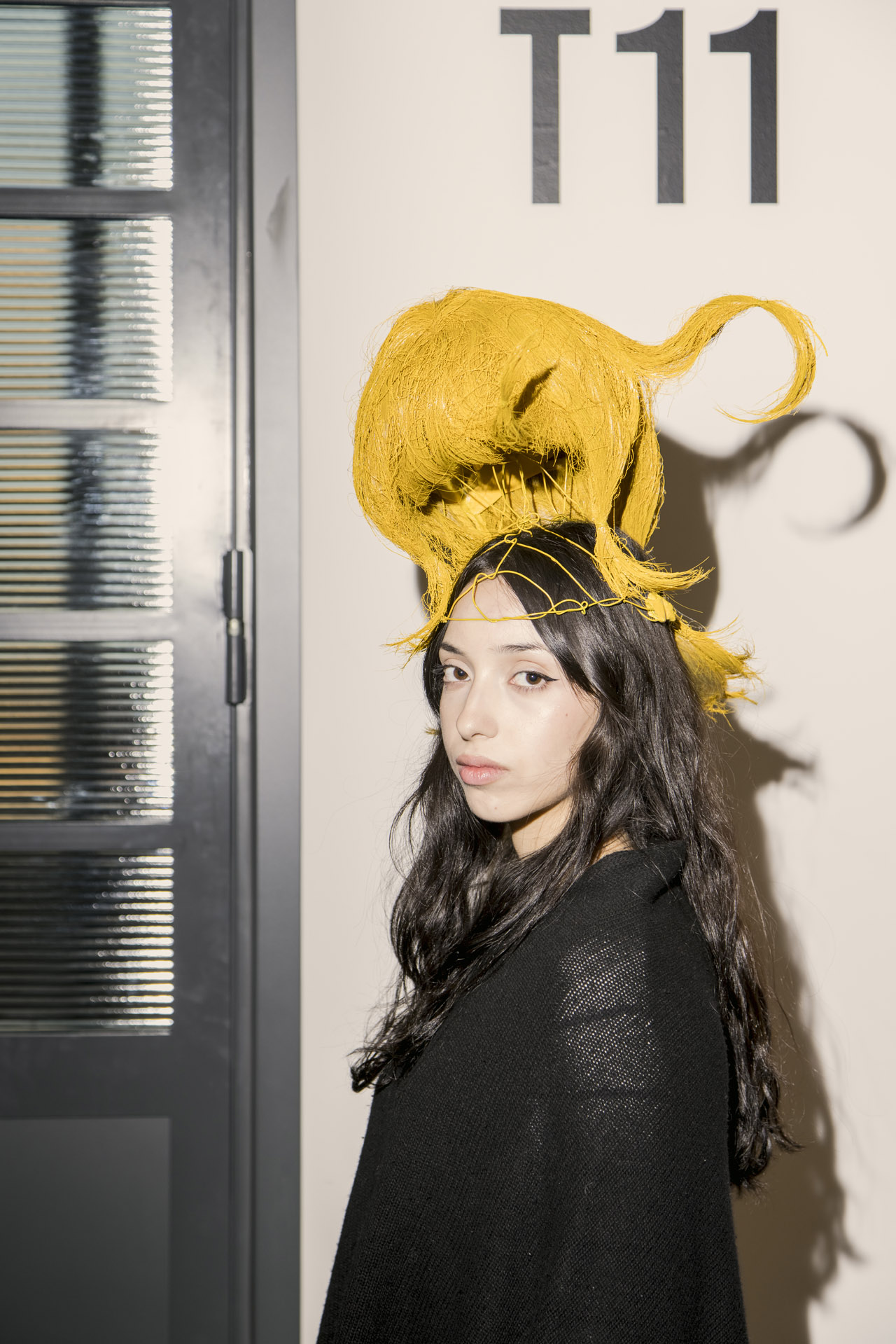
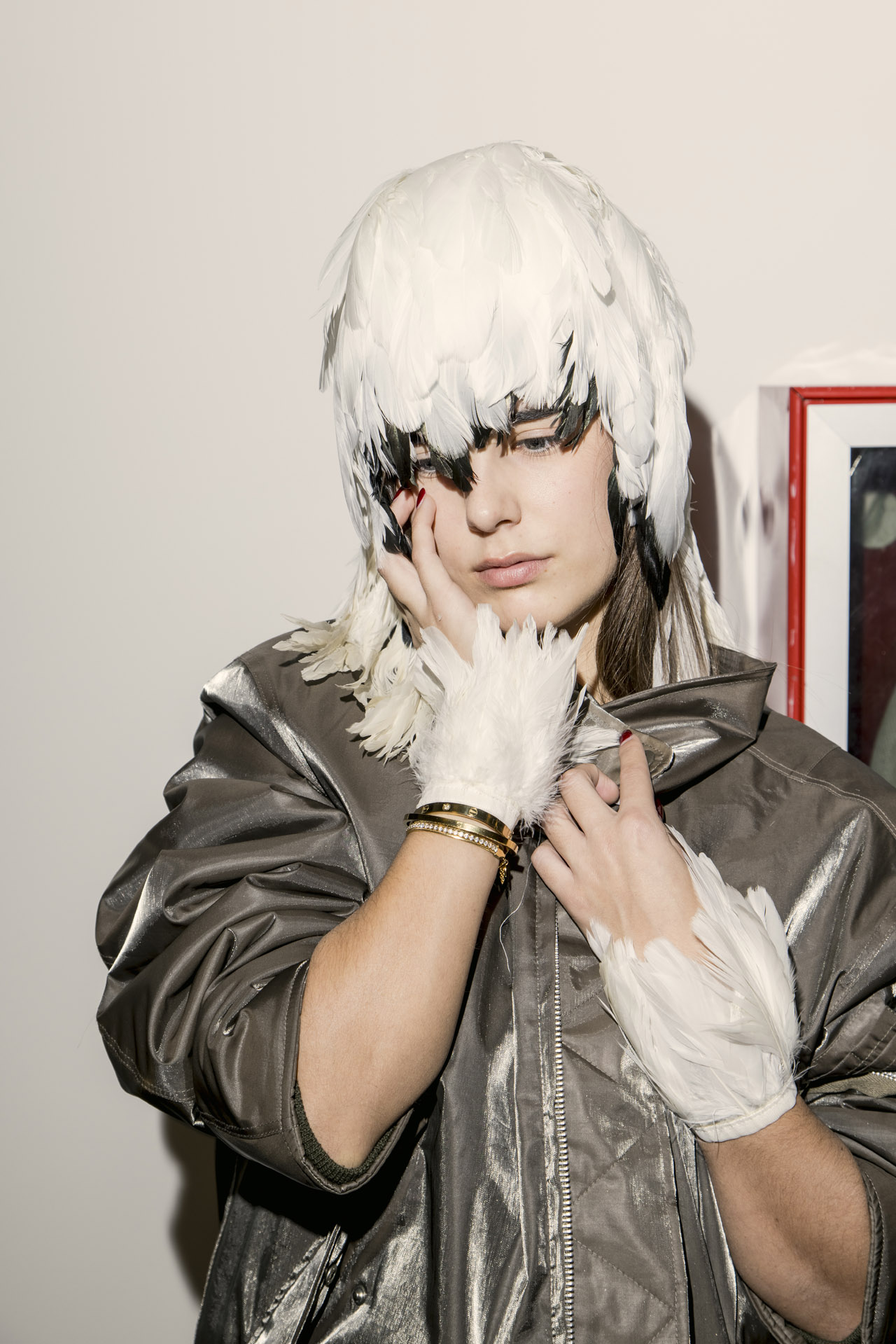
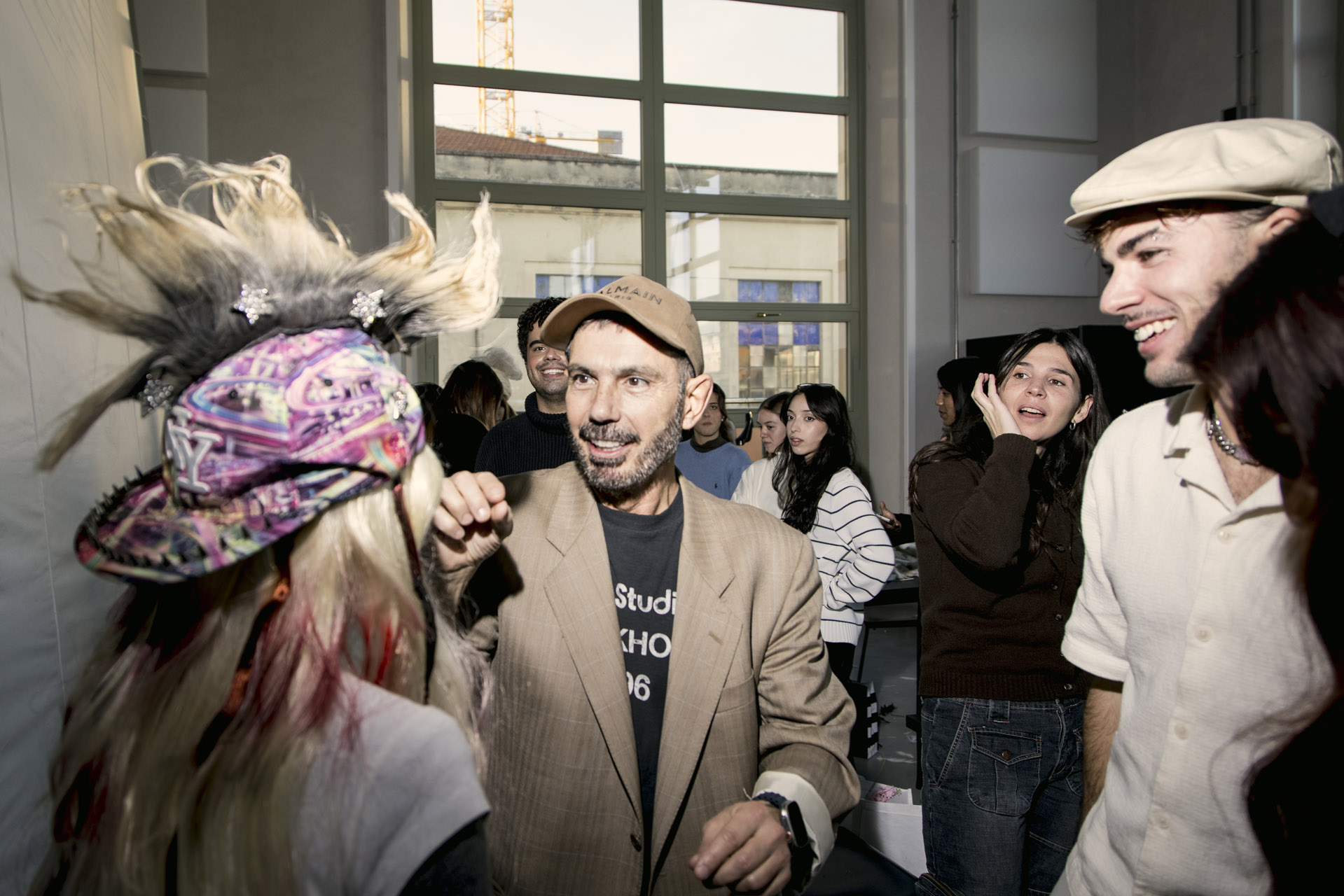
He is amazed by the younger generations, commenting on Polimoda students’ hunger for information and their innate curiosity. He’s particularly impressed by their ability to create mood boards, “this is something not everyone can do. Knowing how to create a mood board is about taking the people you’re talking to and bringing them into your dream, and it’s not easy.” He is enthusiastic about working with younger generations: “They take your technique and your experience, but they see it from a contemporary perspective, they grow, and I grow too, because they also give something back to me.”
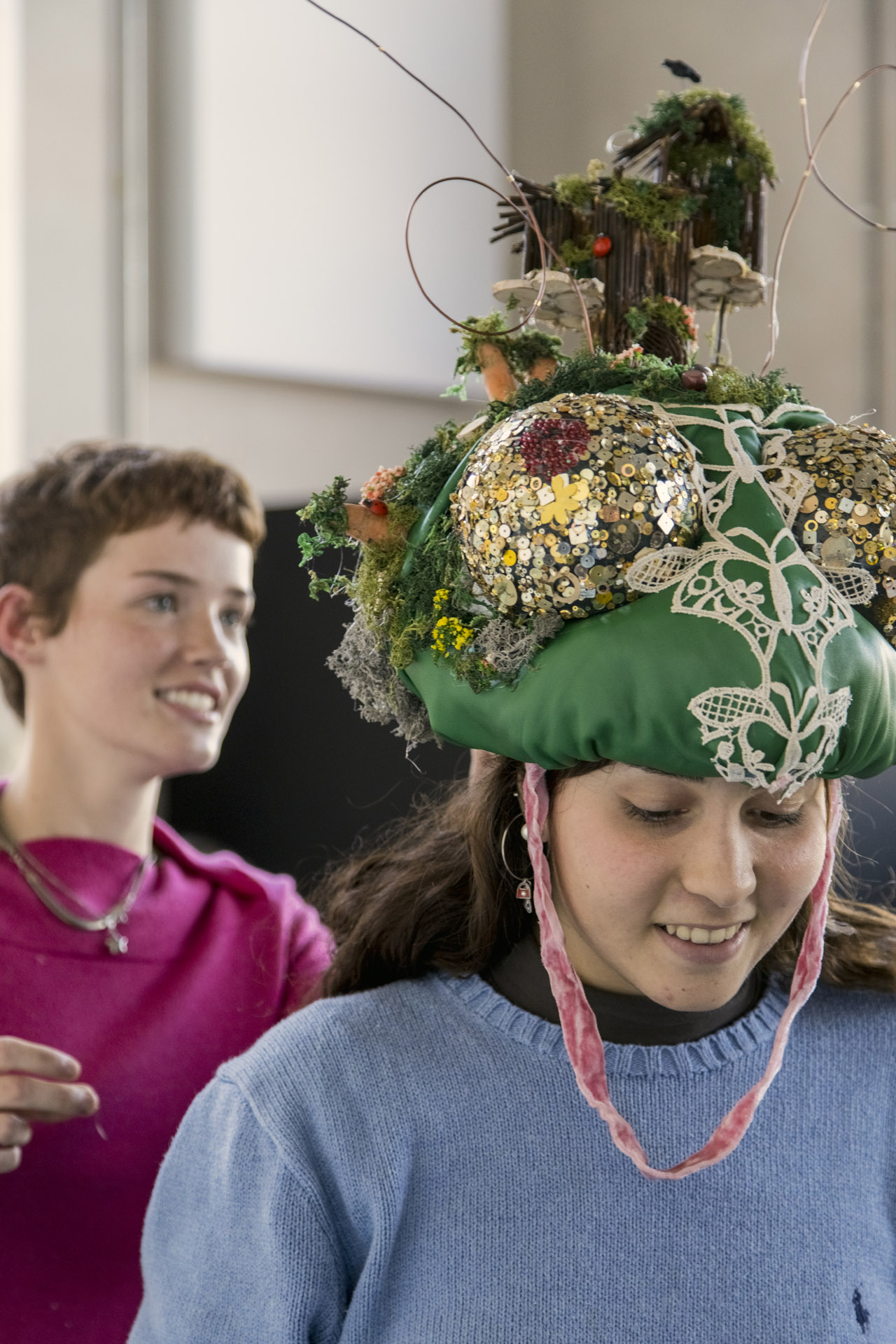
For this edition of Case of Wonders, the students interpreted the brief as a call to action, creating pieces which were fantastical, nostalgic, striking and current. From a secret fairy garden from childhood, to a chaotic ensemble evoking the messy moments of the early 2000s music industry, the headpieces were an explosive translation of mental chaos while providing an effective learning experience as to the importance of hairstyling in the fashion panorama.
CREDITS
Undergraduate Fashion Styling students:
Group 1
Group 2
Group 3
Group 4
Group 5
Group 6
Group 7
Group 8
Group 9
Group 10
PULP FABRICATION
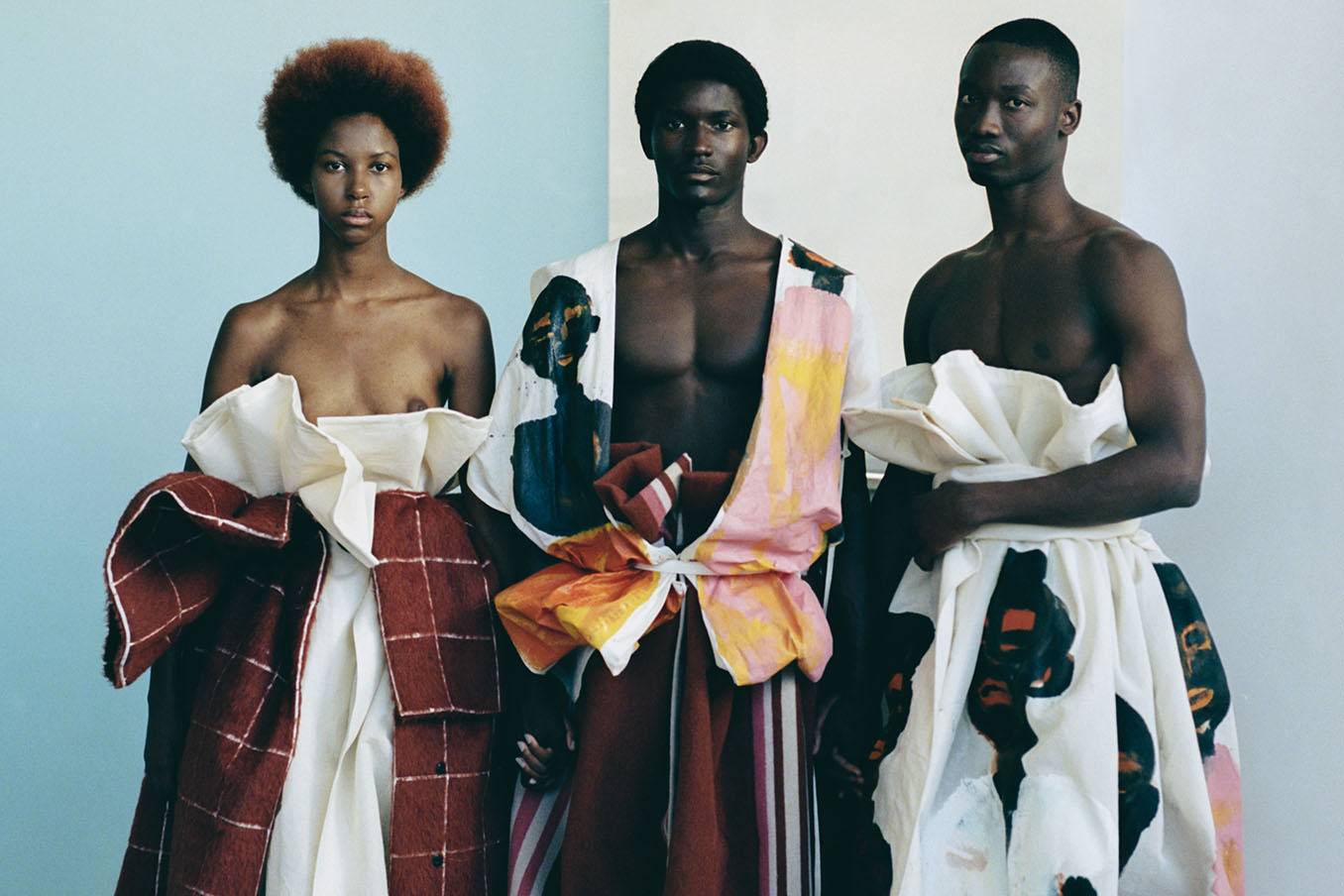
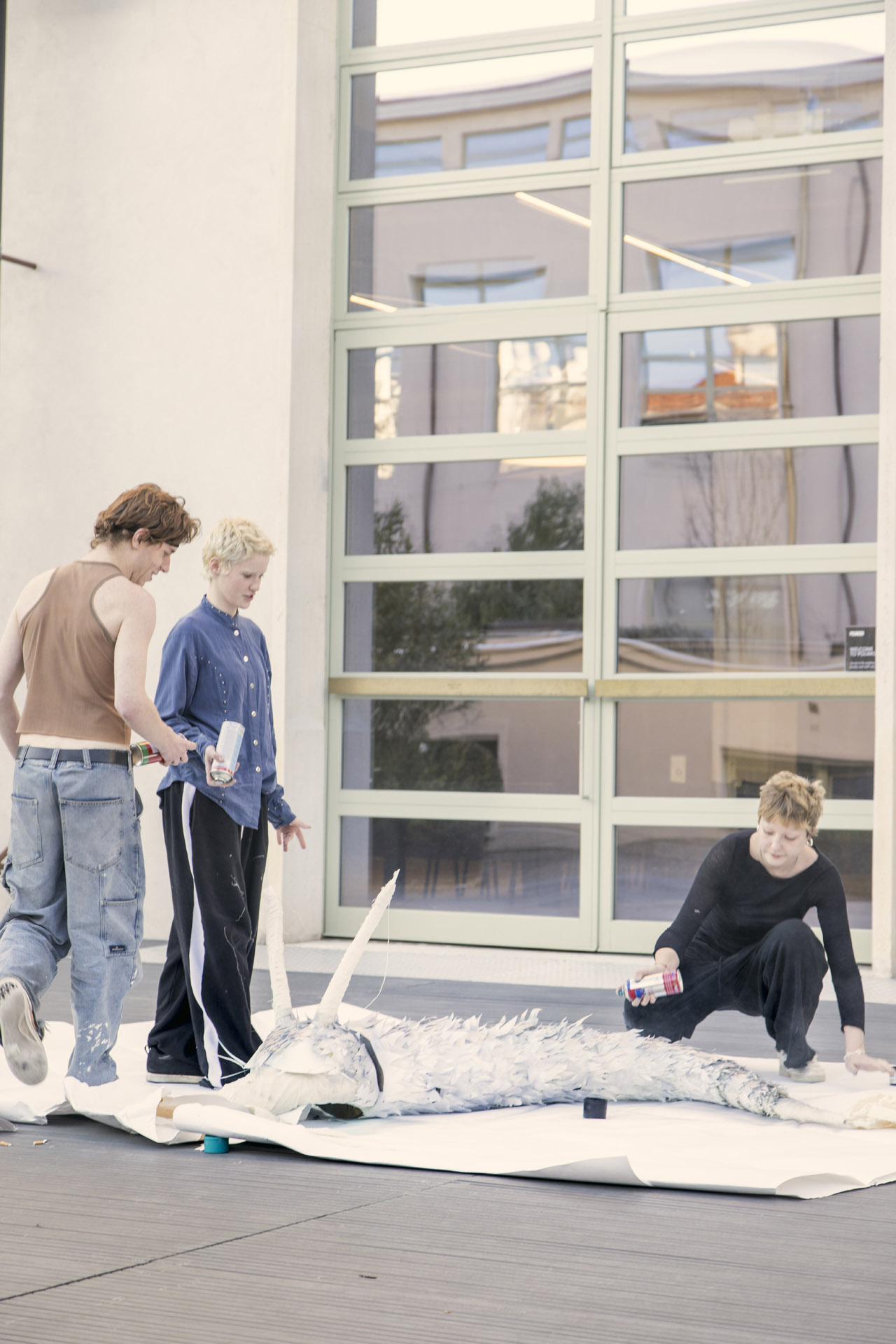
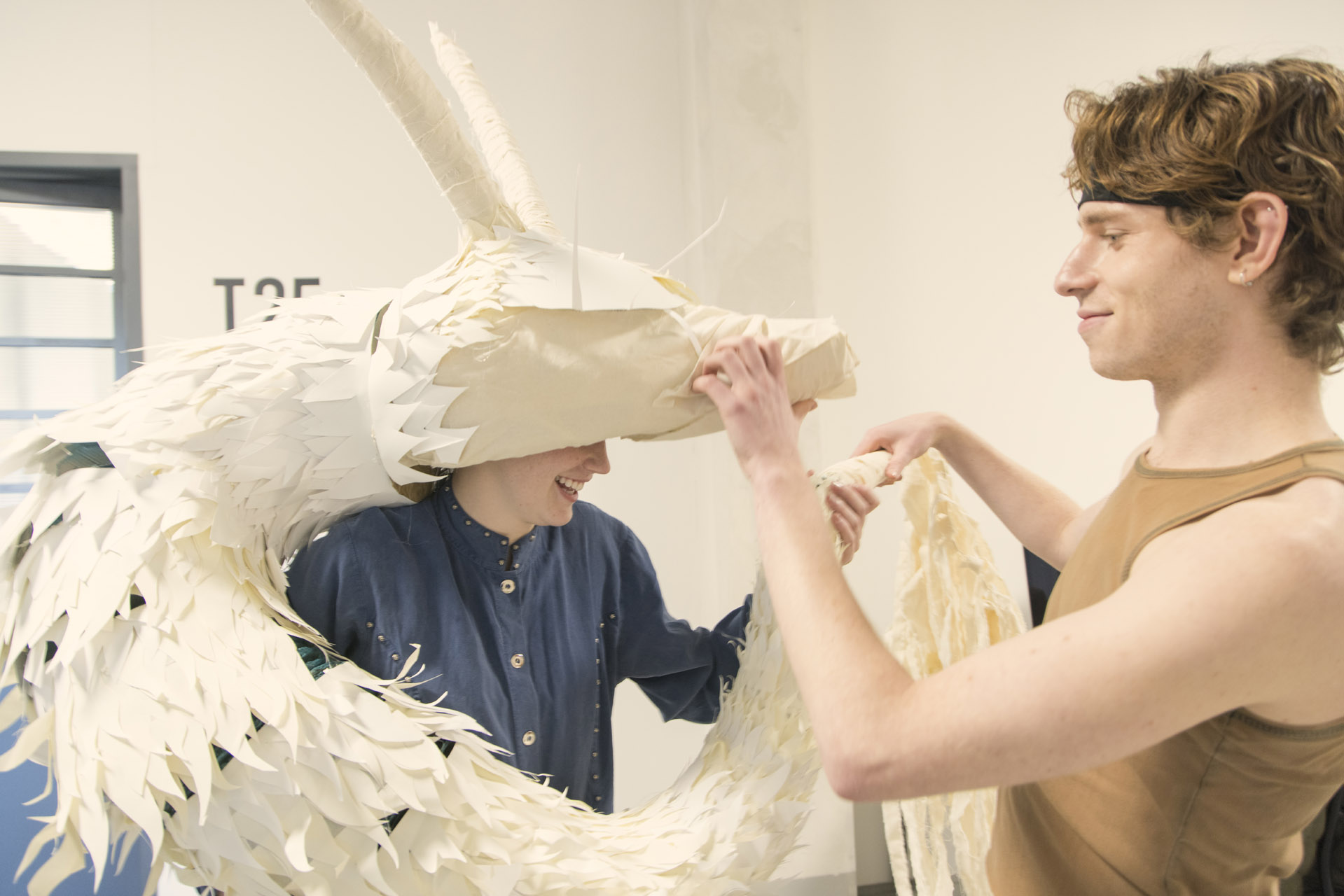
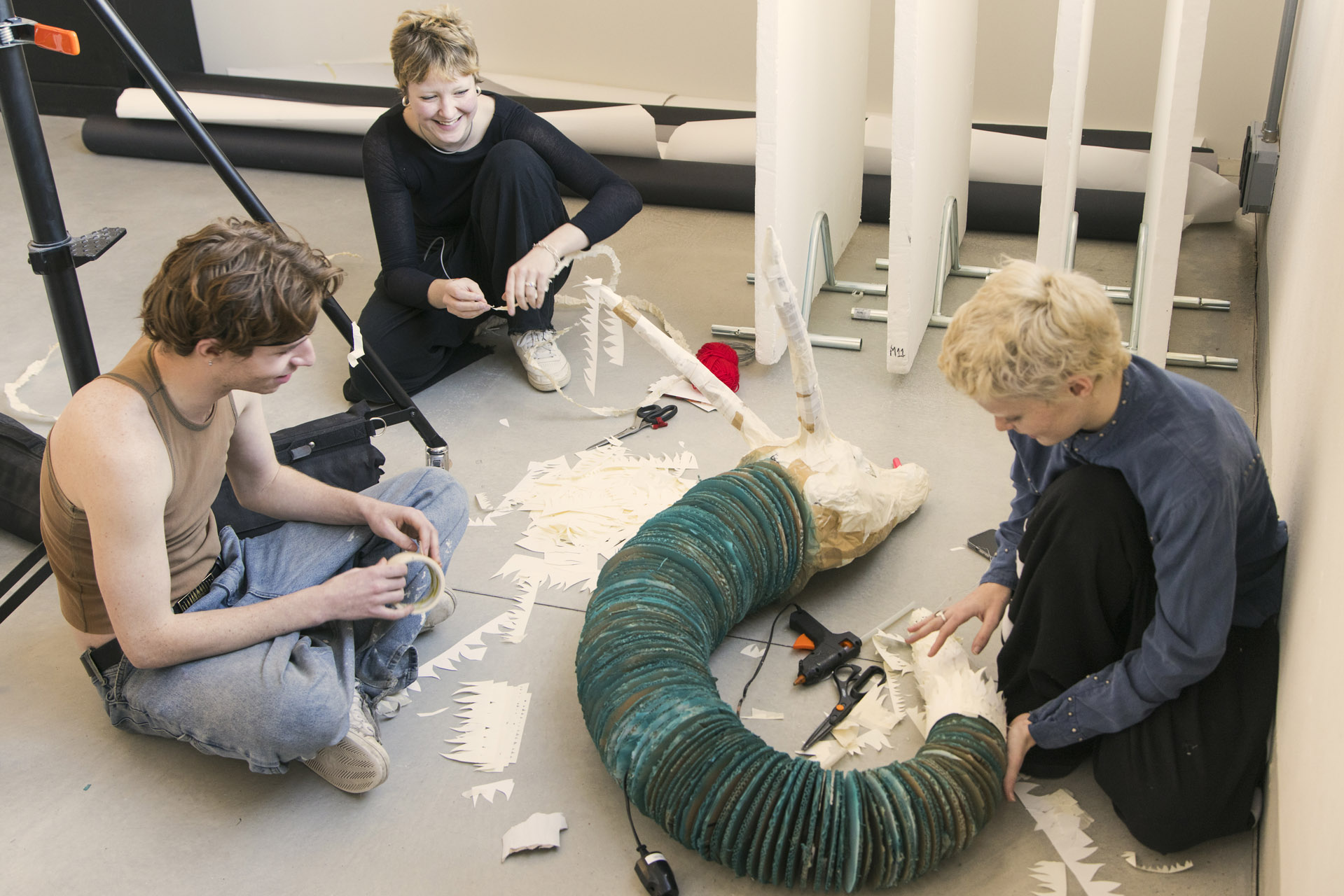
The second episode of Case of Wonders focused on set design: the creation of a place where the physical surroundings of a story are curated, and the identity of the characters is allowed to run free. Students were asked by Edith Di Monda, set design and prop making extraordinaire based in Milan, to choose a moment, character, mood, or scene from a film and create a look made out of cardboard to represent it. Di Monda came to Polimoda to oversee the Polimoda fashion students’ project and get hands on with the Undergraduate in Fashion Styling students.
The students were divided into groups and encouraged to dream big, to think of form, texture and space. Students had to create a moodboard, meet with Edith for any questions and feedback before the workshop in which they executed their pieces from their chosen materials. Once completed, the look participated in a photoshoot and was examined and marked by a jury.
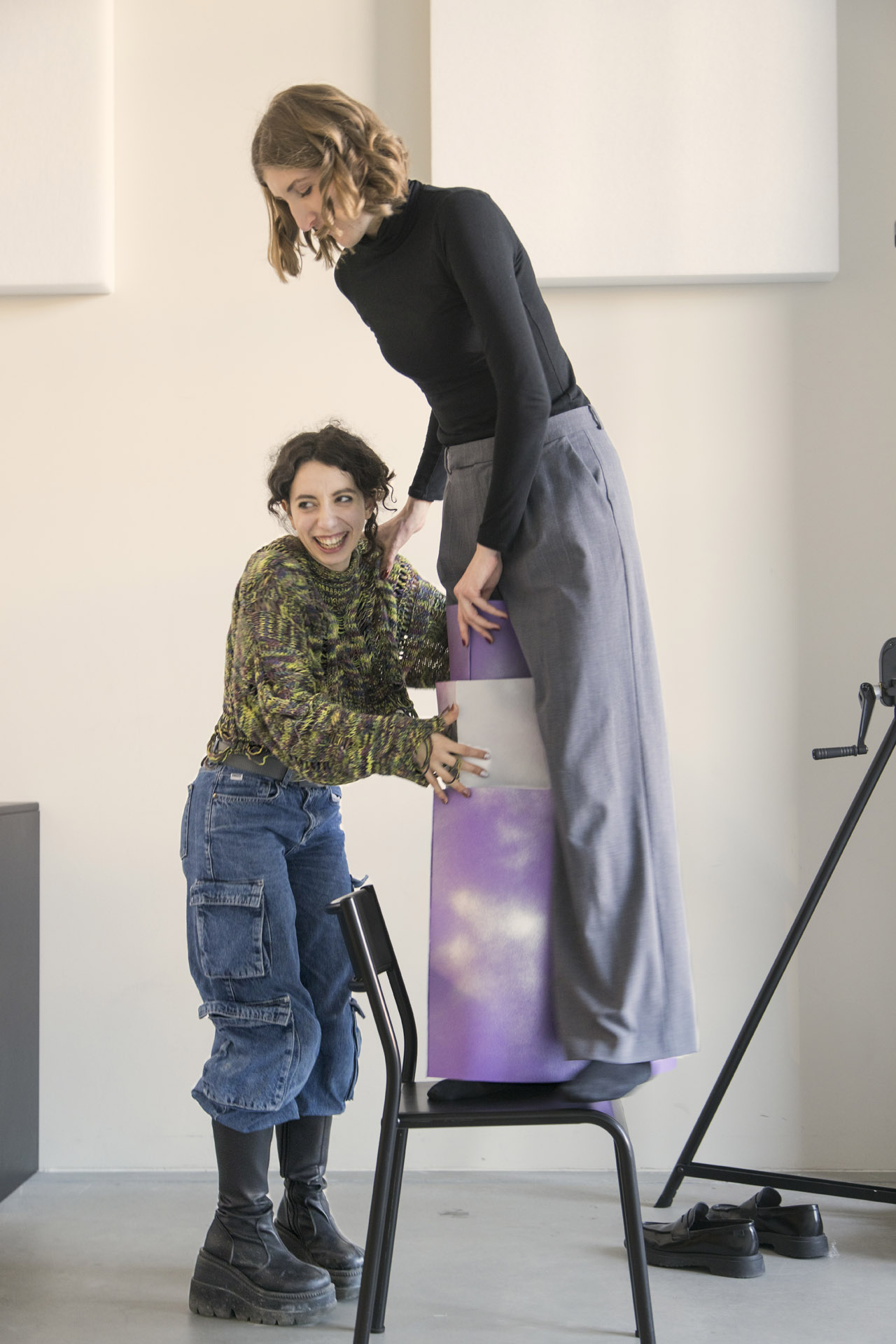
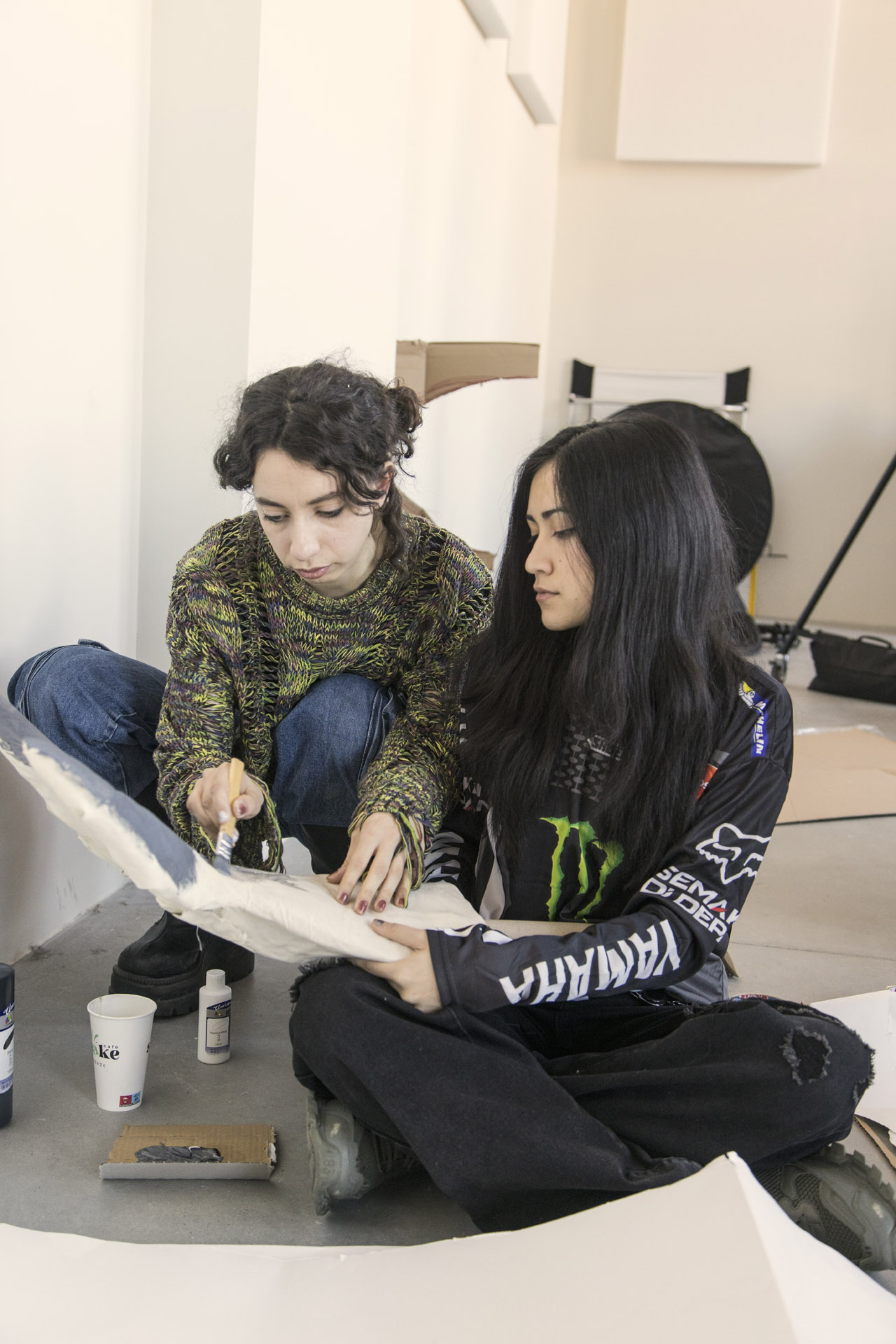
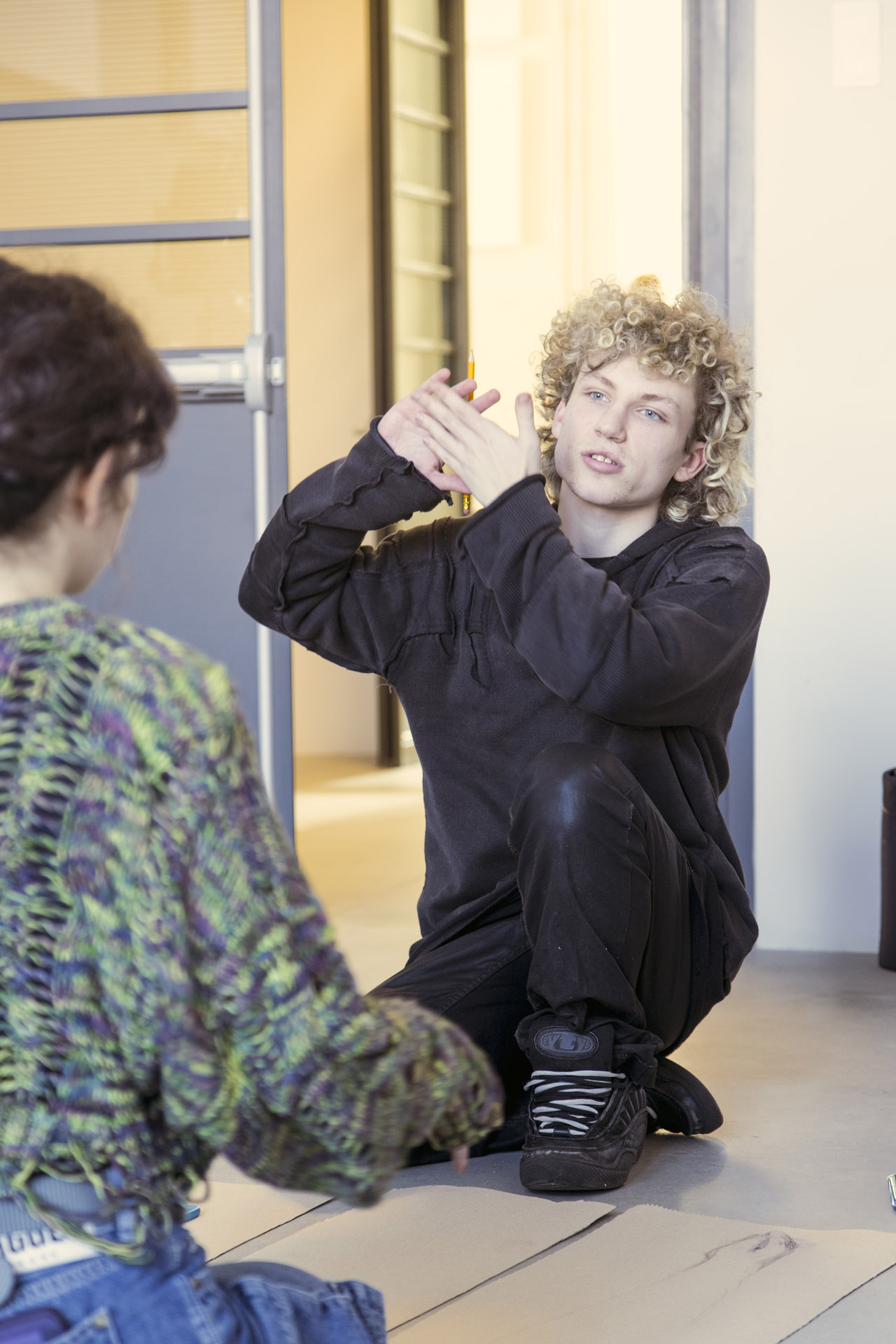
Edith, energetic, focused and knowledgeable, defines a set designer’s role as, “to create the atmosphere of the environment that the characters are inhabiting”. She describes her creative process as “a painting in three dimensions.” Her background in painting at her high school specialized in art, and her Film degree from Bologna University’s famous arts, performing arts and music program (DAMS), has laid the groundwork for the start of any project she takes on, citing the importance of starting any project with a drawing or sketch.
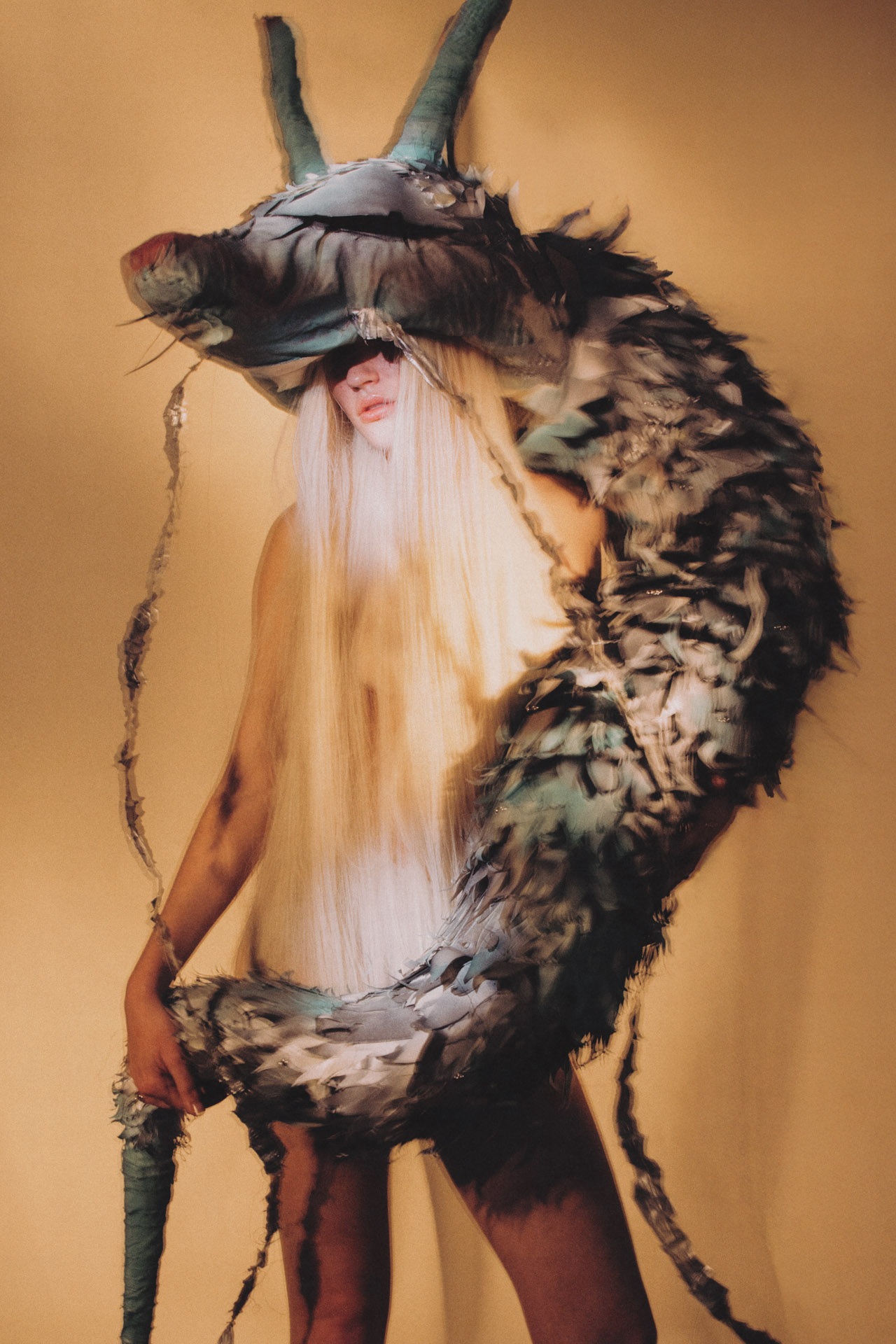
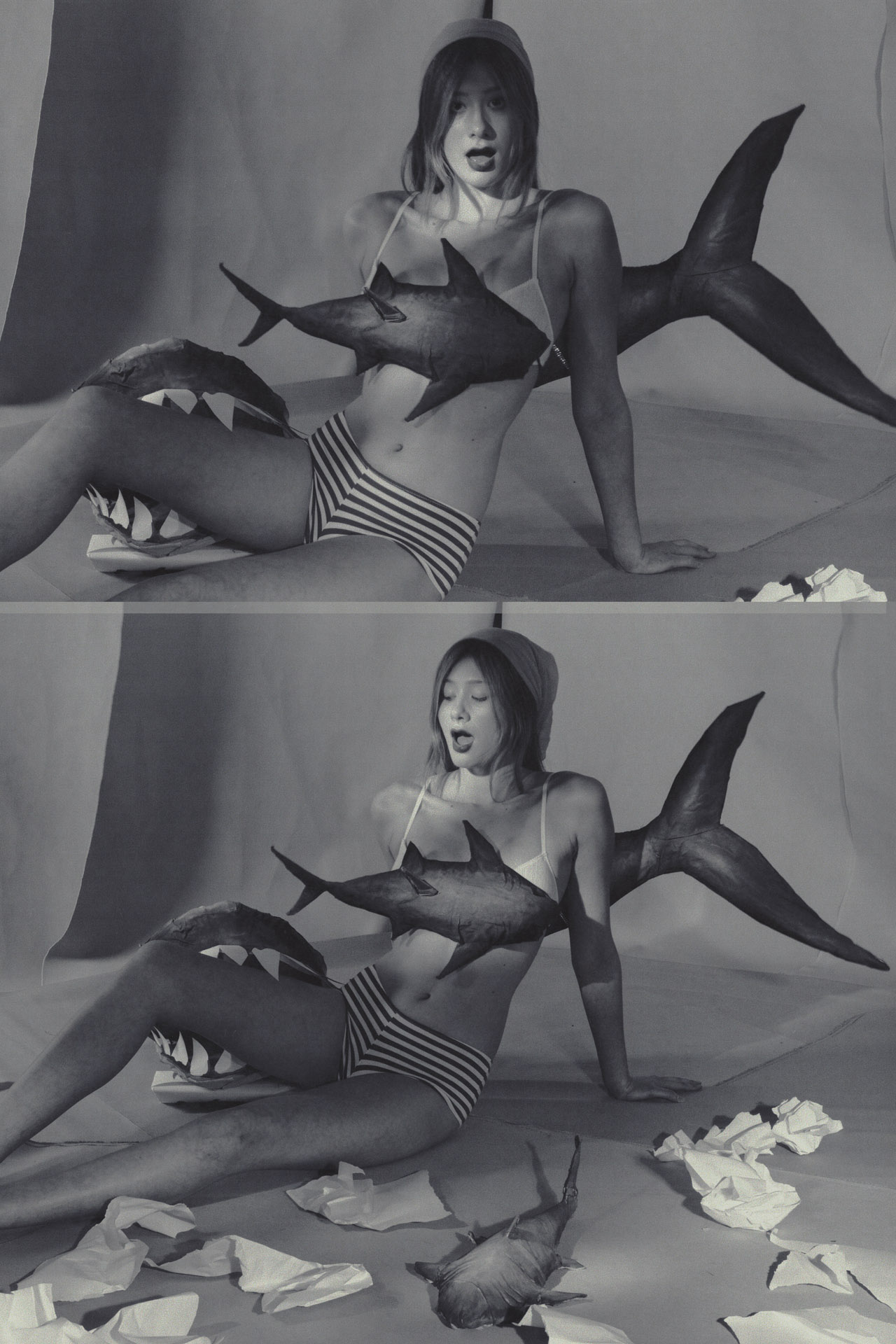
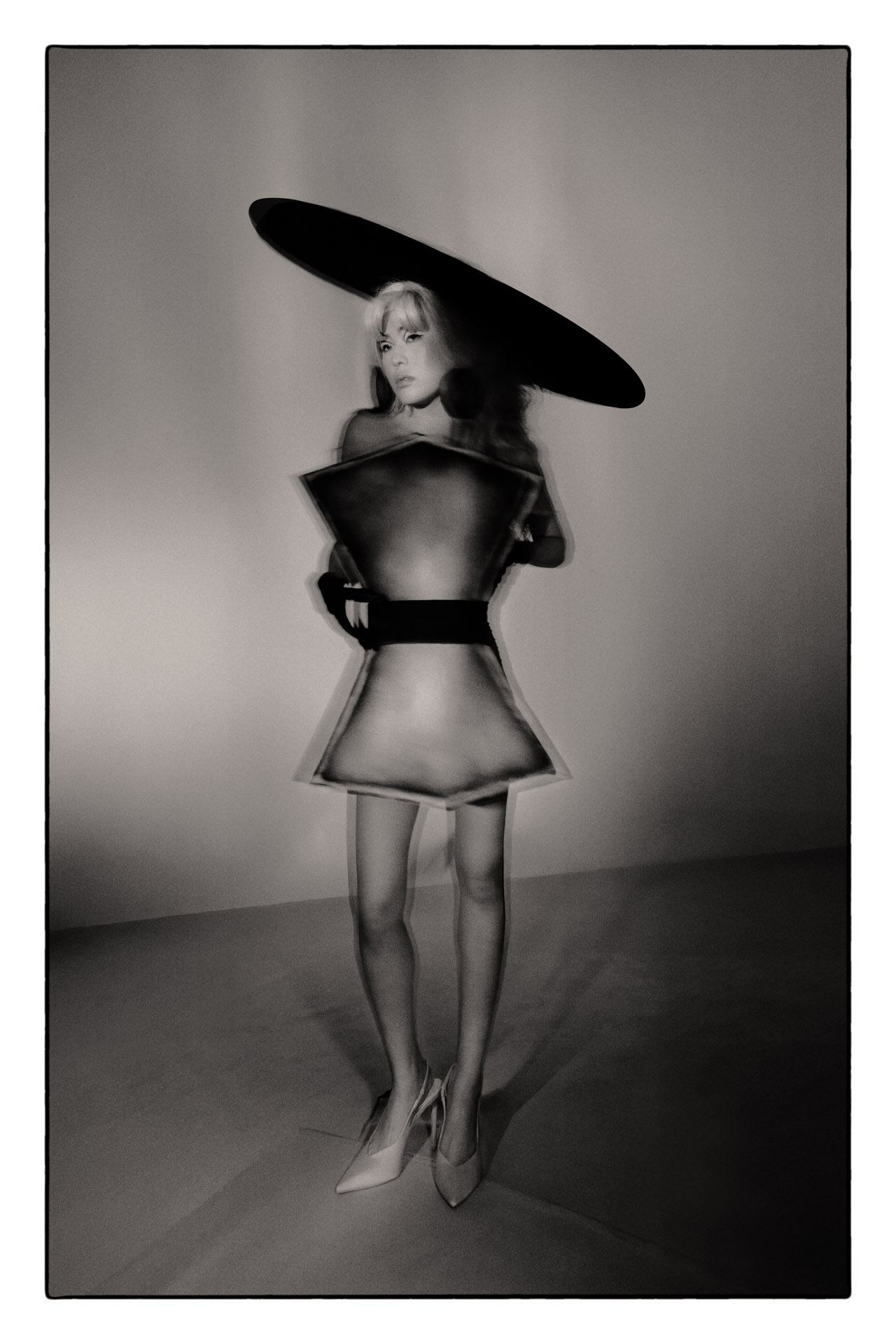
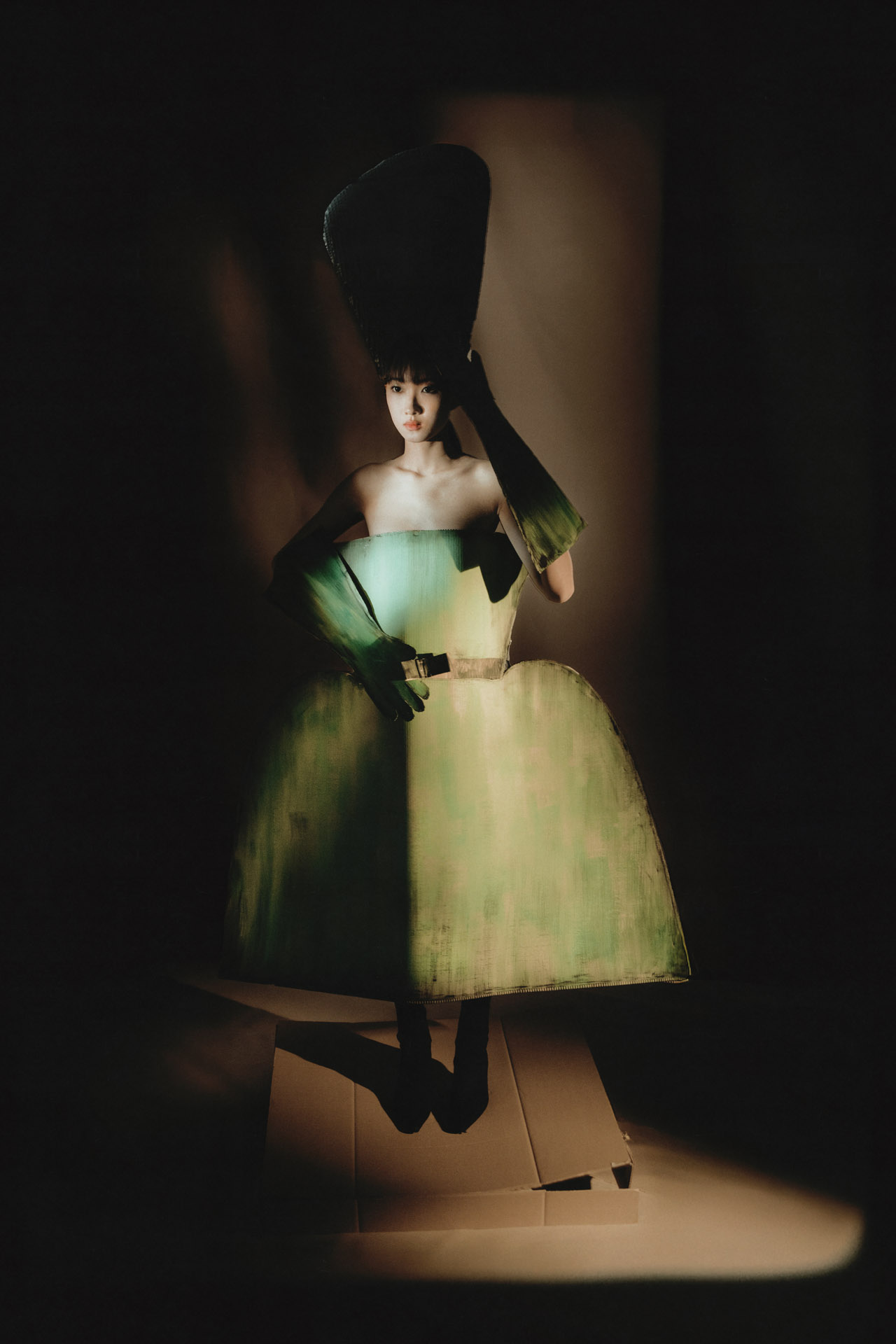
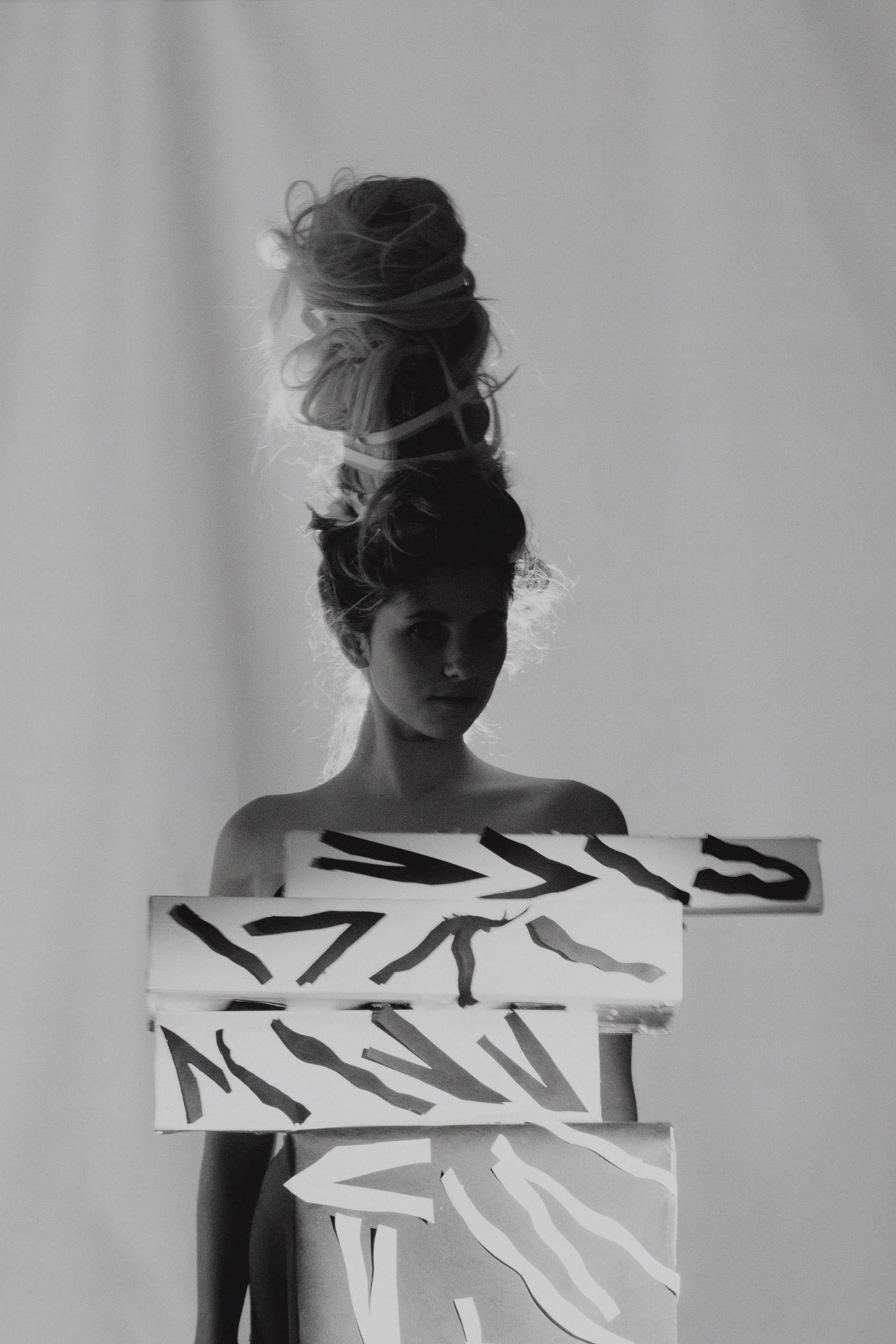
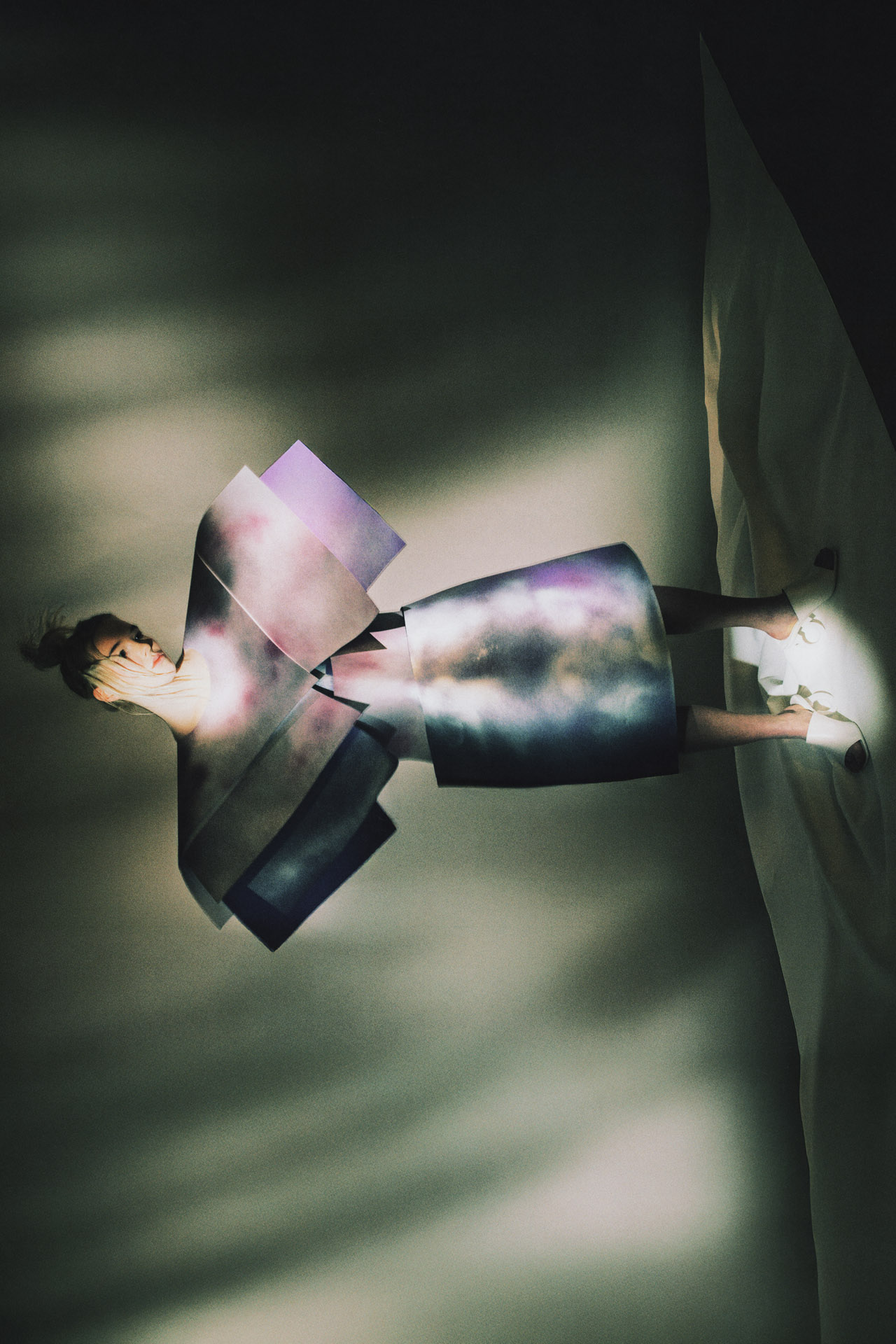
Her film degree, in which she nurtured an interest in silent films, contributed greatly to the style of her set design, which is noticeably connected to Dadaism and German Expressionist film aesthetics. “Set design was born in the theatre”, Edith says, commenting on its tendency to follow different movements from inside the theatre, like the attention to detail of naturalism in which every leaf on every tree is meticulously accounted for, to the minimalism of a set composed of collocated geometric shapes. Today, she has translated all this knowledge and experience into the set design and prop making she conducts for fashion editorials and publications, and her interest for film, into the brief given to the Fashion Styling students.
An understanding of material is fundamental; Edith mentions that her art teacher at school was obsessed with drawing with charcoal and painting with oil paints. Any other materials had to be learnt and used outside of class. This has remained in her work, “charcoal is an extremely important thing for me”, stressing that its gesturality is what has stayed with her. Cardboard can be an important material for set design, citing that it’s an accessible material that can be found everywhere and has great potential for interesting forms and shapes.
@polimoda Case of Wonders: Pulp Fabrication with Edith Di Monda ✨ #fashionstyling #fashionschool #fashionstudent ♬ original sound - Polimoda
What can a fashion styling student gain from a set design workshop? “Set designers and costume designers are very similar and work closely together, we’re always talking about creating a visual together”, she emphasizes that “garments and set design are two elements which have to communicate in order to work together.” In most photoshoots or editorials, there is a story to be told. The relationship between the set design, the character and the story is a very present one, “it is essential that all three are there and that they collaborate with each other.” Set design is an essential part of this relationship: Edith mentions that most of the time in a script, or a brief, there is always some reference to how the set should represent the feeling, look, position or action of the characters.
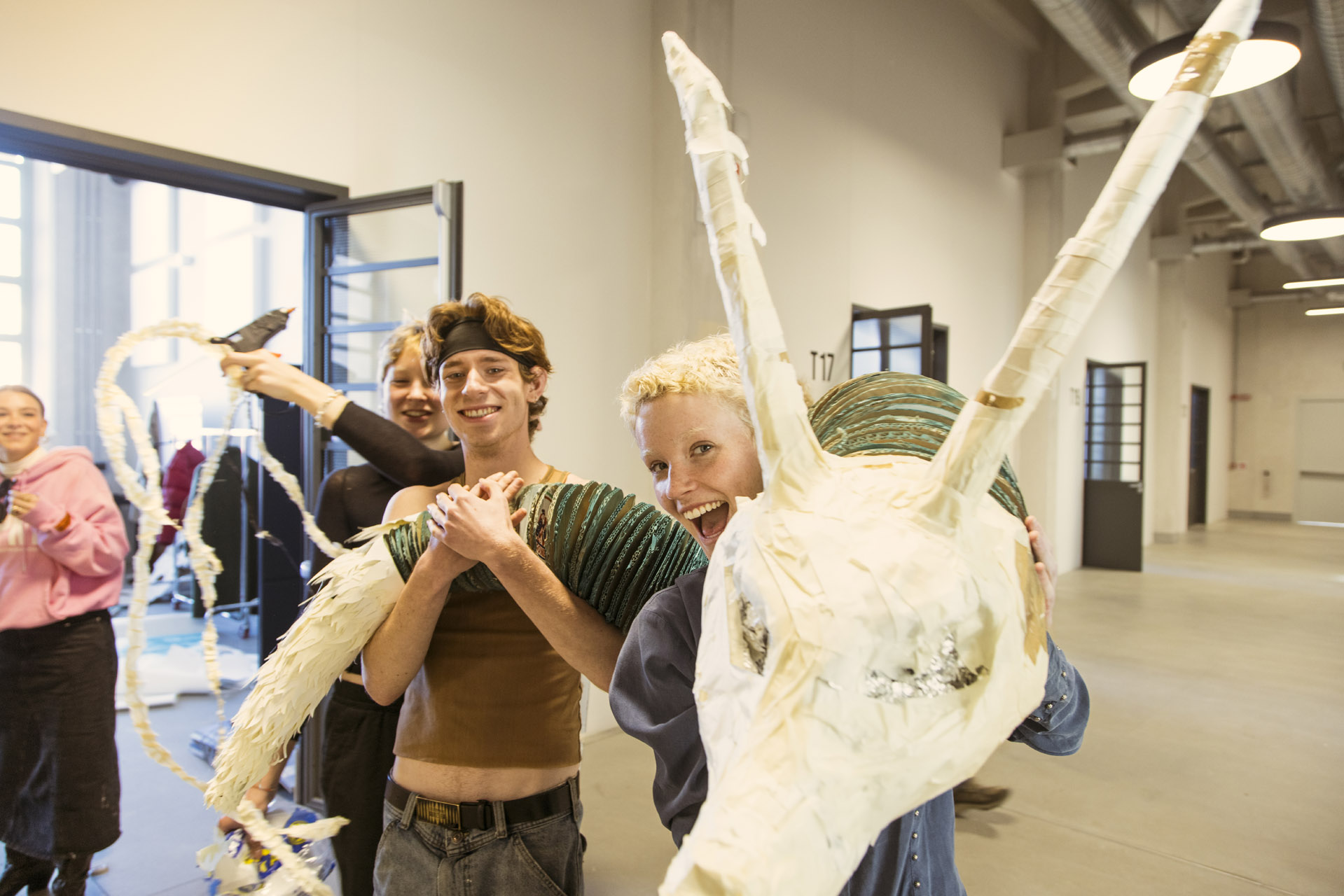
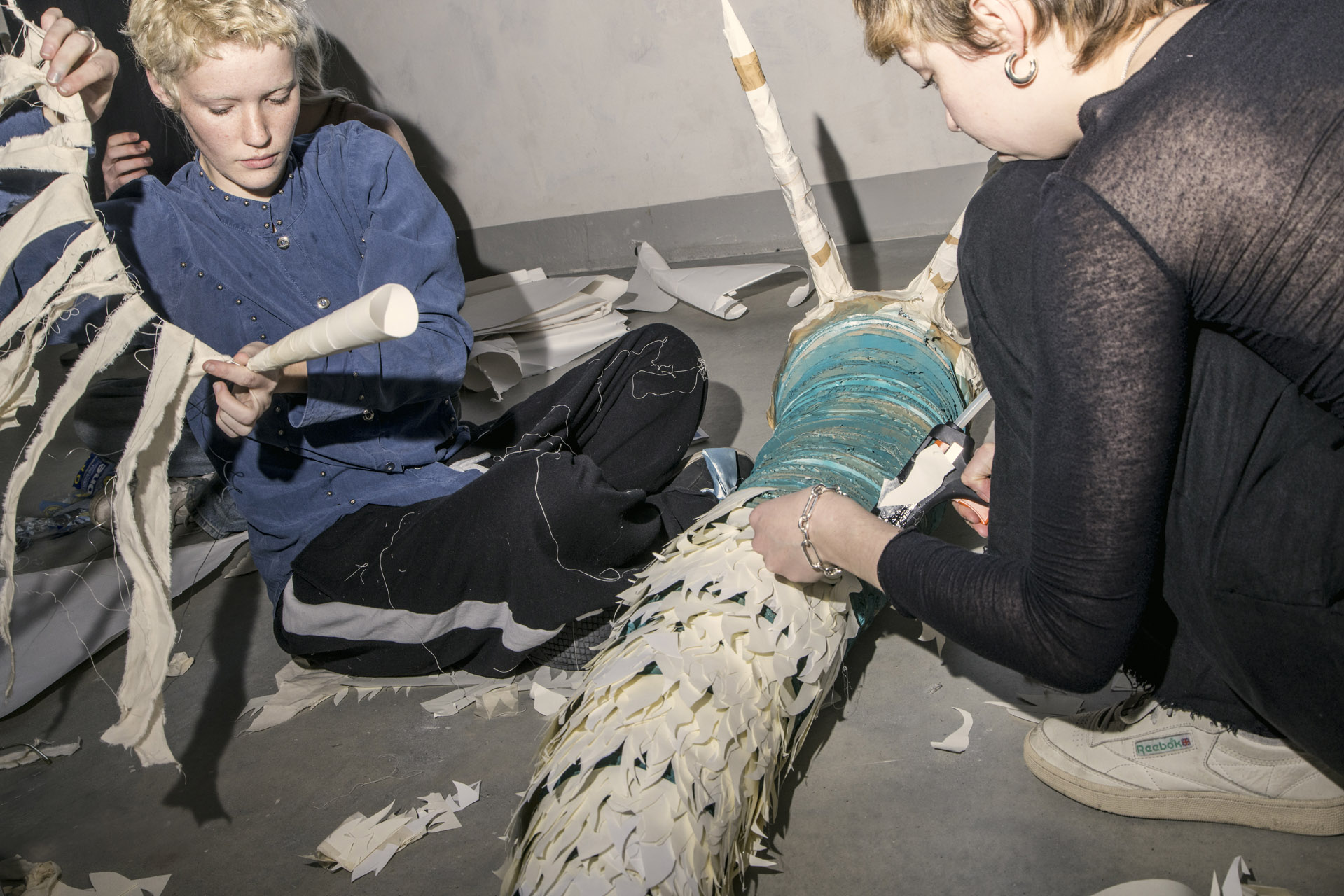
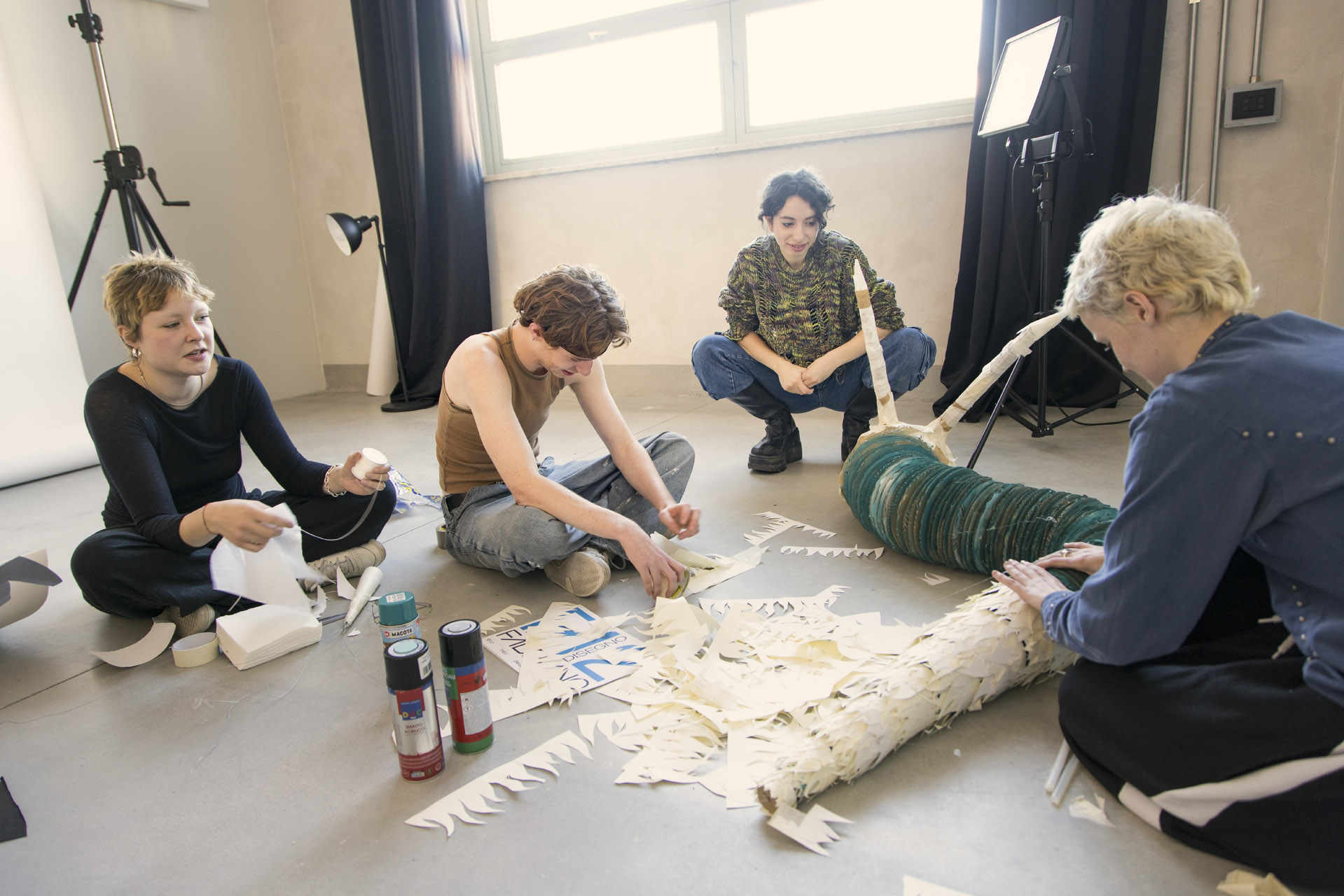
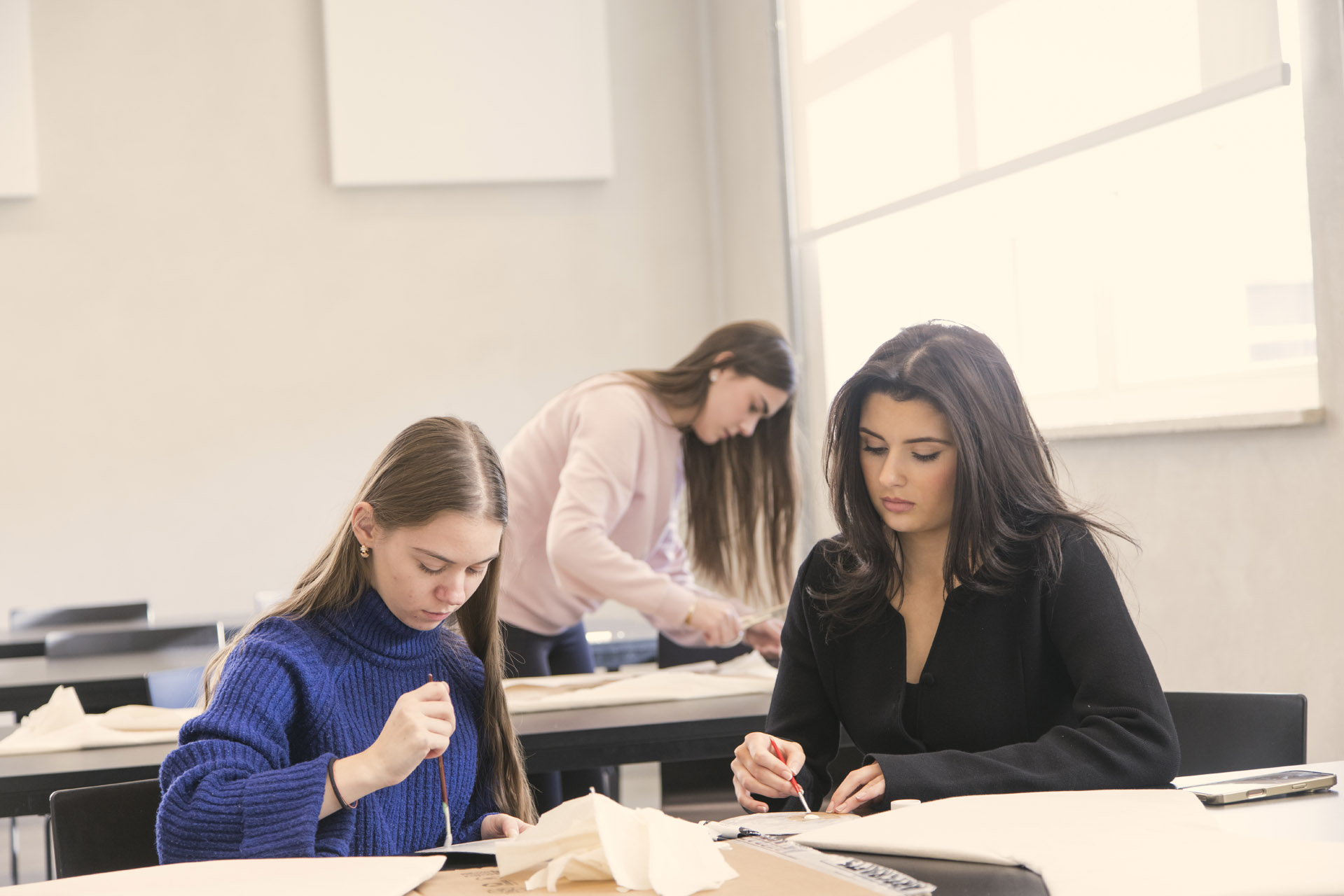
The Polimoda fashion styling workshop culminates in a wearable piece of set design, inspired by anything but clothes from any film of the students’ choosing. The final piece, in the end completed in just 10 hours of practical work, conveyed a fleeting moment, an intangible feeling or a strange object, and ultimately visually translated the atmosphere of that film into a wearable object.
CREDITS
Undergraduate Fashion Styling students:
Group 1
Group 2
Group 3
Group 4
Group 5
Group 6
APOTROPAICA
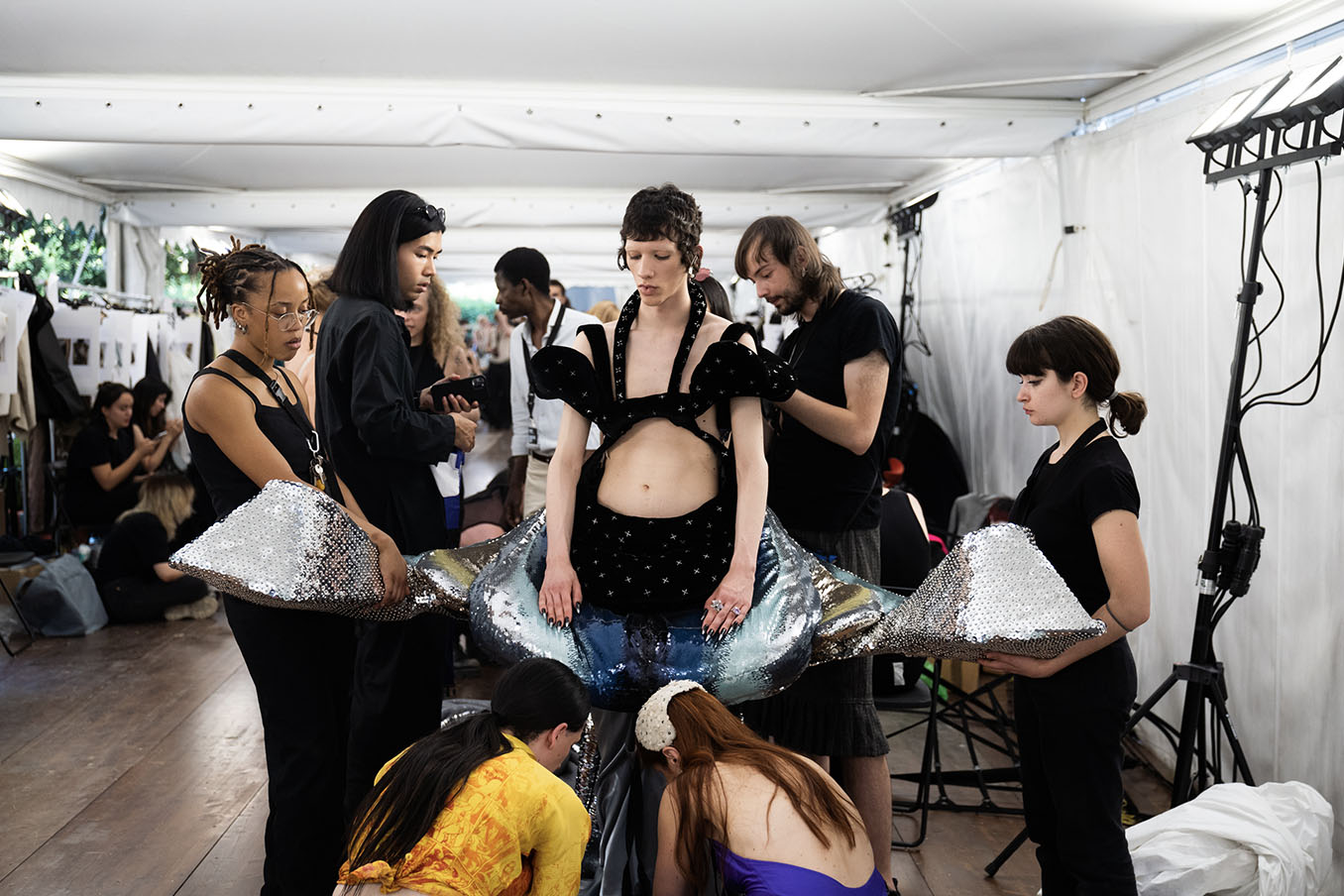
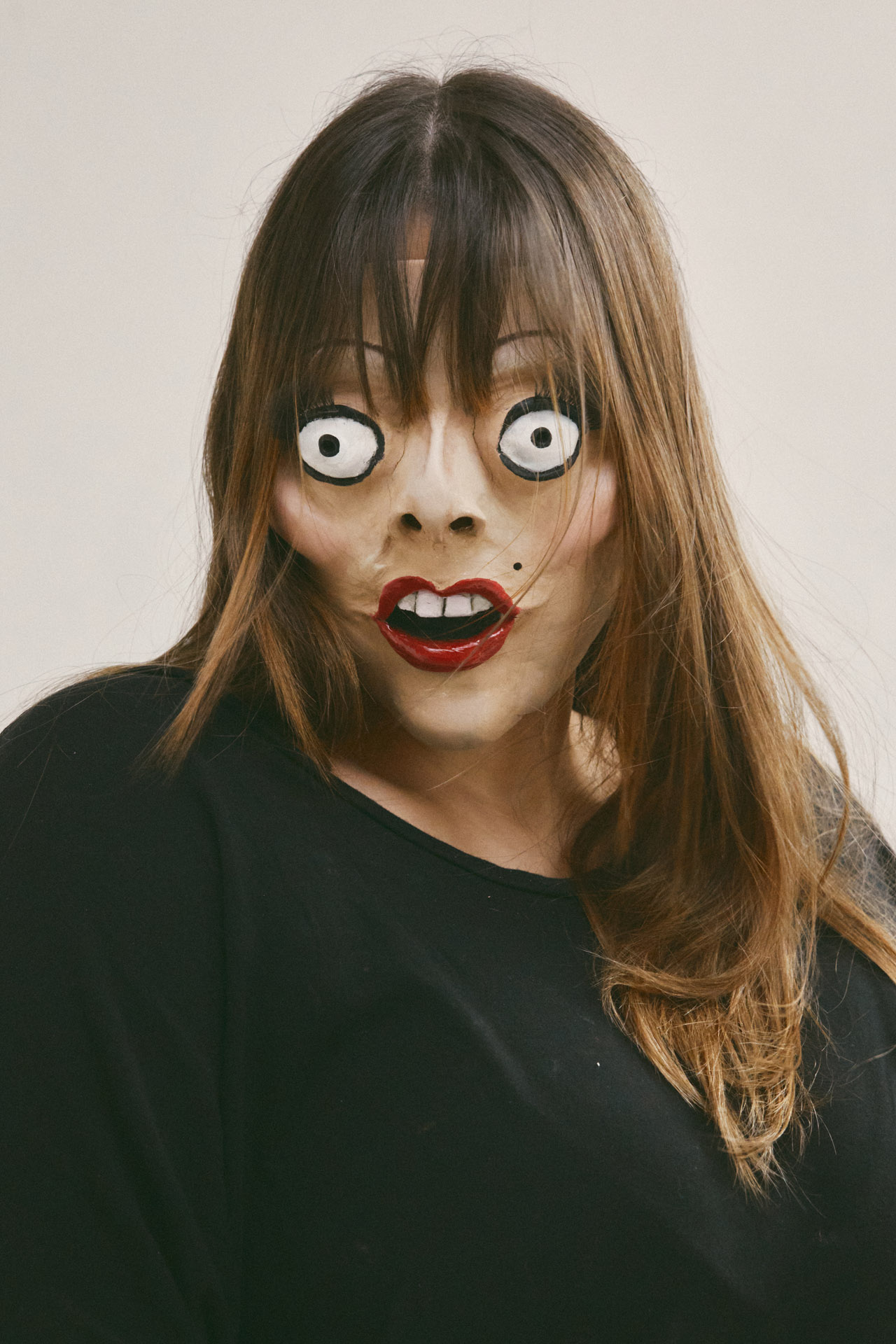
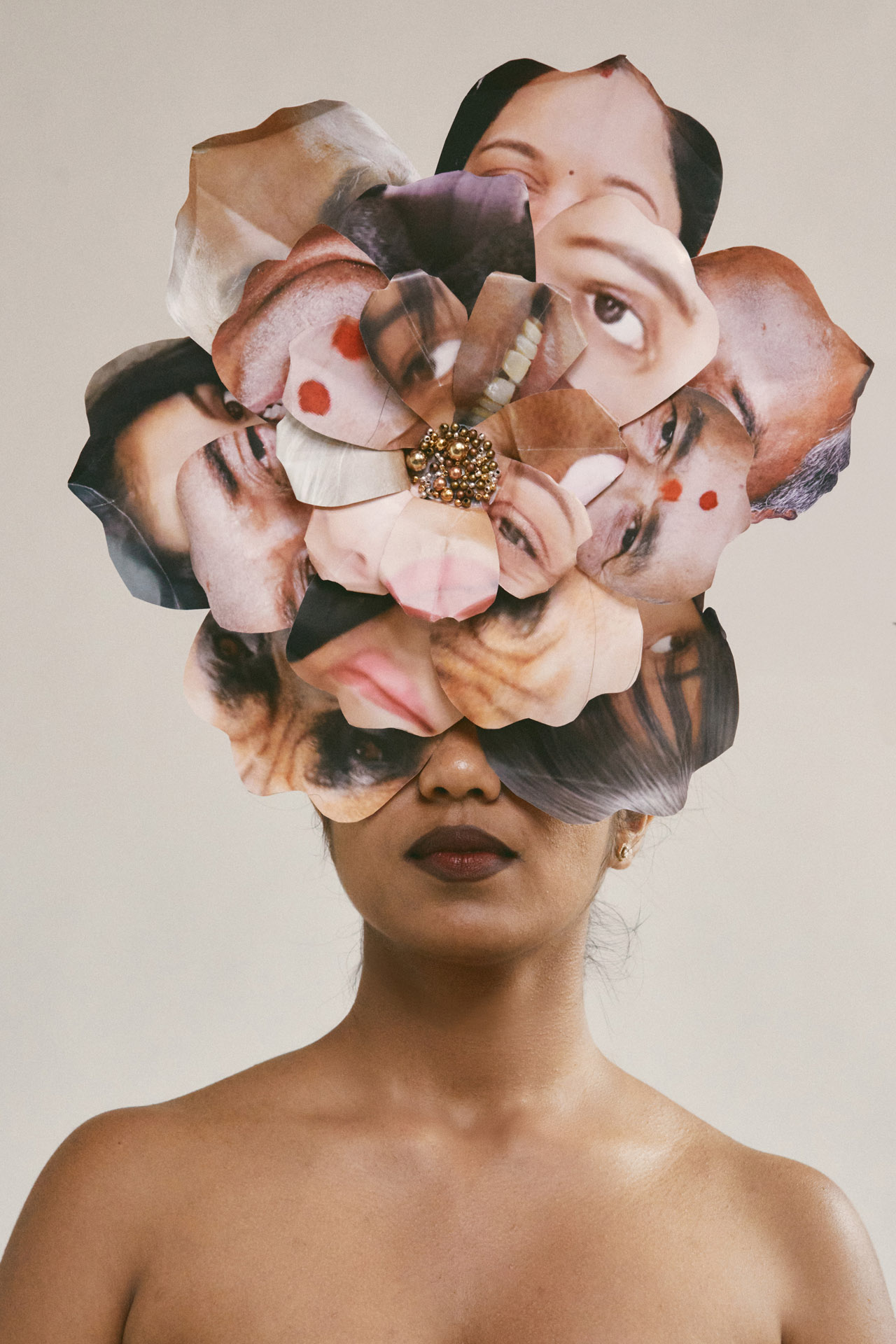
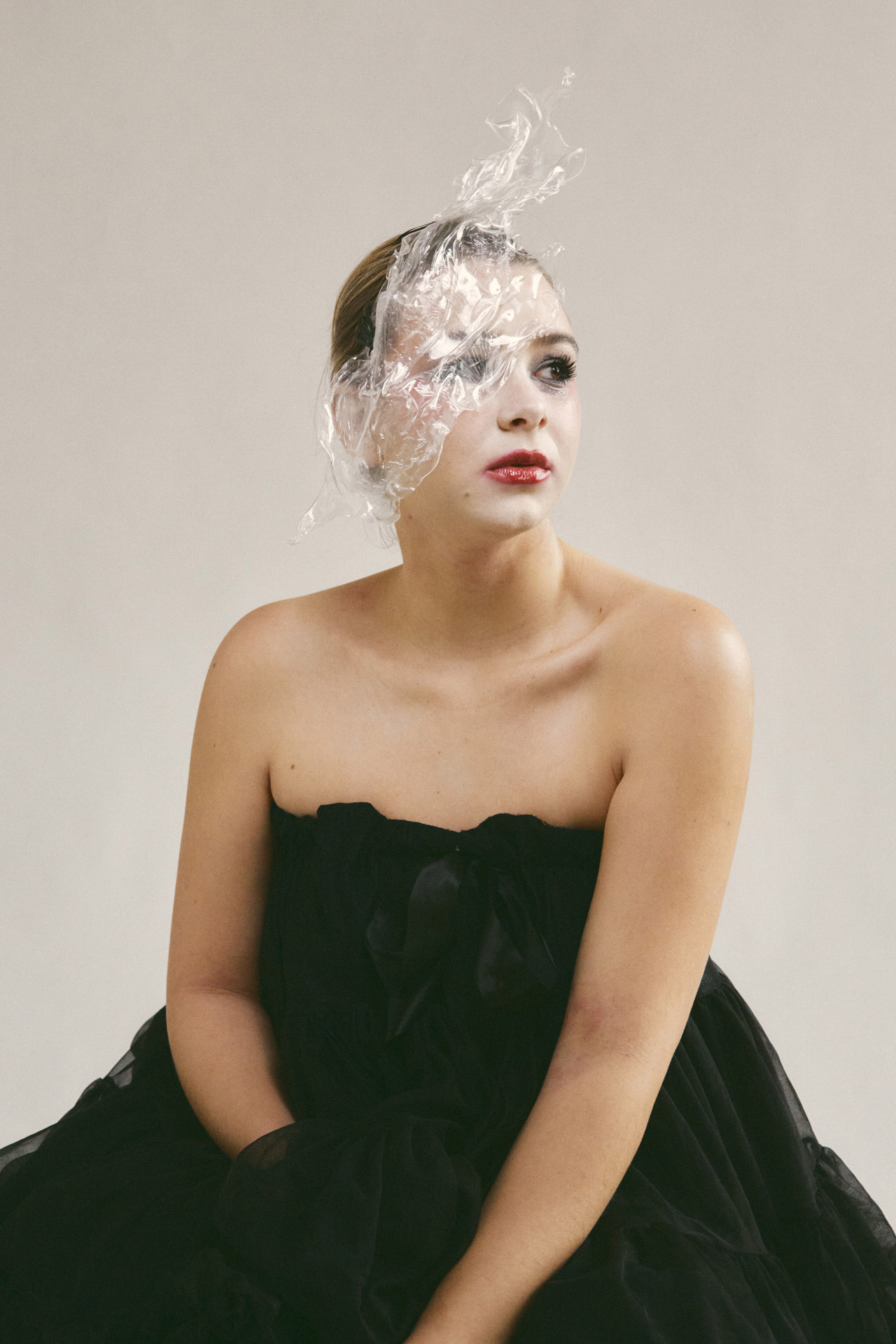
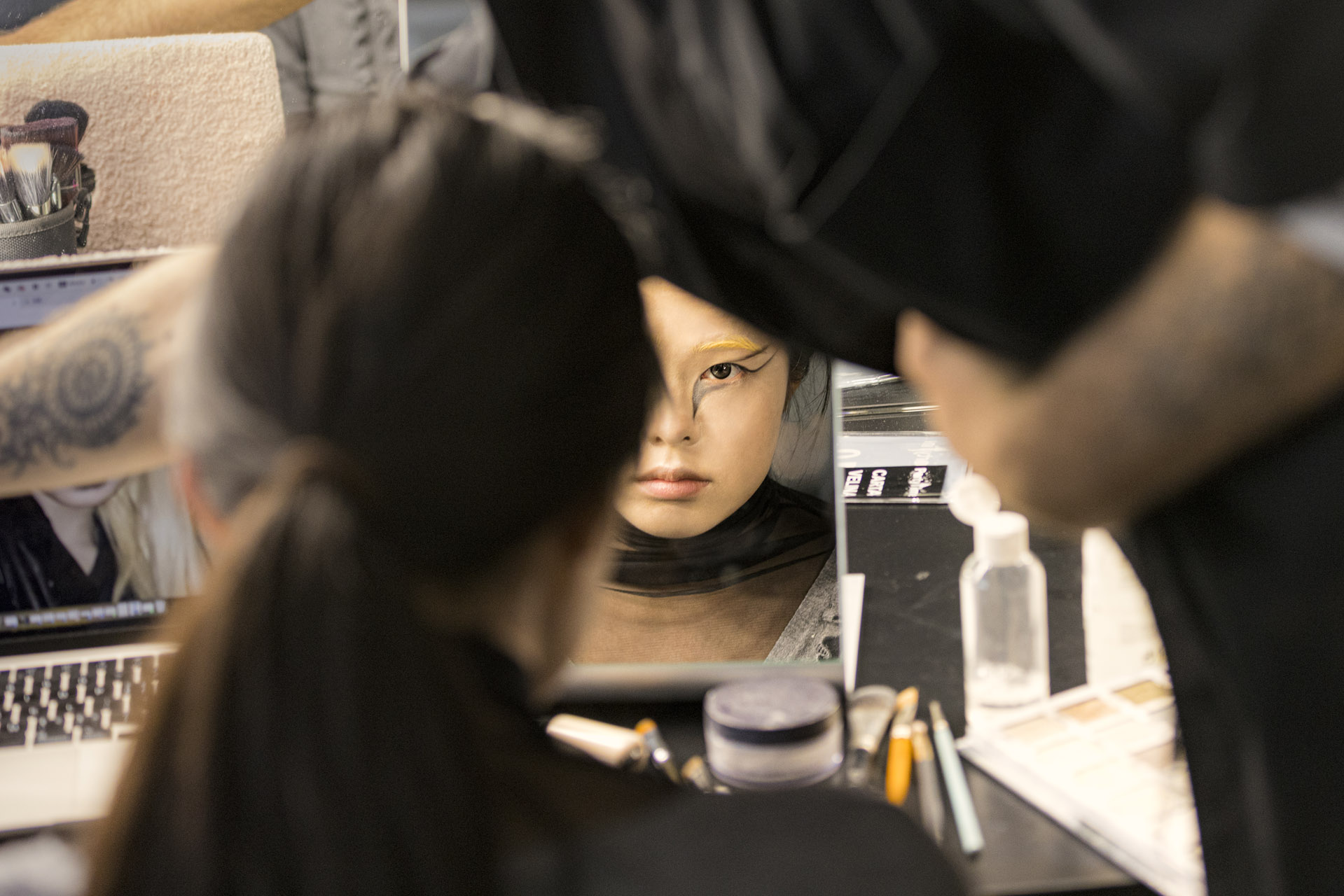
The third episode of Case of Wonders focused on the world of make-up and beauty in the fashion panorama. This time the fashion styling workshop explores the realm of make-up art as a representation of the self; make-up as the possibility to change the identity we present to the world, and to create a new vision of reality. Through colors, textures, materials, and decorations, we can rewrite ourselves on the wings of fantasy and creativity.
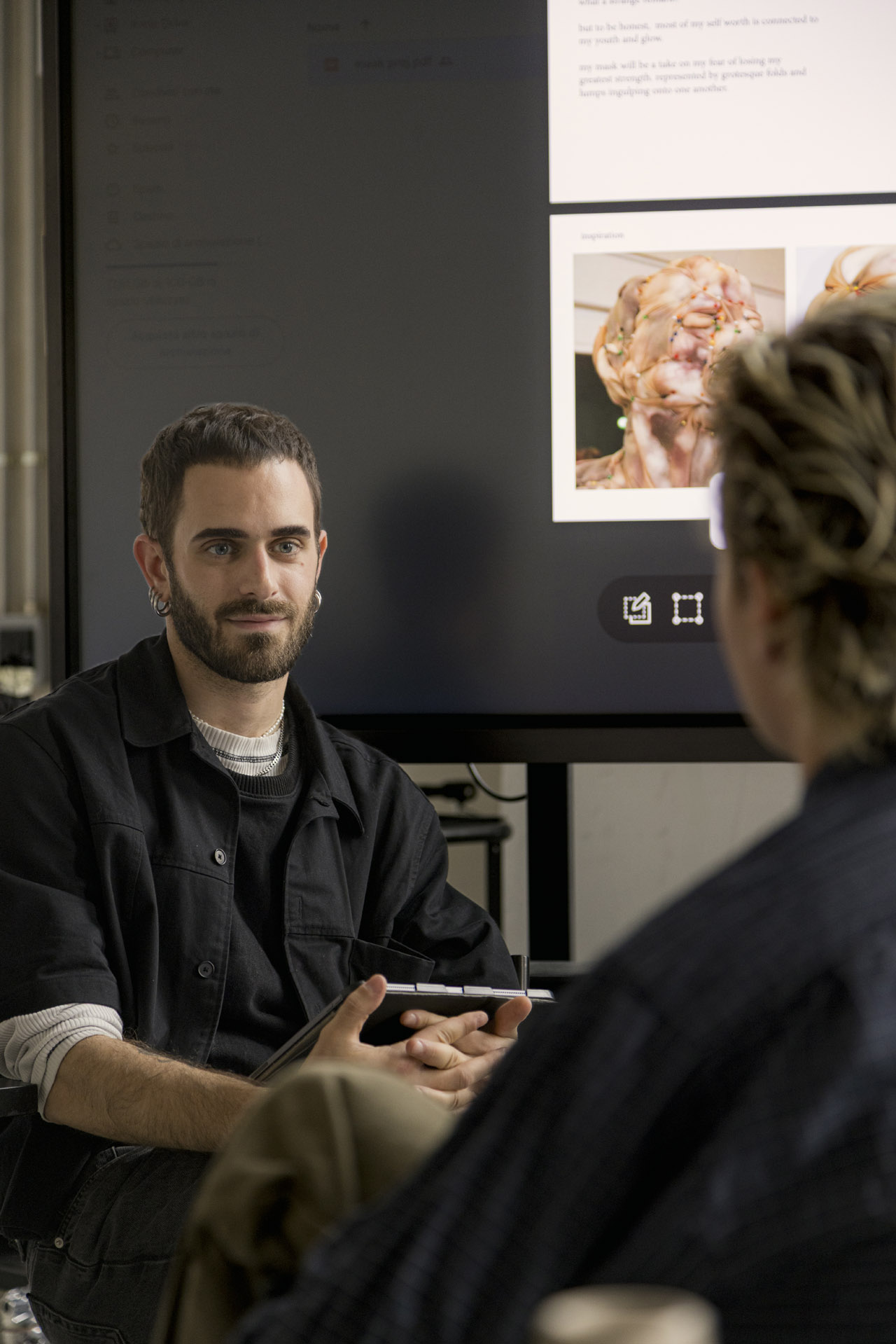
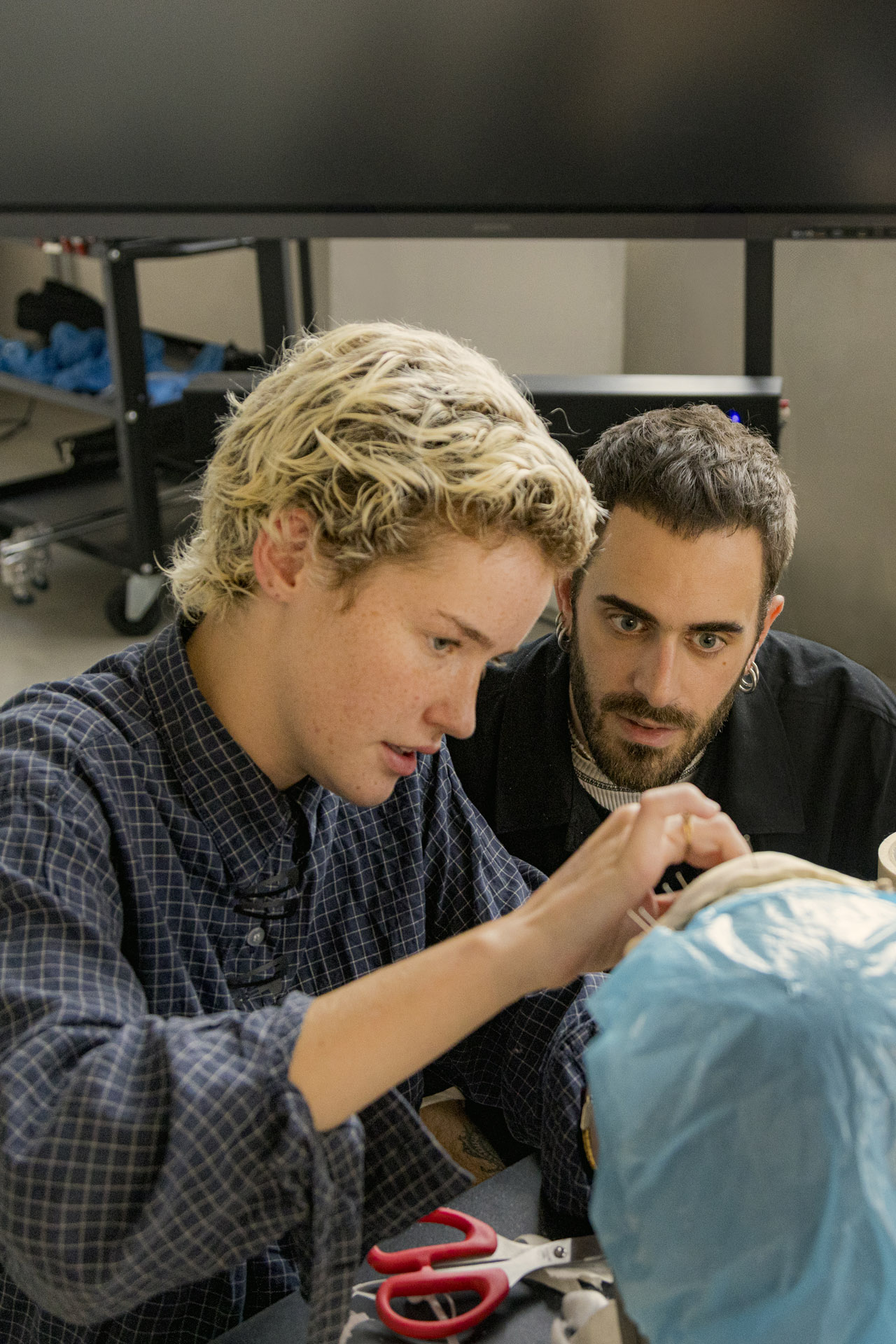
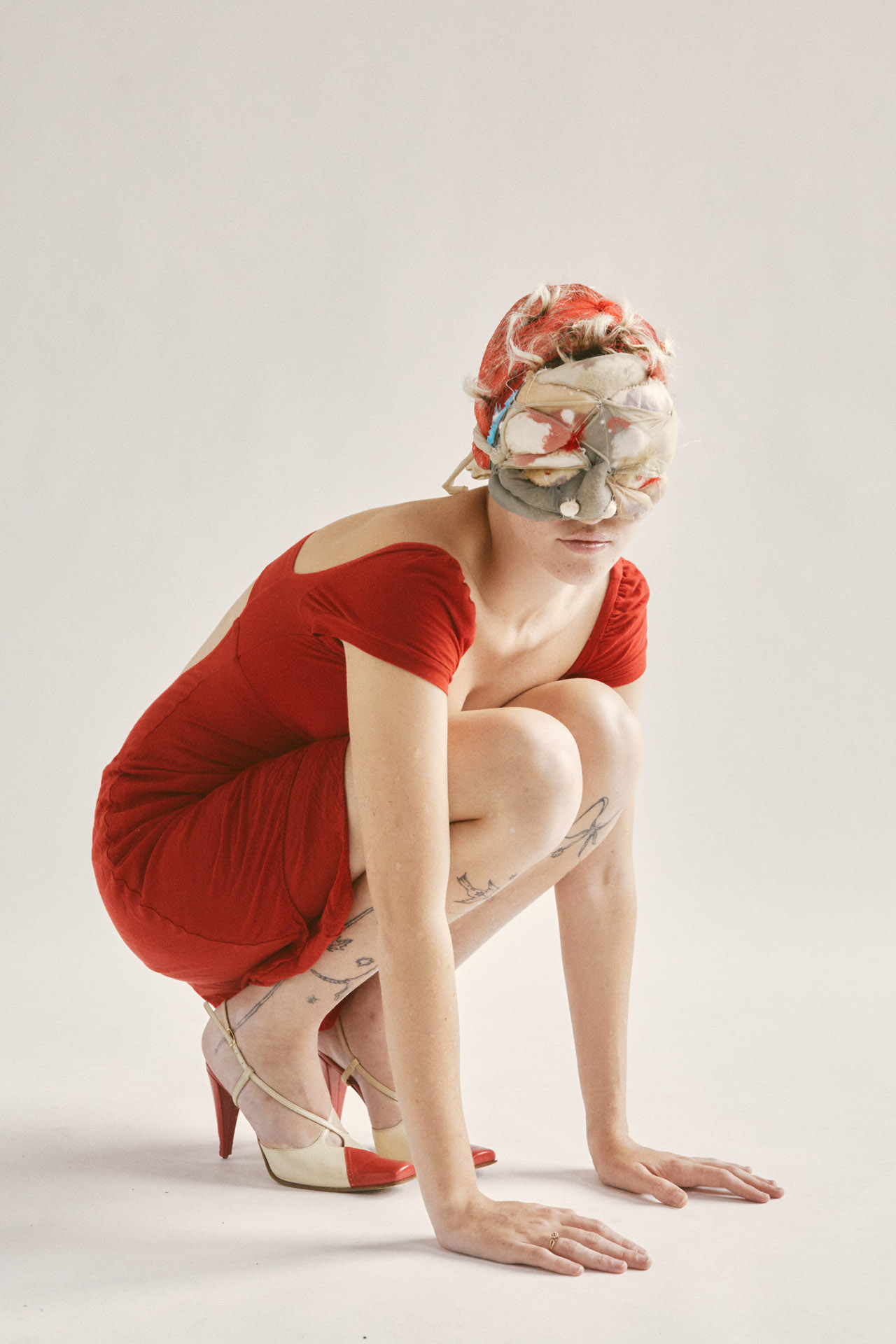
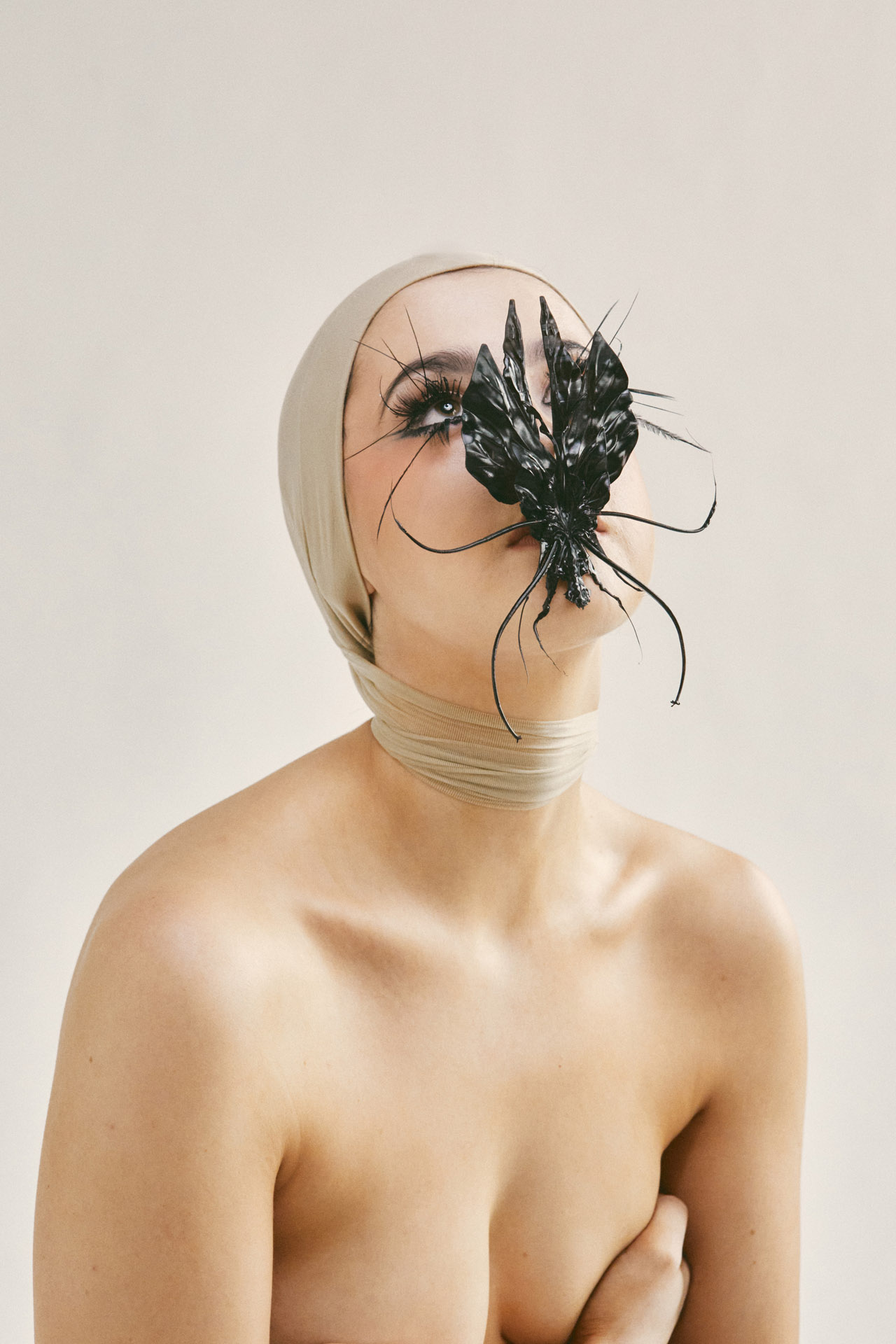
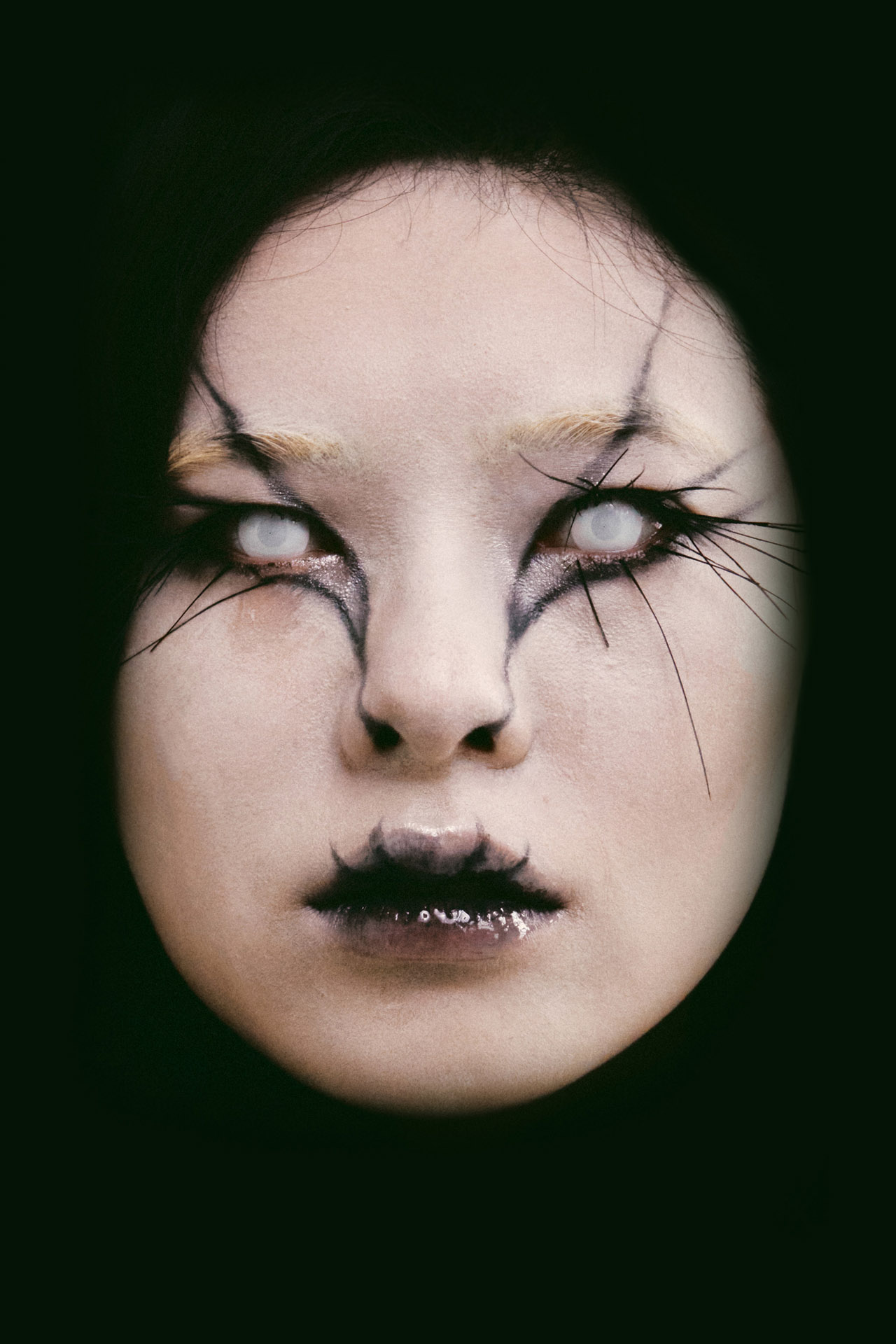
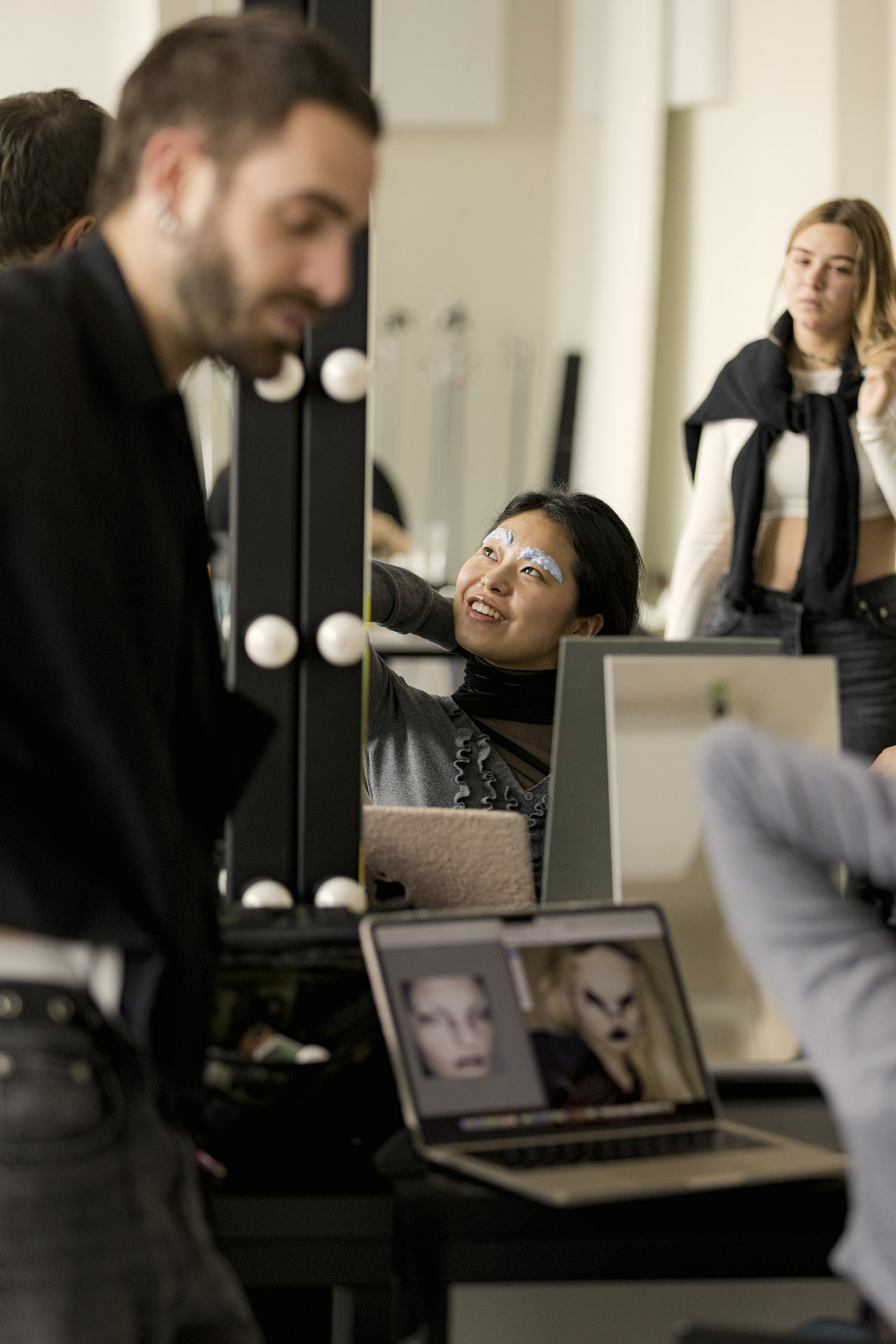
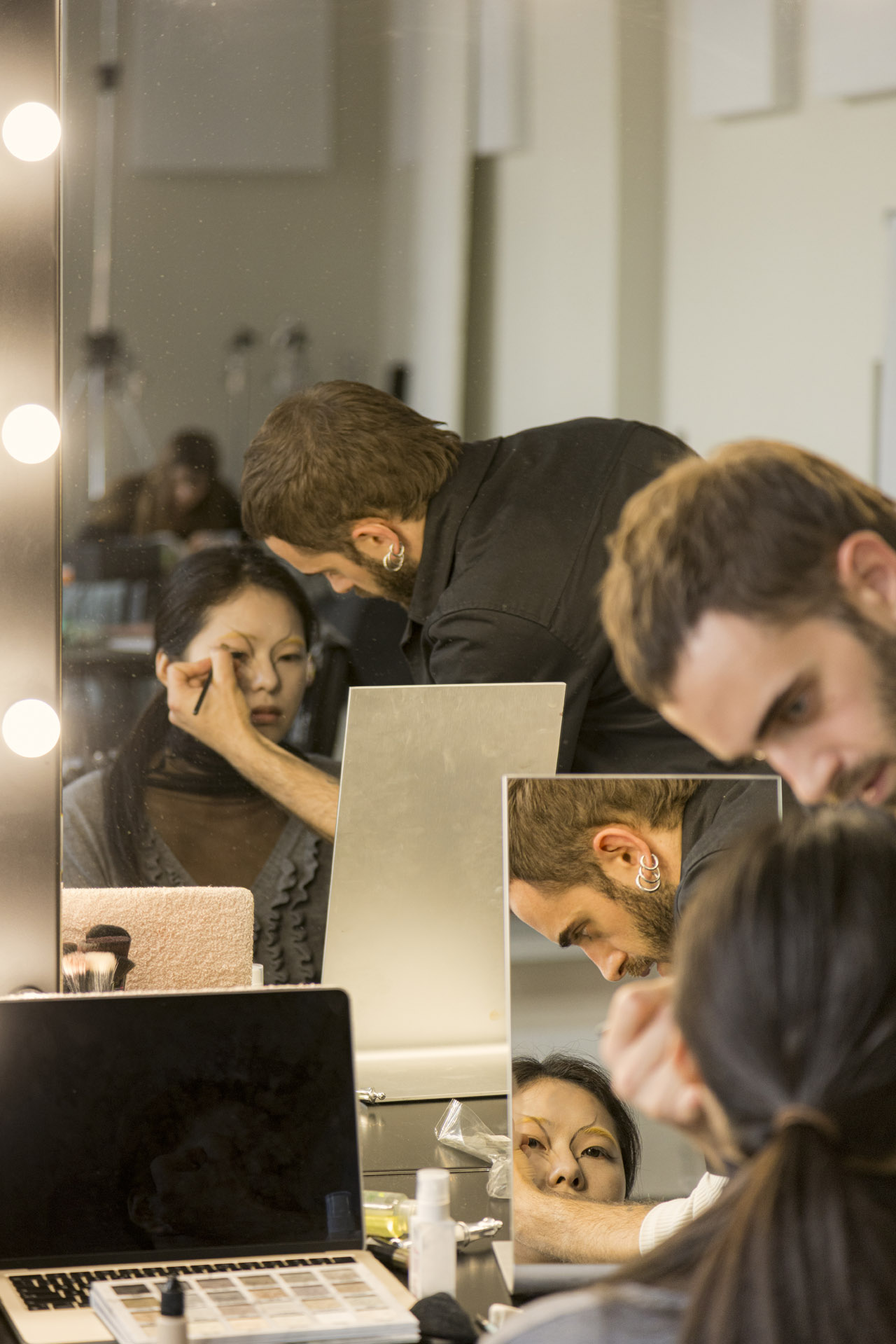
For this edition of Polimoda fashion styling workshop Case of Wonders, students were asked by make-up artist Simone Gammino to reach into the deepest parts of themselves, to give shape and allure to their most hidden fears. Working on their own faces, the students embarked on a personal project, which brought to light the sides of us we often hide away. They created a mask, a prosthesis that tells this part of themselves in a caricatured, grotesque, exaggerated, magical way, to be worn alongside a tailored makeup look.
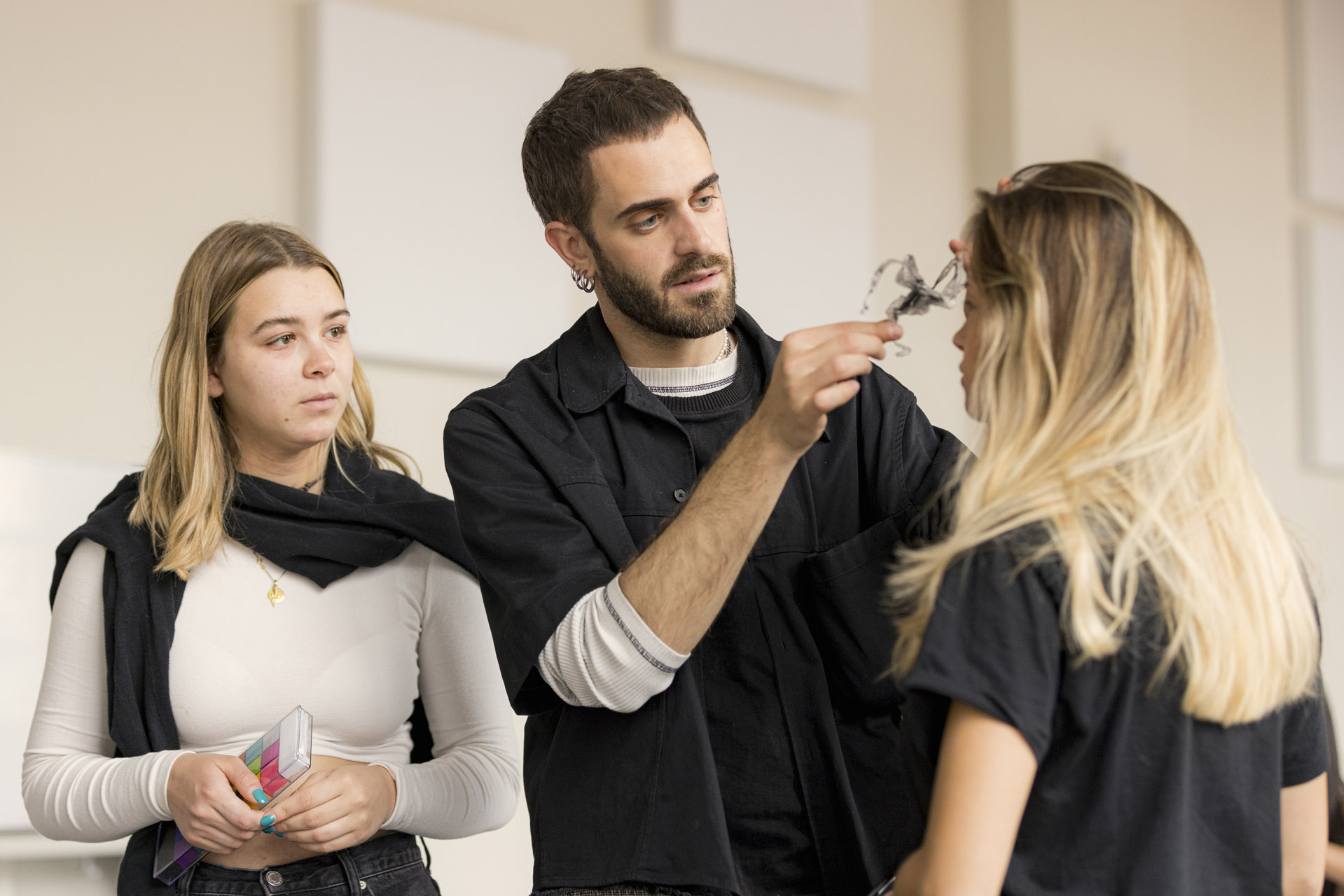
Simone Gammino started his career at the Brera Fine Arts Academy in Milan, studying painting. He then specialized in theatrical makeup at La Scala Academy in 2014. After four years working with international beauty brands, he moved to London in 2018 to focus on 3D special effects for film, which sparked his passion for 3D work. He now works out of Milan, collaborating with the biggest brands in fashion.
More than a make-up artist, Simone is a creative young designer whose work transcends traditional cosmetics. His makeup creations become solid, three-dimensional sculptures. His passion for make-up was born out of this conjugation between painting, illustration and sculpture. Simone embodies a significant trend in the beauty and fashion world where small accessories are being applied to the face as makeup elements. His work exemplifies how makeup is evolving beyond traditional liquid and powder applications to become sculptural art pieces. He is focused on the importance of make-up in fashion as a communicative tool, rather than a cosmetic enhancement. It is a medium that can enhance and transmit a story, it’s innately theatrical, whether in the photographic part of fashion editorial or in the physical performance of a fashion show.
When discussing his creative process, he distinguishes between a commercial and explicitly creative direction, underlining that in both approaches the make-up artist does however need to maintain a sense of reality, while honoring the truth of the individual within the fiction of make-up. What interests him is revealing something that the model even in the utmost absurdity or manipulation brings to the shoot, the individual element to be accentuated, meaning that fiction can somehow be plausible.
Simone’s influence lies in pioneering this intersection of technology, art, and beauty, creating custom-made pieces that require the same craftsmanship as traditional fashion accessories like bags or shoes, but applied directly to the face as part of the beauty look. Via the Case of Wonders project, and esteemed professional guests like Simone, Undergraduate in Fashion Styling students gain a wide and substantial range of experience in different but essential fields of the fashion panorama.
CREDITS
Photography of projects: Caterina Stolzi
Undergraduate in Fashion Styling students: