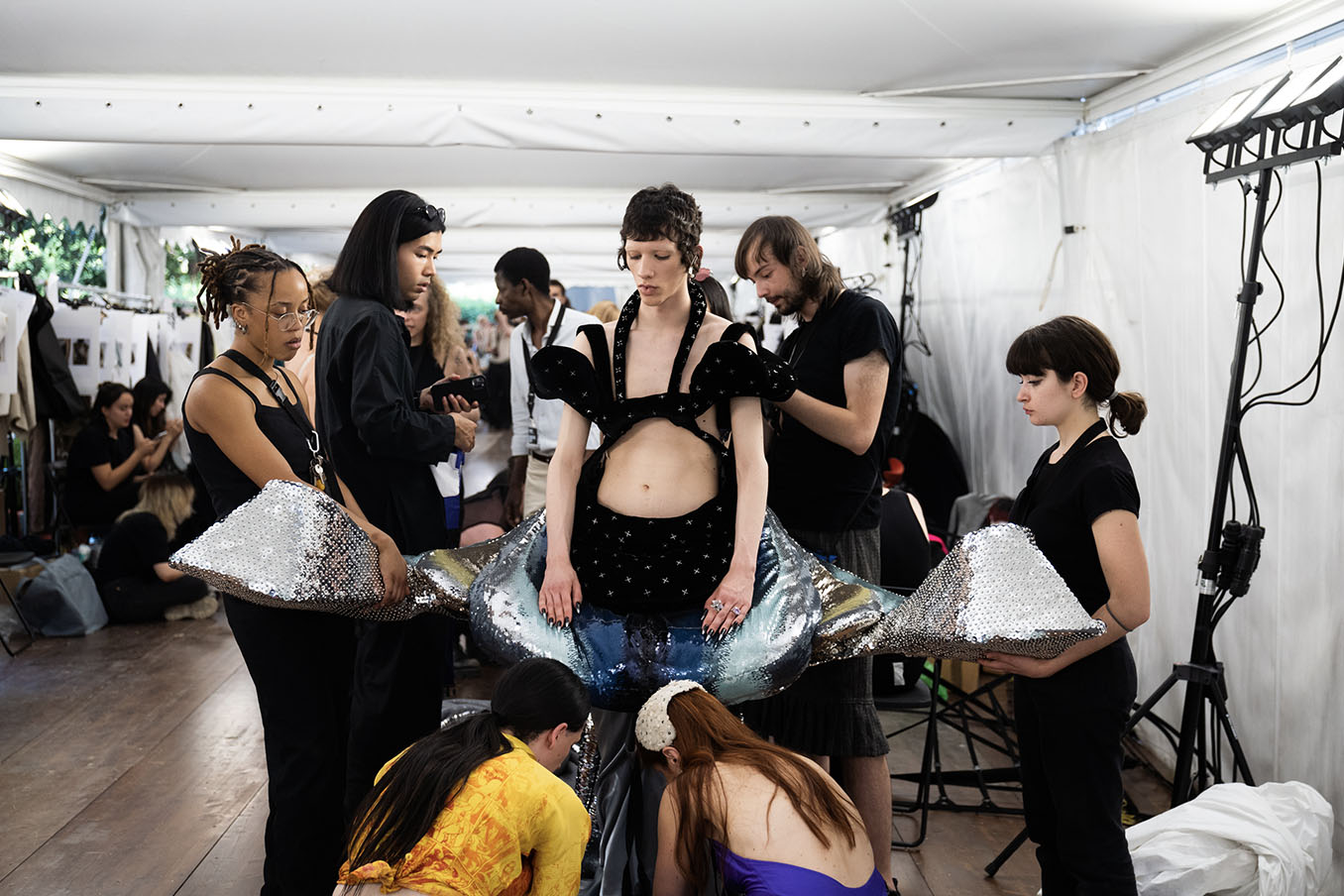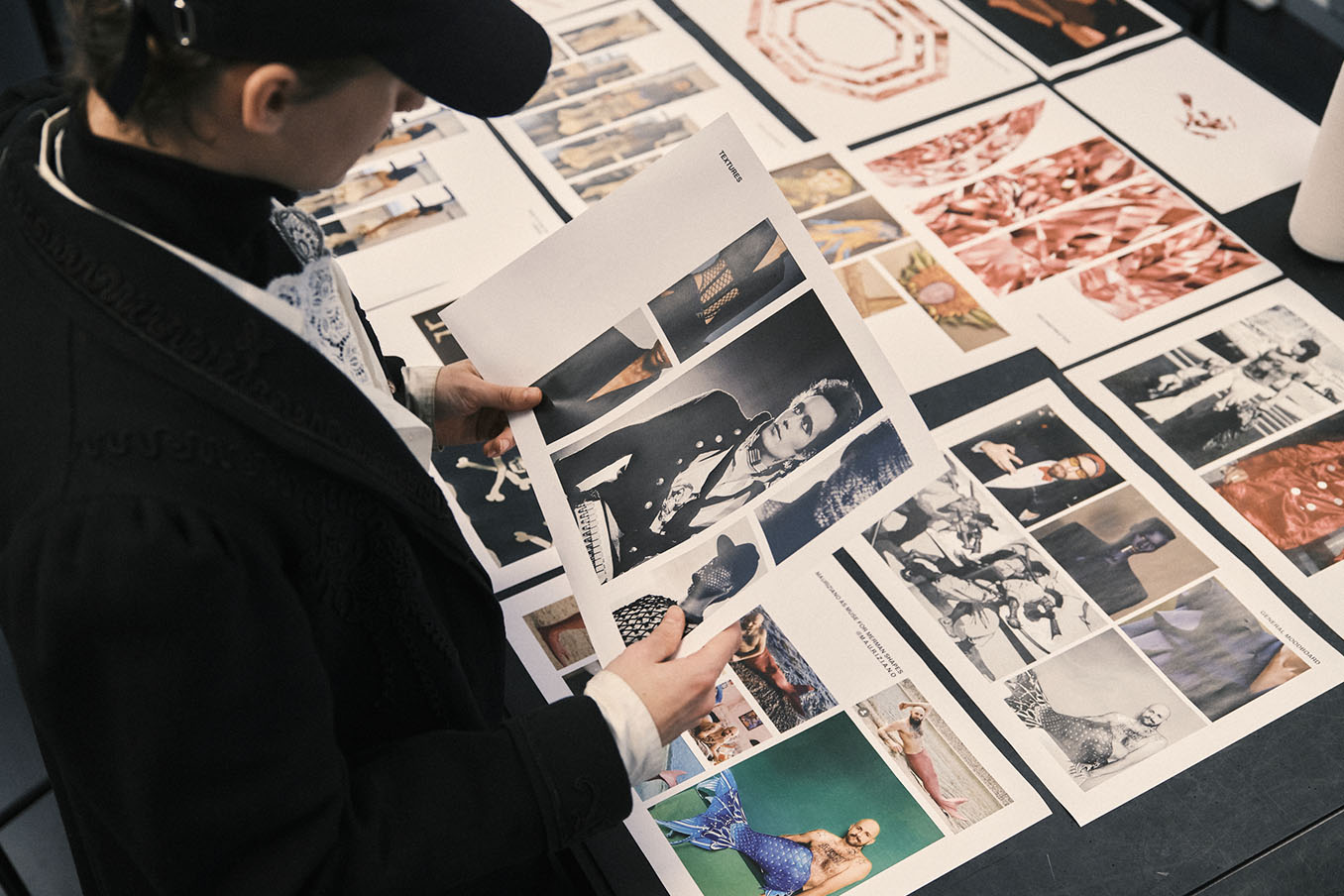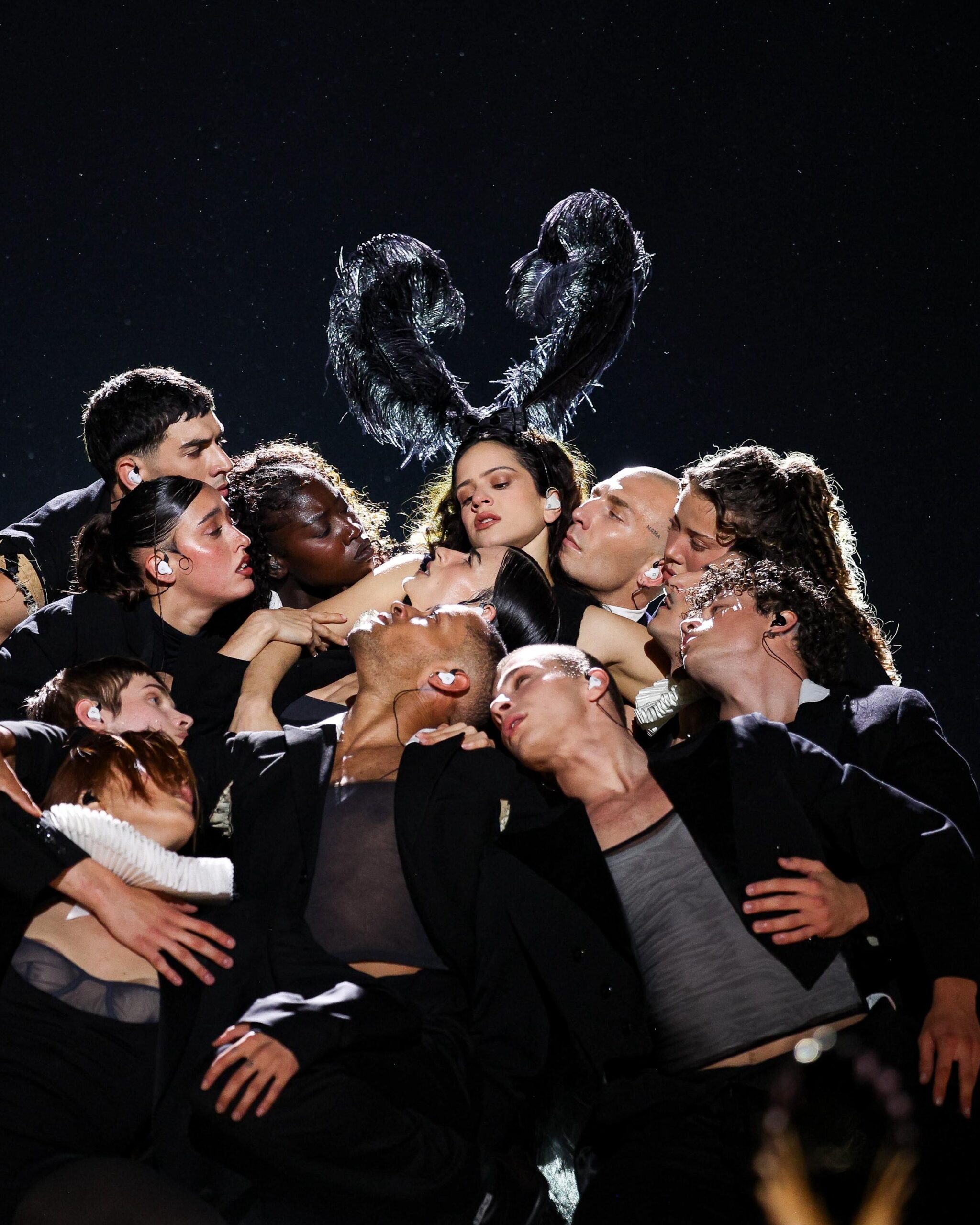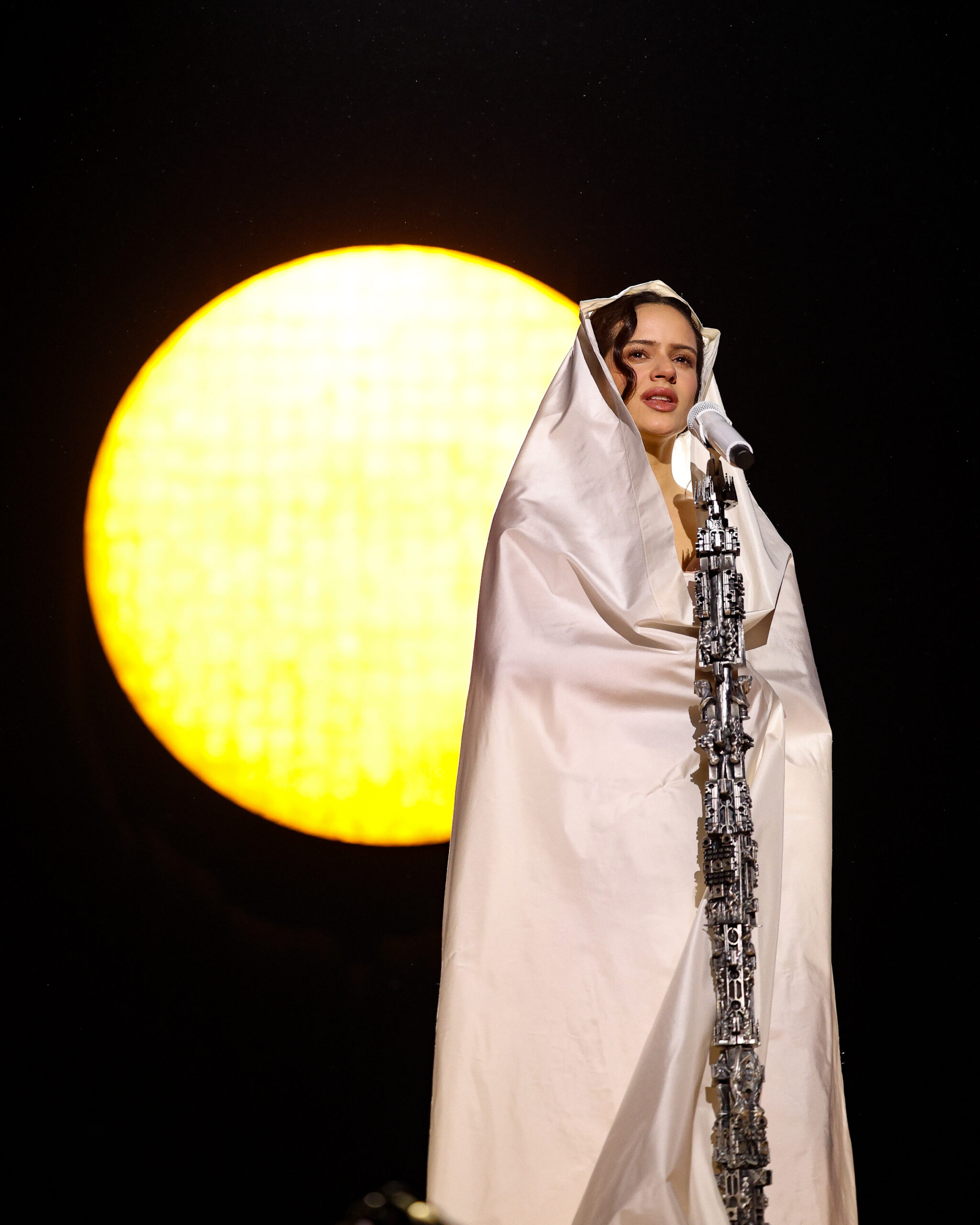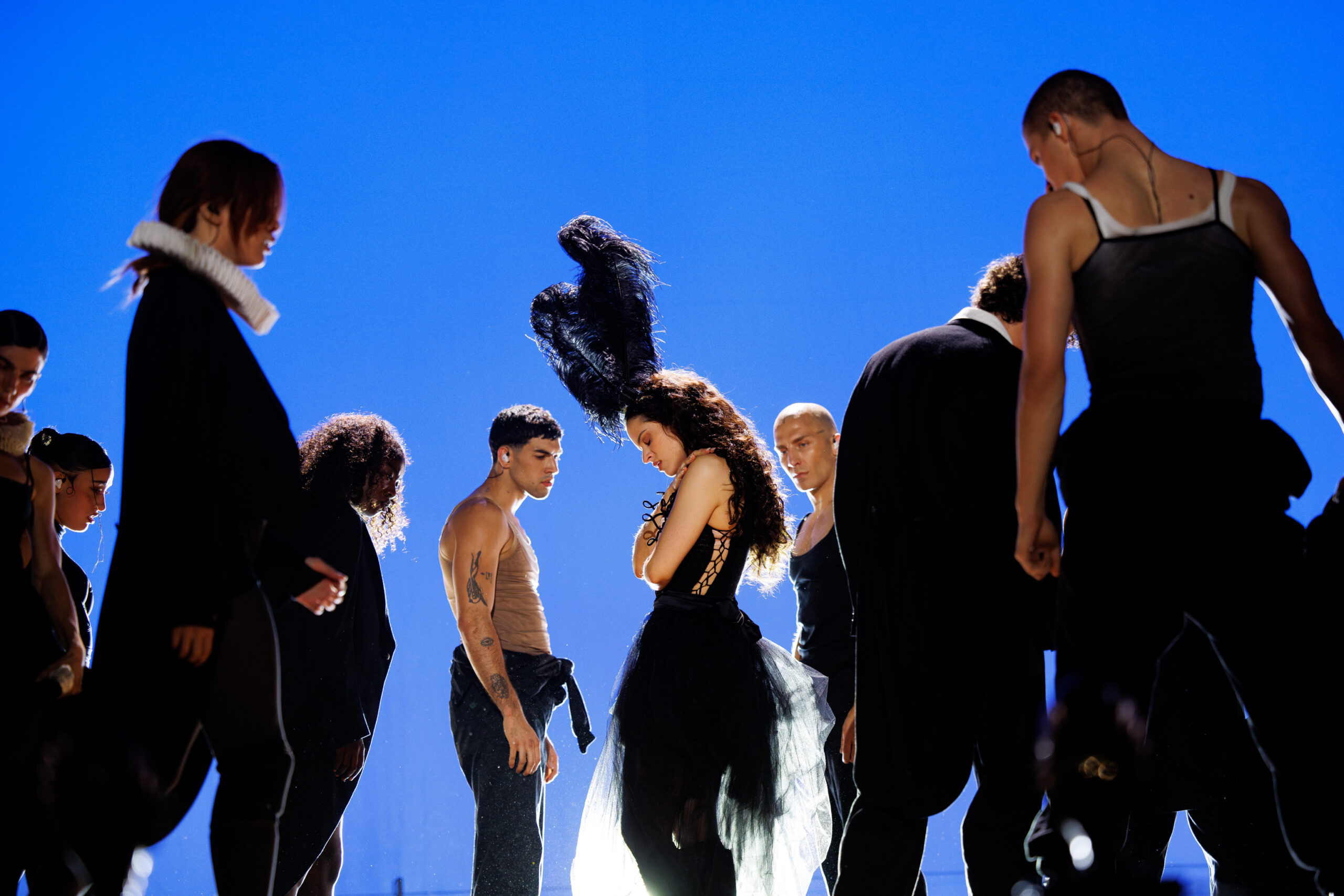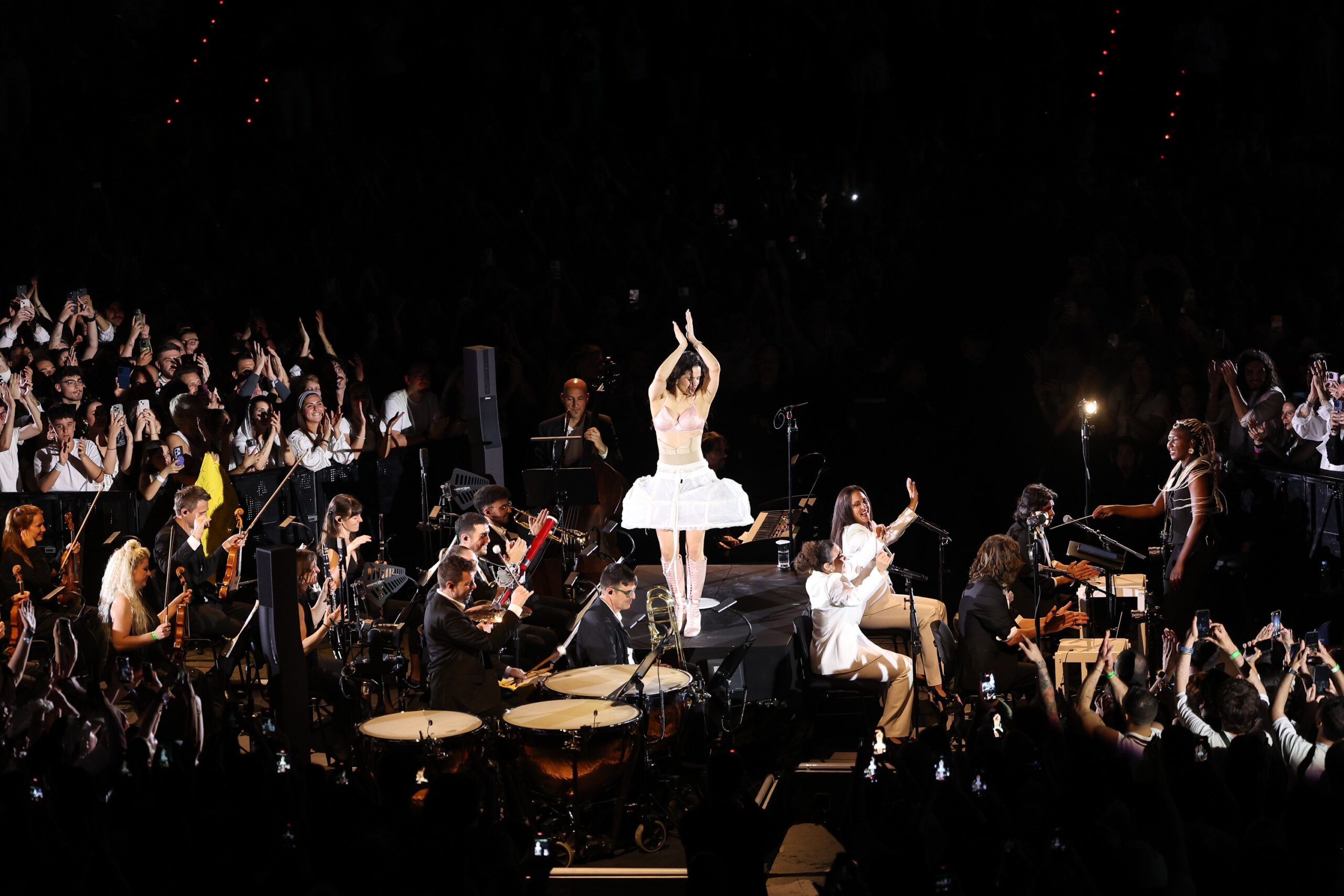
Dennis Vanderbroek is one of the moment’s hottest spatial designers and artists; having recently completed his work on Rosalia’s Lux Tour, he came to Polimoda for the second time for a workshop with Fashion Styling and Fashion Art Direction students. The brief? Design a fashion brand space rooted in a single artistic reference.
Ranging from photographer Wolfgang Tillmans to artist Michaël Borremens, and performance artist Anne Imhof, the students embarked on a project where starting with a story and a specific artistic reference was the challenge in creating something worth telling.
Studio Dennis Vanderbroeck (SDV) is a spatial design studio, studio being the inherent word: they study, develop, and thoroughly research their projects, departing from the concept and content. “When it’s a play, I read the play, and when it’s Rosalia, I listen to Rosalia”, Vanderbroek comments. Instead of acting as a design agency, it’s an artistic approach.
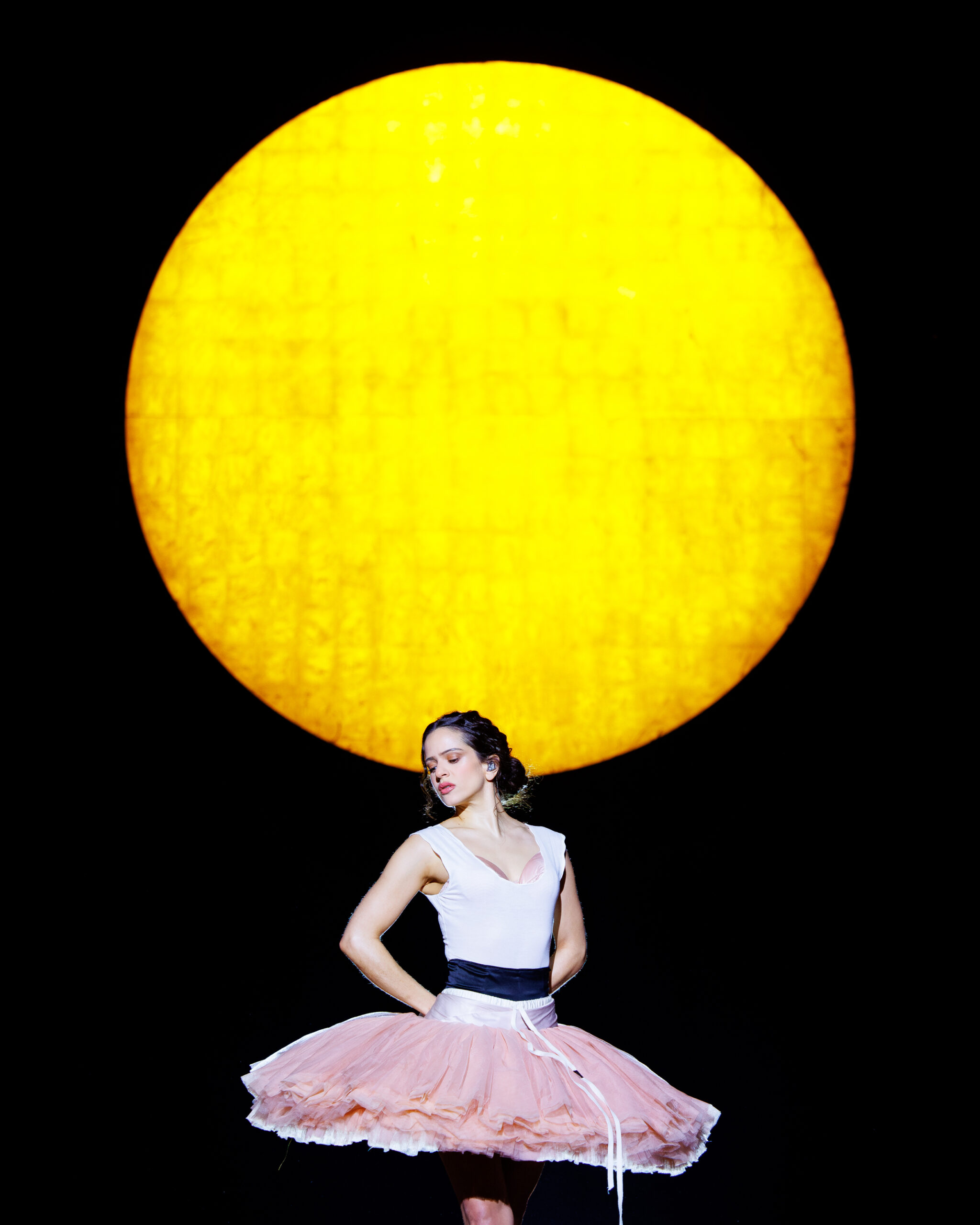
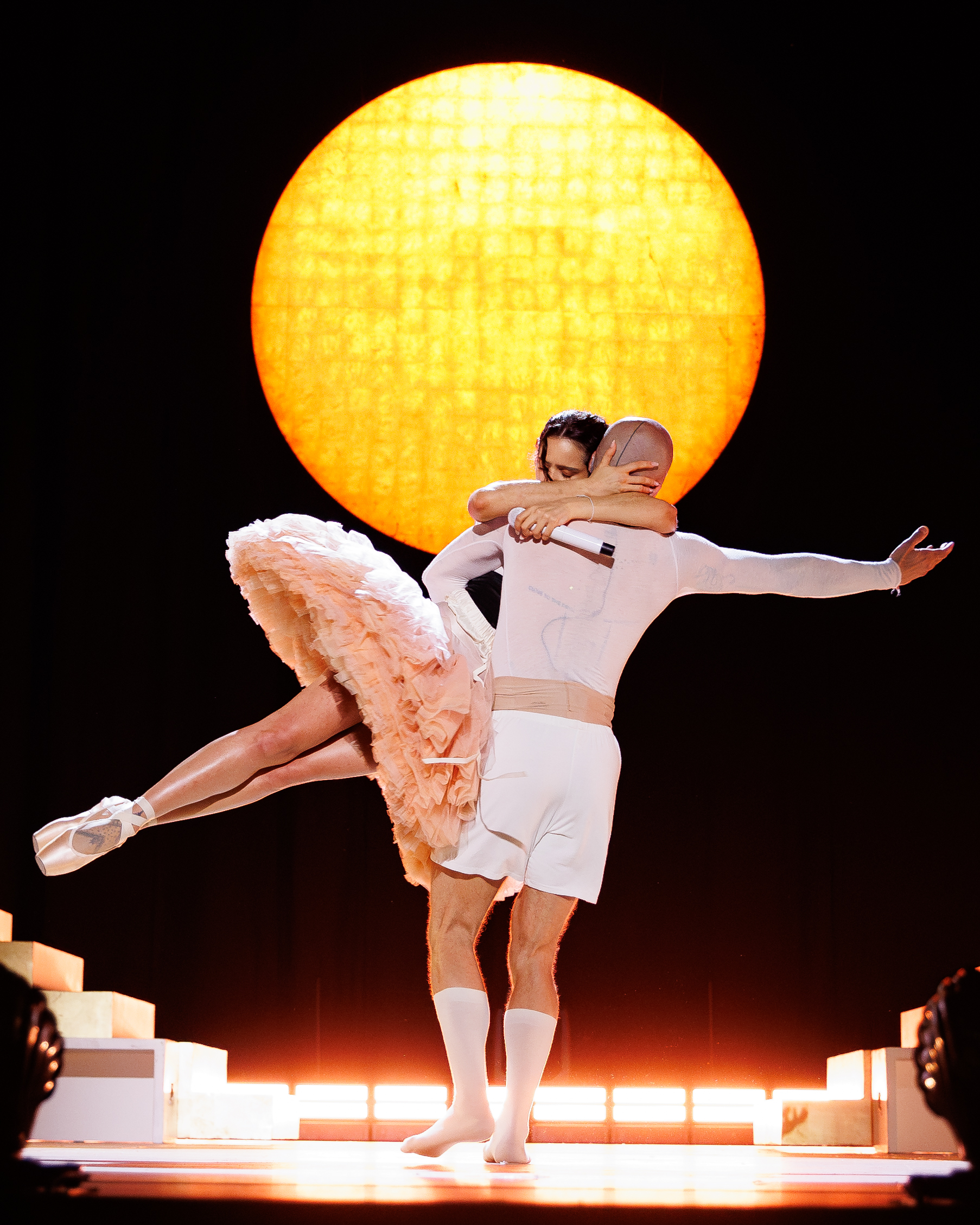
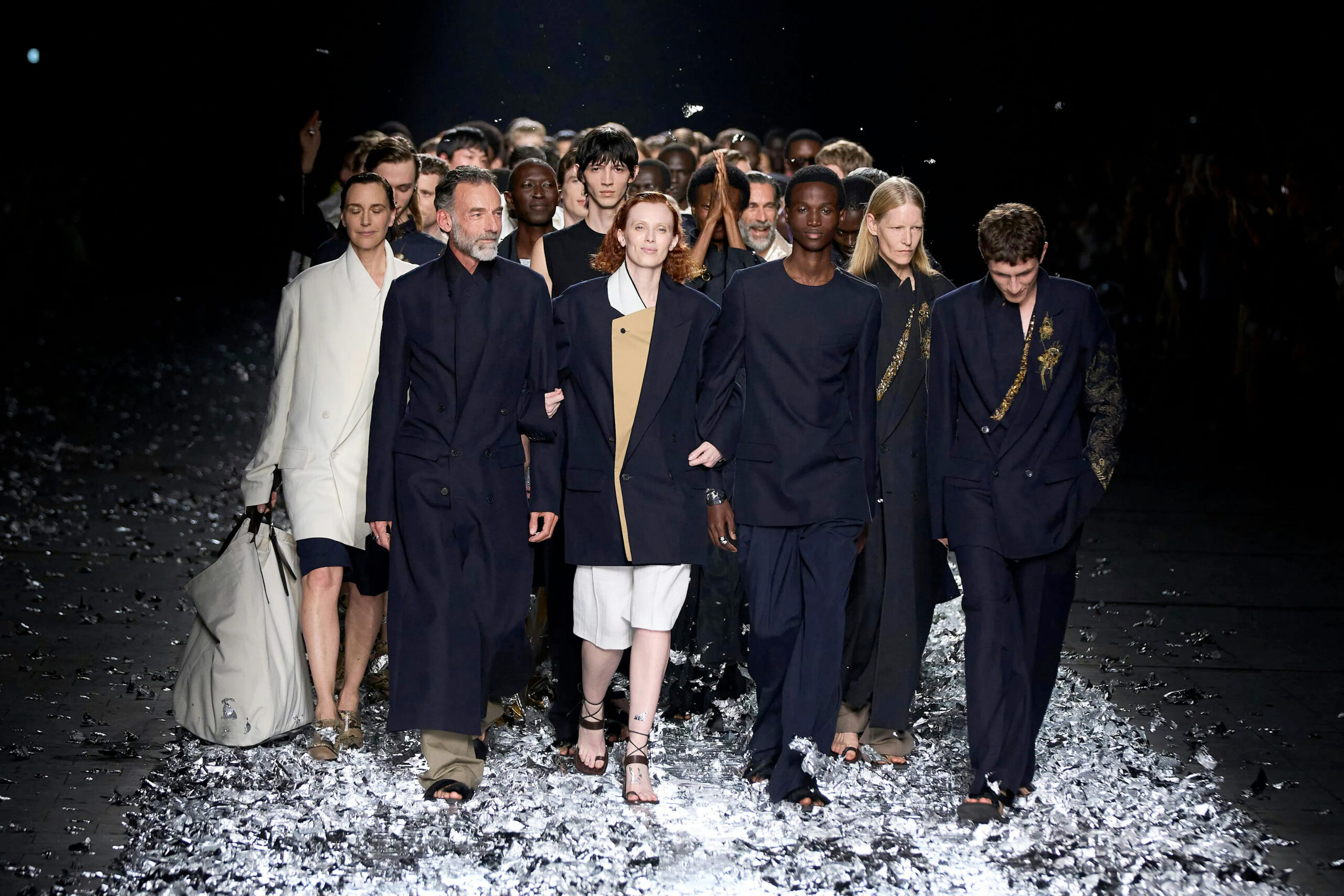
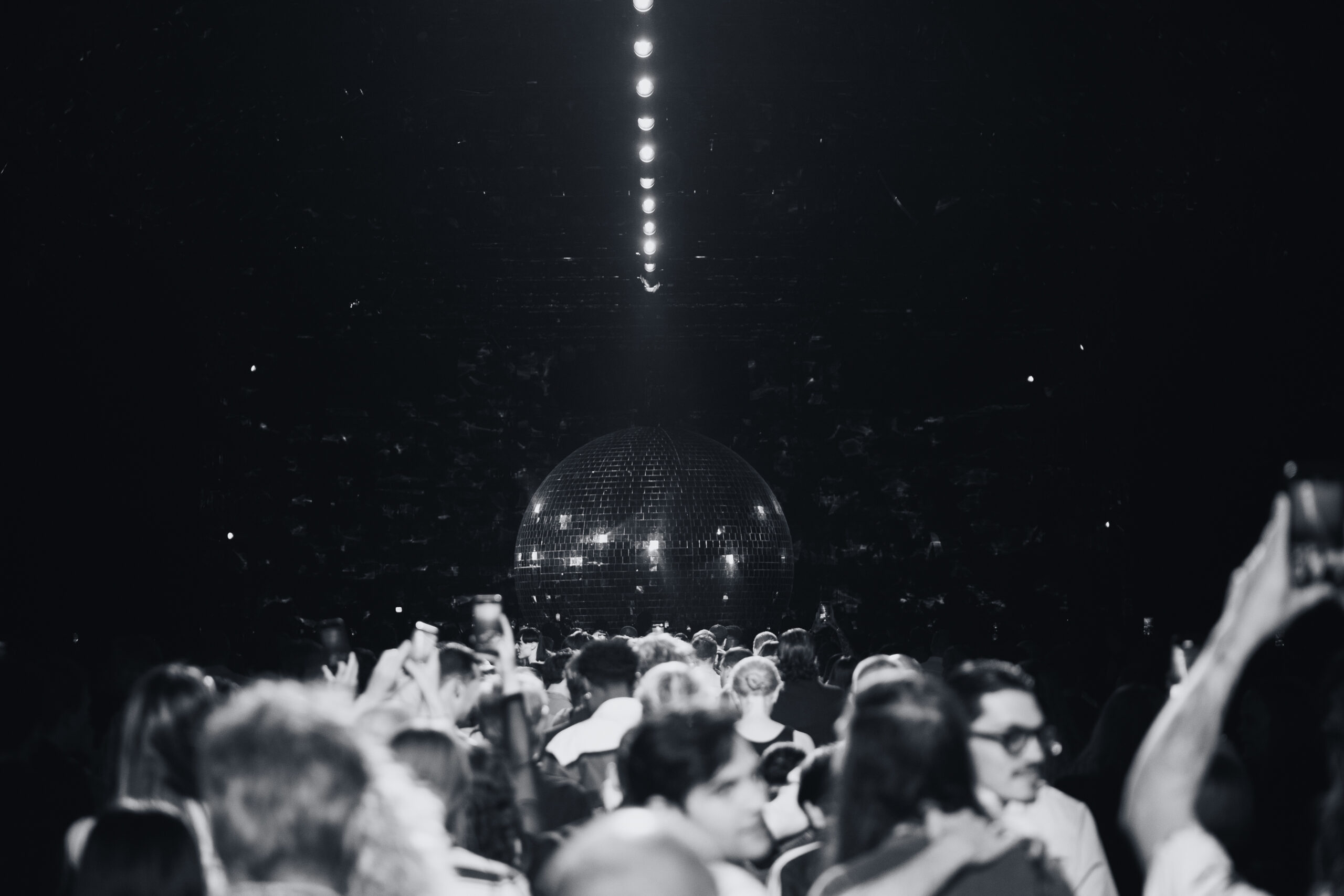
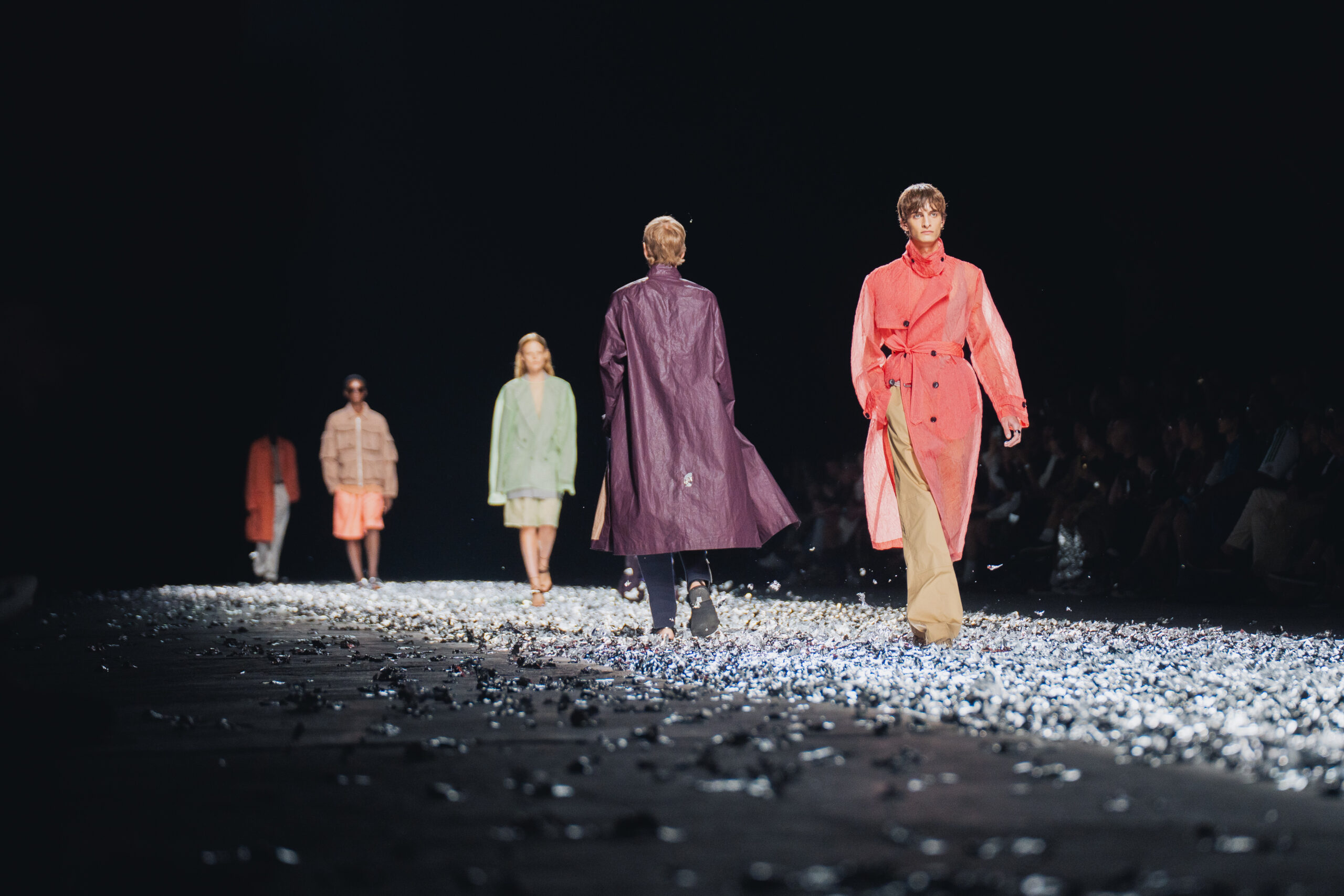
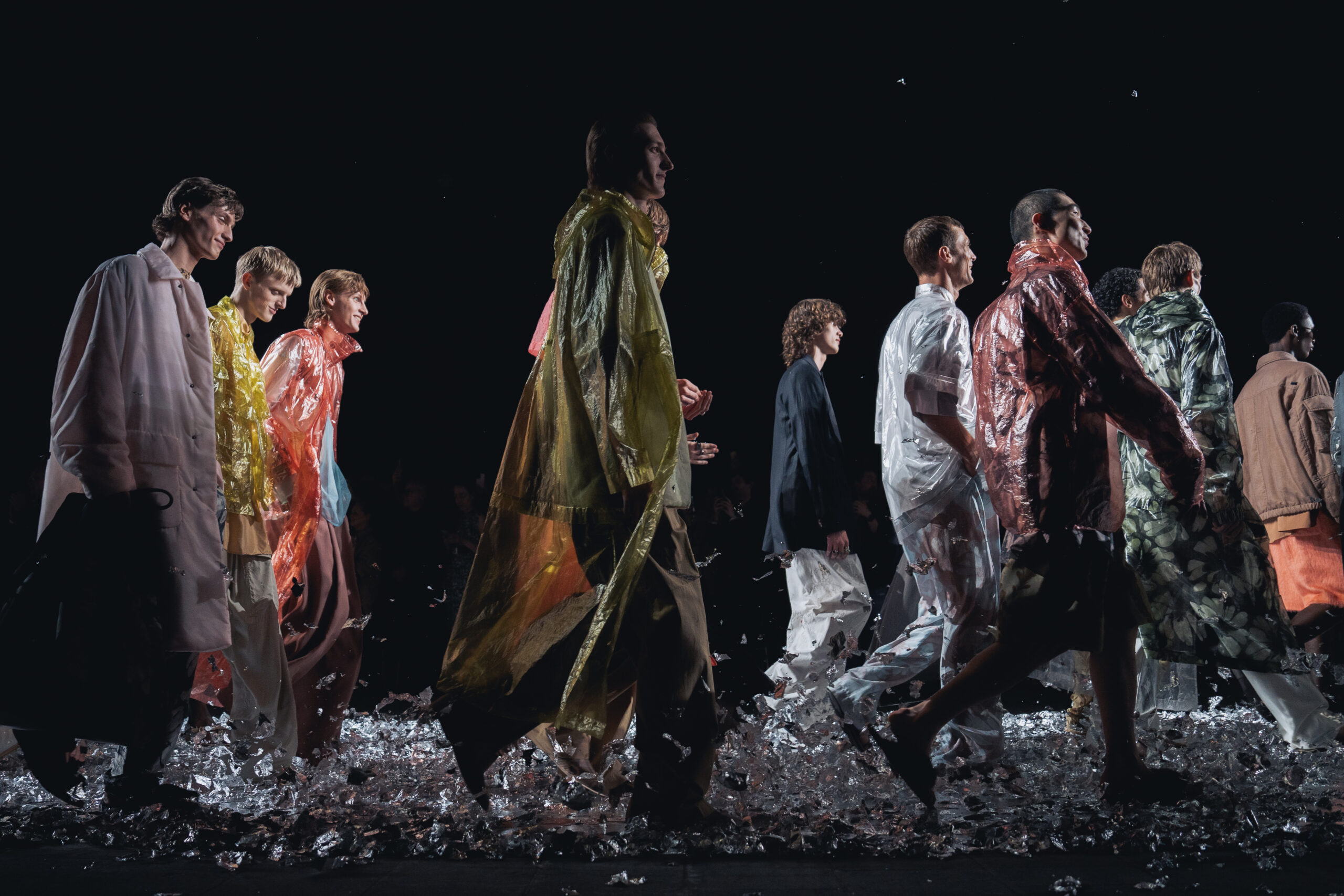
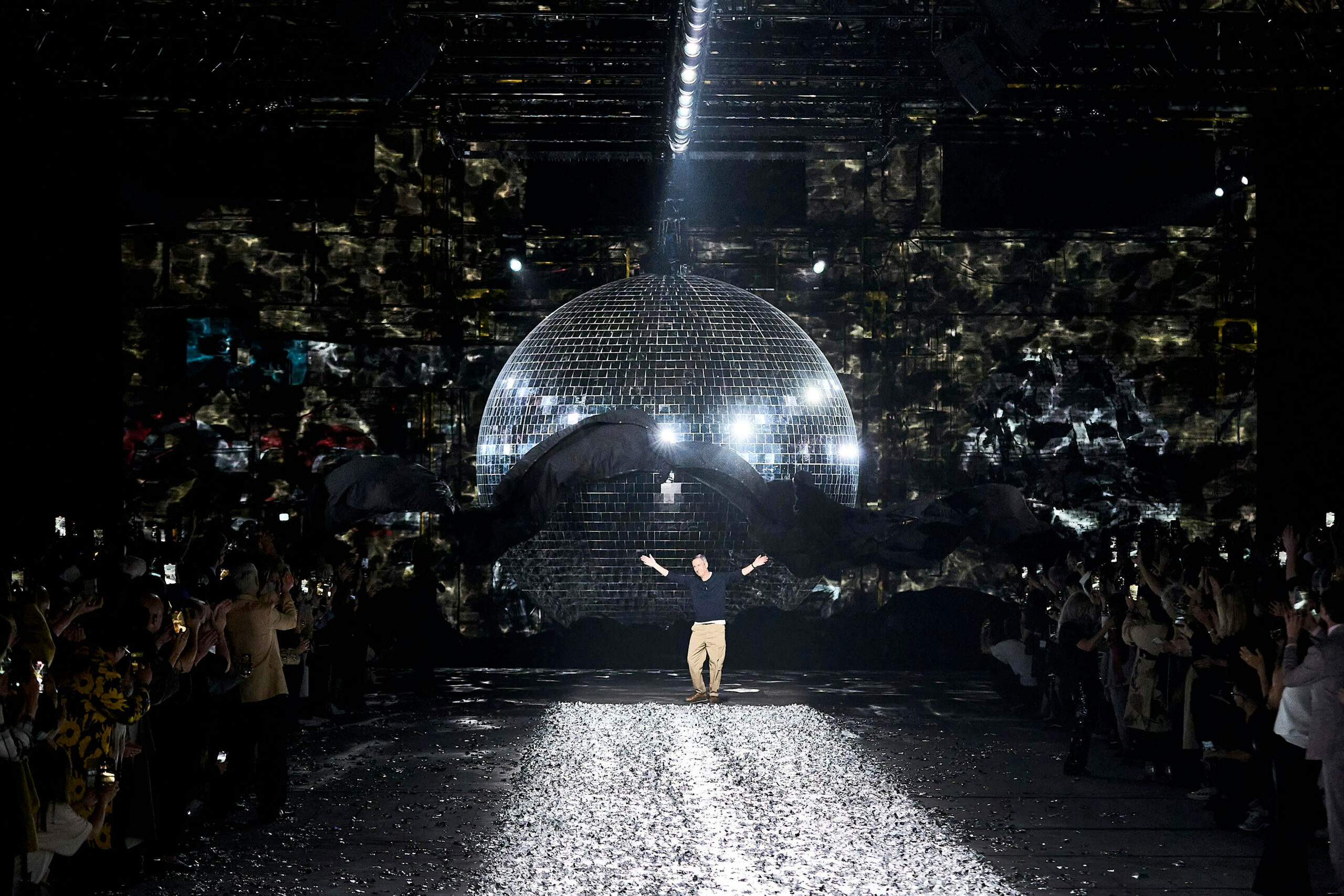
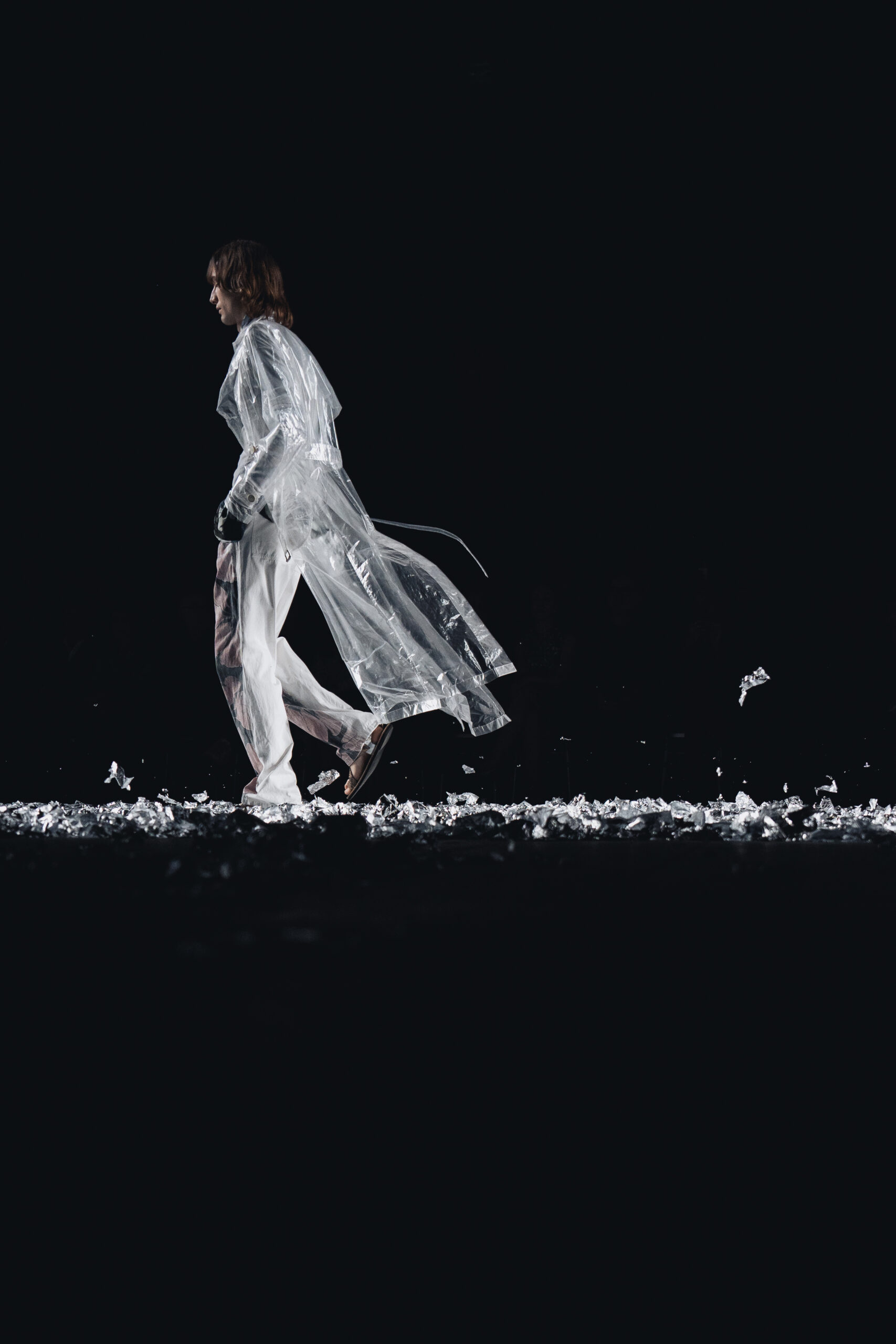
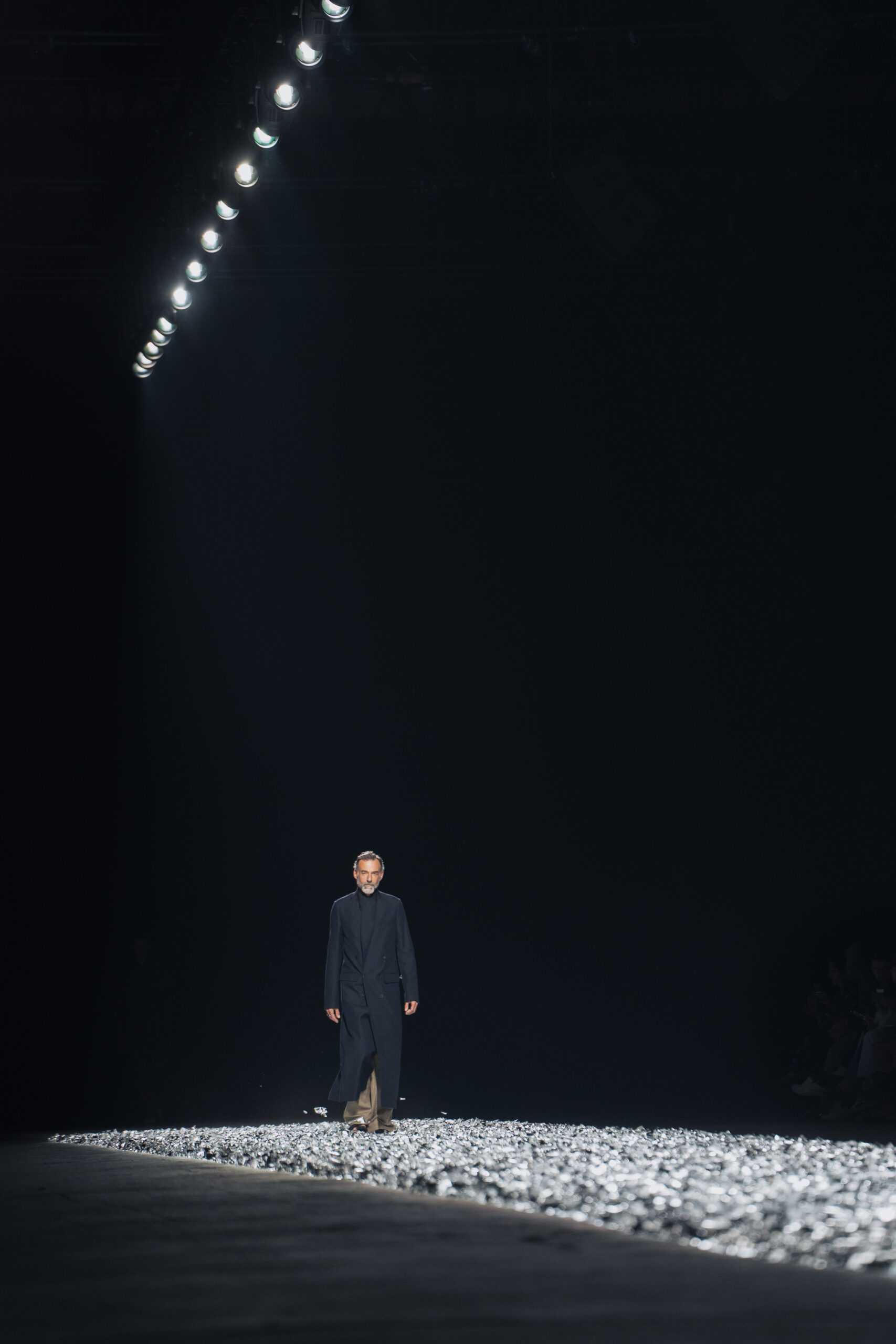
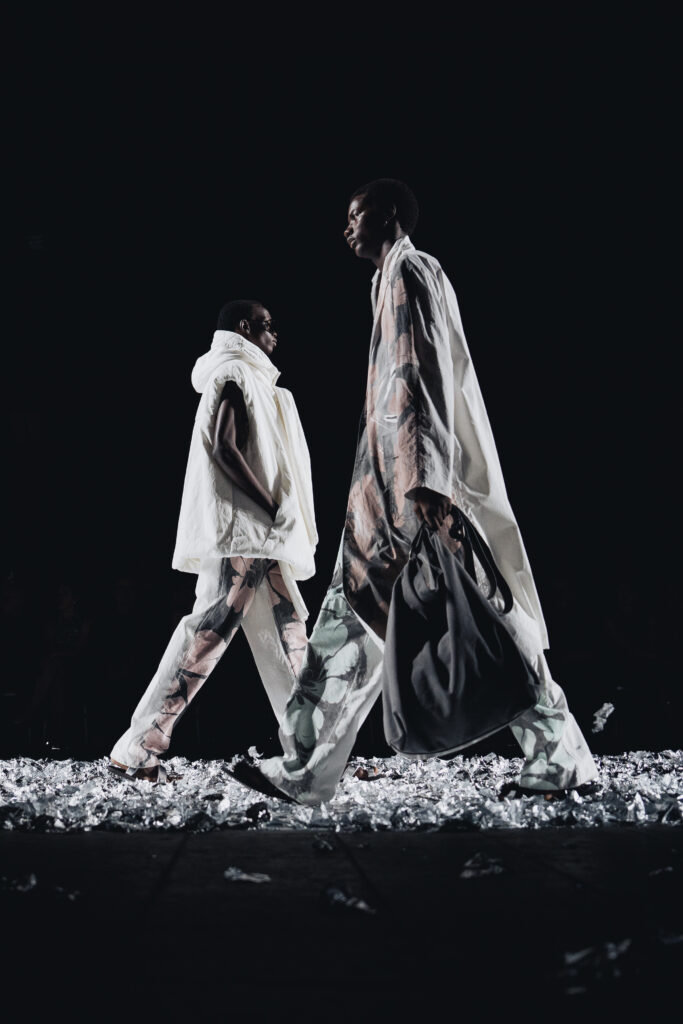
Vanderbroek studied performance art at a theater school before doing a Masters in fine art and embarking on a job at Bureau Betak. His artistic background ranges wide, rolling theater, fine art, and fashion into one. He admits to feeling more at home in theaters, “It’s become a kind of compass, a grounding.” This intimacy and inherent talent for story absorption and world building comes through in his work, as seen in projects such as the enveloping theatricality that portrays Rosalia’s vulnerability and artistic rawness on her latest tour, to one of (SDV)’s many fashion shows, Dries Van Noten’s SS25, which caused internet fervor through its simple yet ethereal intervention.
Vanderbroek says that finding work that resonates isn’t difficult, “about 80% of the clients who approach us are already a fit, because they resonate with the work”. Counting on intuition is the only way to go, he claims. This could be down to his integrity in making sure his references and dedication to storytelling comes through in his work, ensuring that those who seek him out have similar values.
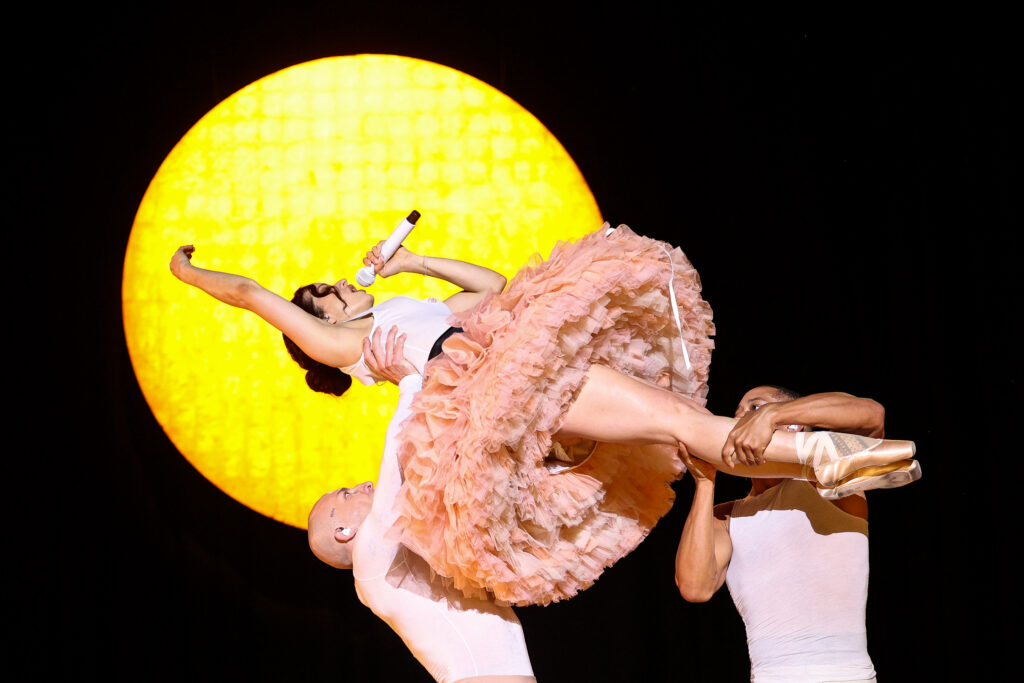
So, how did the collaboration with Rosalia come about? He’d been in contact with her team for a long time, and (SDV) worked on a listening party in Barcelona before it evolved organically into collaborating on the tour. “What was really meaningful was that her team are all theater kids, it was the first tour we’d ever done so it was extremely overwhelming, but because of that shared foundation, I never experienced imposter syndrome, it was basically a theater play. The way of working was exactly the same.” Working on something like this, the studio is involved from the blueprint of the idea until its fruition, then it goes on tour and becomes a “shared commodity”, something that lives and breathes on its own.
The creative process behind (SDV)? “My head works like a visual library, I stock things without even being aware of it.” For this specific workshop with the students, he tried to mimic that process. It’s an invitation to students to think outside their normal framework of sources; turning a reference rooted in art and history into something current is a challenge, it requires a translation into a contemporary visual language. Vanderbroek says that this tension is often where the most interesting part of a project lies, it’s there that the real story of a project comes out.
In most creative industries, this crossover of disciplines is essential to success nowadays. In fashion it is evident through its contamination with art, film, music, and sport, becoming a nebulous system where each discipline feeds into the other. “Fashion, like every other cultural discipline, moves through cycles. We just came out of a long cycle where narrative-driven work within this space wasn’t very welcome”, Vanderbroek states, before telling me that at first, he’d take his portfolio to studios and they’d say that they loved it, but he had only worked in theatre, so didn’t see the relevance.
Now, everything has changed; Vanderbroek quotes Raf Simons as being the catalyst for this, “when he started collaborating with artists, people thought it was weird and cool.” But for the designer, interdisciplinarity has always been natural and at the forefront of his approach, “it was inherent to me, but in the beginning I had to fight for a long time to be understood. Now it’s being recognised that you can work across many disciplines and still be doing serious craft. But at first it was always: “But you were doing theater. Do you do anything in fashion?””
Vanderbroek’s brief for Fashion Art Direction and Fashion Styling students is an opportunity to introduce this interdisciplinarity to the next generation of fashion professionals, “I’ve always believed the future is multidisciplinary and interdisciplinary. That’s what makes culture move forward, and what makes the most daring work.” Through these crossovers, fashion is increasingly present in our lives, as conglomerates soar, prices rise, and quality declines, the industry is aware that a lot of what it has to offer to the masses is culture, emotion, and an “experience”.
Vanderbroek’s own reaction to his success? He creates an antidote, “when the projects become high-profile, I find myself asking what exactly we’re measuring. Interestingly, I keep going back to small theater productions, because that’s where my heart still is.” Perhaps this is the secret to a connected, long, and happy fashion career: keep it small, culturally relevant, and true to what really resonates.
CREDITS
Written by
- Phoebe Owston, Editor of the Journal
Rosalia Lux Tour 2026
Creative Direction
Scenic Design
Lighting Design
Choreography
Styling
Photos by
Dries Van Noten Spring 2025
Creative Director
Creative Concept
Music
Styling
Make-Up
Hair
Casting
The Studio
- Corentin Still
- Joep Truijen