
Chaotic and calm, frantic and focused — the year leading up to a graduate fashion show is a world of contradictions. But what is it really like? And how do students, over years of training, learn to absorb and act on feedback from their teachers?
In her final month as a Fashion Business student, Journal correspondent Julie Nunes goes straight to the source, interviewing friends and peers to uncover what it truly means to prepare a final collection and bring it to the runway. Shai Shariv and David Kauffman accompany her piece with ethereal film photographs.
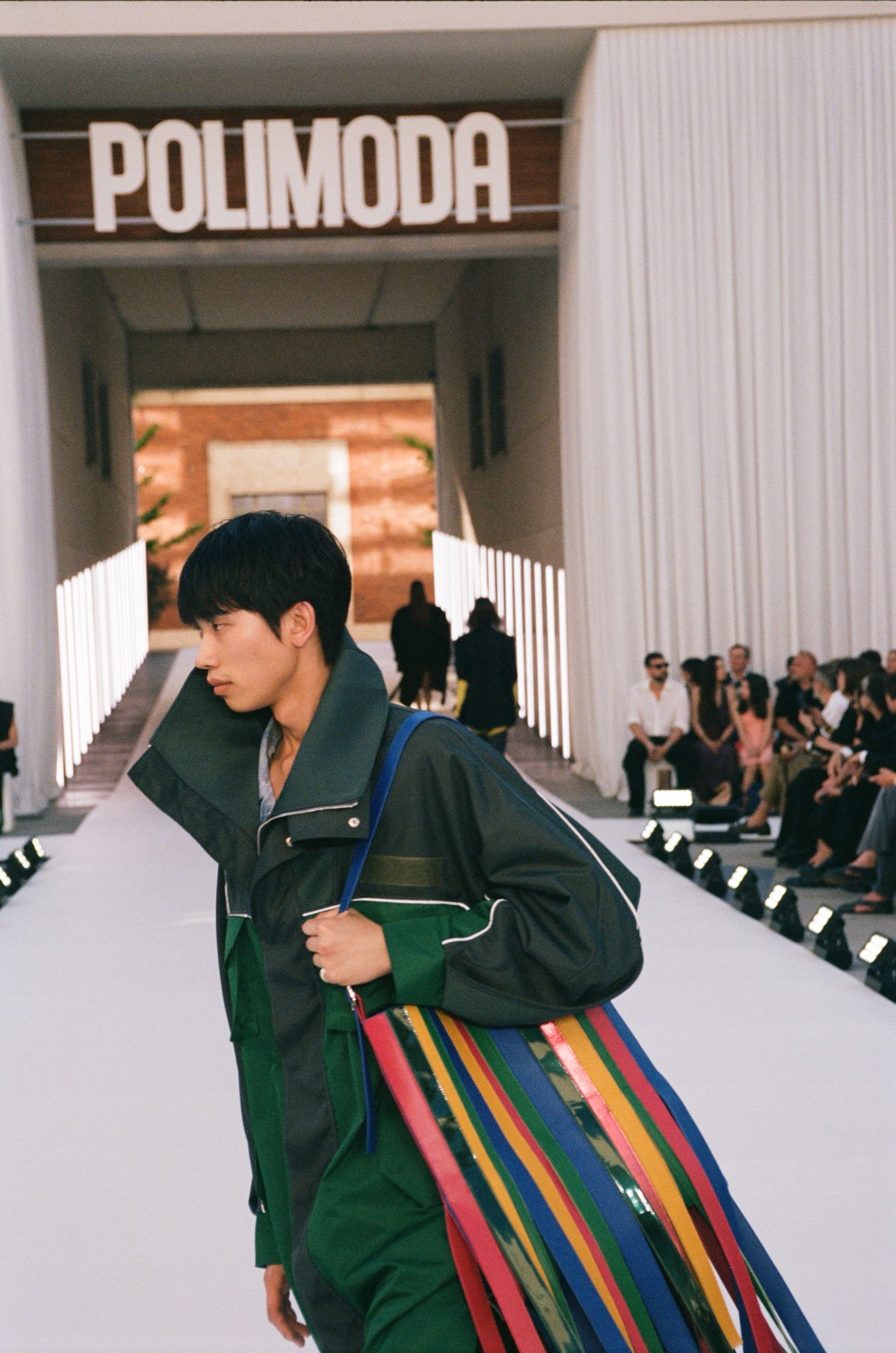
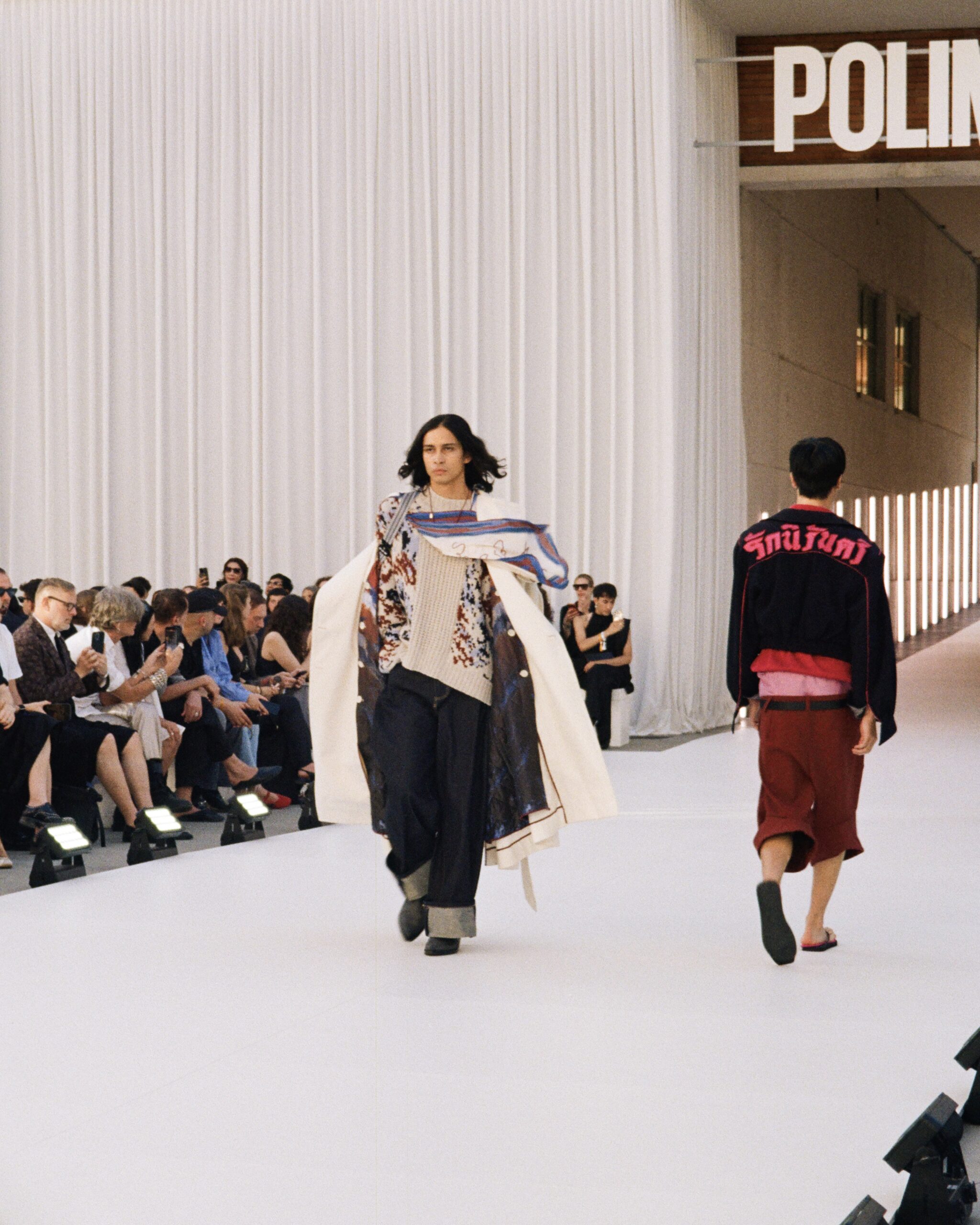
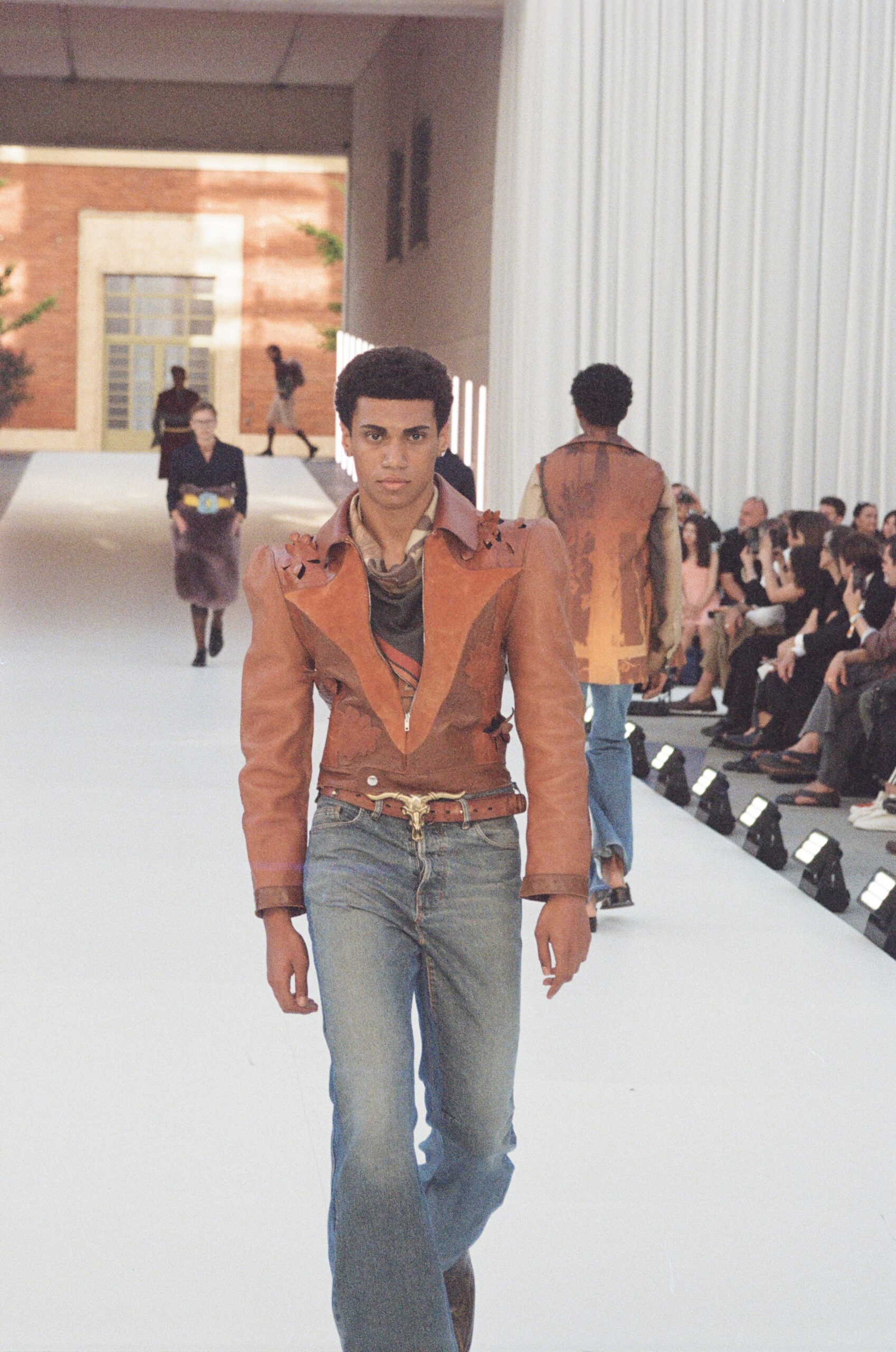
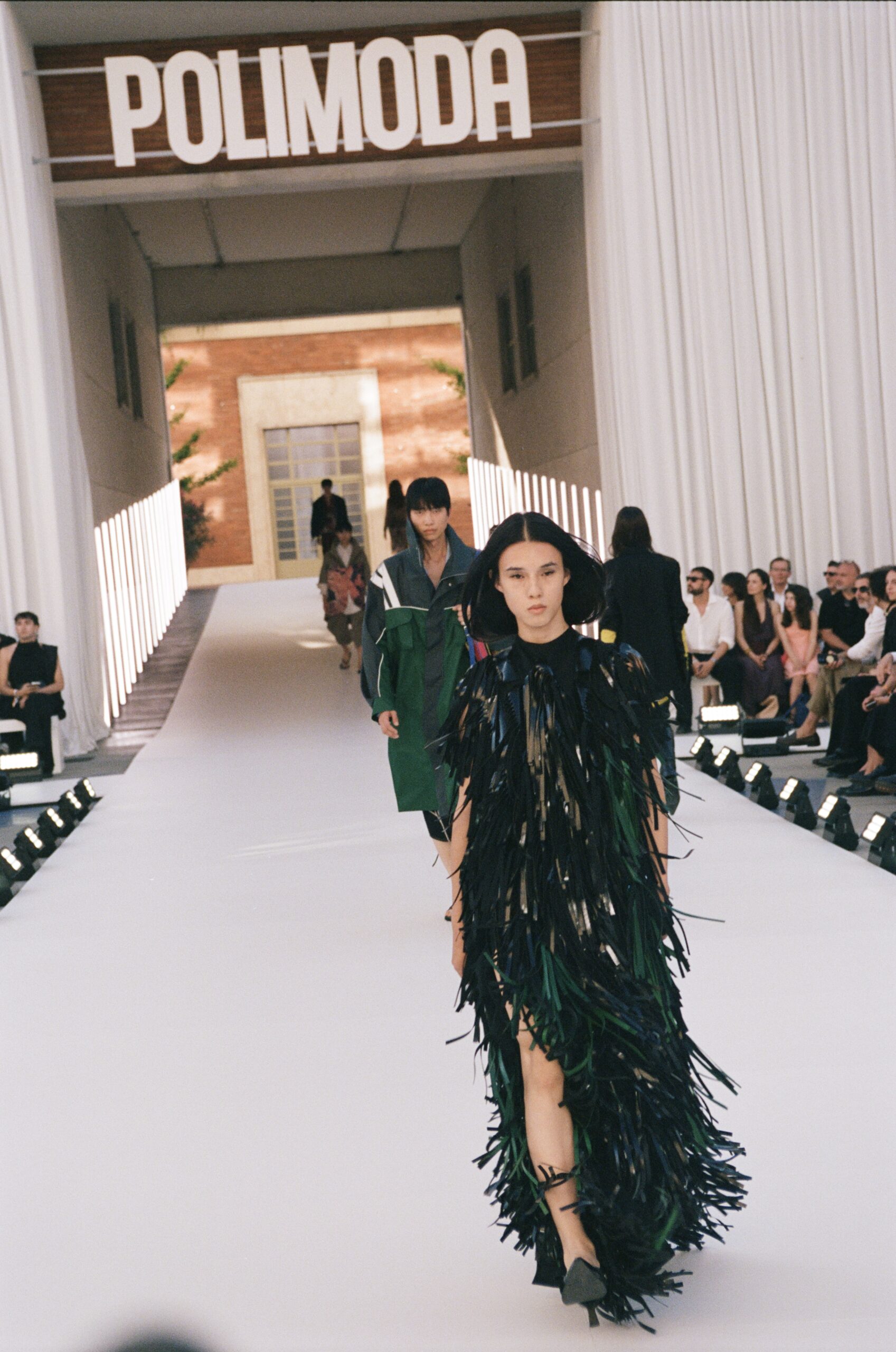
Twenty collections exist for a mere few minutes on the runway. A sequence of looks, silhouettes, colors and ideas unfold under the lights before disappearing backstage again. I find myself wondering something else. What does it feel like to spend an entire year with a single idea? To wake up with it every day, to question it, defend it, reshape it. To hear dozens of opinions. To wonder whether it is getting stronger or whether you’ve lost it completely. Speaking with Polimoda’s graduating Fashion Design students, one theme surfaced again and again. Beyond the fabrics, silhouettes and concepts was a shared challenge: learning how to stay open to feedback without losing your own voice.
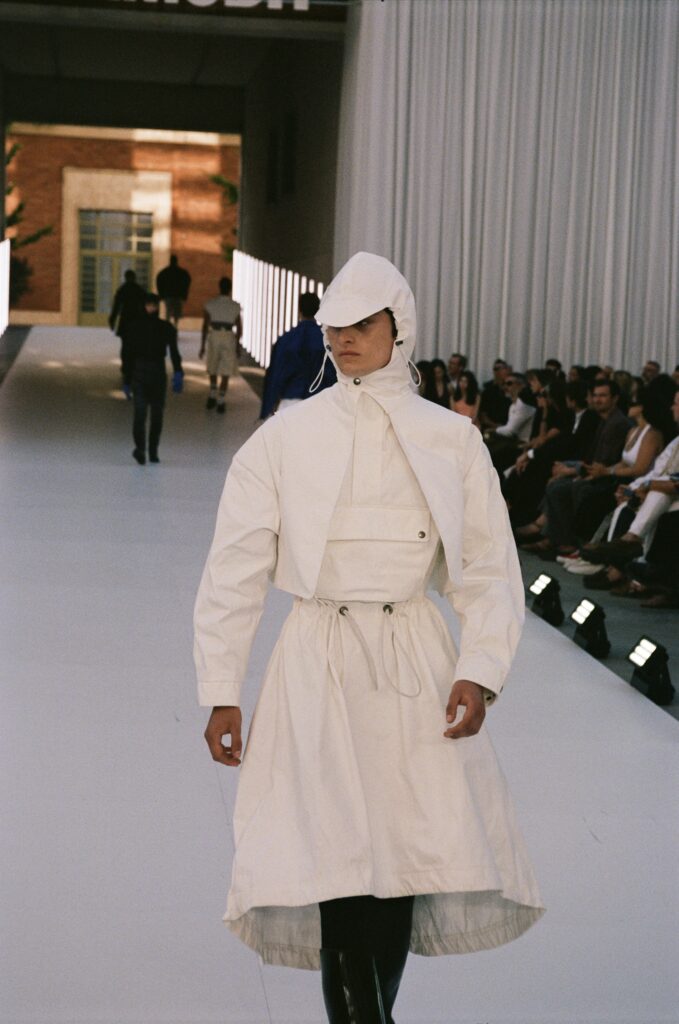
Speaking with the emerging designers, what stood out wasn’t a shared aesthetic but a shared starting point. Almost every collection began with something personal: a memory, a feeling, a loss or an experience that refused to leave.
For Lisa Criaco, it was grief. Inspired by her late father, a professional diver, she transformed the emotional weight of loss into a world of deep-sea exploration and structured tailoring. Lucia Romagnoli started with the feeling of living in someone else’s shadow, translating comparison and self-discovery into rigid silhouettes interrupted by flowers breaking through. Emily Horton looked back at childhood memories and questions of belonging, while Isabella “Zaz” Alvarino used her collection to reflect on friendship, growth and personal transformation.
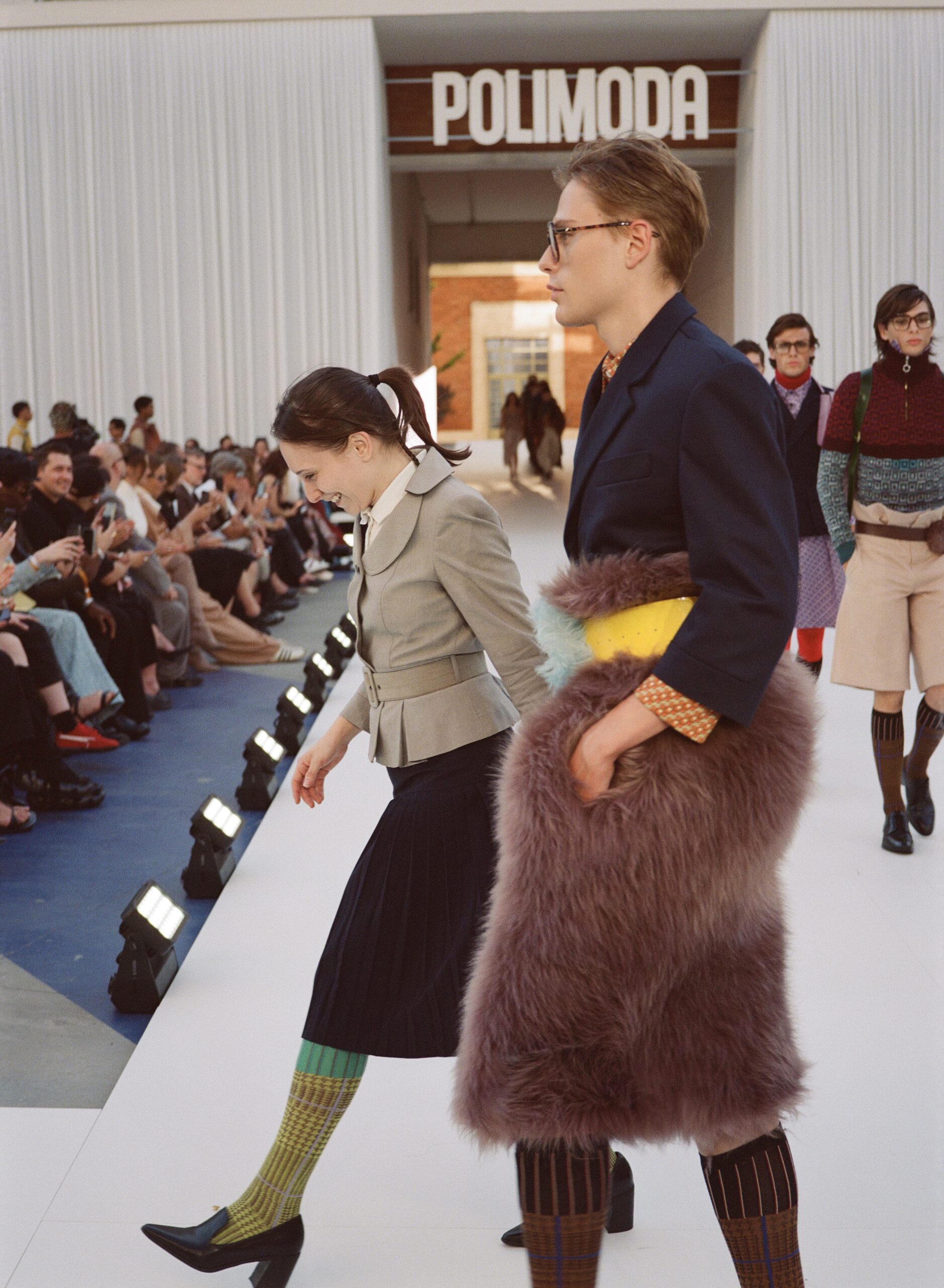
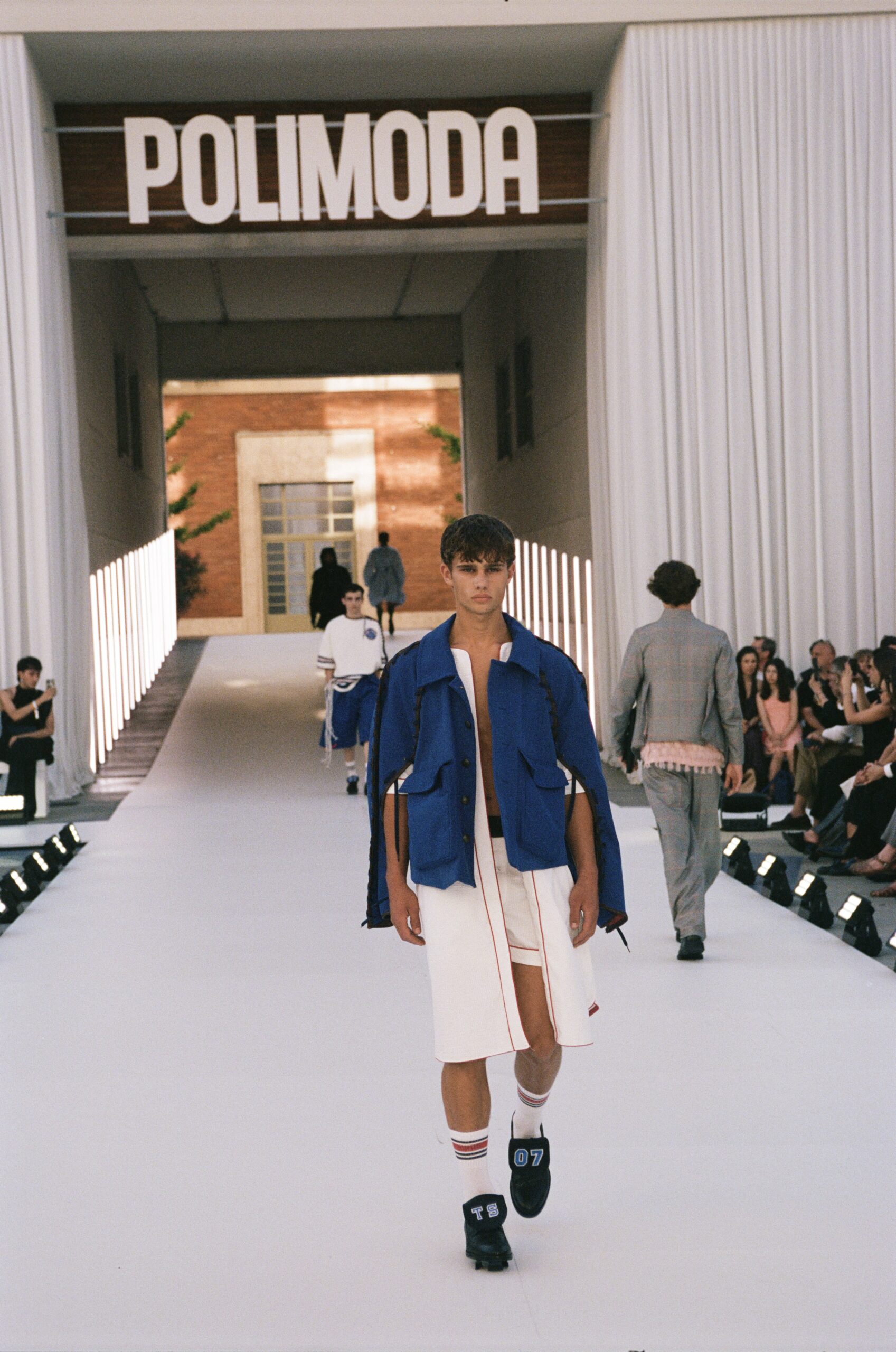
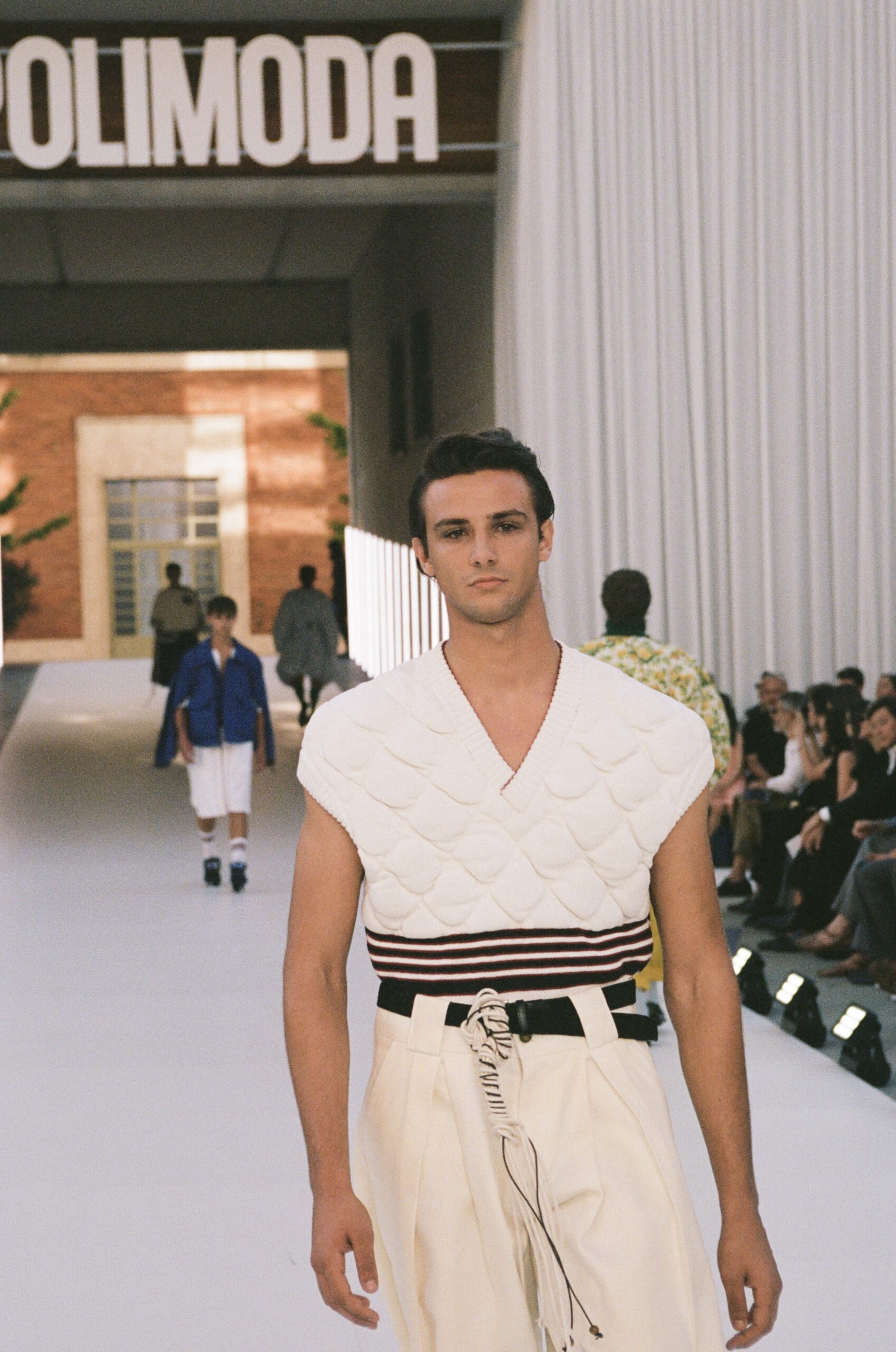
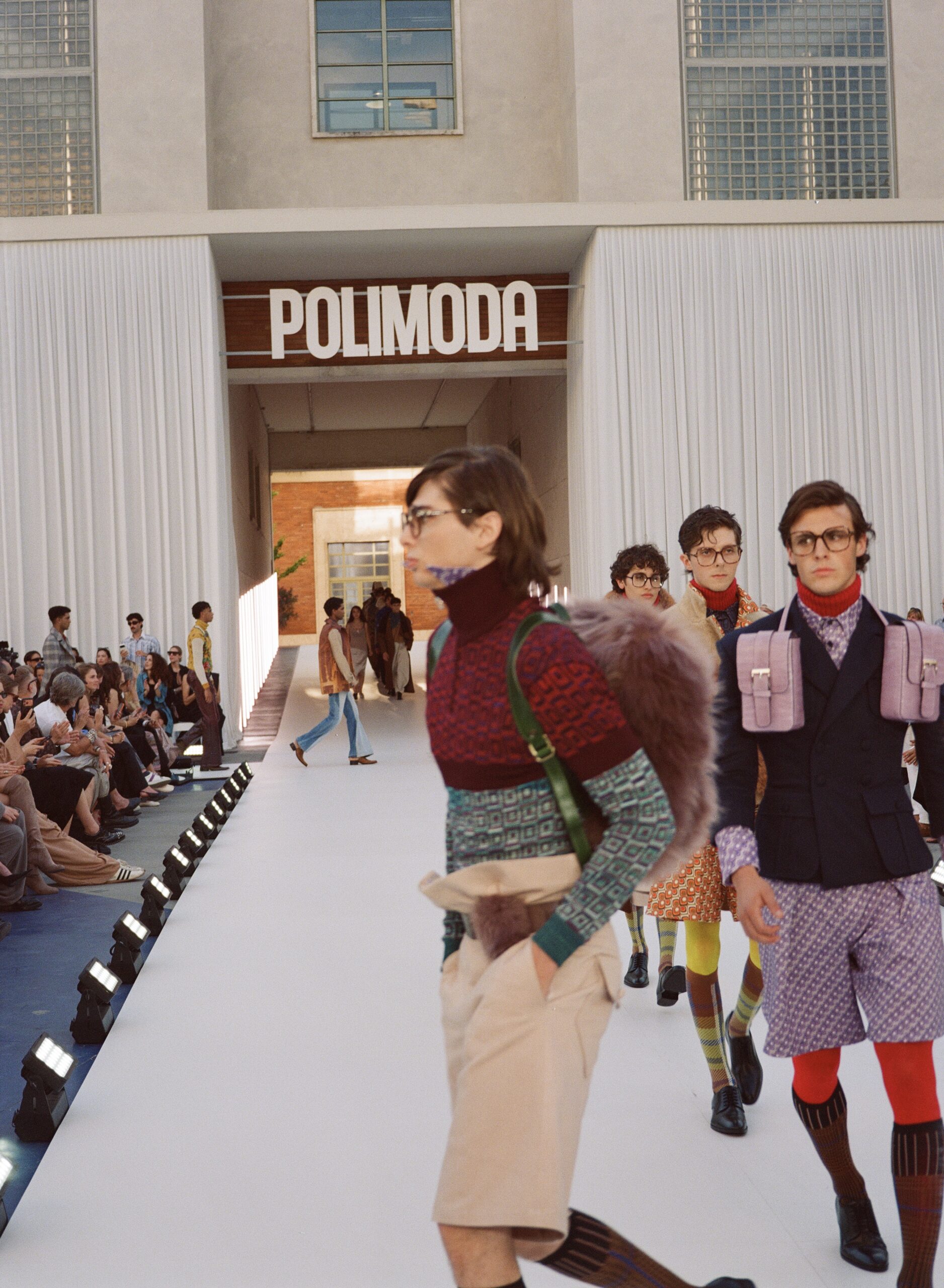
Different stories, different aesthetics, different worlds. Yet beneath them all was the same goal: to take something intangible and give it a physical form. The garments came later. For Evelina Kryvopust, that starting point was the unsettling ambiguity she found in Michael Haneke’s The Piano Teacher, while Lusine Mkrtchyan became interested in the invisible ways memory, culture and environment shape identity. Isabel Antonia Richter, meanwhile, turned her attention to the increasingly blurred boundary between digital and physical life, exploring what it means to navigate a world that can sometimes feel like a simulation.
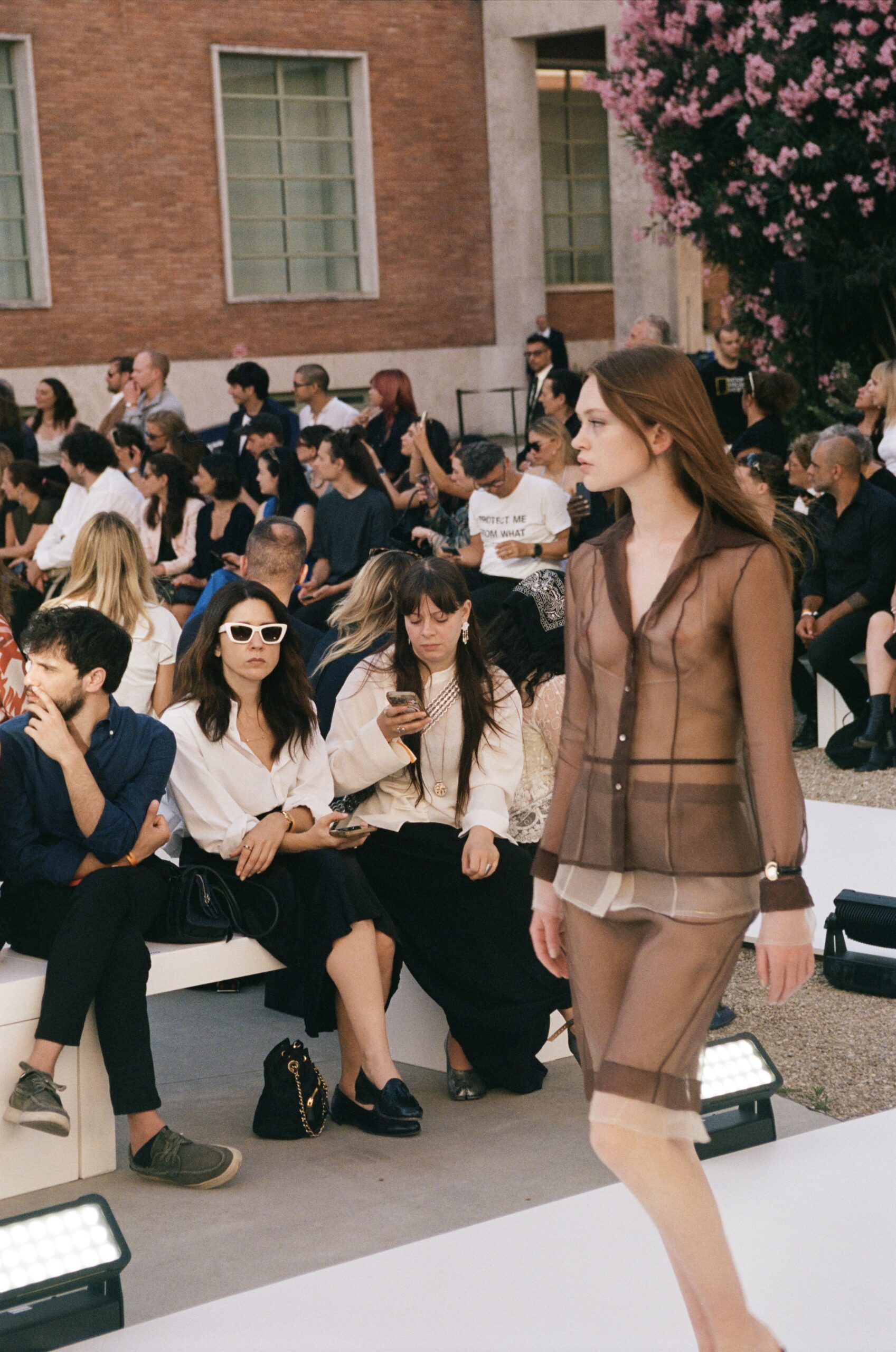
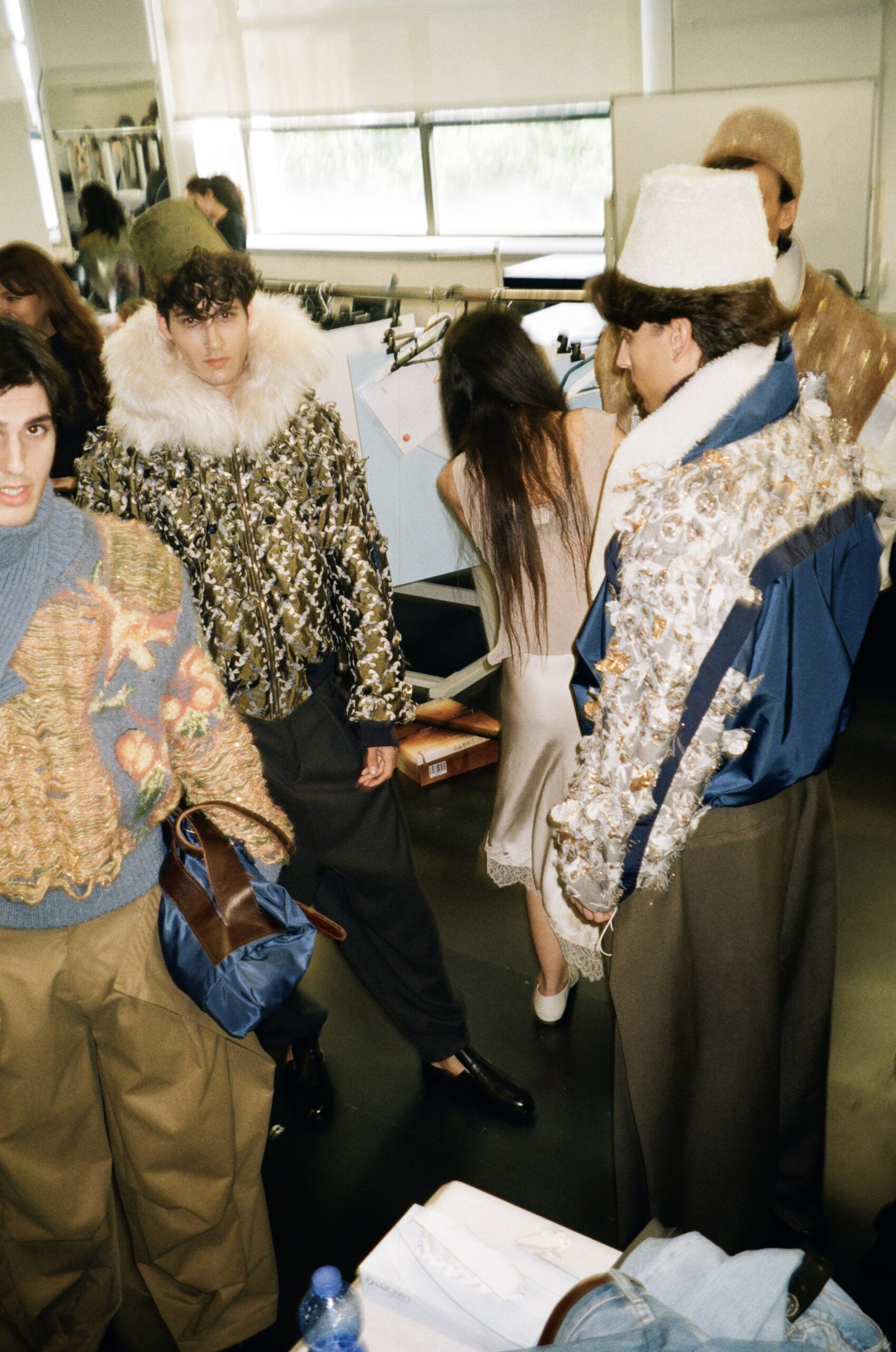
By the time a collection reaches the runway, it has already lived several lives. Over the course of a year, an idea is stretched, questioned, abandoned, rediscovered and reshaped. What begins as a clear vision slowly evolves through research, experimentation, technical challenges, moments of doubt and unexpected discoveries. The designer changes and so does the collection and sometimes that evolution comes from the process itself.
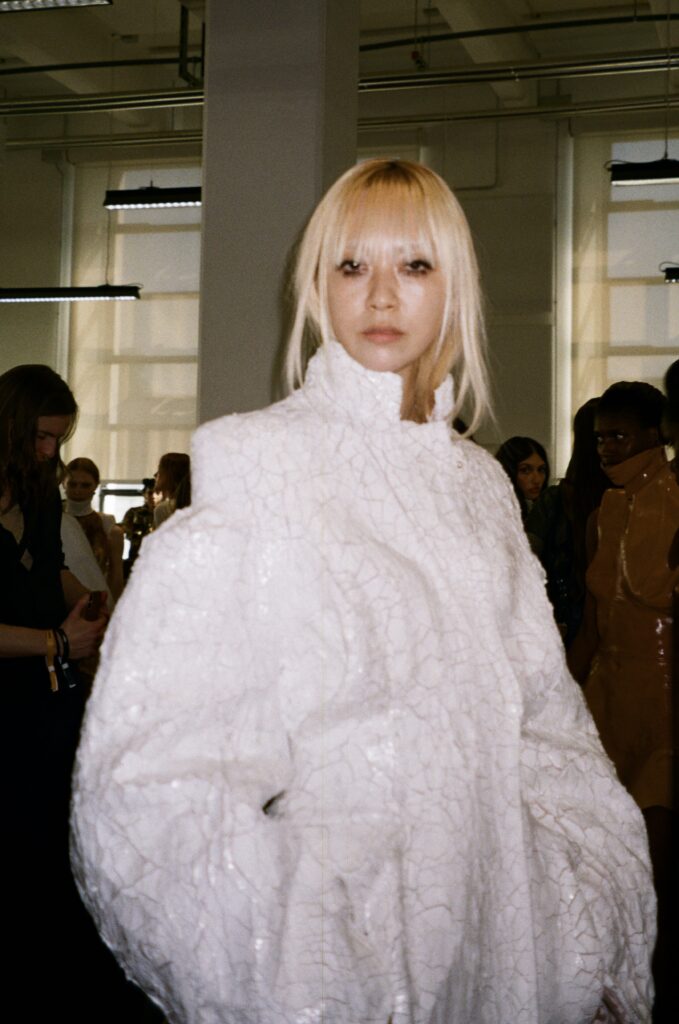
Emilie Wenckstern described how experimentation with unfamiliar materials opened possibilities she had never planned for, while Matteo Bardi reflected on learning through mistakes, spending months teaching himself how to work with leather before arriving at a result he could finally be proud of. Several students described periods of creative paralysis. Aaron Dillworth recalls feeling completely stuck halfway through the process, only finding a way forward once he let go of the rigid expectations he had for the final outcome. Others spoke about scrapping ideas, starting over or accepting that growth often means moving away from the original plan.
For Francesca Valivano, whose collection explores the tension between movement and stillness, that evolution became part of the work itself. What began as a personal reflection on pressure, growth and changes developed through constant questioning and refinement. As many students discovered, the challenge isn’t preserving an idea exactly as it was on day one; it is knowing which parts should evolve and which parts are worth holding onto.
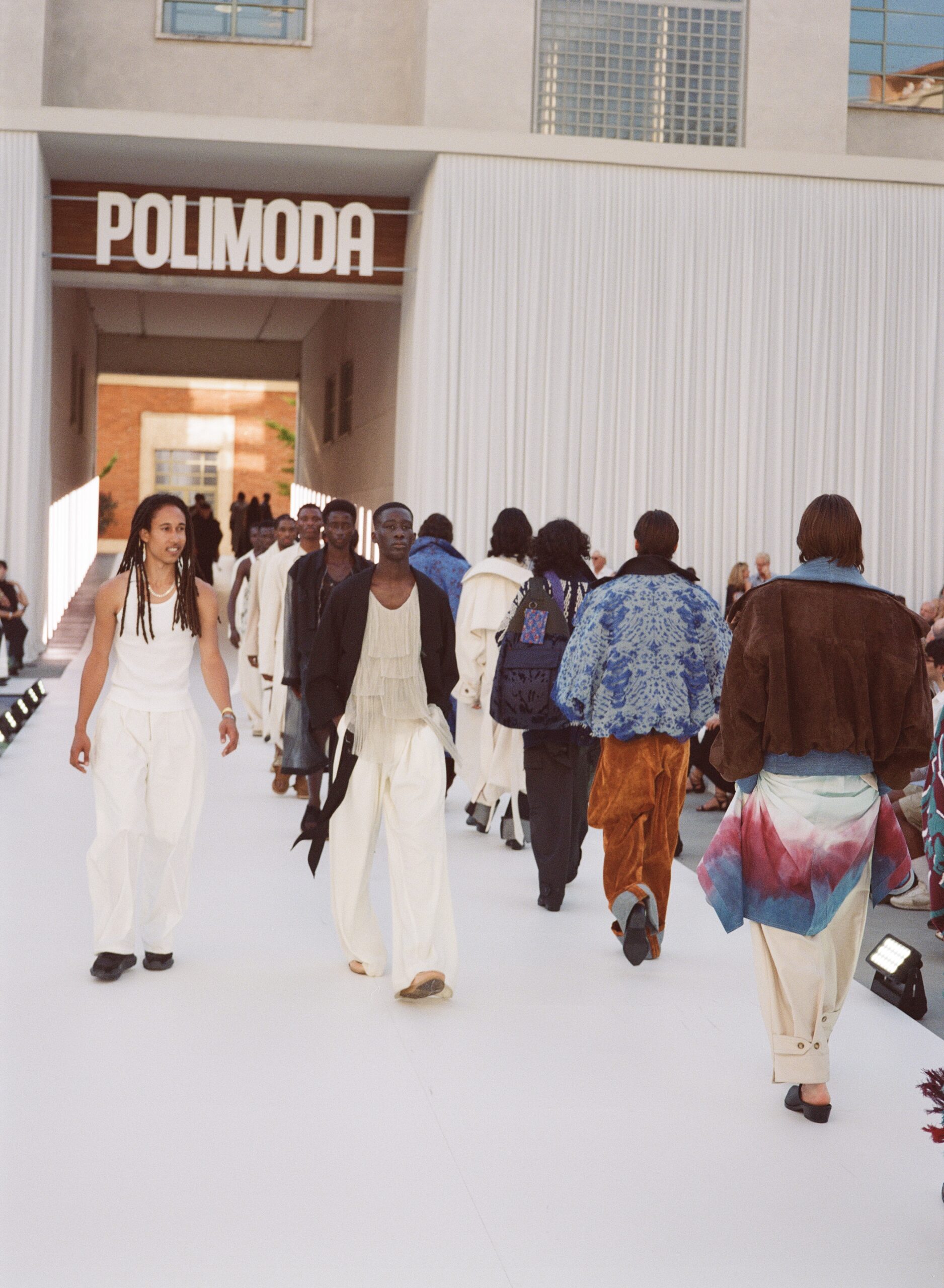
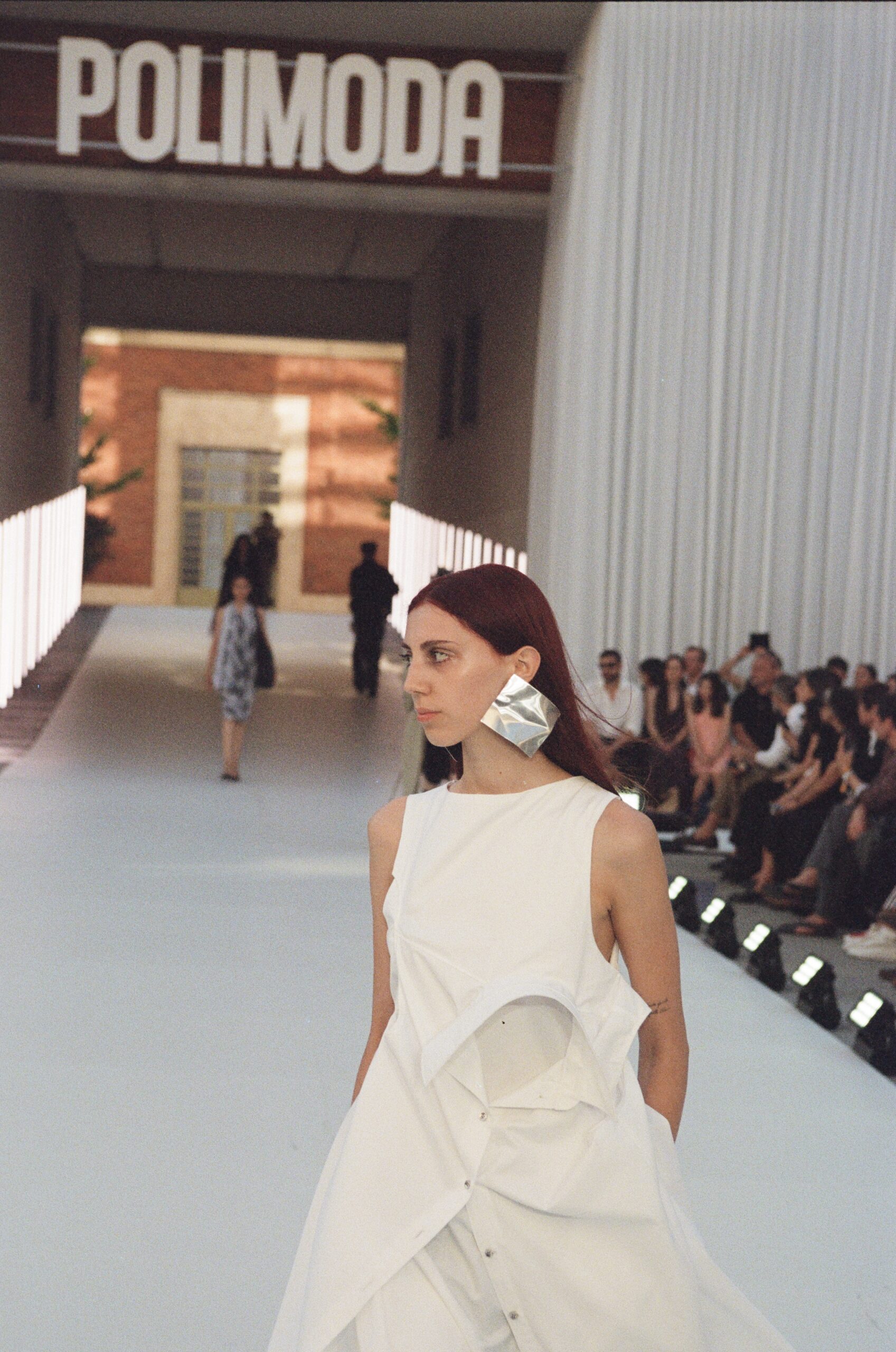
Over the course of a year, designers receive a constant stream of feedback from professors, classmates, friends, family members and industry professionals. Some comments challenge technical decisions. Others question concepts, silhouettes or entire directions. The result is a process that can feel equally collaborative and overwhelming. Yet the interviews revealed a surprising consistency. Almost nobody spoke about criticism as something to avoid.
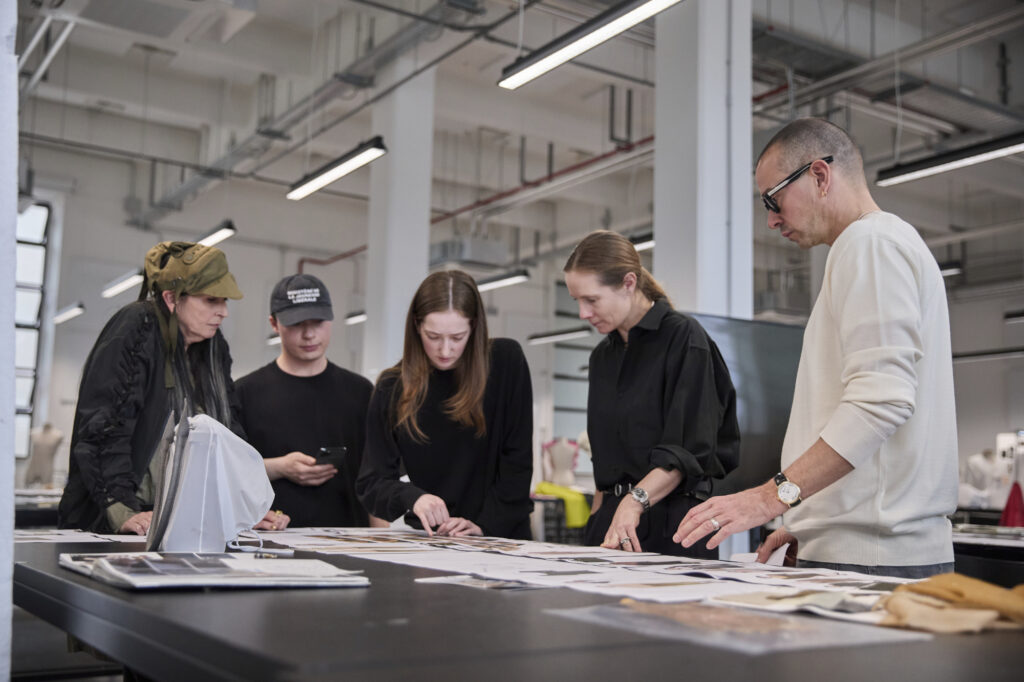
Evelina Kryvopust admitted that opinions can be especially influential when they come from people she deeply respects, while Isabel Antonia Richter described feedback as a way of constantly re-evaluating her work and checking whether it still aligns with her intentions. Instead, students repeatedly described it as a tool, valuable but not absolute. Jing Jirat Jitdee explained that he only acted on feedback when it aligned with the vision he had established from the beginning. Idan David Segal described the relationship with professors as a partnership, while Victor Brial reflected on how easy it is to lose perspective when immersed in months of work, making outside viewpoints essential.
The difficulty, then, is not receiving criticism. It is deciding what to do with it. As Anson Lorence Lin put it, “you need to disappoint people.” Not because feedback lacks value, but because trying to satisfy every opinion eventually leaves no room for your own. Somewhere between listening and resisting, every designer must learn to trust their judgment.
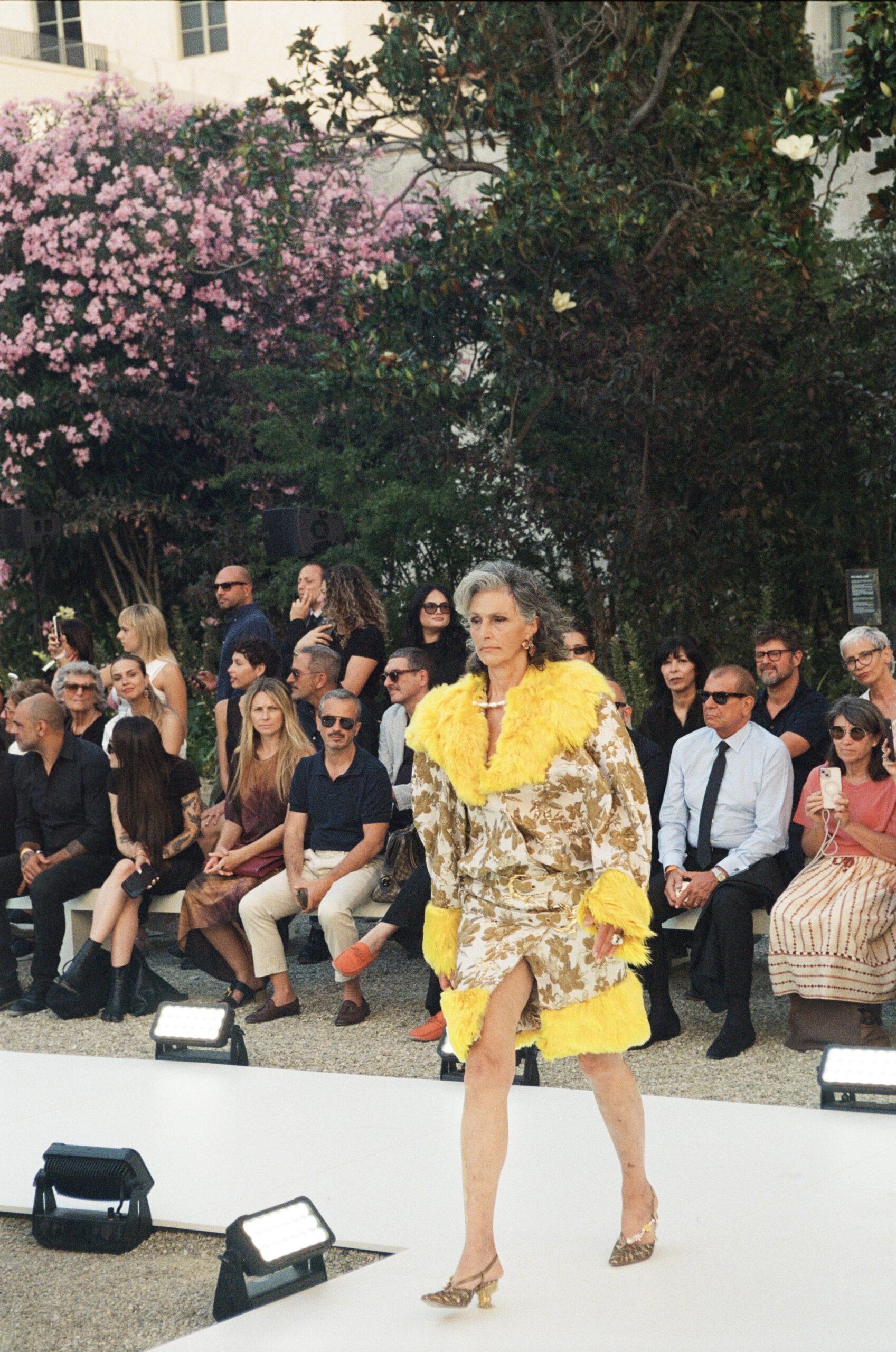
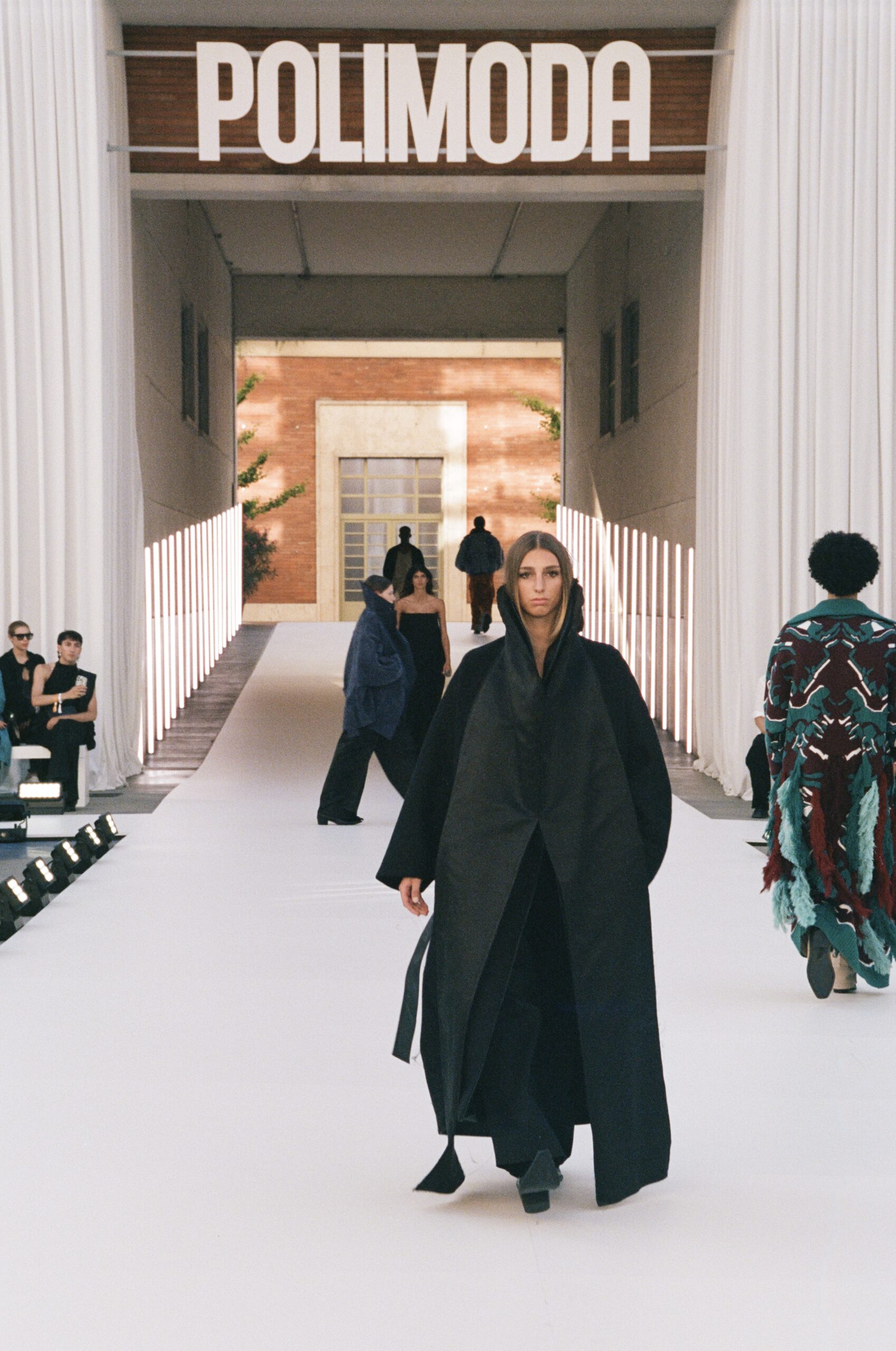
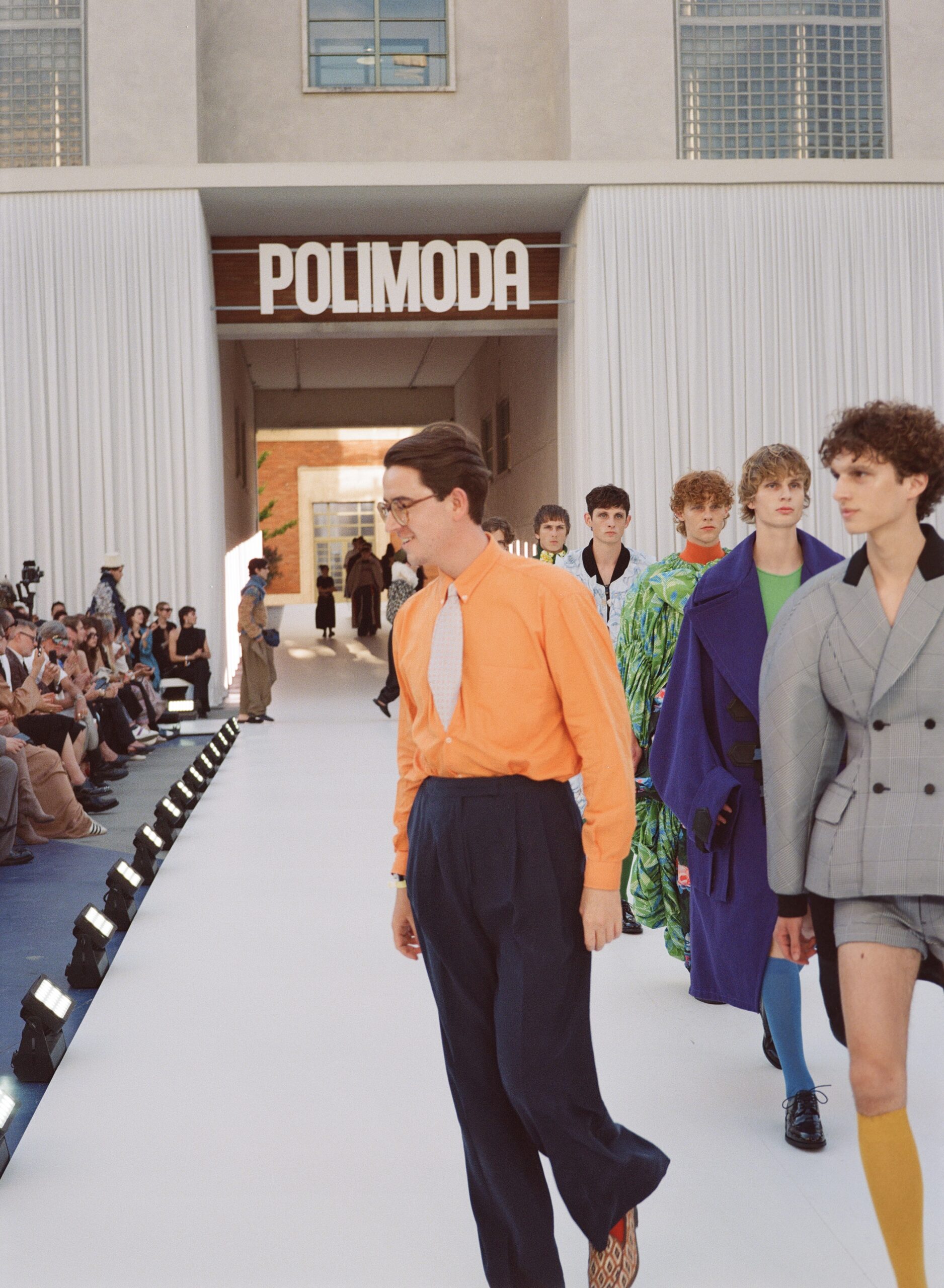
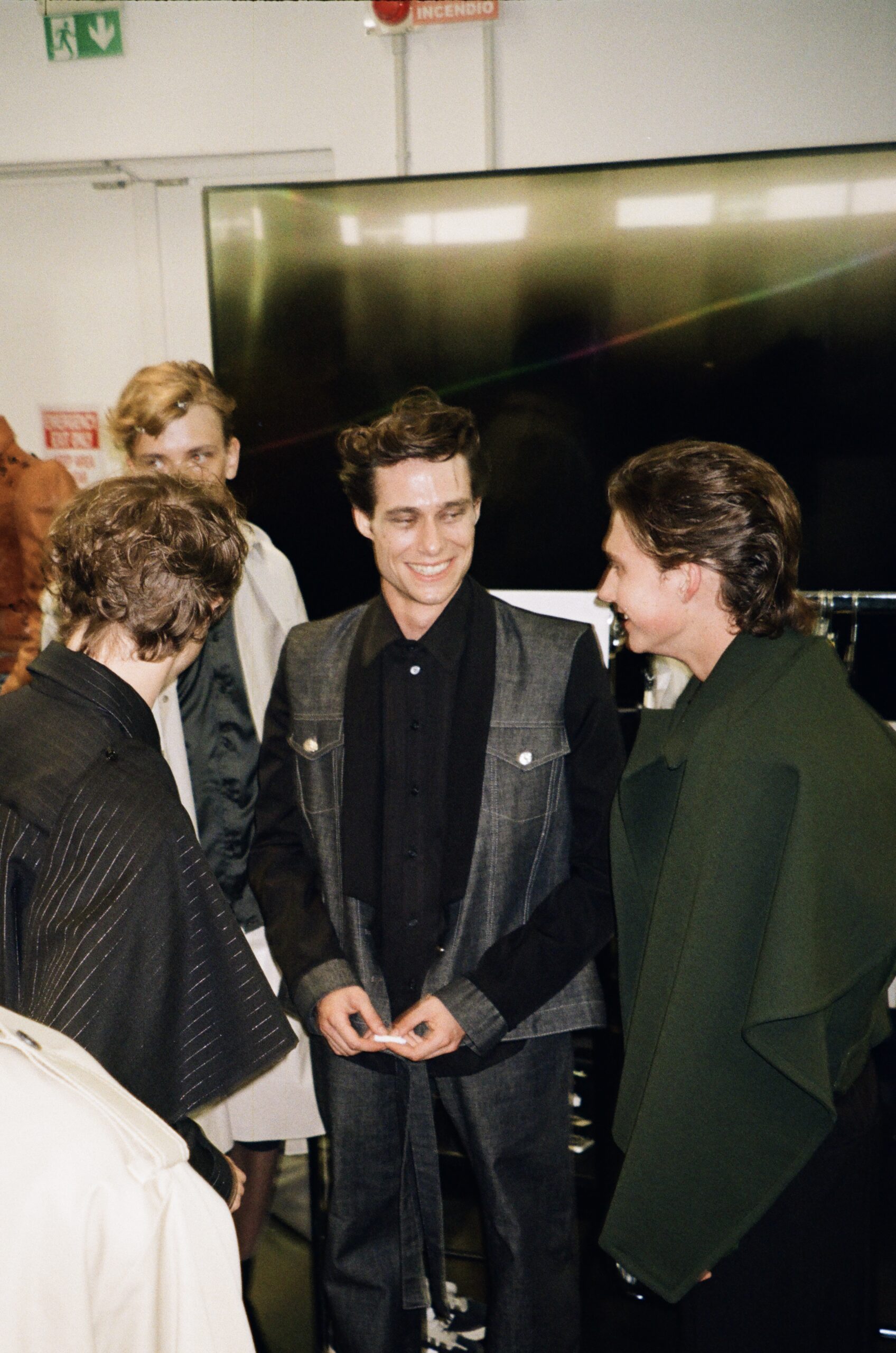
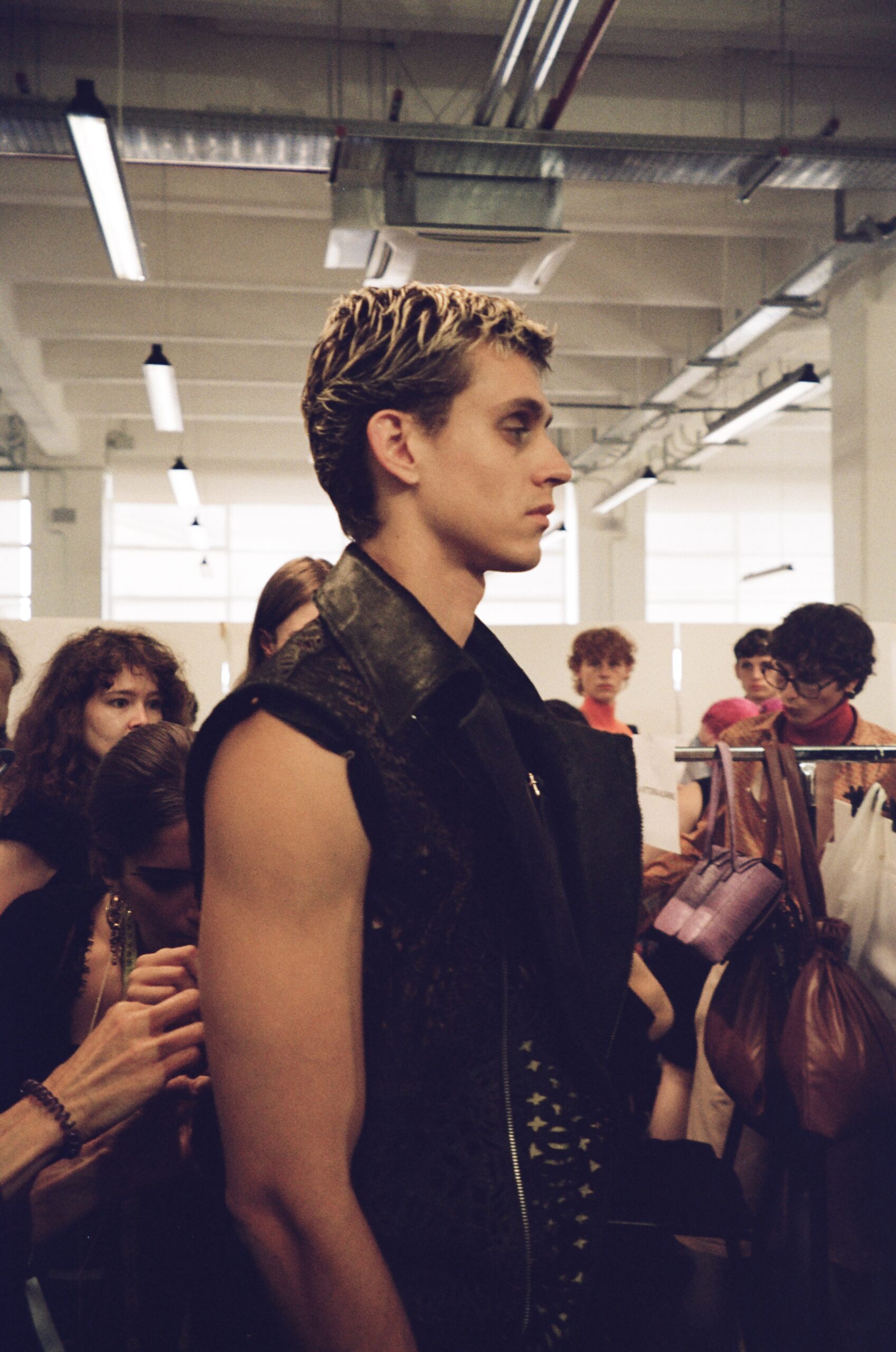
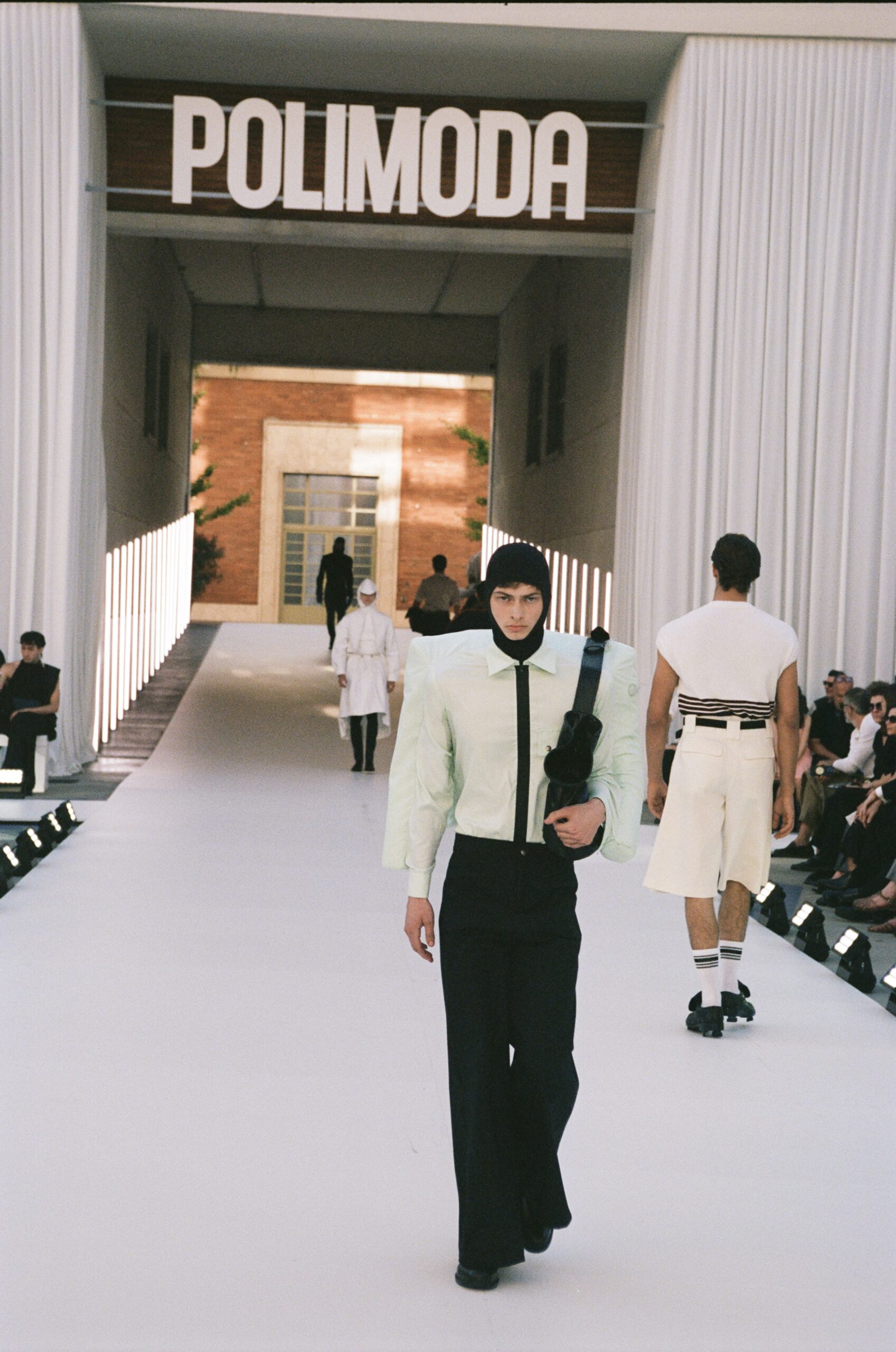
While every designer learns to filter opinions, there are moments when an outside perspective becomes something more valuable than feedback. Several students spoke about professors who recognised possibilities they could not yet see themselves. Jakob Nittmann reflects on how his professors sometimes understood his design language better than he did, pushing him toward menswear and decisions he initially resisted. Matilde Terranova, meanwhile, sees mentorship as an act of trust, following suggestions not out of obligation but out of a willingness to learn. Others described similar moments of guidance. Matteo Bardi credits his teachers with exposing him to criticism as a tool for growth rather than something personal, while Lisa Criaco remembers the teachers who encouraged her to push her creativity even further rather than tone it down.
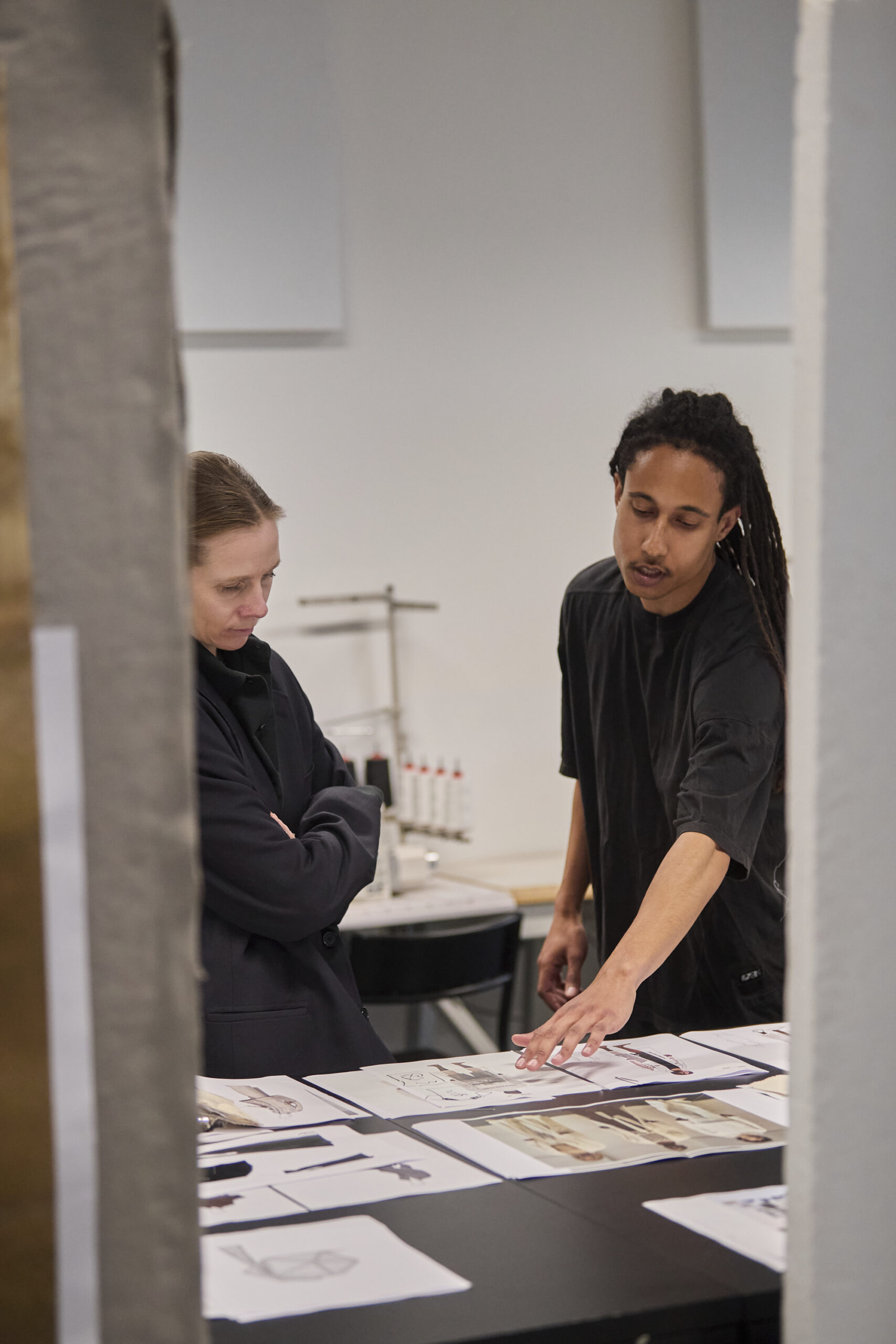
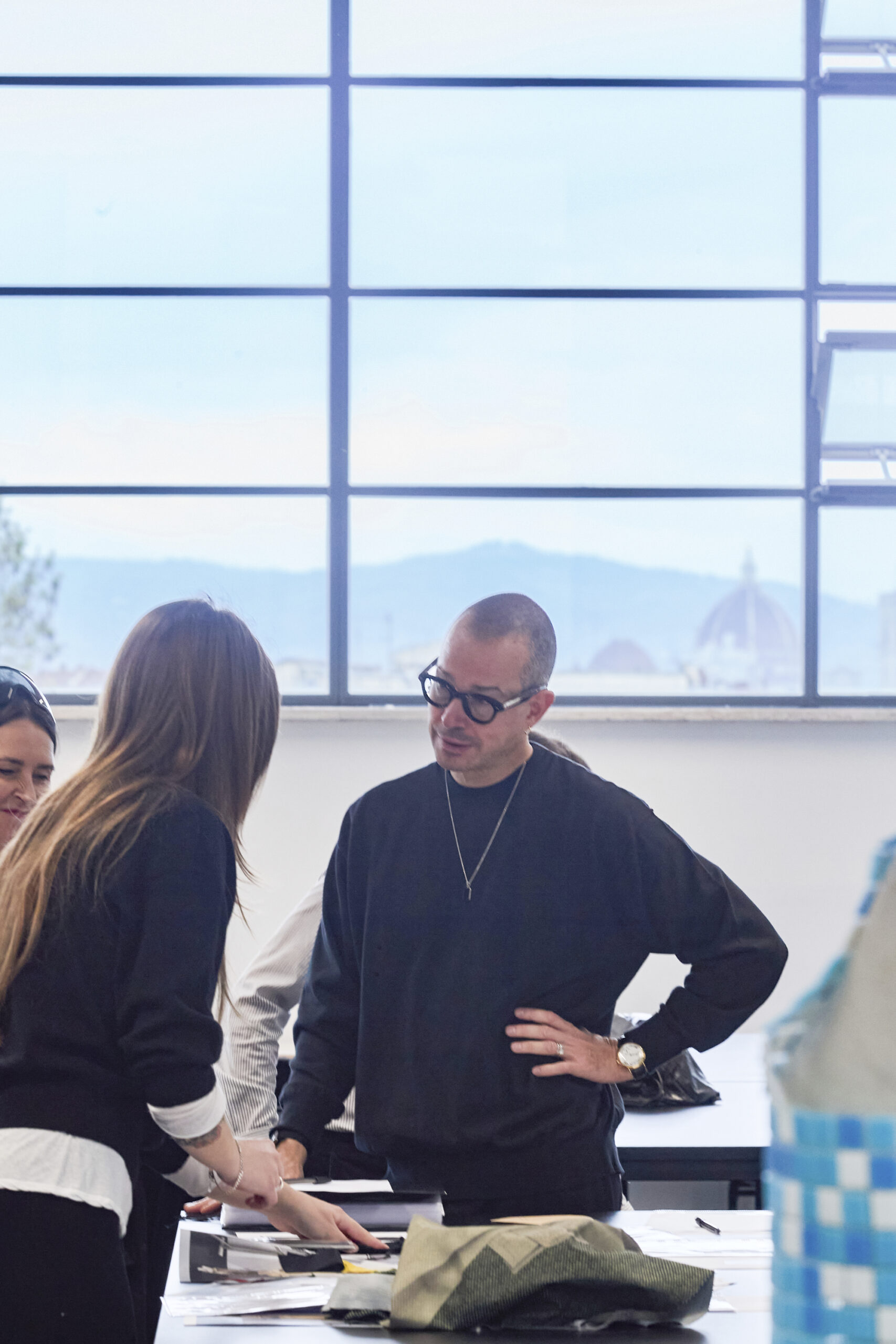
This year of Fashion Design is defined by Luke and Lucie Meier‘s mentorship; Jing Jirat Jitdee commented that they were generous with their feedback, always leaving students the freedom to accept what resonated and leave what didn’t. Victor Brial appreciated the care and attention they showed throughout collection reviews, “they were very hands-on with the garments during fittings. Having two opinions is super helpful for us, it really felt like we were working together to create something.” He went on to comment on their technical expertise, “I really respect how much they know about clothes, in their construction and the way they are made. They were able to give us more detailed information on how to make the garment better.”
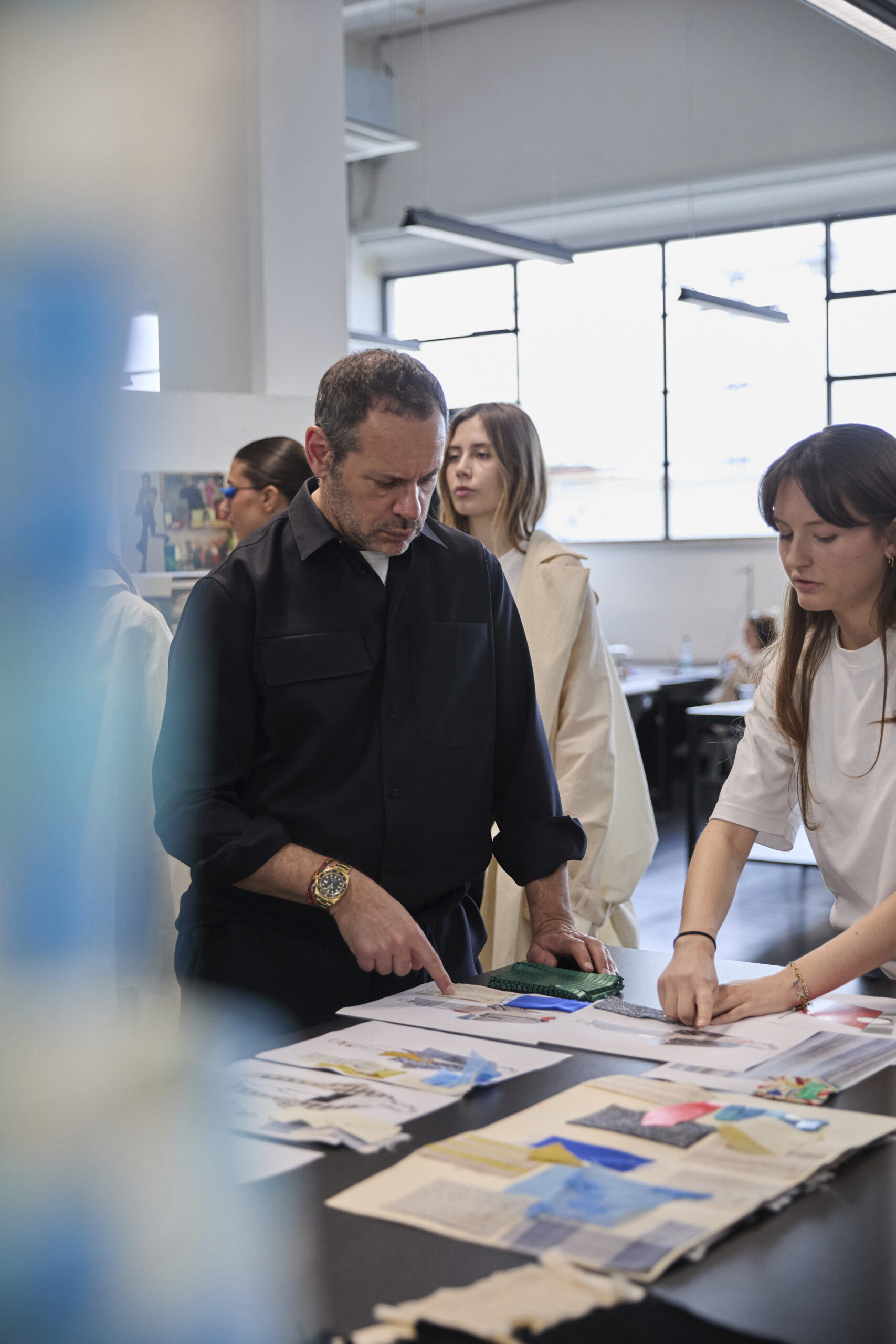
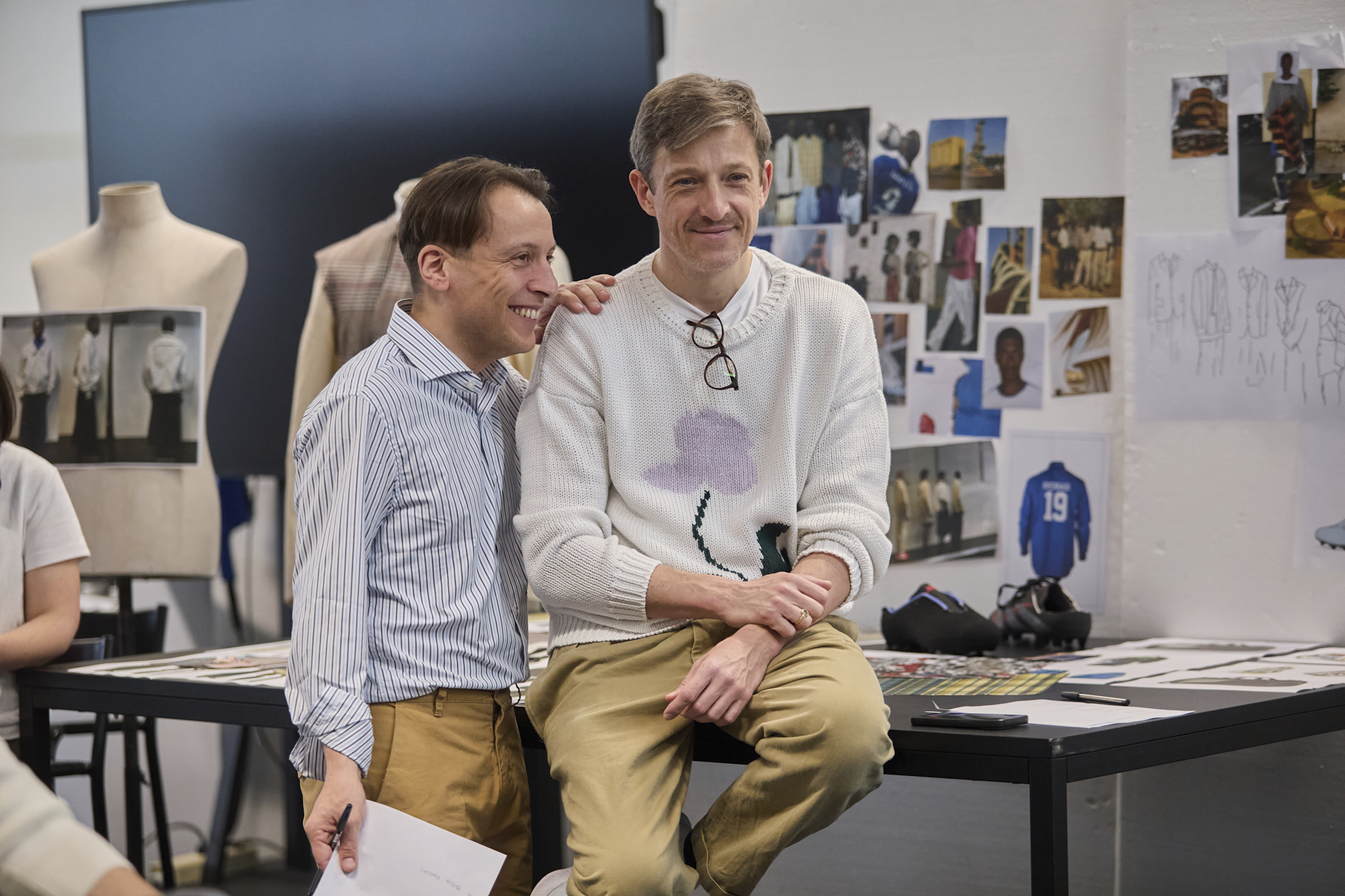
Sometimes growth comes from defending your vision. Other times, it comes from allowing someone else to help you see it more clearly. Over the course of a year, these designers learned how to navigate uncertainty, defend an idea, accept criticism, start over, trust their instincts and recognise when someone else’s perspective could make their work stronger. The collections may have been the final outcome, but they were also a record of that process. The show marked the end of a chapter, but not the end of the journey.
Soon, these students will step into studios, ateliers and design teams across the industry, bringing with them not only creativity and technical skills, but an understanding that great work is rarely created in isolation. It is shaped through dialogue, experimentation, resilience and growth. The audience saw twenty collections on the runway. What they really saw were twenty designers discovering the creative voice they want to bring into the industry.
CREDITS
Written by:
Graduate Show 2026 backstage, runway, and cover photos: