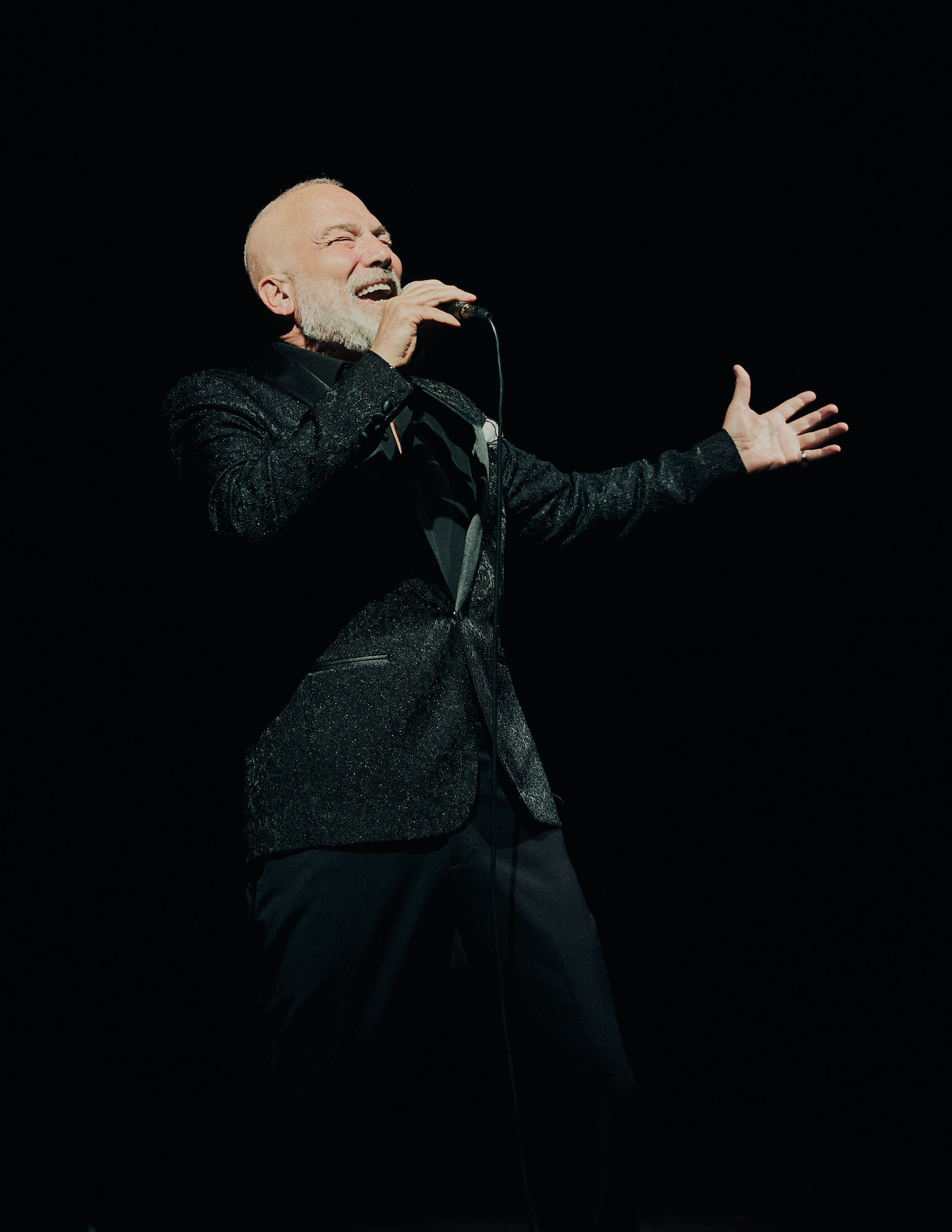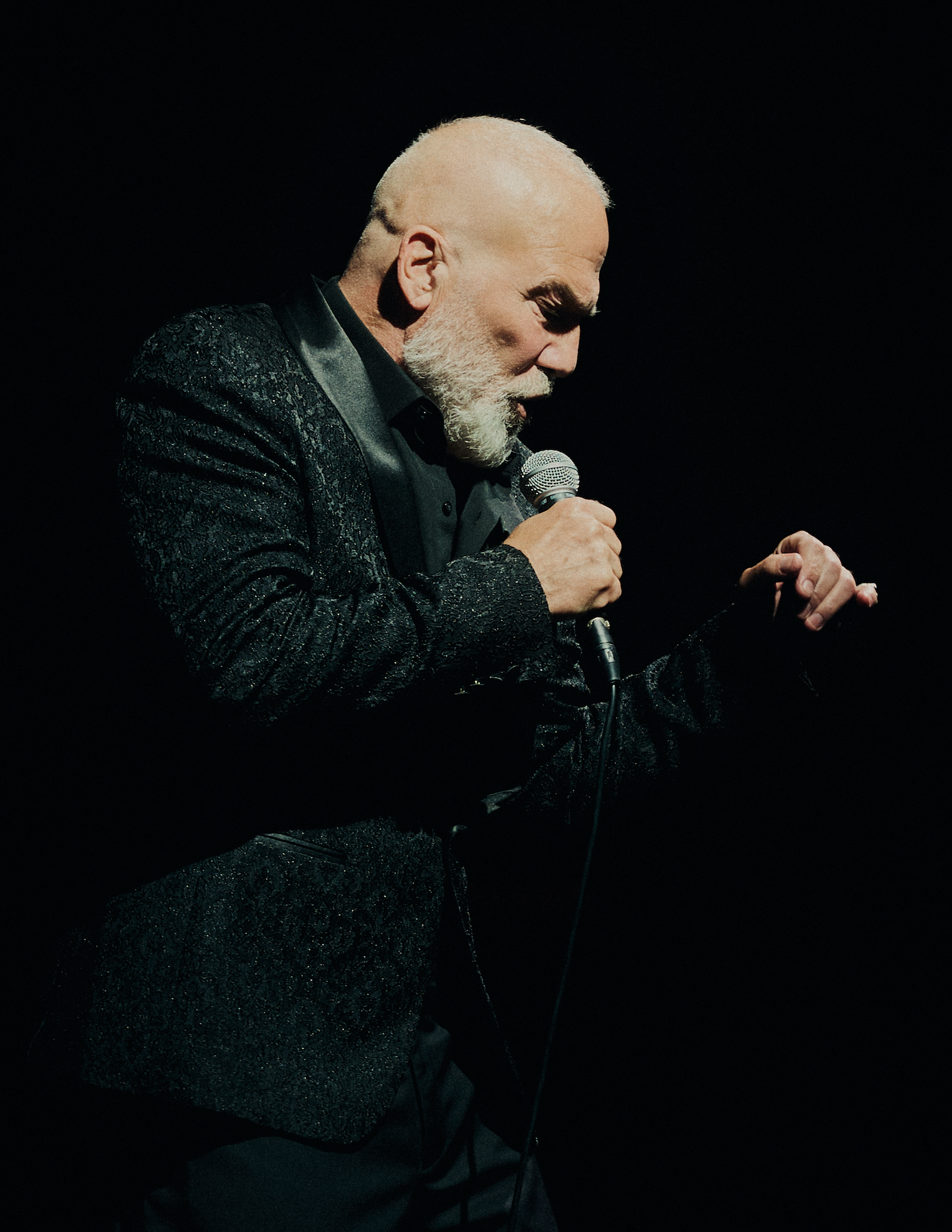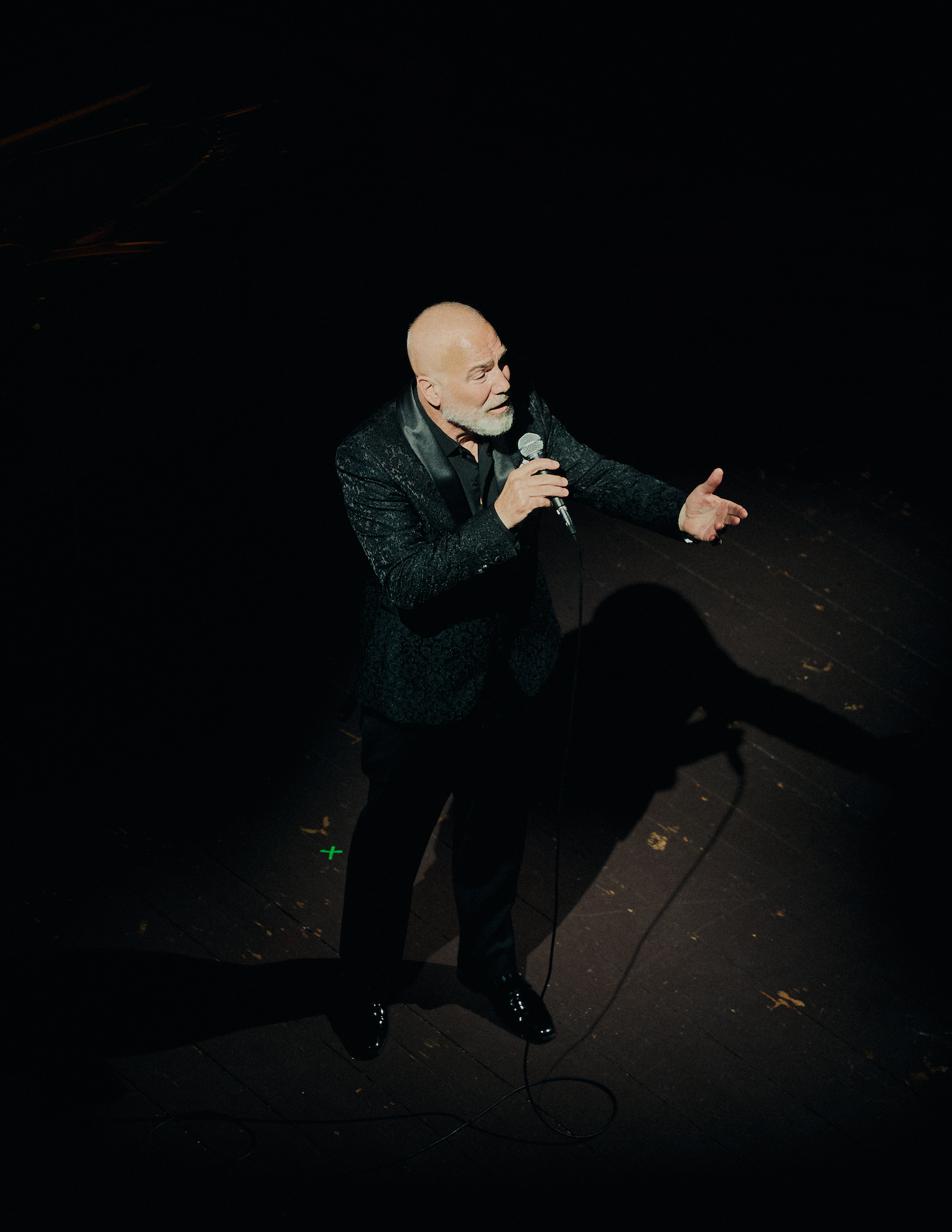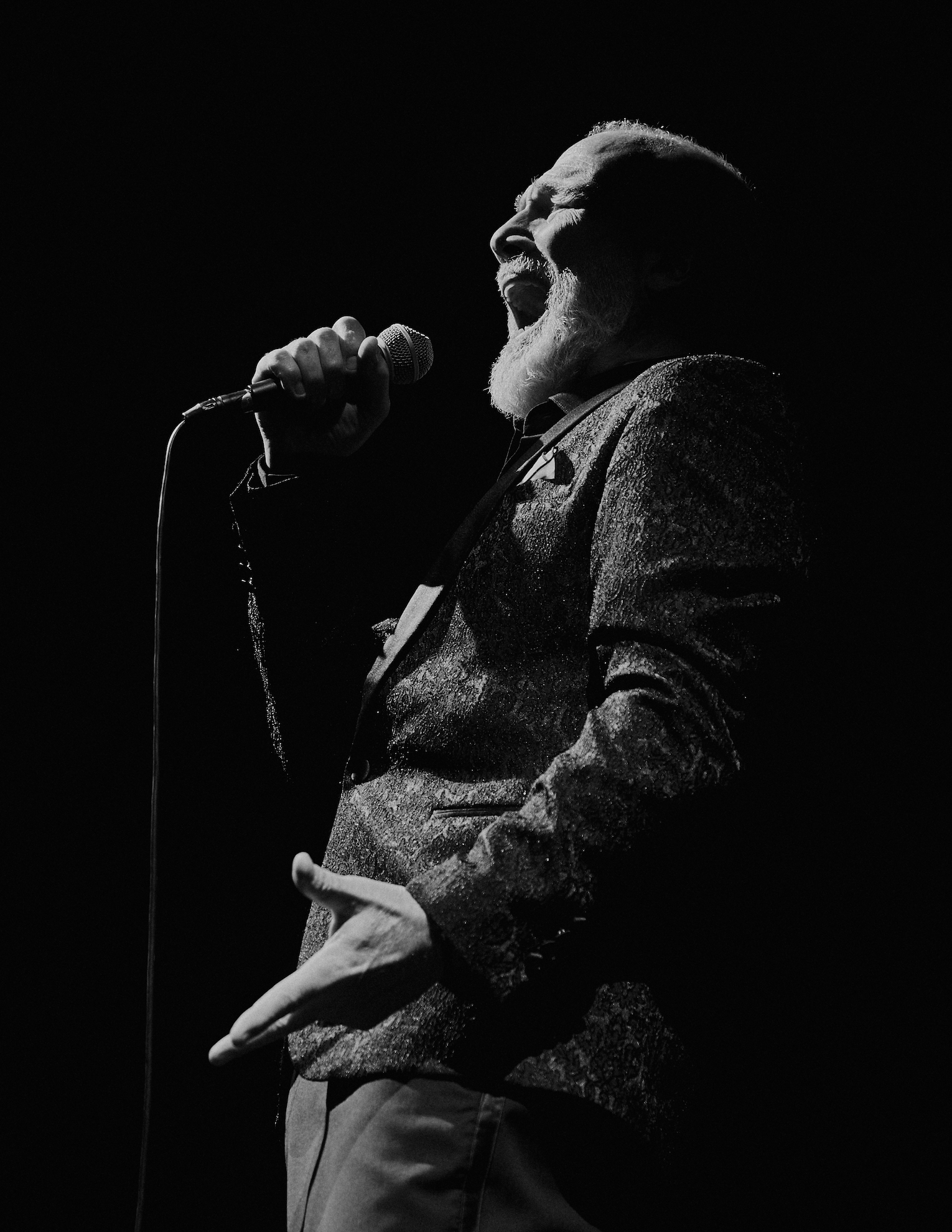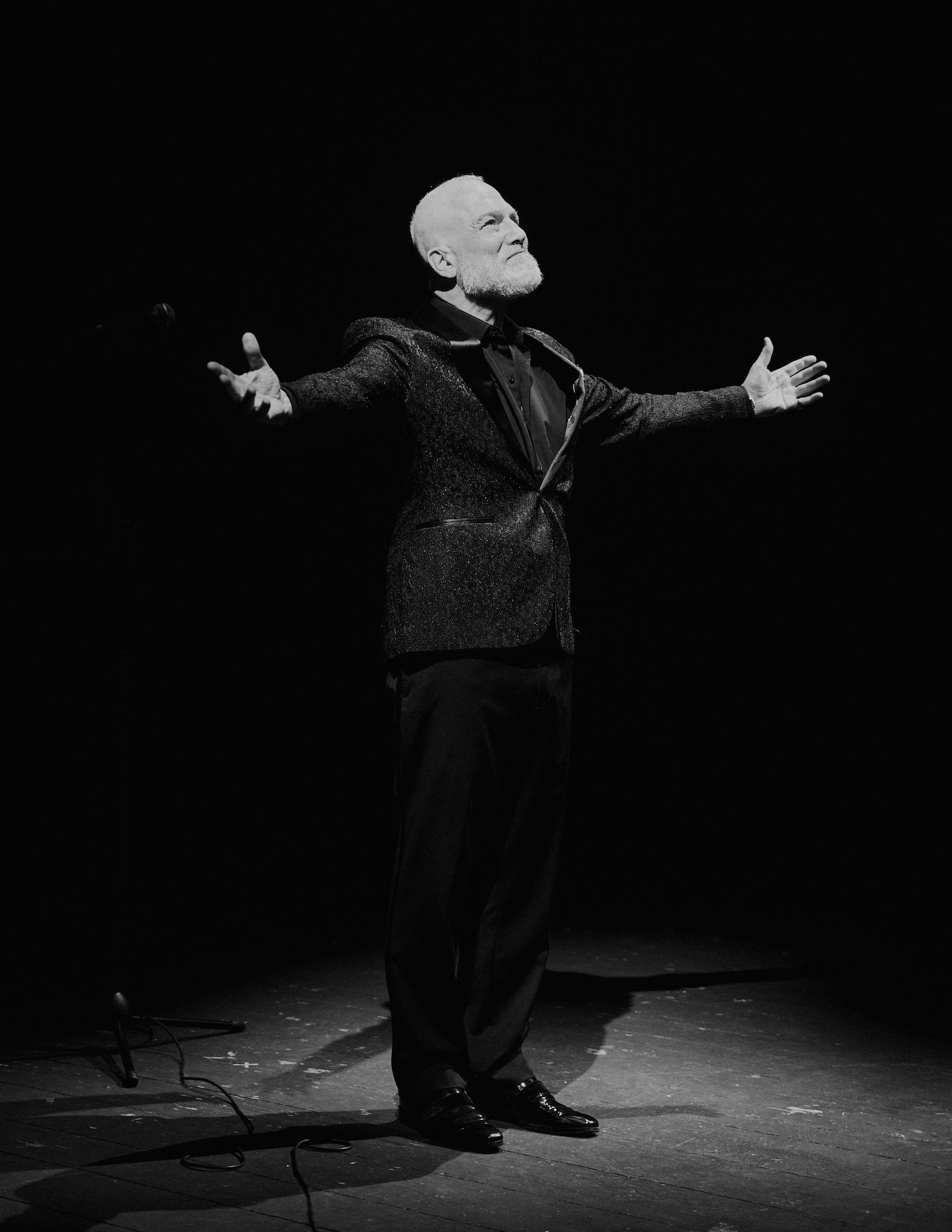
A night of music at the oldest theatre in Florence, Teatro Niccolini, became sacred with a performance by American actor and singer Franc D’Ambrosio. Fashion Art Direction students, Mariia Chukhrai and Gianluigi Di Maria, report.
Widely known for playing the main part in Broadway’s most iconic play The Phantom of the Opera and for his role as Anthony Corleone in Godfather III by Francis Ford Coppola, D’Ambrosio came to Florence for one night only with a special one-man show that blended Broadway, opera, Italian classics, and personal storytelling into an intimate autobiographical experience. Timeless tailoring, theatrical elegance, and unmistakable Italian character, his presence transformed the stage into a space where performance and personal storytelling became inseparable.
Before the audience arrived, we went backstage to meet the actor and witness a magical part of his work that is usually hidden from the audience, D’Ambrosio’s vocal warm up. Rather than a traditional show, he has constructed the evening as a narrative journey through his life and career. In between songs, he shares stories and memories of growing up in the Bronx, support of his family, Italian roots, and mentors who shaped his artistic path, such as Luciano Pavarotti and Placido Domingo.
The tone of the evening moved seamlessly between humor and sincerity, shifting the audience from spectators to participants. The emotional core of the performance became even more visible when he introduced his mother, seated in the front row, and thanked her for her support throughout his career. In that moment the distance between performer and audience disappeared entirely. The show became less about performance and more about human connection. As the actor explained to us after the show, “Having an intimate relationship with your audience is very important for an actor. My definition of intimacy is growing, revealing and discovering yourself in the presence of another person. It very much influenced how I became the phantom. I allowed myself the vulnerability to grow in front of people.”
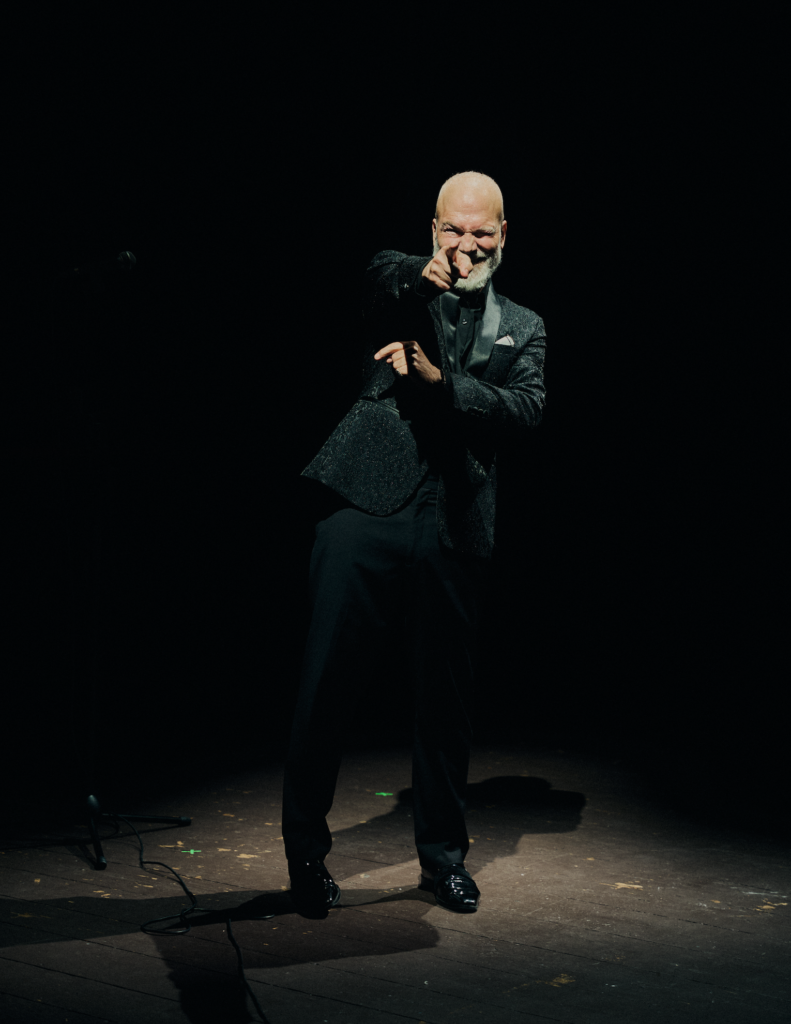
The discourse evolved into a reflection on identity and the transformative nature of performance. We wondered if, after playing the Phantom for more than two decades, for a total of over 2200 times, he felt the character had become part of his own identity? ”I believe it did. Acting is living truthfully under imaginary circumstances. I spent so much of my life imagining and living underneath the Phantom’s perspective and emotions, I started to become a bit like him. It influenced me in really good ways: it made me grow as a man and as a human being”.
How can we bring younger generations to the opera and theatre today? “When you’re in the audience, there is a collective consciousness that only exists when people choose to come together and focus on one thing, instead of many different things all at once,” he confessed, “all that energy comes together and becomes one beautiful thing. It’s something that can only happen once. I can perform the same show again, but your experience will be very different because of the people around you, the energy they bring, and the way their souls and spirits connect in the moment”.
Opera and theatre are not only spaces of music and performance, but entire worlds built through storytelling, identity, transformation, and emotion. In an era increasingly dominated by technology and constant distraction, Franc D’Ambrosio’s performance was a reminder that the most powerful experiences come from presence, and the courage it takes to be vulnerable and to be human.