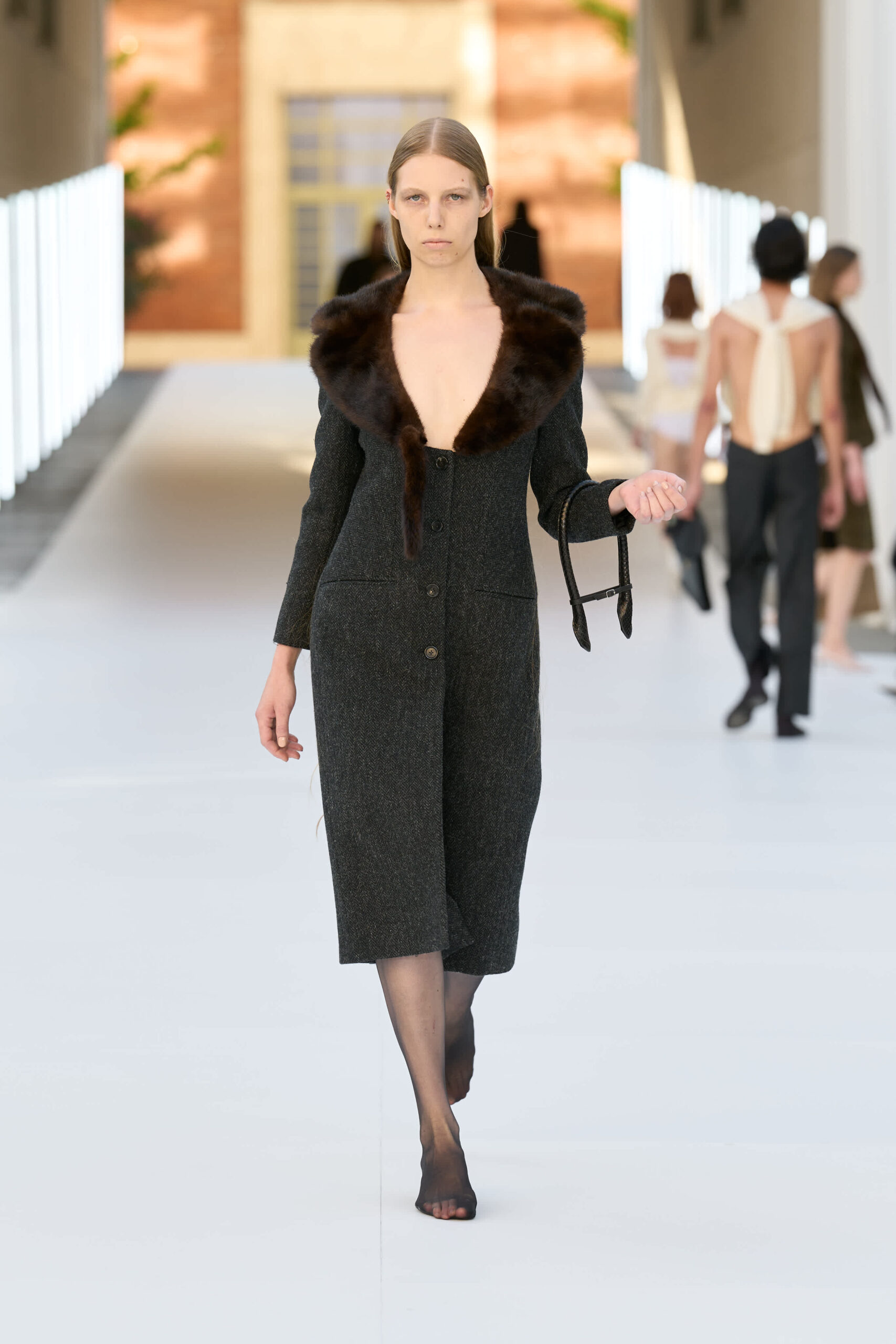
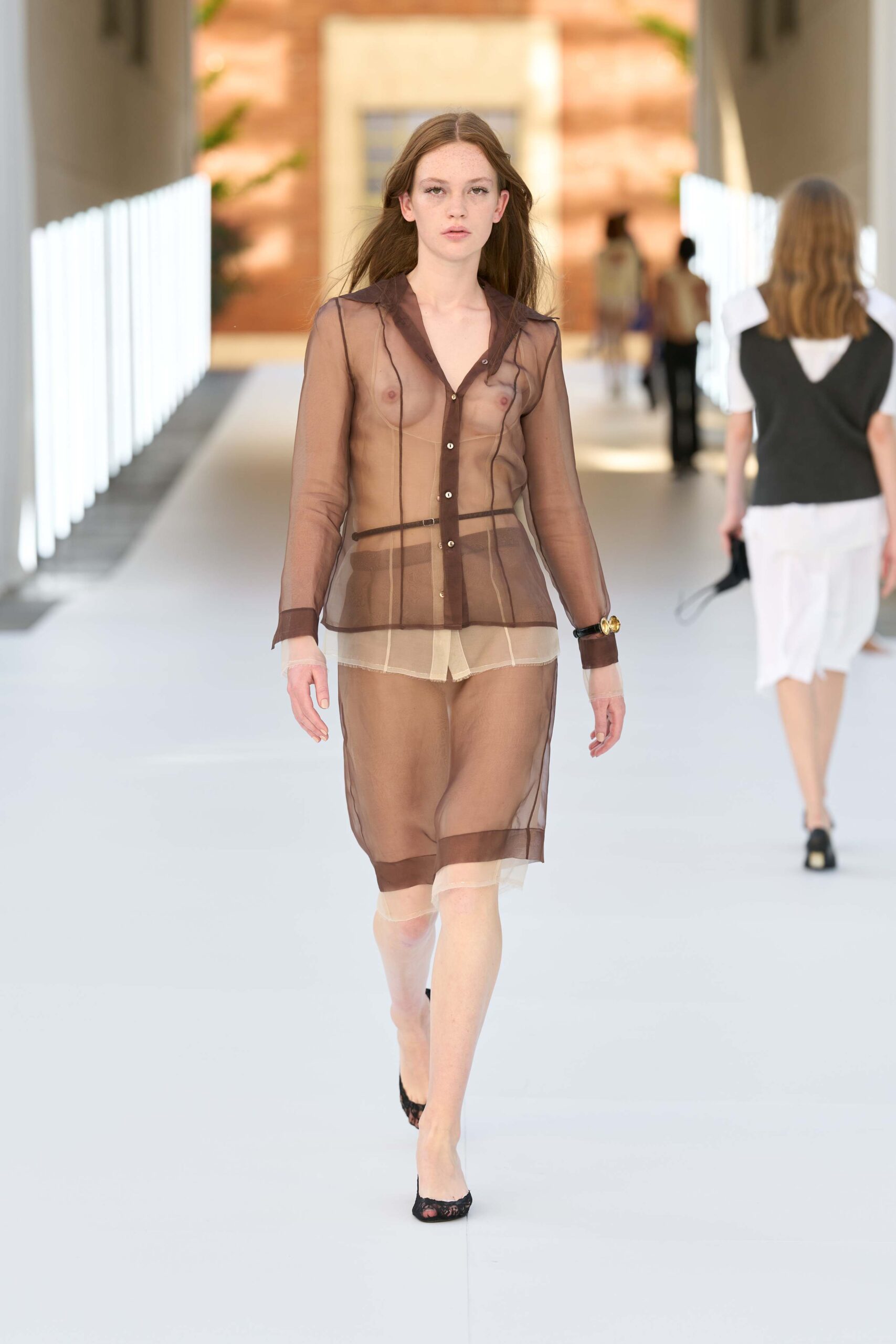
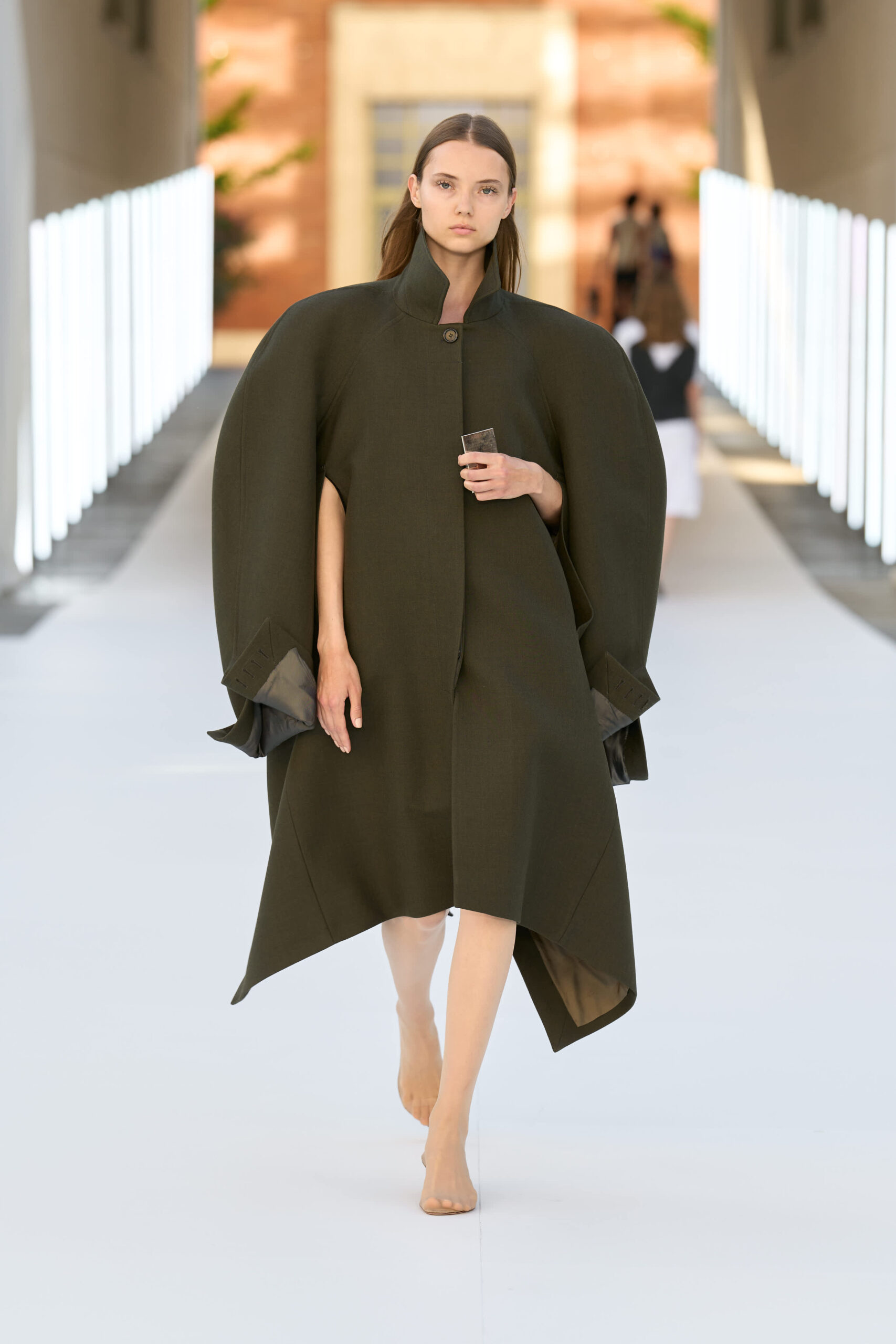
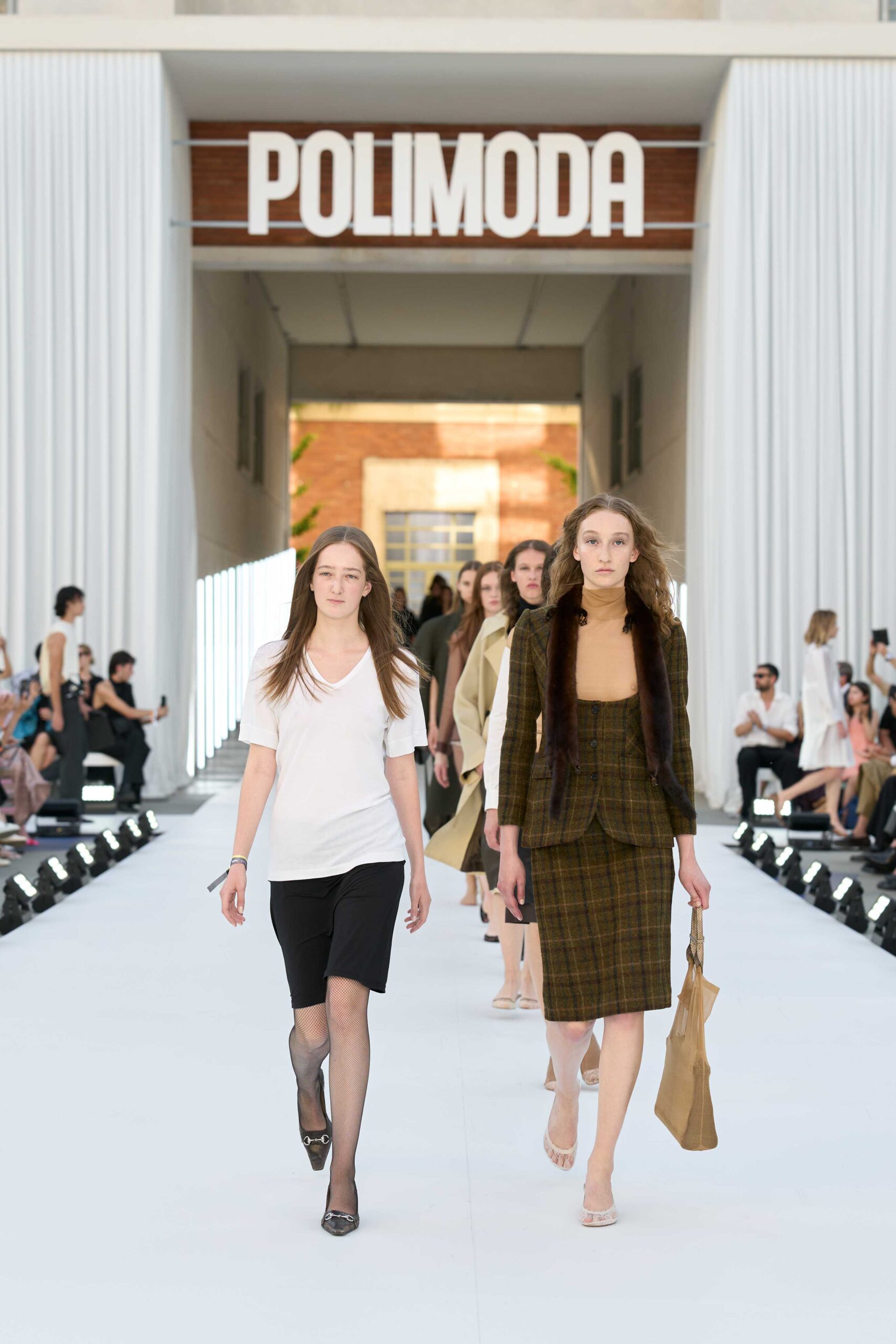
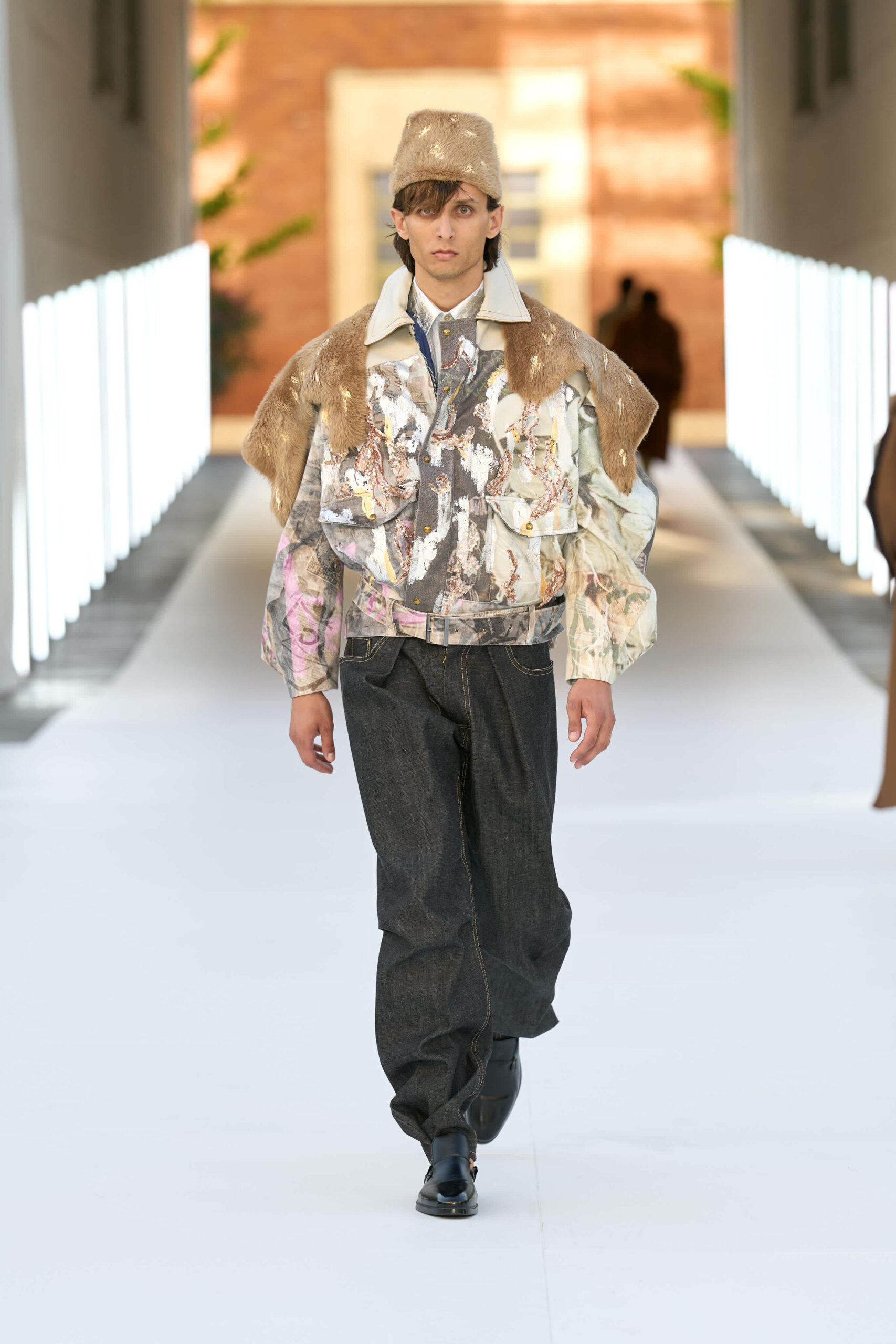
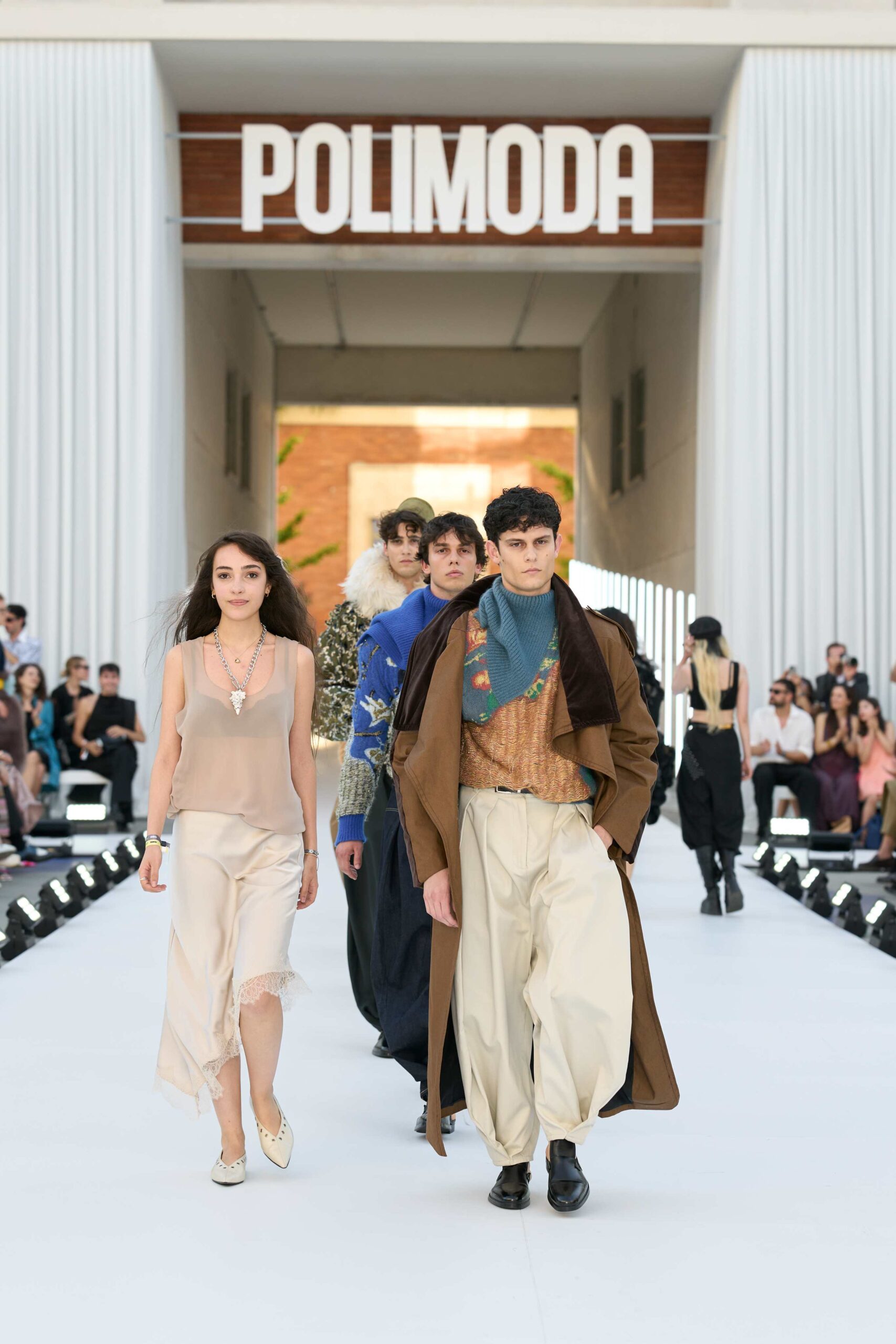
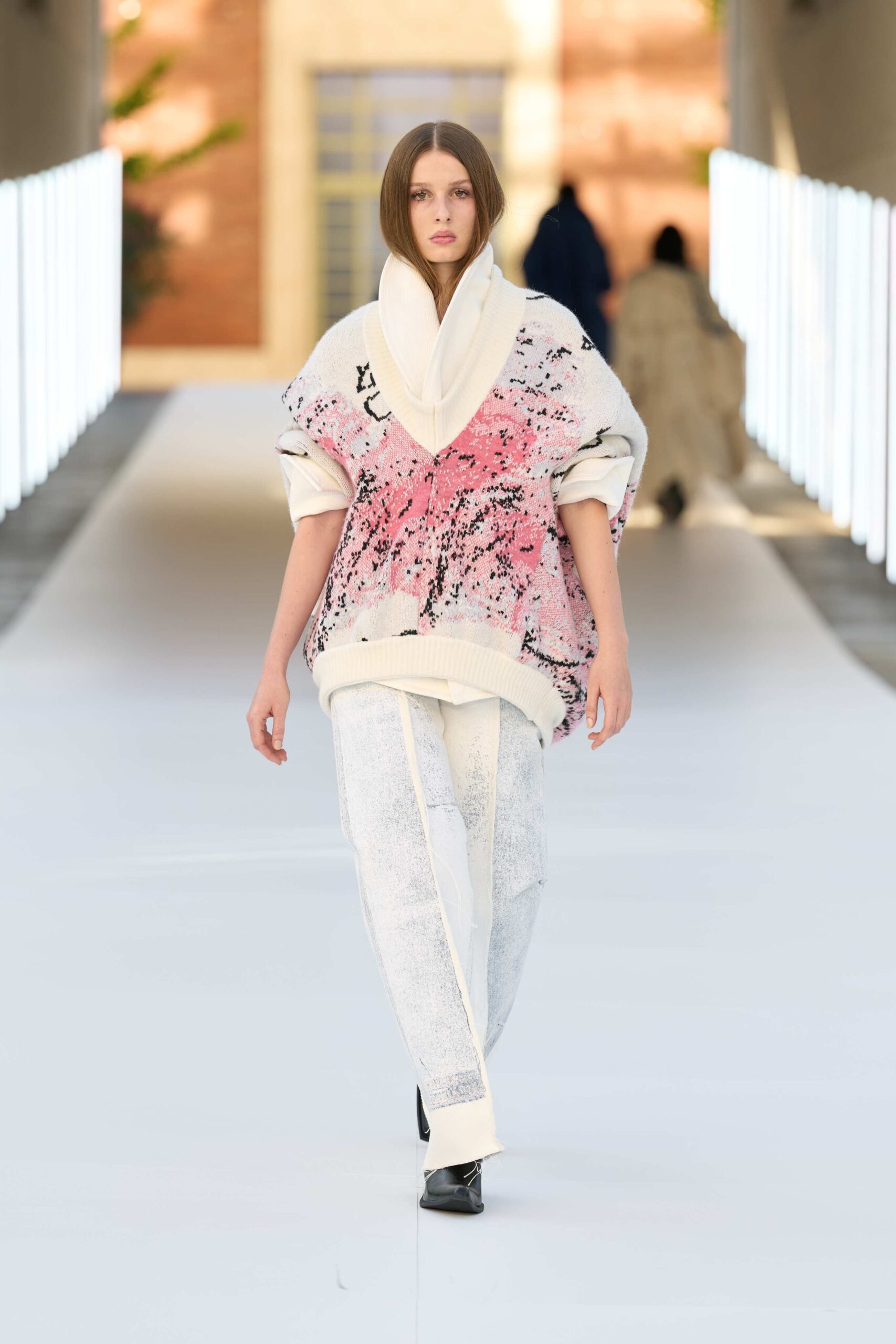
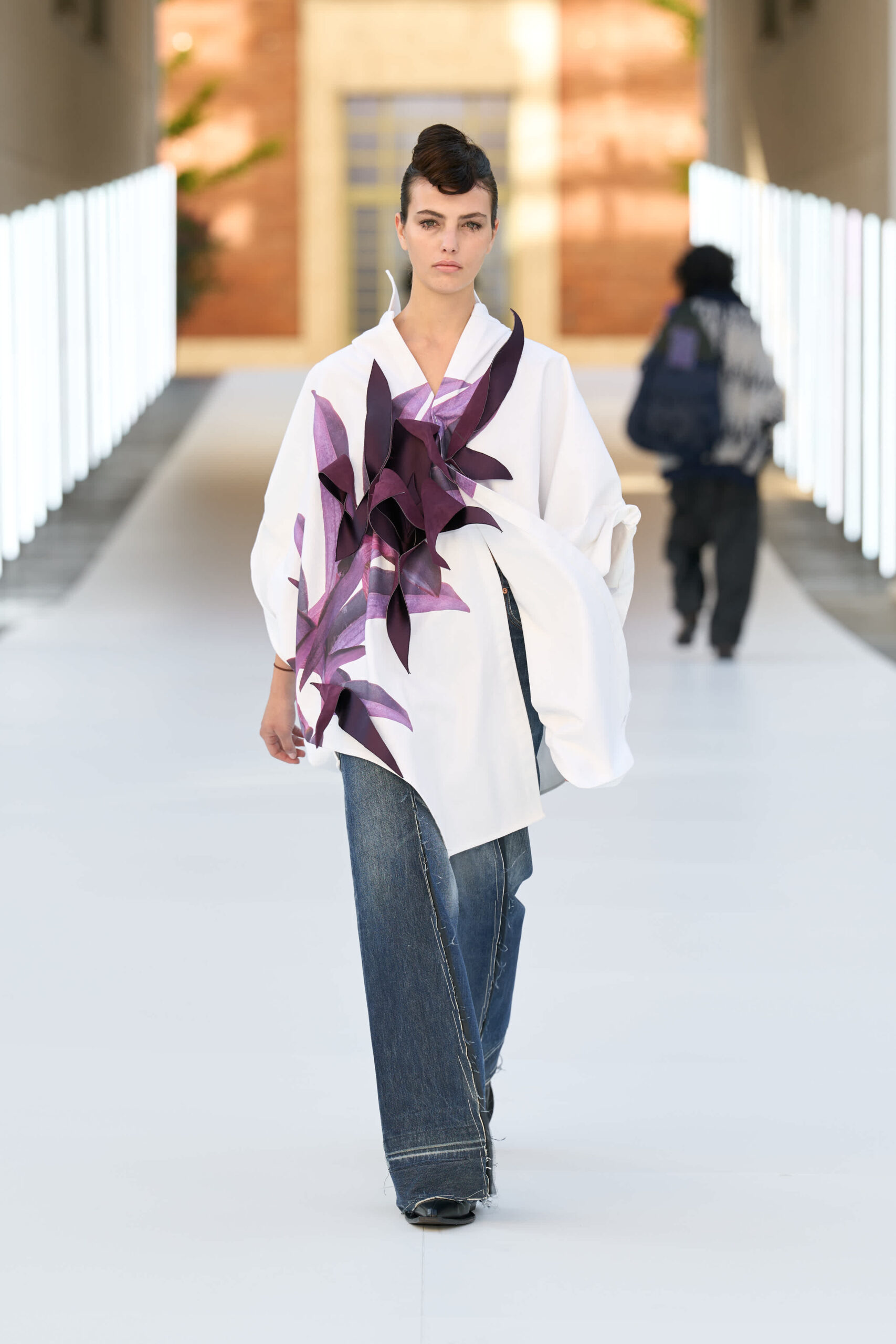
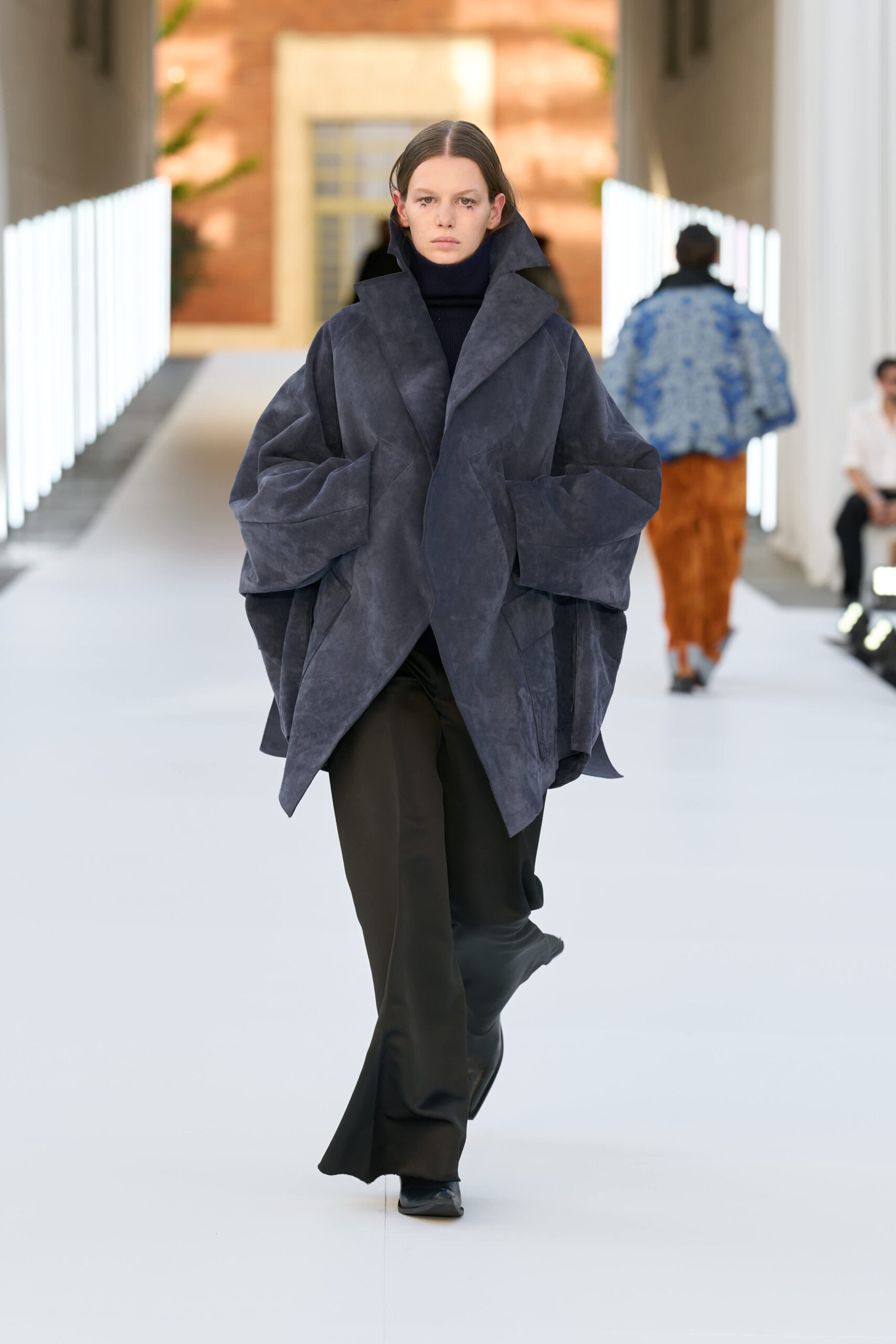
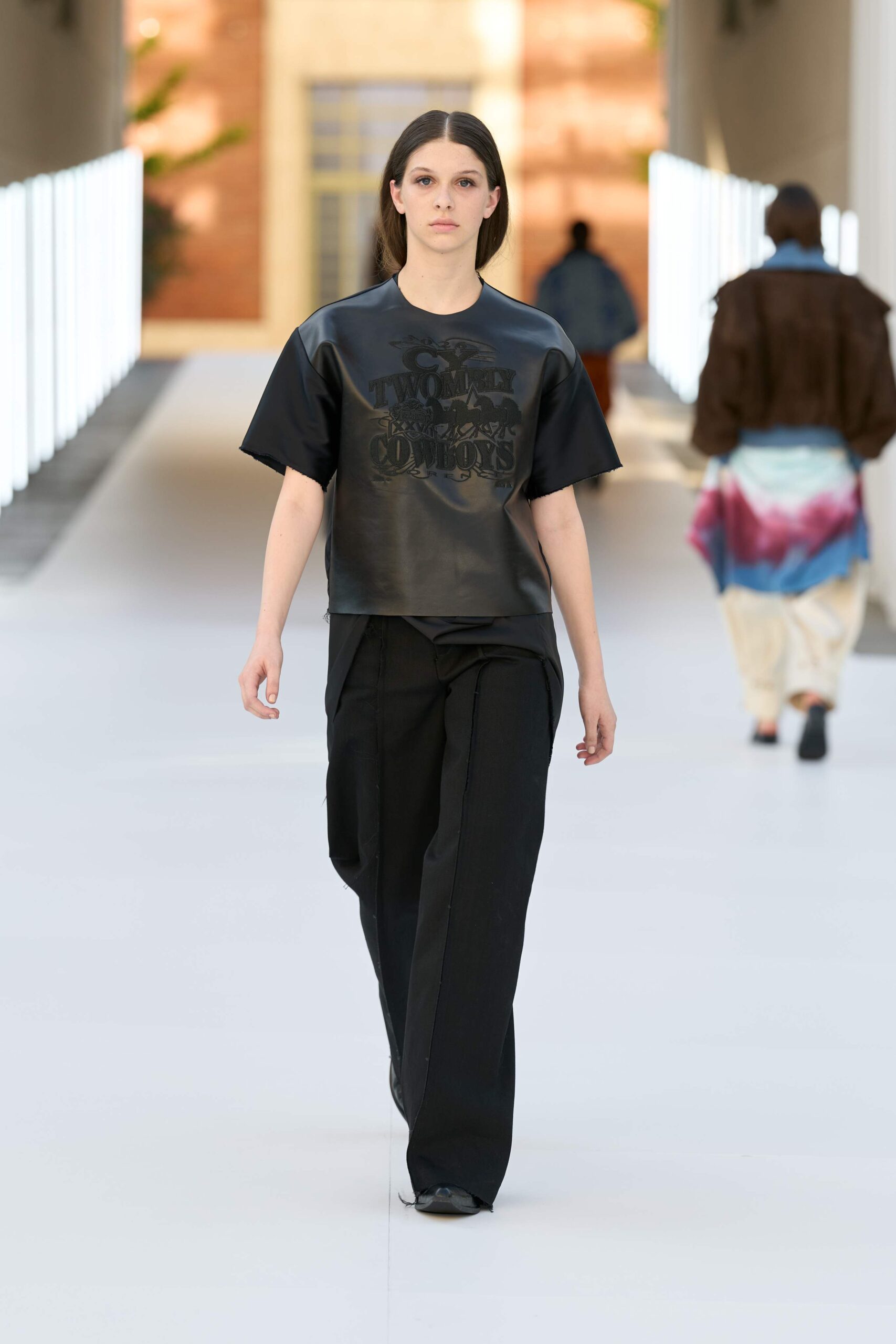
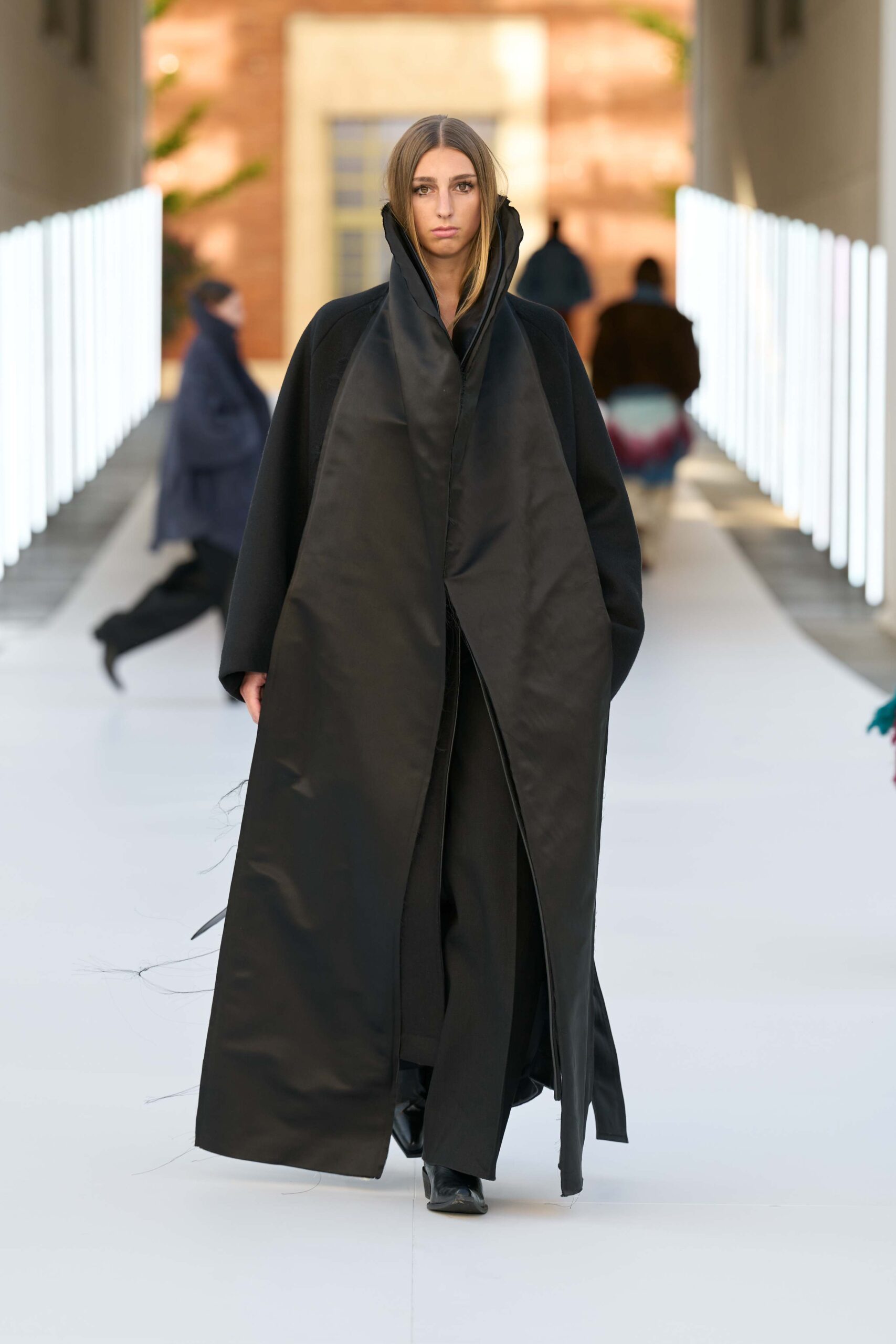
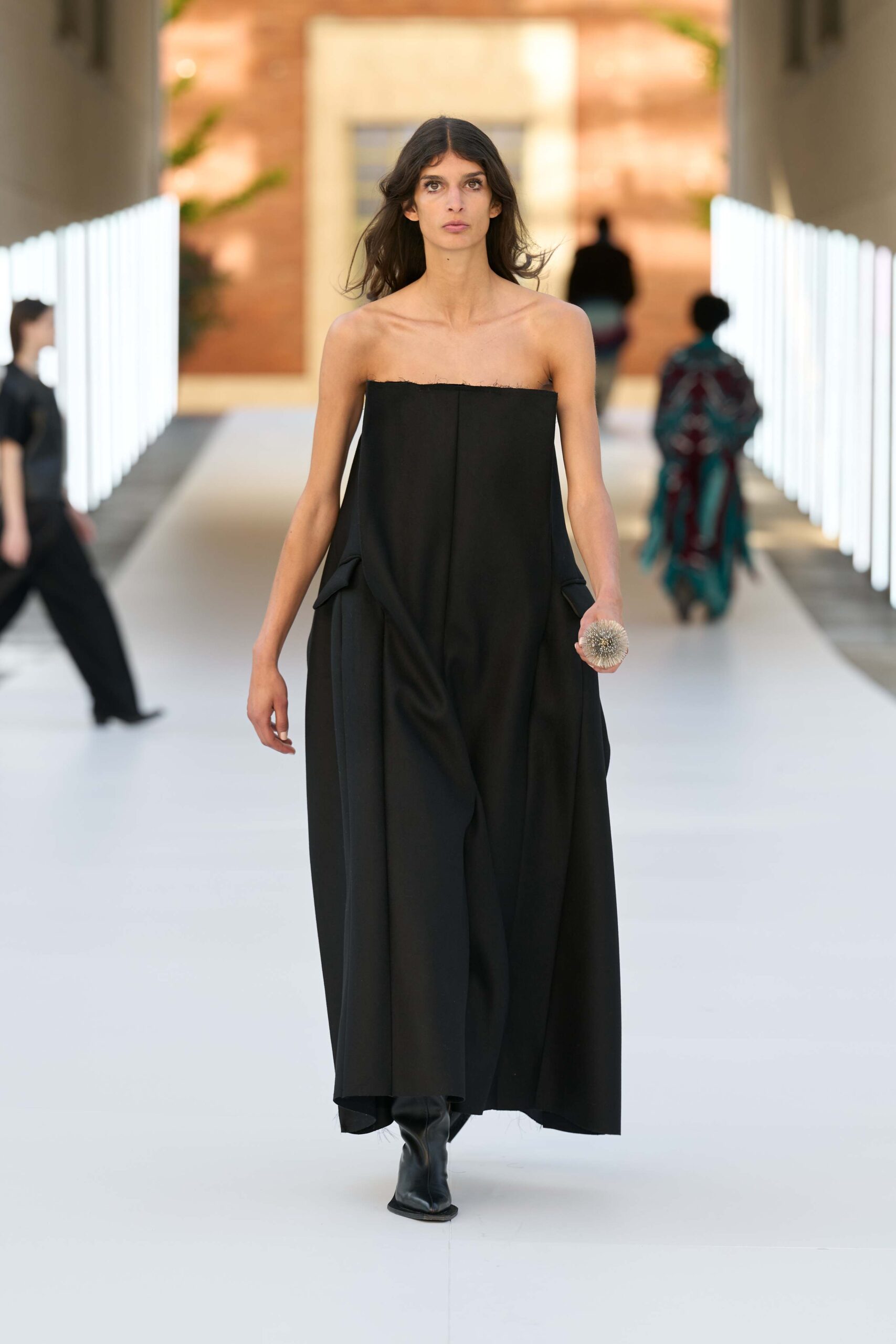
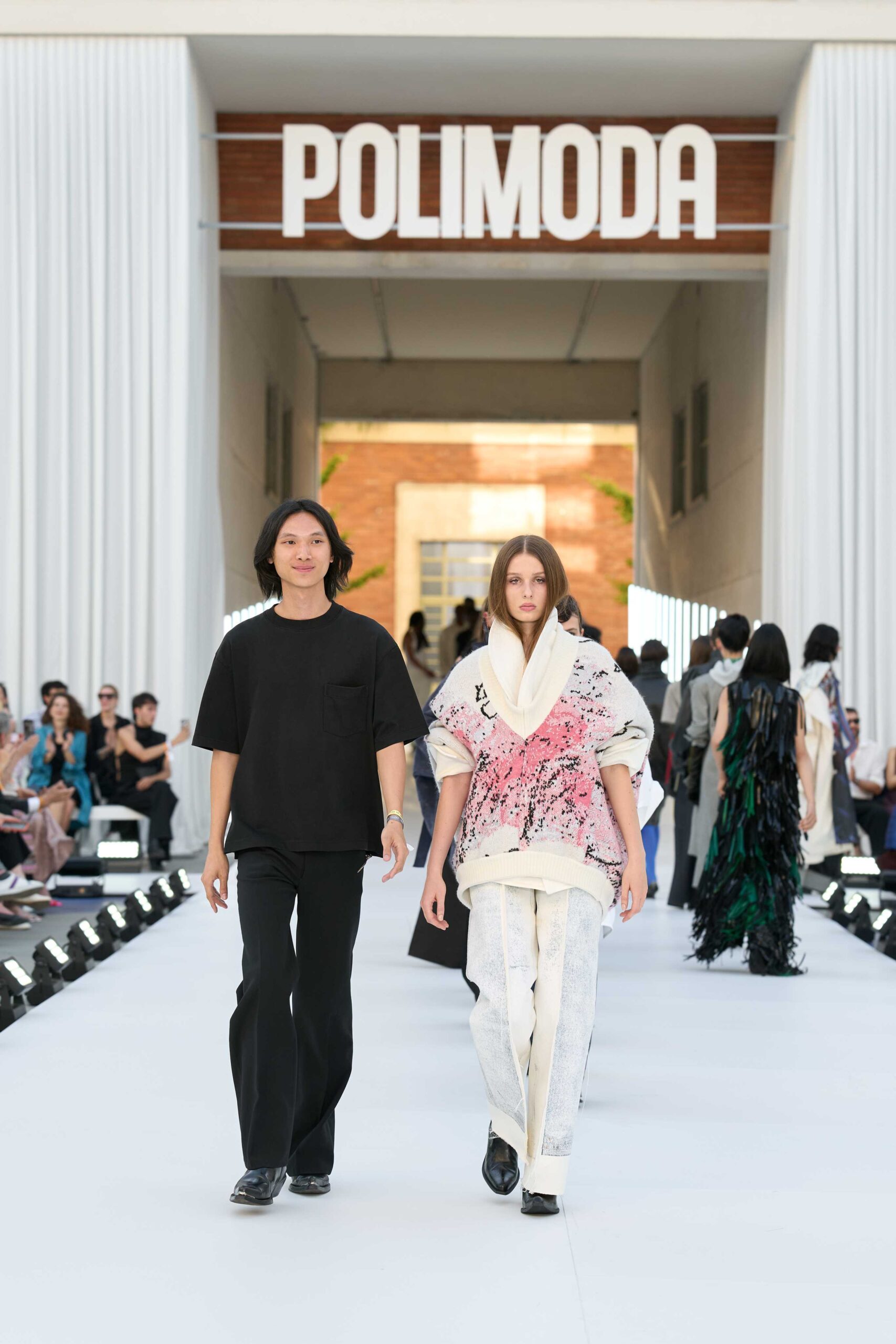
Honest fashion, no commercial limits, pure creativity. This is Polimoda’s Graduate Show 2026, as told by Maddy Oppenhuis.
In a global industry increasingly shaped by algorithms and marketability, the Polimoda Graduate Show offers a rare glimpse into fashion at its most honest, vulnerable, and creatively unrestricted. Graduate shows remain one of the last spaces in fashion untouched by full commercial pressure.
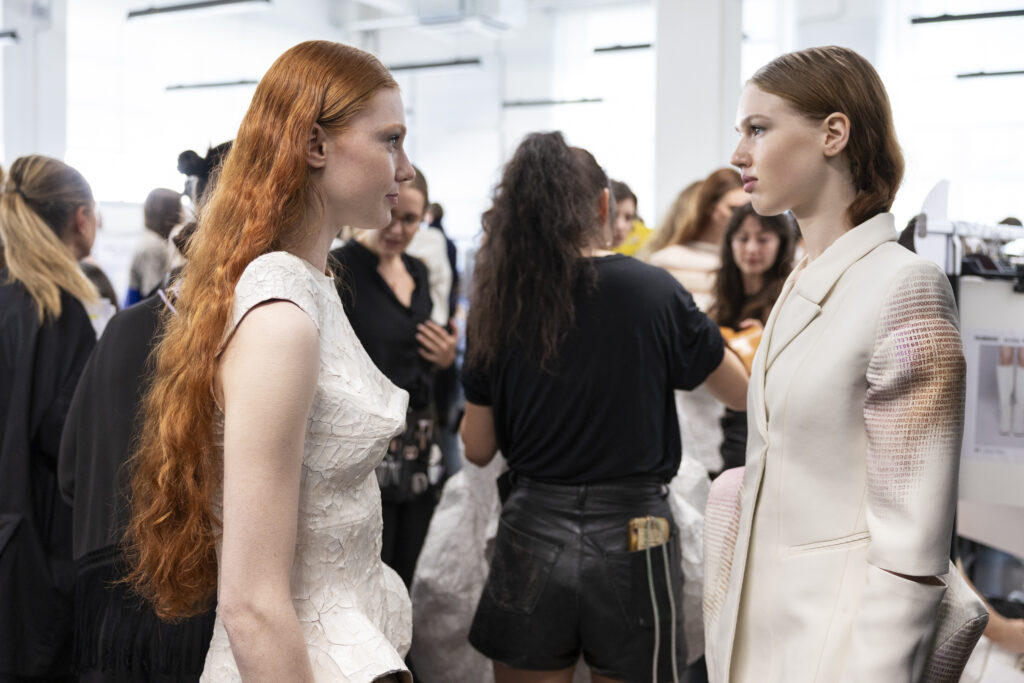
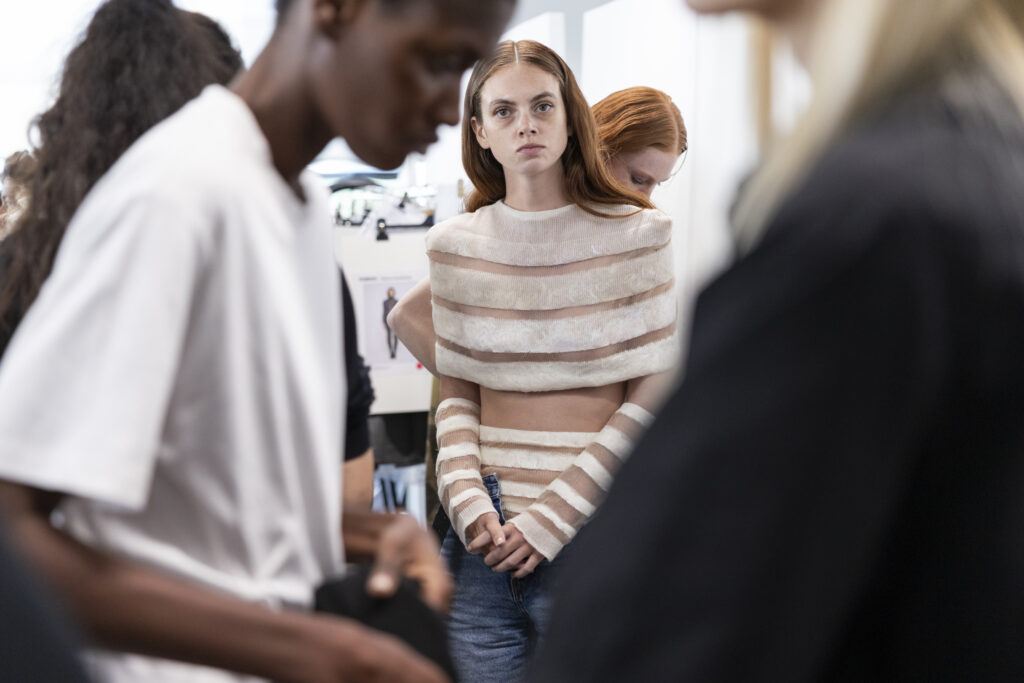
Photo by Serena Gallorini.
Unlike established luxury houses that design around shareholders, sales targets, and consumer demand, students are free and deeply encouraged to experiment, take risks, and share personal narratives without restriction. Their collections become reflections of cultural identity, lived experience, political tension, nostalgia, gender, migration, craft, and emotion rather than products engineered purely for profitability.
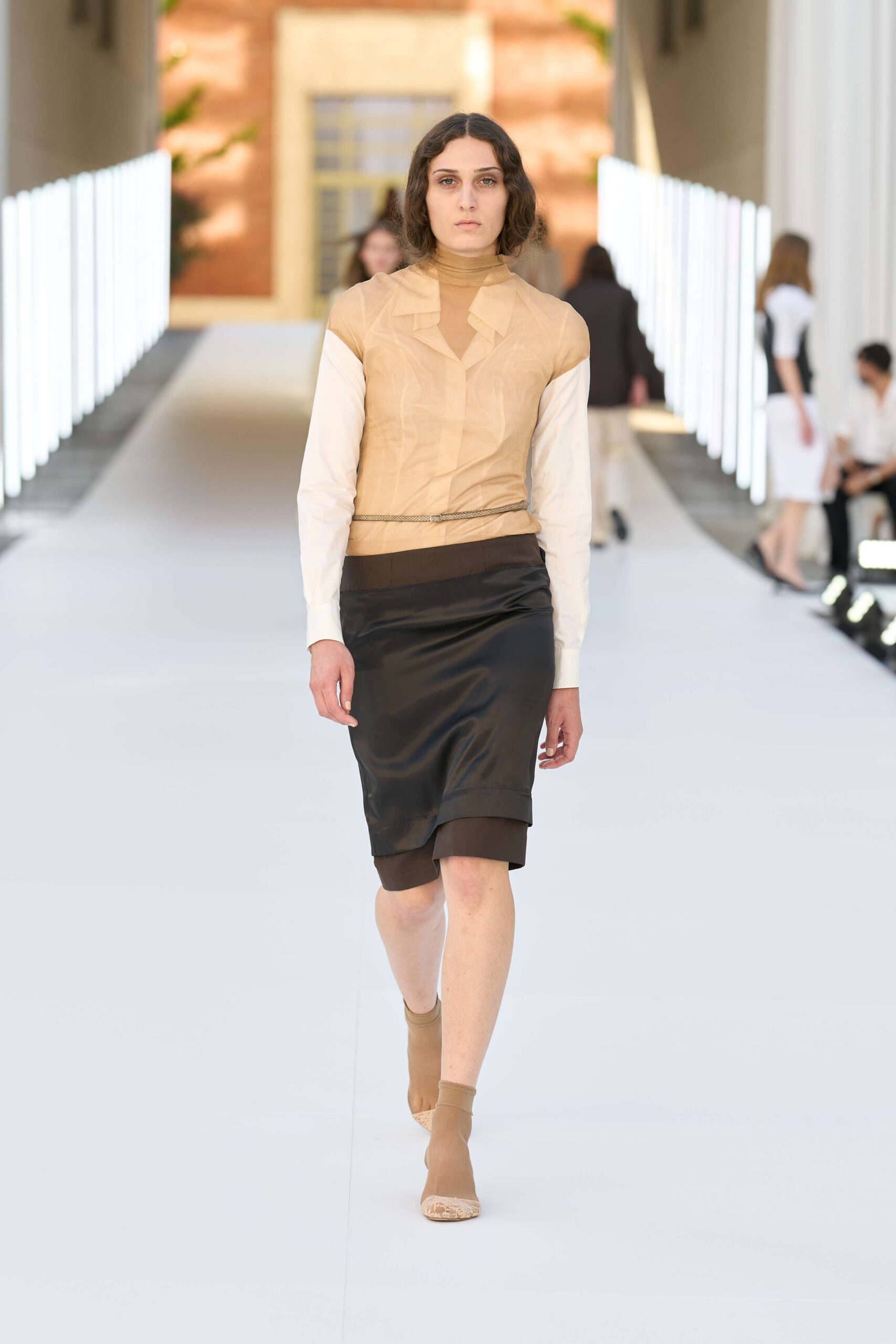
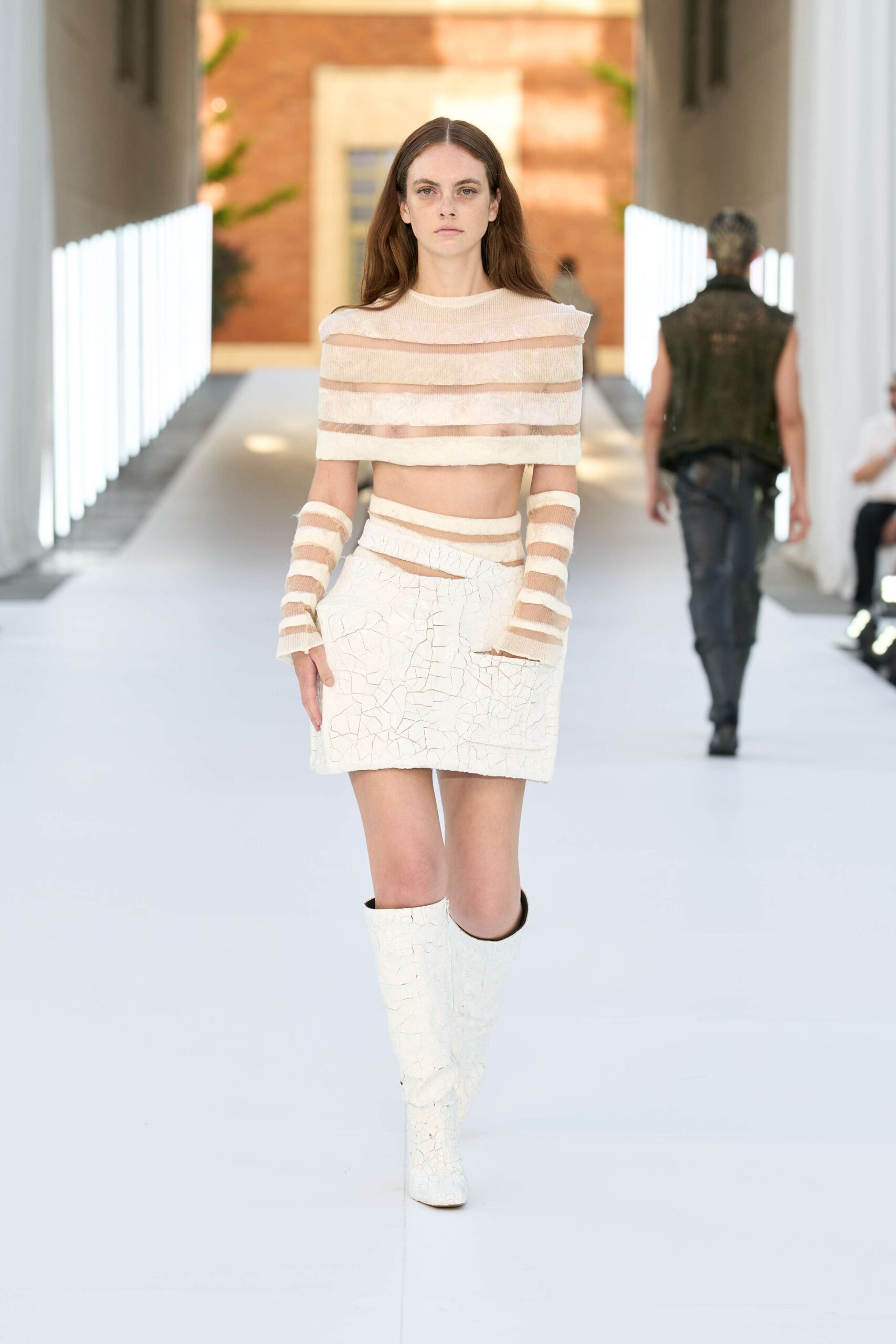
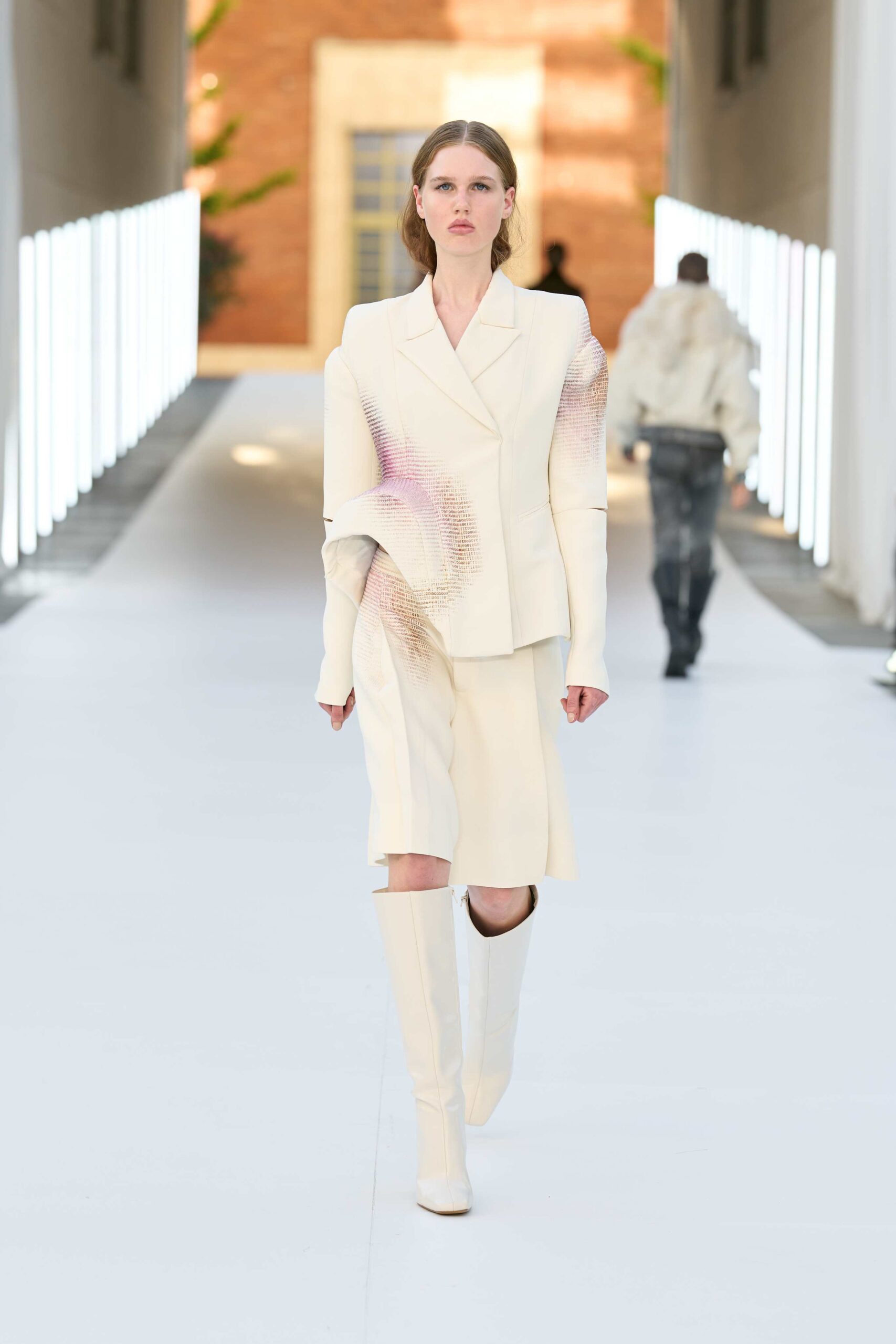
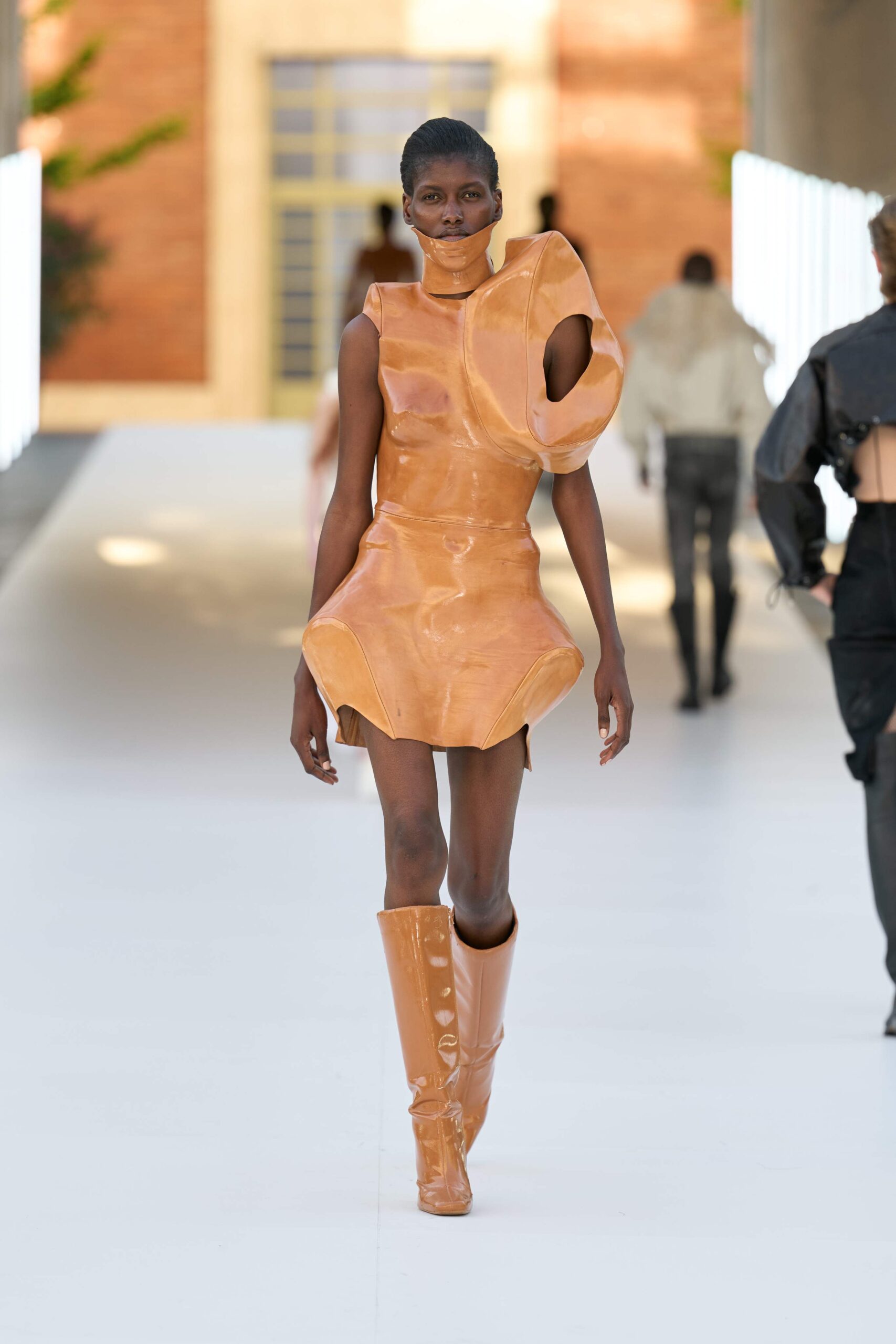
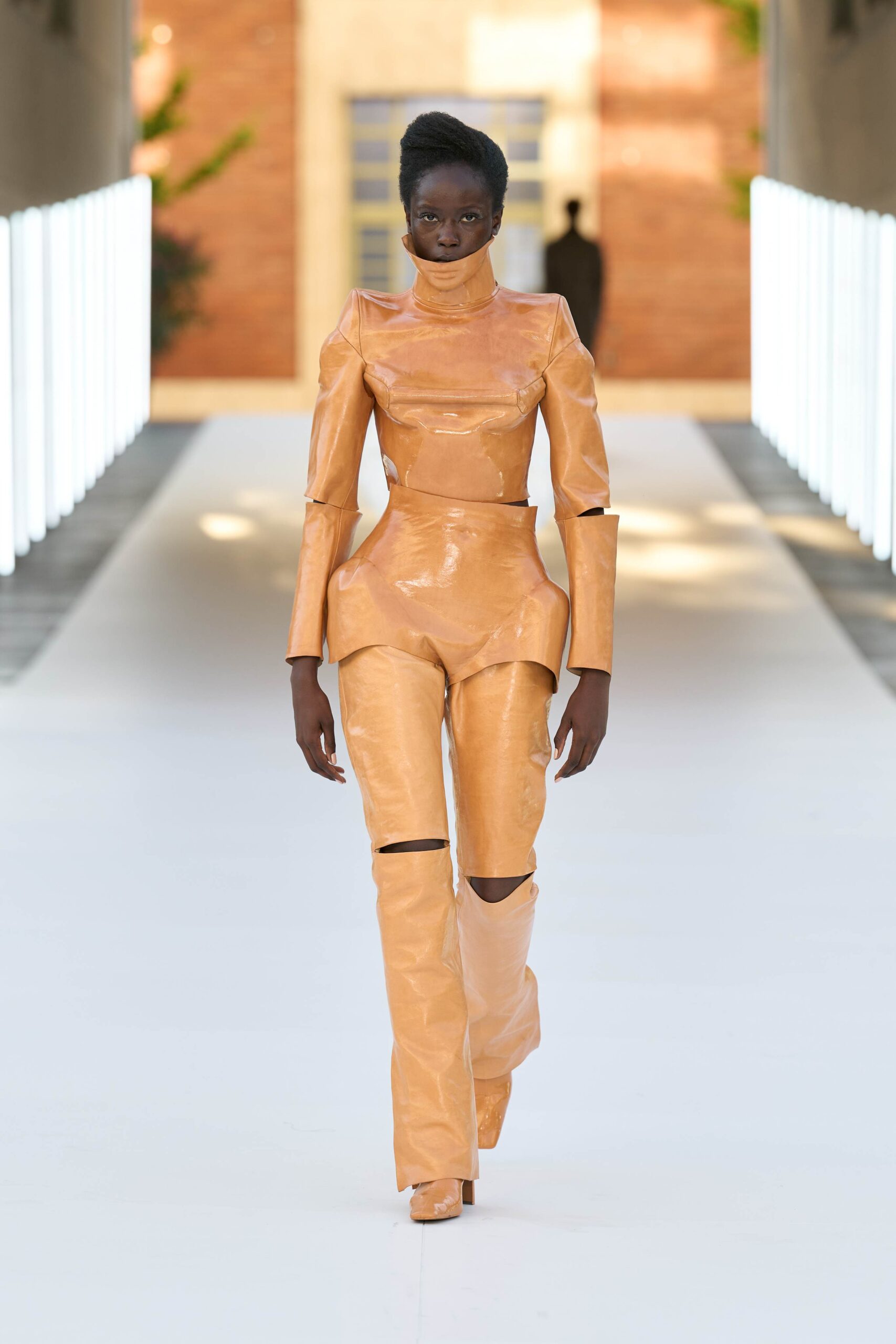
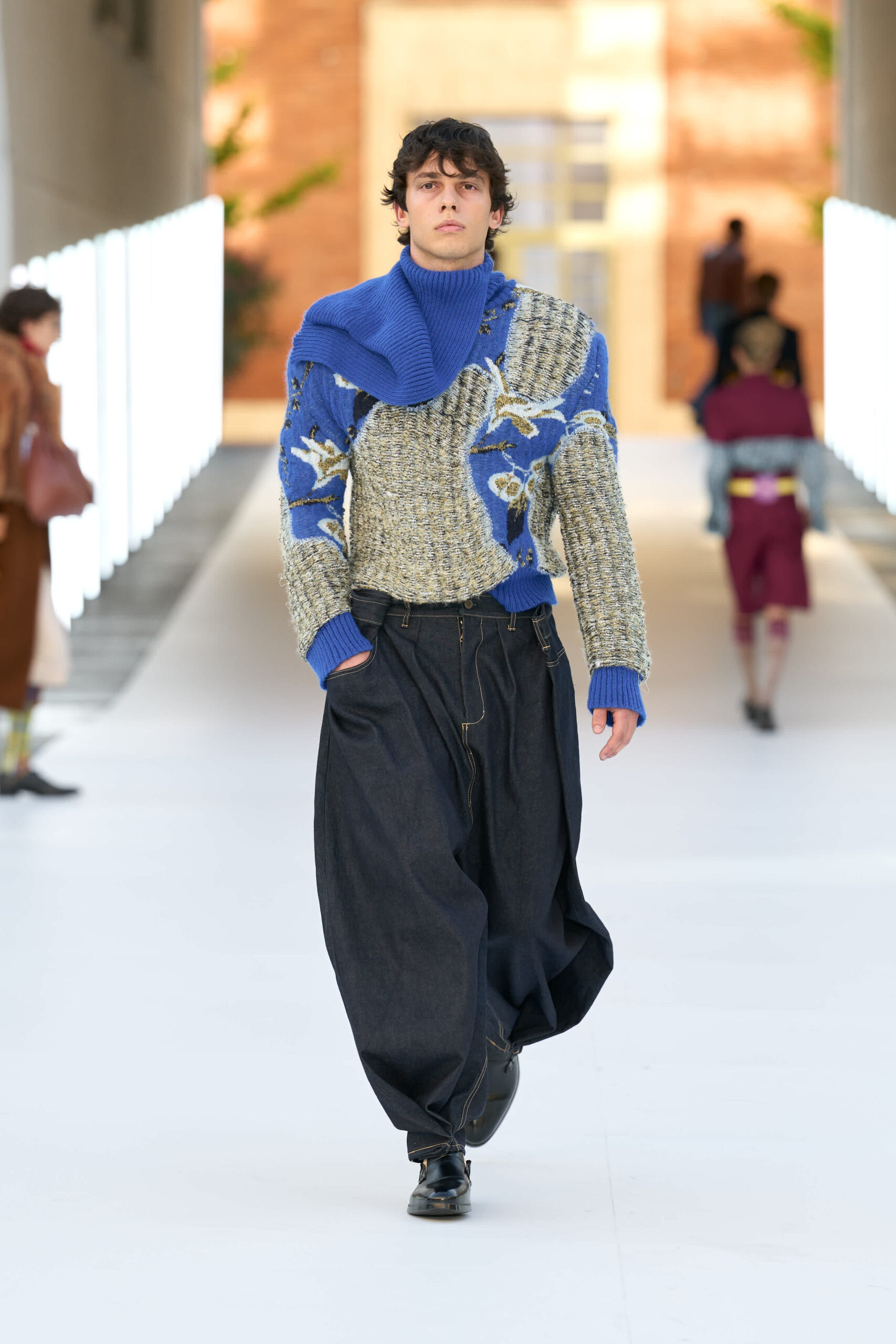
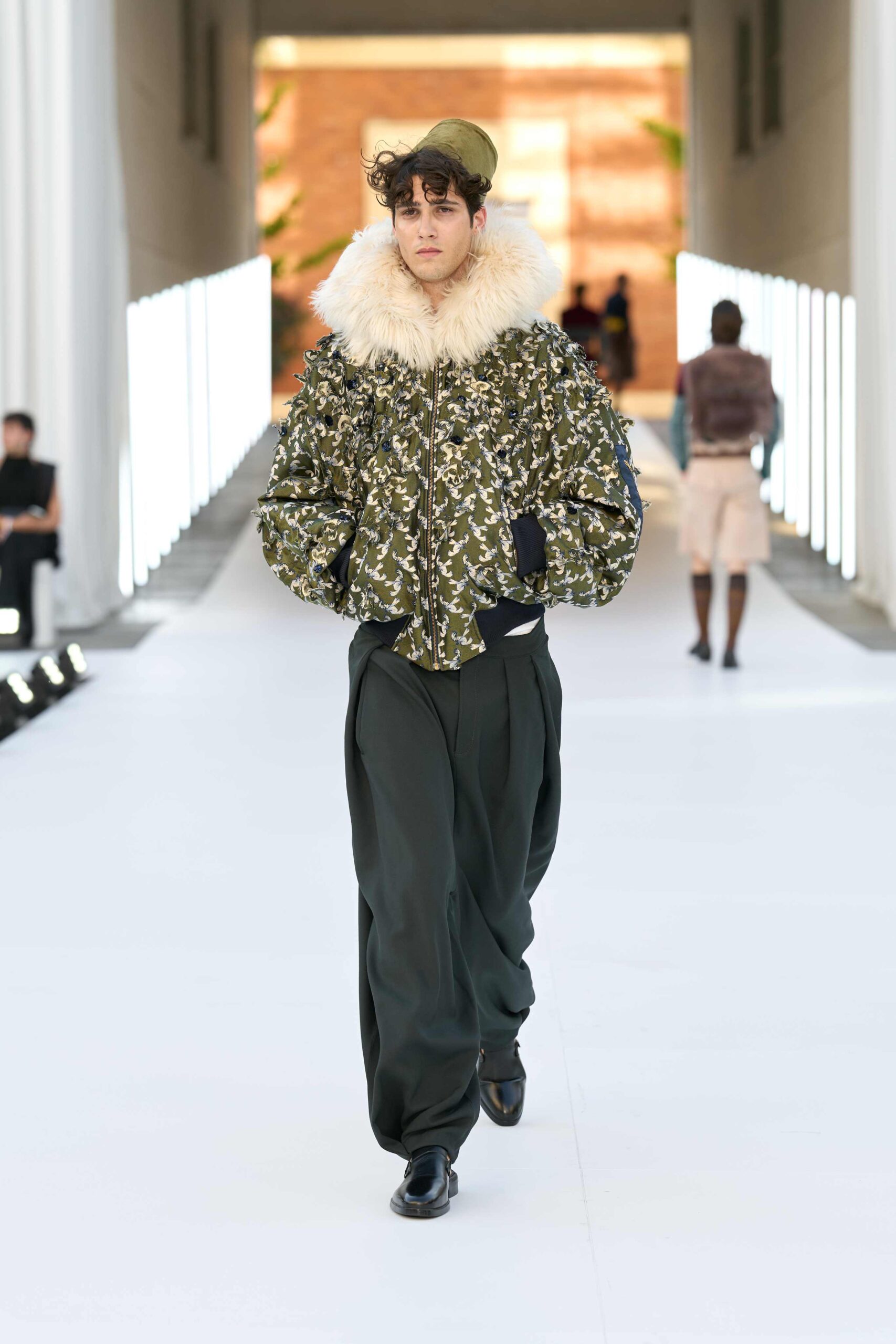
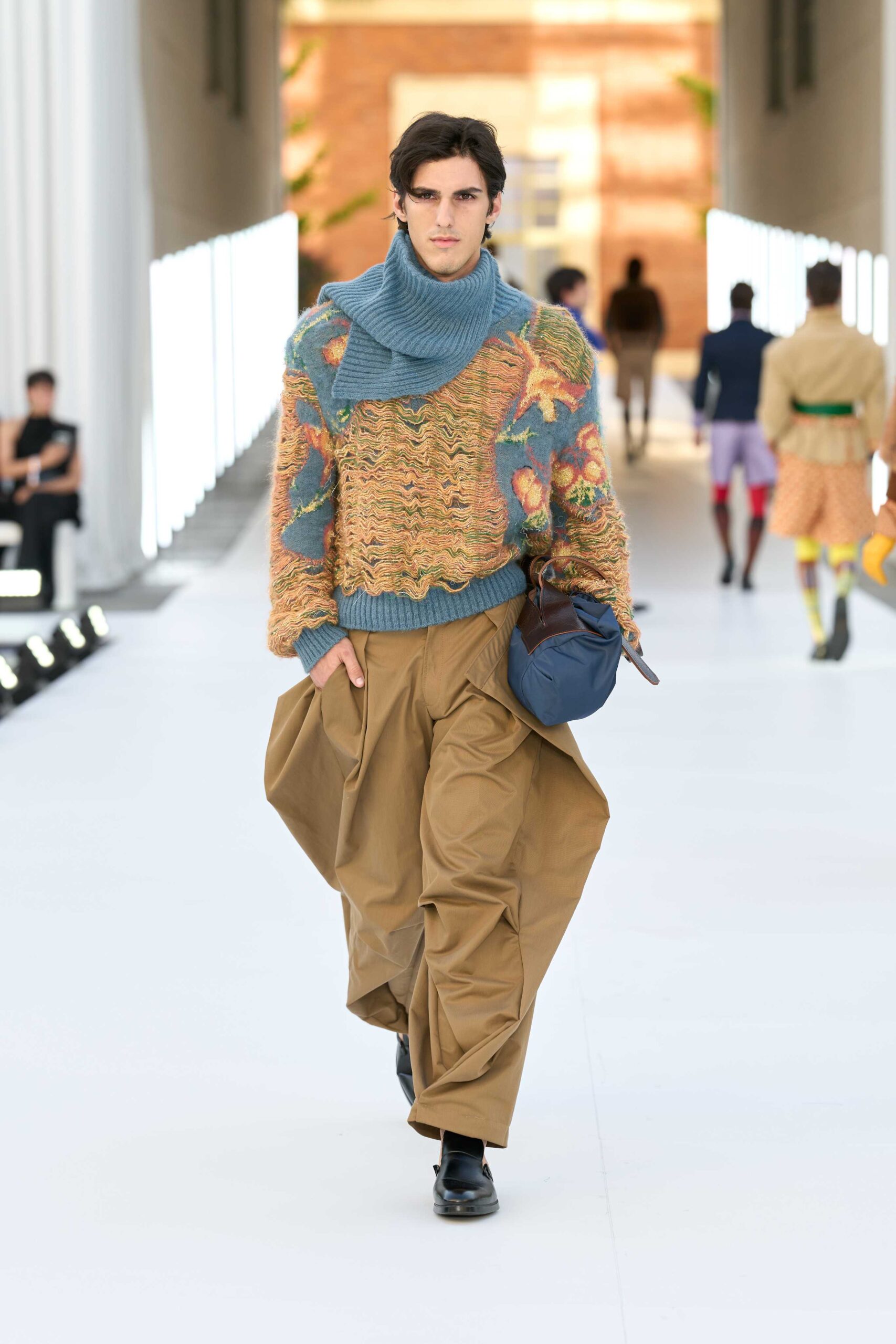
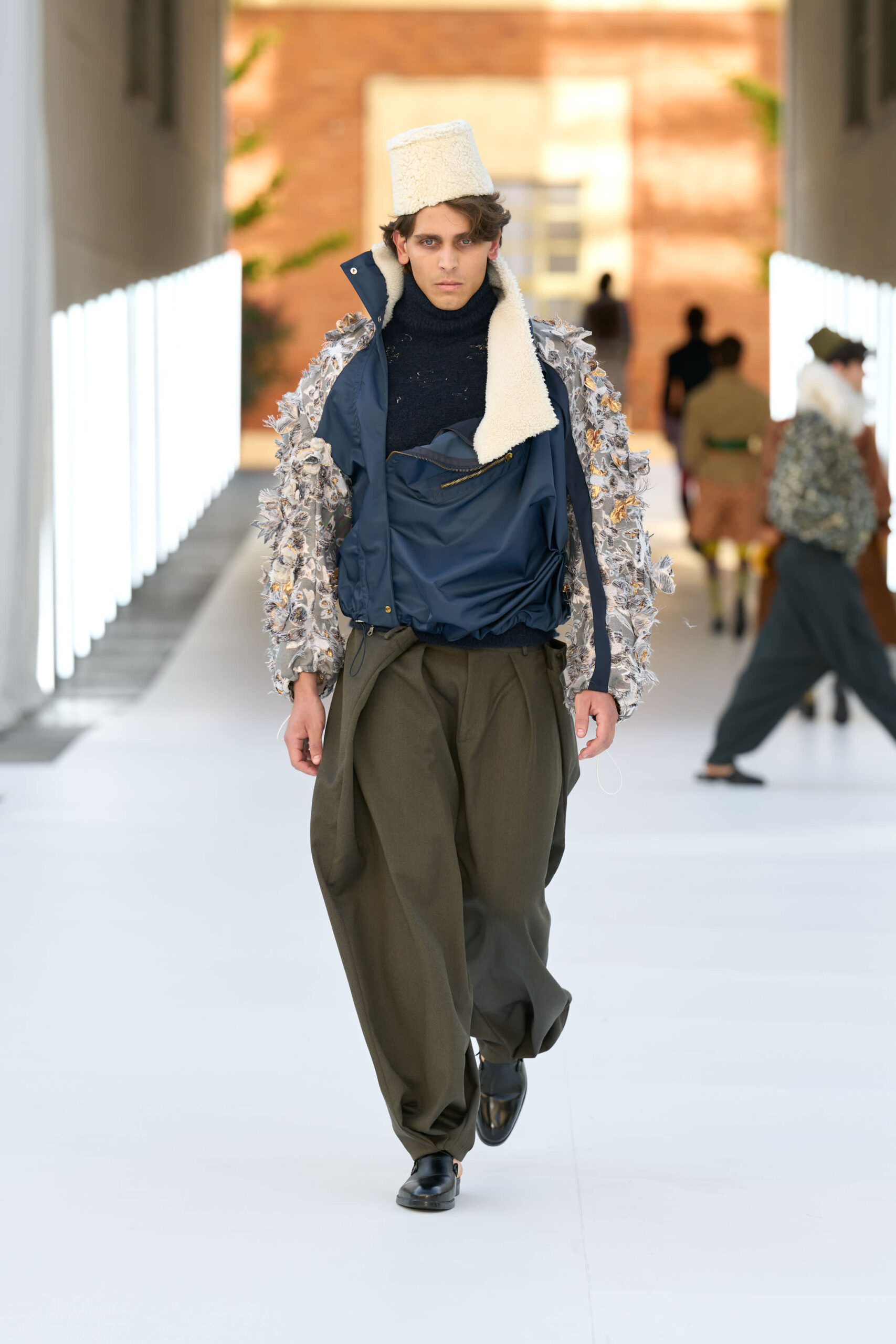
Evelina Kryvopust, UN (Ukraine). Sponsored by Piacenza, Pecci Filati. Photo by Filippo Fior GoRunway and Salvatore Dragone GoRunway.
Evelina Kryvopust, UN (Ukraine). Sponsored by Piacenza, Pecci Filati. Photo by Filippo Fior GoRunway and Salvatore Dragone GoRunway.
Evelina Kryvopust, UN (Ukraine). Sponsored by Piacenza, Pecci Filati. Photo by Filippo Fior GoRunway and Salvatore Dragone GoRunway.
Evelina Kryvopust, UN (Ukraine). Sponsored by Piacenza, Pecci Filati. Photo by Filippo Fior GoRunway and Salvatore Dragone GoRunway.
Evelina Kryvopust, UN (Ukraine). Sponsored by Piacenza, Pecci Filati. Photo by Filippo Fior GoRunway and Salvatore Dragone GoRunway.
Evelina Kryvopust, UN (Ukraine). Sponsored by Piacenza, Pecci Filati. Photo by Filippo Fior GoRunway and Salvatore Dragone GoRunway.
Evelina Kryvopust, UN (Ukraine). Sponsored by Piacenza, Pecci Filati. Photo by Filippo Fior GoRunway and Salvatore Dragone GoRunway.
Among the collections presented, a recurring fascination with the human experience emerged. Ukrainian designer Evelina Kryvopust explored intimacy and desire in a way that challenged conventional ideas of sexuality in fashion. Rather than relying on exposure, she sought to create what she described as a “strange sexual attraction” despite her models being fully clothed. Equally telling was her rejection of definitive answers. Rather than using fashion to communicate a fixed message, Kryvopust viewed her collection as a vehicle for raising questions, embracing ambiguity and interpretation over certainty.
Emilie Wenckstern's work reflects a broader concern emerging among young designers today: as technology becomes increasingly capable of manufacturing perfection, the value of imperfection may become more important than ever.
Maddy Oppenhuis
Fashion Marketing & Communications
Even in the details, her focus remained deeply human. When asked which piece felt most personal, she pointed not to a garment but to a pair of shoes designed to mould to the wearer’s individual foot. The emphasis, she explained, was “not on the shoe, but on the foot” itself.
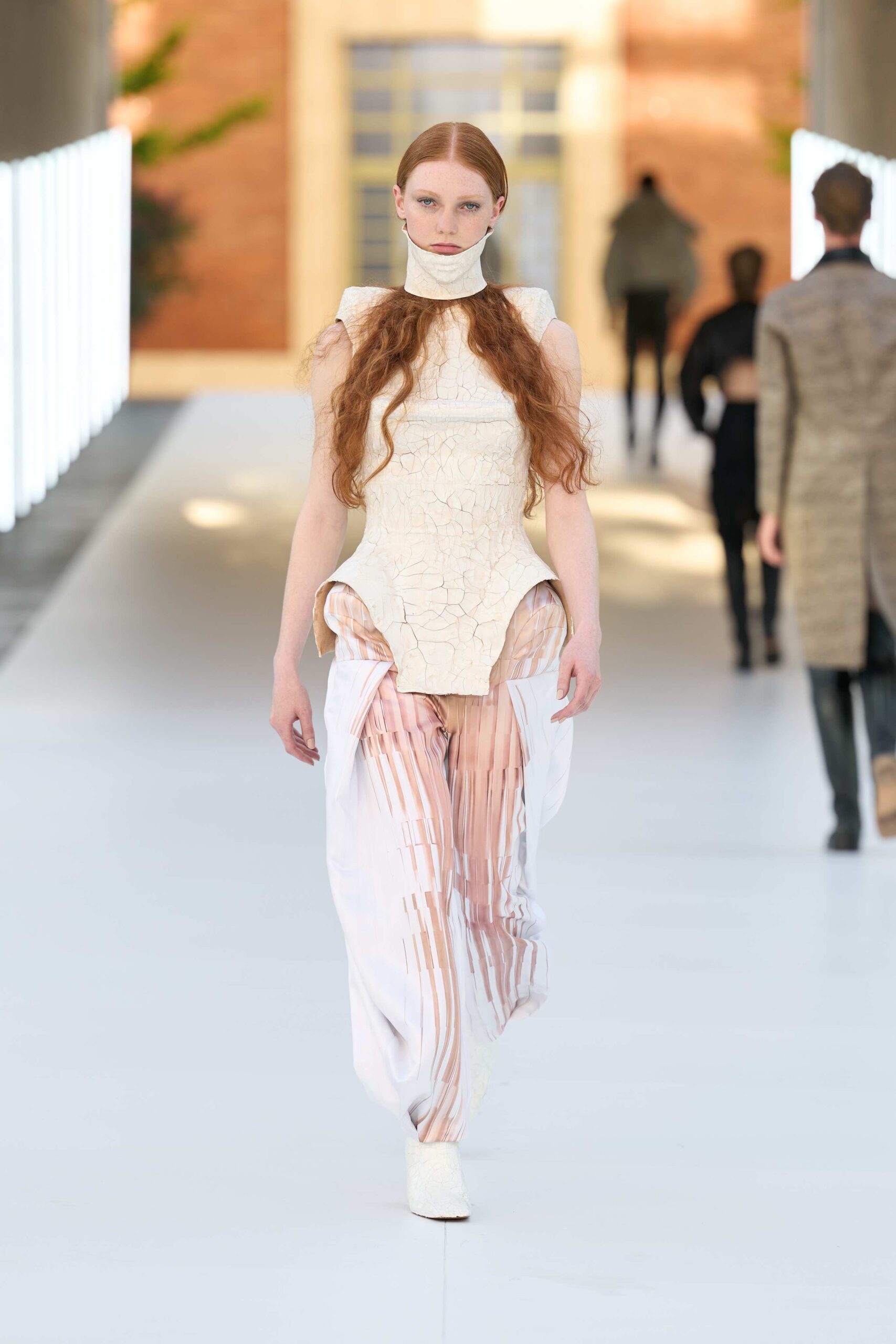
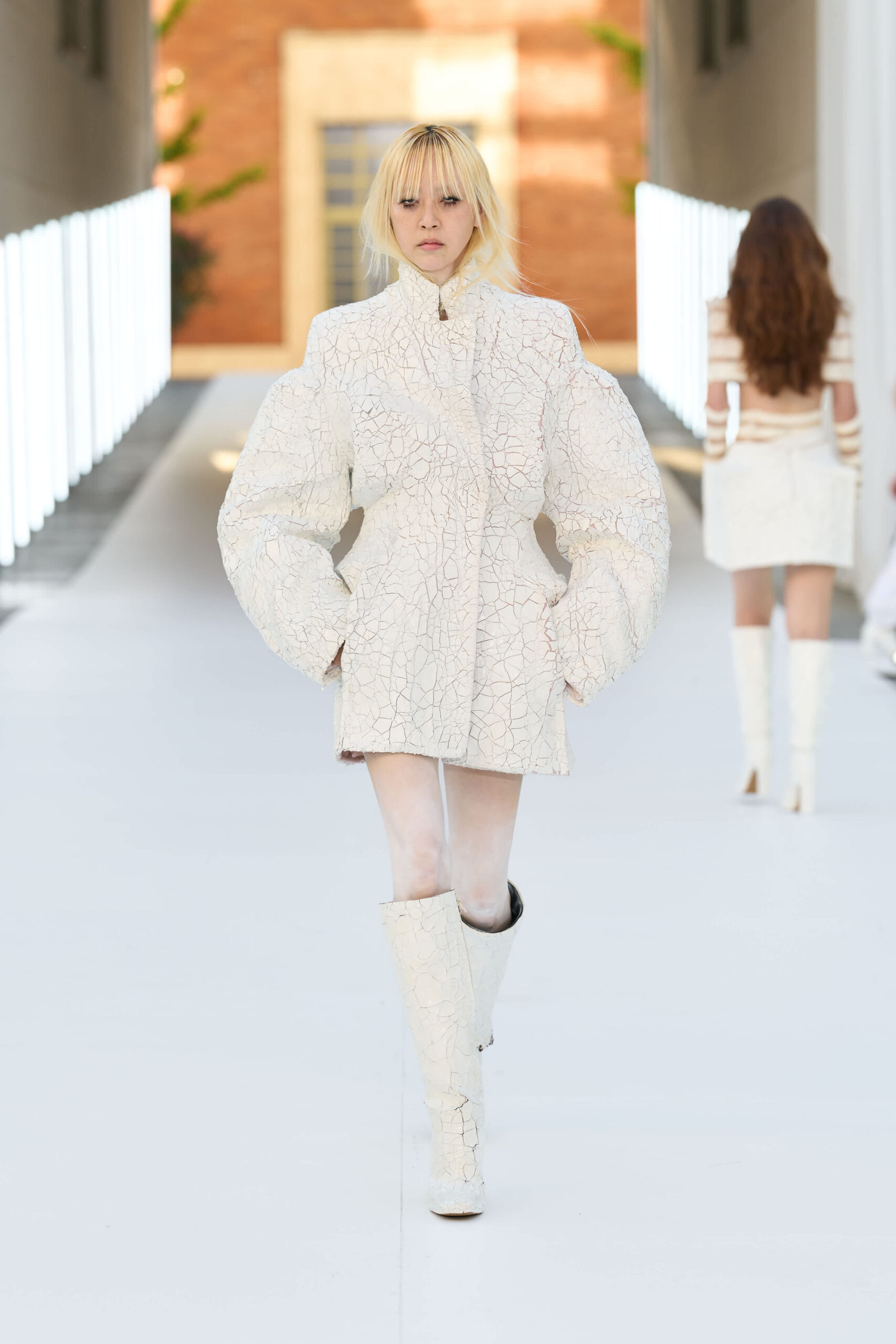
Emilie Wenckstern, No Longer Human (Germany). Sponsored by Ostinelli Seta. Photo by Filippo Fior and Salvatore Dragone GoRunway.
Emilie Wenckstern, No Longer Human (Germany). Sponsored by Ostinelli Seta. Photo by Filippo Fior and Salvatore Dragone GoRunway.
Emilie Wenckstern, No Longer Human (Germany). Sponsored by Ostinelli Seta. Photo by Filippo Fior and Salvatore Dragone GoRunway.
Emilie Wenckstern, No Longer Human (Germany). Sponsored by Ostinelli Seta. Photo by Filippo Fior and Salvatore Dragone GoRunway.
Emilie Wenckstern, No Longer Human (Germany). Sponsored by Ostinelli Seta. Photo by Filippo Fior and Salvatore Dragone GoRunway.
Emilie Wenckstern, No Longer Human (Germany). Sponsored by Ostinelli Seta. Photo by Filippo Fior and Salvatore Dragone GoRunway.
Emilie Wenckstern, No Longer Human (Germany). Sponsored by Ostinelli Seta. Photo by Filippo Fior and Salvatore Dragone GoRunway.
Questions surrounding humanity, authenticity, and the increasingly blurred boundary between reality and simulation appeared throughout the show. German designer Emilie Wenckstern‘s collection, No Longer Human, explored the unsettling relationship between the body and artificial perfection in an age of filters, digital manipulation, and algorithmic beauty standards. Rather than presenting idealized bodies, Wenckstern sought to evoke a sense of fascination mixed with unease, encouraging viewers to question what they were actually looking at.
This perspective was embodied most clearly in a cracked white sculptural coat, a piece she described as deeply personal. Its fractured surface revealed vulnerability, while its imposing silhouette projected strength, capturing the tension between fragility and resilience that defined both the garment and the collection. In many ways, Wenckstern’s work reflects a broader concern emerging among young designers today: as technology becomes increasingly capable of manufacturing perfection, the value of imperfection may become more important than ever.
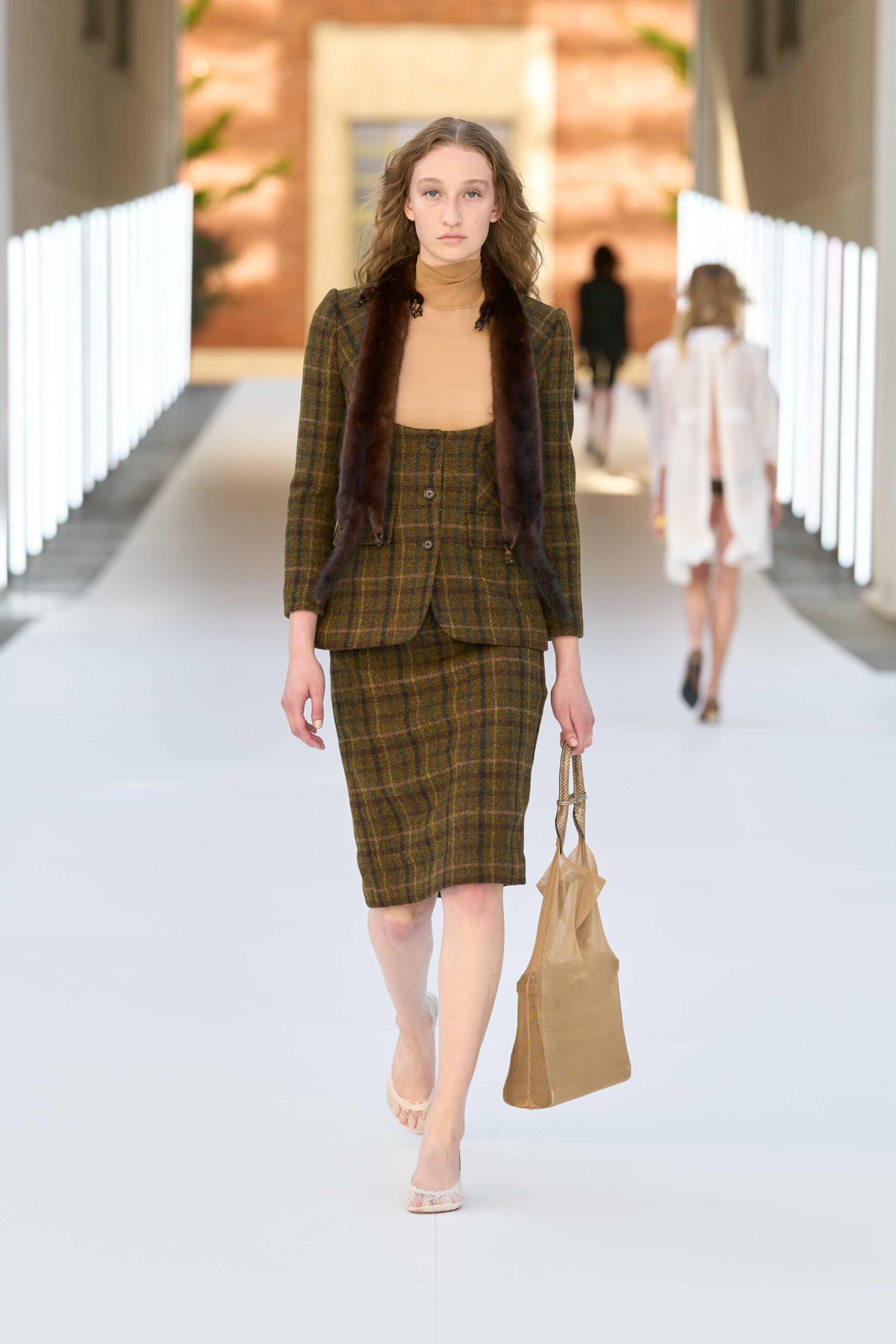
Lusine Mkrtchyan, The Parajanov Street (Armenia). Photo by Filippo Fior GoRunway and Salvatore Dragone GoRunway.
Lusine Mkrtchyan, The Parajanov Street (Armenia). Photo by Filippo Fior GoRunway and Salvatore Dragone GoRunway.
Lusine Mkrtchyan, The Parajanov Street (Armenia). Photo by Filippo Fior GoRunway and Salvatore Dragone GoRunway.
Lusine Mkrtchyan, The Parajanov Street (Armenia). Photo by Filippo Fior GoRunway and Salvatore Dragone GoRunway.
Lusine Mkrtchyan, The Parajanov Street (Armenia). Photo by Filippo Fior GoRunway and Salvatore Dragone GoRunway.
Lusine Mkrtchyan, The Parajanov Street (Armenia). Photo by Filippo Fior GoRunway and Salvatore Dragone GoRunway.
Lusine Mkrtchyan, The Parajanov Street (Armenia). Photo by Filippo Fior GoRunway and Salvatore Dragone GoRunway.
Alongside explorations of the body and digital identity, a few designers turned their attention to the quieter forces that shape who we become. Armenian designer Lusine Mkrtchyan‘s collection, The Parajanov Street, examined the invisible influences that form identity over time. Inspired by growing up beside the home of renowned filmmaker Sergei Parajanov, Mkrtchyan became fascinated by the idea that our surroundings leave traces on us long before we consciously recognize them. Rather than presenting a direct narrative, the collection encourages reflection, asking viewers to consider how much of their identity is shaped by people, places, and experiences that often go unnoticed.
Lusine Mkrtchyan highlighted another recurring theme emerging from the graduate show: a generation looking inward, searching for meaning not only in the future, but also in the places, histories, and influences that have quietly shaped them.
Maddy Oppenhuis
Fashion Marketing & Communications
Mkrtchyan allowed the collection to become an exploration of memory, inheritance, and personal formation. The knitwear pieces, developed in collaboration with Lineapiù, felt particularly significant to the designer because of her close involvement at every stage of their creation. More than technical achievements, they became physical expressions of the emotions and ideas underpinning the collection. In doing so, Mkrtchyan highlighted another recurring theme emerging from the graduate show: a generation looking inward, searching for meaning not only in the future, but also in the places, histories, and influences that have quietly shaped them.
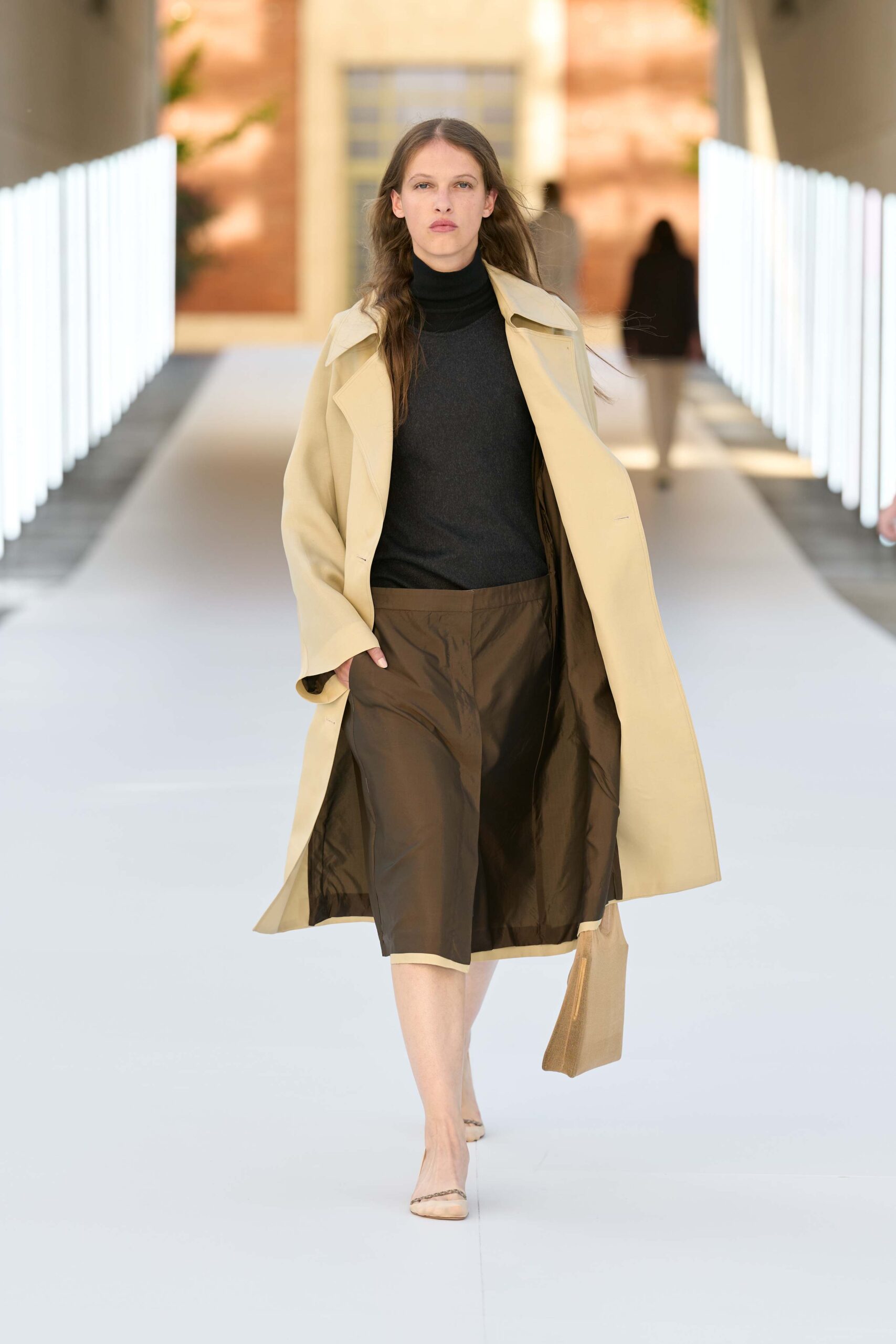
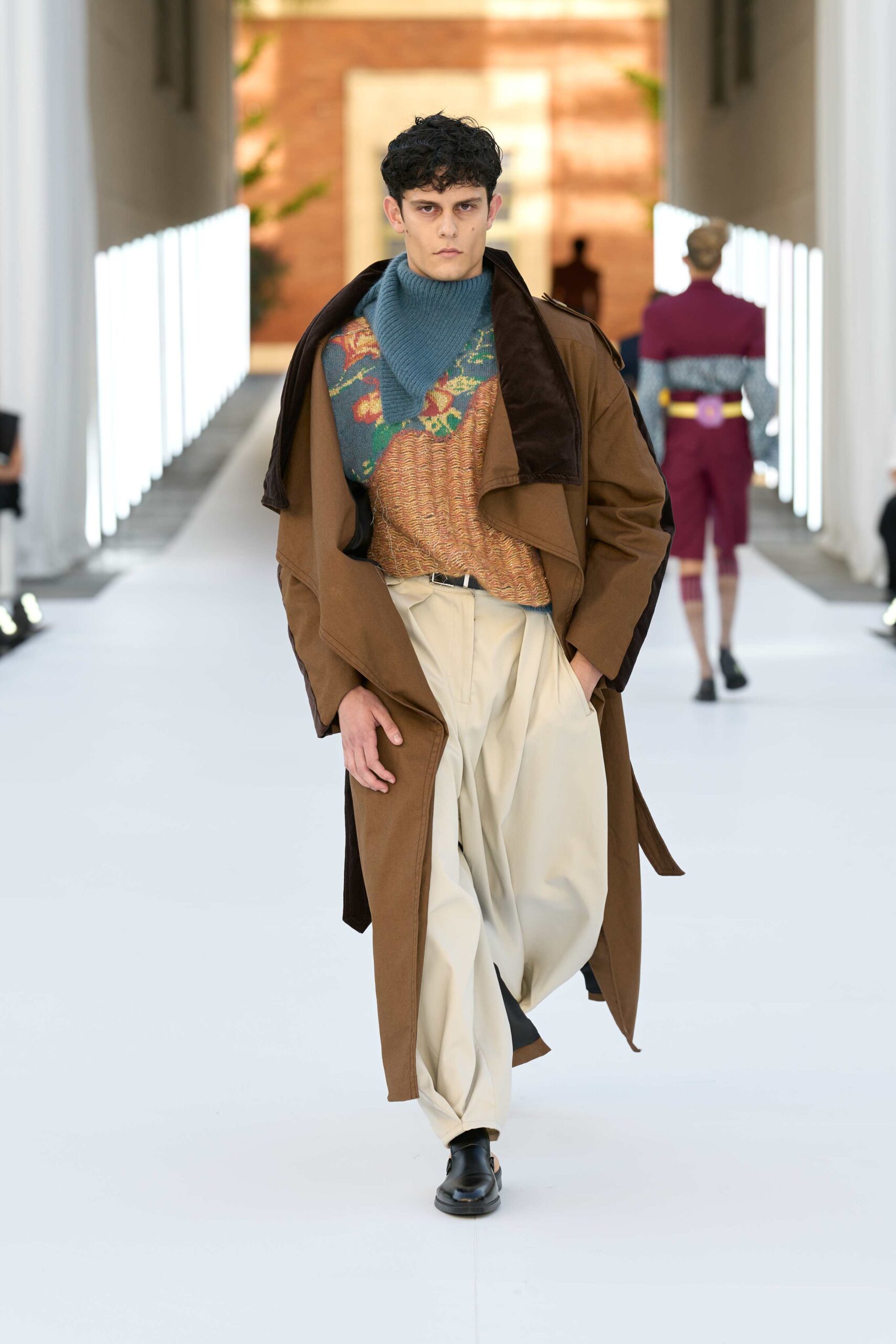
Anson Lorence Lin, Packages (Taiwan / Sri Lanka). Collaboration with Richie Ye, Polimoda Business Alumni; Paula Ruiz Lorenzo, Undergraduate Fashion Design; Alessio Dai; Fabrizio Torrini; Beatriz Segura. Photo by Filippo Fior and Salvatore Dragone GoRunway.
Anson Lorence Lin, Packages (Taiwan / Sri Lanka). Collaboration with Richie Ye, Polimoda Business Alumni; Paula Ruiz Lorenzo, Undergraduate Fashion Design; Alessio Dai; Fabrizio Torrini; Beatriz Segura. Photo by Filippo Fior and Salvatore Dragone GoRunway.
Anson Lorence Lin, Packages (Taiwan / Sri Lanka). Collaboration with Richie Ye, Polimoda Business Alumni; Paula Ruiz Lorenzo, Undergraduate Fashion Design; Alessio Dai; Fabrizio Torrini; Beatriz Segura. Photo by Filippo Fior and Salvatore Dragone GoRunway.
Anson Lorence Lin, Packages (Taiwan / Sri Lanka). Collaboration with Richie Ye, Polimoda Business Alumni; Paula Ruiz Lorenzo, Undergraduate Fashion Design; Alessio Dai; Fabrizio Torrini; Beatriz Segura. Photo by Filippo Fior and Salvatore Dragone GoRunway.
Anson Lorence Lin, Packages (Taiwan / Sri Lanka). Collaboration with Richie Ye, Polimoda Business Alumni; Paula Ruiz Lorenzo, Undergraduate Fashion Design; Alessio Dai; Fabrizio Torrini; Beatriz Segura. Photo by Filippo Fior and Salvatore Dragone GoRunway.
Anson Lorence Lin, Packages (Taiwan / Sri Lanka). Collaboration with Richie Ye, Polimoda Business Alumni; Paula Ruiz Lorenzo, Undergraduate Fashion Design; Alessio Dai; Fabrizio Torrini; Beatriz Segura. Photo by Filippo Fior and Salvatore Dragone GoRunway.
Anson Lorence Lin, Packages (Taiwan / Sri Lanka). Collaboration with Richie Ye, Polimoda Business Alumni; Paula Ruiz Lorenzo, Undergraduate Fashion Design; Alessio Dai; Fabrizio Torrini; Beatriz Segura. Photo by Filippo Fior and Salvatore Dragone GoRunway.
Unlike many of his peers, who used fashion as a vehicle to explore identity, culture, or technology, Anson Lorence Lin turned his attention towards the craft itself. Rather than beginning with a question he wanted to answer, he let his collection emerge from an ongoing fascination with pattern-making and a desire to test its limits. The collection became an exploration of how pattern making could be used as an innovative tool to reshape familiar forms and challenge the conventions of traditional tailoring.
Across the graduate show, designers searched for intimacy, identity, memory, craft, and connection, revealing that in an increasingly artificial world, the most radical thing fashion can still offer is something profoundly human.
Maddy Oppenhuis
Fashion Marketing & Communications
Yet despite its technical focus, the work was deeply personal. Lin spoke of wanting viewers to experience a quiet sense of discovery; the particular satisfaction that comes from noticing details, understanding connections and arriving at an unexpected moment of clarity. That philosophy is embodied in one of his black coats, a garment he describes as endlessly rich with potential.
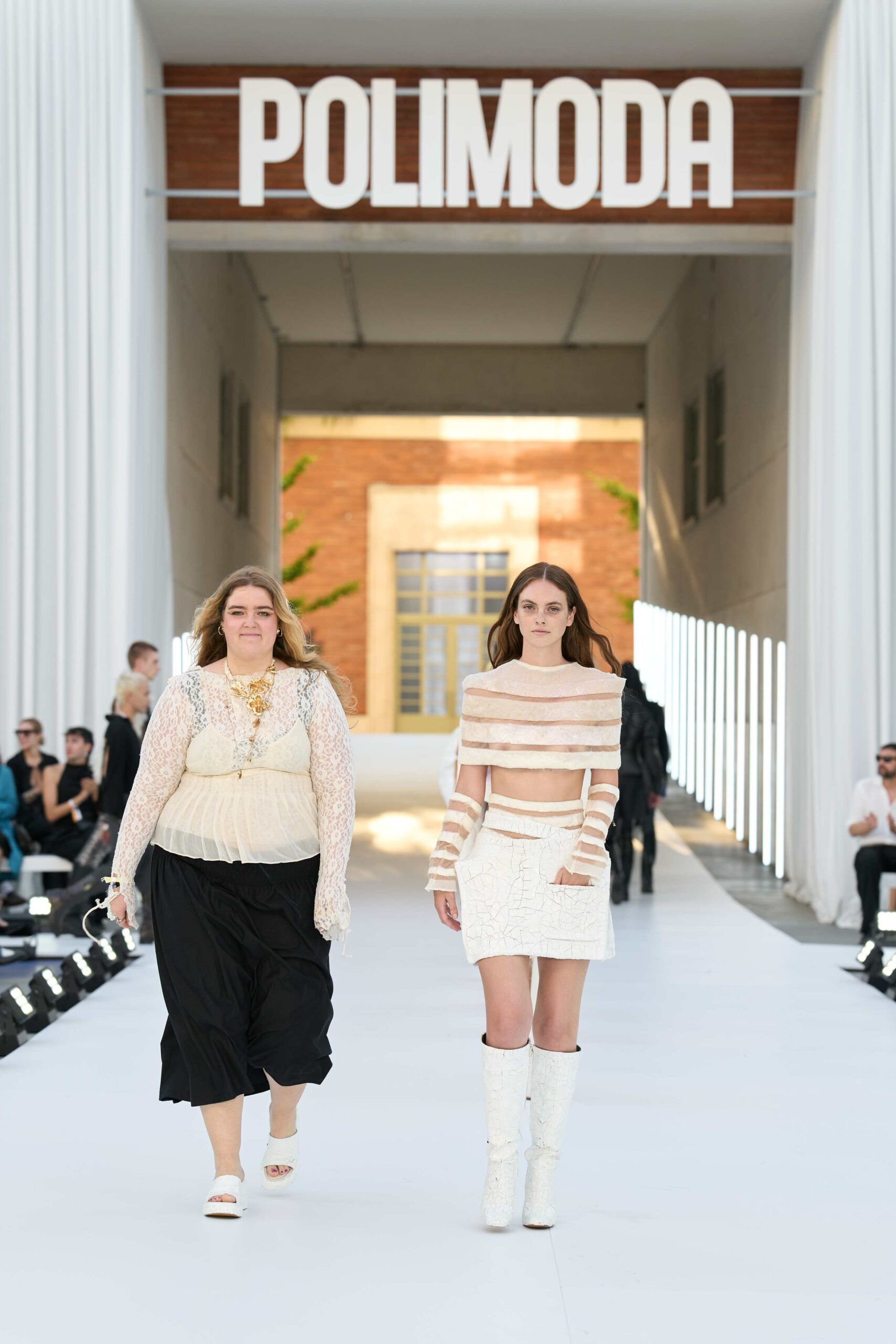
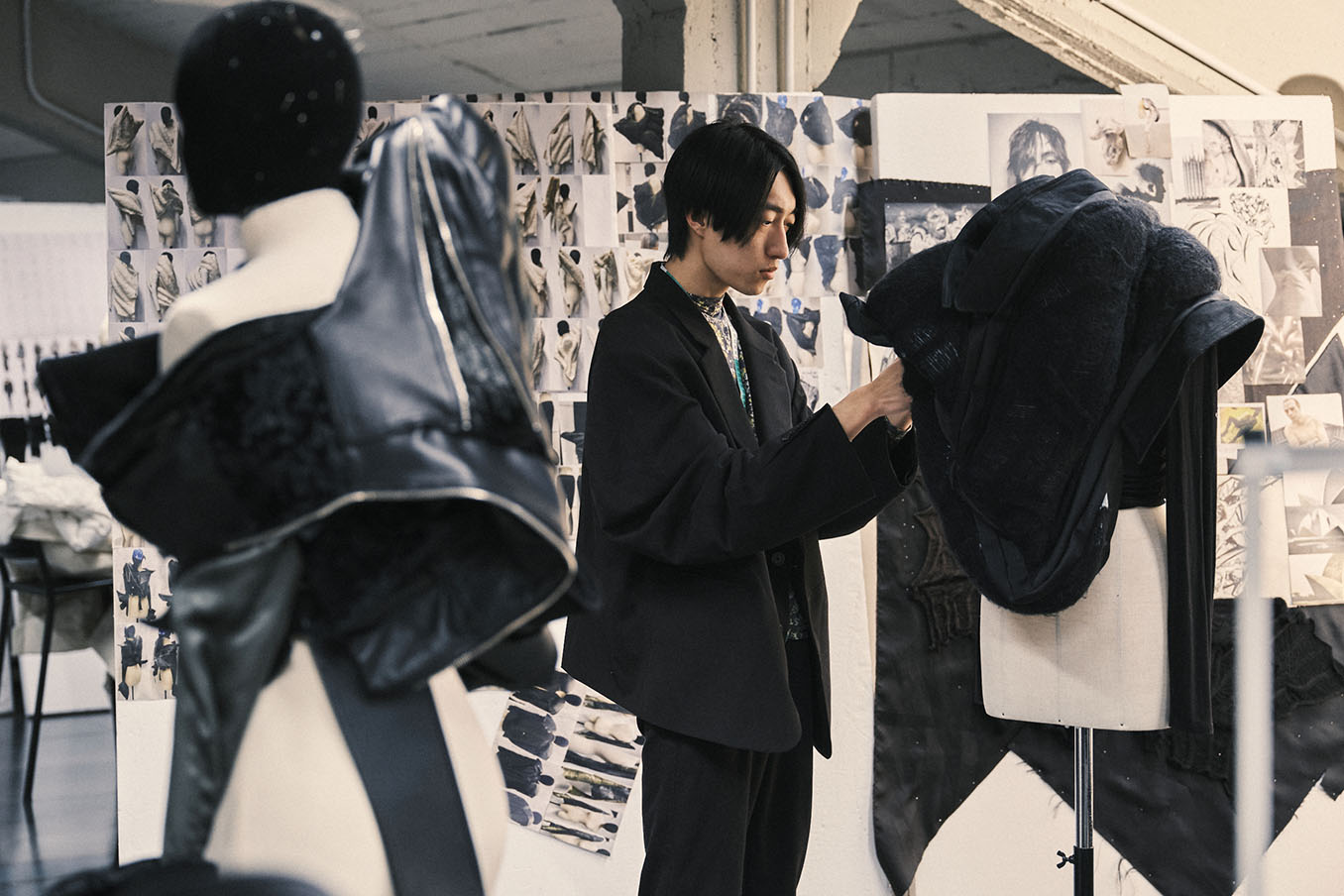
Photo by Serena Gallorini.
Lin used the coat as a canvas for experimentation, embedding subtle decisions and intricate details throughout its construction. For him, these small gestures; the hidden pockets, material transitions, and carefully considered finishing touches, are where meaning resides. In a graduate show filled with bold statements and complex narratives, Lin’s collection offered something different: a reminder that curiosity, craftsmanship and the pursuit of mastery can be just as powerful a form of self-expression.
This generation of emerging designers is a product of the contradictions they have inherited, formed by economic decline and a growing disregard for the arts. Yet perhaps it is precisely this instability that creates space for fearless creation. Across the graduate show, designers searched for intimacy, identity, memory, craft, and connection, revealing that in an increasingly artificial world, the most radical thing fashion can still offer is something profoundly human.
This new generation of designers suggests that fashion’s future may lie not in predicting what people want, but in helping them understand who they are.