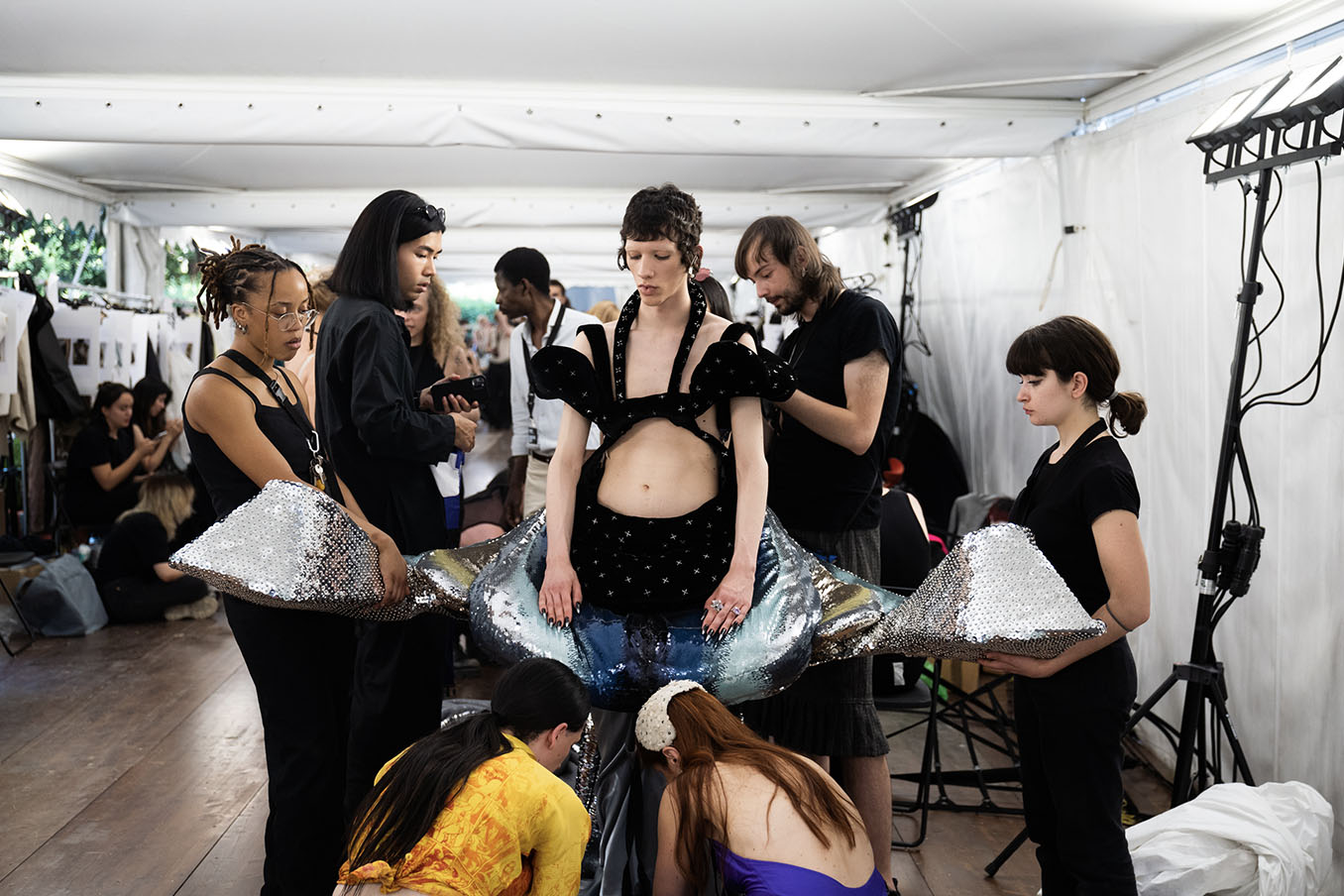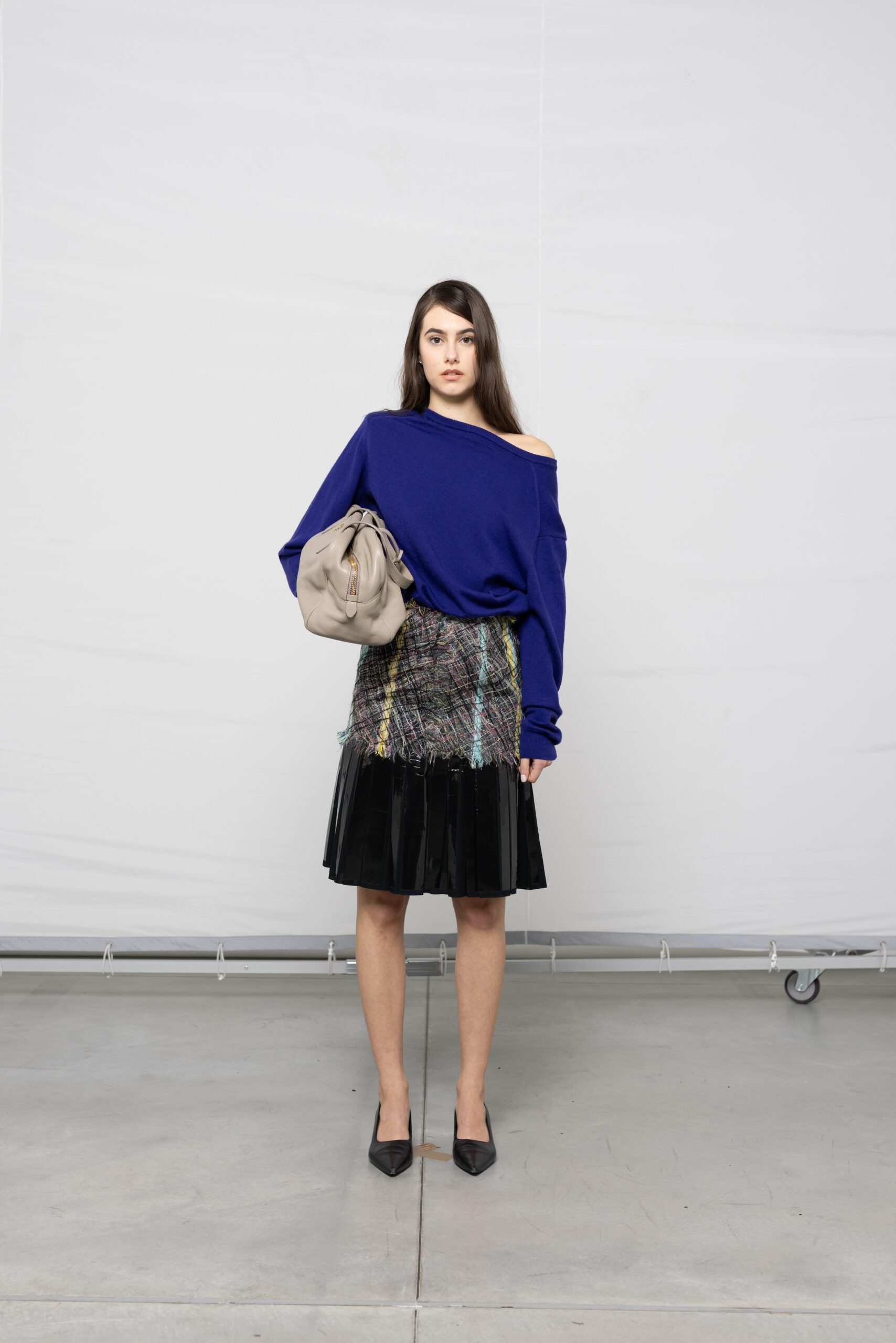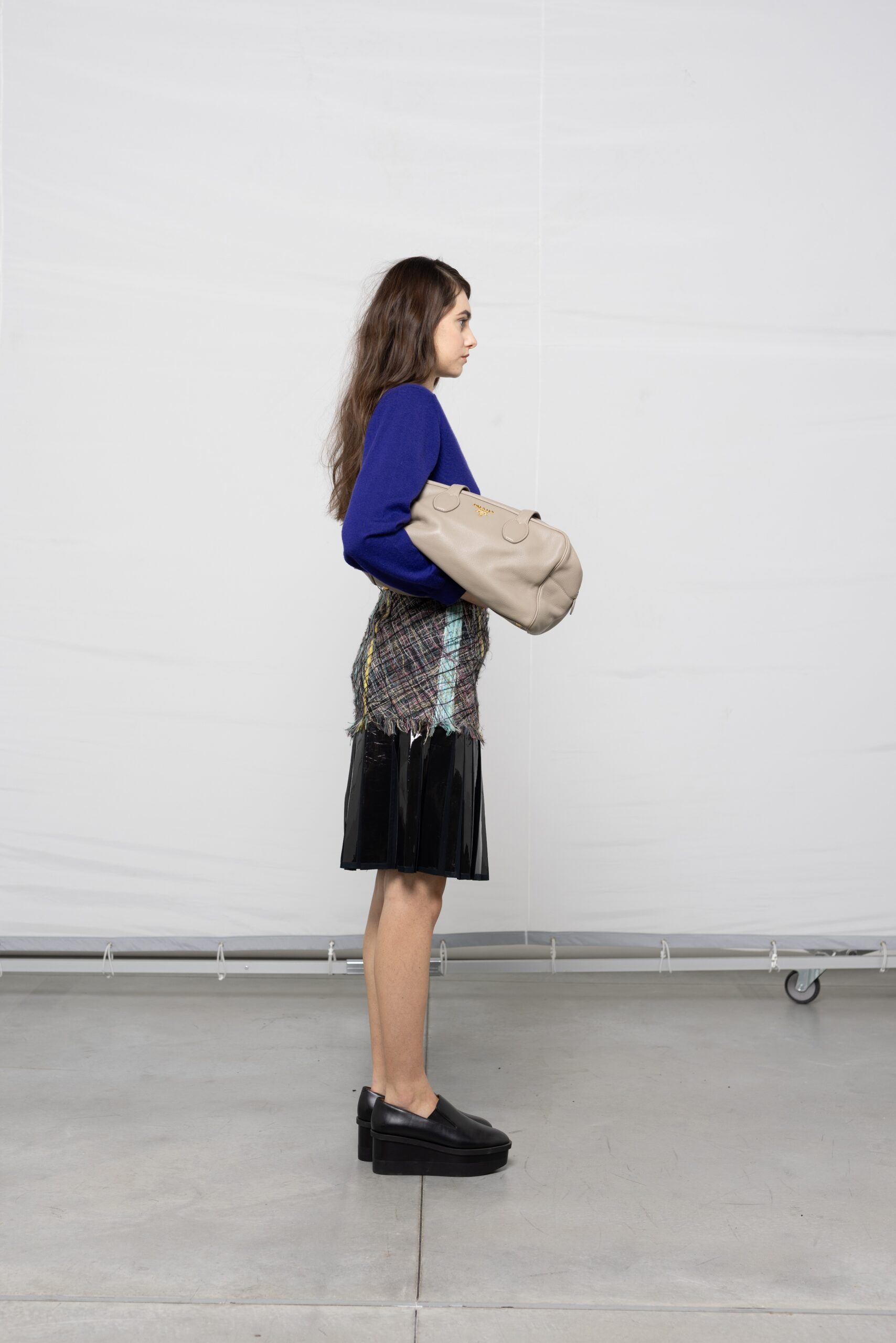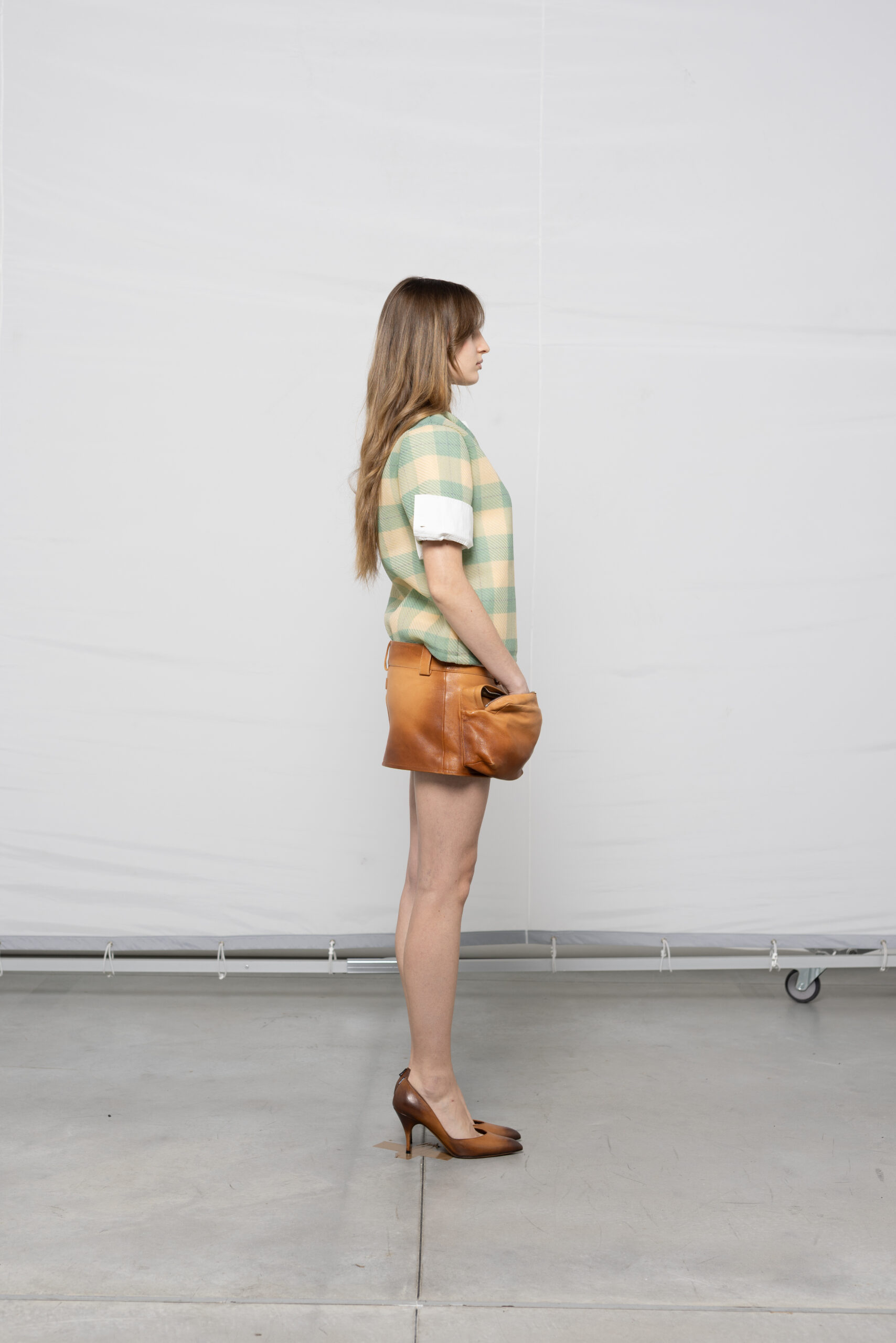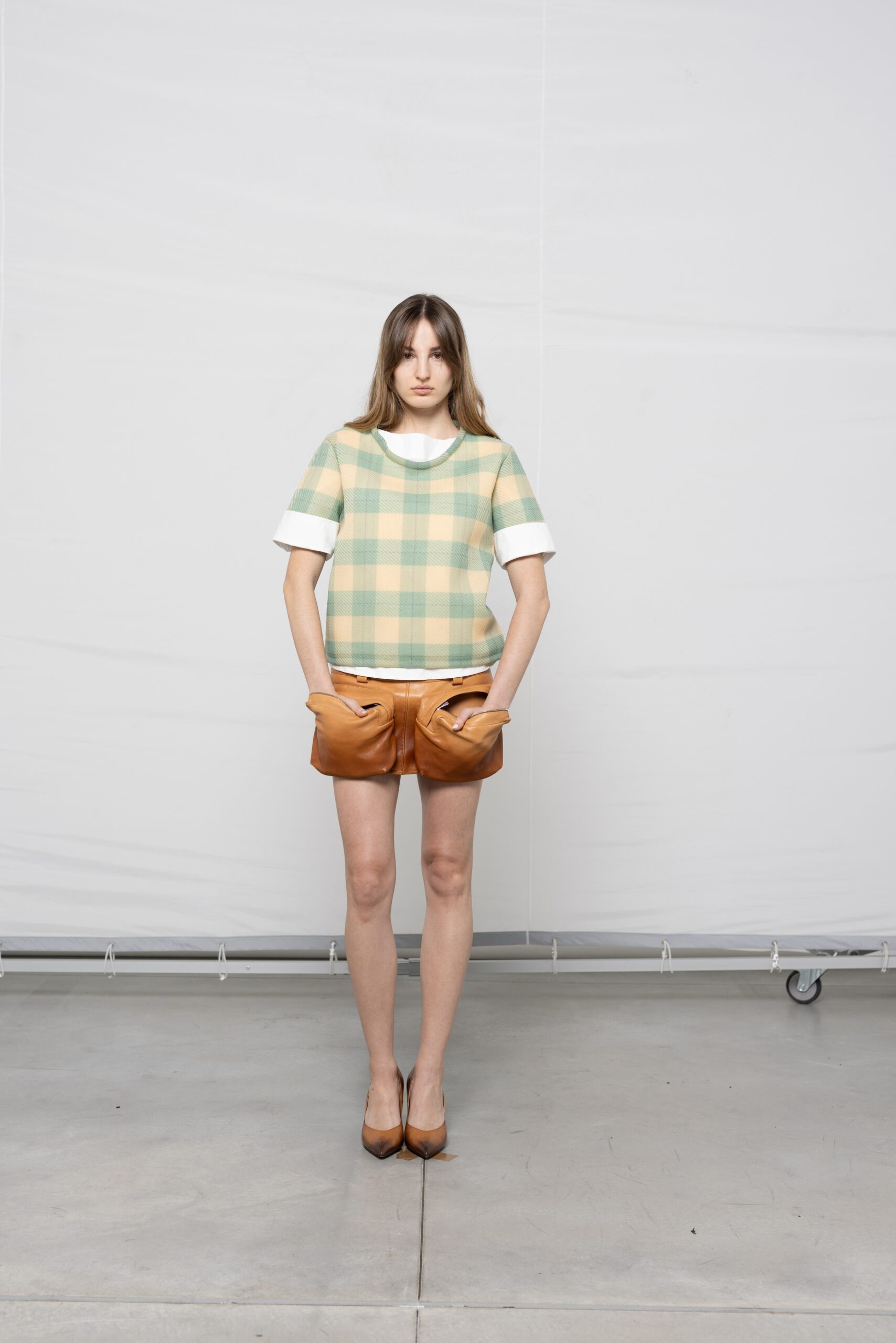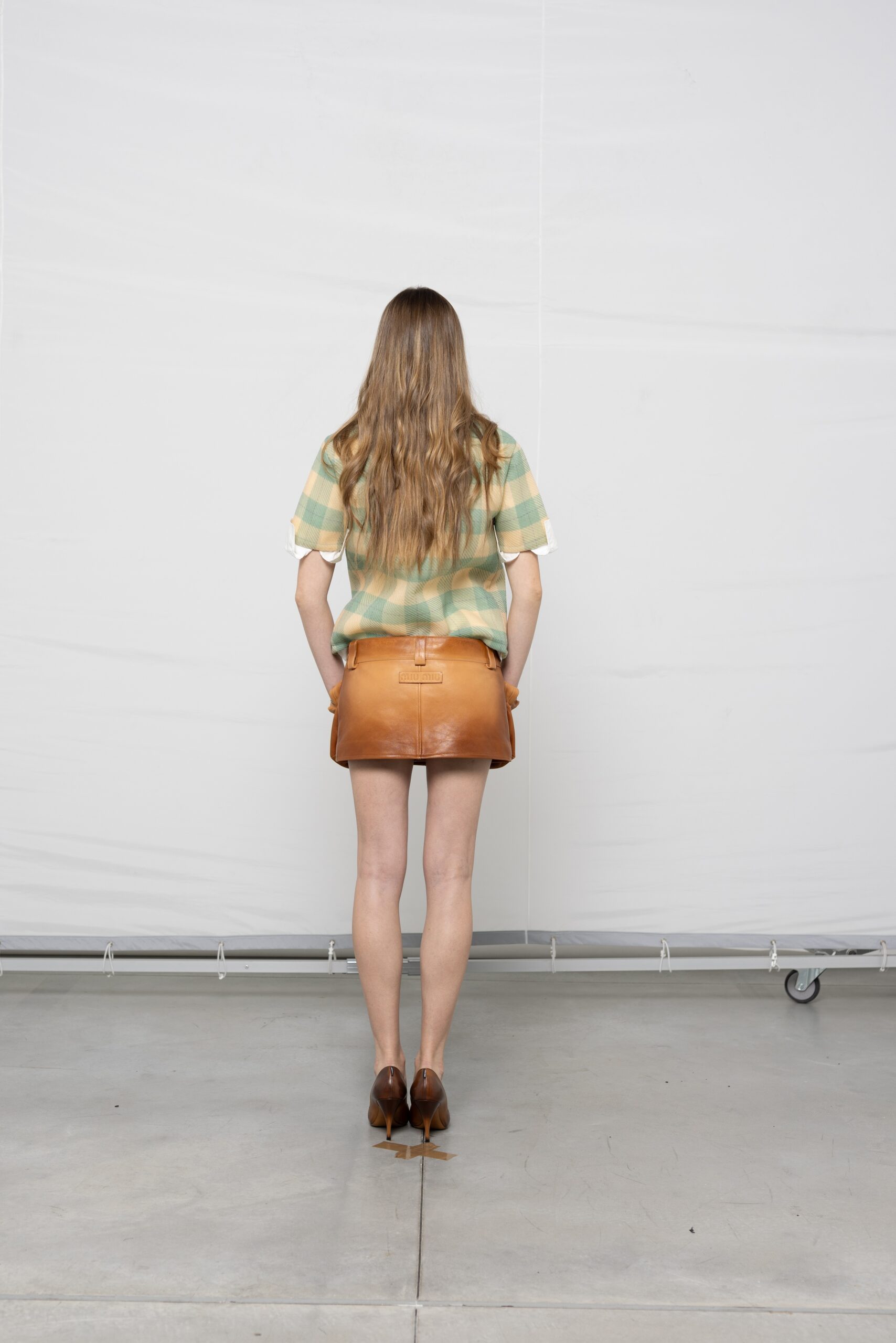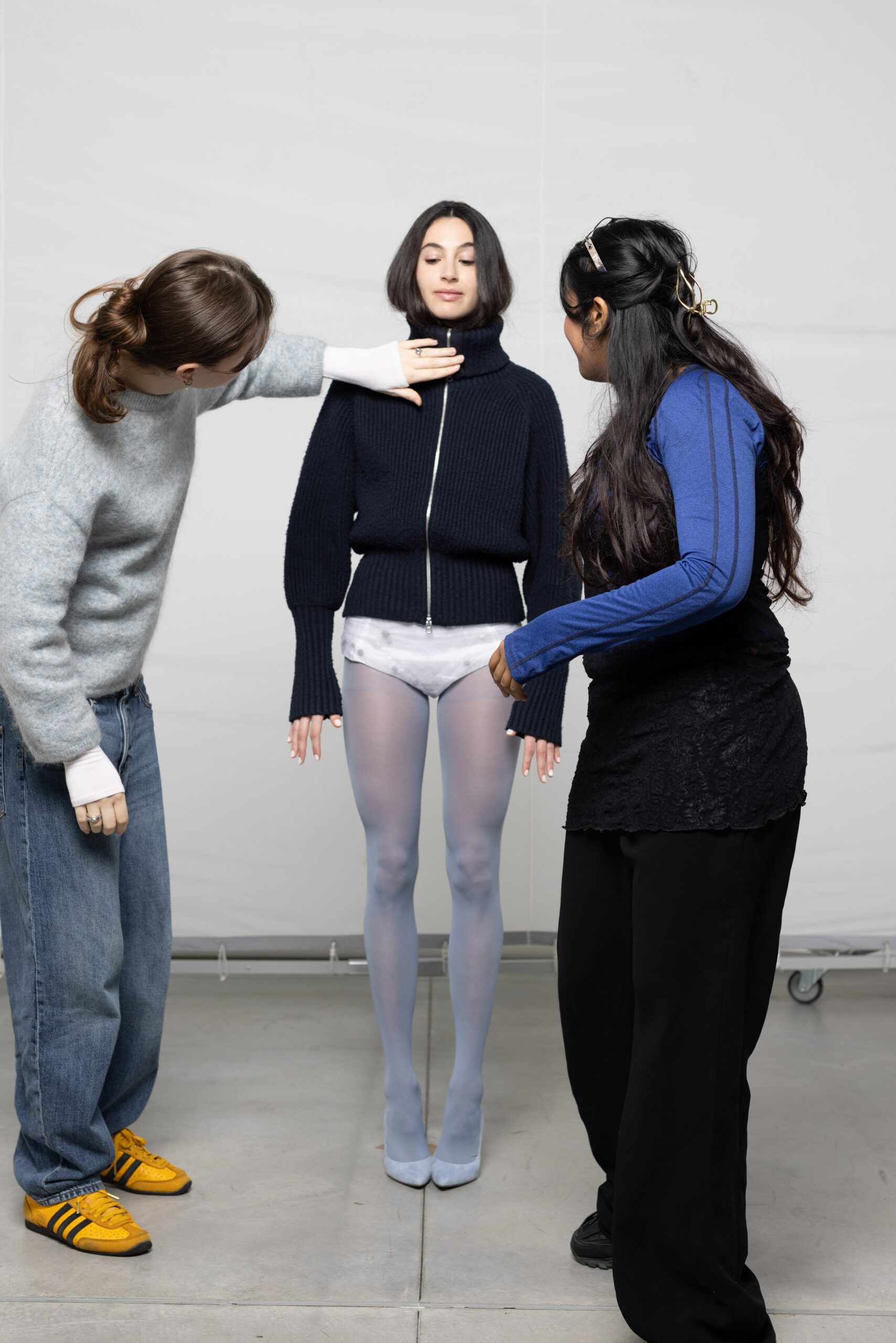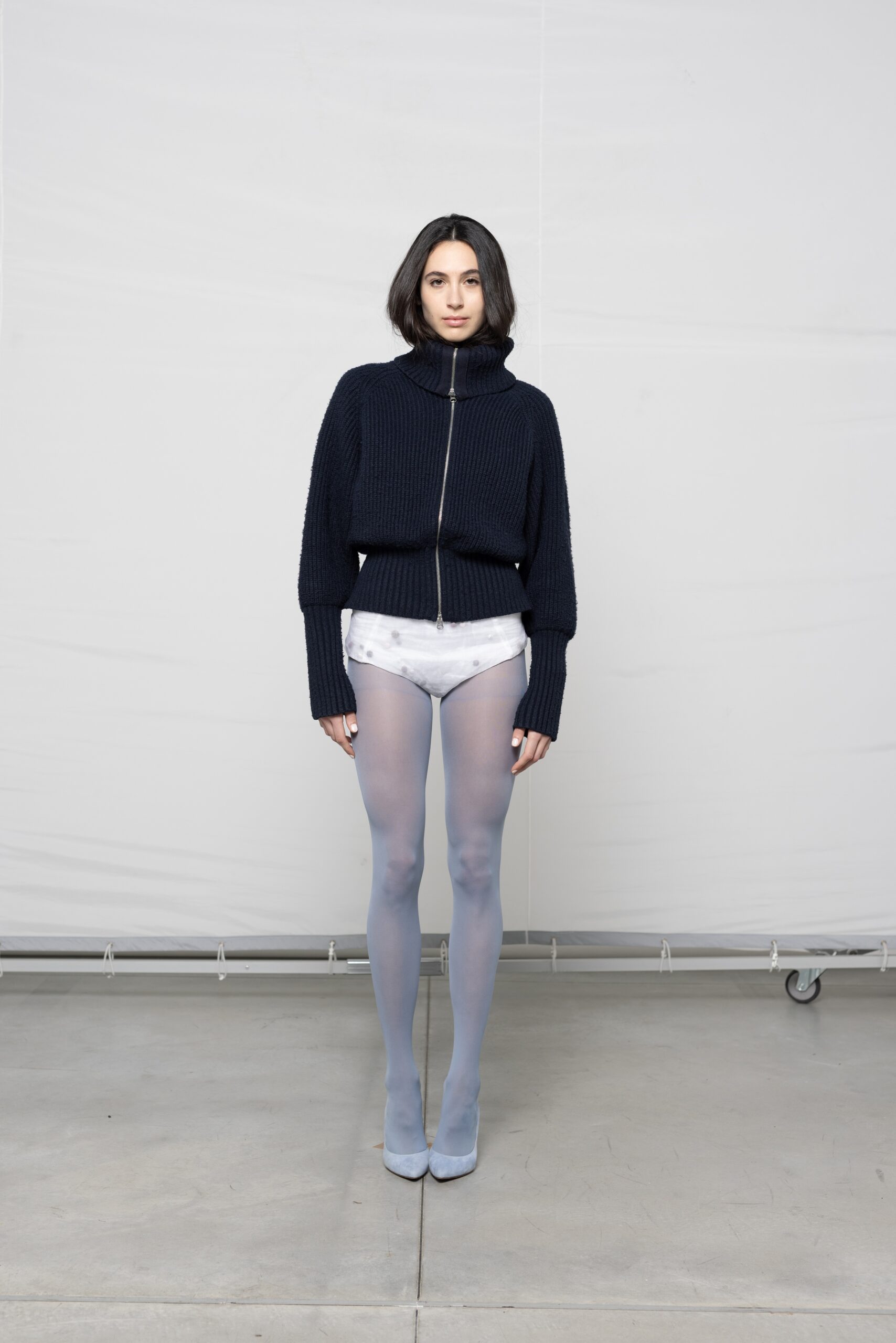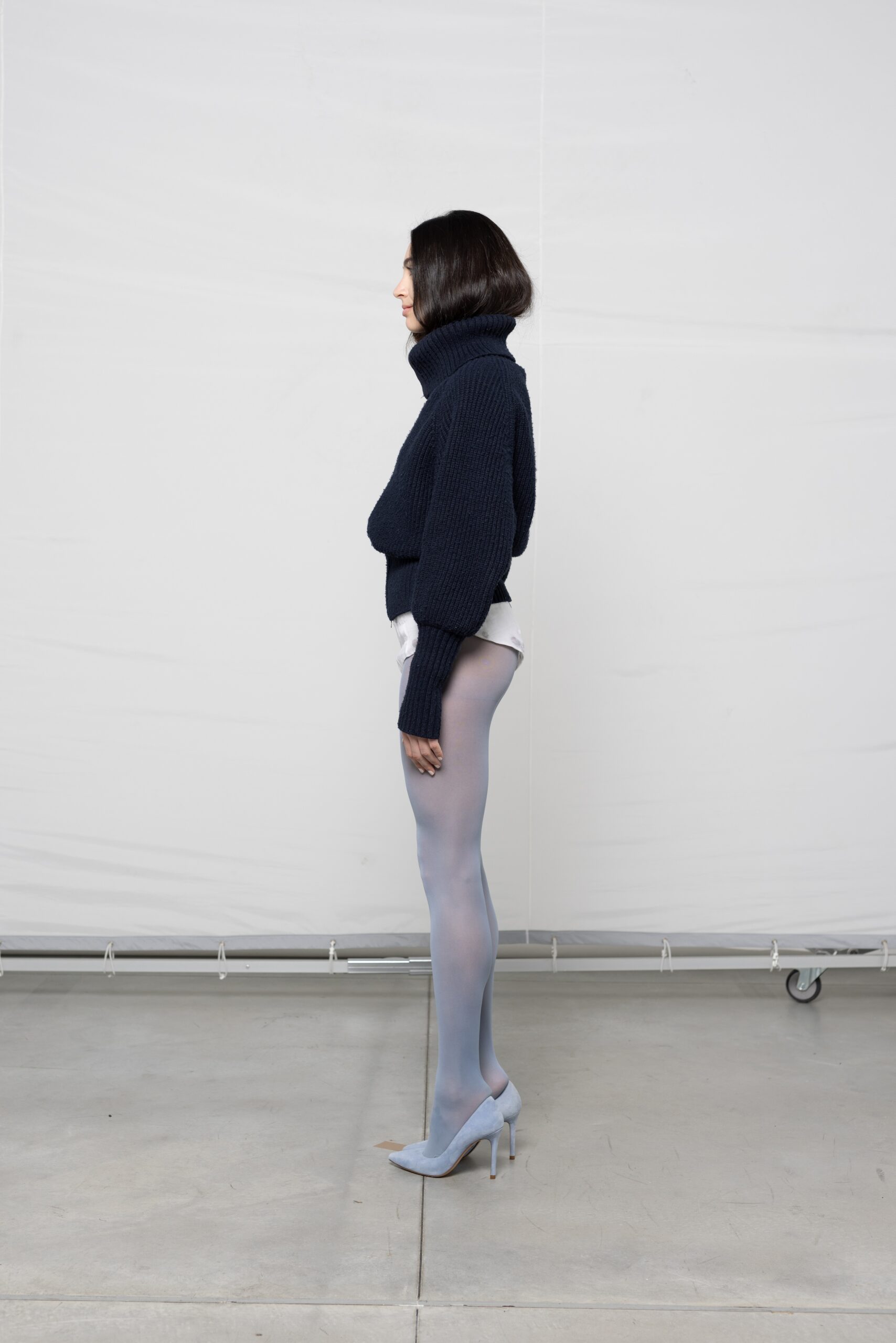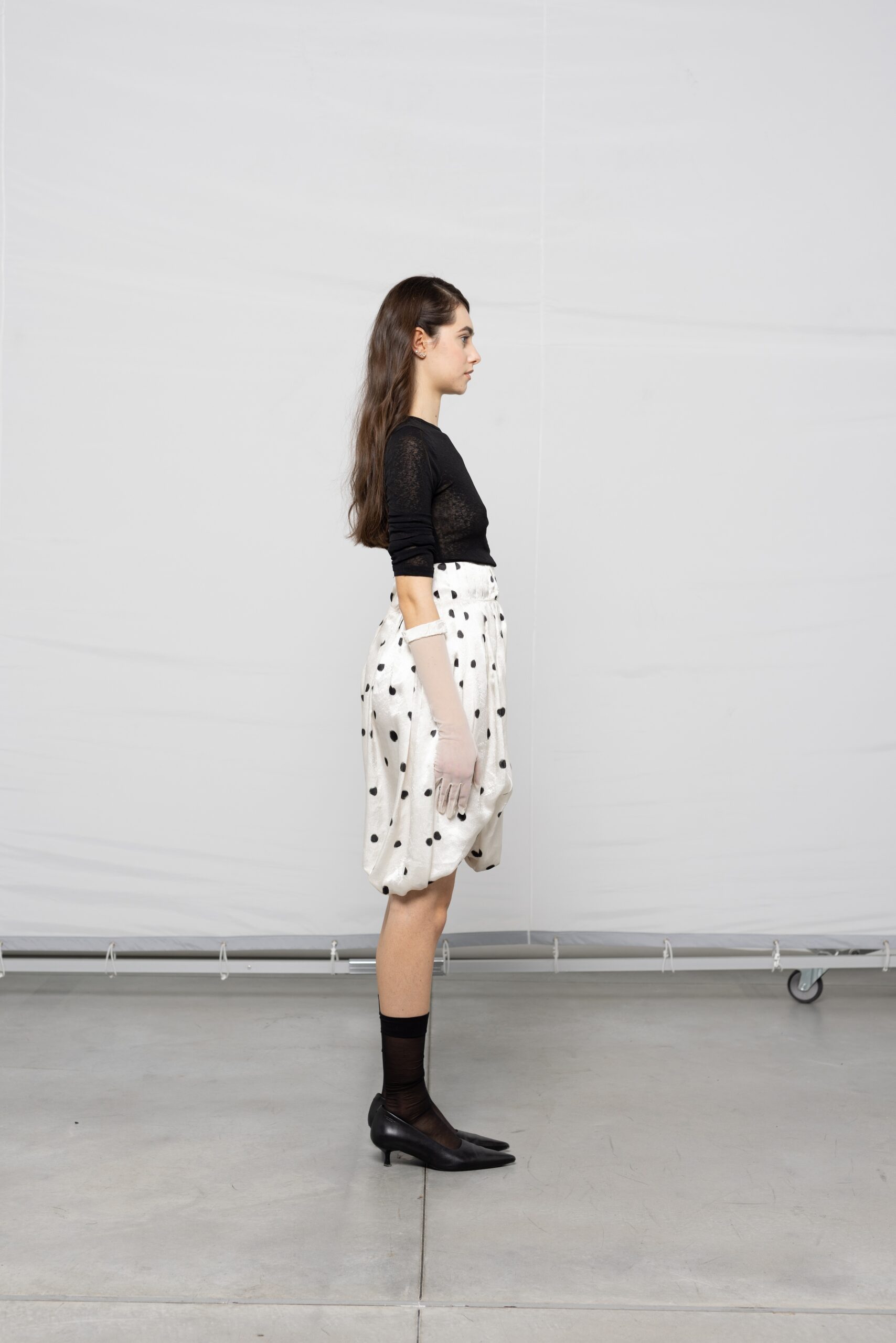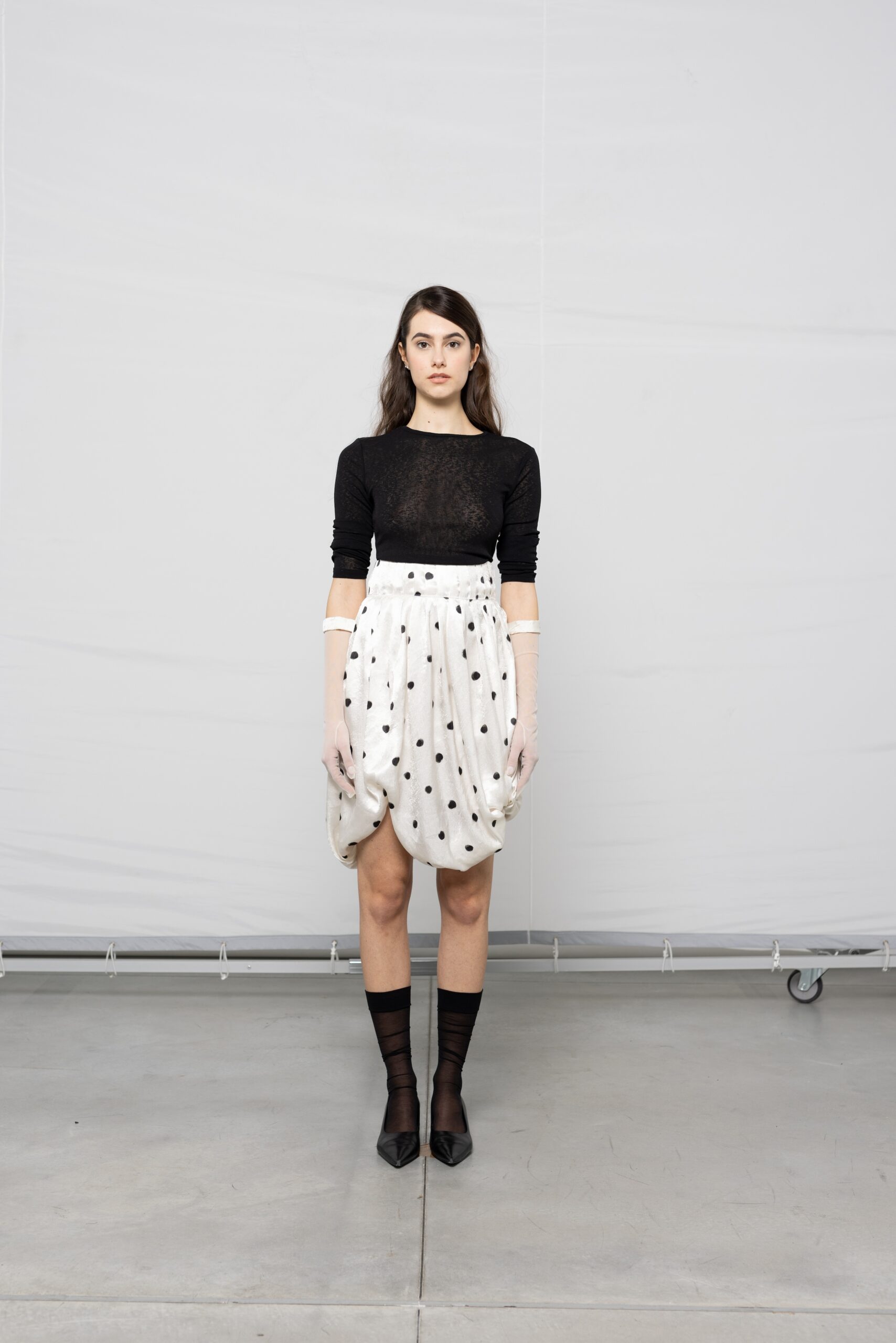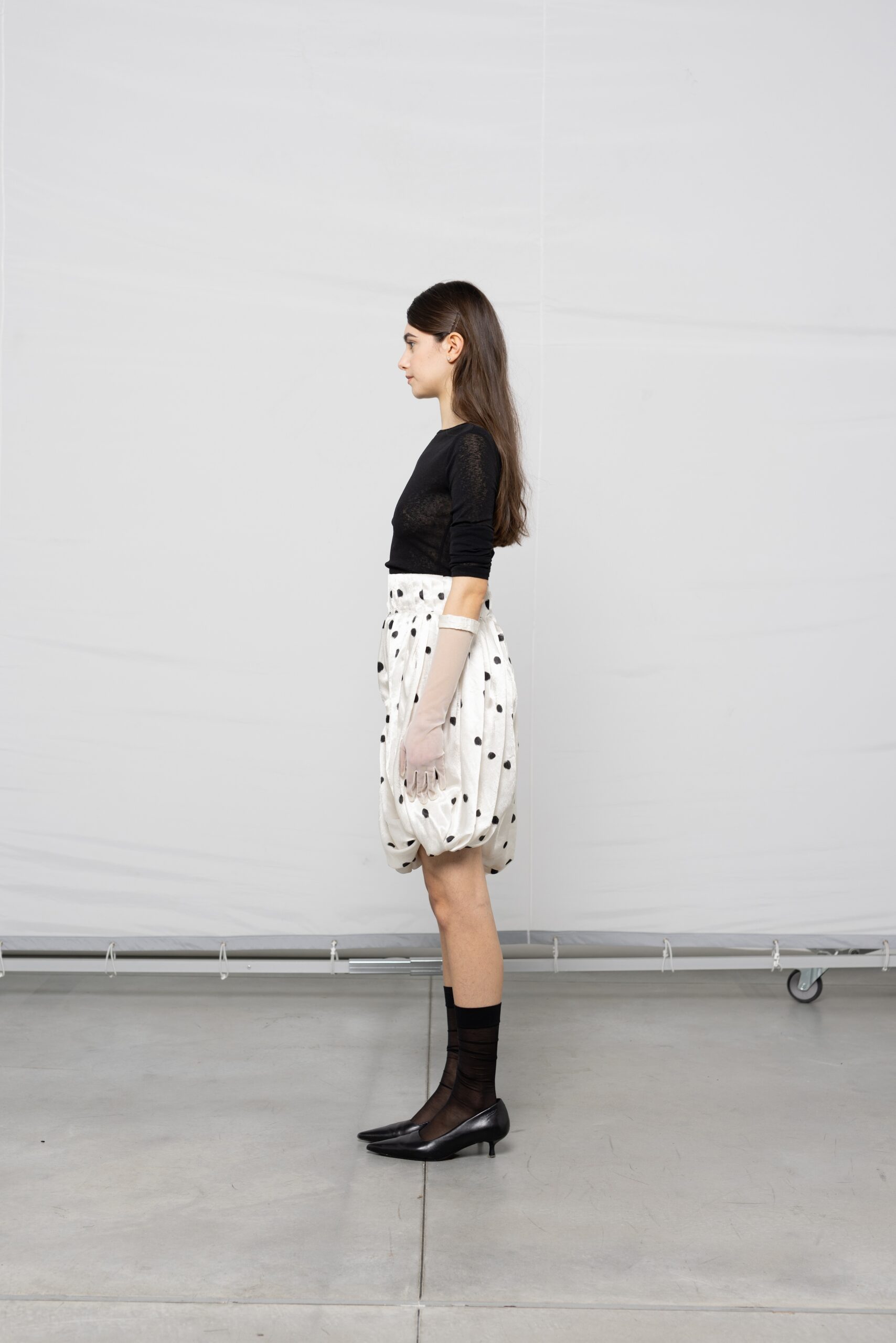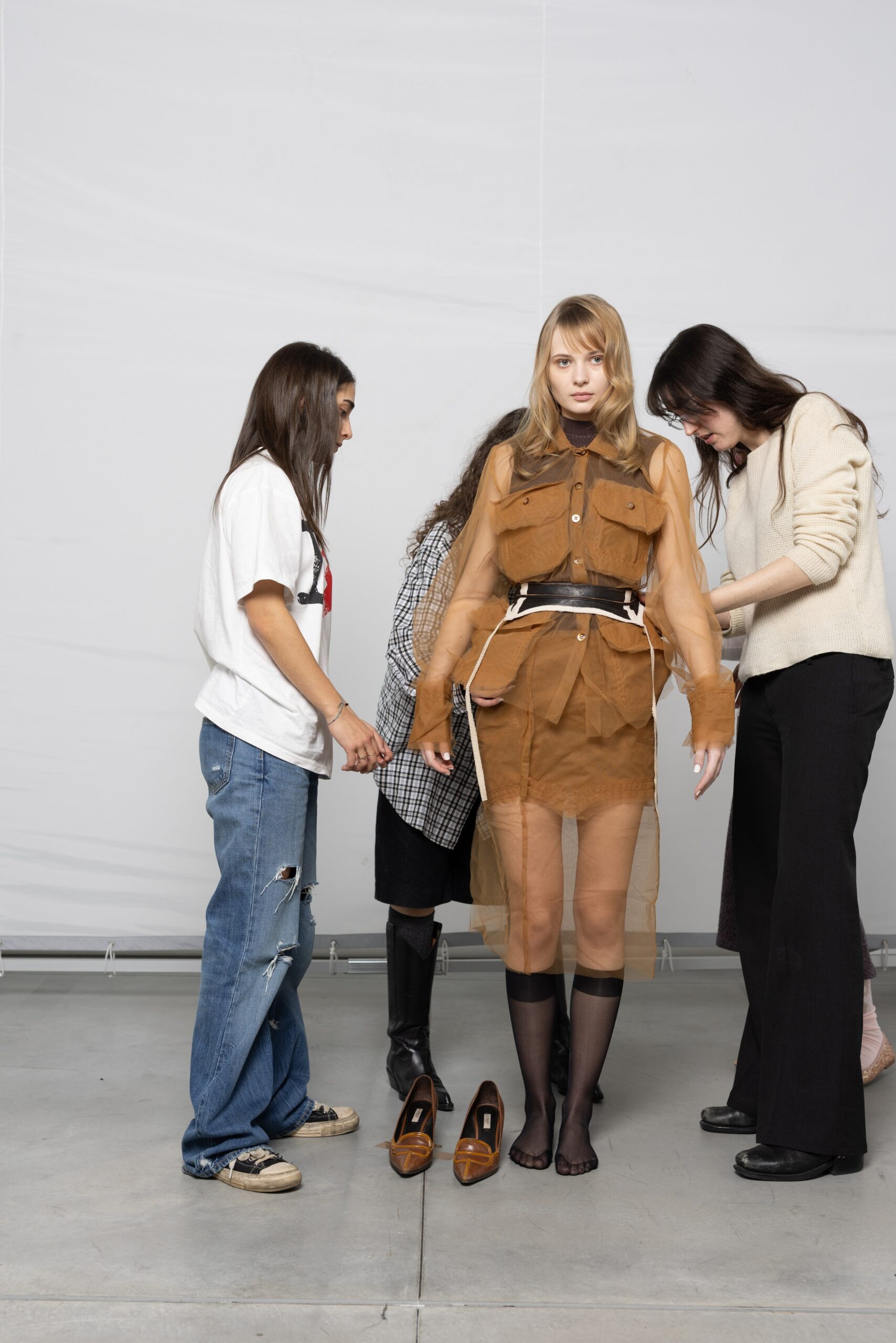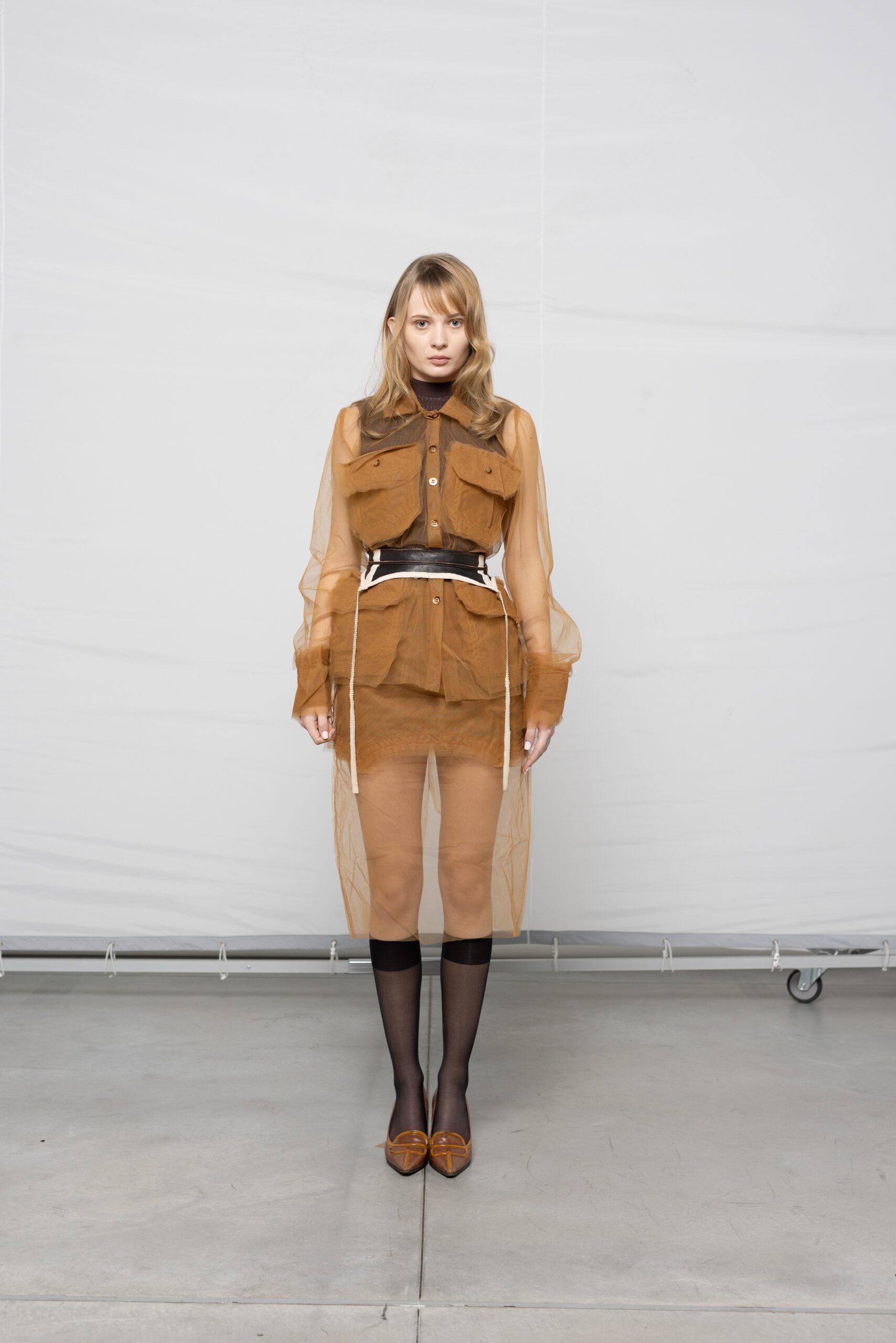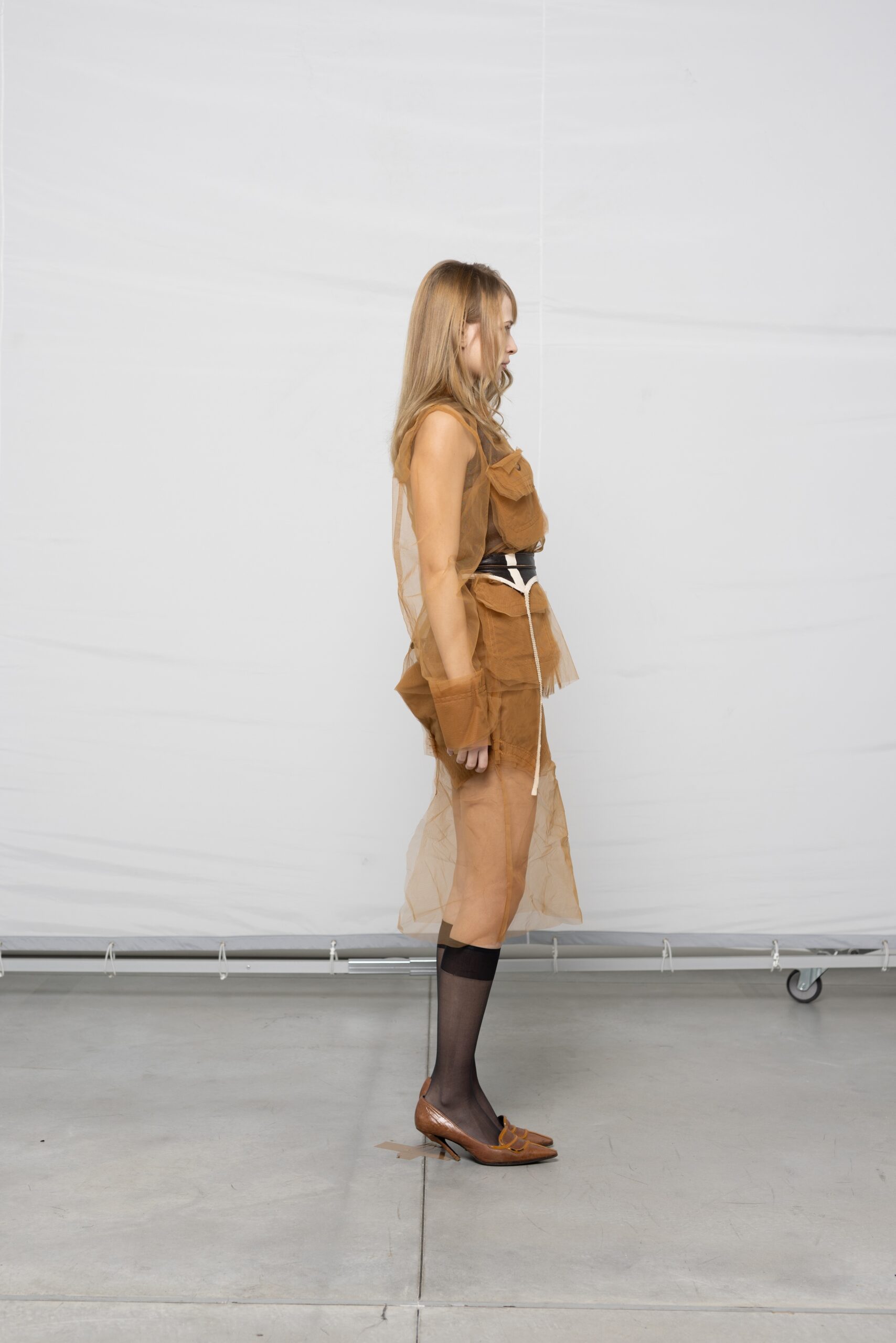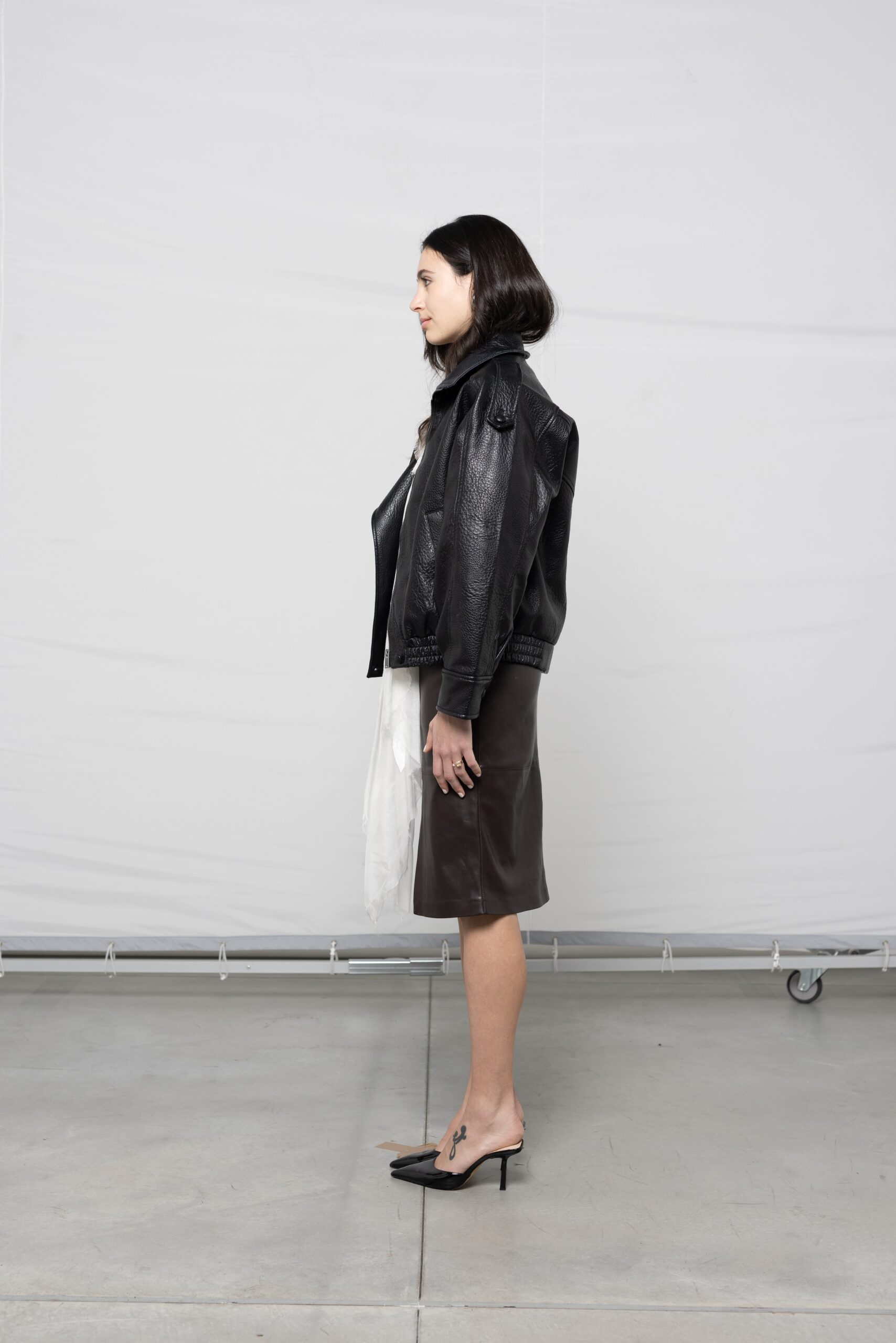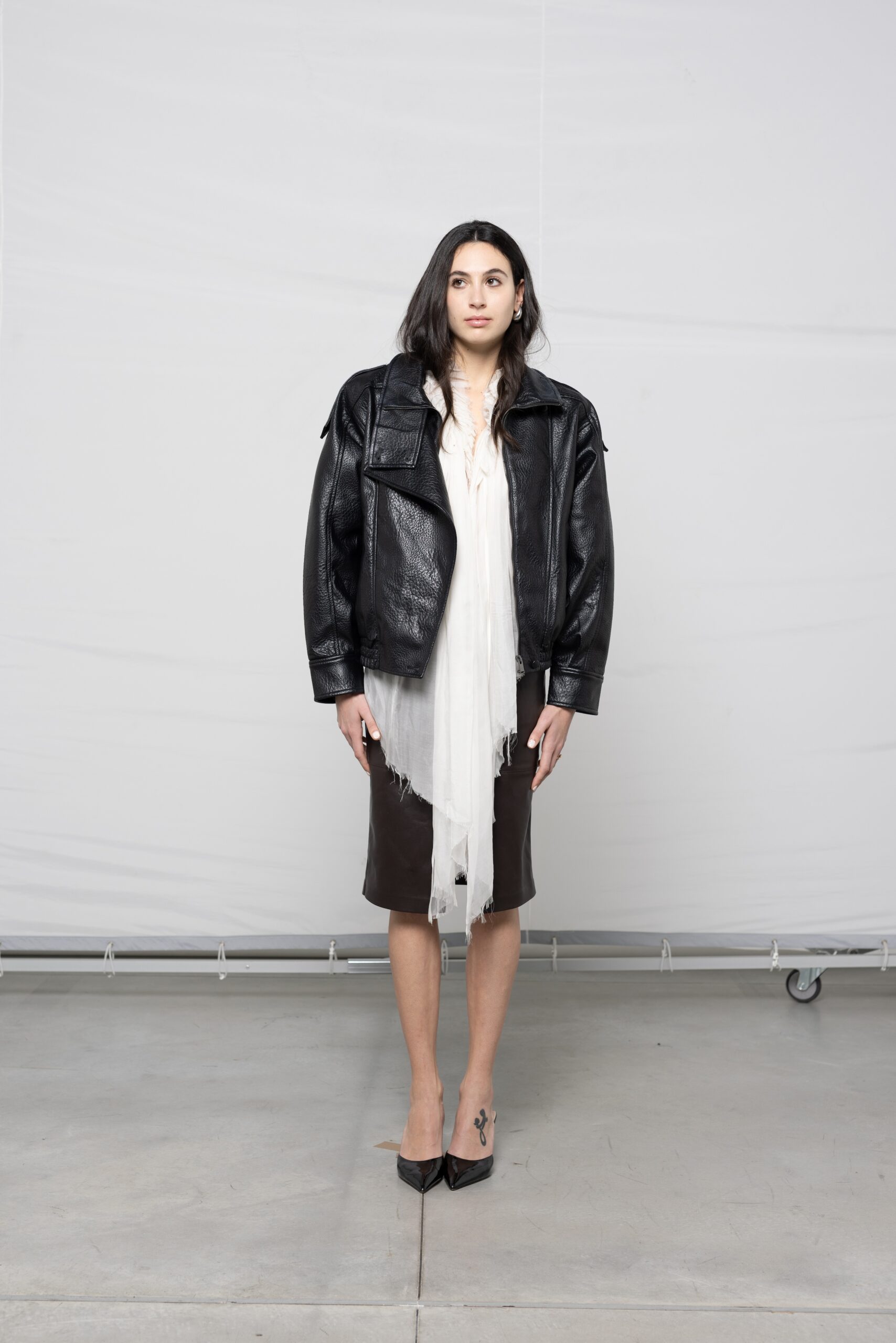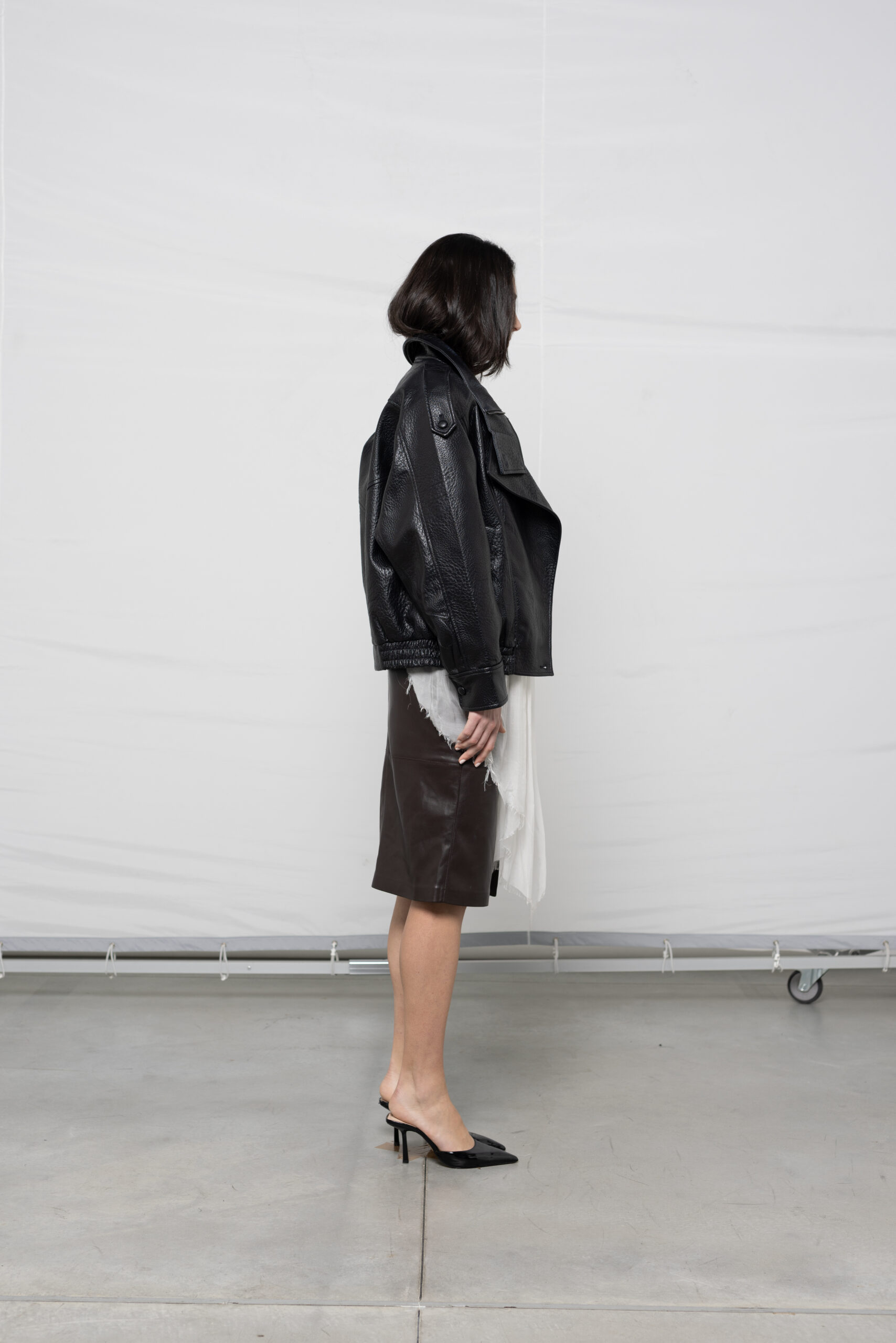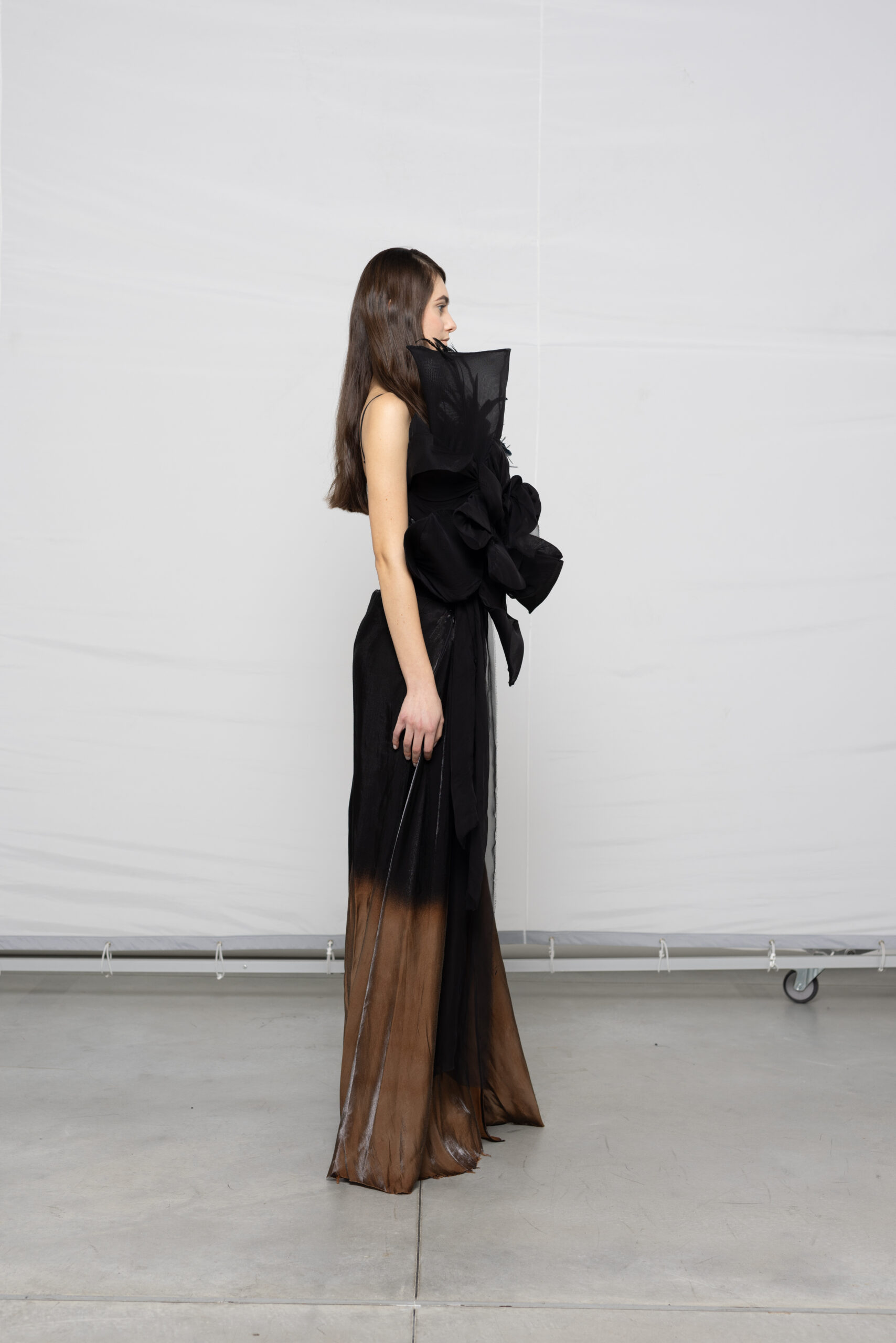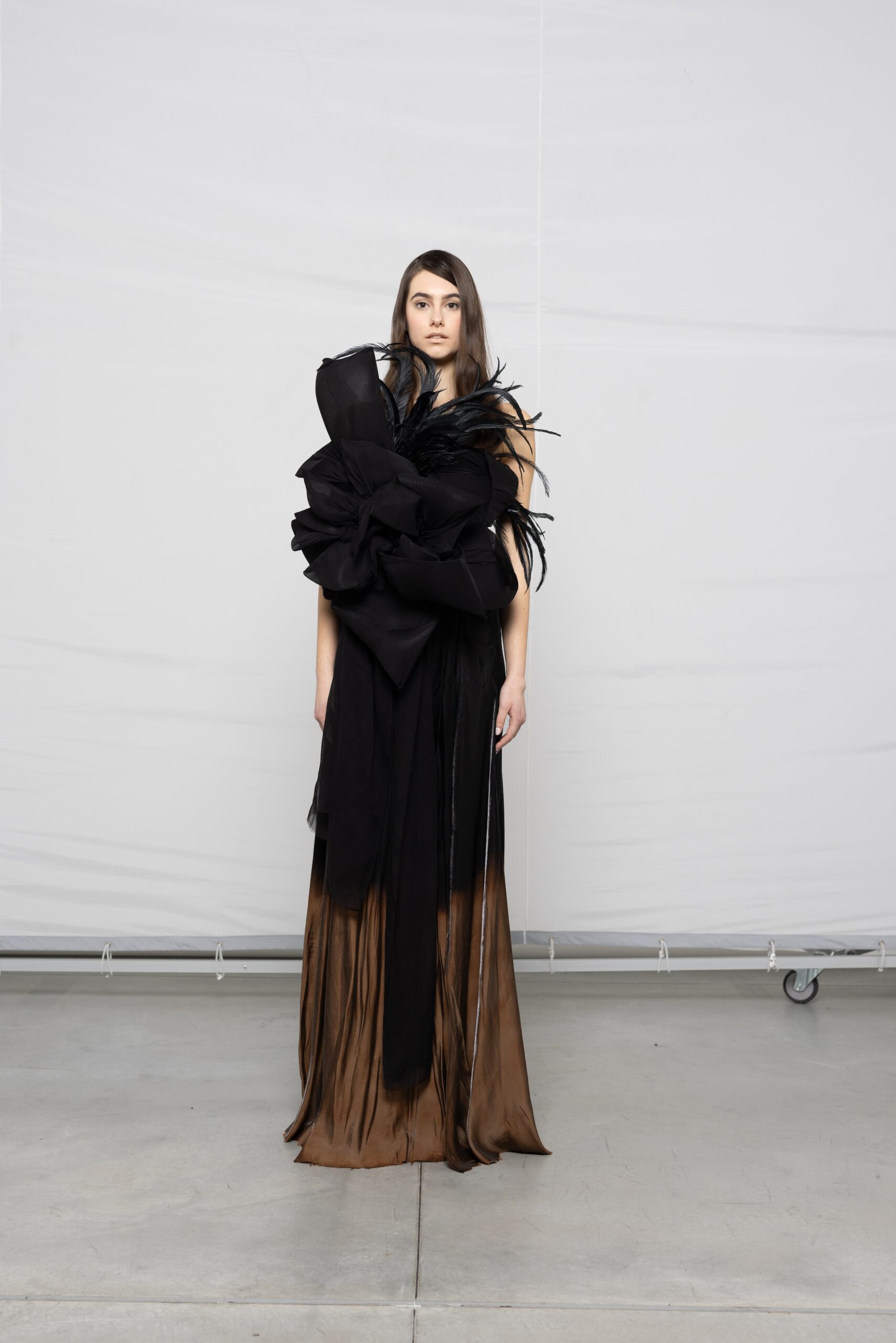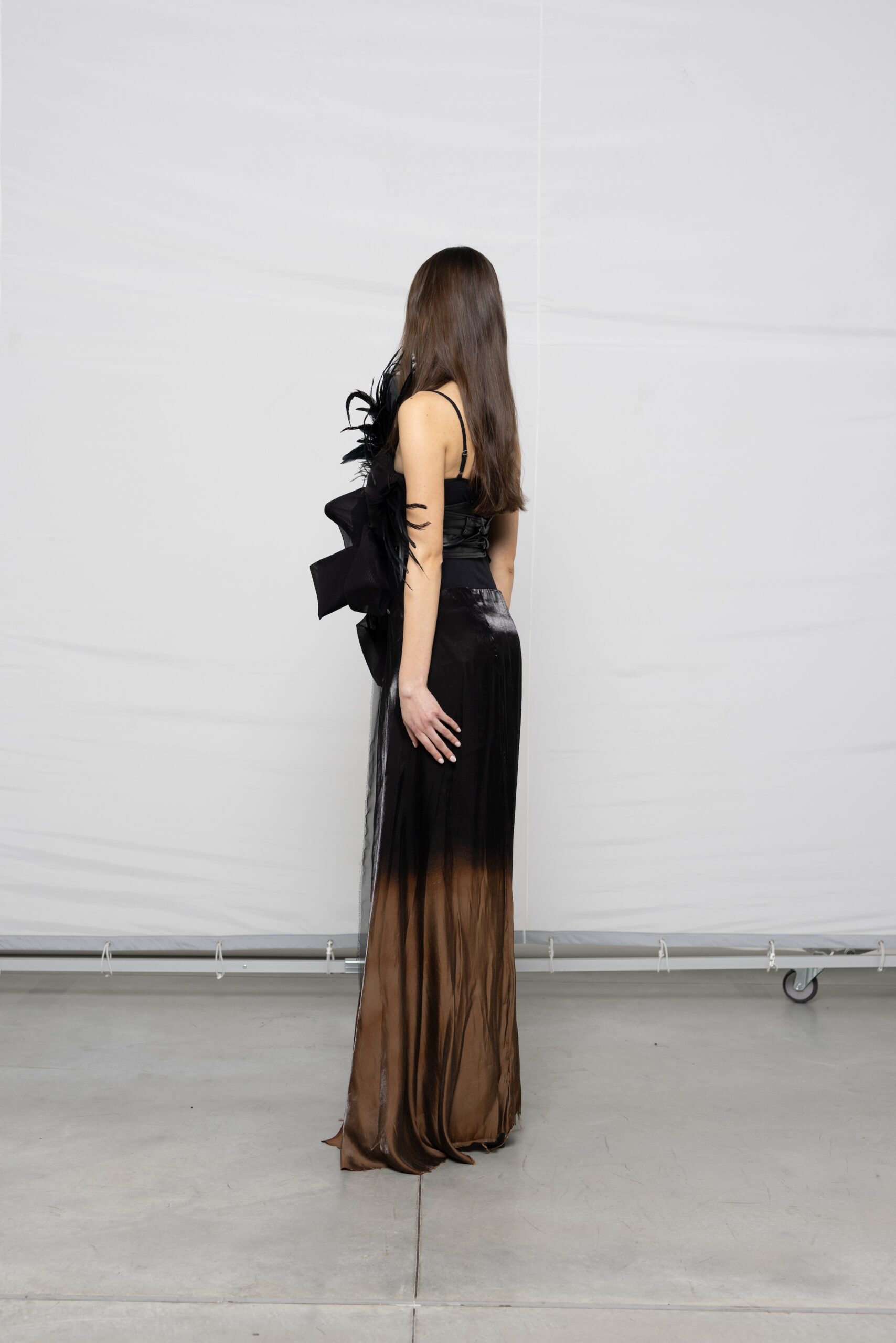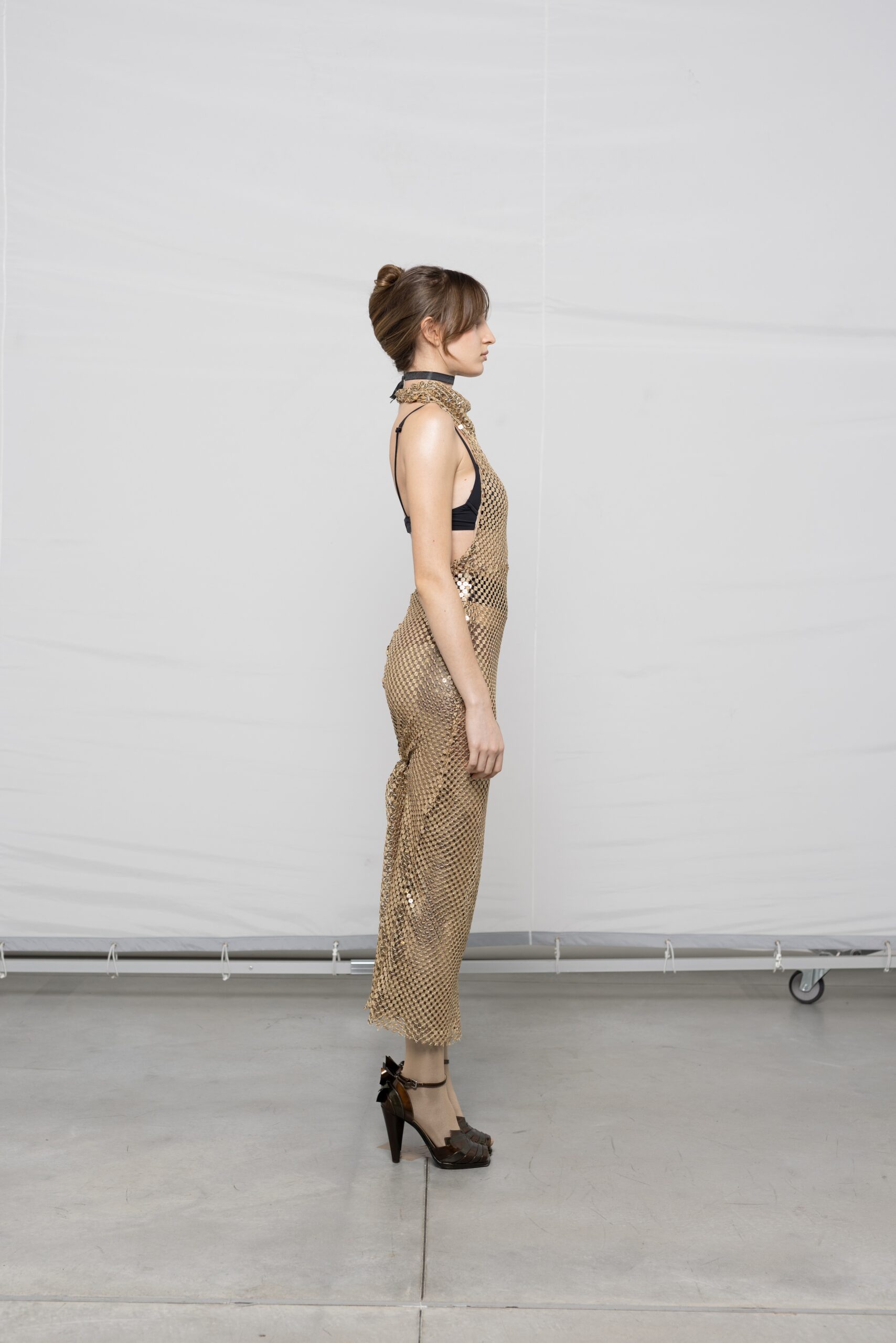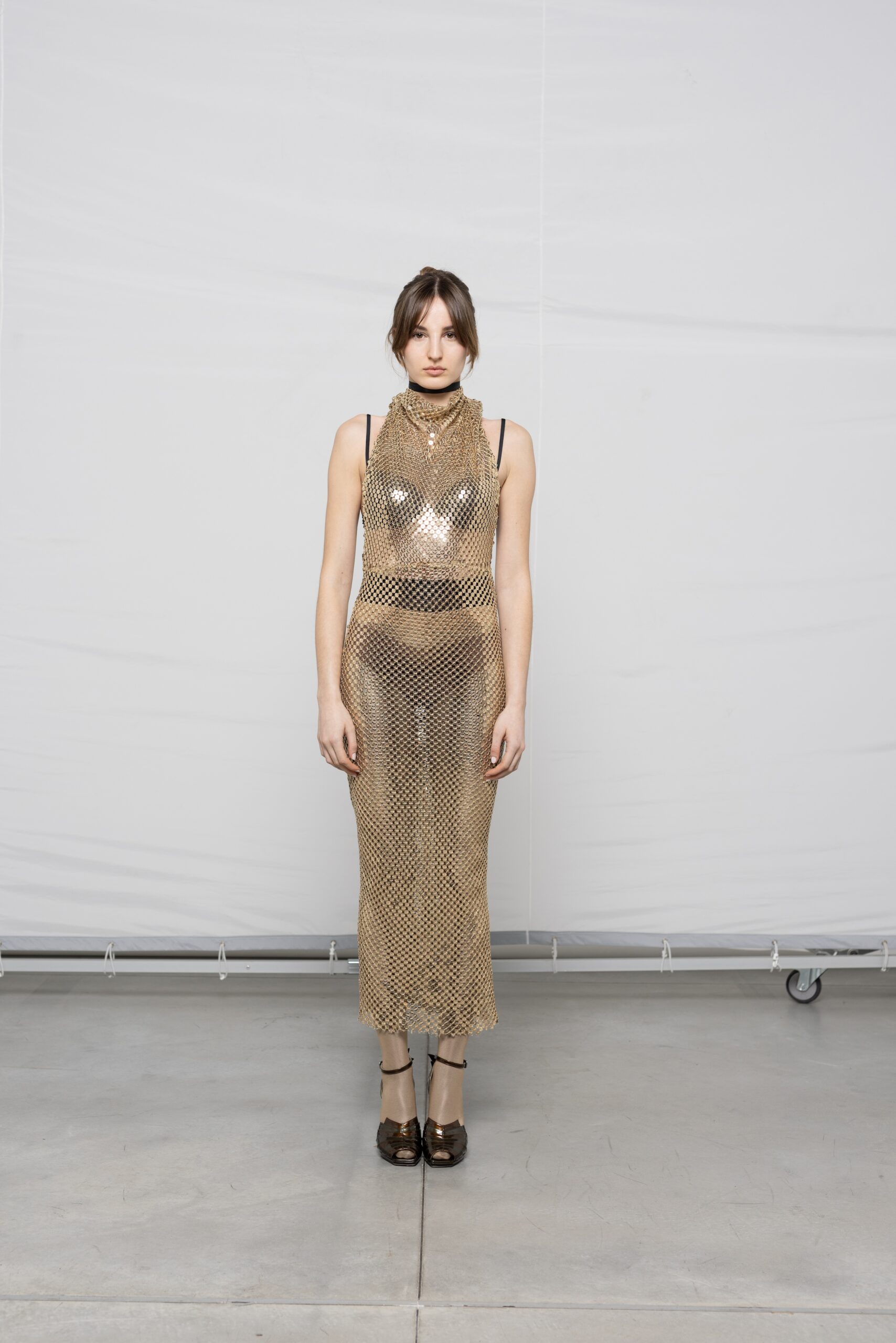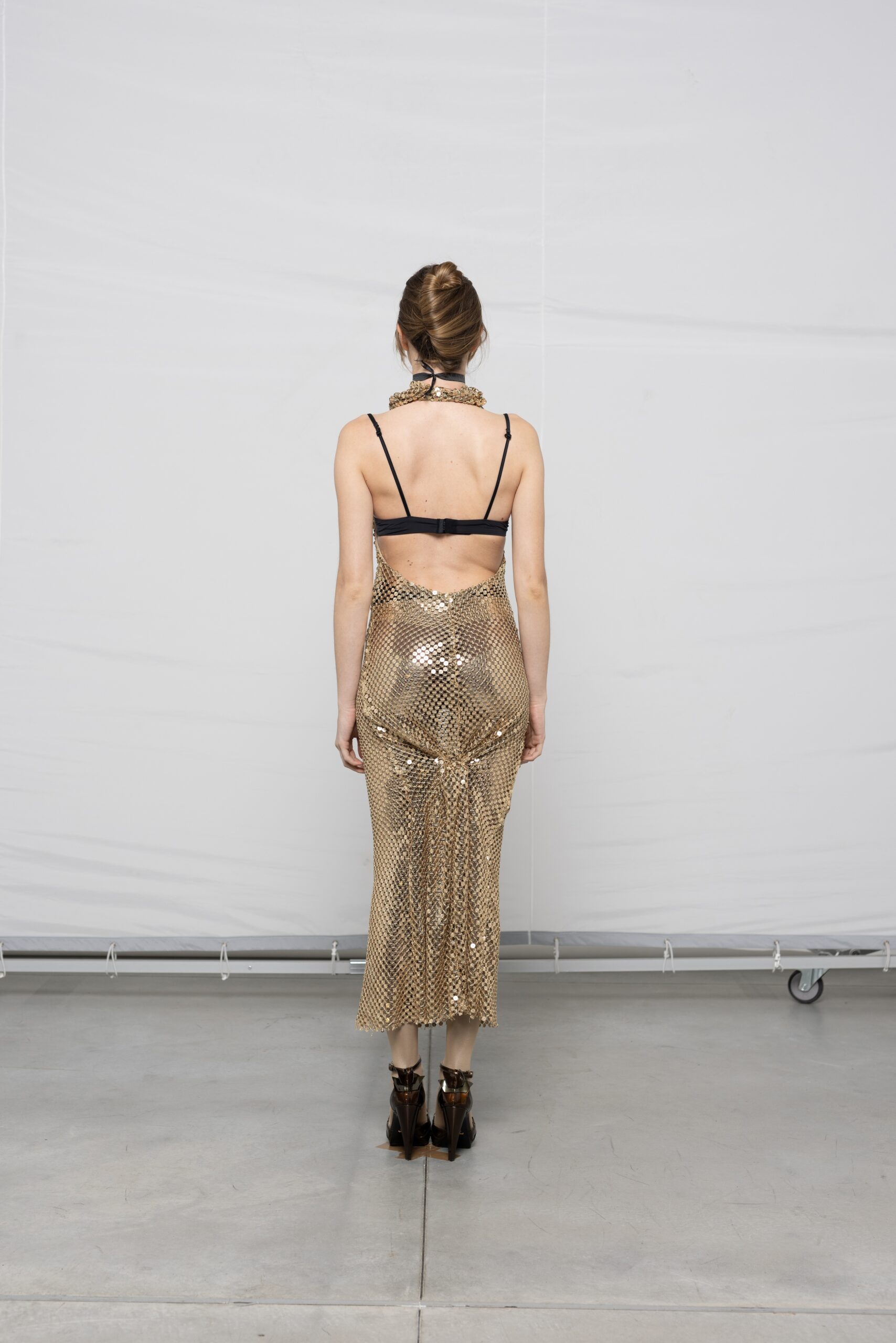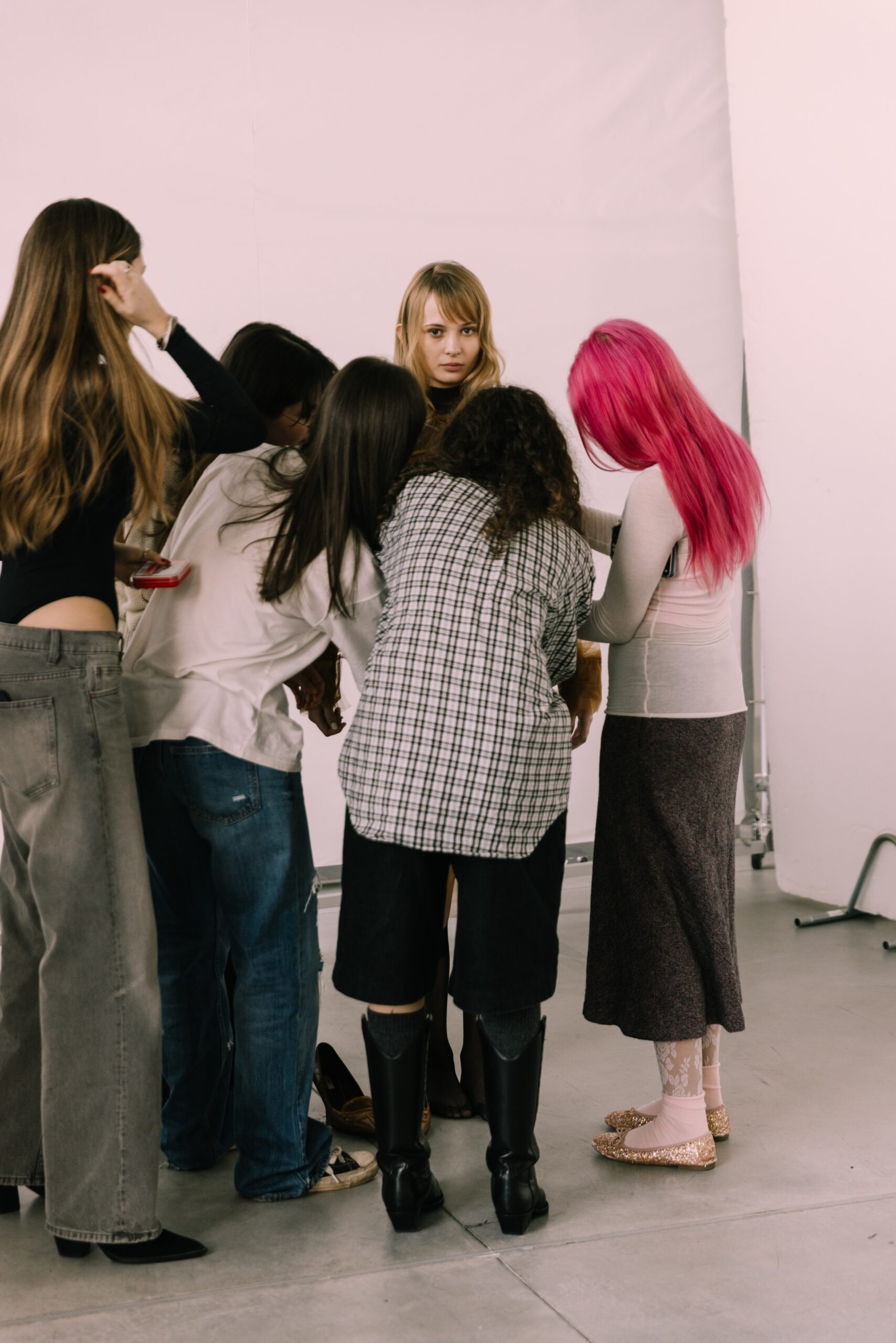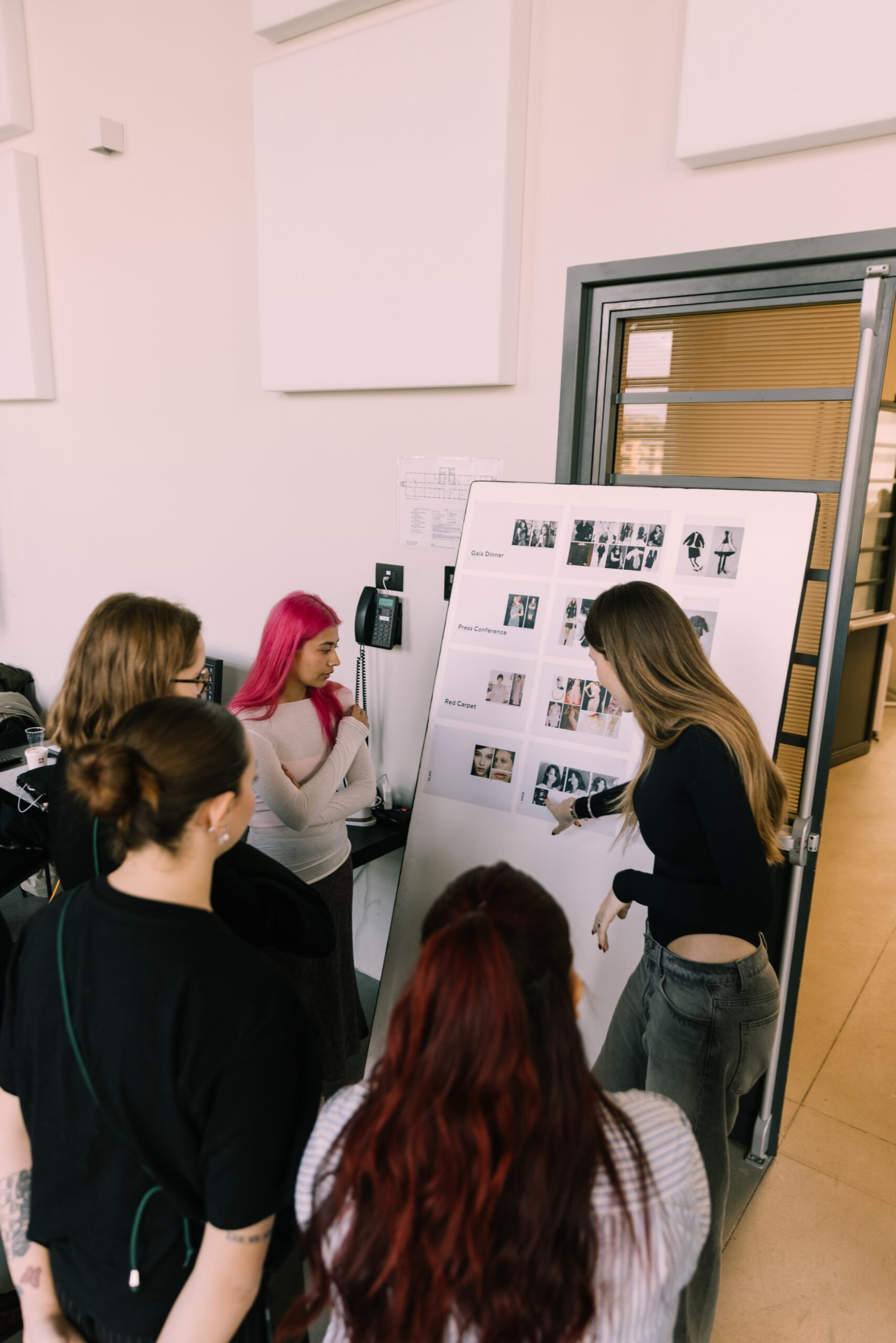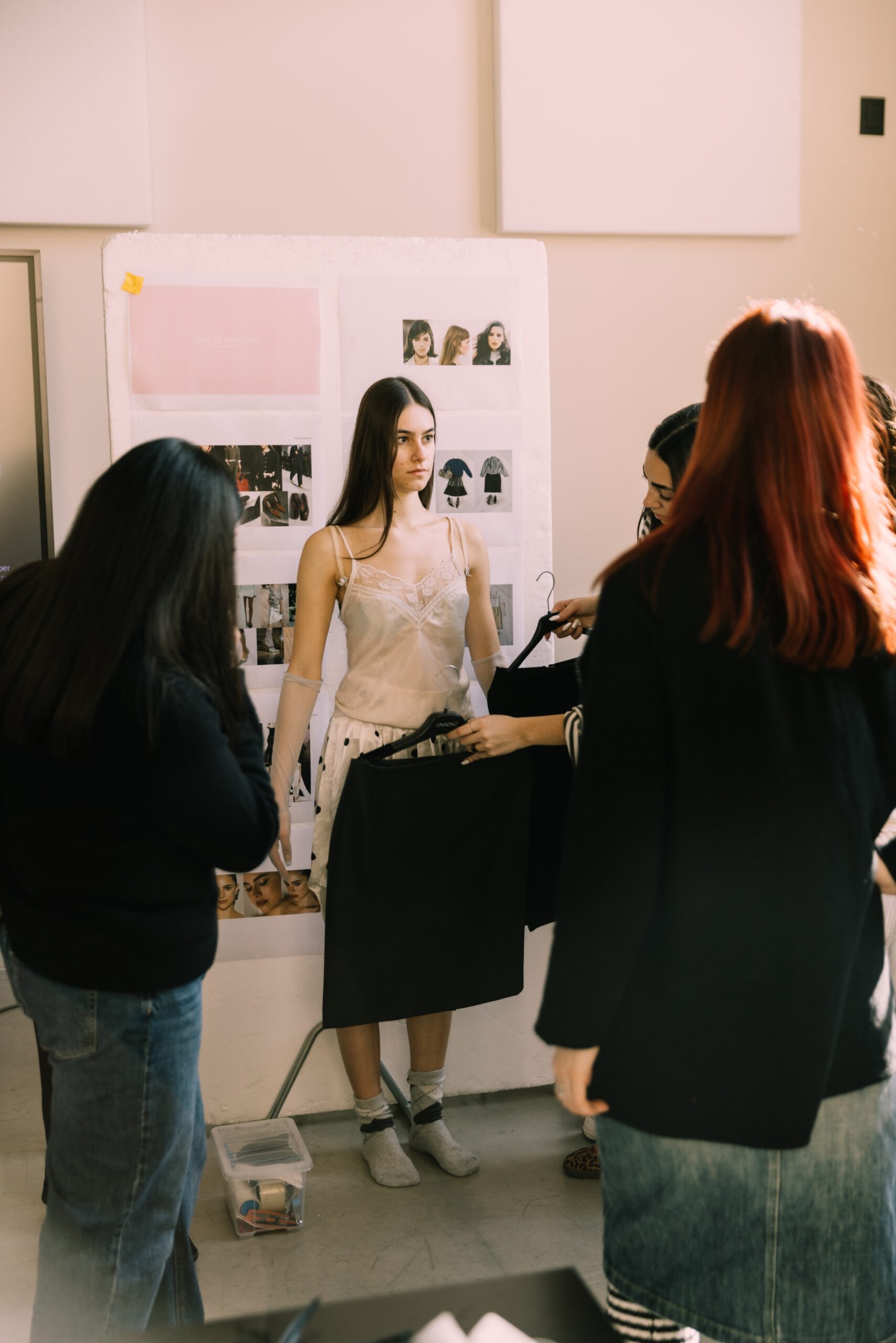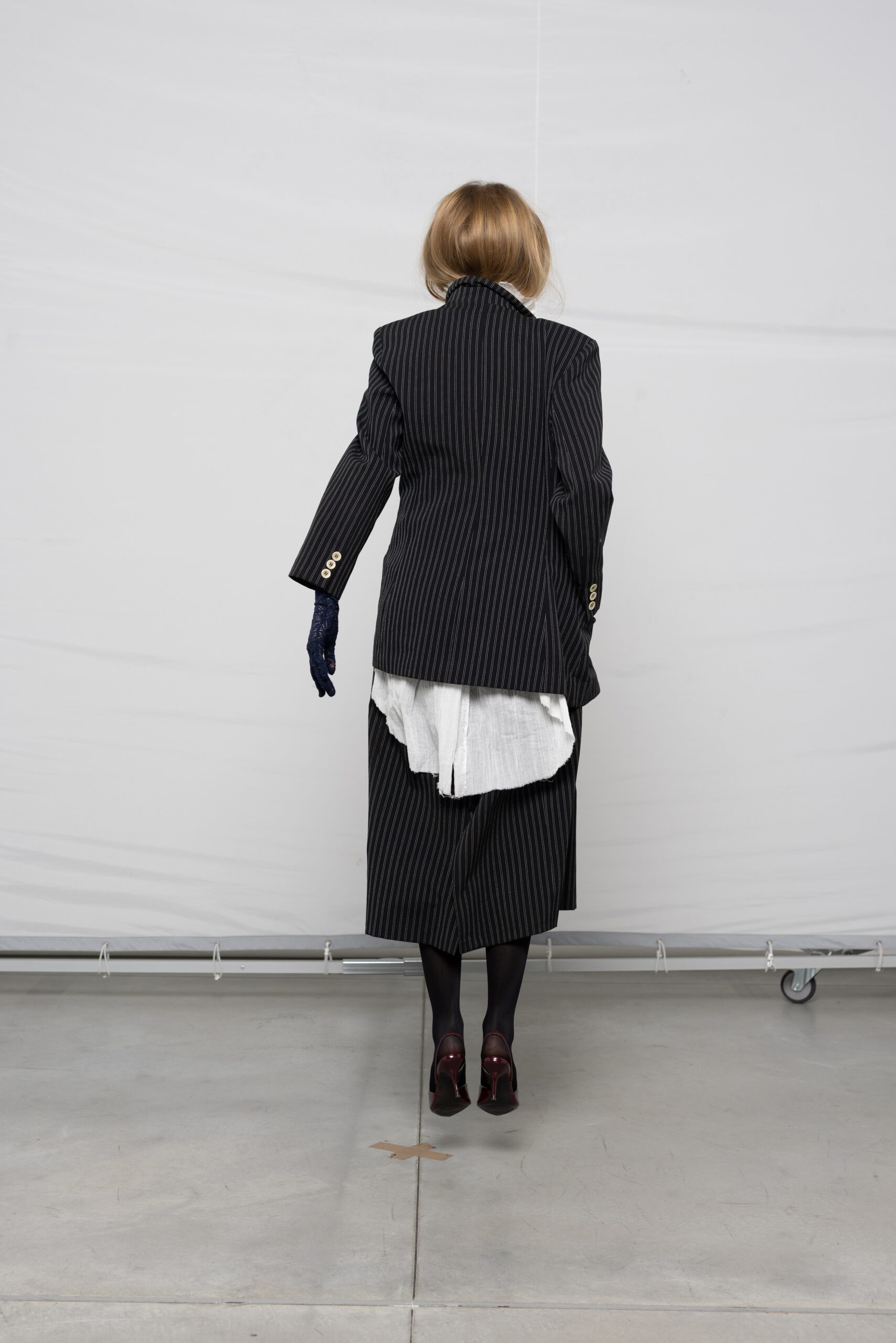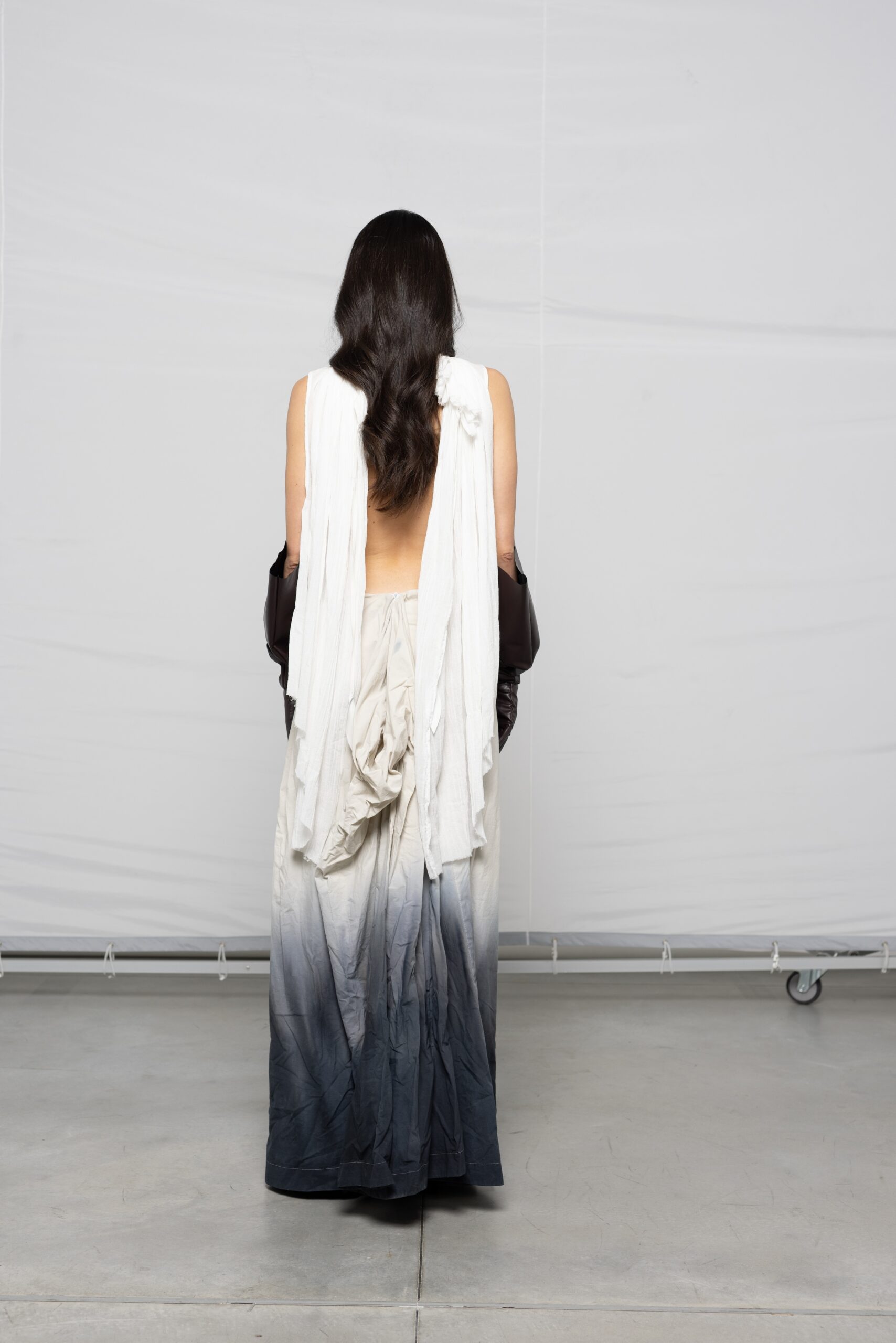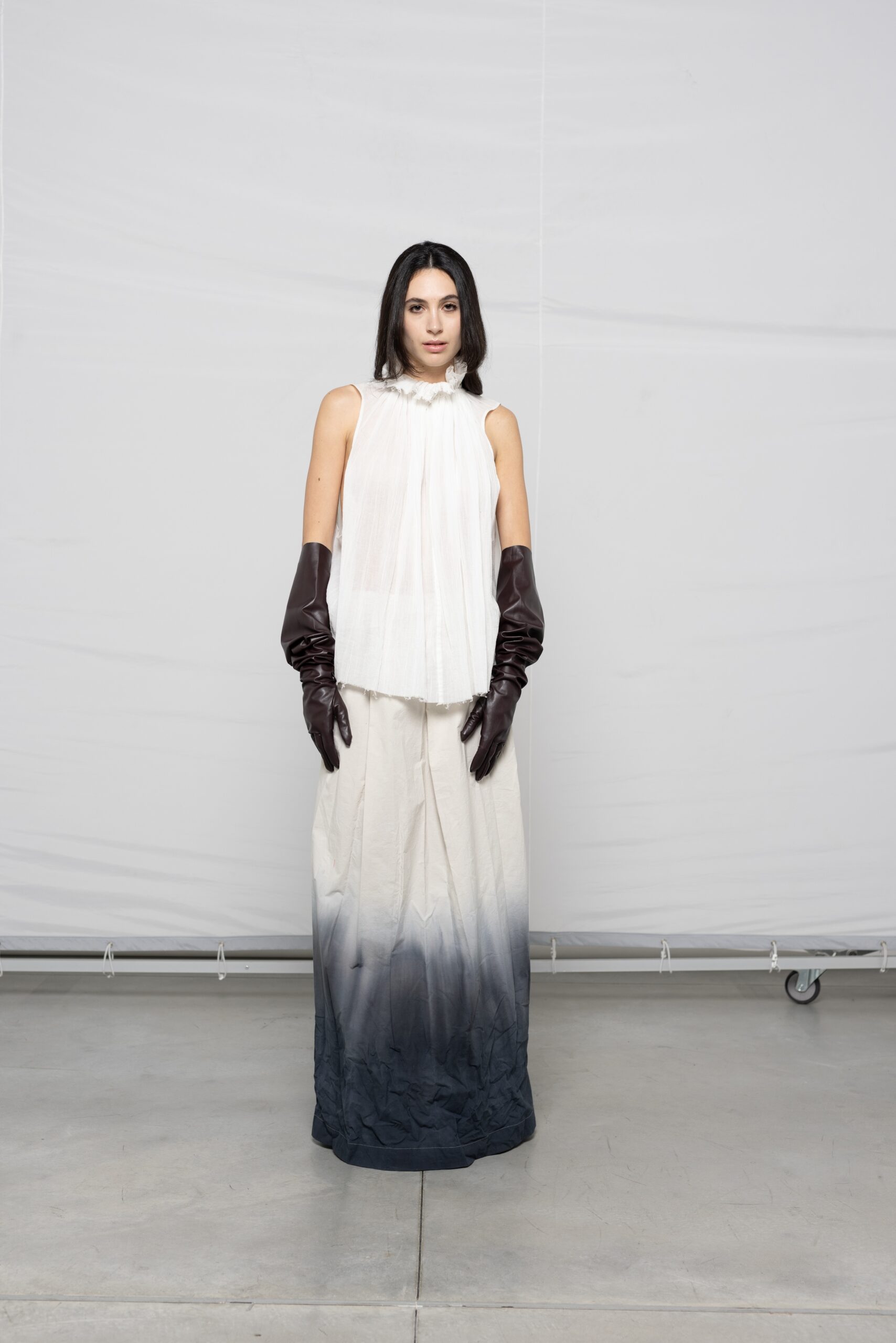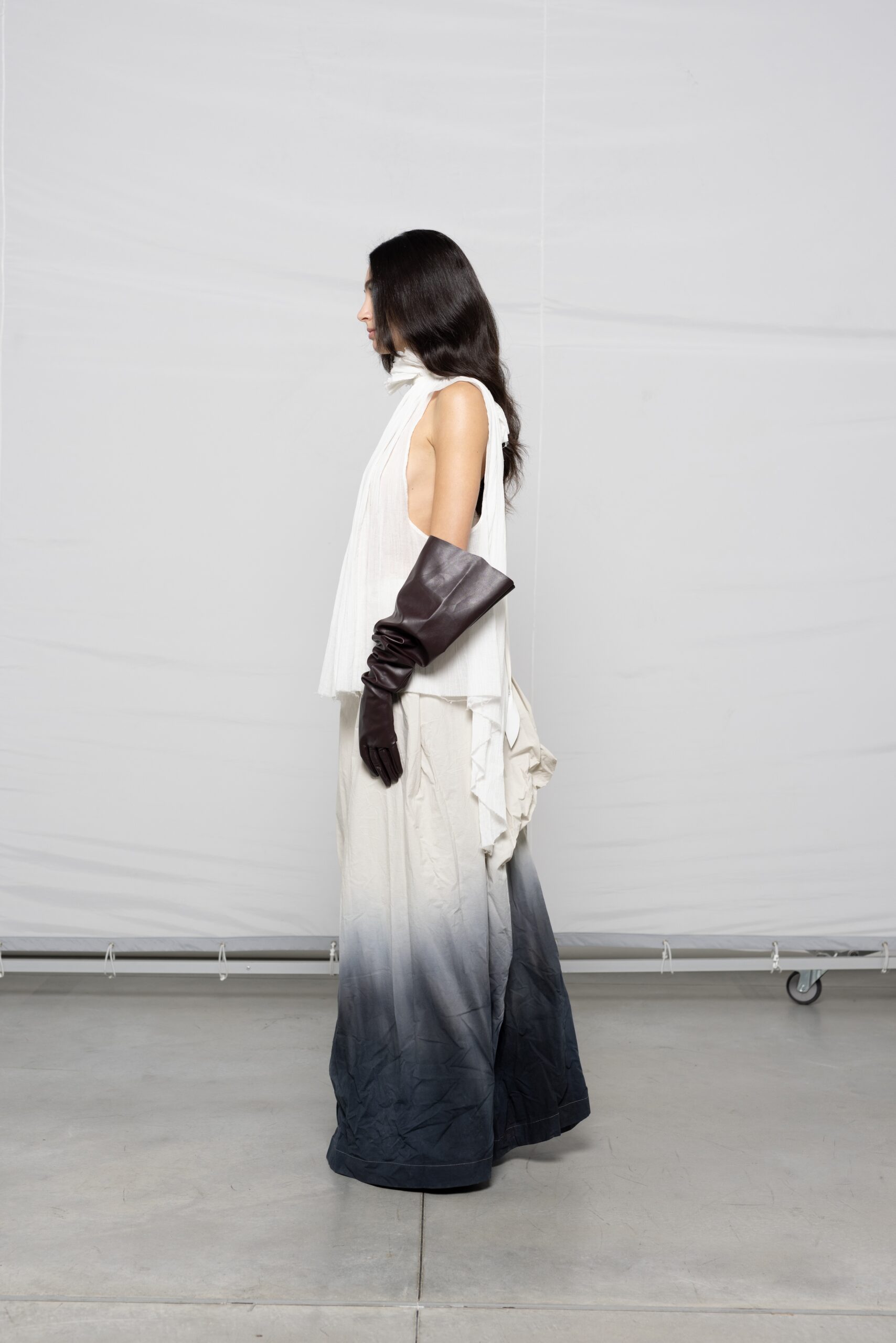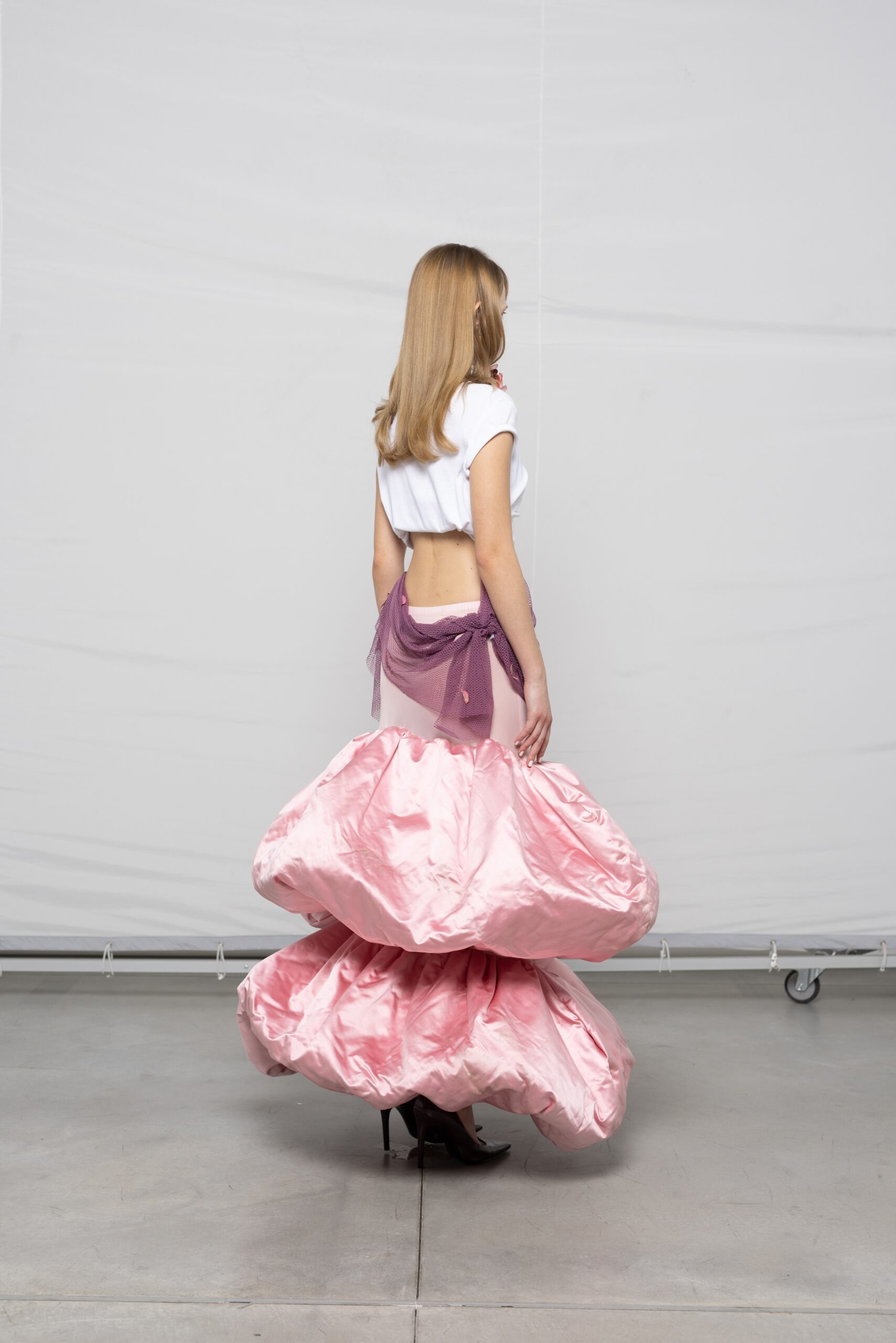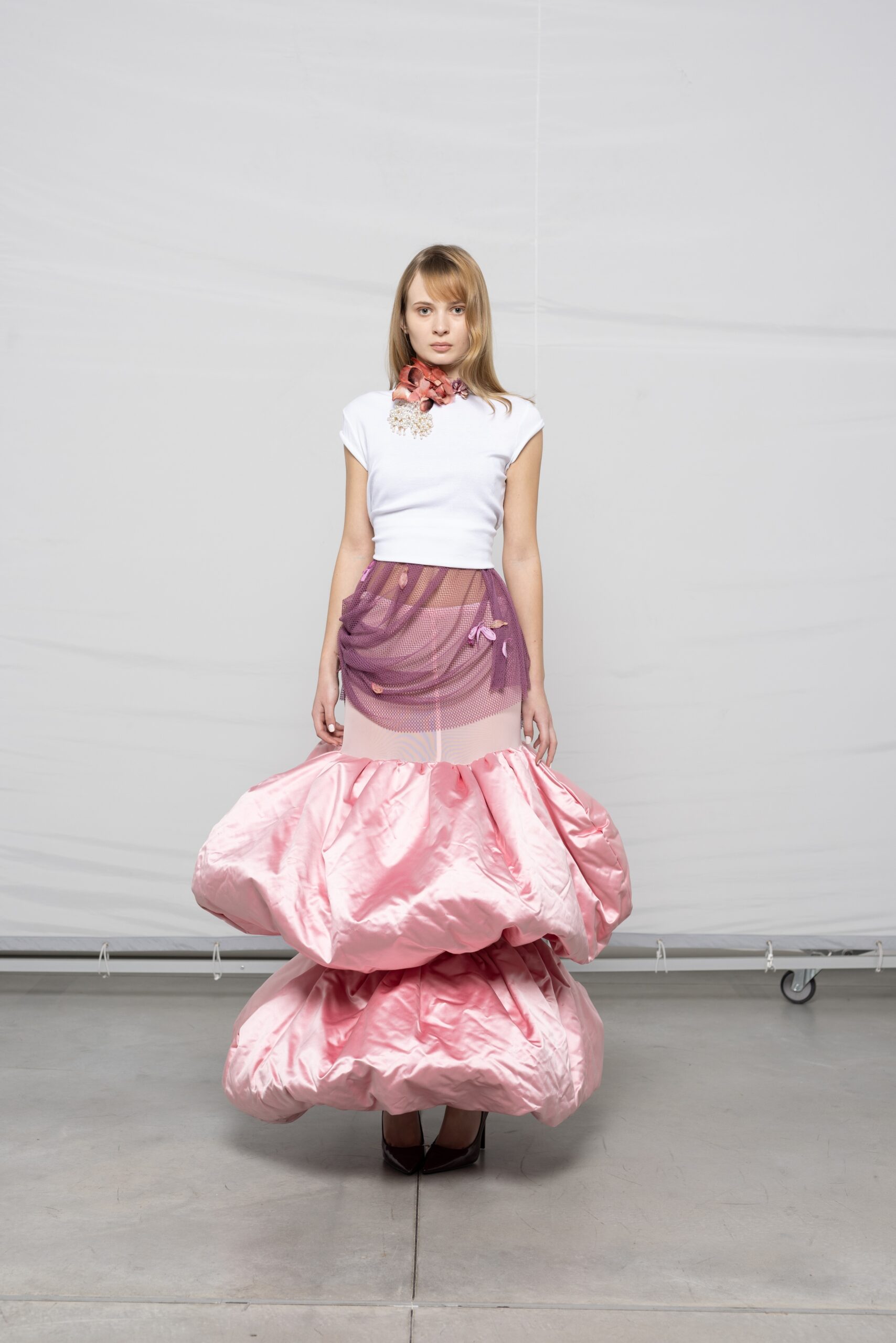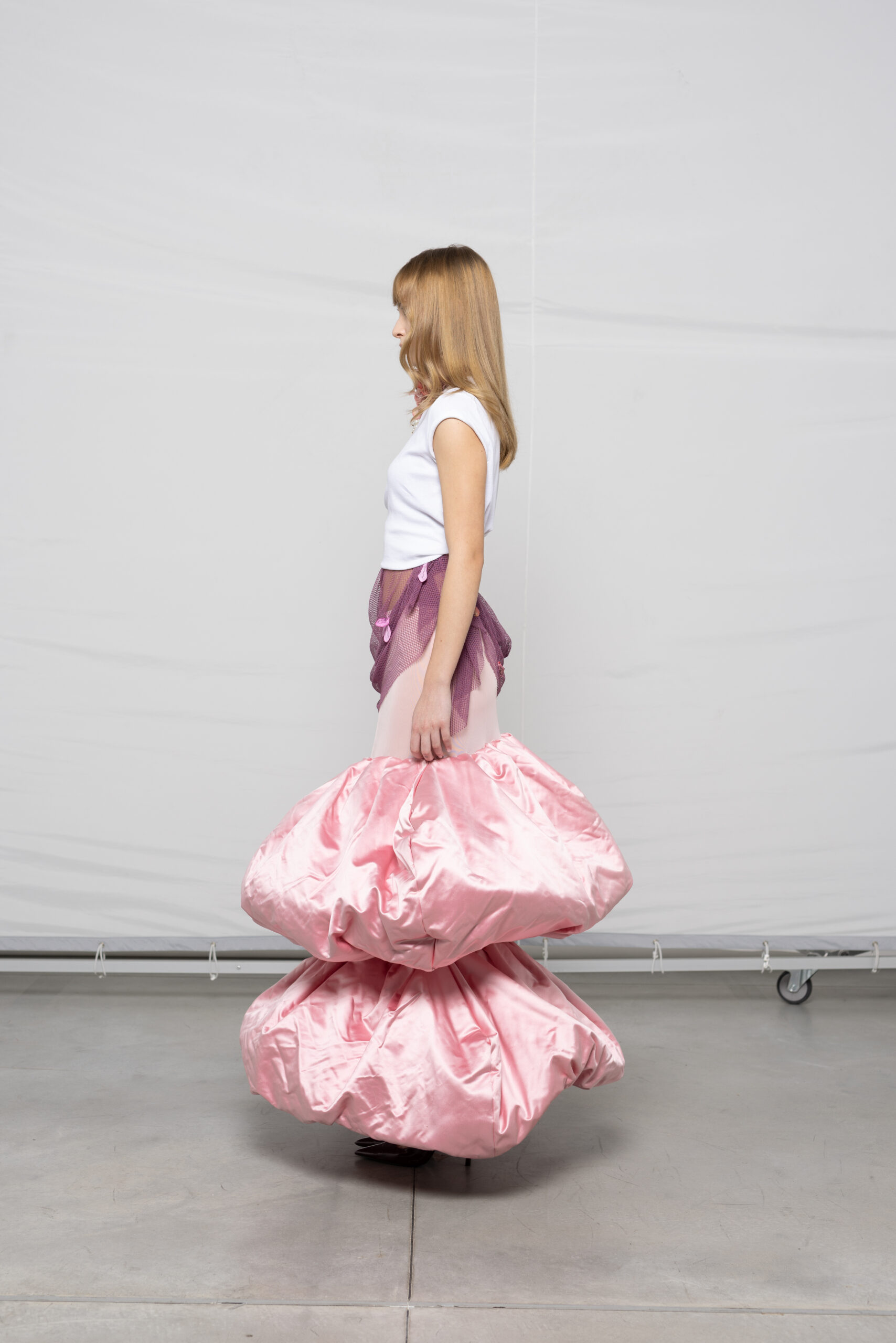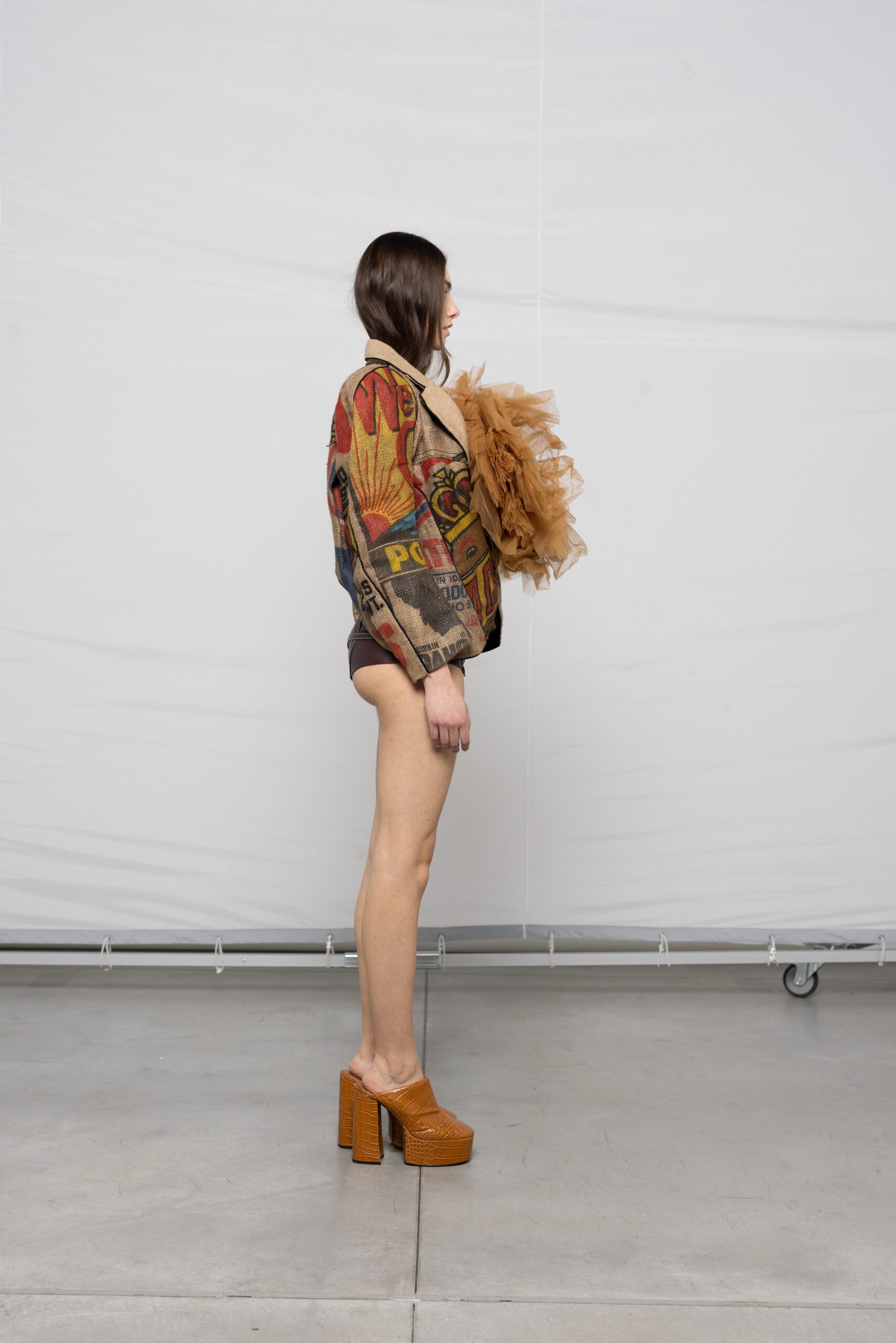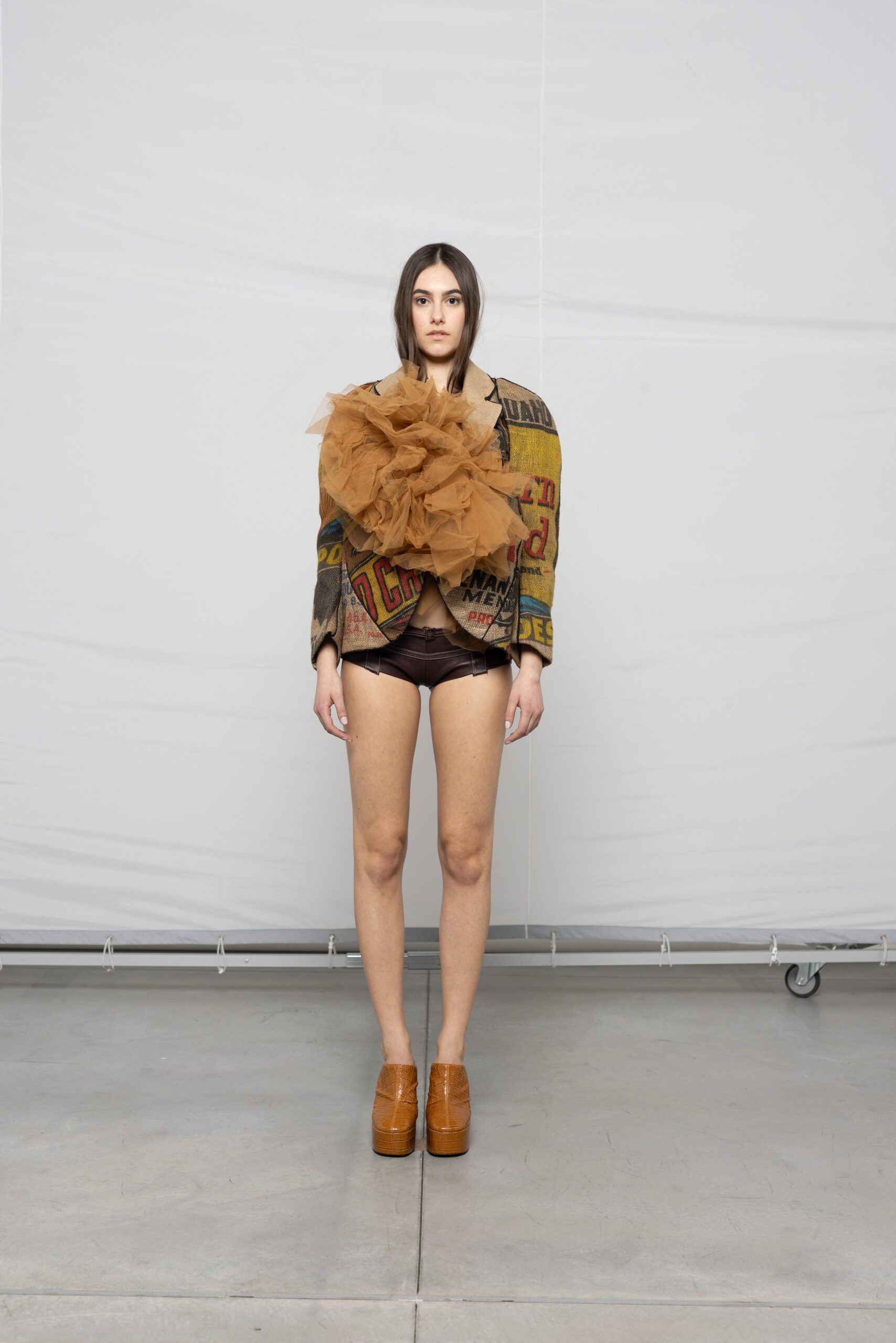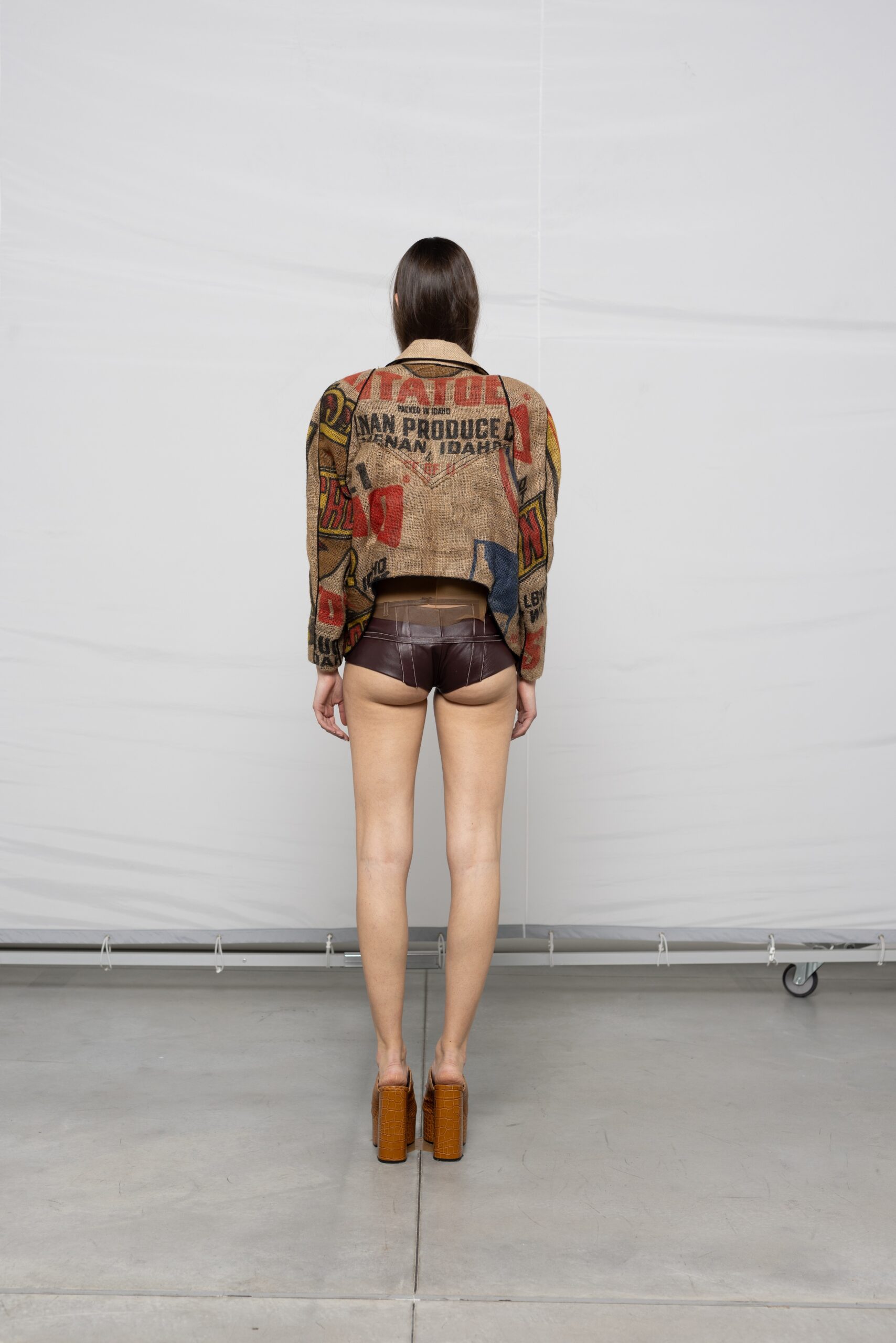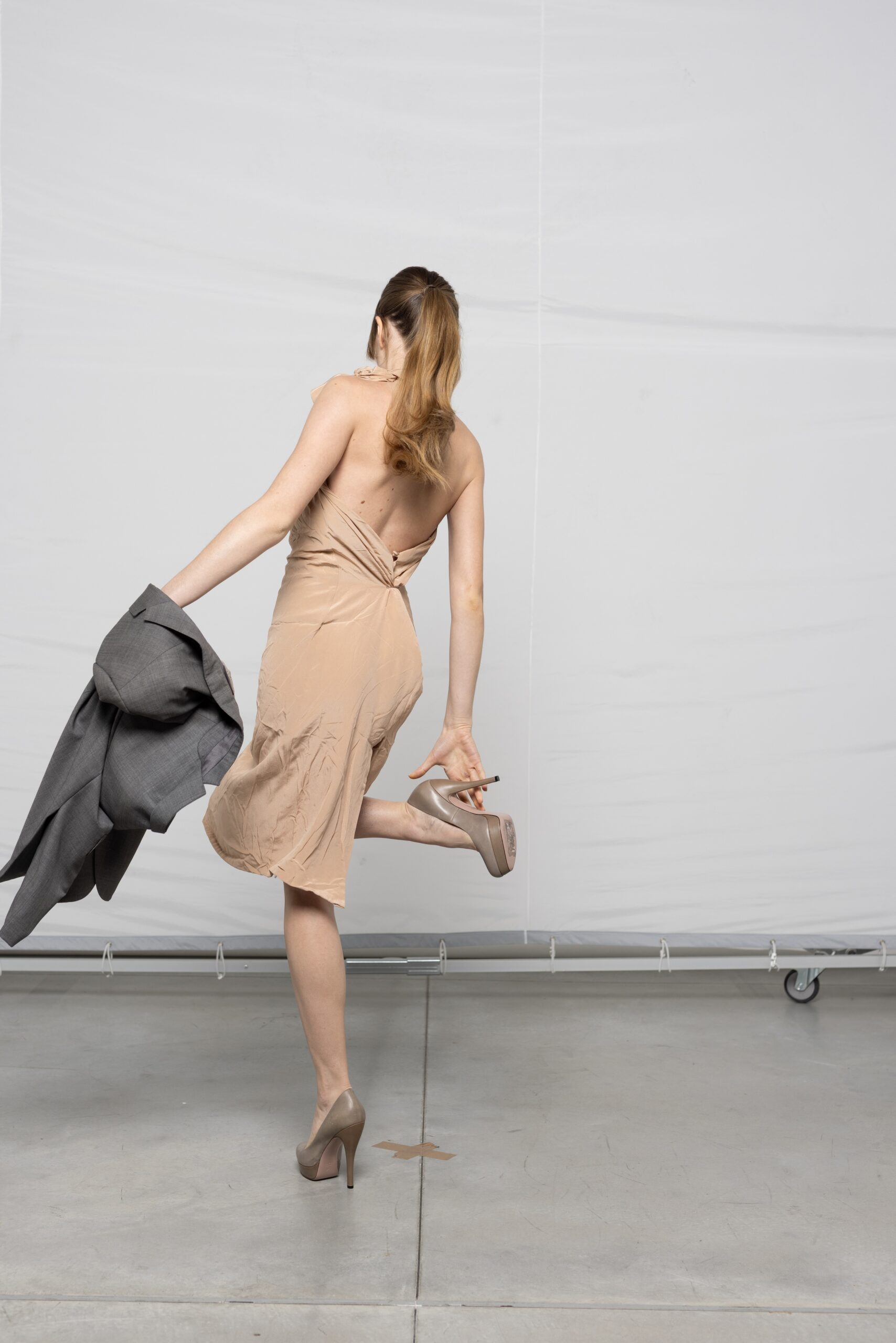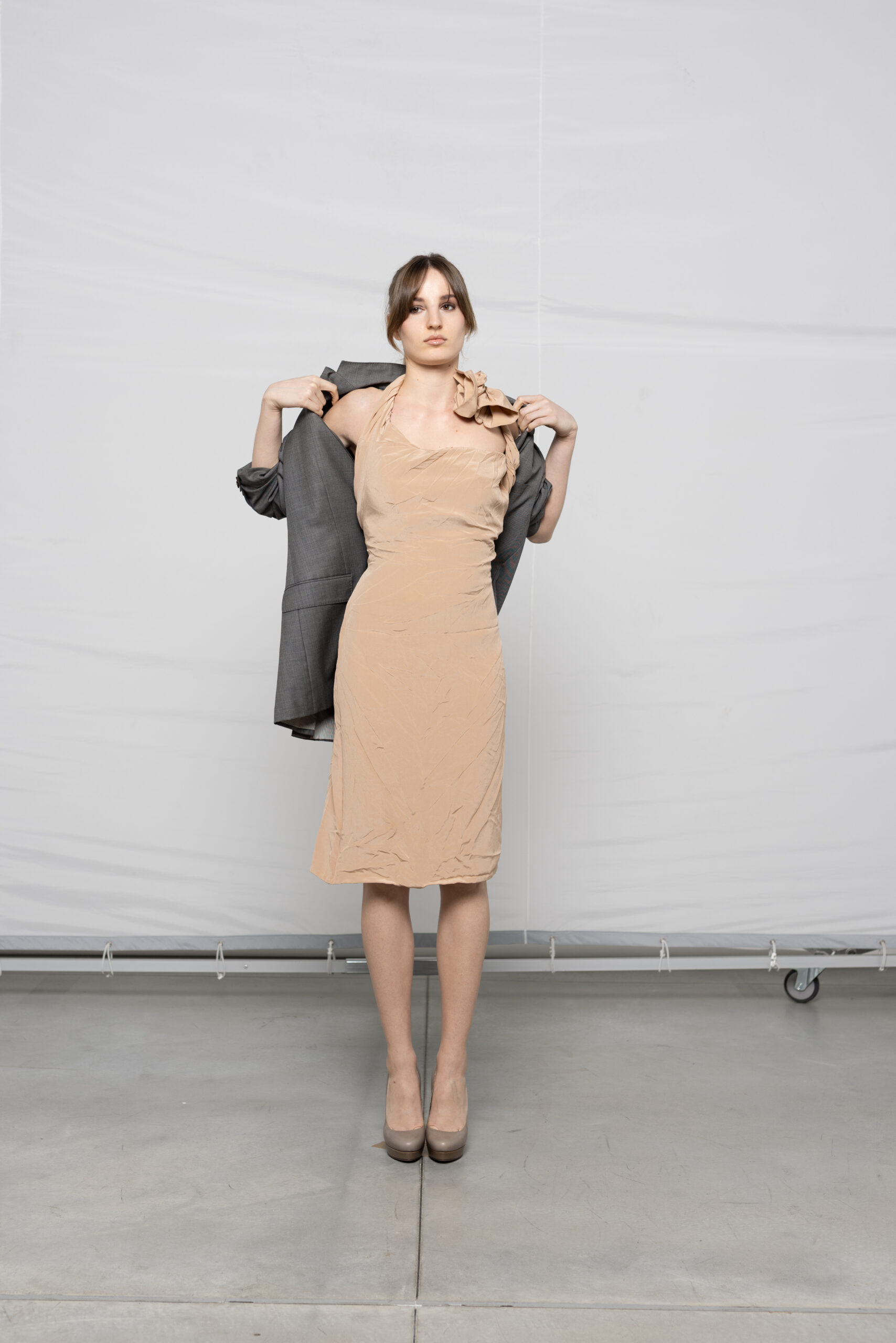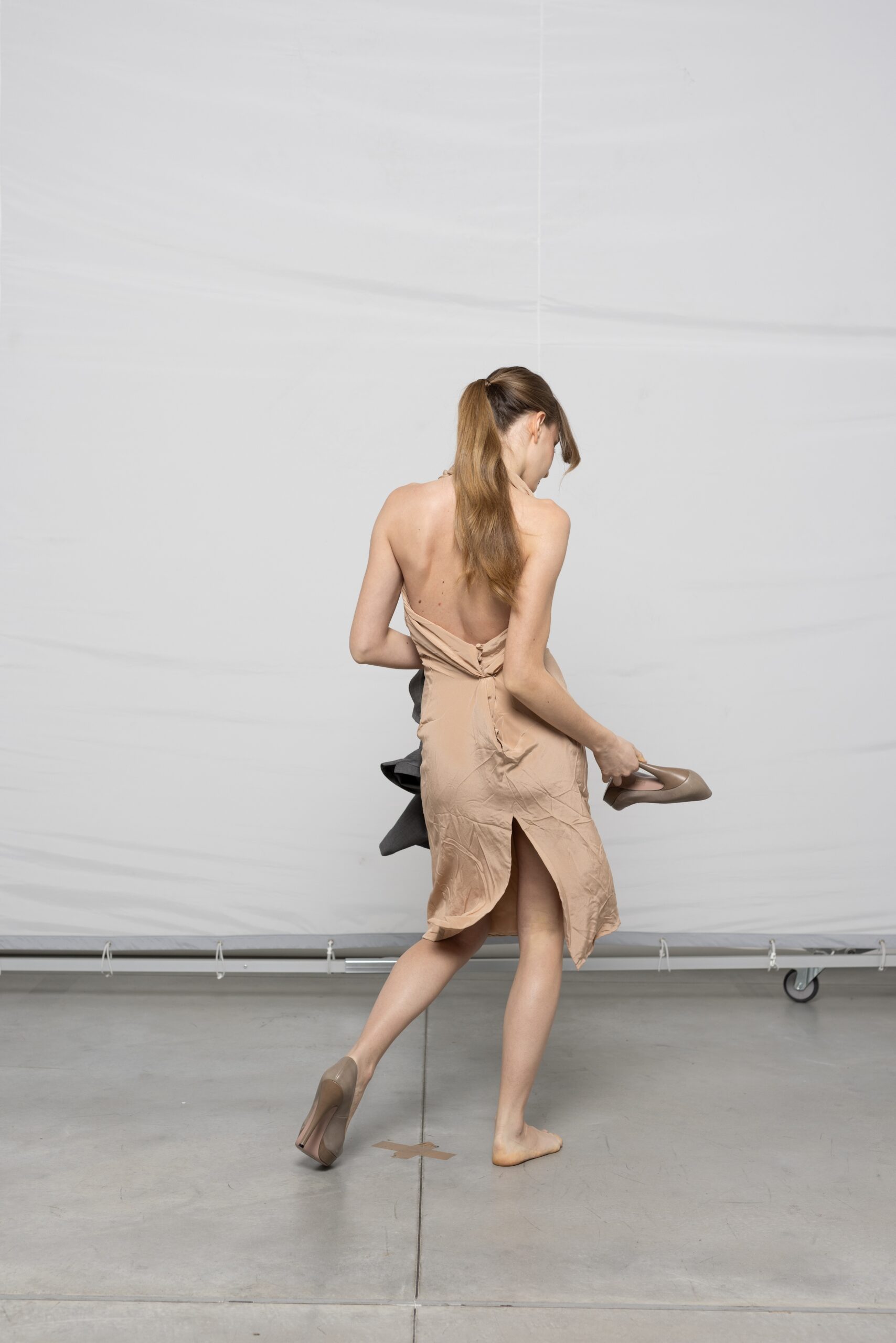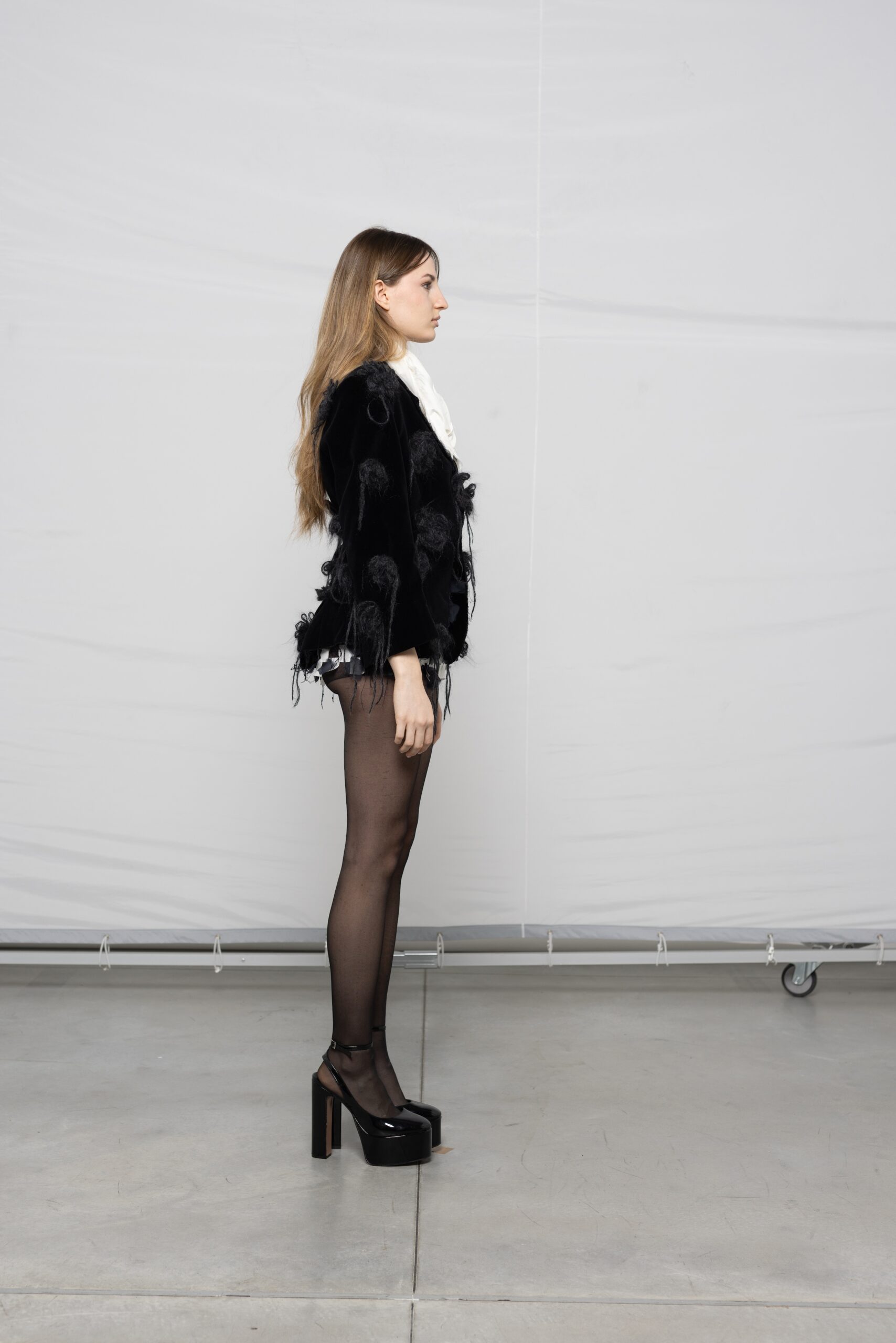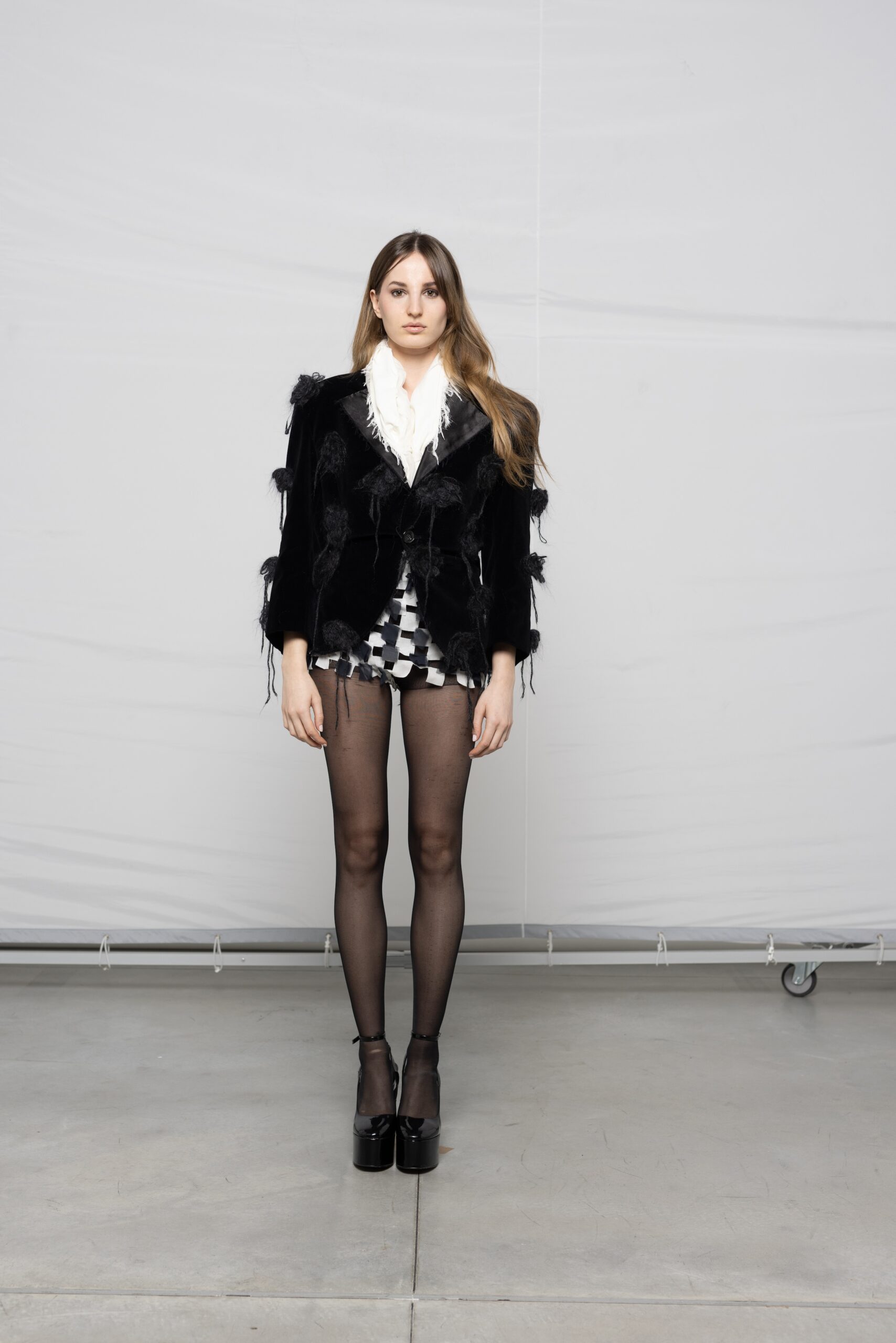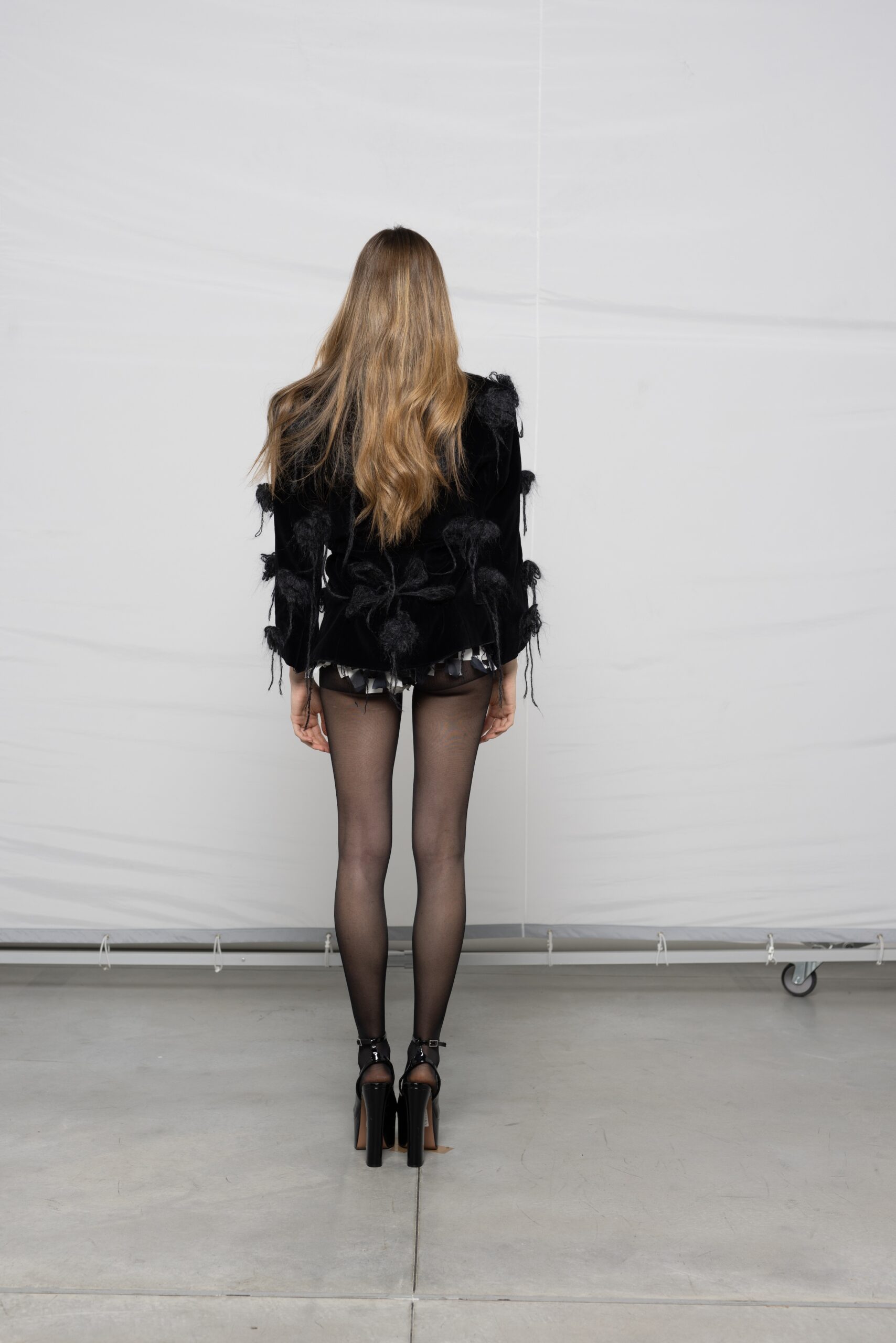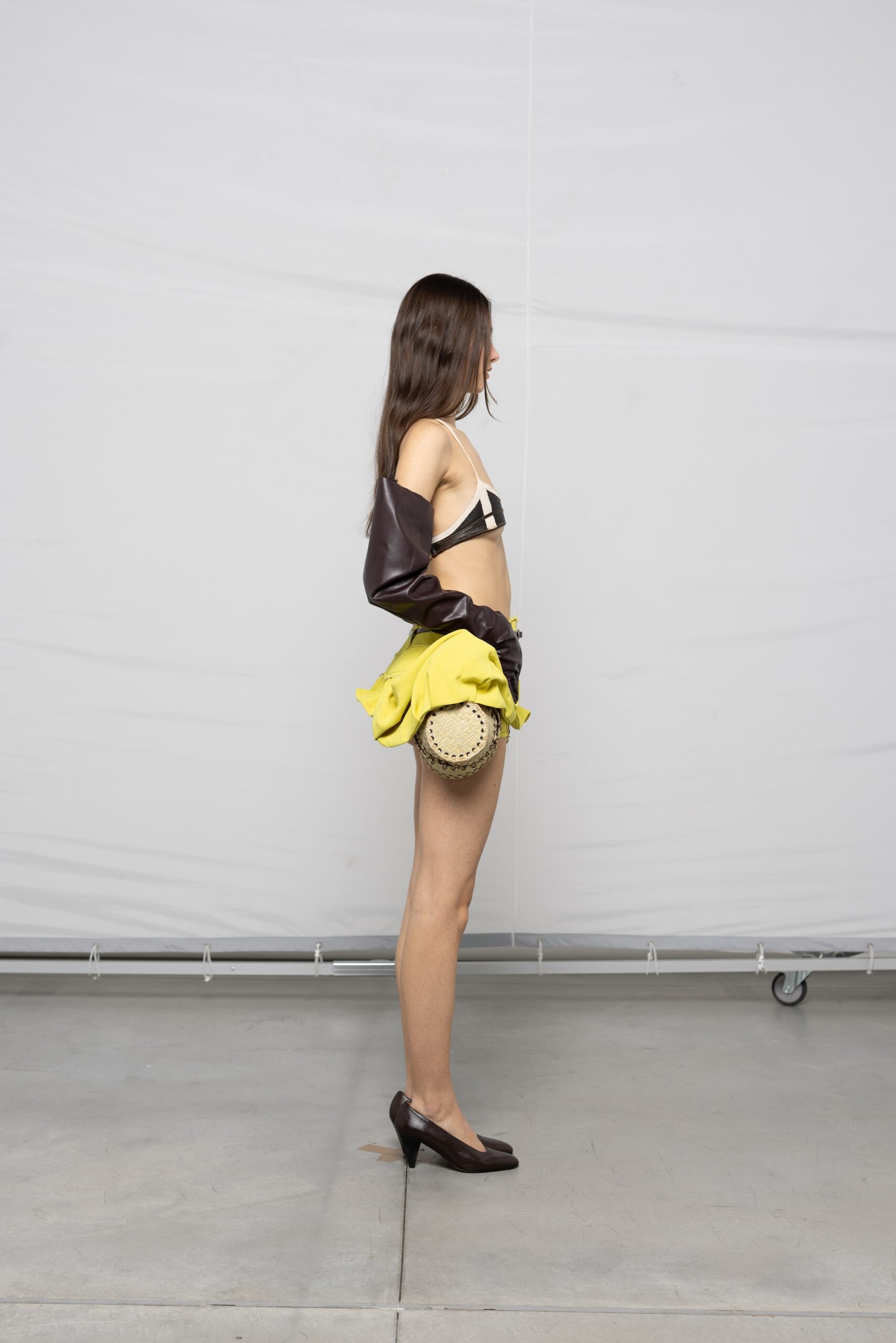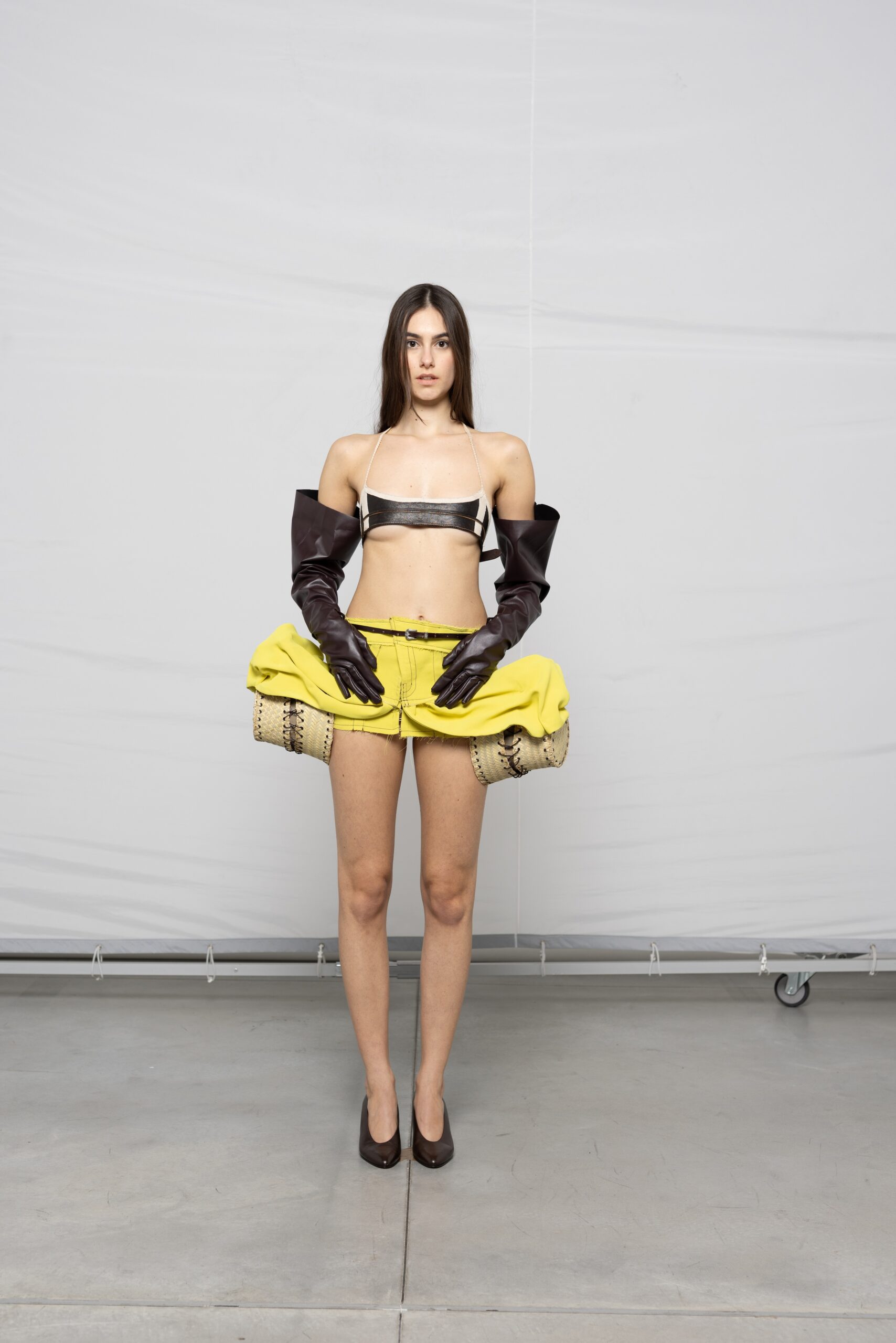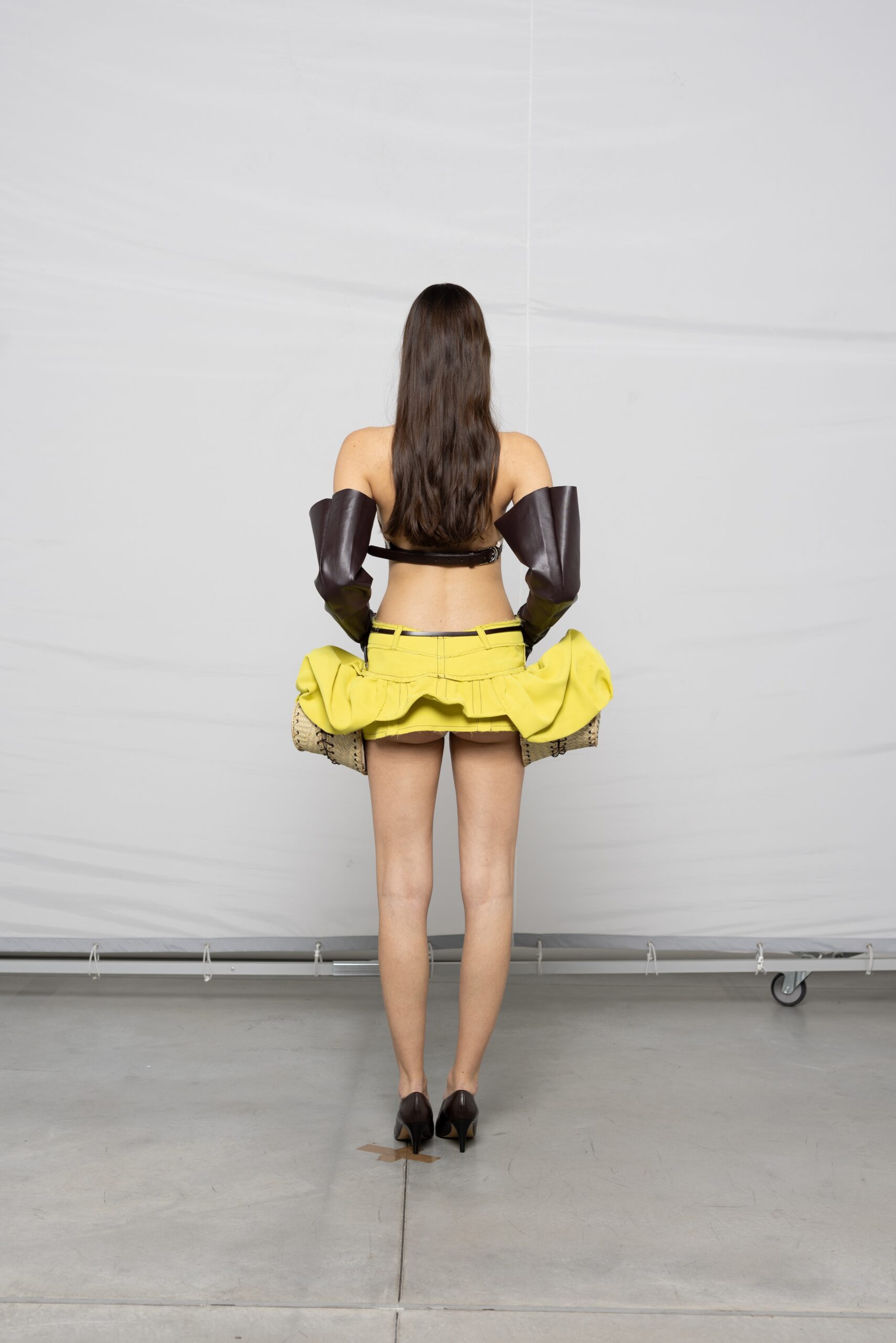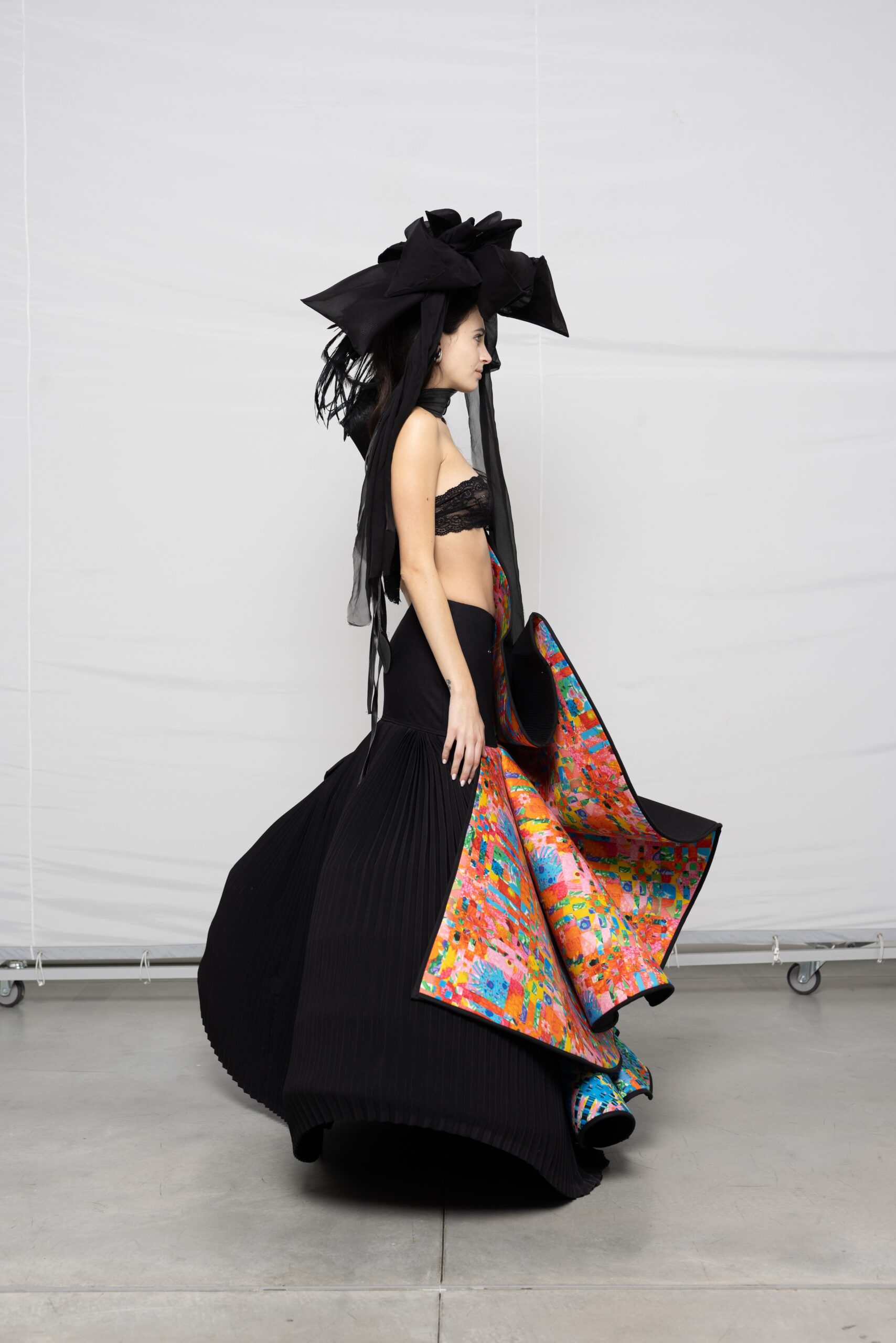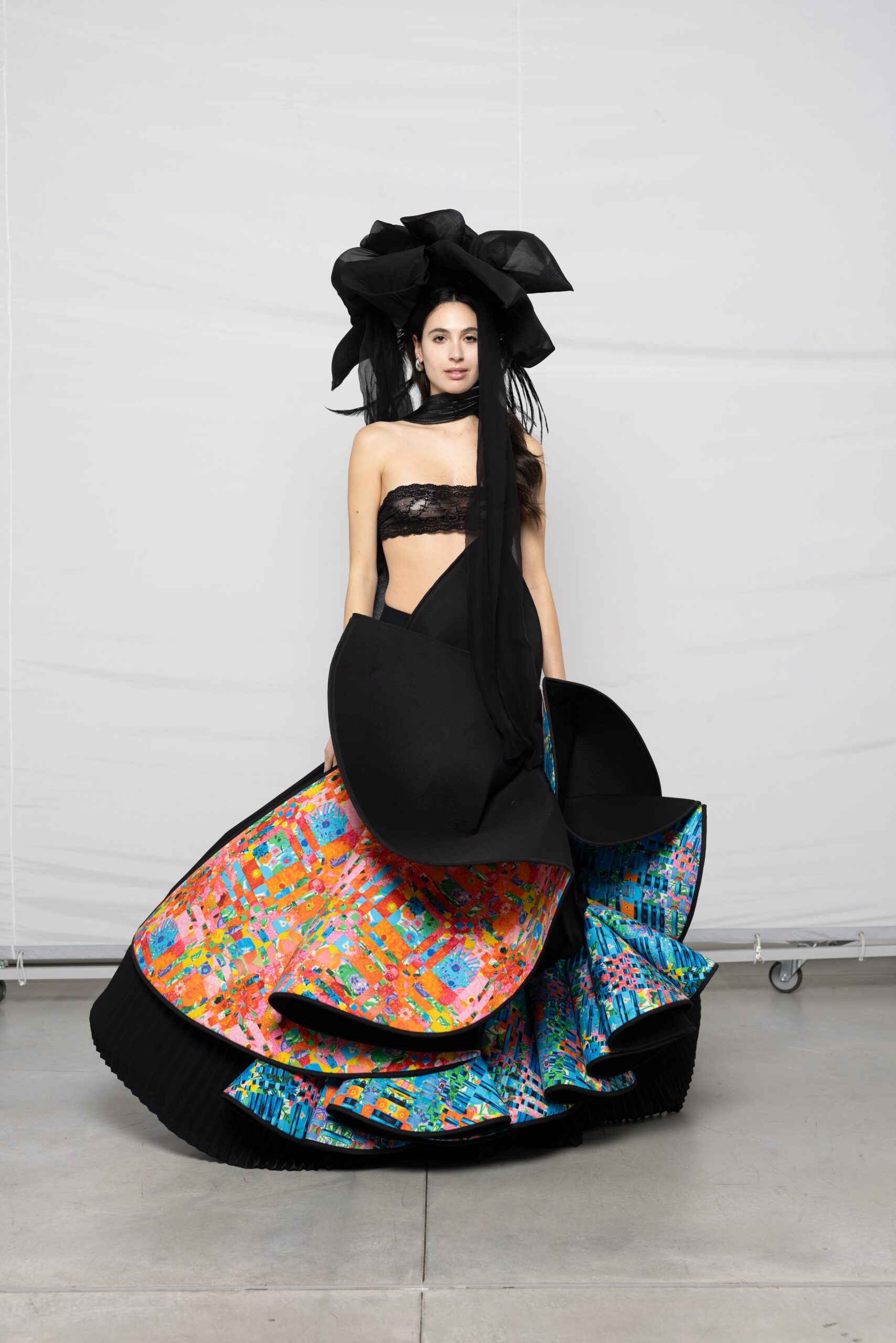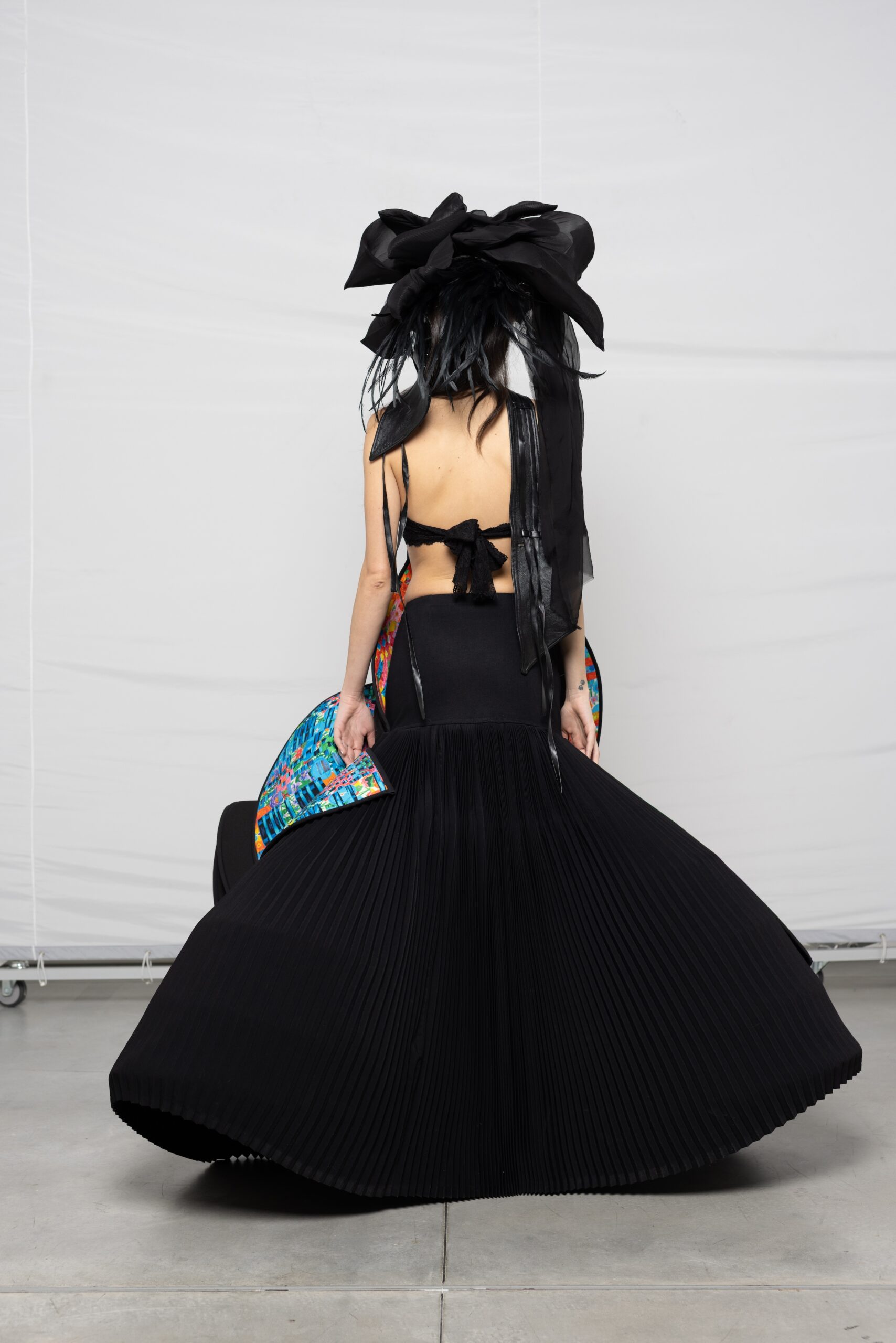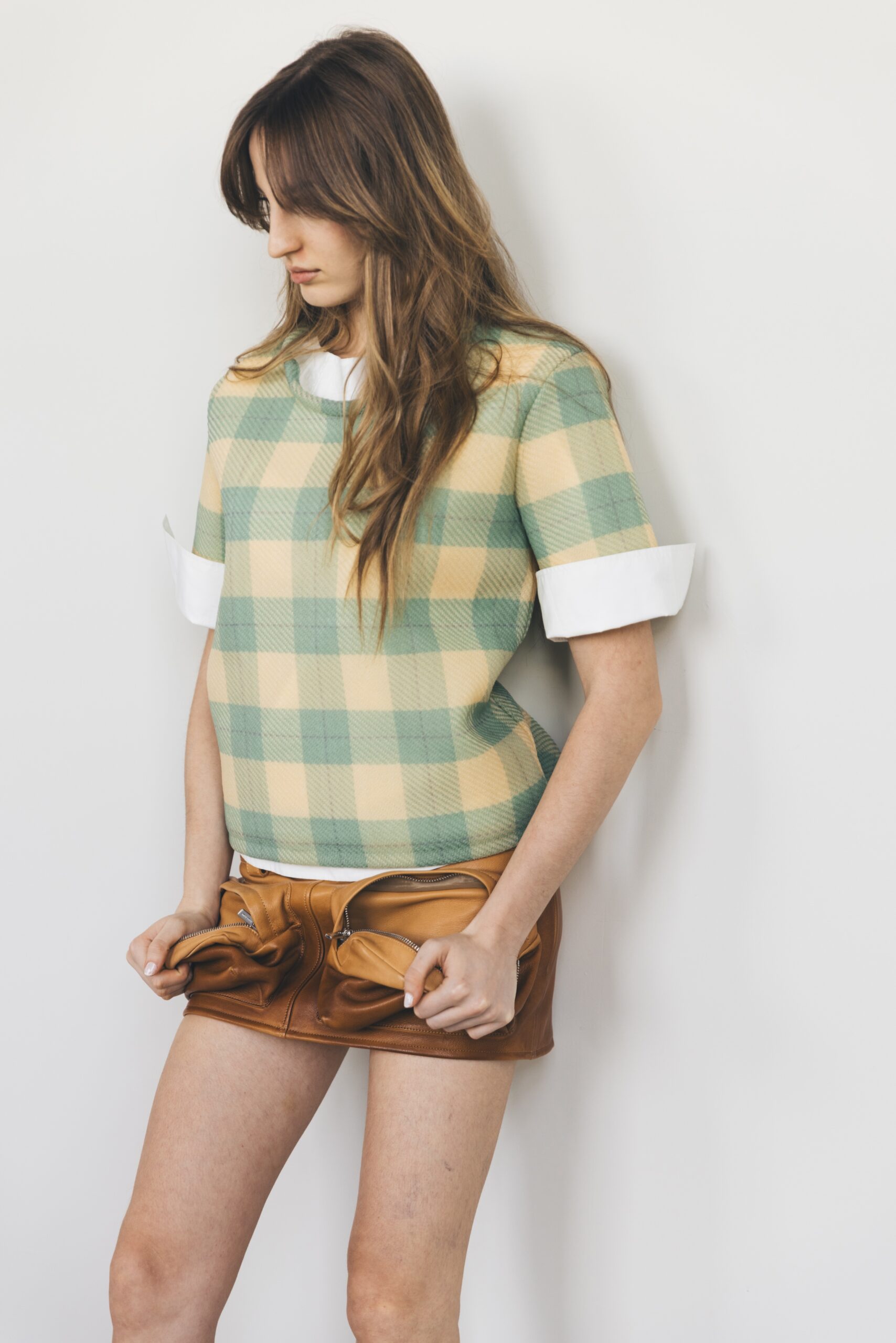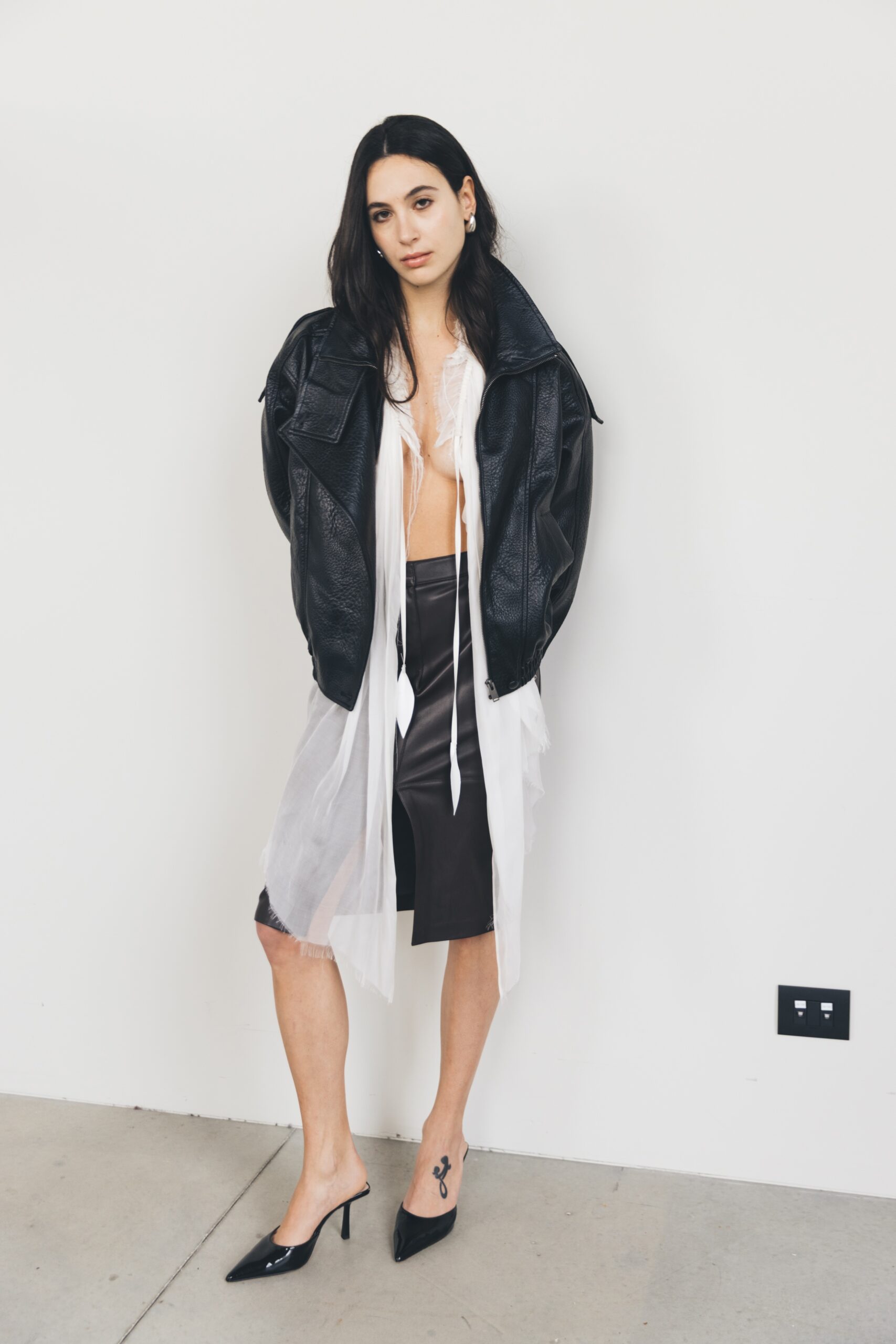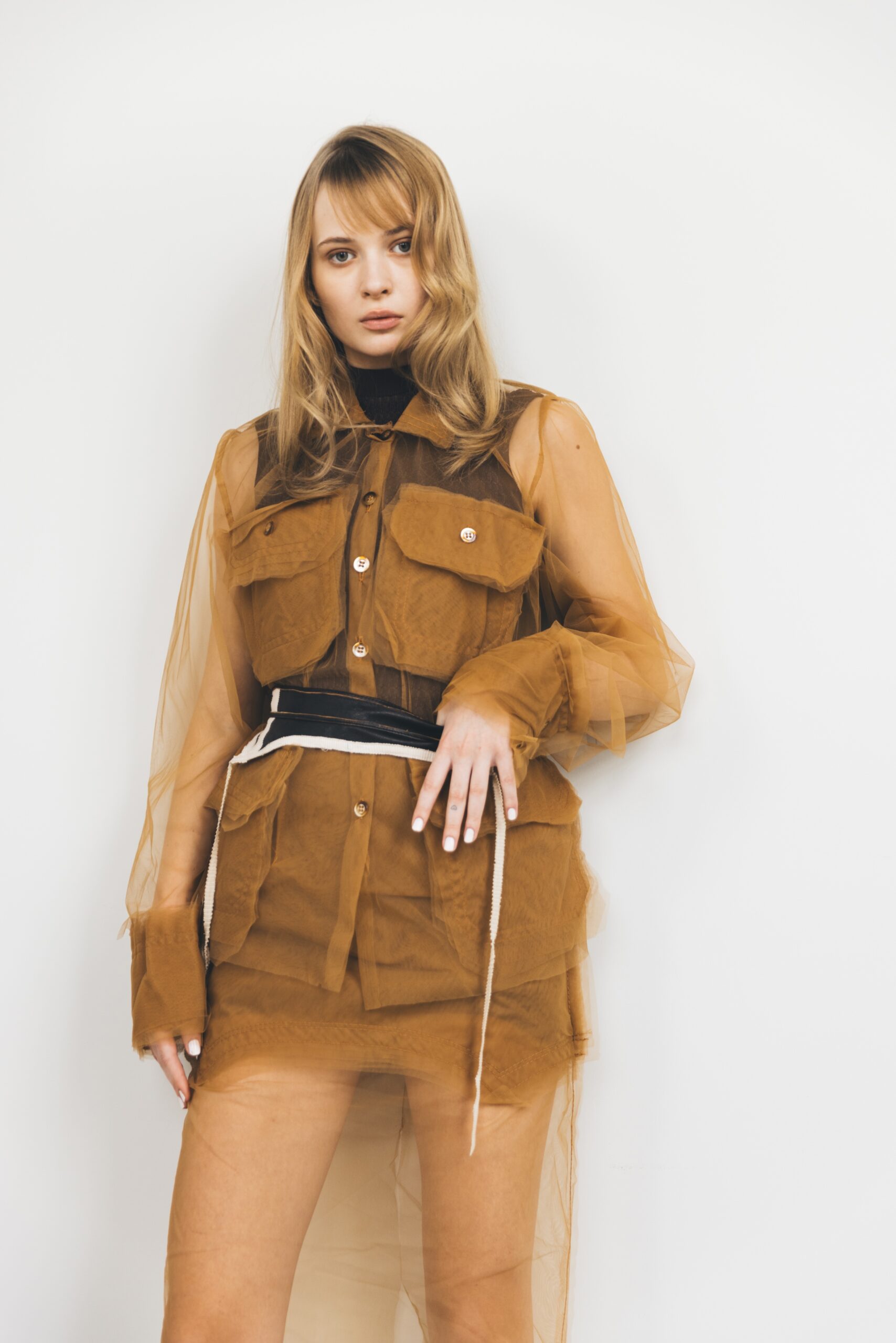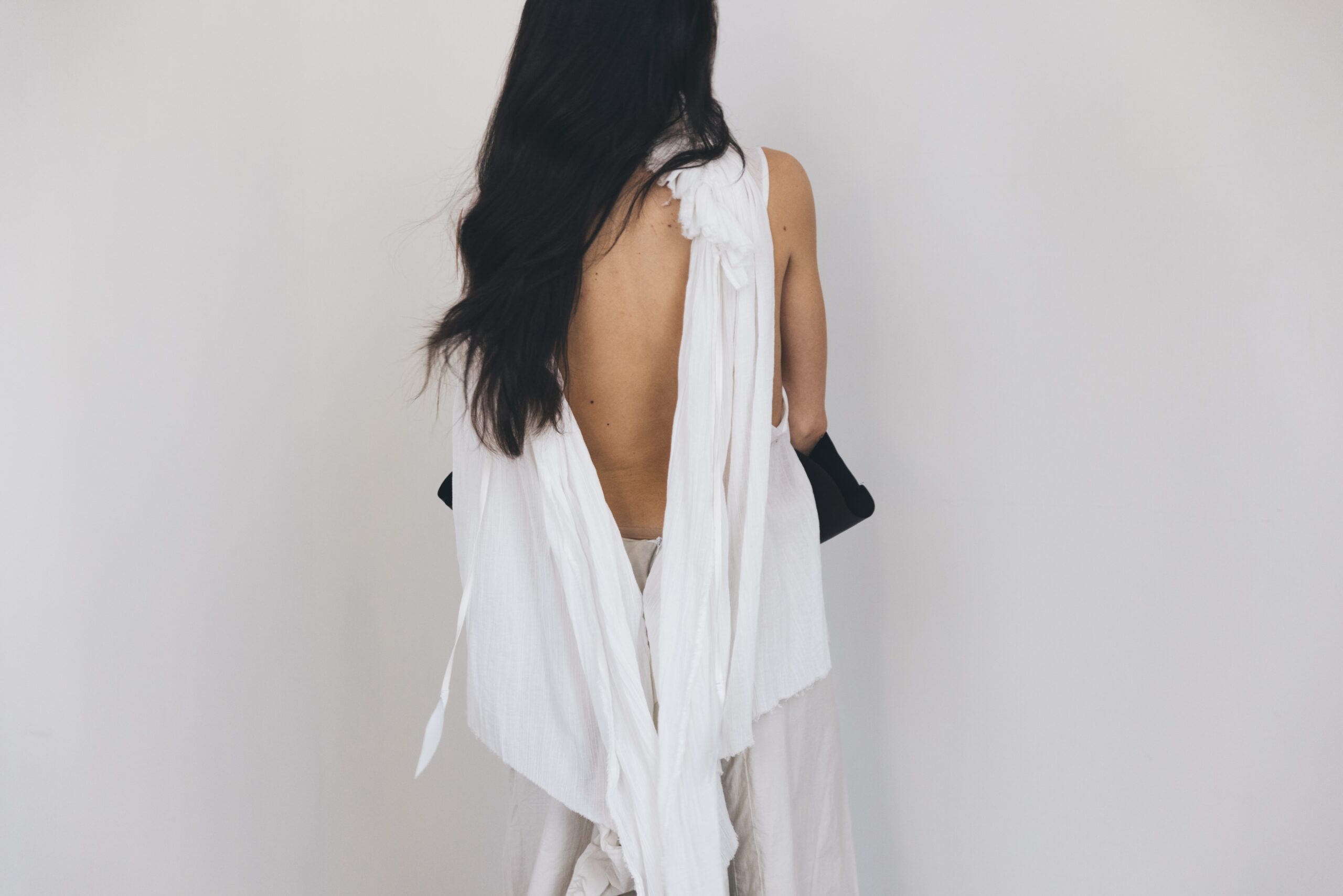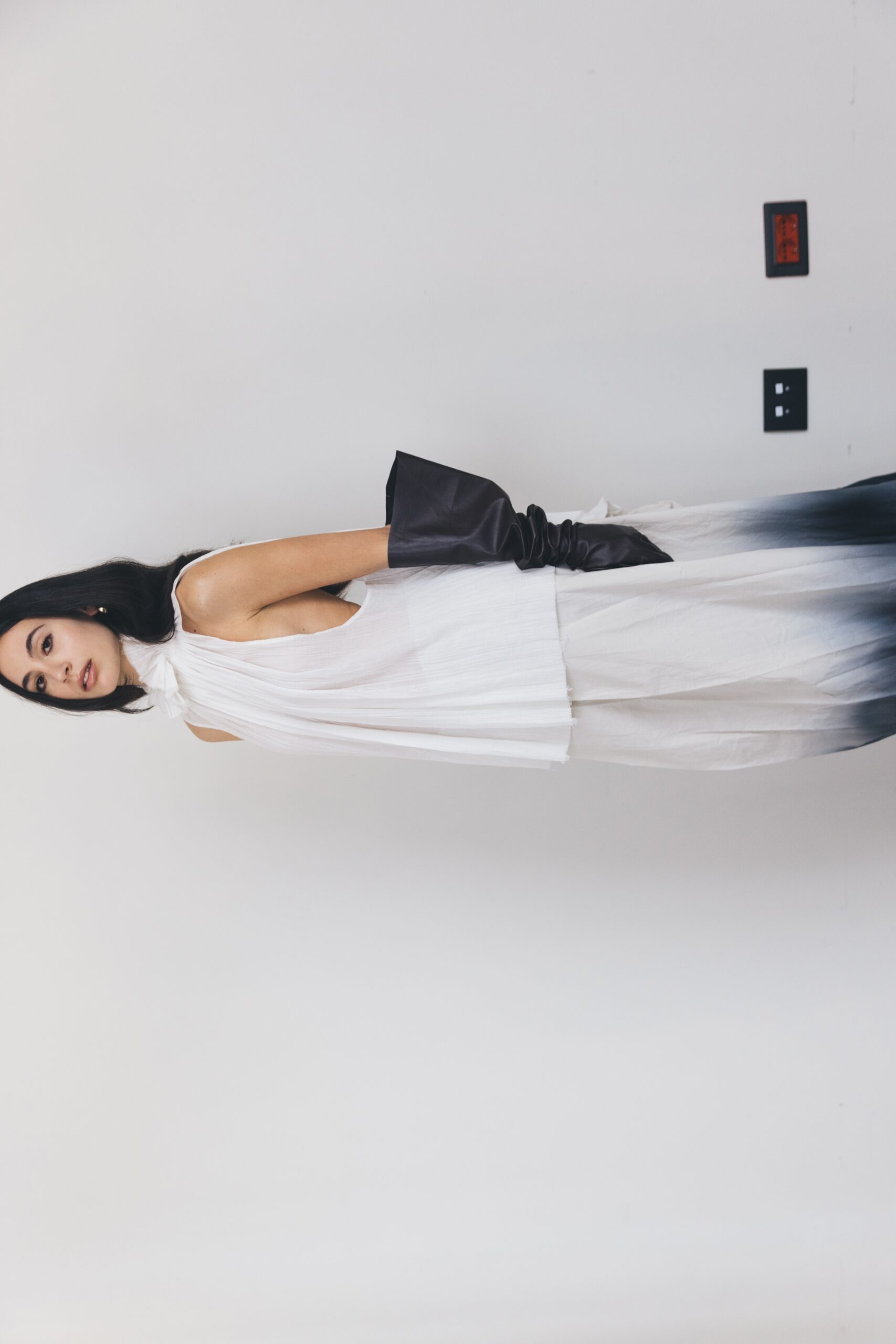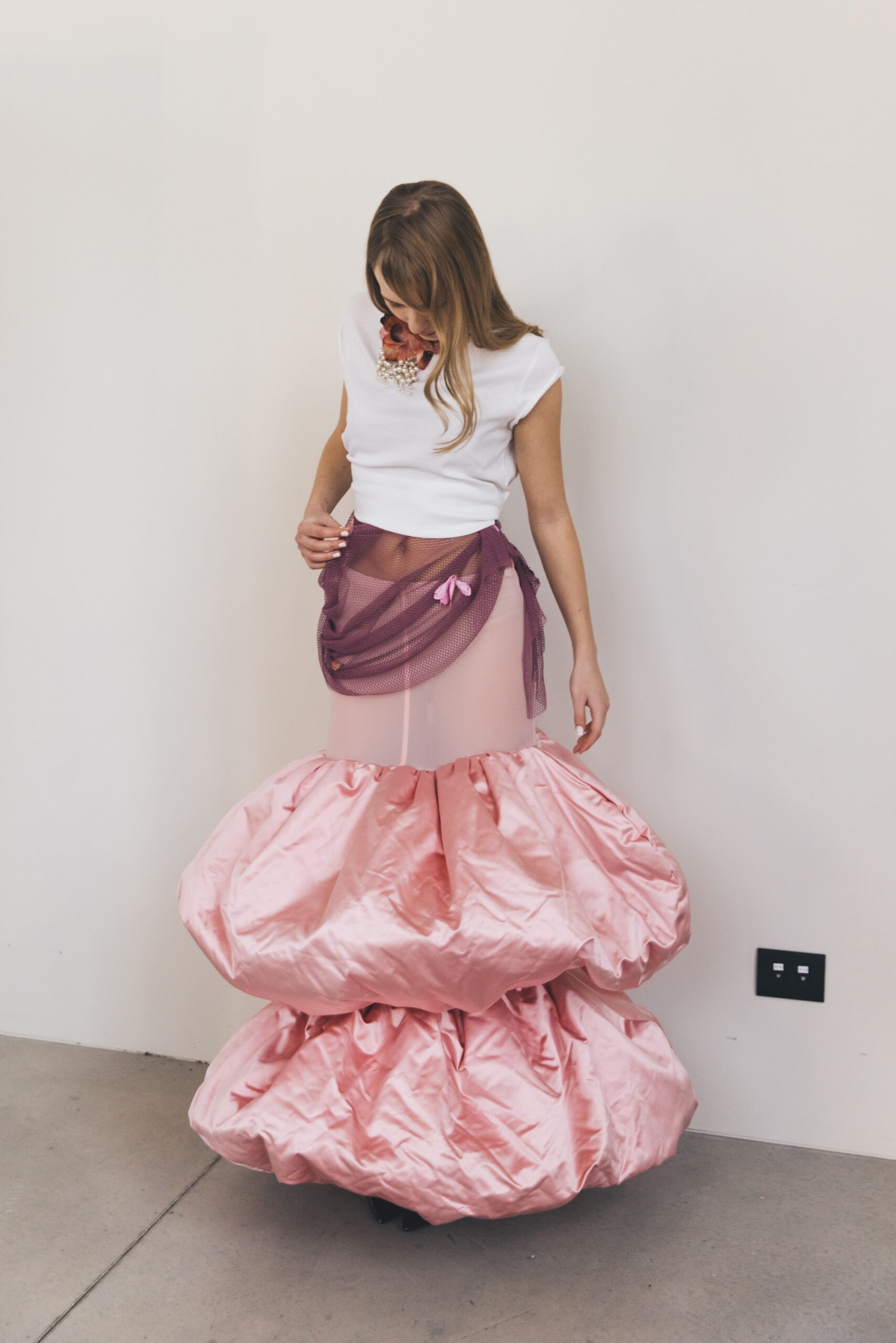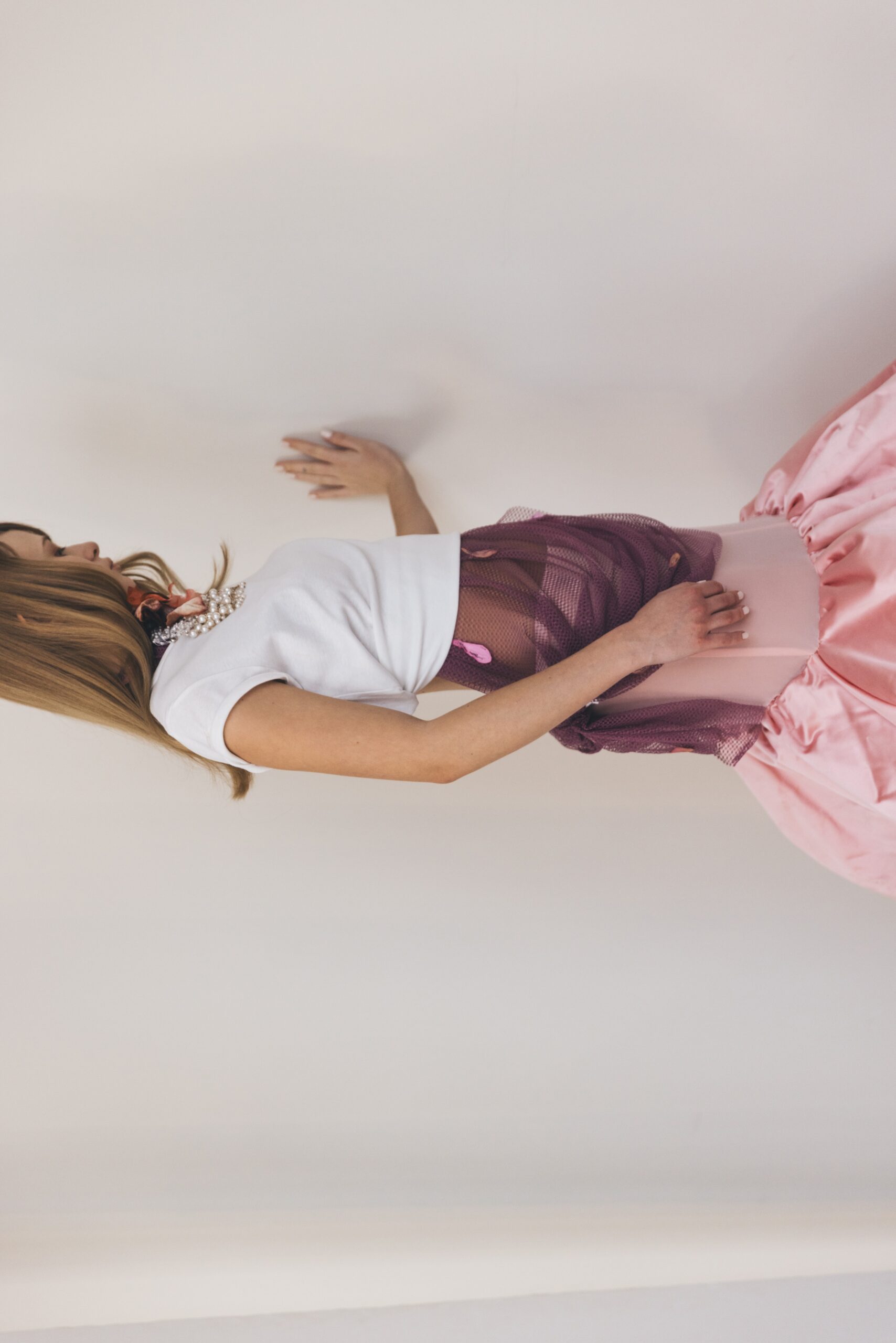
Now in its second installment, Case of Wonders is an initiative conceived by Fabio Messana and Paolo Convinto for Fashion Styling students. A creative platform that pushes back against conventional educational frameworks, at its core, it responds to a growing concern: that in an increasingly results-oriented and data-driven landscape, the power of original thinking and imaginative vision risks being overshadowed. As an antidote, Case of Wonders invites students to embrace uninhibited self-expression, challenge preconceived notions, and freely explore the full potential of their ideas.
Consisting of multi-disciplined workshops, the project invites various guest professionals to propose a brief to students, review their proposals, and give a final deadline, reflecting real professional timelines and project structures.
STYLING SERVICE
The latest episode of Case of Wonders turns its lens toward the world of celebrity styling and the art of constructing a public image. This edition of the fashion styling workshop ventures into the precise and high-stakes territory of three public events, spaces where identity is not merely expressed but carefully engineered. Here, styling is not decoration. It is a discipline of coherence: the ability to read a person, interpret their narrative, and translate it into a visual language that speaks before they do.
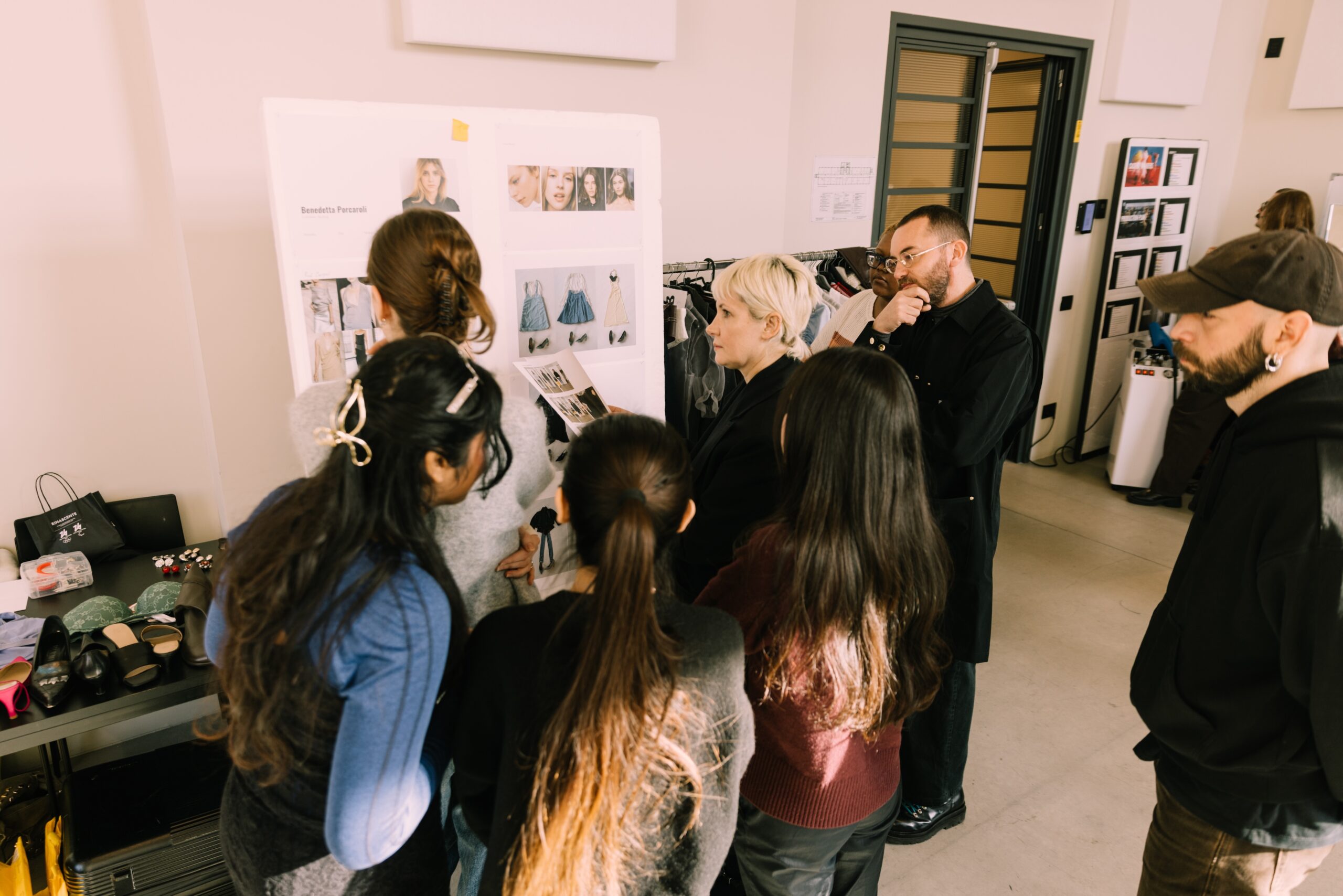
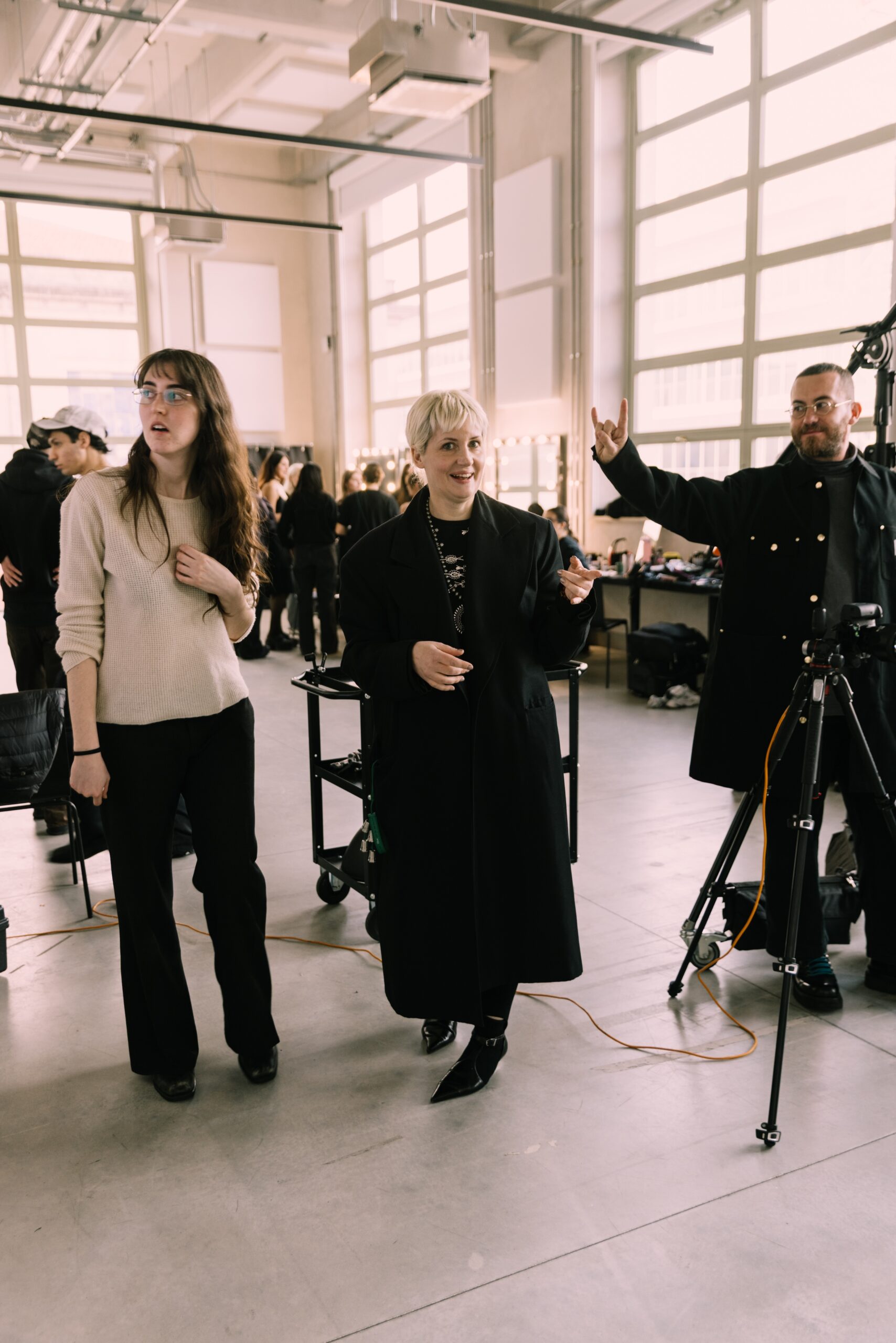
For this edition, students were invited by celebrity stylist Sarah Grittini to step into the role of professional assistants, taking on one of the most demanding exercises in the field: styling a real celebrity profile with the rigour and responsibility of an actual commission.
Working to the profile of Benedetta Porcaroli, a close client and friend of Grittini’s, and one of the most compelling presences in contemporary Italian cinema, each group was tasked with developing three complete styling proposals across three distinct public occasions: red carpet, gala dinner, and press conference. The work required not only creative vision, but the ability to operate within constraints, honour an identity that is not their own, and deliver results with the discipline that professional practice demands.
Born on the island of Elba, in the Tuscan archipelago, Sarah Grittini began her career as a forensic doctor before pivoting to fashion. Her grandmother, a seamstress, was the influence that turned her eye to the construction and structure of garments and looks. As a child, she would frequently visit Pitti Uomo in Florence with her mother; the awareness and conscience of a wider fashion world instilled in her, it planted a seed. She studied and was mentored by the legendary costume designer Piero Tosi, who saw in her a natural costume designer. She turned her fashion prowess first of all to L’Uomo Vogue and Vogue Italia from 2007 to 2017 before moving to Vanity Fair, first as celebrity editor, then as fashion and celebrities director from 2018 to 2020. She then transitioned into celebrity styling, including actors like Riccardo Scamarcio, Saul Nanni, Isabella Ferrari, and many others. Her international clients include Shia LaBeouf, Evan Peters, and director Yorgos Lanthimos, she is also wardrobe consultant for Robert De Niro as well as being the last stylist to work with Raffaella Carrà.
Her approach to styling is strong, precise, and eccentric: “fashion is a serious thing”, she emphatically states, underlining that sometimes, fashion’s insiders carry around an internalized prejudice that what they are doing is frivolous. “Those who study fashion should learn how to define themselves, to articulate what they do with precision and self-awareness,” she’s convinced that the current and new generations must assert themselves, “fashion journalists are real journalists, they are not less than, and this is something to wear with pride.”
She brings this conviction to her work as a stylist, claiming that the main thing a stylist needs to be is generous. Grittini believes that style based exclusively on personal style has a short shelf life; each individual of course has their own personal taste but real styling happens when the stylist works on the product, anticipating trends, going beyond accessories, and surface level semblances. It’s this generosity which turns the stylist’s eye and mind outwards, to research, to collect, to deeply study the personhood and characteristics of the client. “Styling is a combination of factors, of cultural and personal history,” the stylist’s job is to translate this, to be available in the translation of a vision, not to impose but to interpret.
Grittini underlines the importance of research, “it’s a combination of personal background that comes from where you’re born, what you’ve studied, and what you’ve seen. Sometimes it comes from a culture of communication, it depends on what you choose to read and to look at.”
She ultimately emphasizes the importance of staying curious, not to stay young but to be current and connected to the present moment. Grittini’s cultural references range from the shock of Alexander McQueen, the colours and contrasts of Park Chan-Wook, Mary Stewart and her blood red gowns, as well as Caterina De’ Medici, “she had style. She wasn’t beautiful but they always described her as someone who, when she walked into a room, you could feel her presence.” Her deep reverence and connection to these cultural references is an indication of successful styling’s need for a rich tapestry of personal and social research.
Her background in legal medicine gave her an attention to detail and fascination with the physical and personal attributes that hint at the stories behind people, “at the moment I’m obsessed with hair that stays tucked into people’s jackets and coats.” The way people wear things and the natural style that comes about is almost a psychological indicator: “it’s really interesting what people will wear and have in contact with their skin, and what they choose to not have in contact with their skin.”
The relationship between stylist and client is personal: the stylist must be direct and clear yet remain aware of the sensitivity needed to manage the relationship while keeping in mind and achieving the end goal. Grittini declares that it is fundamental to understand why that client has come to you for your styling skills. This returns back to the importance of research, understanding the client’s motivations will ultimately help in achieving the translation of ideas into a look.
Does she have any advice for students? To refuse working for free, to claim their position, and know their worth. Because of their love for fashion, it’s important to speak out and say what you think, “I hope that they disobey me”, she claims, reflecting on the workshop. “They teach you to be politically correct, to stay neutral, and fine, that has its place when you’re working with a client, because you’re on commission. But when you’re the one giving your own account, your own point of view, how can you possibly be neutral?”
Conviction and belief are the two qualities that stay with you after speaking with Sarah Grittini, alongside her certainty that everything visual leaves a mark. She references Peter Jackson’s 1994 film Heavenly Creatures as something that never quite left her: the two girls and their complementary way of dressing, their strict and self-imposed aesthetic rules, the unsettling precision with which their whole world was expressed through appearance. “Style is always there,” she says, “even where you don’t expect it.”
Perhaps it is exactly this, style as a language, that continues to fascinate and drive her. It is a language that translates a person’s entire being into a story, that communicates identity, belonging, and intent without speaking. For Grittini, fashion is not decoration. It is an art form that earns its place precisely because it asks something of us: the courage to question, to hold an opinion, to be contradictory, even to be loud. And in doing so, to understand one another a little better.
CREDITS
Written by
Project format created by
Photographer
Cover image:
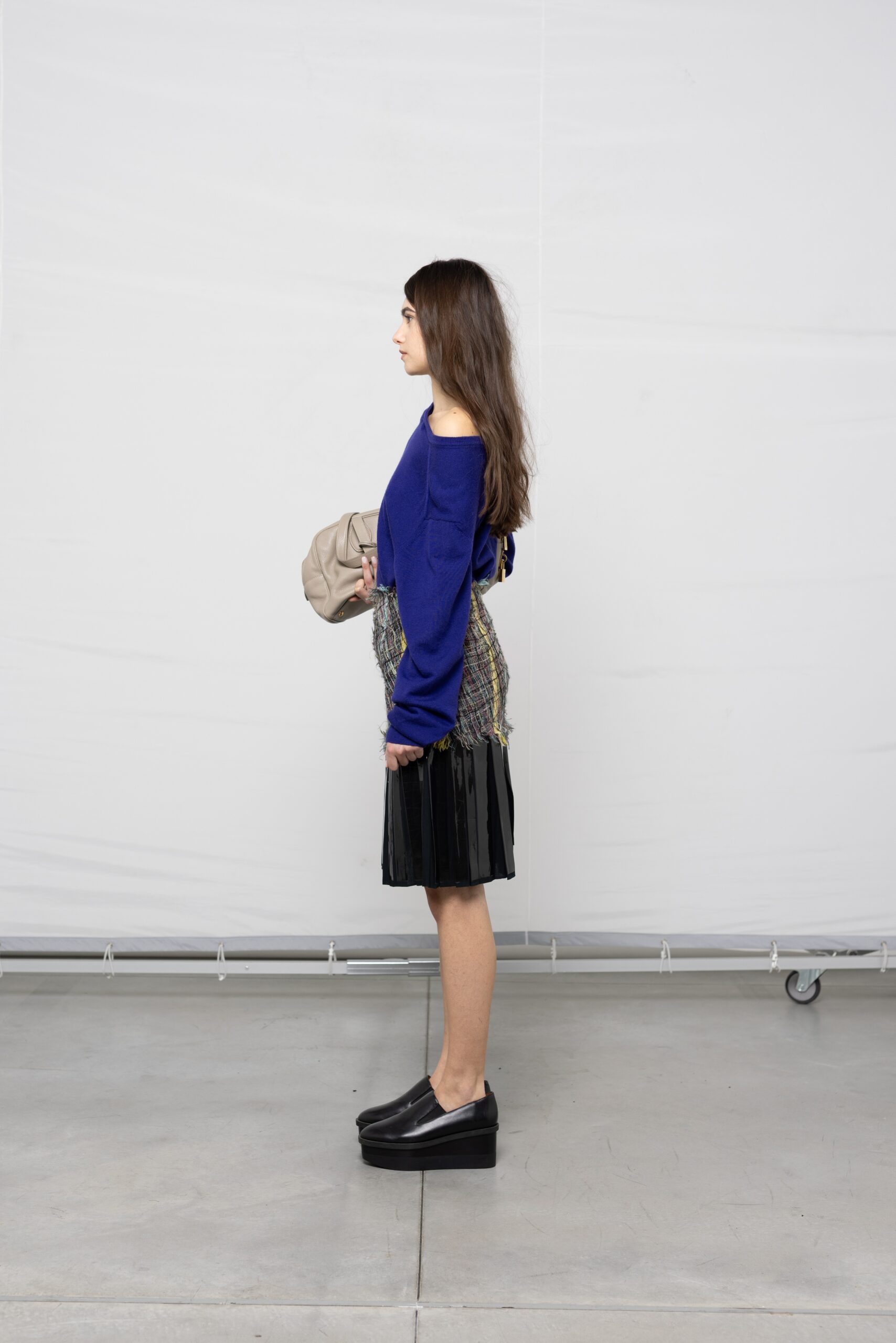
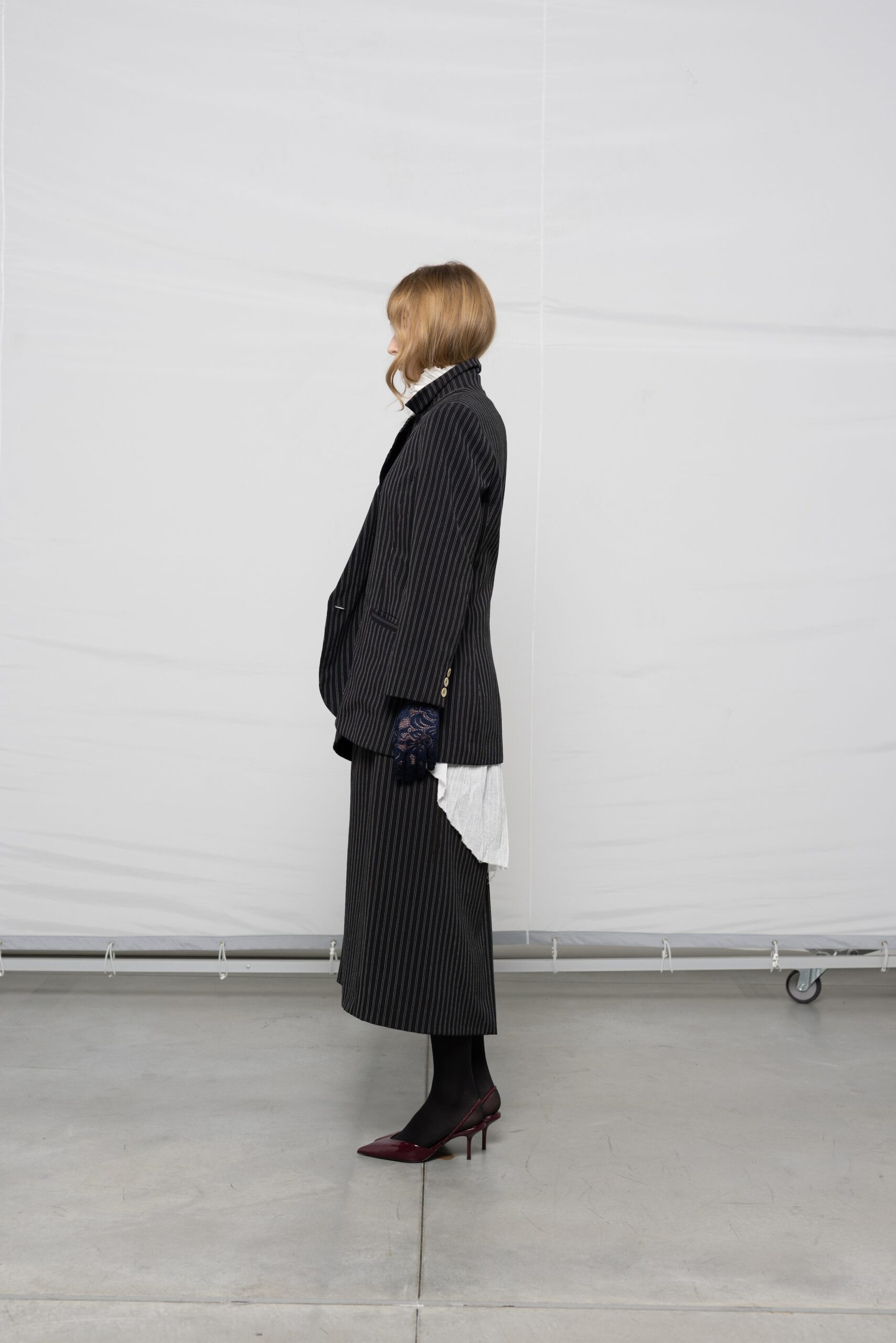
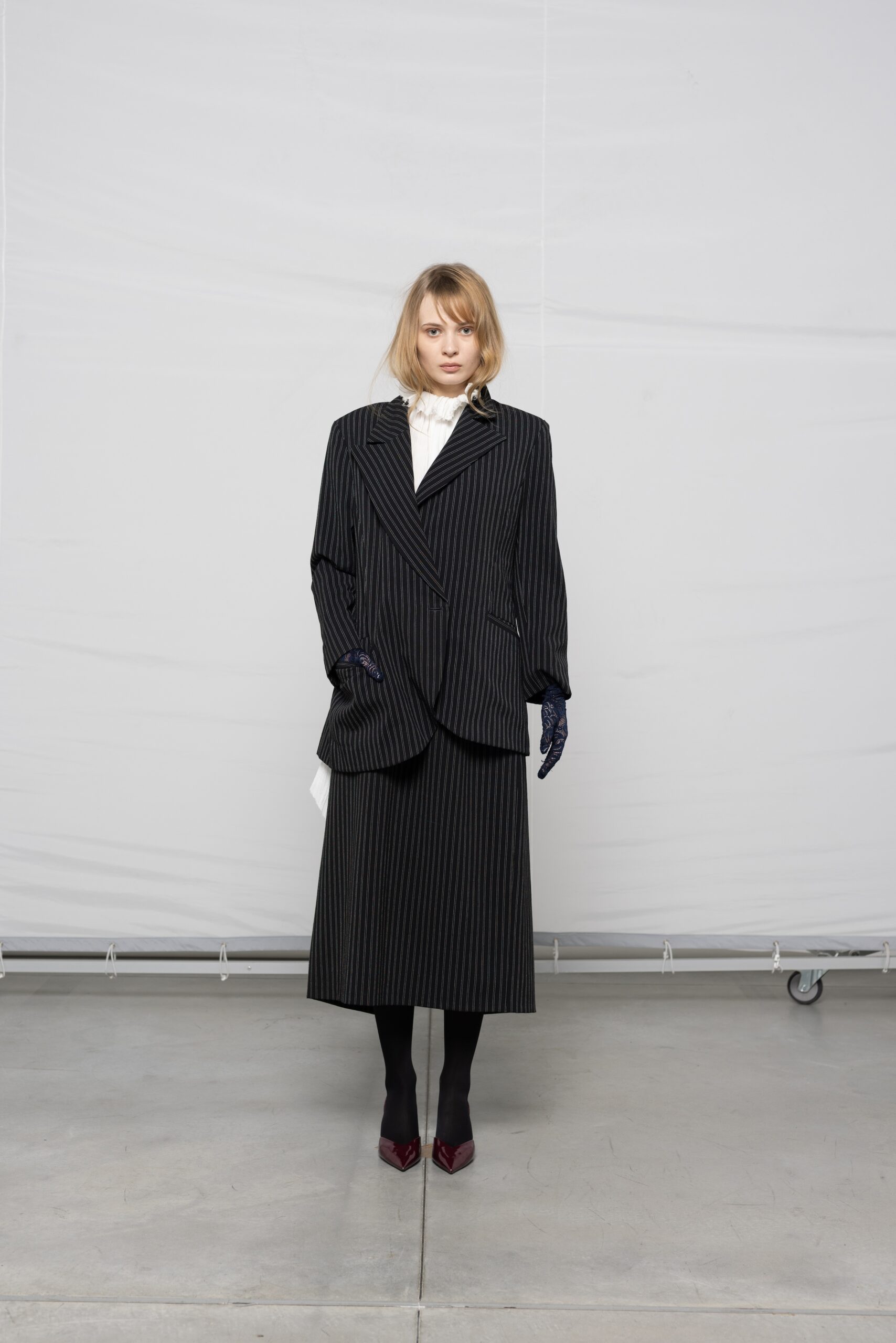
- Look 1 by Group 3, shirt by JT Prince. Look 2 by Group 2, knitdress by Alya Sander, shirt & skirt by JT Prince, leather bra used as belt by Jimena Guzman. Look 3 by Group 4. Photos by Angelo Guttadauro.
Group 1
Undergraduate in Fashion Styling students
- Lily Hazel Beyerlein
- Simona Hu
- Meri Manukyan
- Sara Miele
- Maria Muzio
- Yair Pa Pa Kin
Alumni Designers
- Jimena Guzman (Look 1)
- Viktoria Huang Ying (Look 4)
- JT Prince (Look 1)
Model
- Noemi Panzarella
Hair & Make-Up
- Federica Speranza
- Martina Maria Vannucci
- Camilla Verucci
Group 2
Undergraduate in Fashion Styling students
- Lavinia Cibeca
- Sofia Cionini
- Omer Domb
- Francesca Giusti
- Naomi Gomez
Look 1 Press Conference
- Knitdress: Alya Sander
- Button up shirt & skirt: J.T. Prince
- Leather bra used as a belt: Jimena Guzman
- Socks & heels: Stylist’s own
Look 2 Gala Dinner
- Shirt: Viktória Huang Ying
- Skirt suit, gloves, heels, tights: Stylist’s own
Look 3 Red Carpet
- Shirt: Marianna Guerini
- Skirt: Tiffany Belloy
- T-shirt, heels, jewelry: Stylist’s own
Models
- Eva
- Noemi
Hair & Make-Up
- Martina Polimeno
- Allegra Leucci
- Fausta Frankovic
Group 3
Undergraduate in Fashion Styling students
Look 2 Gala Dinner
- Dress: JT Prince
- Rest: Stylist’s own
Look 3 Press Conference
- Shirt: JT Prince
- Rest: Stylist’s own
Bonus Look
- Shorts: Marianna Guerini
- Blazer: JT Prince
Model
Hair & Make-Up
Group 4
Undergraduate in Fashion Styling students
Alumni Designers
Model
Hair & Make-Up