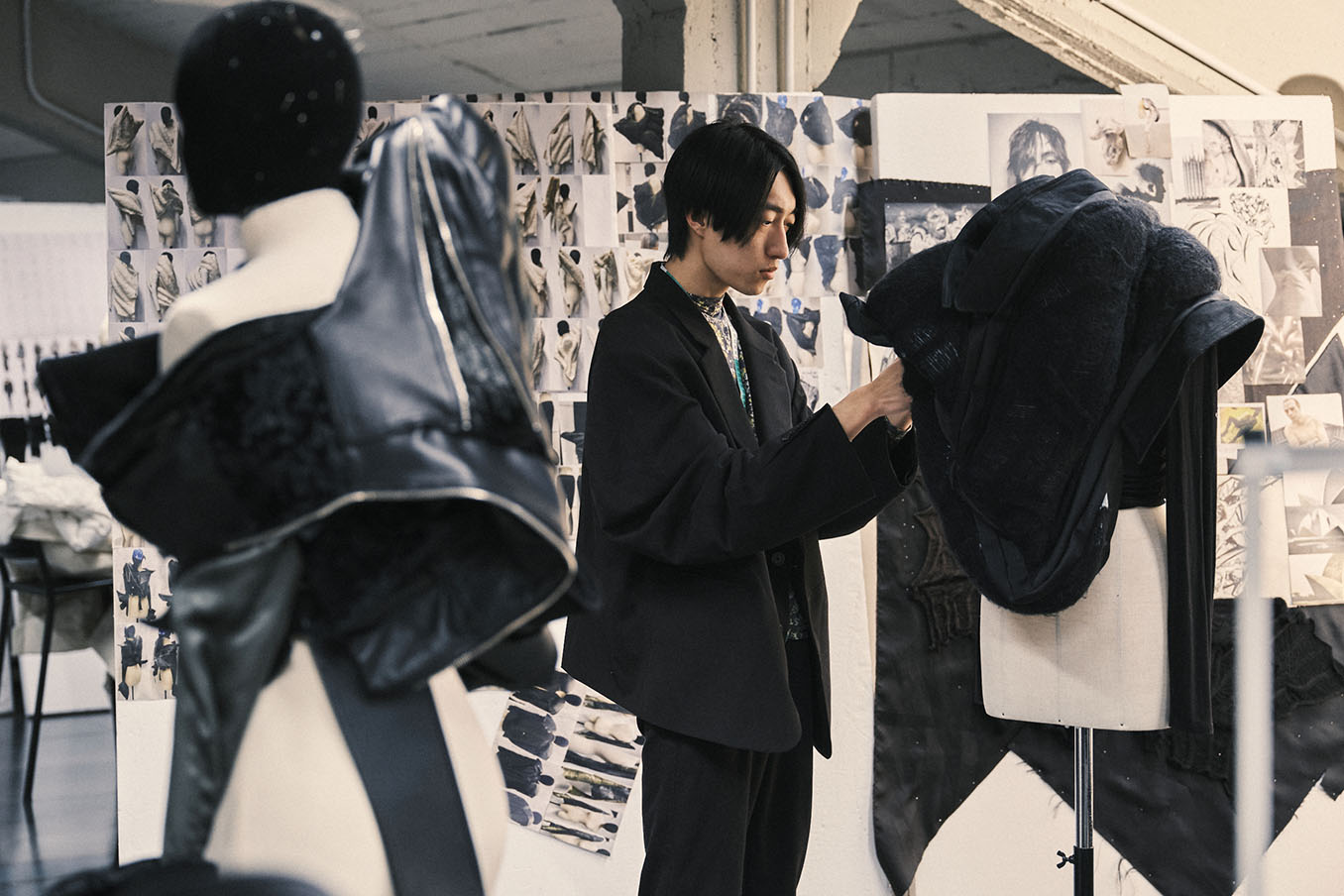
A rare opportunity, to go to Japan, meet and work with other fashion students, and present a reinterpretation of the kimono. This was the prize for a unique and cross borders academic project that involves repurposing and upcycling the country’s national dress.
Two student designers from third year of Undergraduate in Fashion Design, Sabrina Steffen and Victoria Miras Bueso, travelled to Osaka, to present their designs, and work alongside Osaka Institute of Fashion and their students.
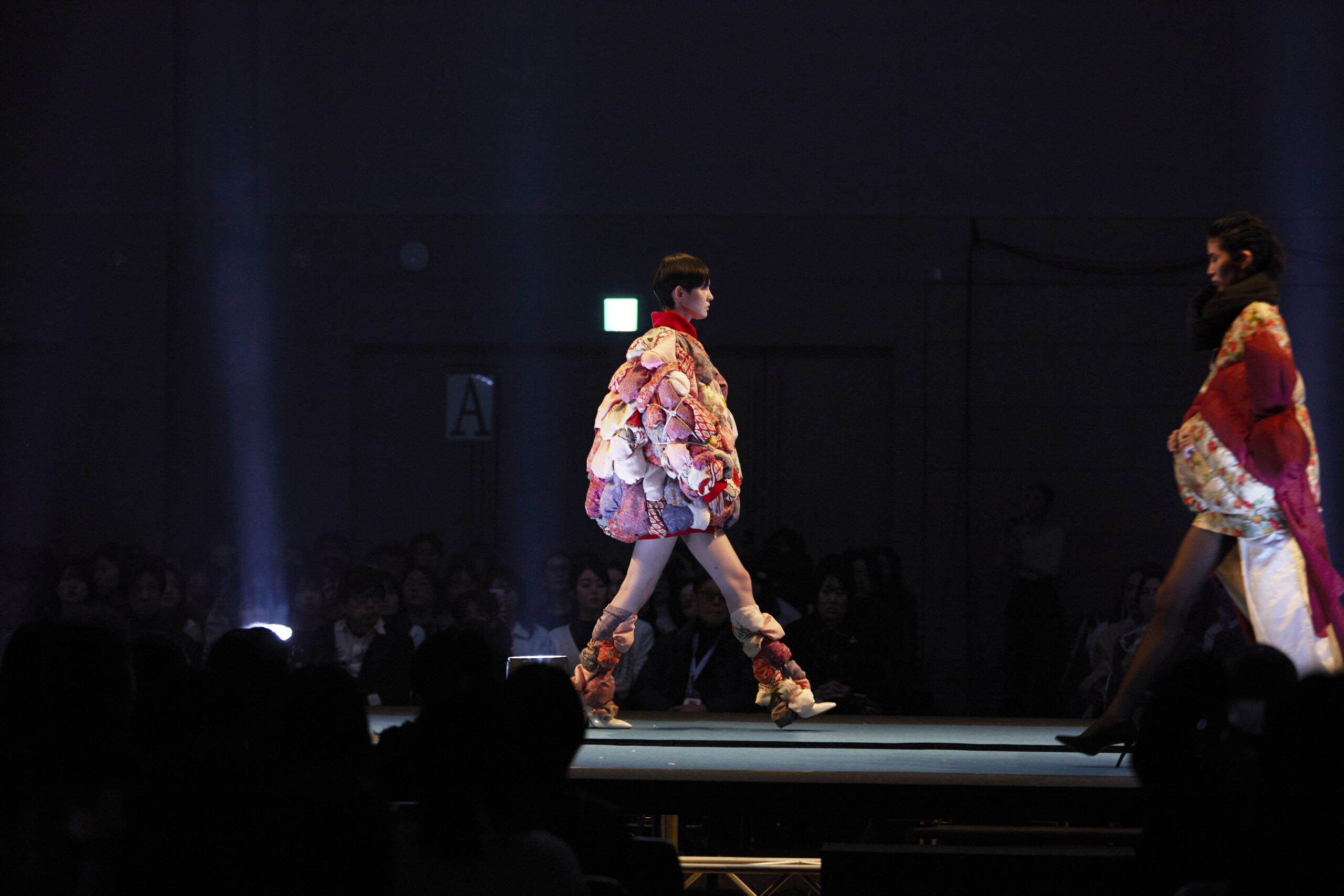
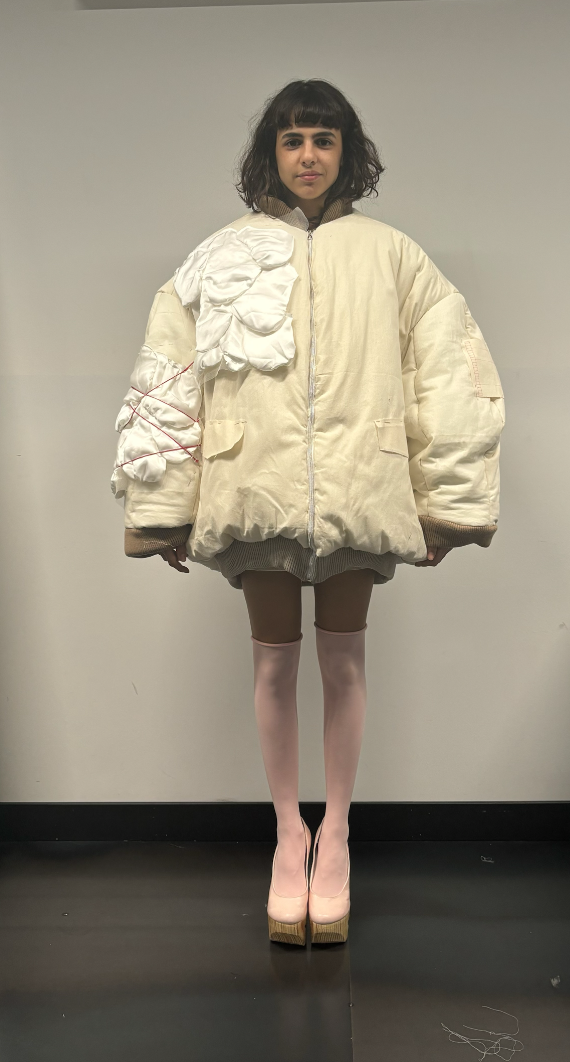
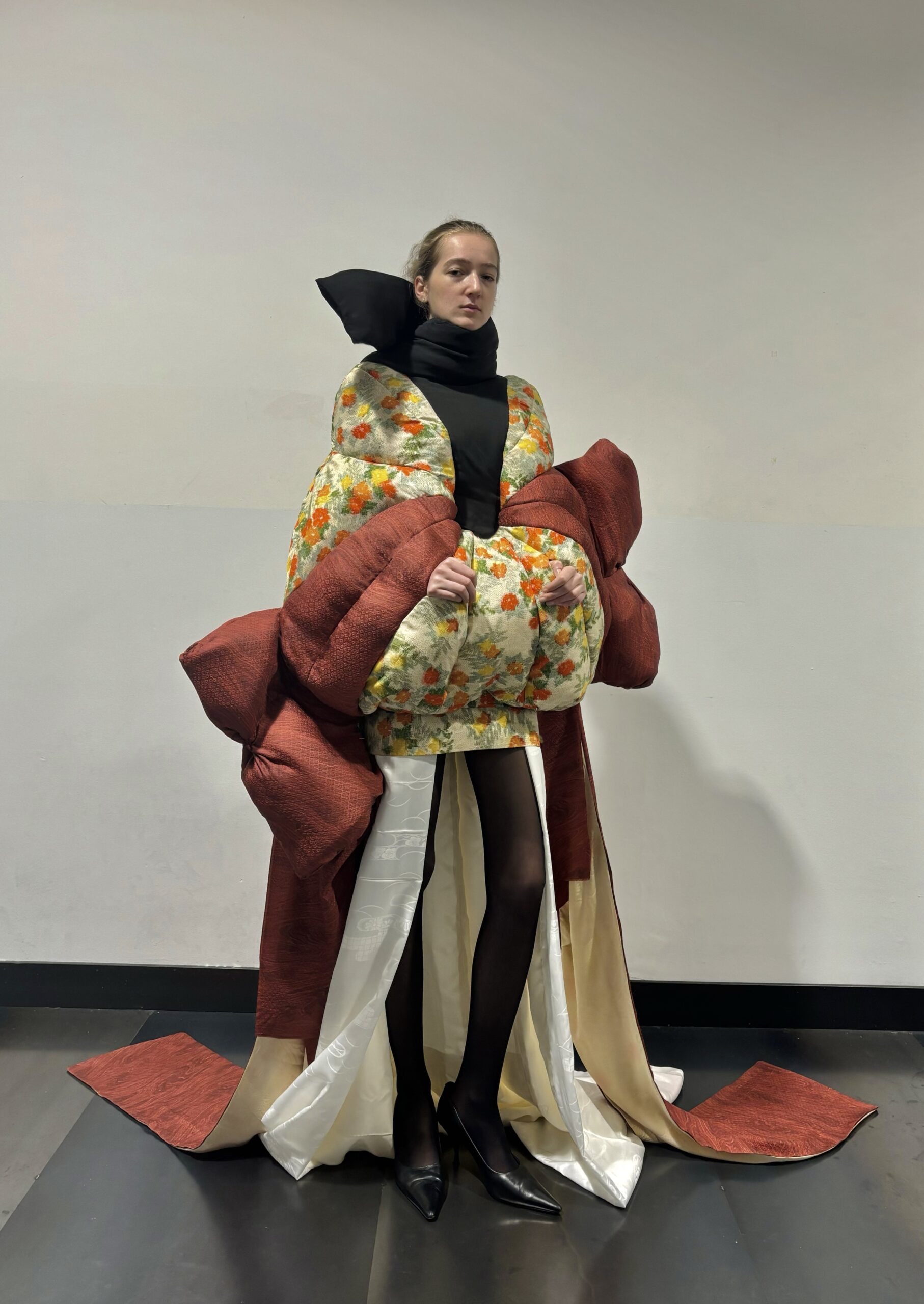
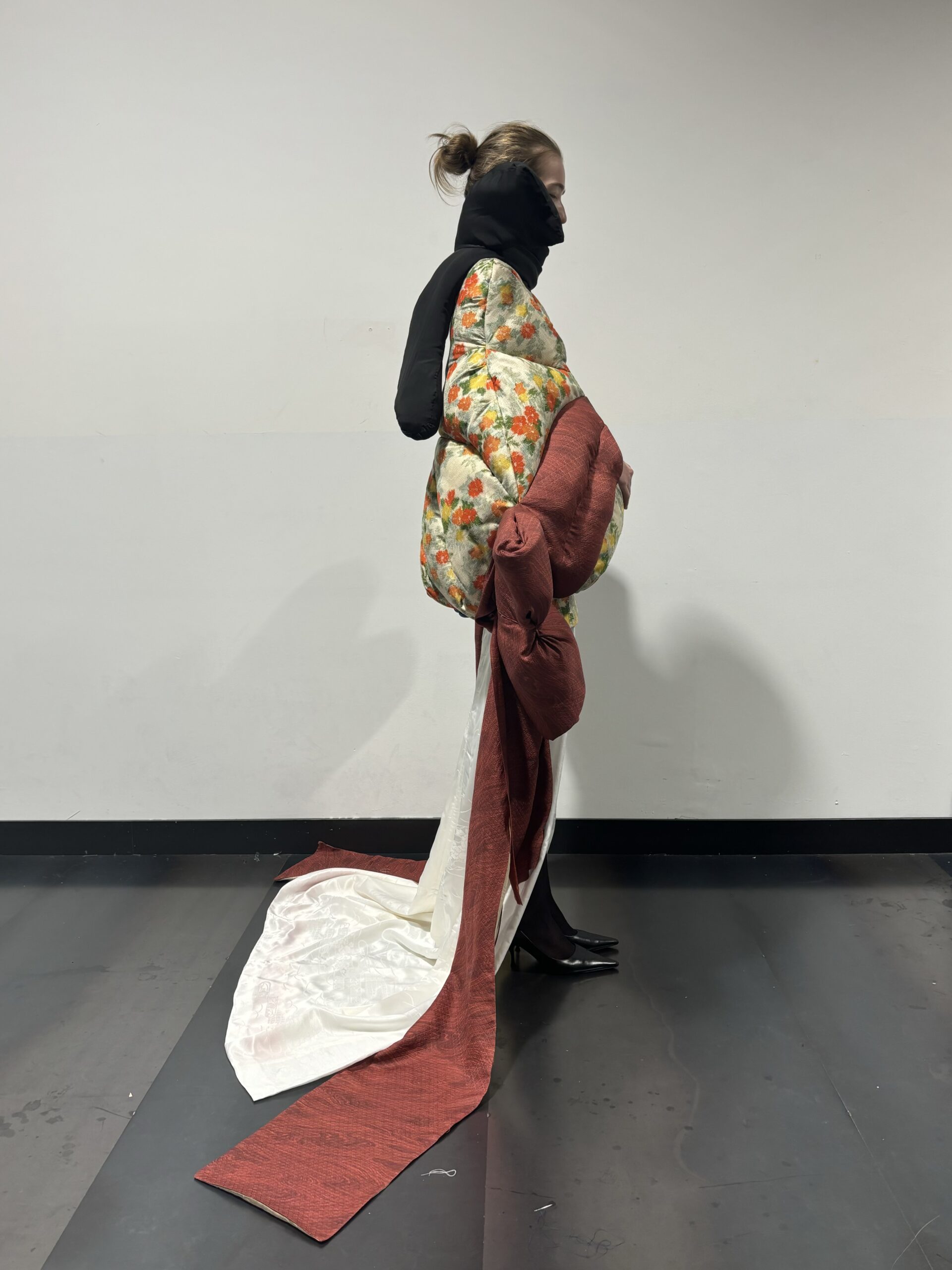
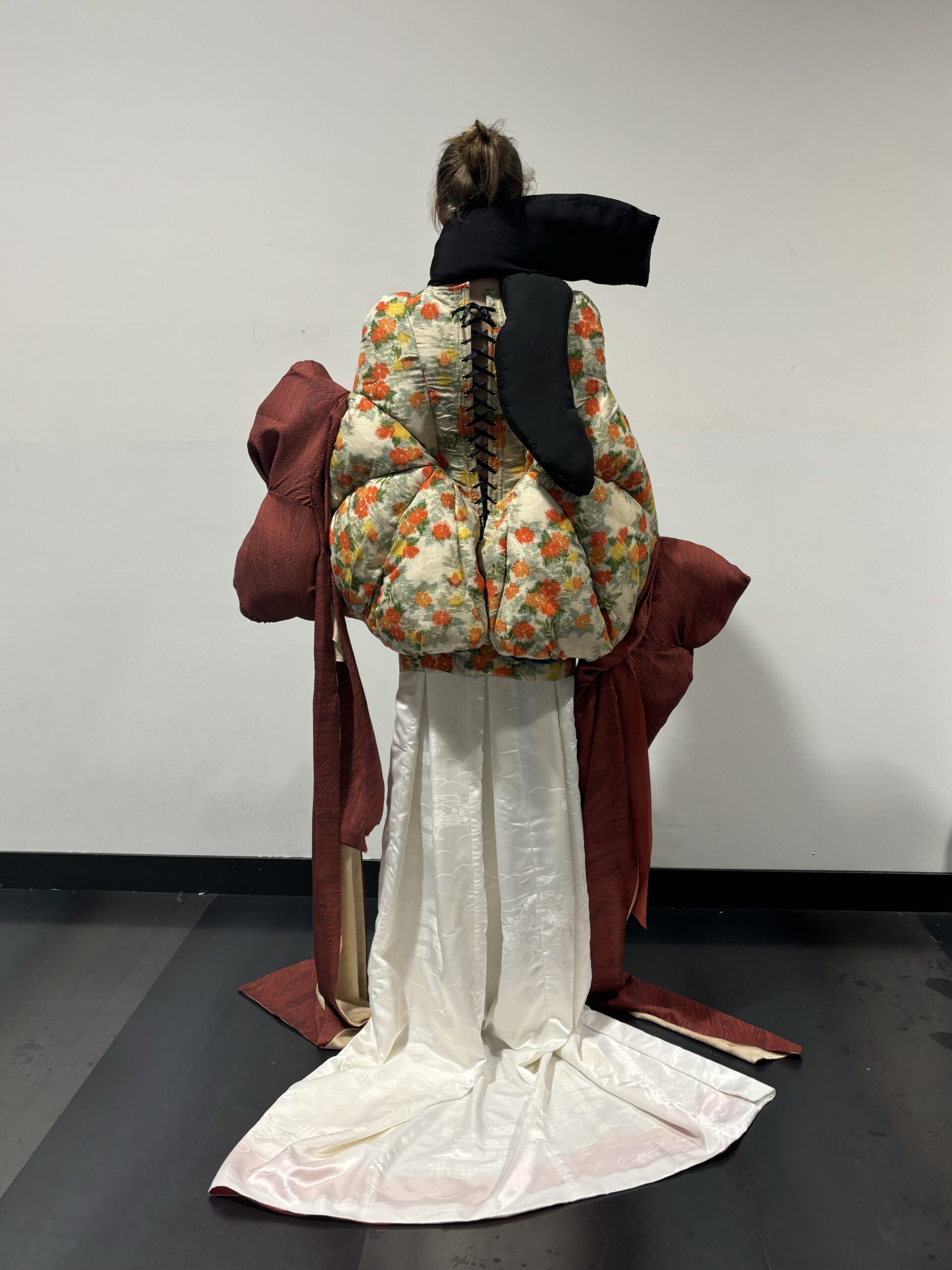
The work by Sabrina Steffen, selected for the Grand Prix, was highly evaluated for its unique silhouette and its complex yet well-considered garment structure. The judging panel of Osaka Institute of Fashion felt it was a creation of high artistic quality, demonstrating a deep understanding of construction and design.
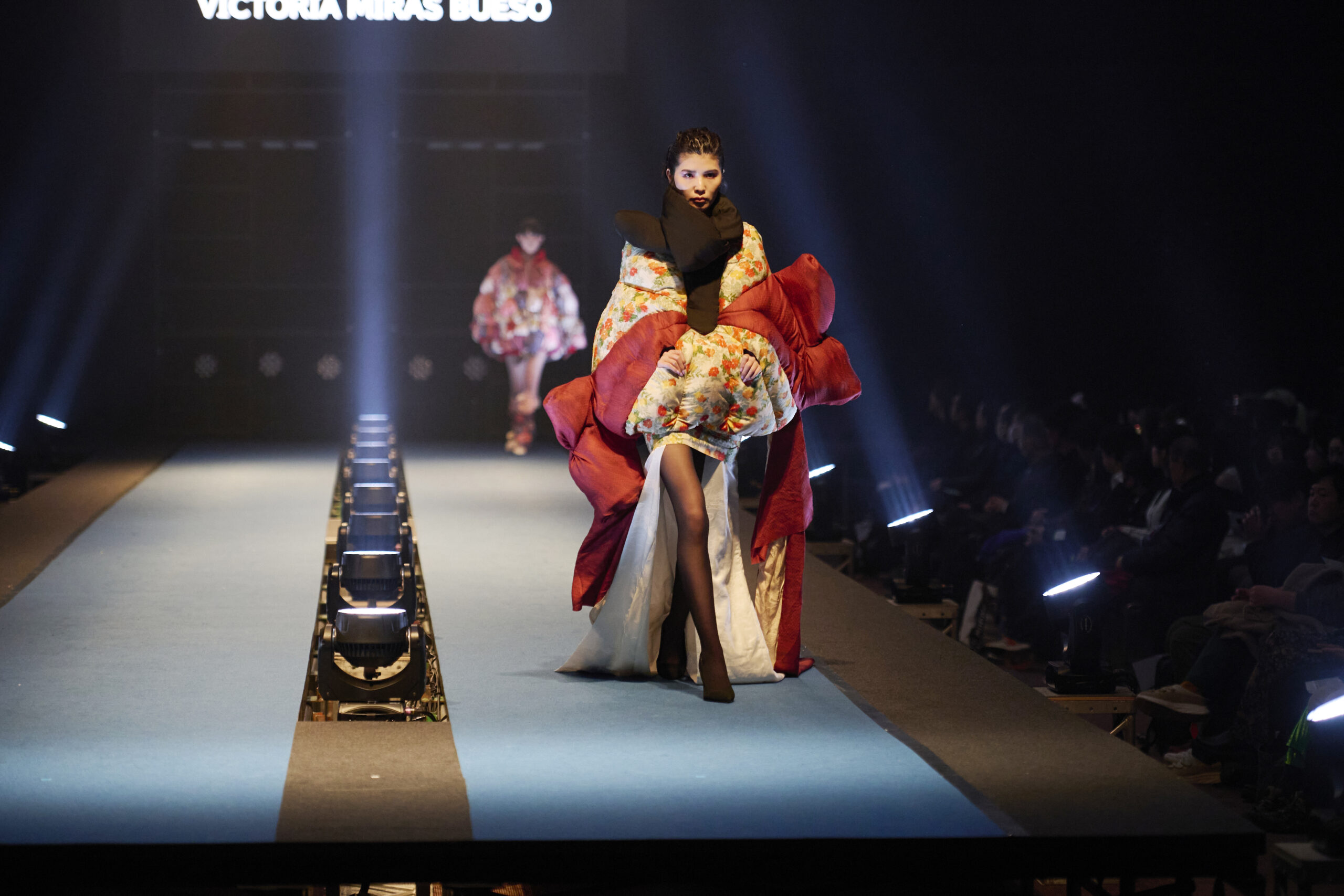
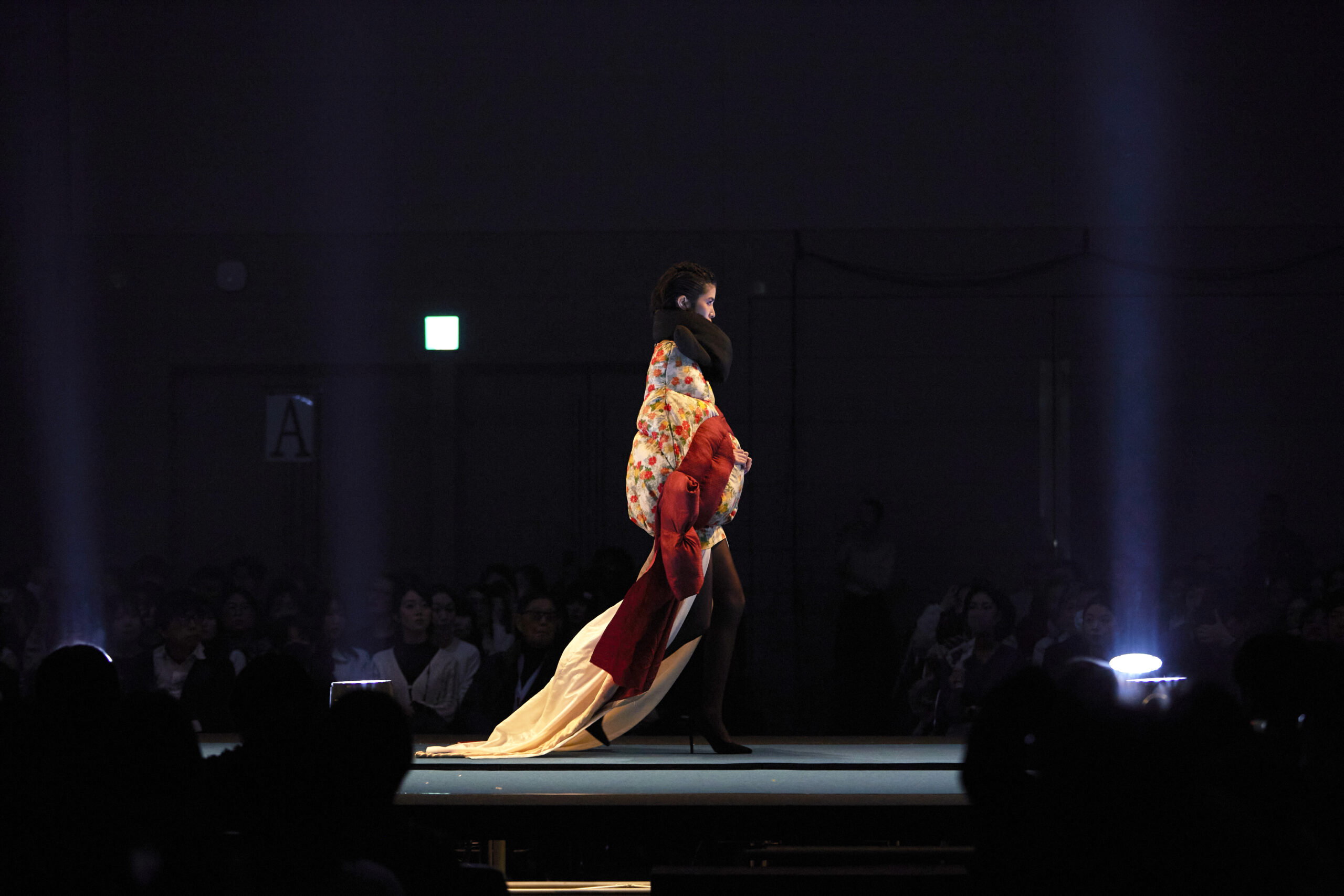
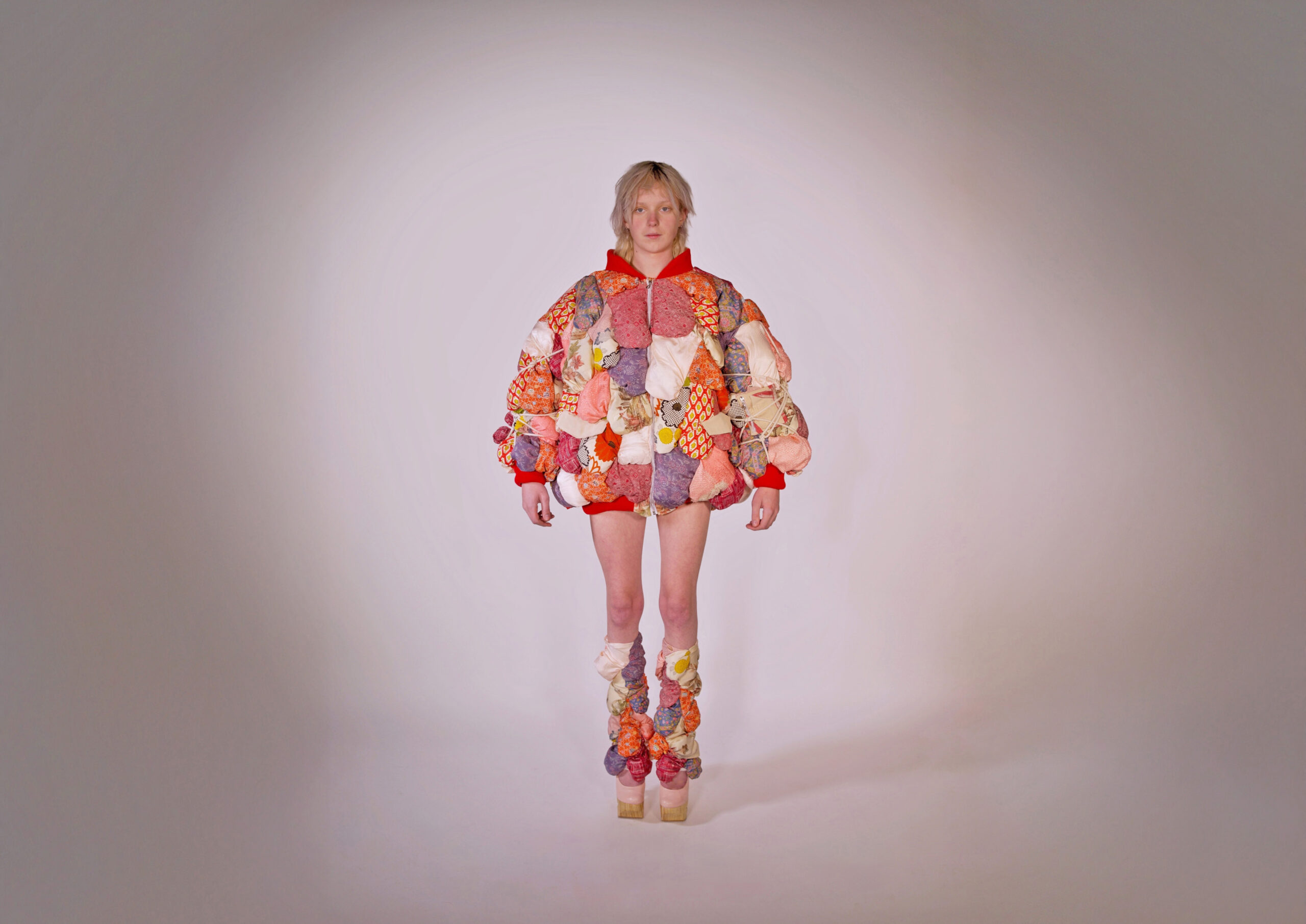
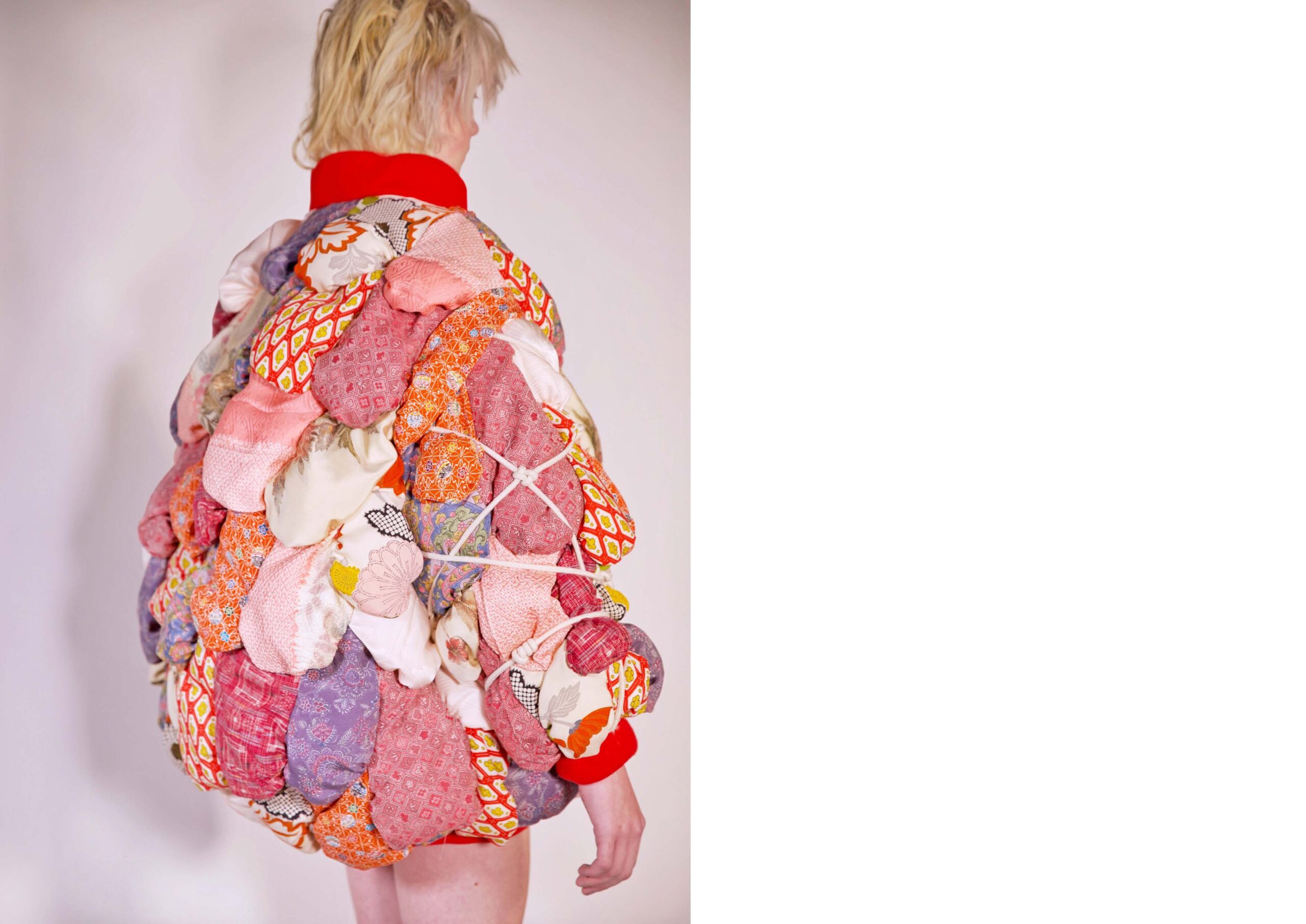
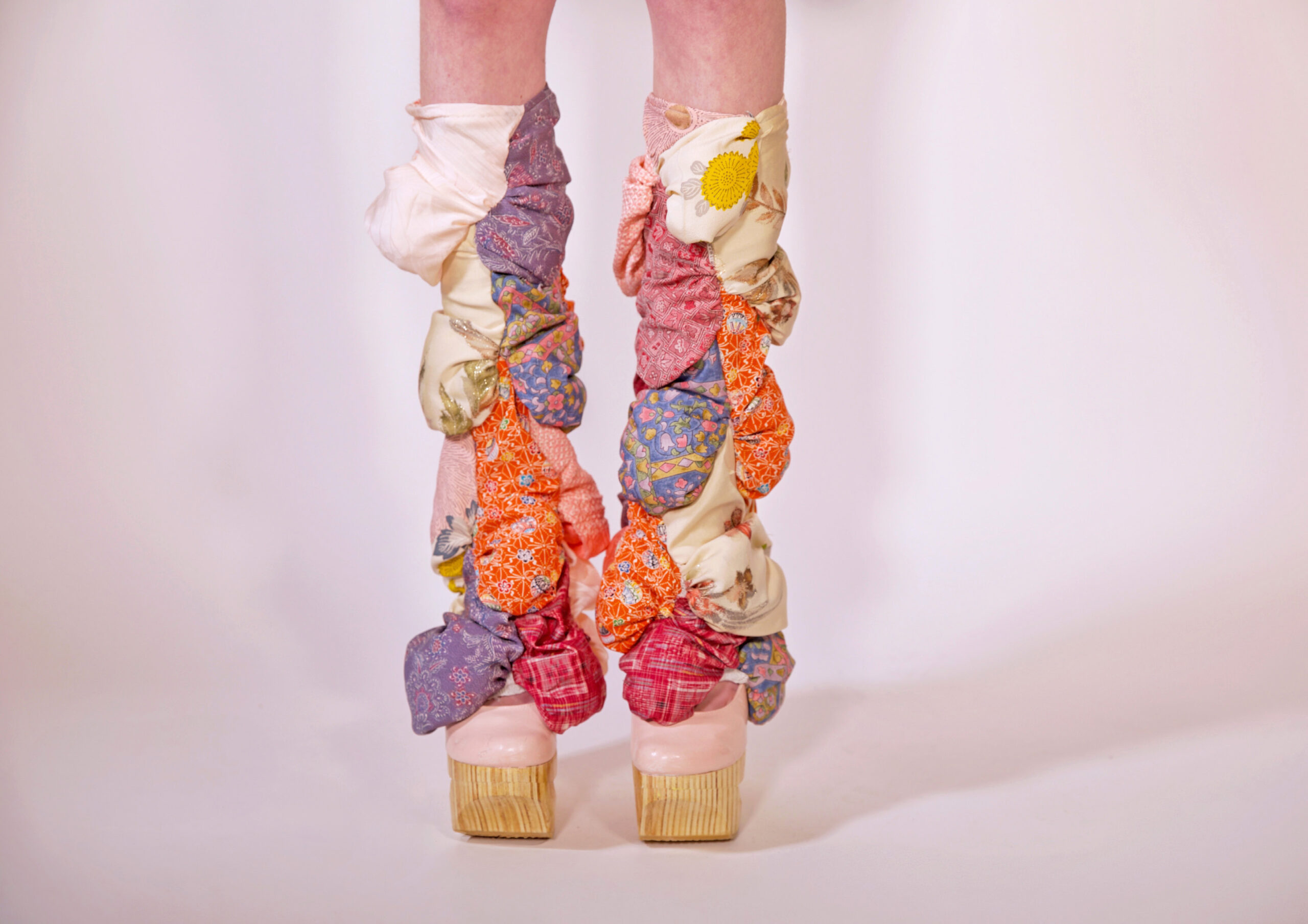
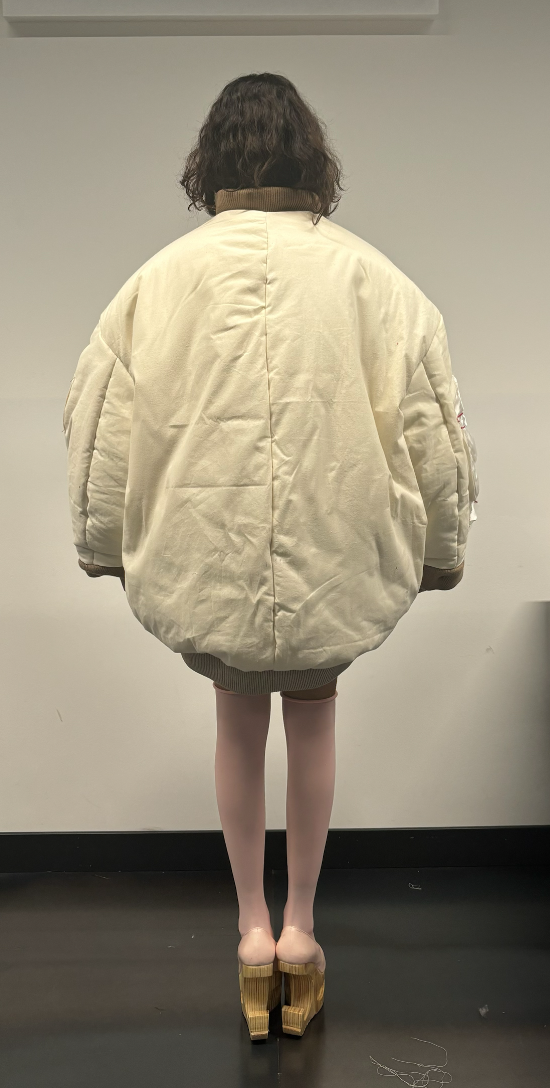
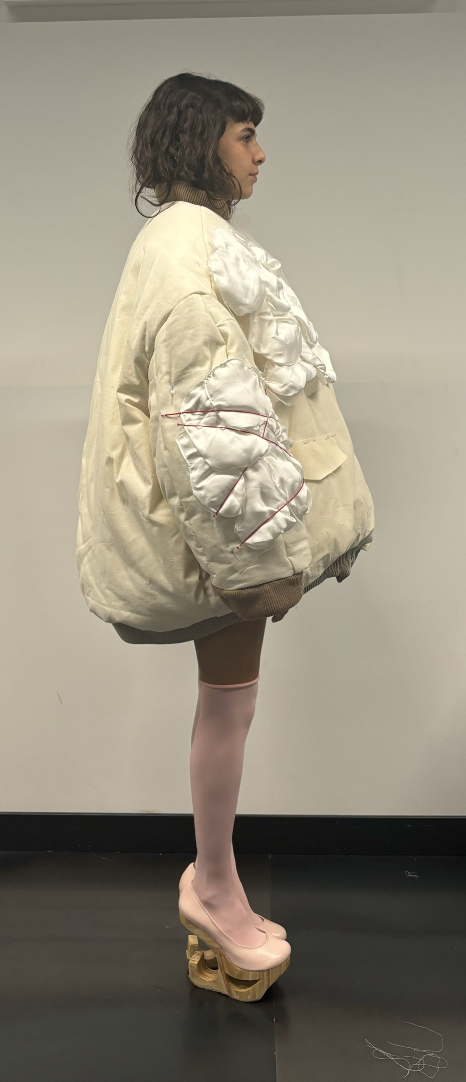
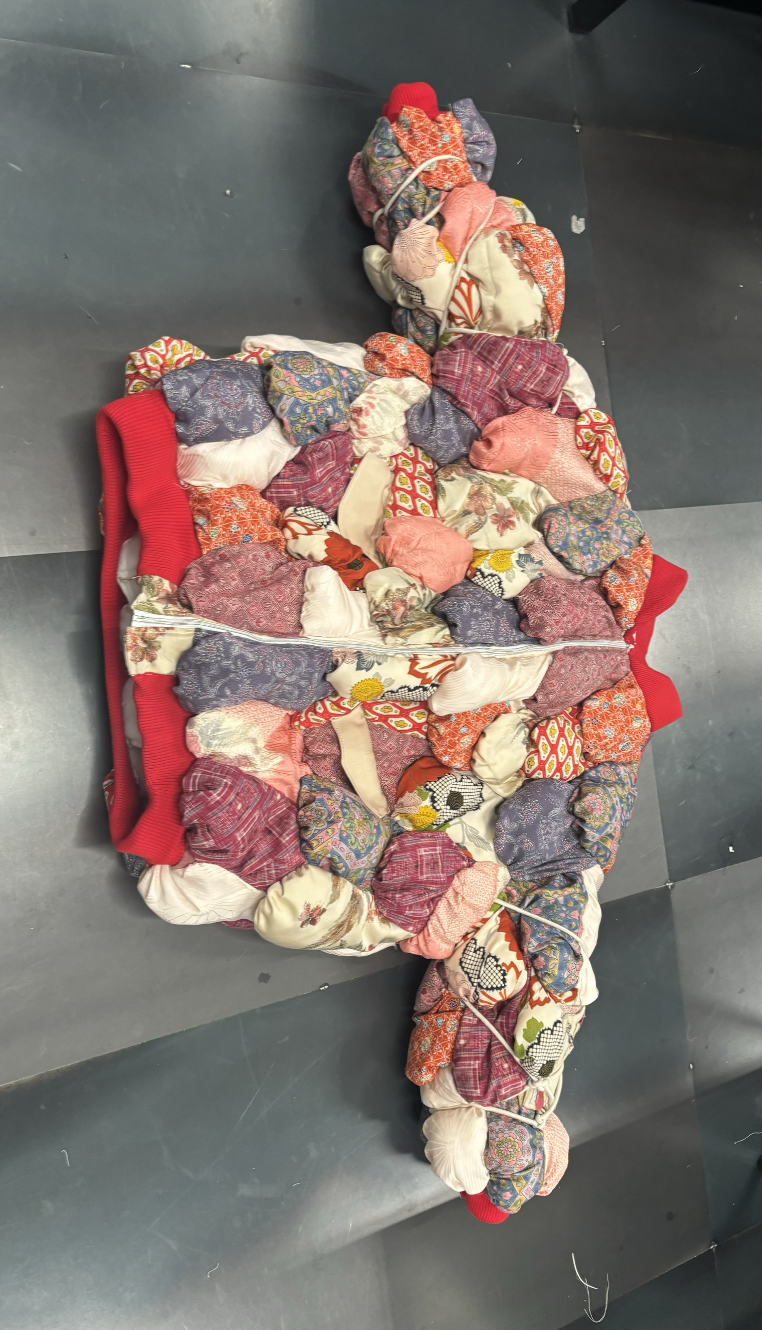
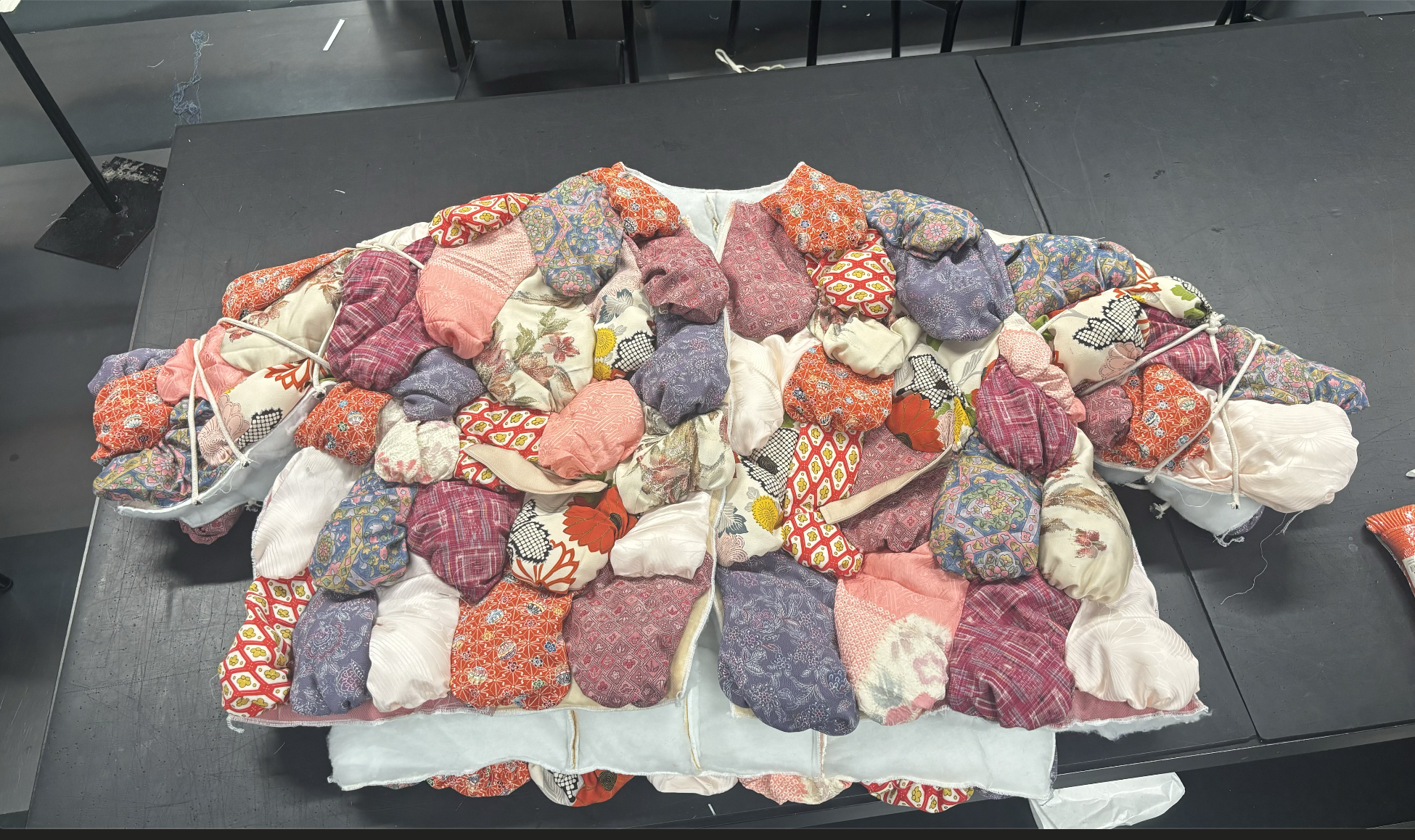
The garment by Victoria Miras Bueso, selected as runner-up, started from a powerful source of inspiration. While employing strong forms and advanced techniques, the piece beautifully reflected a sense of Japanese subtlety and restraint, resulting in a work that felt both elegant and realistic.
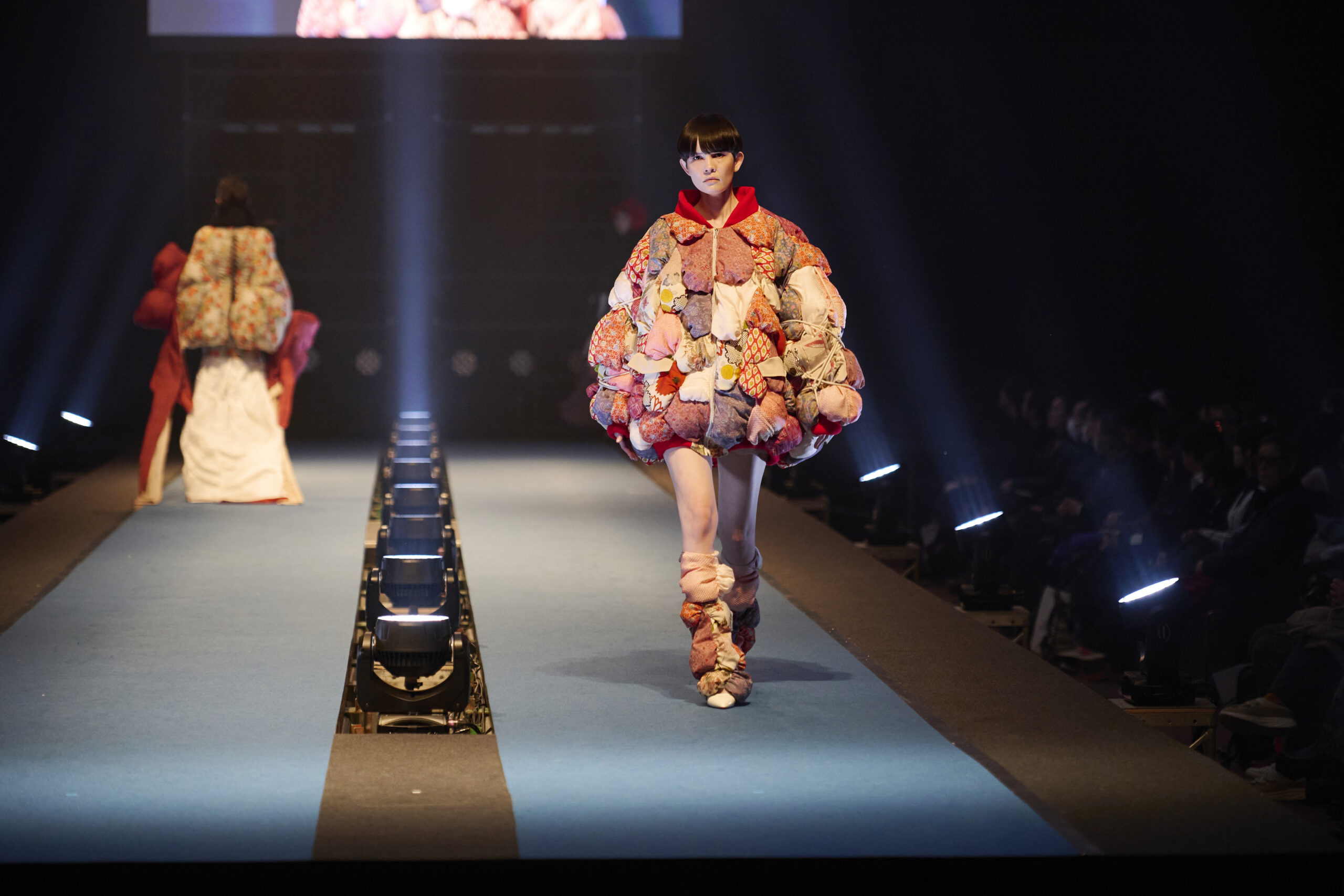
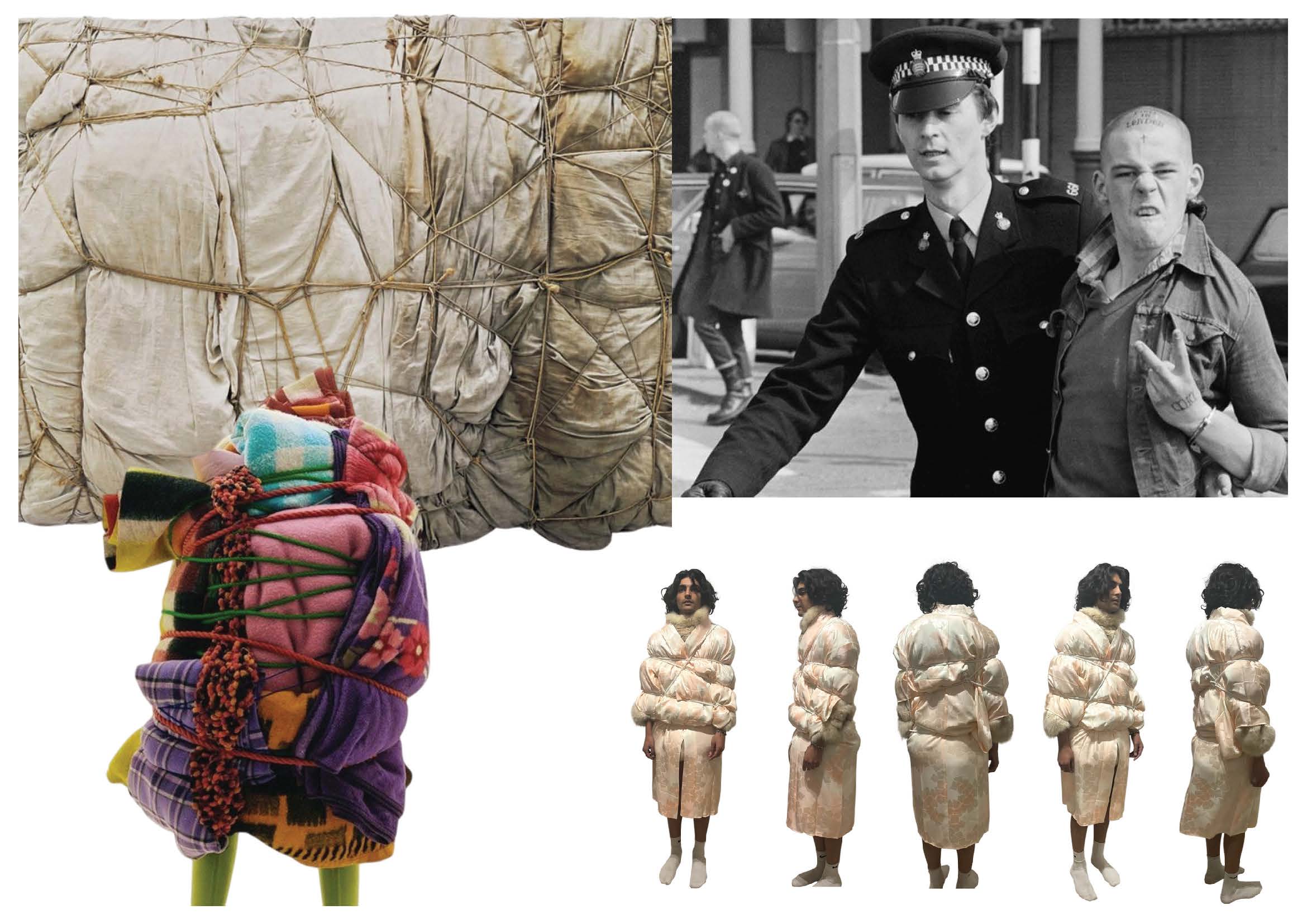
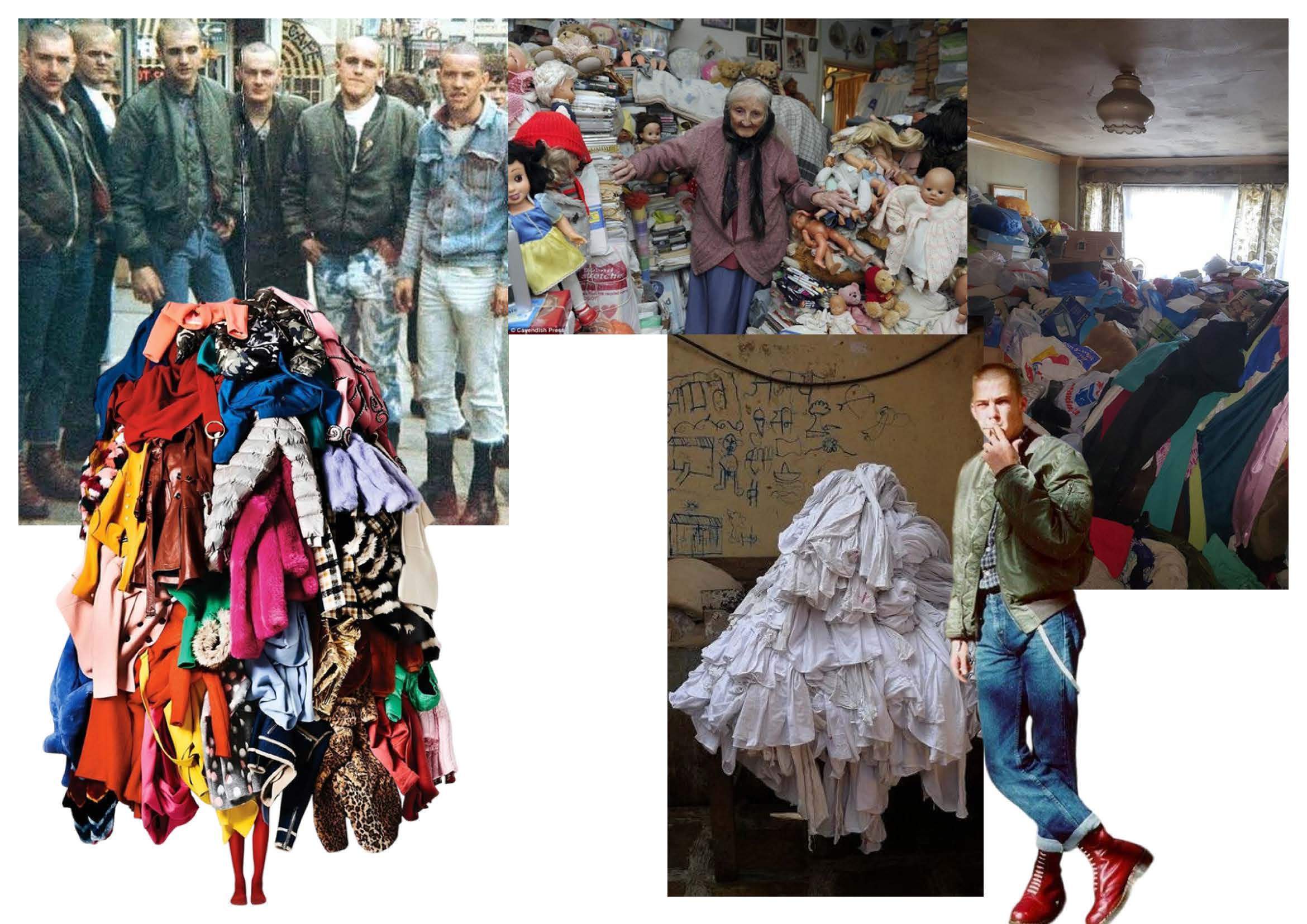
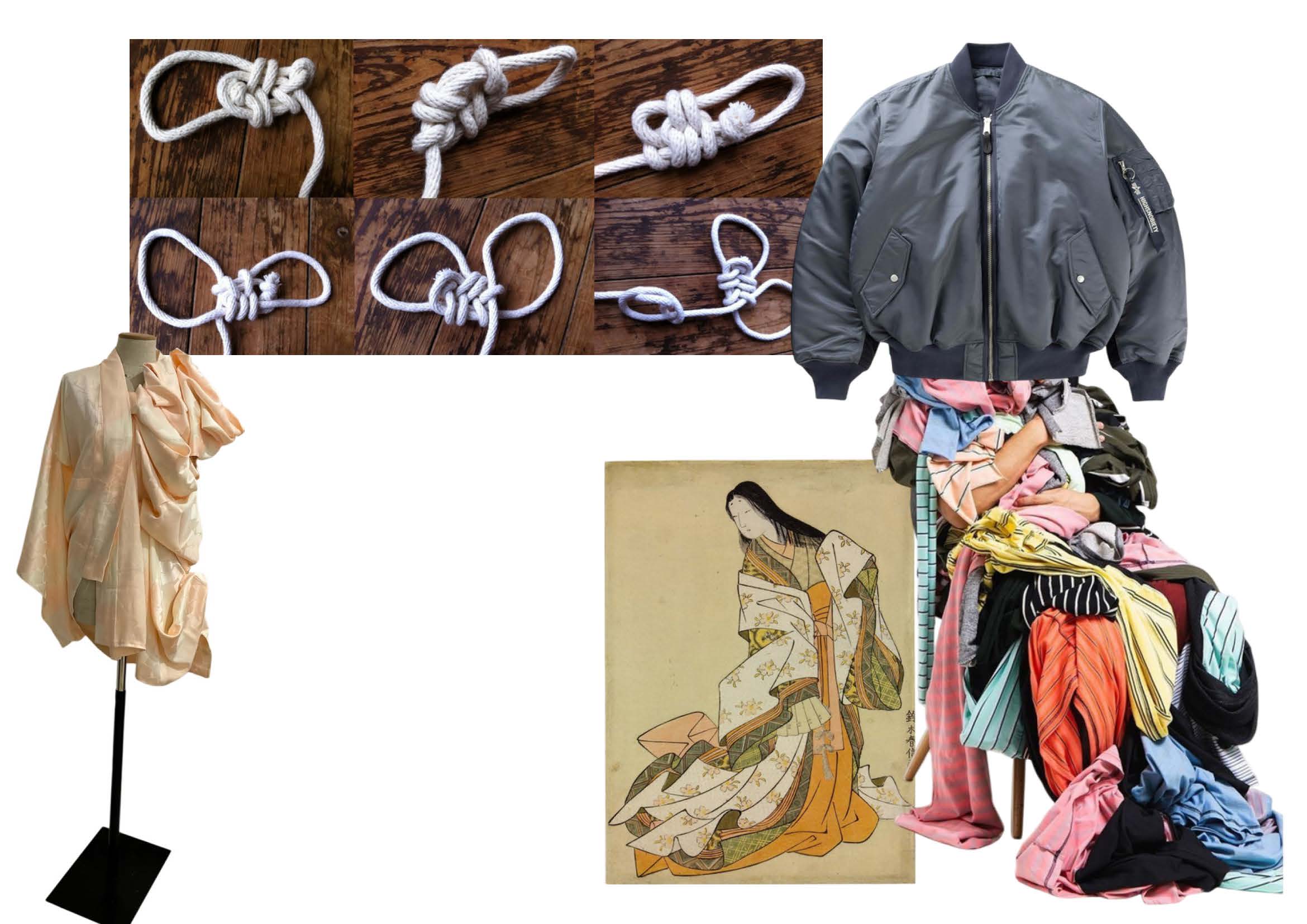
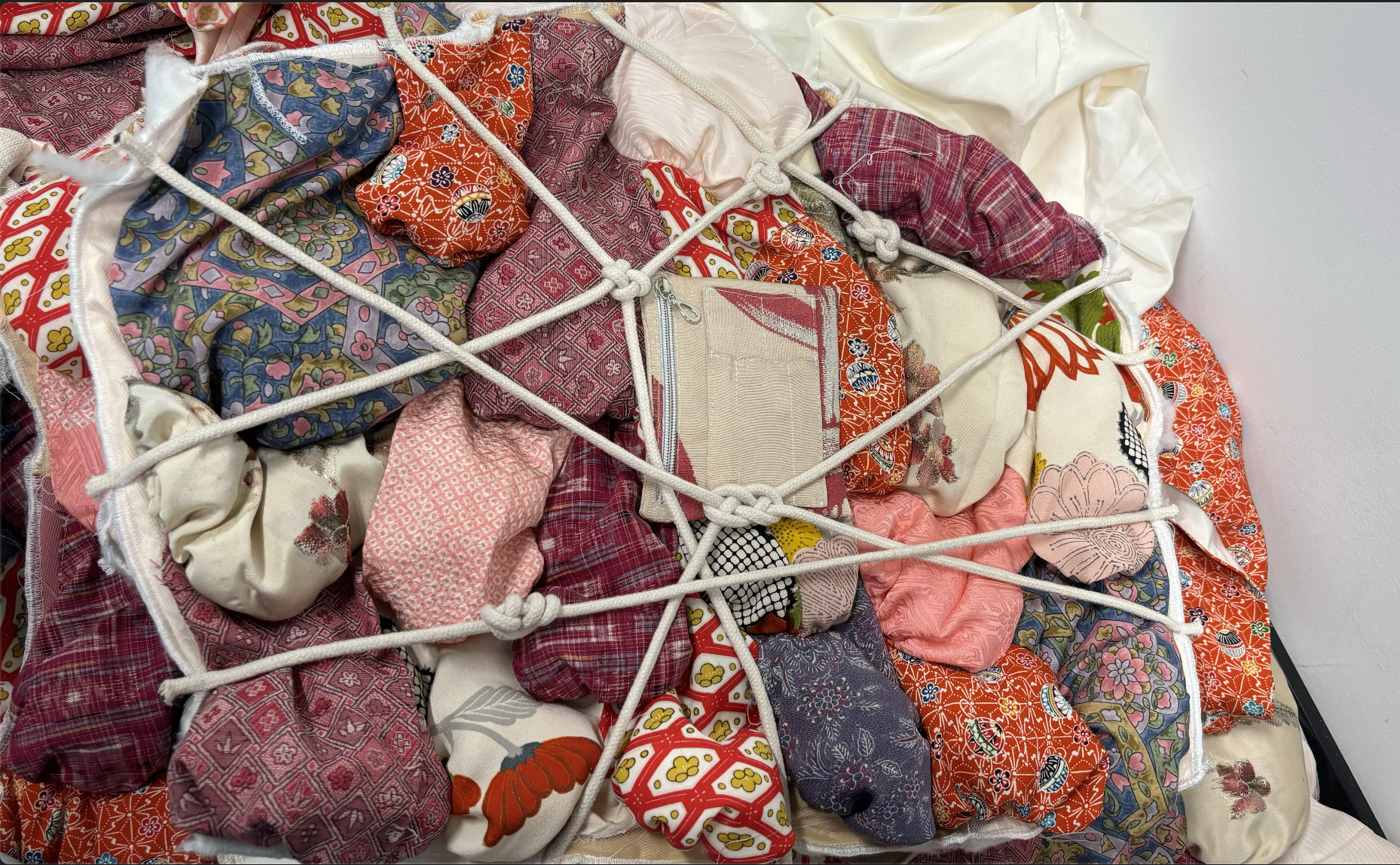
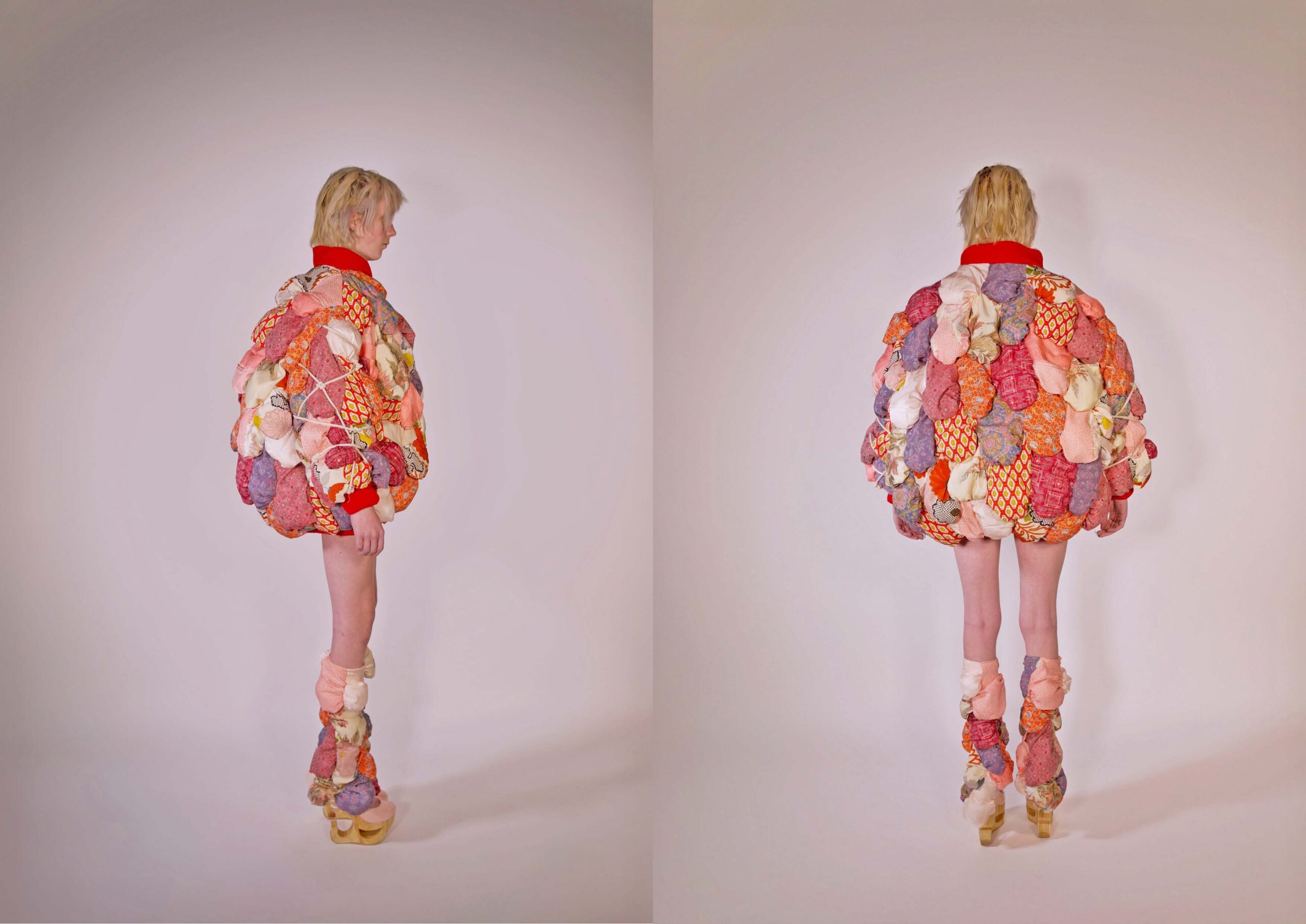
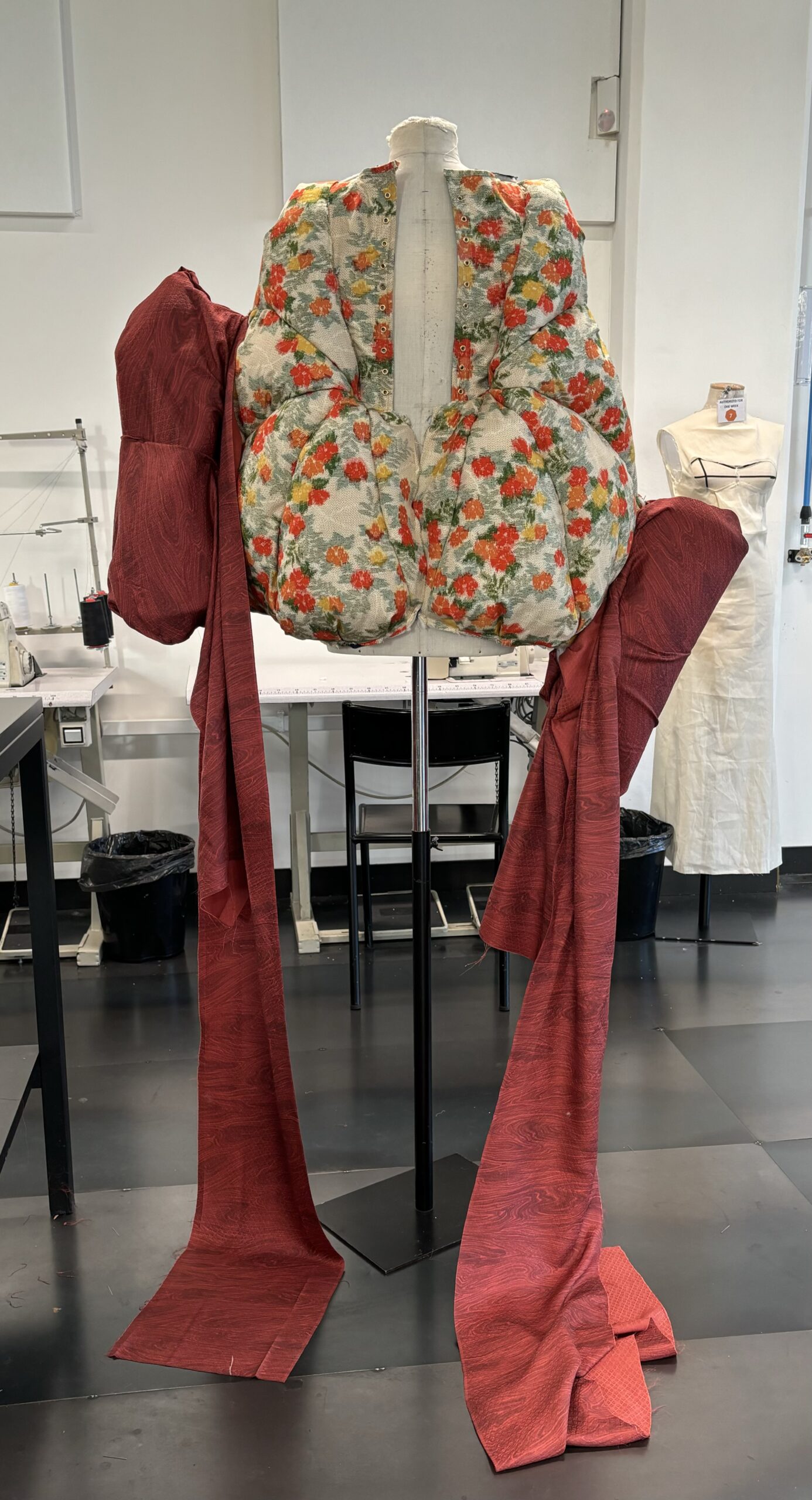
Victoria Miras Bueso’s design centred around the act of hoarding. Interested in the obsessive accumulation of objects and materials that take on their own form, noting how they often mutate into a shape and being in and of itself, she wanted to translate this into a garment whose flowing volumes echo this intense layering of meaning.
Osaka Institute of Fashion provided the students with many vintage kimonos, and Victoria used the maximum number of 10 allowed in the project, to incorporate this exaggerated and accumulative attitude towards grouping materials. She contrasted the negative and heavy connotations of this psychological condition with warm and happy red and orange colours as well as soft and flowing volumes.
The experience was “immersive and demanding”, as Victoria was aware of the necessity to respect the value of the original garment as well as being bold enough to really interpret it, “I was aware of the responsibility of transforming a garment which holds a lot of cultural value.”
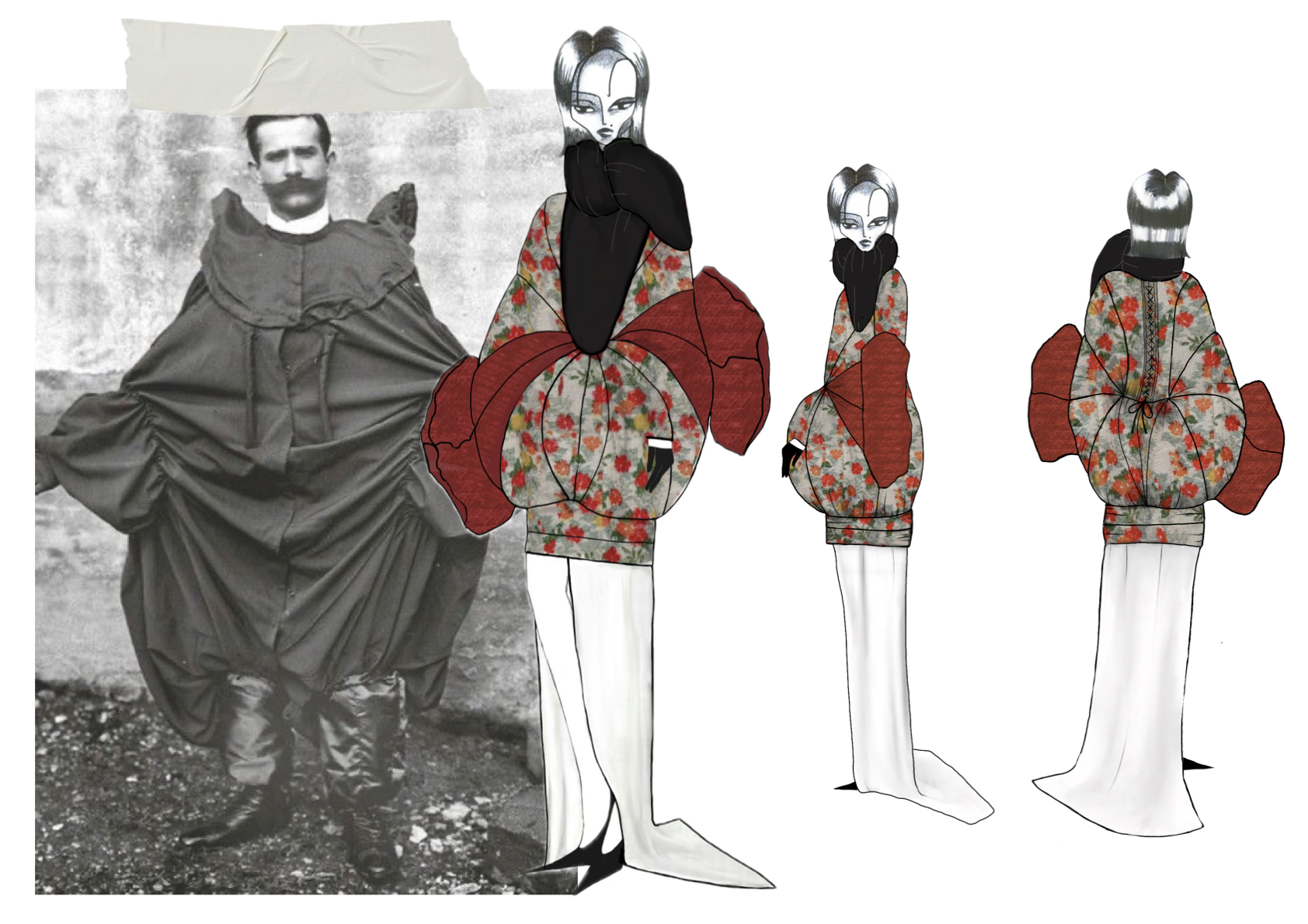
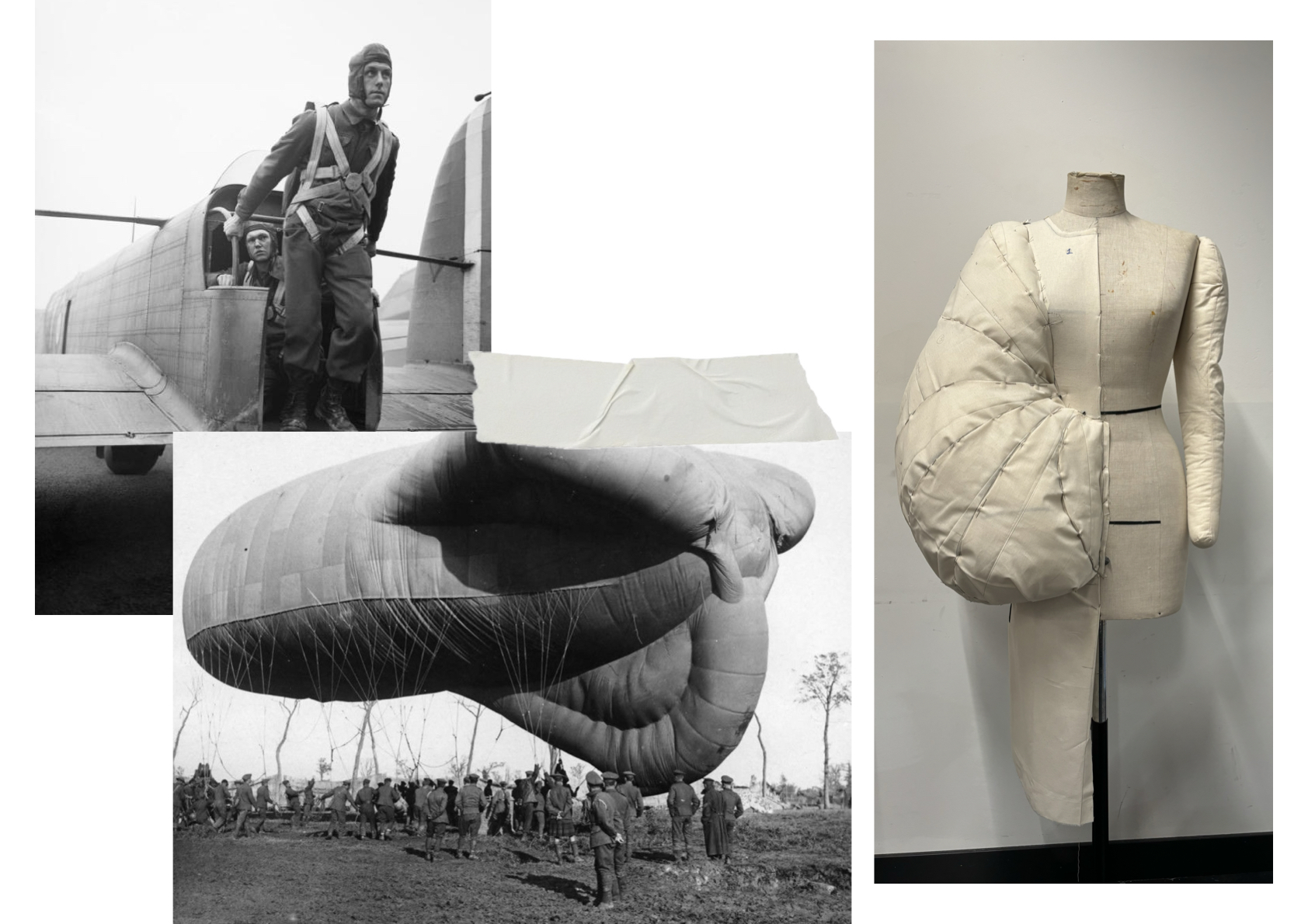
Winner Sabrina Steffen evoked the Icarus Syndrome, focussing on the narcissistic and over confident tendencies of someone who doesn’t know their limits, examining the line between determination and risk, and exploring the credence that believing in your abilities sometimes makes you forget your limits.
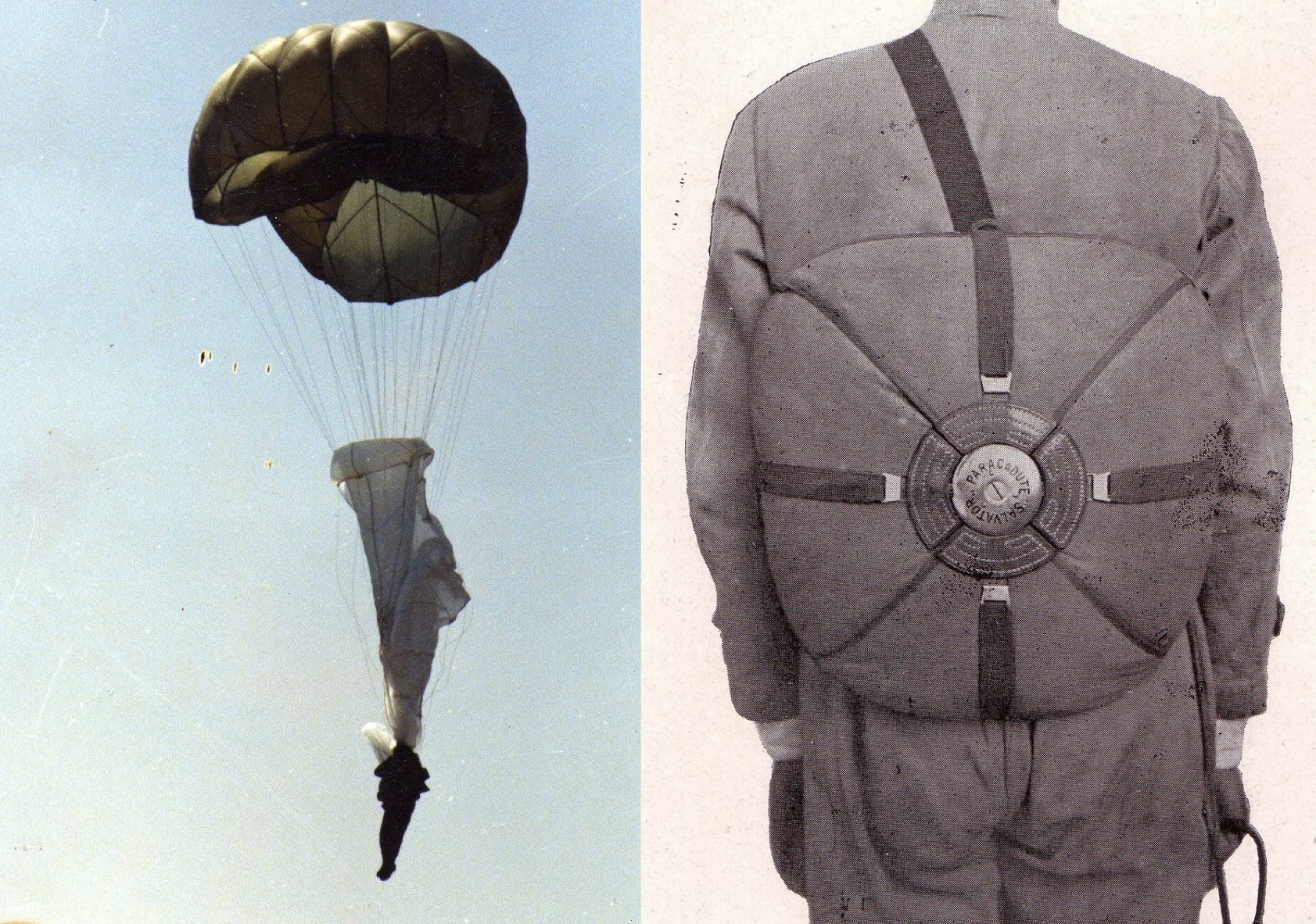
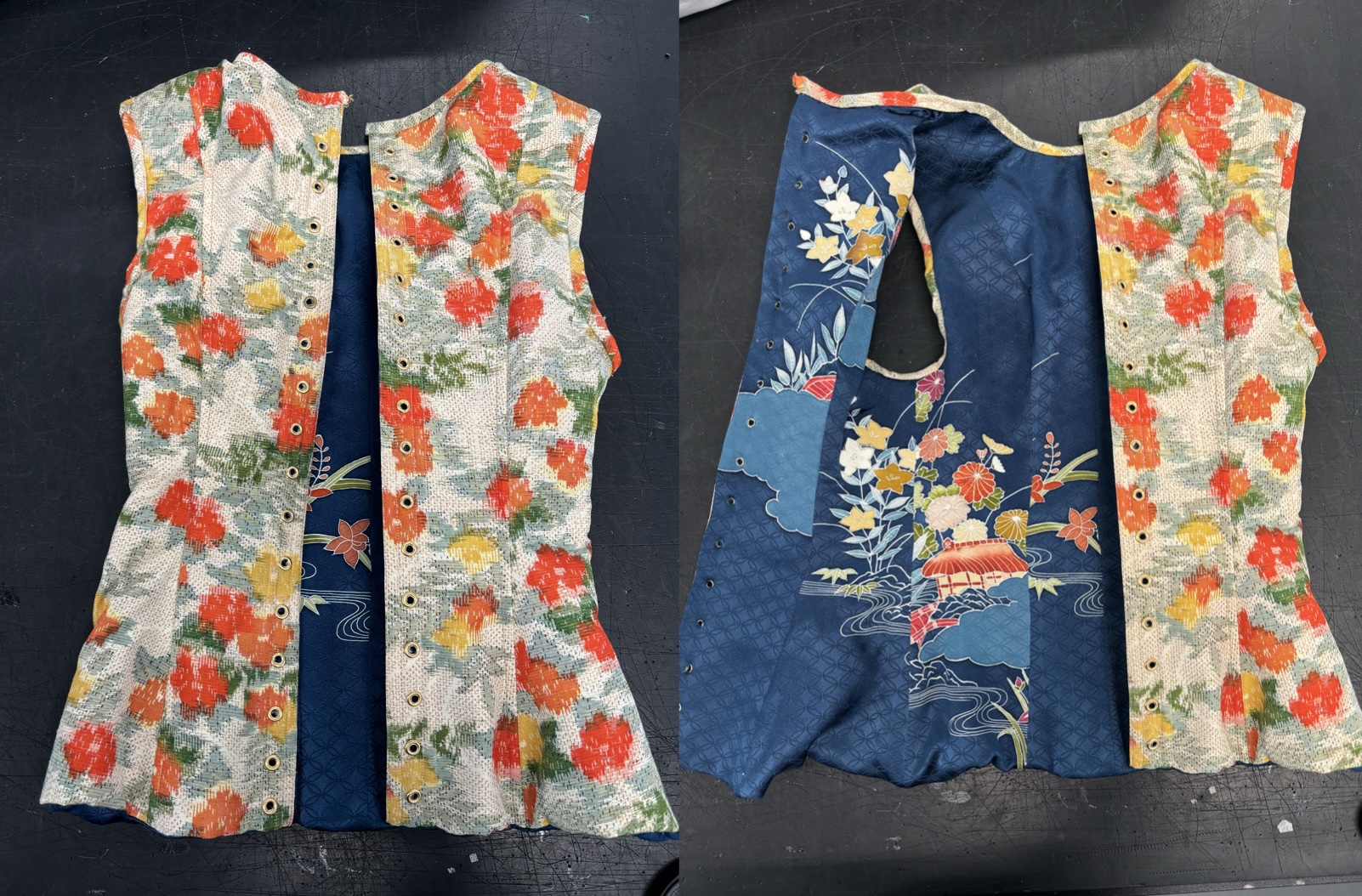
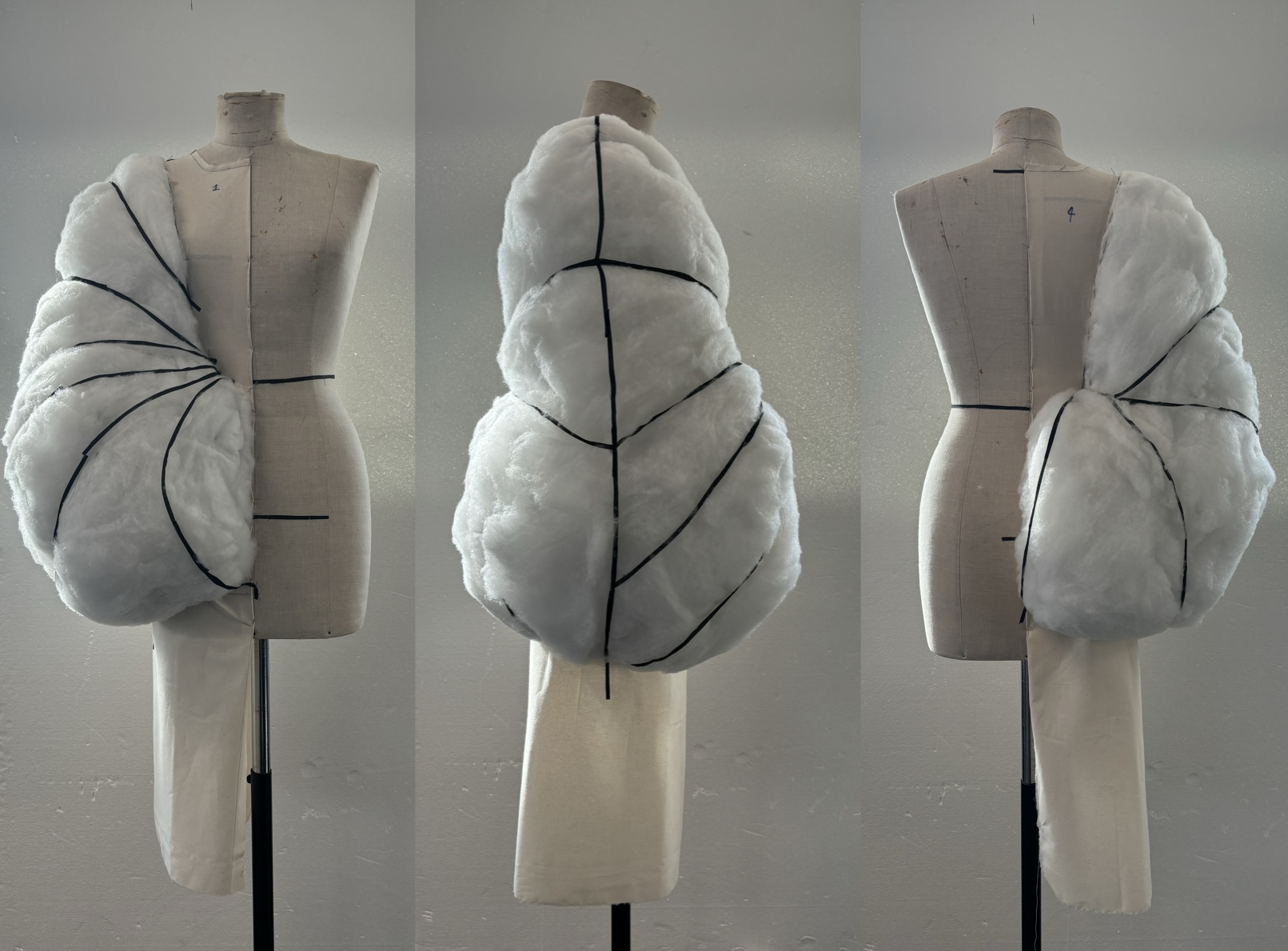
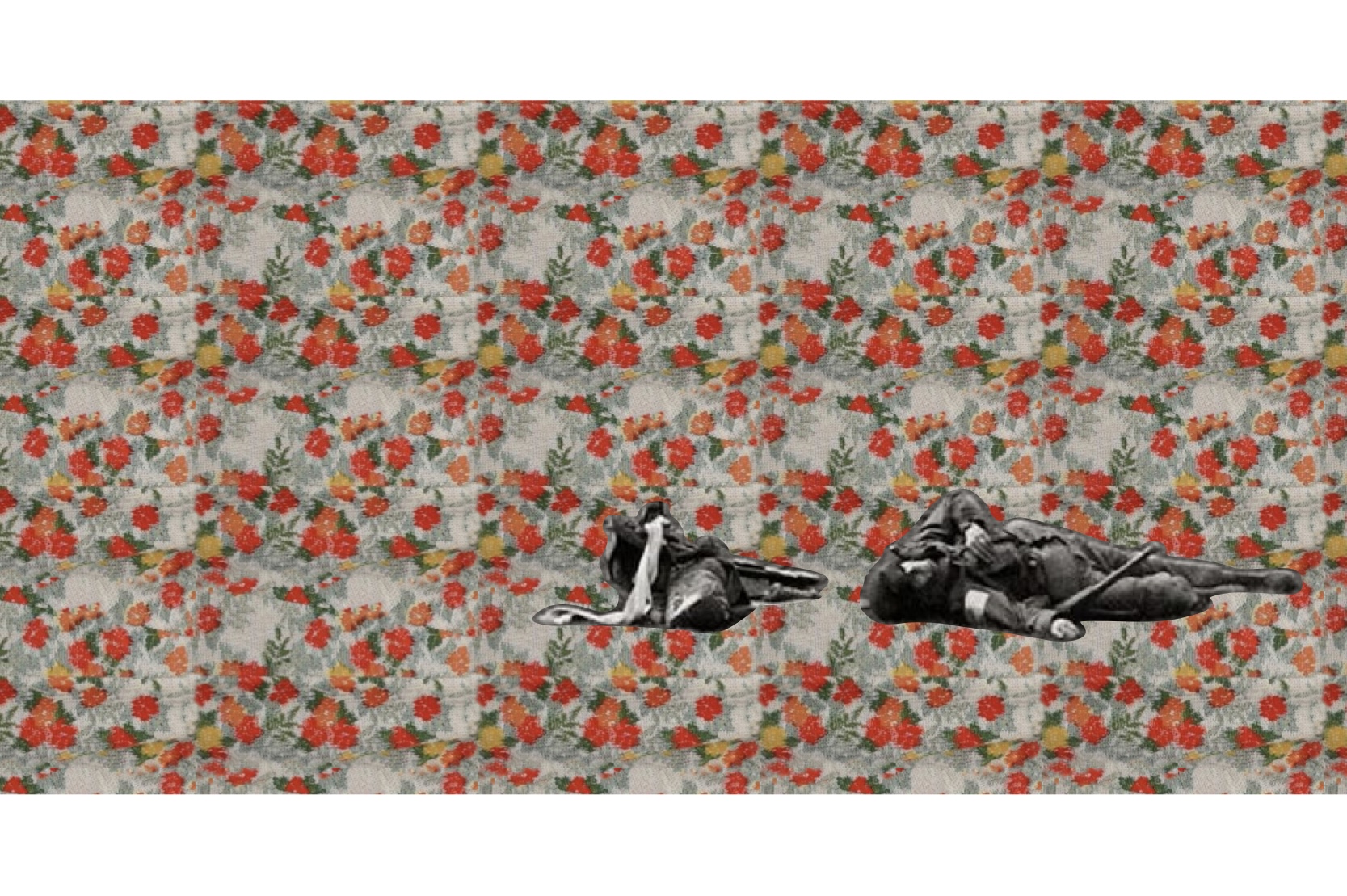
Inspired by French inventor and tailor, Franz Reichelt, who designed a wearable parachute and tested it, to his tragic demise, jumping from the Eiffel tower, her design incorporates billowous volumes which draw from her investigations into parachutes, inflatable structures, and that moment of suspension between falling and flying.
Her fabric and color choices reflect the field and countryside within which this metaphorical fall would take place: the outer fabrics evoke a landscape filled with flowers, while the blue lining evokes the sky, representing ambition and an inner drive to something bigger than the individual. The volumes and shapes are inspired by the moment when a parachute begins to open, as well as by the circular form of the parachute itself.
Sabrina wanted to approach design more playfully through participating in this project, which allowed her to experiment more with pattern making and garment constructing. Understanding the structure of kimonos and reshaping them and working with upcycled kimonos was a specific challenge that definitely contributed to her development as a designer.
The Kimono Upcycling Project proved to be far more than a design exercise, it’s a bridge between cultures, generations, and creative visions. For two young designers, the experience of travelling to Osaka, engaging with a garment so deeply rooted in Japanese heritage, and presenting their work on an international stage is a priceless experience. Whether through Sabrina’s soaring exploration of ambition and its limits, or Victoria’s tender examination of accumulation and the onus that it can have on a person, both students demonstrated that fashion, at its most thoughtful, is a conversation, one that listens as much as it speaks.
CREDITS
Written by:
Catwalk images:
- © VOUTRAIL THE FASHION ACADEMY
Cover image:
- Winning design by Sabrina Steffen