The Fashion School in Florence, Italy
The Fashion School in Florence, Italy
The Fashion School in Florence, Italy
The Fashion School in Florence, Italy

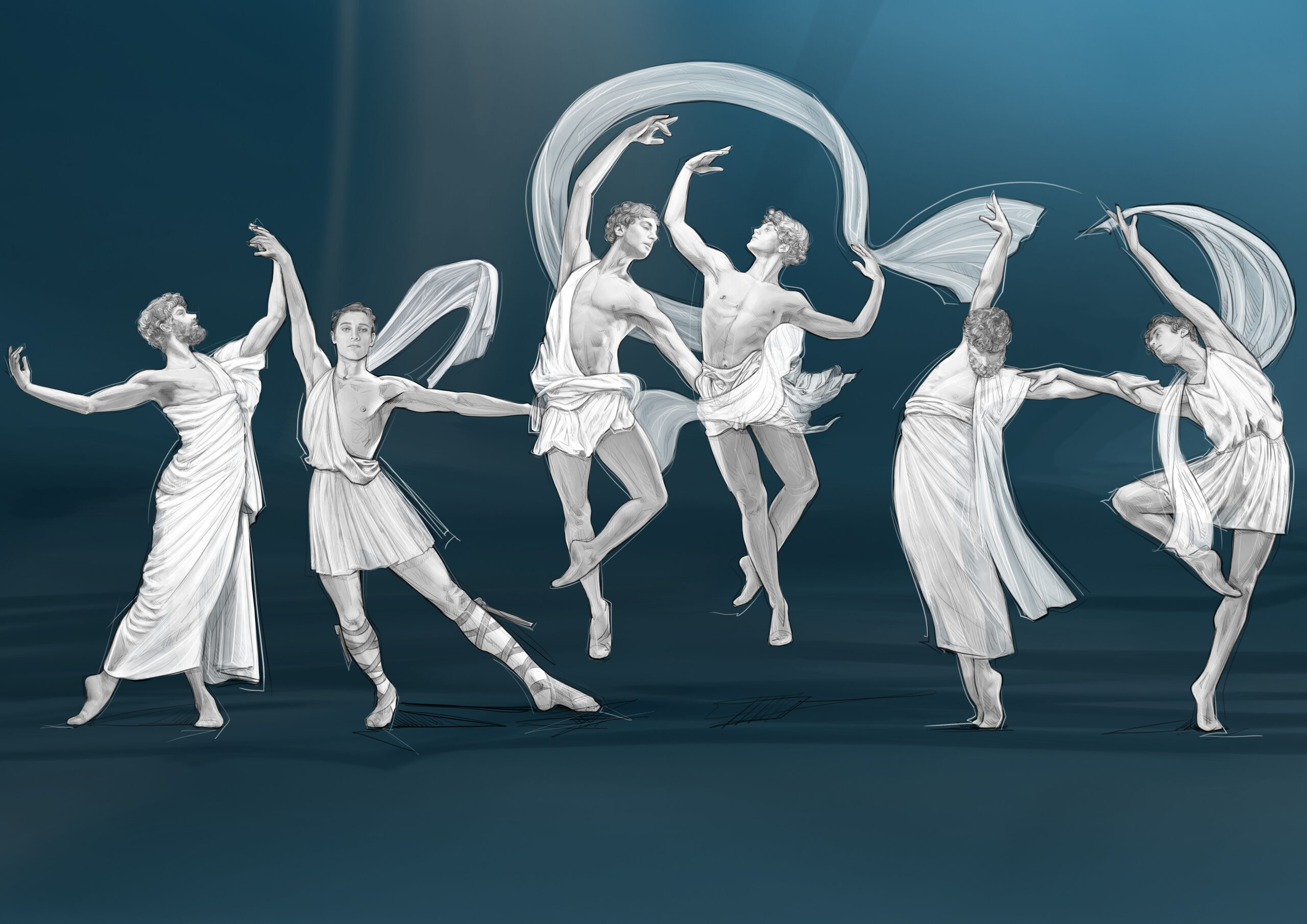
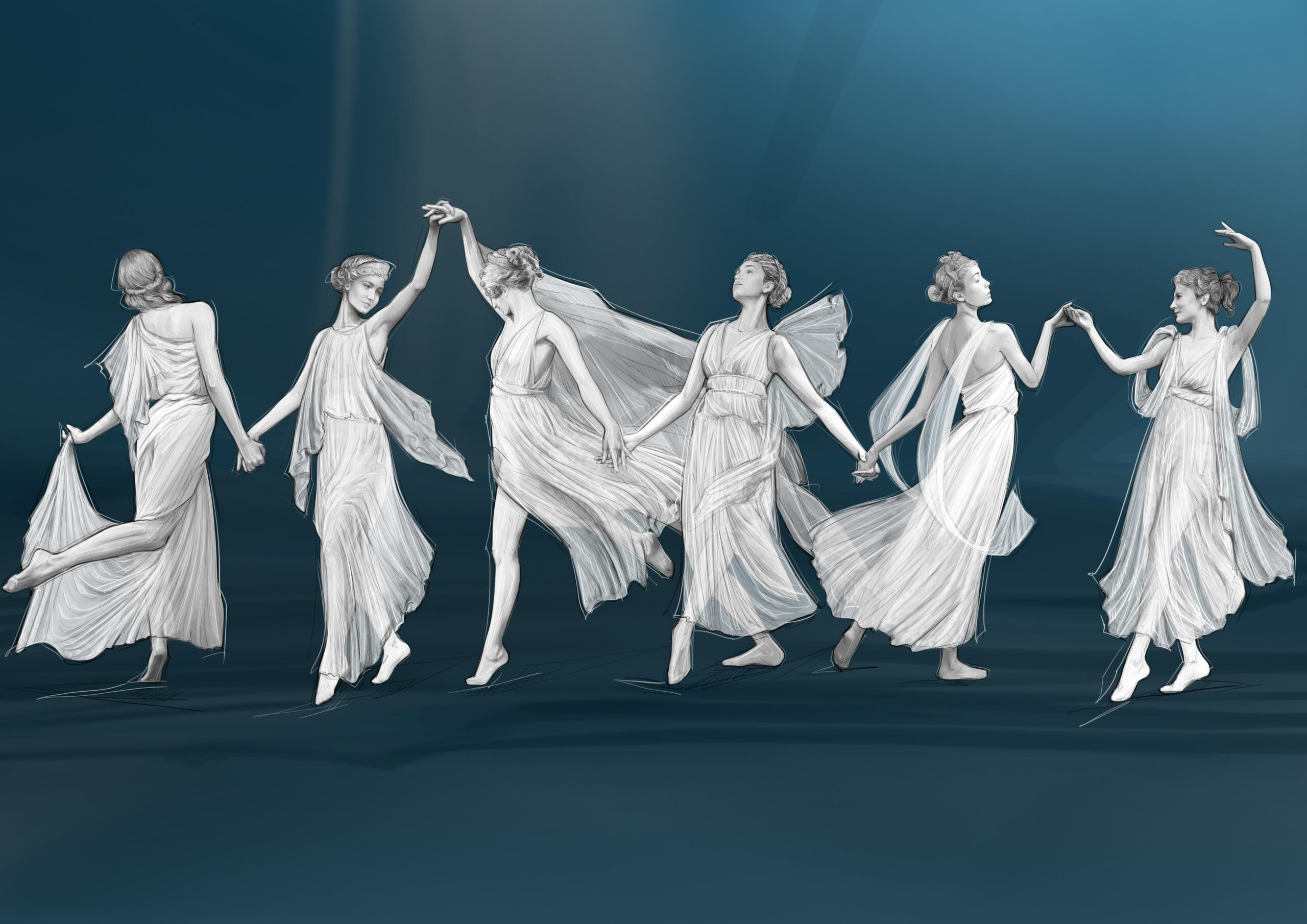
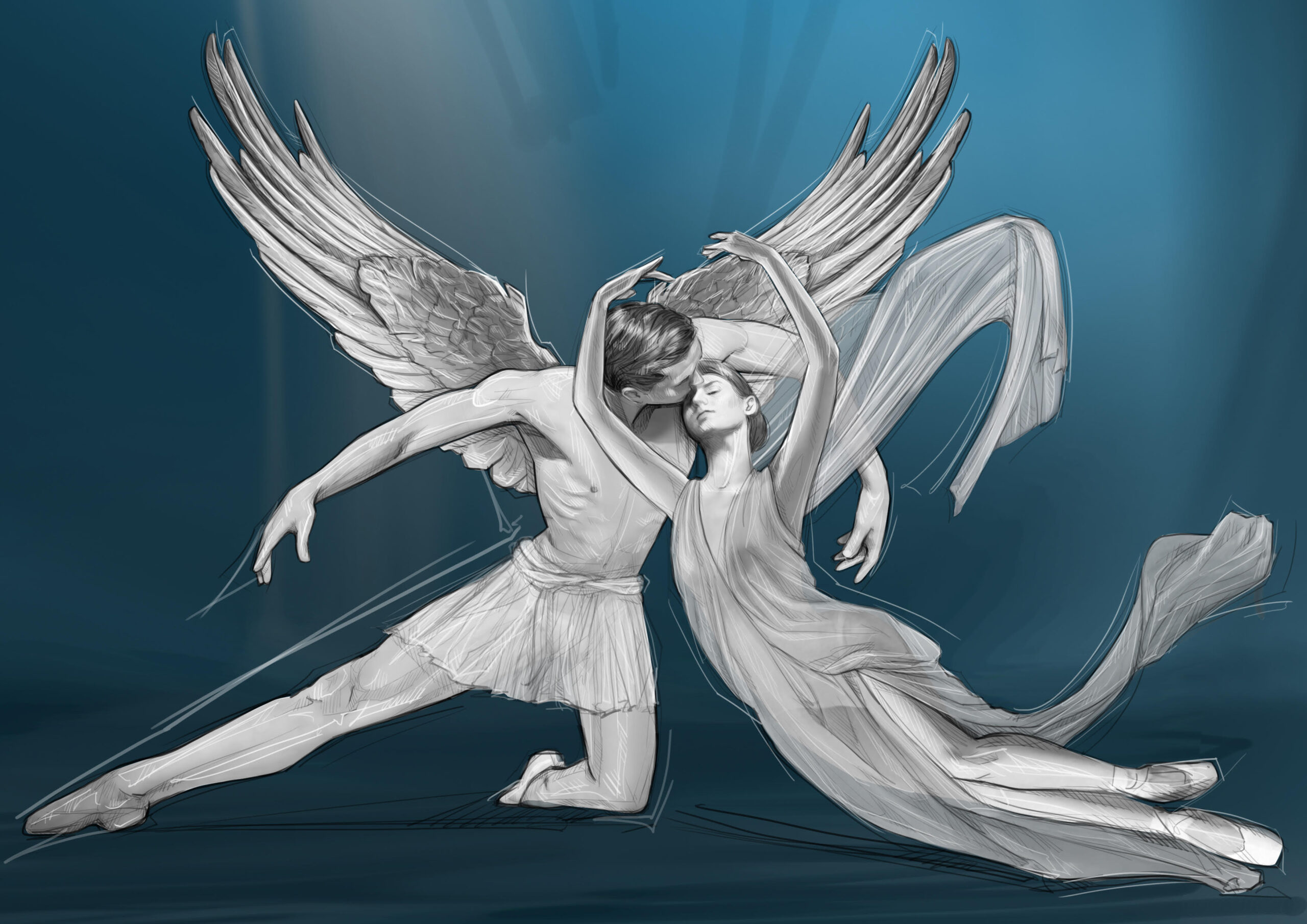
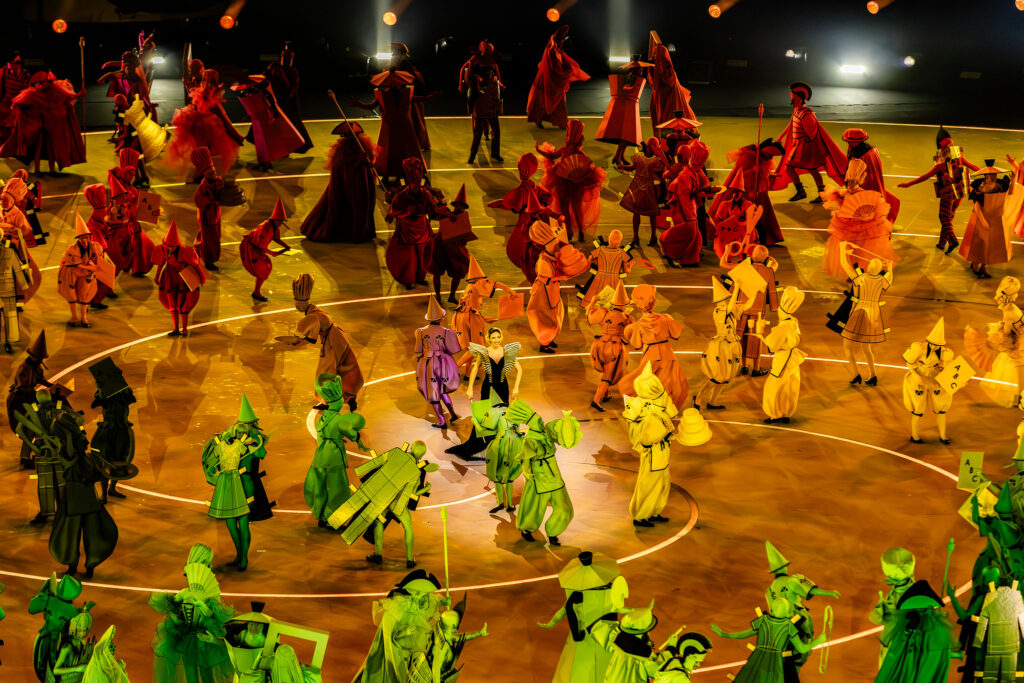
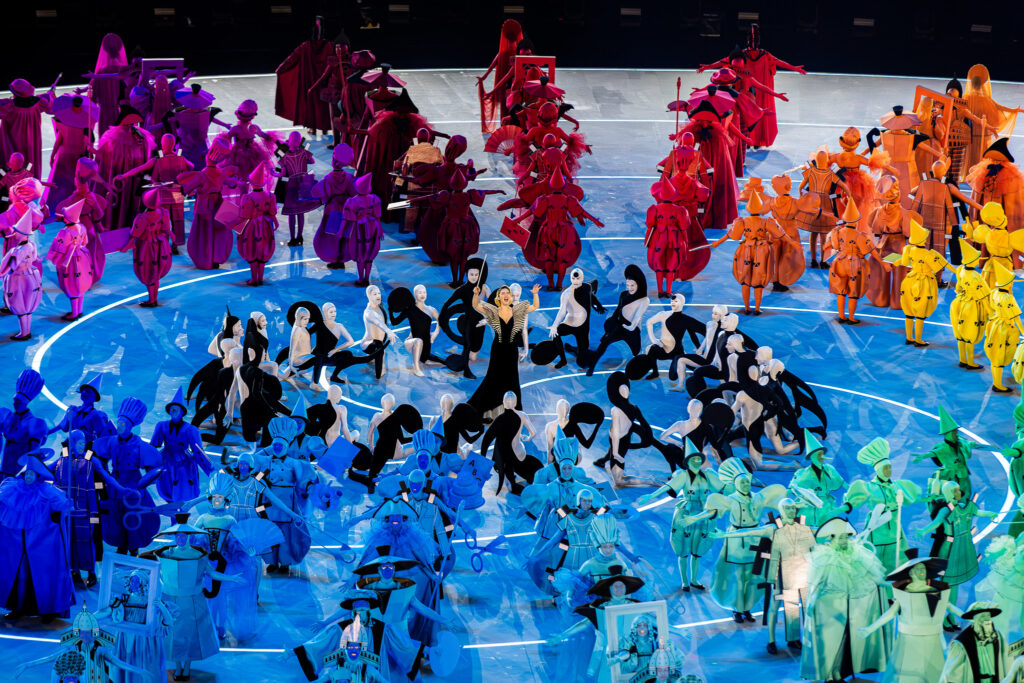
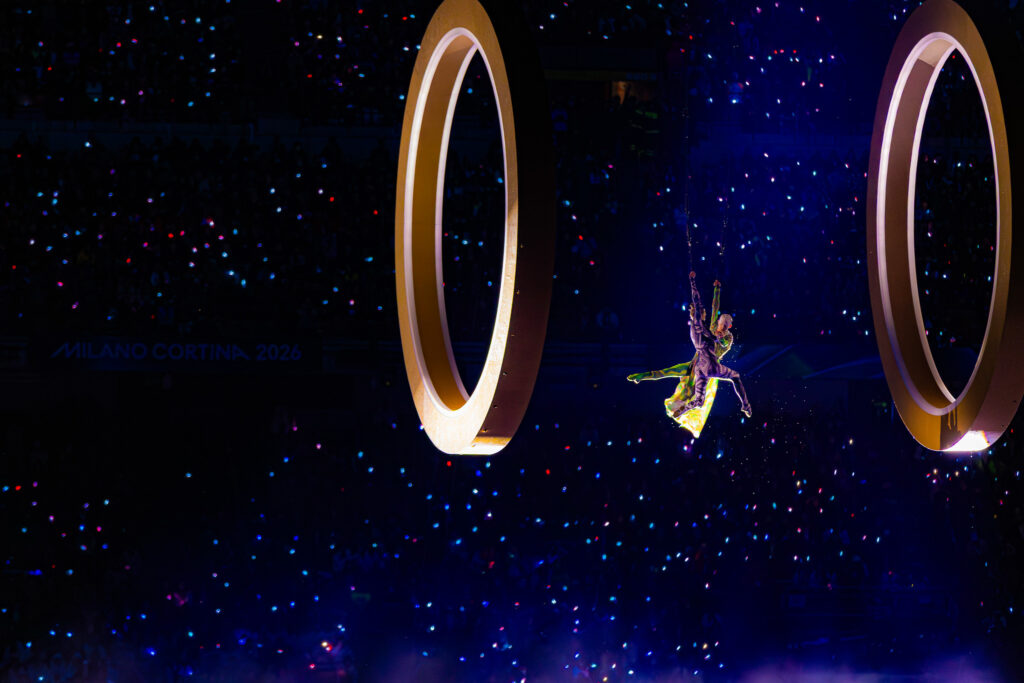
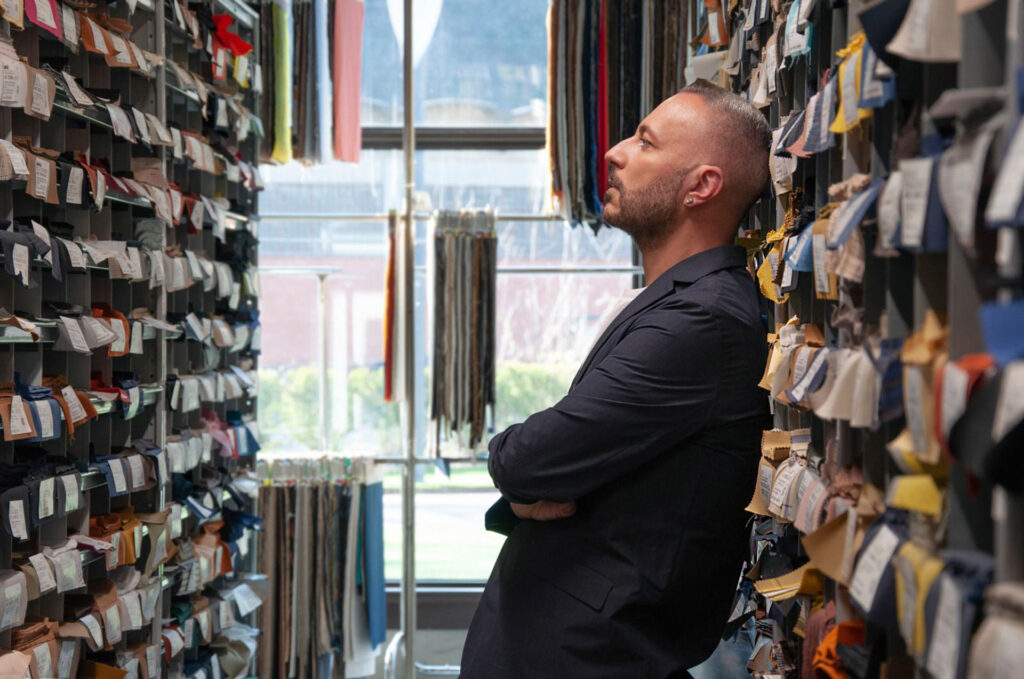
Massimo Cantini Parrini, Mentor of the Master in Costume Design and Polimoda alumnus, is the costume designer for one of the world’s most significant collective moments: the Milano-Cortina 2026 opening ceremony. This colossal undertaking, one that touches millions of souls and celebrates both diversity and unity, presented a creative challenge unlike any other.
Through the ceremony, Cantini Parrini successfully wove together Italian heritage, history, culture, and beauty, translating these elements for a global audience. On the eve of the ceremony and the start of his mentorship at Polimoda for the February edition of the master’s program, he spoke with Phoebe Owston, Editor of Polimoda’s journal, about the emotion, dedication, and cultural touchstones that shaped his preparation for such a momentous event.
How did you feel when you learnt you would be the costume designer for the opening ceremony?
I experienced a rare form of emotion: a mix of gratitude and vertigo. The Olympic opening ceremony is not just a show, but a contemporary “ritual,” a moment when a country tells its story to the world. Being called upon to give visual form to that story is an enormous responsibility, which I embraced with respect and dedication.
How have you approached and incorporated the ceremony theme of “harmony” in your costumes?
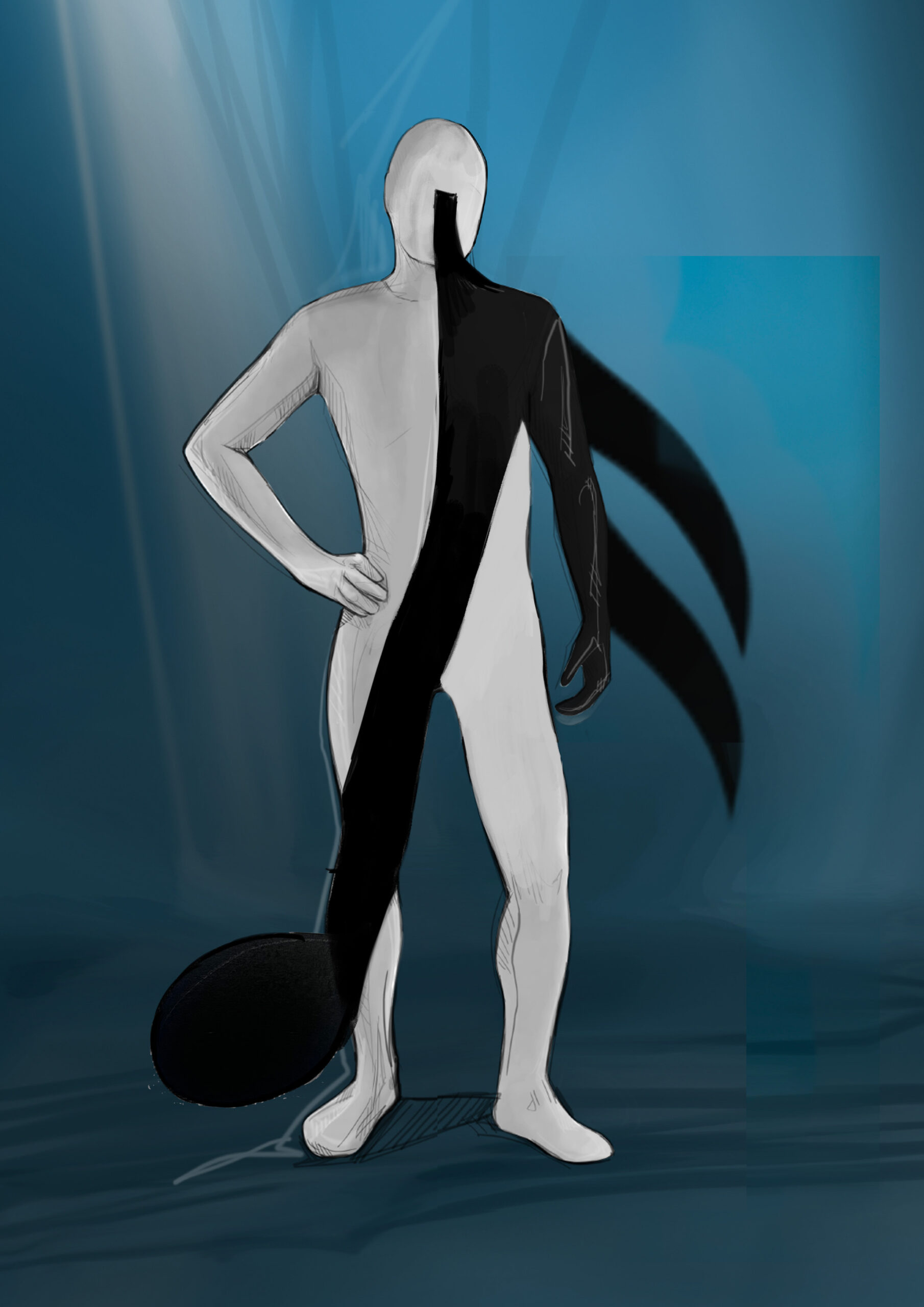
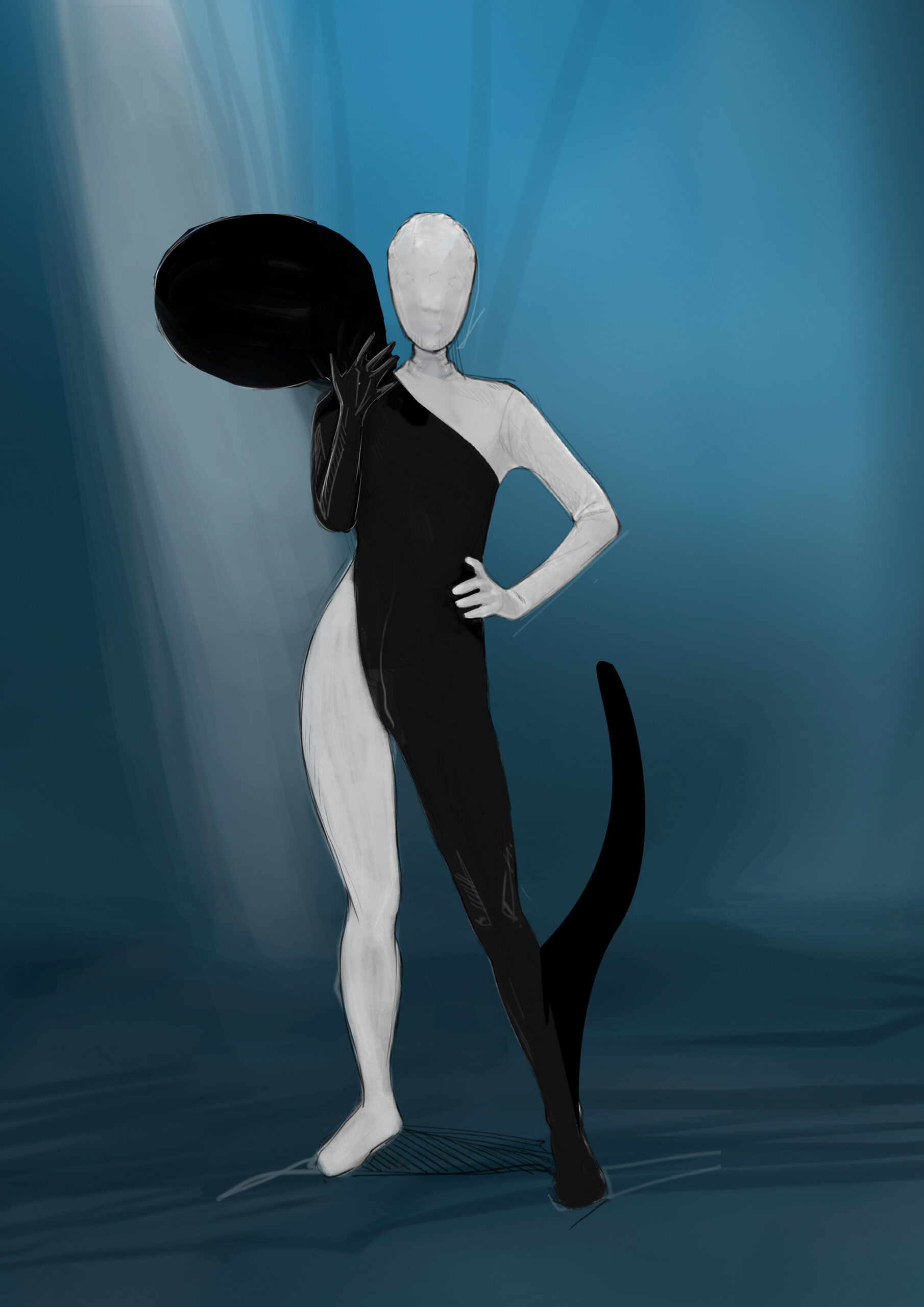
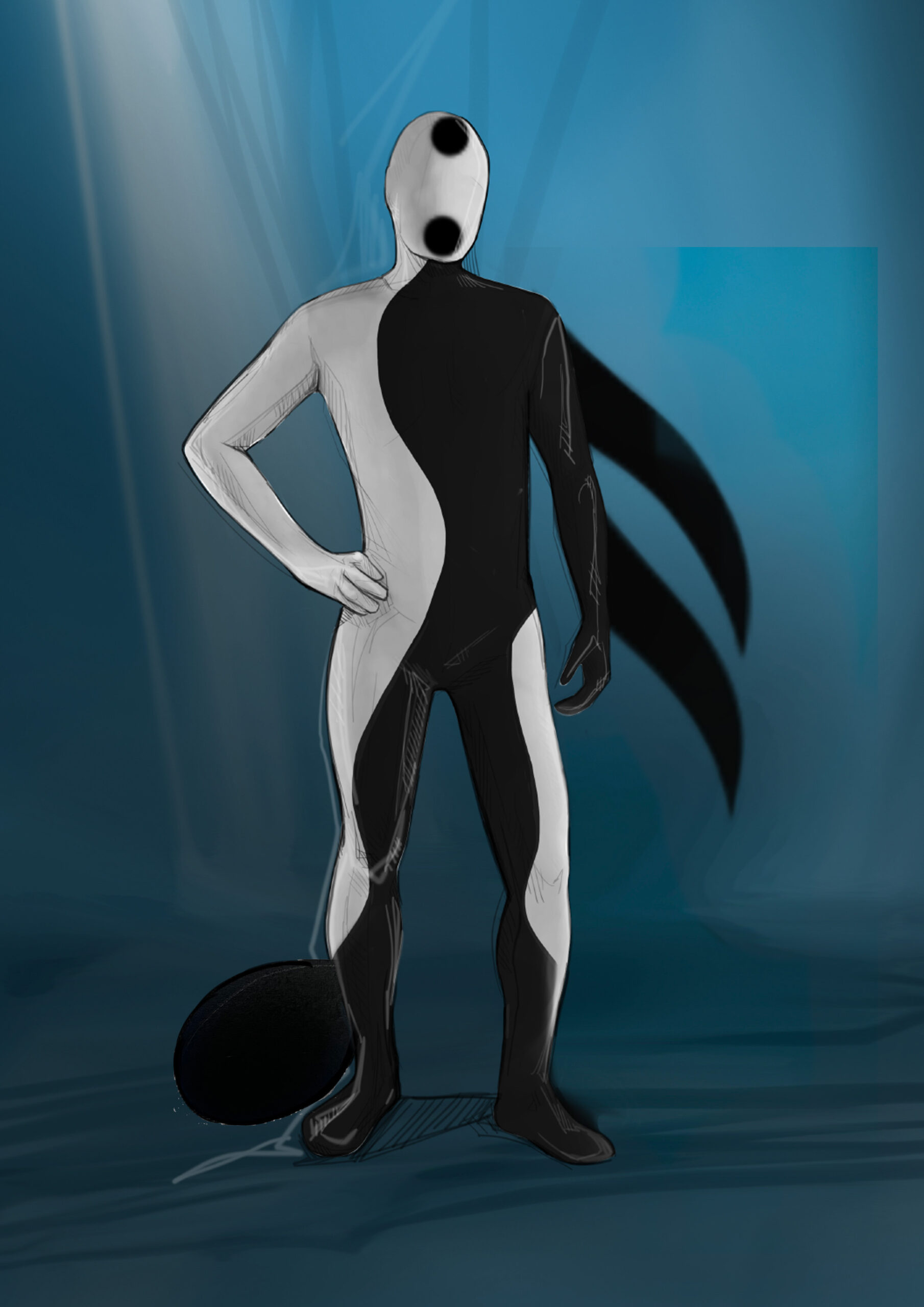
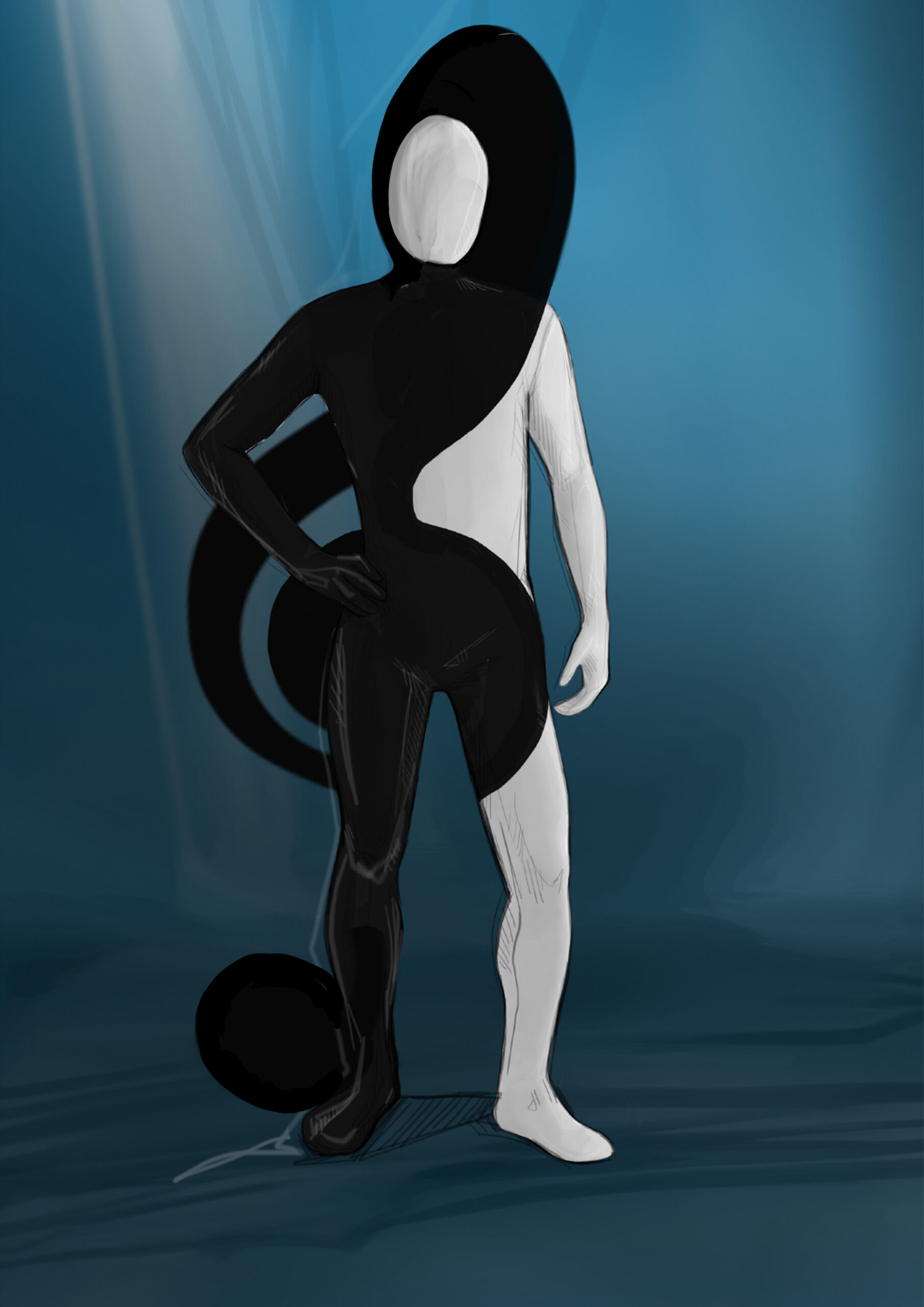
Harmony, for me, is never rigid symmetry, but dialogue. I worked on the balance between opposites: nature and artifice, past and future, rigor and lightness. In the costumes, harmony emerges in the relationship between materials, colors, and movement, like in a musical score in which each element finds its own time without overpowering the other.
What do you think the power of costume is in this specific context?
Costumes have the power to make the invisible visible. In an Olympic ceremony, it must not only dress a body, but embody a collective idea. It is a silent language that speaks to millions of people simultaneously, overcoming linguistic and cultural barriers.
The Olympics blend athleticism with artistry, how have you incorporated athleticism, movement and sport into your design philosophy for this ceremony?
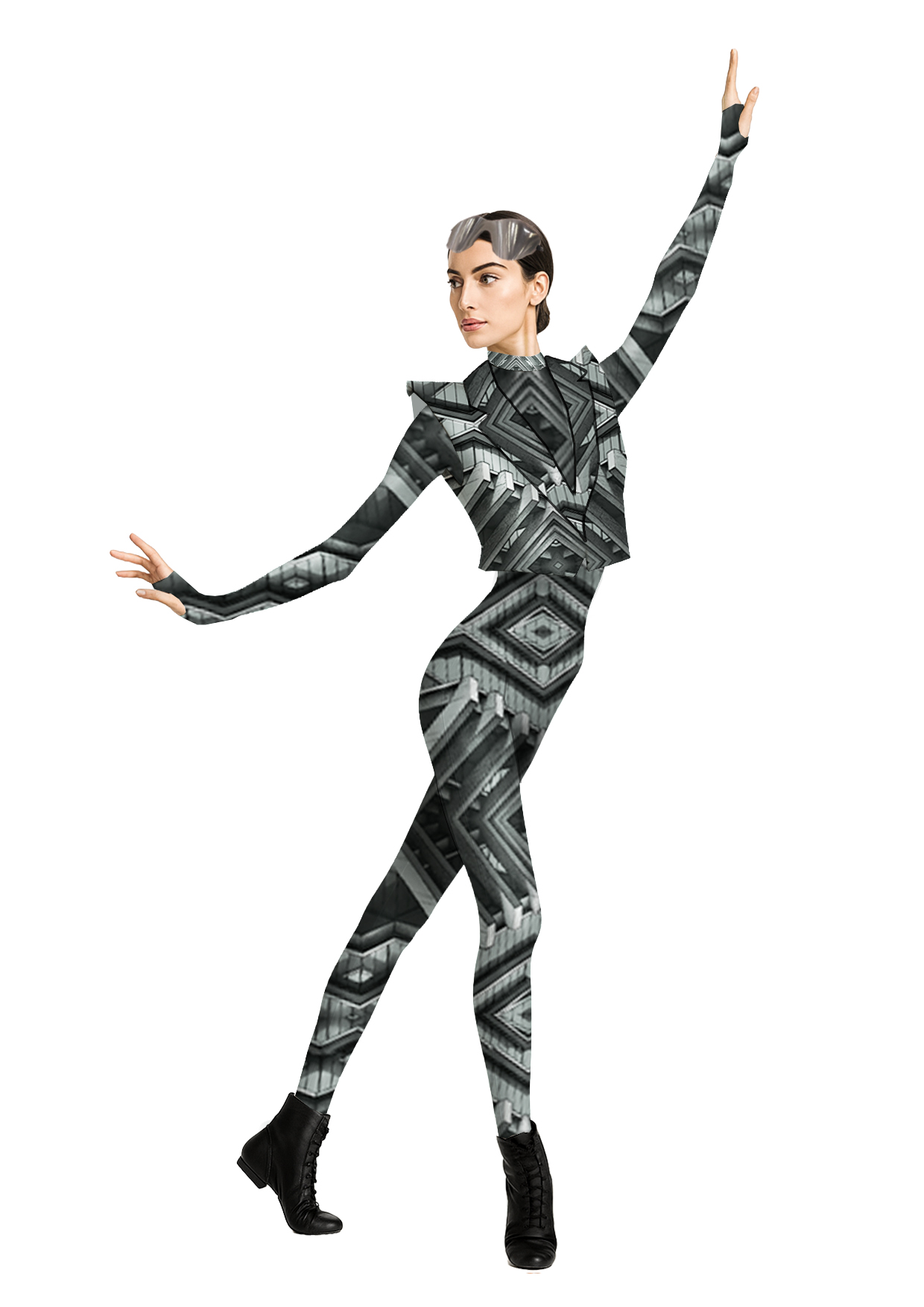
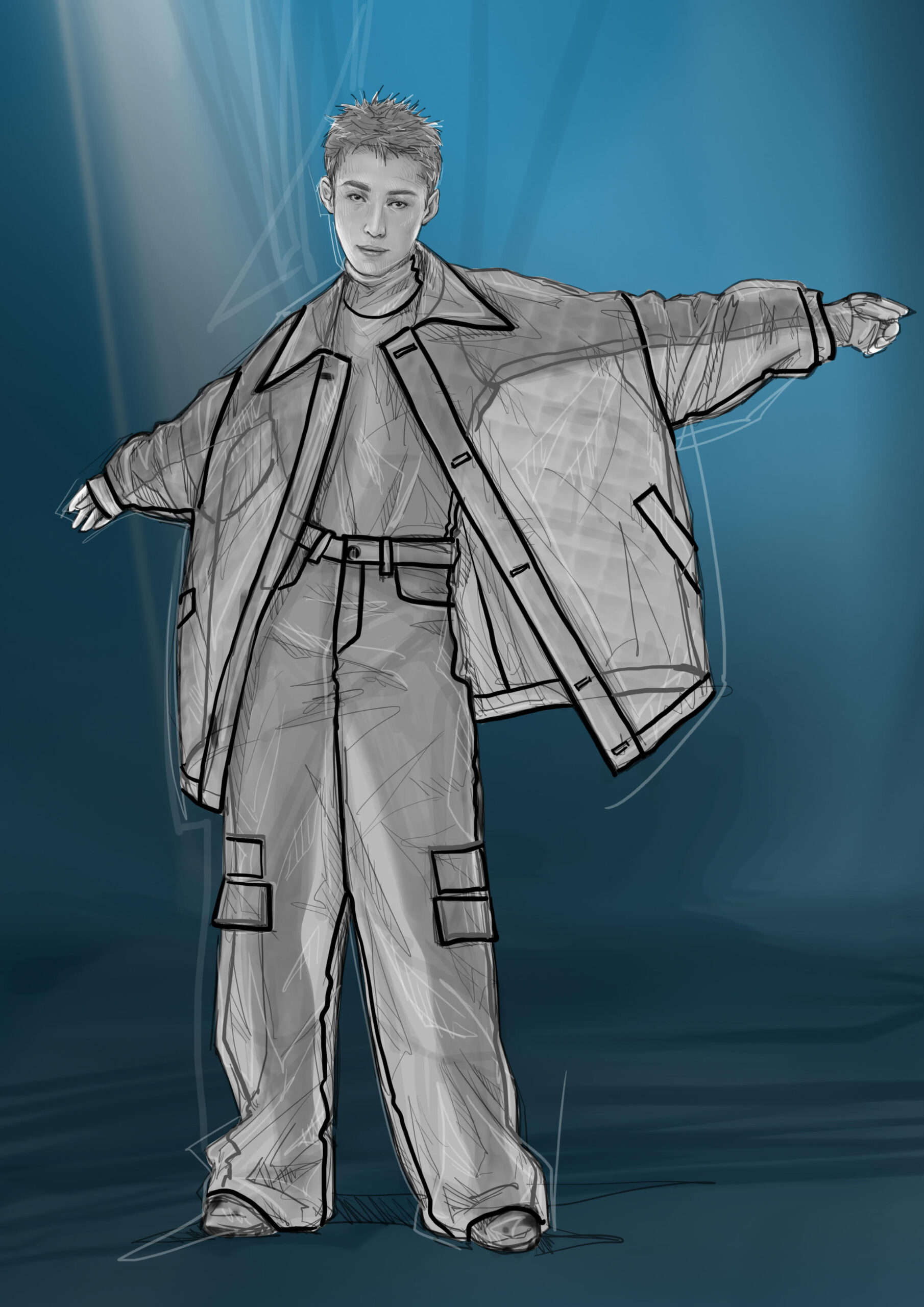
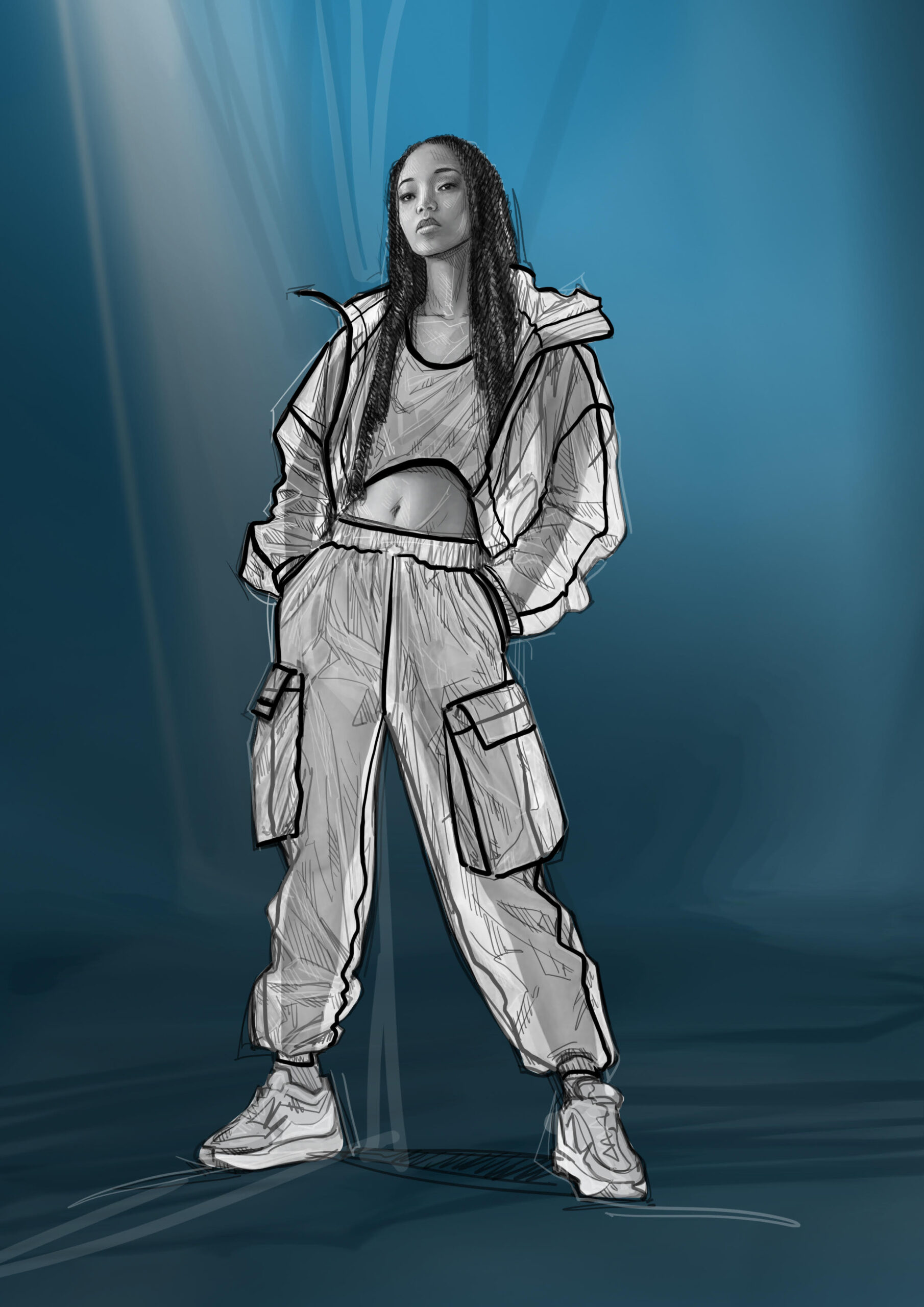
I approached the costumes as a choreographic second skin. Every line, every weight, every fabric was chosen to dialogue with athletic and scenic movement. Sport is discipline, but also grace; the costumes must support the gesture, amplify it, and never hinder it.
In such an international context, how do you transmit and communicate Italianness within your designs?
The Italianness that interests me is not folkloric, but cultural. It is a refined sense of proportion, attention to detail, and the ability to unite beauty and functionality. It is a legacy that spans from ancient Rome to contemporary design, and that expresses itself even when it is not openly declared.
How have you approached representing Italian history through these costumes?
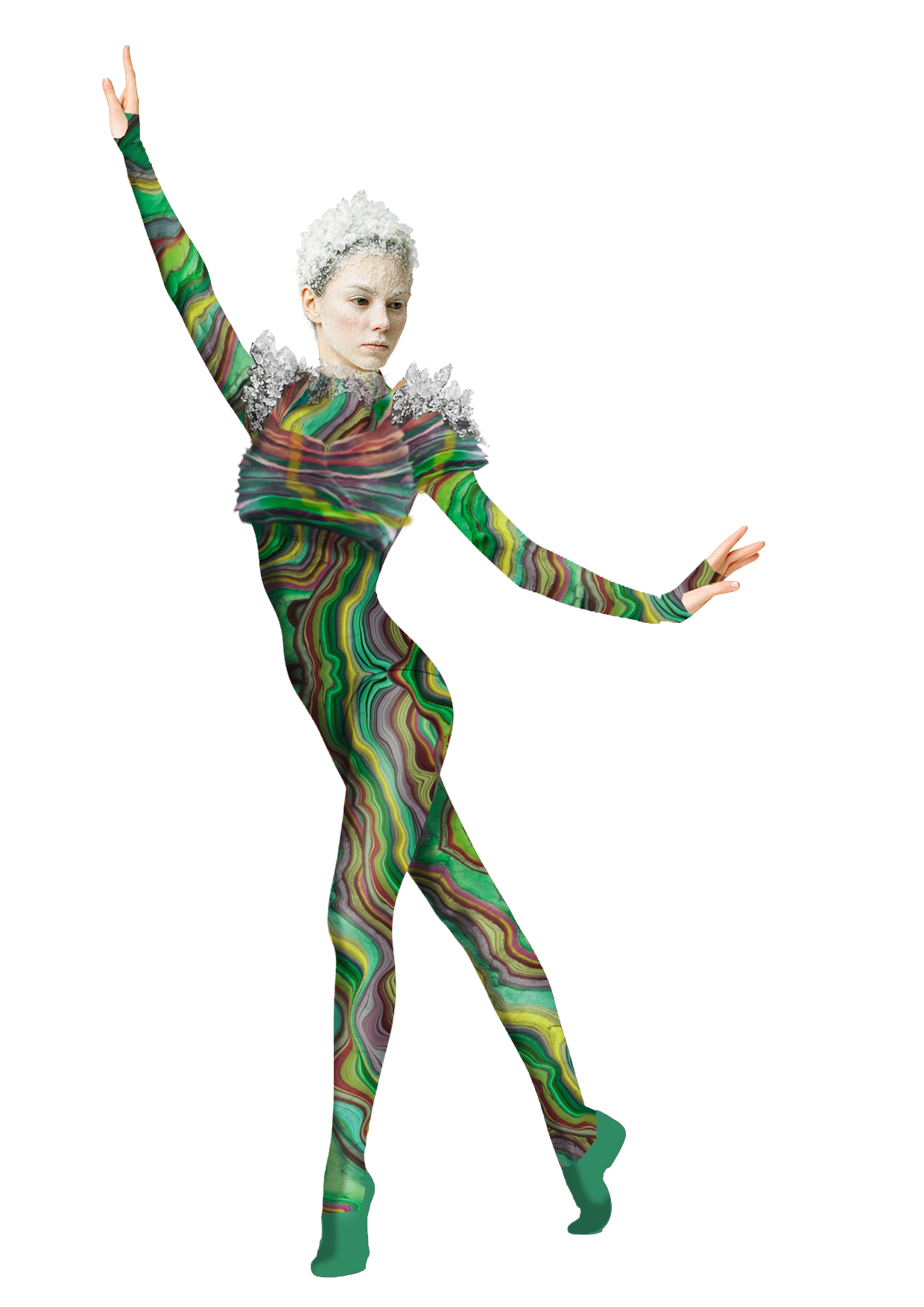
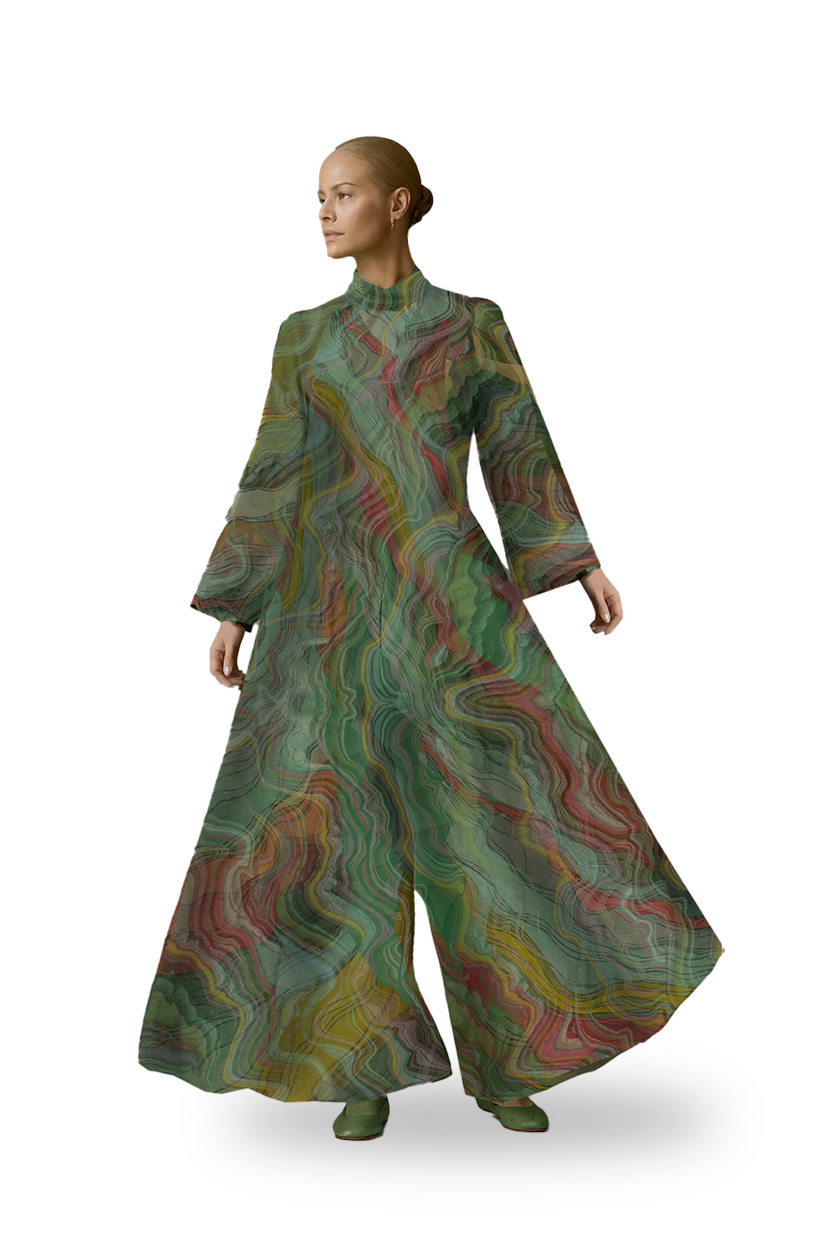
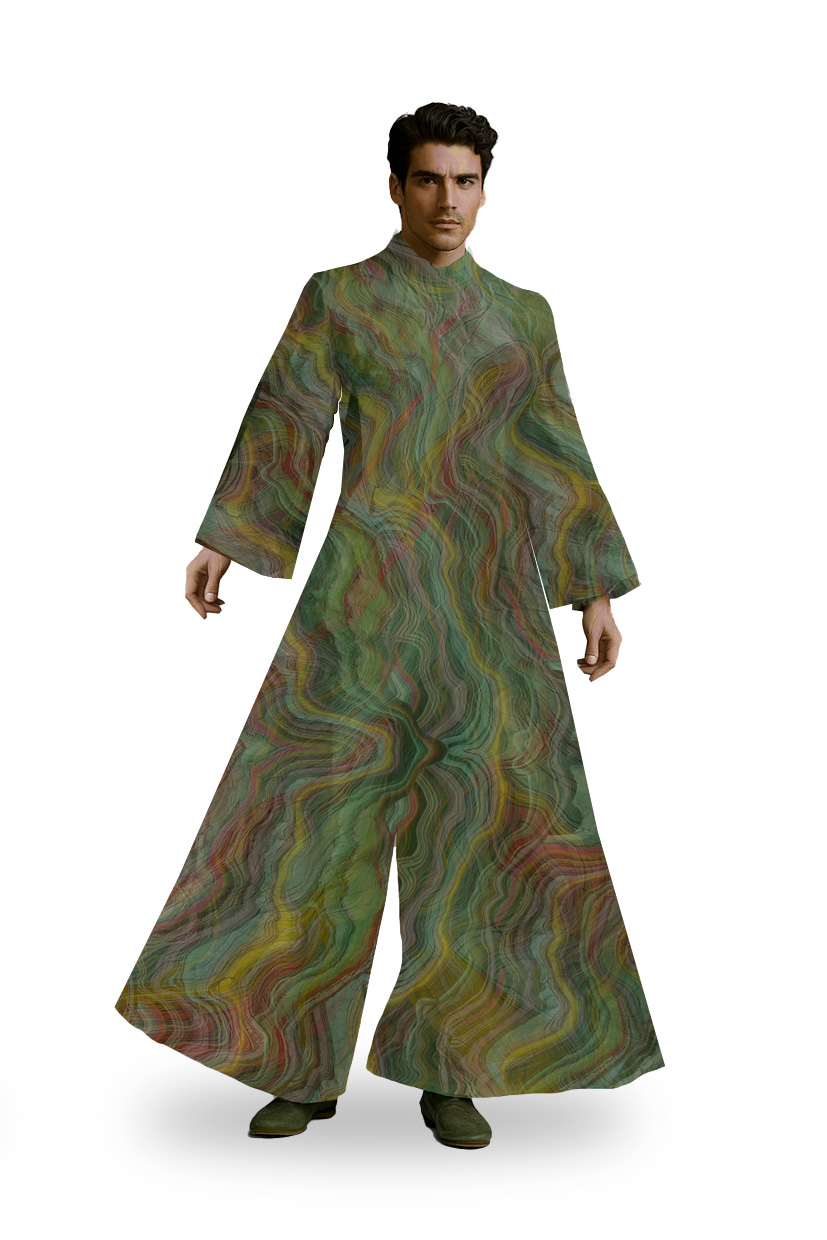
I didn’t want to illustrate history, but evoke it. Italian history is layered, complex, and never linear. I worked through evocations: hints, textures, memories of textiles that emerge like fragments, leaving the viewer the freedom to recognize and interpret.
Winter sports have deep Alpine roots in Italy, how do you balance honoring regional traditions with creating a unified national narrative for a global audience?
I looked for a point of poetic synthesis. Alpine traditions have been an important reference point, but I’ve filtered them through a unifying vision. Italy is a mosaic: unity is not born from homogenization, but from the ability to make differences coexist under a single narrative light.
Practically and logistically, how do you approach designing costumes for this scale of event?
With method and passion. Team work is always at the centre of such a vast project: there is constant dialogue with directors, set designers, choreographers, technicians, and artisans. The poetic part of my work rests on a rigorous organizational structure, without which imagination would remain abstract. The non-poetic part concerns the limited time and financial resources that are never enough. Normally an Olympic ceremony is prepared in about 12 months; I had barely 6.
How many costumes did you create for the ceremony?
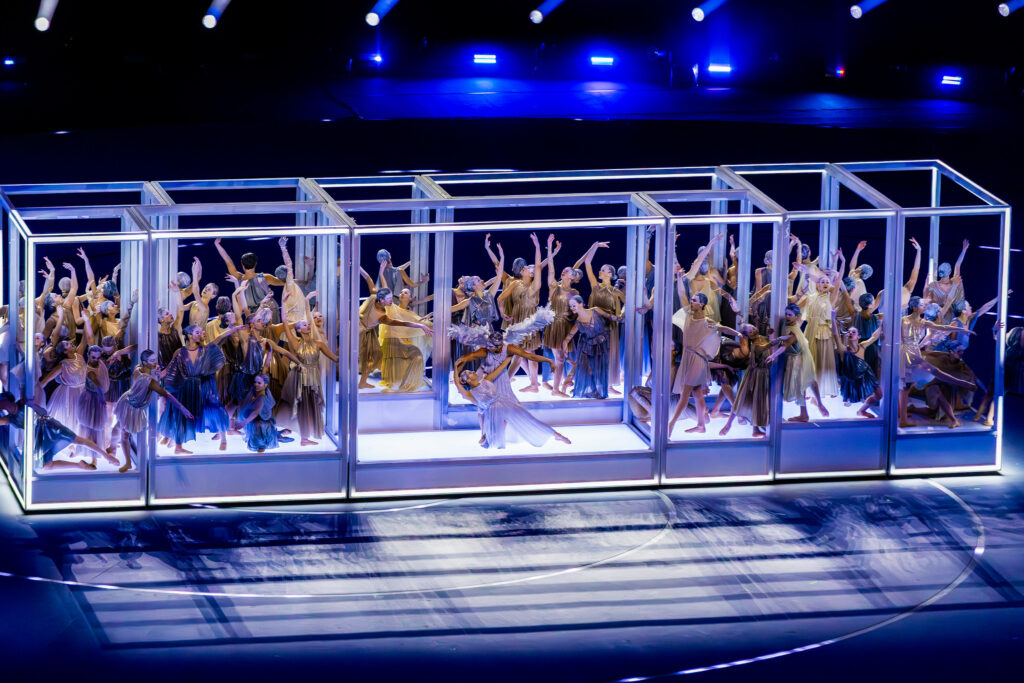
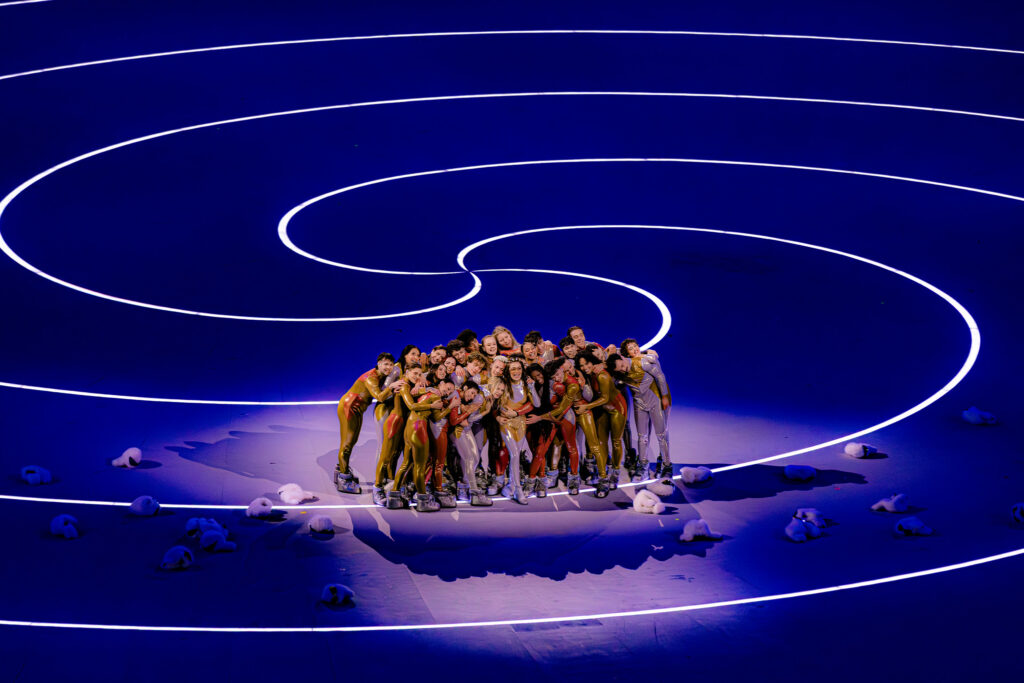
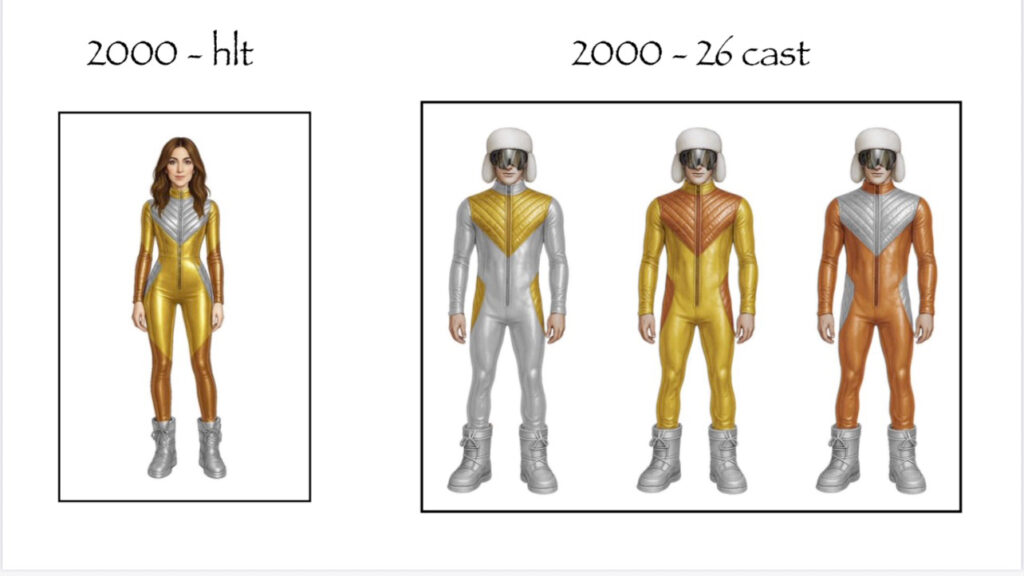
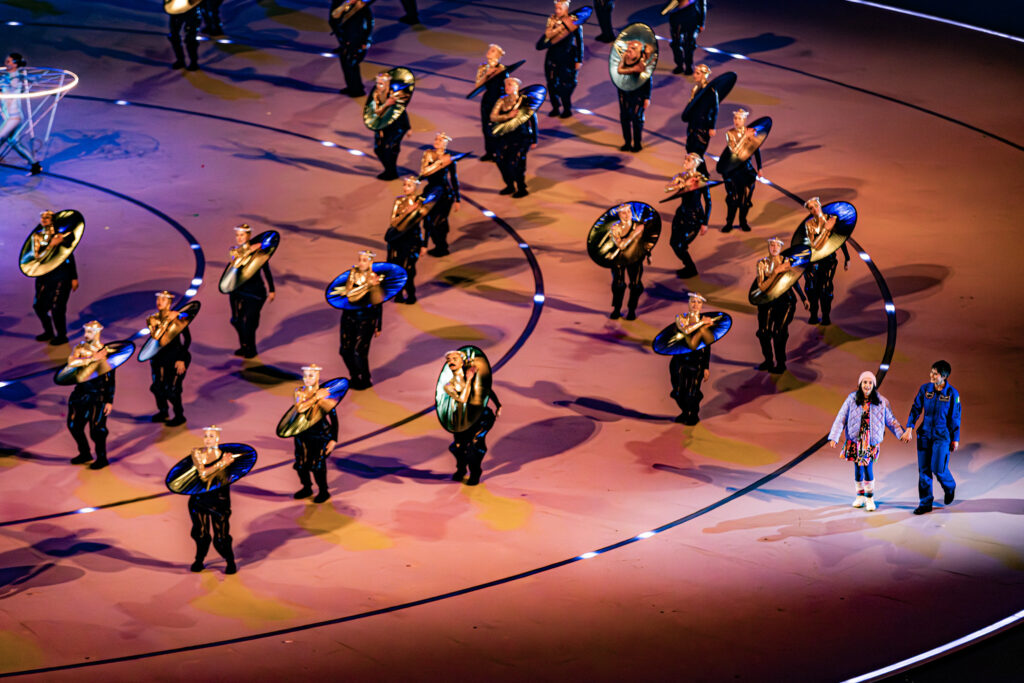
We’re talking about very significant numbers. The costumes created for the opening ceremony are several hundred pieces, thousands of individual items. They involve performers, dancers, extras, and talent, everyone is a narrative part of the show. It’s a collective effort, almost like a major theatrical or film production, where each costume has to work with the others while also functioning perfectly on each individual.
Do you have a favorite costume that you created for this occasion?
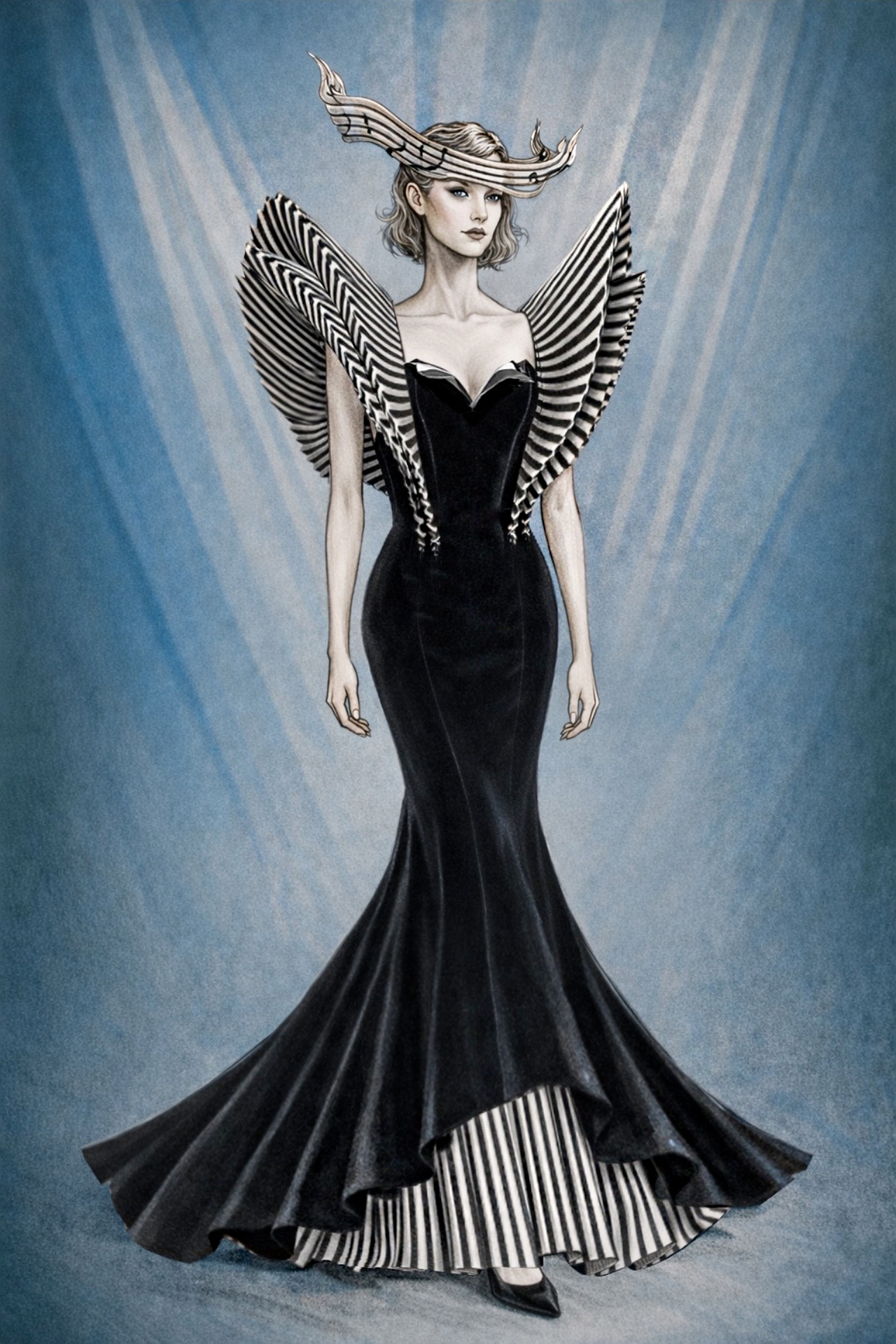
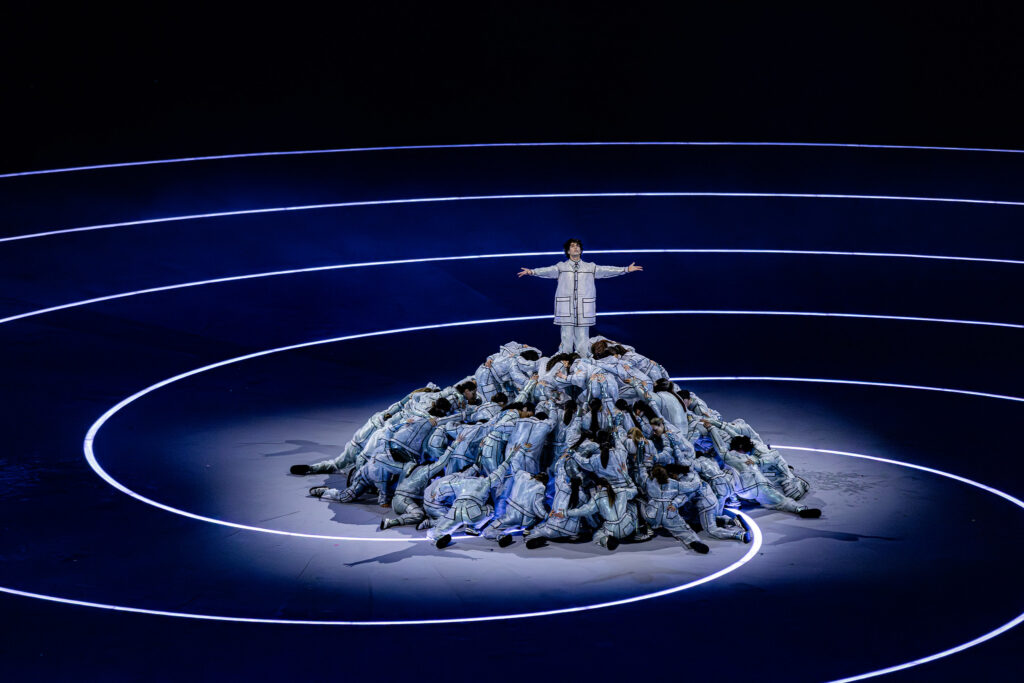
It’s always hard to choose just one, because each costume is tied to a specific moment in the story. However, there’s one I’m particularly attached to, because it manages to synthesize the entire project: apparent simplicity, great artisanal work, and strong symbolic value. It’s a costume that doesn’t try to impress in a loud way, but that, I believe, leaves its own mark, and that’s the one created for Matilda De Angelis.
What has been the biggest and most unexpected challenge of your work process for the opening ceremony?
Accepting that total control is an illusion. Working for an outside setting and for changing weather conditions taught me to design for the unexpected, to consider it not as an obstacle but as a possible mode of expression… fingers crossed!
How does designing for a live, outdoor winter ceremony differ from your work in film and theatre, especially considering the demands of large-scale choreography?
In film, costume lives through the camera lens; here it exists in real space, all at once. Everything has to be more stripped down, more readable, tougher. But the storytelling intent is still the same: expressing emotion through fabric and form.
As a mentor at Polimoda, how has this Olympic project enriched what you bring to your students? What aspects of this experience do you think are most valuable for emerging costume designers to understand?
This project has taught me even more that costume design is always an act of cultural responsibility. What I’ll bring to my students is the idea that our work is never just about aesthetics, it’s applied thinking, listening to context, the ability to work with and for others, which is the hardest thing for me: too many roosters in the henhouse is a no-go, thanks! I think that’s the most valuable lesson for a costume designer looking toward the future, as well as having total passion and dedication to the history of costume, whether you’re a costume designer or a fashion designer!
Cover image: