In a moment when fast fashion faces rising scrutiny and retail habits continue to shift, can technology not only reshape the way we shop but also meaningfully correct the industry’s long-standing inefficiencies and environmental impact? This is the question H&M implicitly posed in November 2025, when Undergraduate in Fashion Marketing Management students, Alara Arslan, Sofia Carlson and Isaac Cano-Yager, were invited to the debut of the refurbished H&M store in the centre of Florence.
The remodelled store marks the beginning of a new era in modern fast-fashion shopping, integrating RFID technology and a sleek, contemporary design to deliver a seamless omnichannel experience.
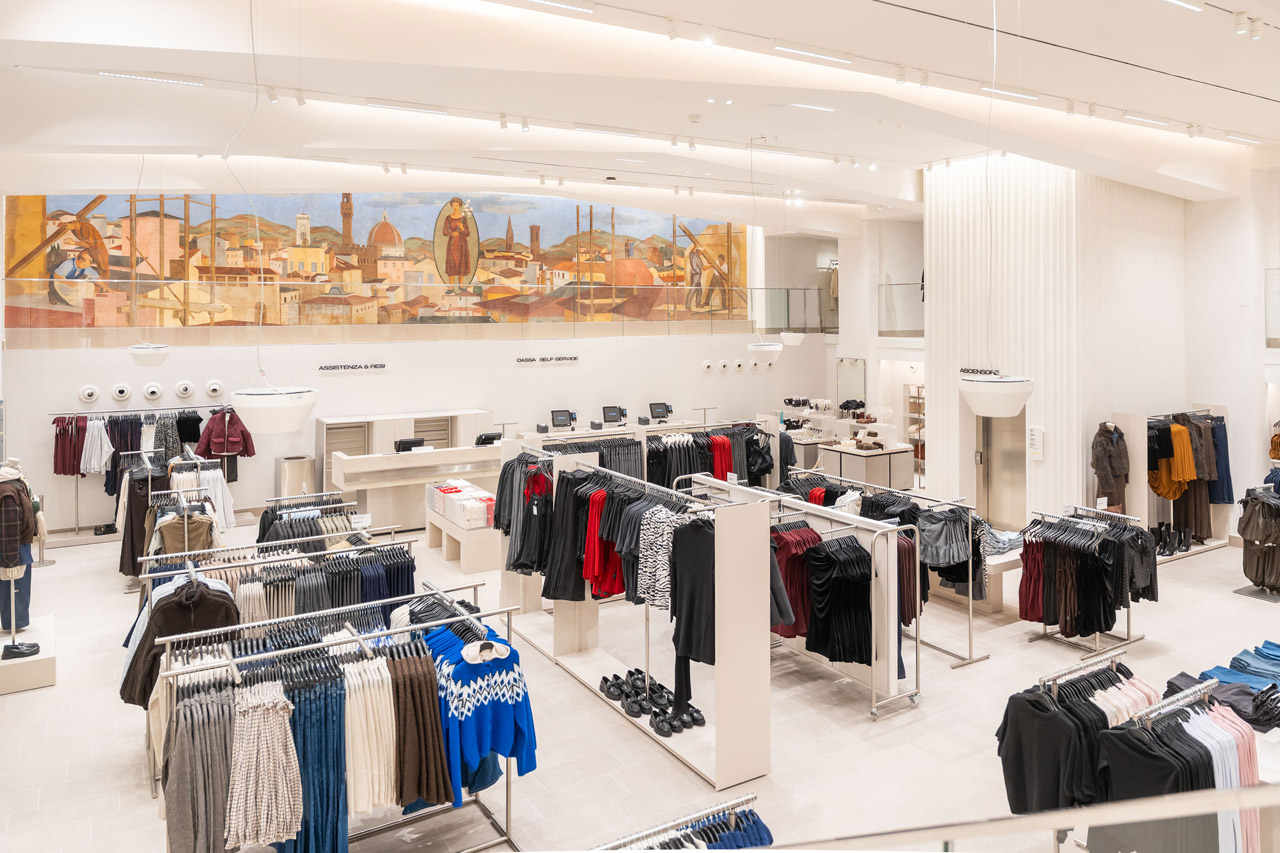
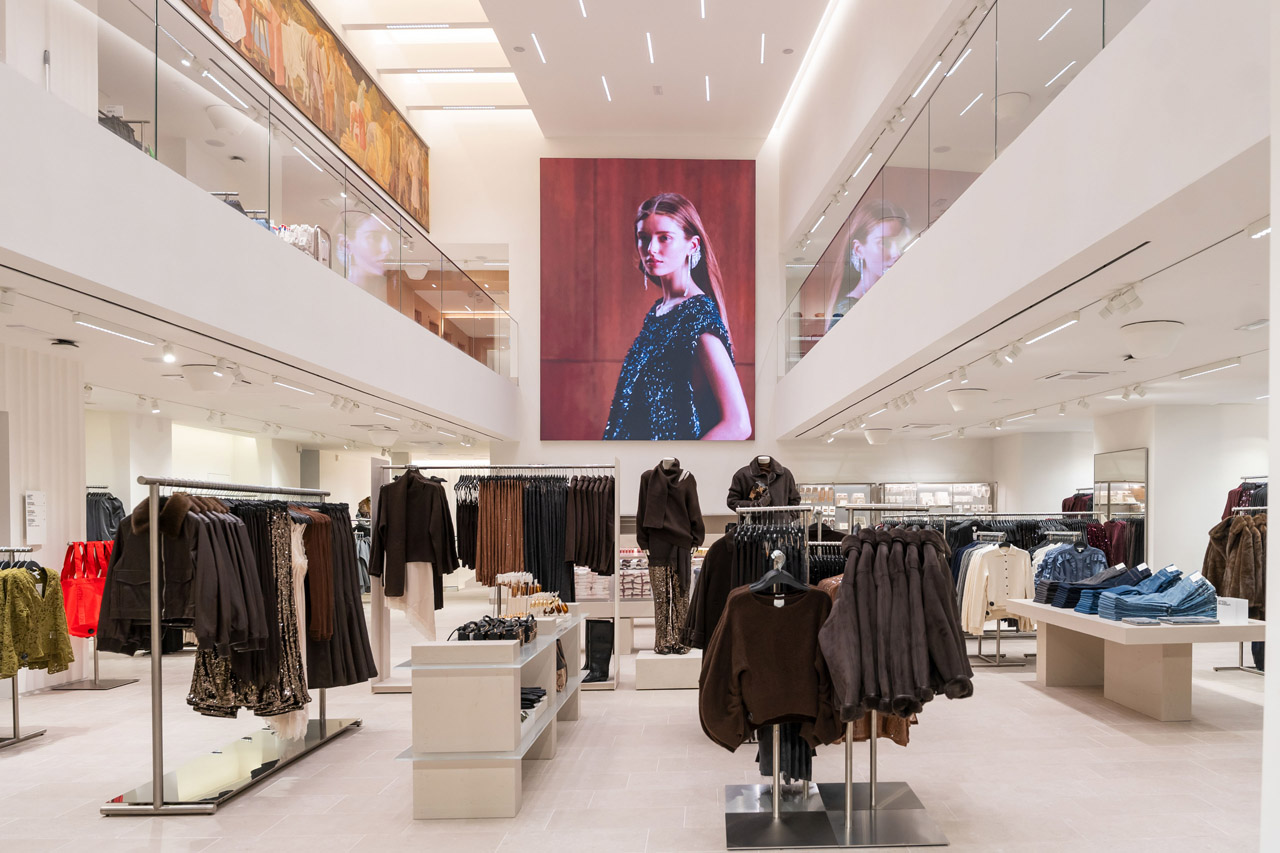
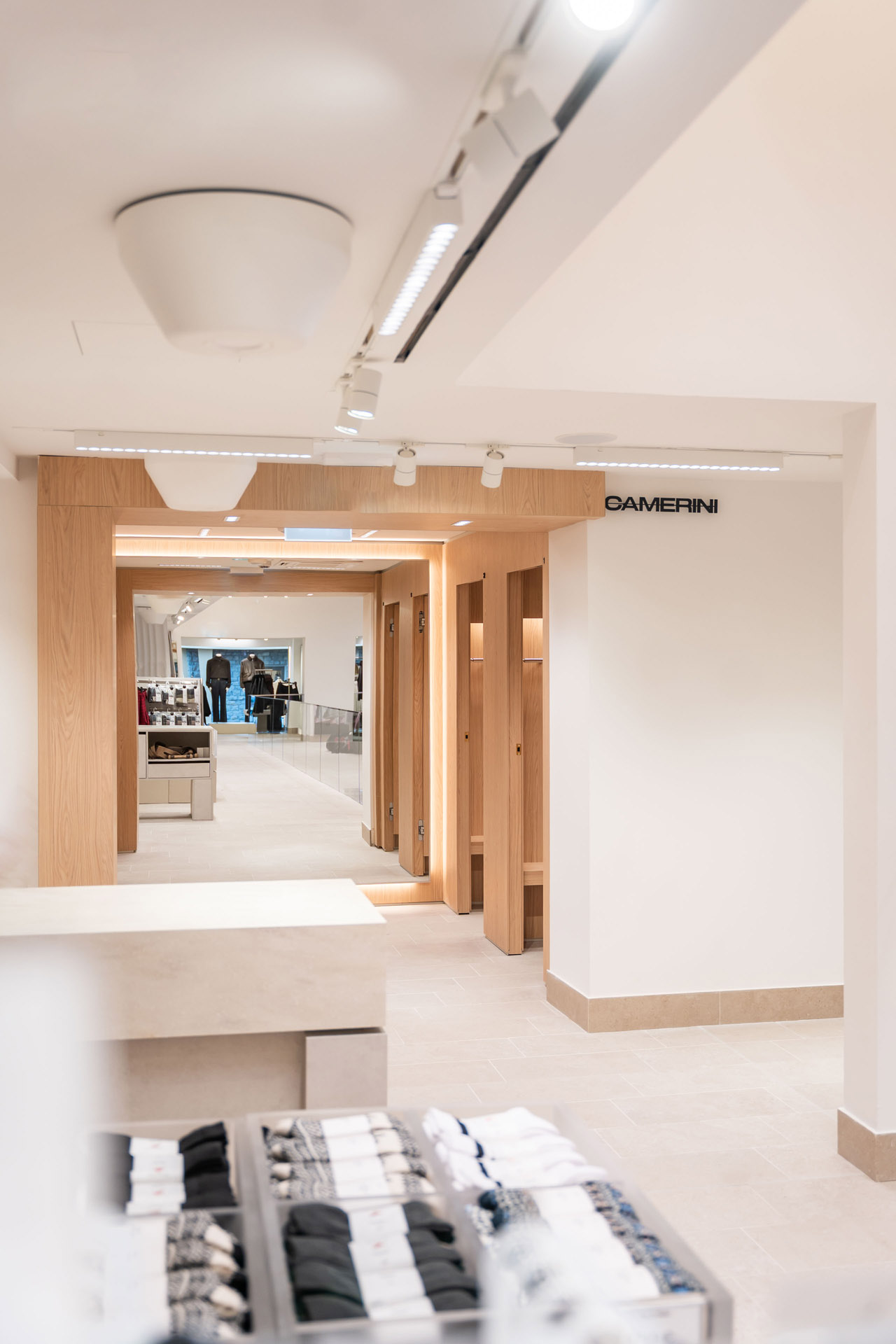
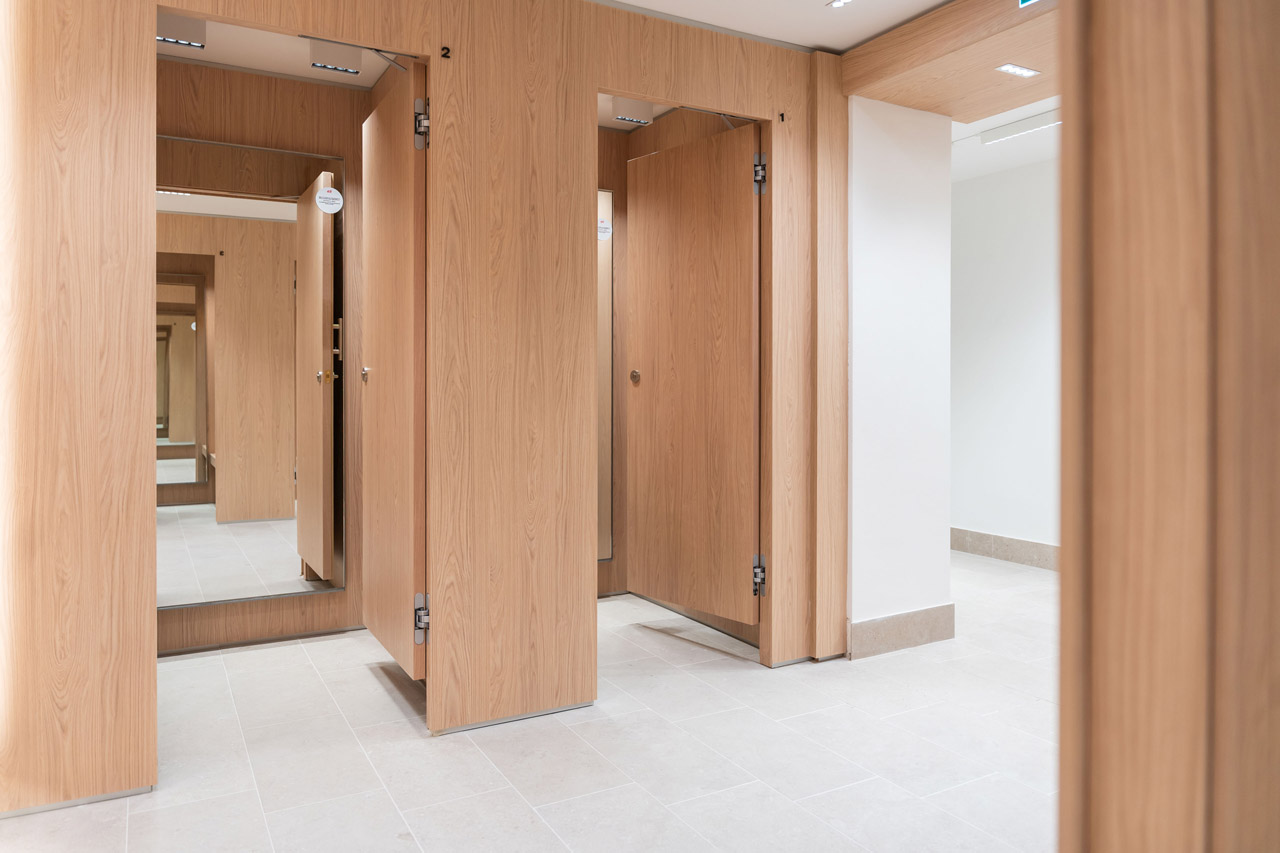
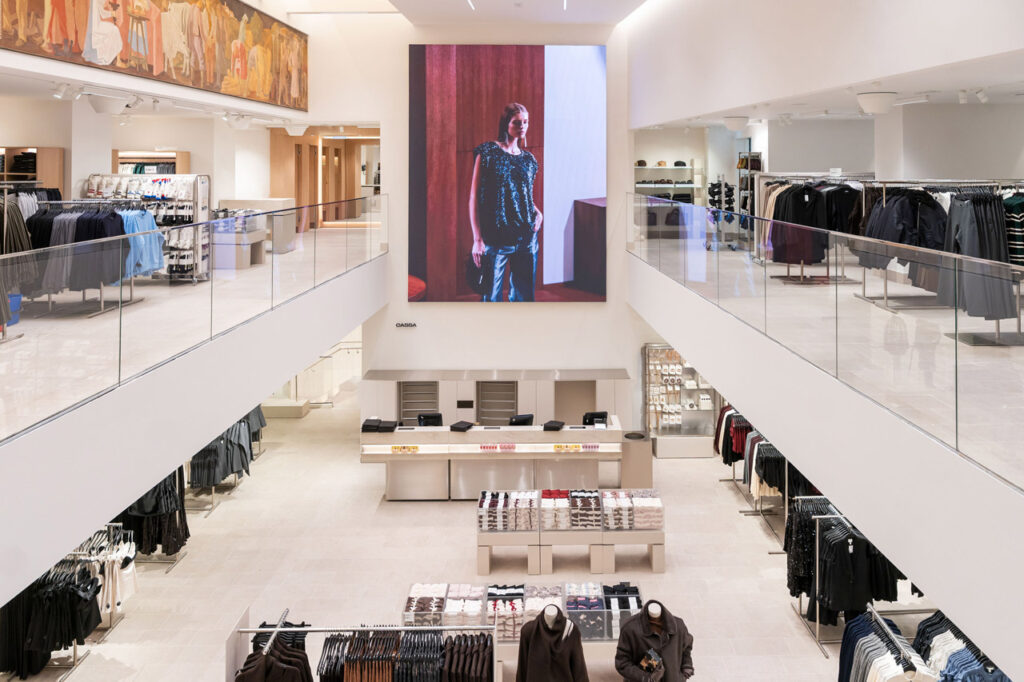
The store boasts a new Scandinavian design, with airy high ceilings and wood detailing, giving the store a true revival. The model has been successfully implemented in multiple flagship stores across southern Europe, including the Florence location, the first of its kind in Italy, with more to follow. H&M worked in collaboration with architects to pay attention and homage to its surroundings, ensuring the frescoes were now a key focal point of the space, marking the cultural significance of the Renaissance city.
The rollout of this new technology underscores the importance of the location as one of the top 10 best-performing H&M stores in Italy, thanks to its high footfall and tourism. Johan Lindelow, Sales Manager for Italy, Portugal & Spain, said it is the “global window to the world.” Therefore, these renovations not only benefit this store and its customers but also serve as a gateway for people travelling across the globe, leading to heightened sales and customer retention worldwide. This makes Florence the perfect choice to be the first in Italy to implement this new concept, as it is a strategic hub within the broader European framework.
Since H&M is a low-margin, high-volume business selling products both online and through brick-and-mortar stores in high-footfall central areas, fast fashion is facing headwinds in Europe amid difficult economic trends. As with any business, one way to address headwinds is to cut costs while enhancing the customer experience. The newly opened and renovated store addresses its operating costs by introducing RFID (Radio Frequency Identification) technology that uses small electronic tags and ceiling-mounted readers to automatically identify and track items. Each garment tag carries a tiny chip that can be scanned without direct contact, allowing the brand to precisely and efficiently track garment movement, count SKUs (Stock Keeping Units, the unique codes that identify each product and its variations), and manage its inventory with much greater ease and automation. It is revolutionary for H&M not because of the tag itself but because of the scale, complexity and speed at which the brand operates.
Fast fashion moves millions of garments through thousands of stores every week, relying on rapid turnover and constant replenishment. Historically, this scale has made real-time accuracy almost impossible. Stock counts were manual, forecasting was imprecise, and overproduction became a structural issue rather than an occasional mistake. RFID changes that. It allows the brand to eliminate costly inefficiencies, reduce waste, optimize production cycles and create a far more responsive and controlled supply chain. By limiting overstocks and minimising markdown-driven waste, RFID supports H&M’s broader sustainability goals of responsible resource management. It also frees sales assistants from time consuming stock checks, allowing them to focus entirely on the customer and create a more attentive and experience driven in-store environment.
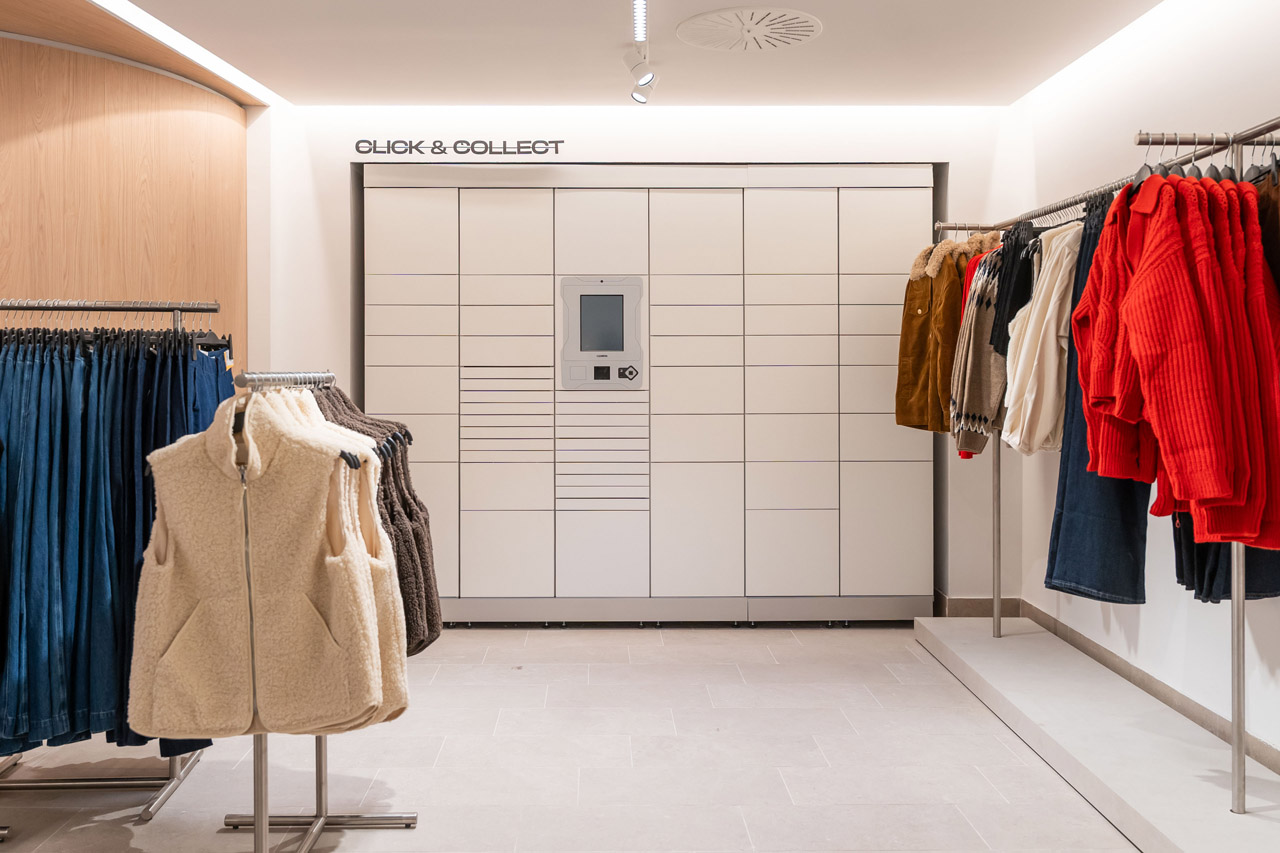
Another new feature in this store is the installation of Click & Collect lockers, which integrate seamlessly into the brand’s broader omnichannel ecosystem. The lockers will allow customers to easily pick up or return online orders without the hassle or wait of standing in line. Another benefit of the Click & Collect lockers is that customers must pass through the main floor on their way to the lockers, providing another touchpoint that encourages engagement and ultimately purchase. Both these integrations allow for the best possible experience for the customer, one that is totally hassle-free, leading to a more enjoyable experience, greater customer retention, and more sales.
This marks the beginning of a new wave of innovation, which will be introduced across H&M stores throughout Italy. Although this technology is not unique to H&M, they do stand as leaders, marking a new trend in technology-led sustainability, a trend we can expect to become commonplace in the future. As students witnessing this shift firsthand, it is clear that fast fashion is at a critical juncture: consumers are demanding greater transparency, more meaningful experiences, and real progress on environmental responsibility. Technology alone cannot redeem the industry’s past excesses, but it can create a more accountable and efficient system that limits waste and reshapes how brands respond to demand.
What we saw in Florence suggests that the future of high-street retail will not simply be about selling clothing, but about building smarter, data-driven environments that meet customers’ expectations for convenience, responsibility, and relevance. Whether this marks the beginning of genuine transformation or simply the next phase of fast fashion’s evolution remains to be seen.
CREDITS
Written by:
Undergraduate in Fashion Marketing Management students
- Alara Arslan
- Sofia Carlson
- Isaac Cano-Yager
Photos and cover image by: