
The Fashion School in Florence, Italy
The Fashion School in Florence, Italy
The Fashion School in Florence, Italy
The Fashion School in Florence, Italy

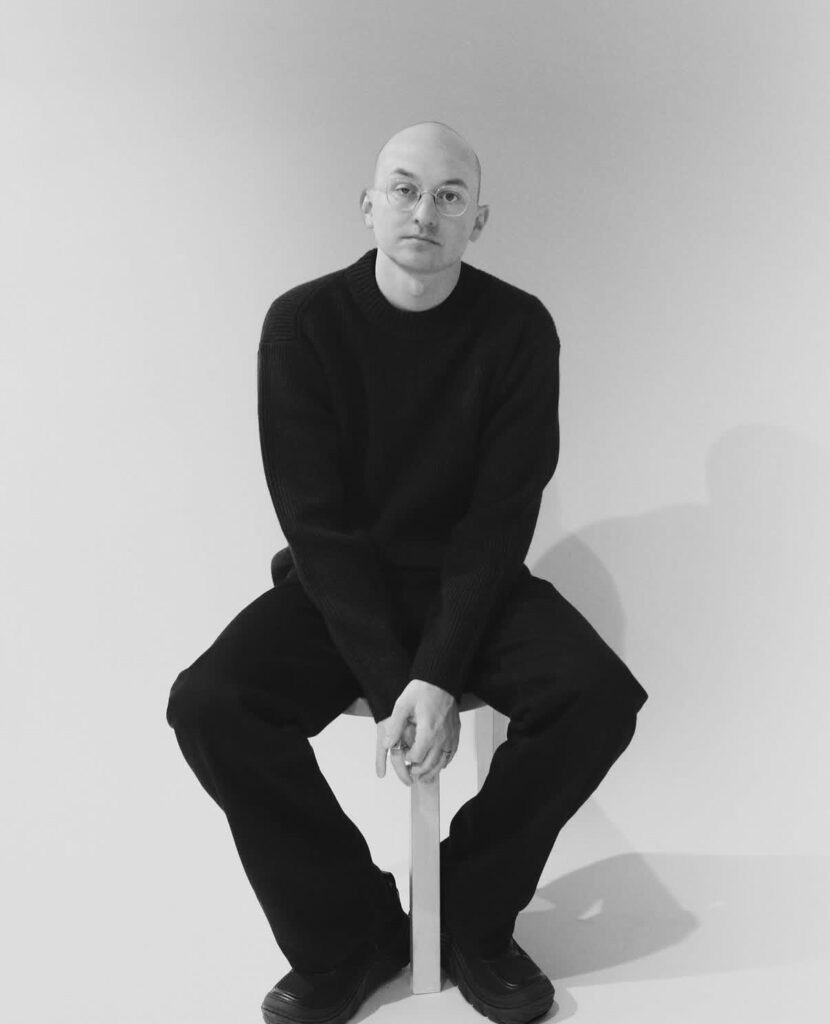
A group of Fashion Business students turned a midterm project into something far more grounded than a classroom exercise. Working directly with Polimoda alumnus and Copenhagen-based designer Frederik Berner Kühl, they proposed a strategic eyewear collaboration for his brand consisting of a permanent collection of optical frames and sunglasses built around equity partnership, controlled production, and long-term brand coherence.
What began as an academic brief quickly became a lesson in the realities of independent fashion: incomplete financials, fragile systems, and the tension between ambition and survival. They report on navigating the gap between fashion education and industry, designing for longevity over growth, and what it really means to build something that lasts.
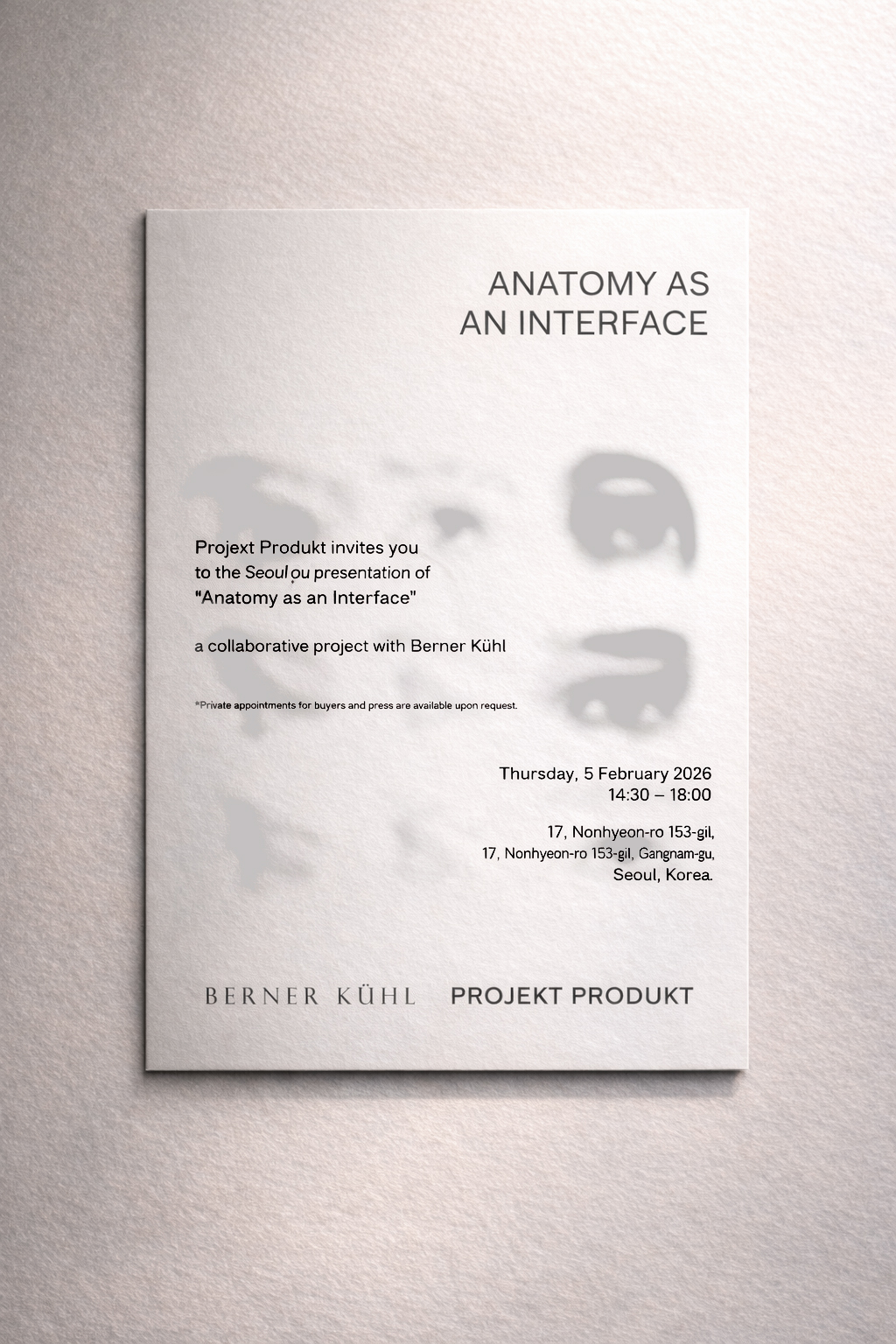
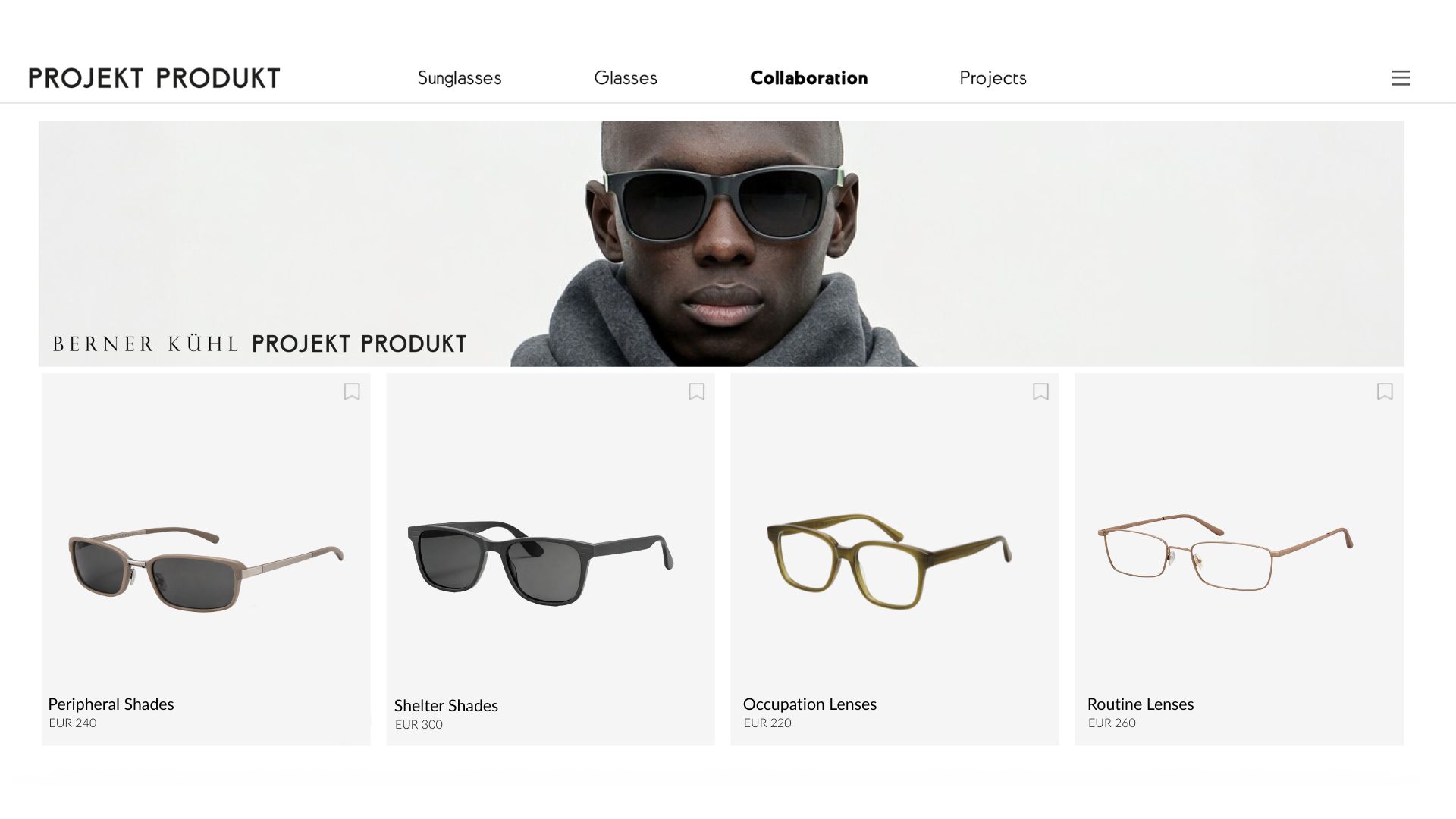
This semester, for our third-year midterm project as Fashion Business students, we worked closely with Polimoda alumnus Frederik Berner Kühl, proposing a launch of a product line for his brand, Berner Kühl, analyzing it, identifying a strategic opportunity, and building a business plan around it. Our proposal expanded the brand’s material led, slow-fashion philosophy into a permanent daily-use category by proposing a collaboration between Berner Kühl and Projekt Produkt for the eyewear market.
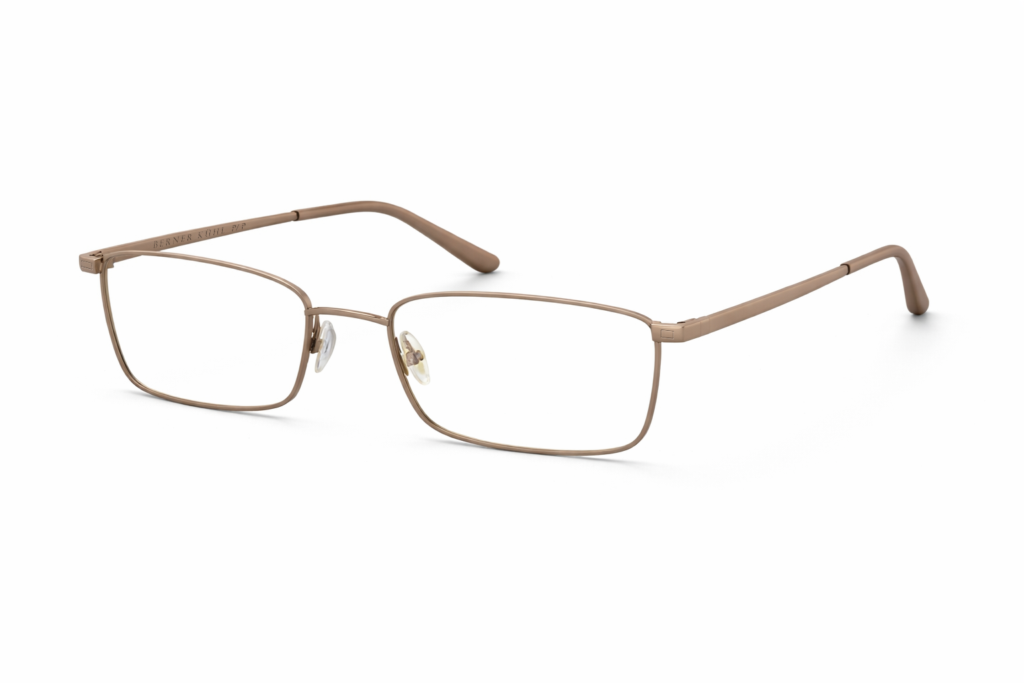
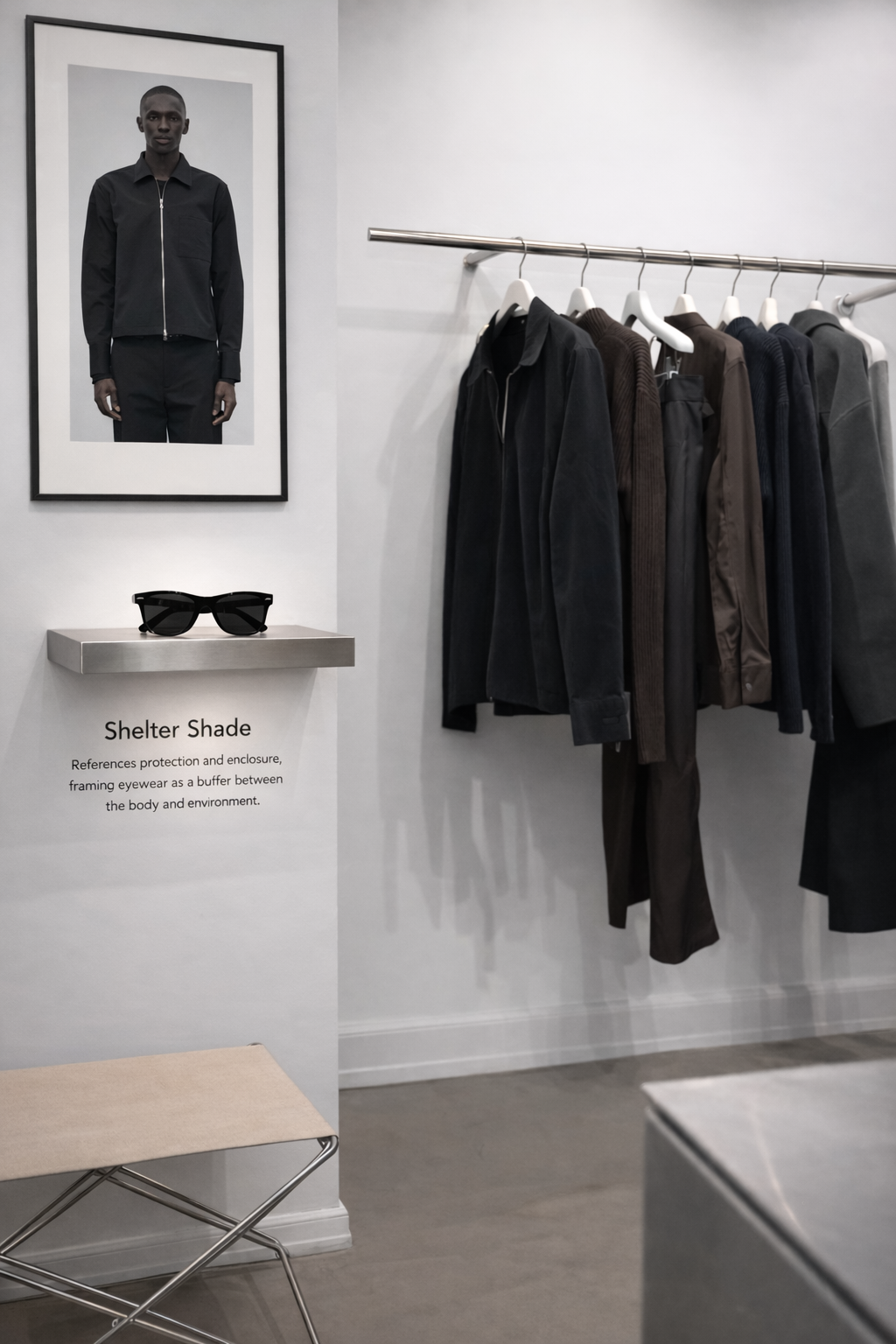
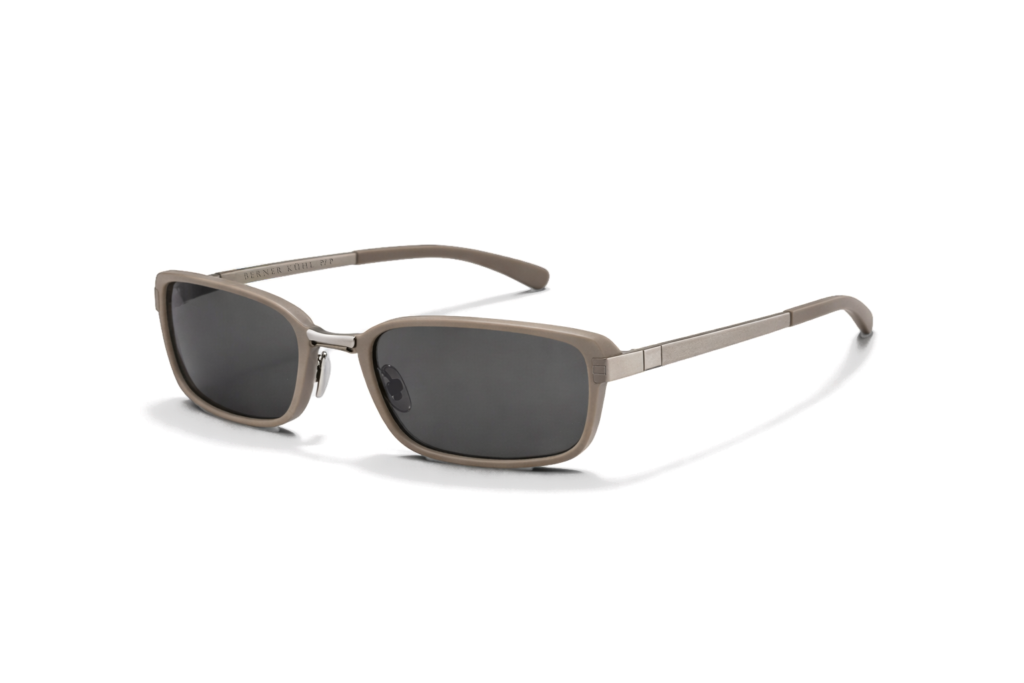
The collection consisted of two optical frames and two sunglasses, striking a balance between editorial eyewear presence and commercial optical stability through selective distribution, controlled production, and a 50/50 equity partnership structure.
The concept portrayed eyewear as a long-term system extension enhancing brand identity, retail scope, and margin structure rather than a trend-driven capsule. Unlike previous projects, this time we had to confront real constraints, risks, and responsibilities beyond what we had typically encountered in case studies. This also helped us understand the fragile systems that independent designers navigate daily in the industry.
In the classroom, strategy often feels expansive. We are encouraged to think big, to innovate, to propose bold expansion. When we started working on Berner Kühl’s brand, our thinking had to shift. Ideas were no longer hypothetical, they had consequences.
A difficulty we faced was the scalability. Usually, in class, forecasting feels easier to do, but with an emerging brand, deciding the amount of units for production and misjudging volume can lock capital into inventory and destabilize future collections. This expanded our knowledge on production and scale when resources are limited and how too little of a cost can be considered a missed opportunity.
Selecting a collaboration partner became one of the greatest difficulties we faced during this project since on paper, several brands appeared aligned but as we dove deeper into research and spoke to Berner Kühl for potential collaborations, he described a partner as ‘dusty’ within the Scandinavian market, helping us understand how perception operates beyond numbers. Market positioning is cultural and contextual; it can’t always be captured in a spreadsheet, revealing a gap in exposure where we realized we had learned frameworks but not the vulnerability of operating within a fragile system.
We are entering an industry transformed by digital acceleration and oversaturation and as gen Z students, we have grown up watching micro-trends rise and disappear in weeks. This shapes how we approach strategy.
Instead of proposing rapid expansion or aggressive scaling, we focused on controlled growth, extending Berner Kühl into eyewear, which is a category naturally aligned with the brand’s material sensitivity, architectural minimalism and a seasonless philosophy. For us, the opportunity was not about chasing virality, it was about being coherent with an existing brand and continuing its universe, rather than having a disruptive addition.
One of our most disruptive suggestions was an equity partnership instead of a traditional licensing agreement since licensing is often seen as the default path for accessories. By proposing equity, we aimed to create shared risk, shared responsibility and lined incentives between both brands.
This reflects how our generation tends to see value. We are increasingly sceptical of growth for its own sake, we value longevity, intention and systems that distribute responsibility more fairly.
Through this collaboration, we came face to face with a paradox: small-scale fashion businesses are culturally admired but structurally vulnerable.
Berner Kühl operates within a market segment that values craftsmanship, material integrity, and slow, conscious fashion. This positioning aligns with shifting consumer values yet viability still remains fragile.
We knew expanding into eyewear has risks. Although they are lower than apparel due to standardised sizing and seasonless wear, it would still require capital investment and customer adoption beyond clothing. This led to us sharing the production investment and limiting distribution to preserve brand control while increasing dependency on strong sell-through in owned channels. The project clarified that the defining tension for emerging designers lies less between creativity and commerce, and more between the need to endure and the pressure to accelerate.
While developing our proposal, we prioritized staying true to Berner Kühl’s identity and design language. The eyewear line was conceived to integrate and blend into the existing modular wardrobe system, and commercial sustainability was central to this proposal the same way controlled production volumes were essential as we realized survival can be more strategic than just growth.
The review process was one of the most transformative aspects of the project and receiving feedback from a real designer changed our perspectives a lot. During reviews, Berner Kühl gave us a reality check about our potential collaborations and made us reconsider our direction. When professors questioned our production estimates or partnership structure, we had to defend and refine our thought process. There was no right answer, just decisions and opinions that needed to be stronger, clearer and more grounded in reality.
Balancing different feedback from different professors forced us to compromise, sharpening our professionalism by letting go of ideas that felt exciting but lacked coherence and base. We also learned that professional critique is not only about validation but viability. This process mirrored the uncertainty of industry decision-making that is made based on balancing incomplete information, shifted perspectives and practical limitations.
This experience reshaped how we see the industry we are about to enter. We began the project thinking about innovation and we ended it thinking about systems. Emerging designers do not fail because they lack creativity, they simply struggle because the system in which they operate often rewards speed, scale and capital intensity over longevity.
As future professionals of this industry, we are responsible for not only launching products but for designing a resilient, intentional and sustainable structure, not only environmentally but financially and operationally as well.
Working with Frederik Berner Kühl forced us to confront the realities of fragility, risk and restraint that comes with the industry’s pressures. It made us understand that we are no longer approaching fashion with only idealism but also with awareness which is the first step toward building something that lasts.
Written by:
Undergraduate in Fashion Business students
Cover image: