The Fashion School in Florence, Italy
The Fashion School in Florence, Italy
The Fashion School in Florence, Italy
The Fashion School in Florence, Italy

Copenhagen Fashion Week’s extensive talk programme is becoming a solid anchor in the fashion world. Alongside the playful, sublime, practical, and value-driven runway shows that dot the calendar, the talks are a punctuation in a wider and very necessary dialogue that is pushing the initiative persistently further in its status as a veritable and unique festival of thought for this industry.
In her final year at Polimoda, Journal correspondent Julie Nunes reports that this intense yet stimulating program successfully reminds the students of the passion they started their journey with, reinforced by the idea that fashion needs thinkers just as much as designers.
The week did not open with a runway, but with questions. From fashion week to thinking week, Copenhagen is not just showing clothes, it’s starting conversations. CPHFW is nothing like its counterparts across the capitals, it is down to earth and purpose driven. This season they partnered with Vogue Business again to propose a series of official talks; open to all, they deconstruct the stigmas of the fashion industry by placing fashion week as a medium of ideas, exchange, and emotion. For students, it is an occasion to navigate between reflection and spectacle while reinforcing knowledge and critical thinking.
What is a magazine today? Day one started strong for us, this talk explored the topic of print and digital publications in an age of content overload. Across forty five minutes, the discussion tackled the shift from authority to connection in magazines, and painted print as a time capsule or an art object.
Vena Brykalin, Editor-in-Chief at Vogue Ukraine brought forward the metaphor of a magazine as “an island in an ocean of information”, opening up to questions and thoughts about the importance of writers, the urge to invest in talents, and giving them the space to explore topics, be critical and authentic. For the talk’s panelist, it was crucial to understand the place of writers and creatives as real connectors beyond logo and brand names. Nowadays, readers choose you issue by issue and editor’s have to fight to keep their readers involved.
Christopher Michael, host of podcast What’s Contemporary Now? added: “digital came in and took a big part of the cake, we went from ‘it’s good because it’s in the magazine to it’s good so it has to be in the magazine’”, leaving us with an understanding that editors and magazines are still negotiating and understanding their role in the fashion community and amongst themselves in the wake of a constantly changing digital background. From understanding stories, the week quickly moved to understanding product.
On day two, we had an industry reality check at CIFF (Copenhagen International Fashion Fair), a cradle of innovation and commercial concreteness. There, we had the chance to discover brands, and have conversations with buyers and industry professionals in an inspiring and busy setting. It invited us to reflect on assortment, saturation and innovation in an ever evolving industry.
That tension between creativity, innovation and responsibility echoed later that day for the talk 20 Years On – What Is Ahead for Fashion? An urging title, we were eager to hear more about the future of the industry we are slowly becoming a part of. Sustainability was the center of the discussion, examining the industry’s necessity to move the subject beyond just storytelling. To do this, students were encouraged by panelists to not hesitate in experimenting and to build soft skills. Another salient topic revolved around AI as a tool requiring critical thinking, not blind trust, especially for the younger generation shaping their own ideas and personalities.
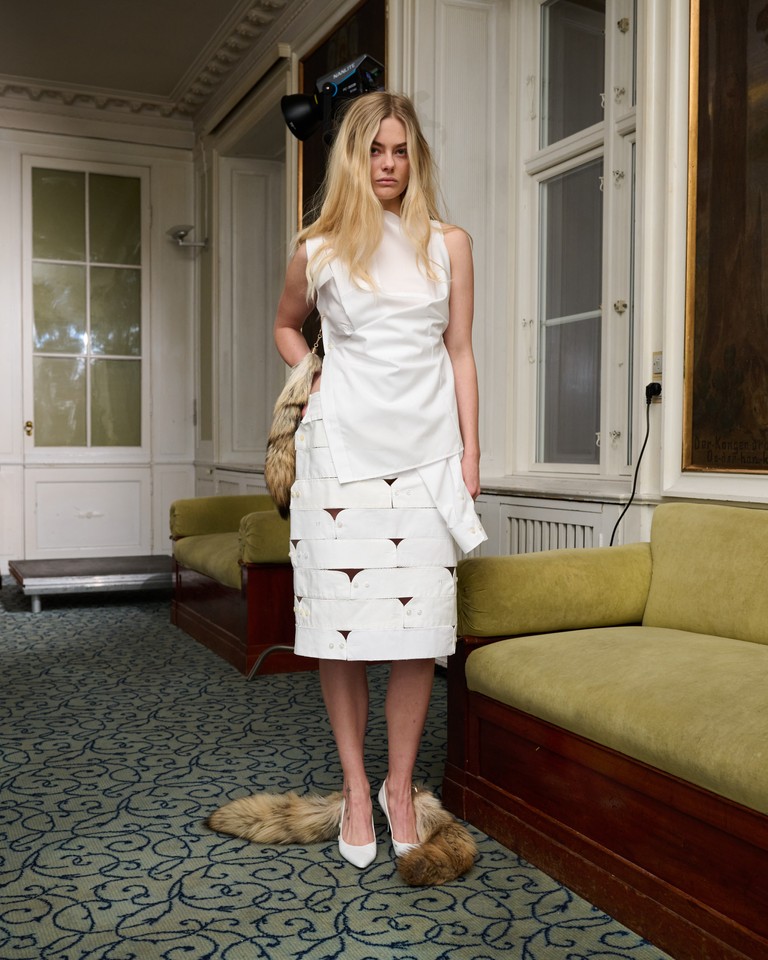
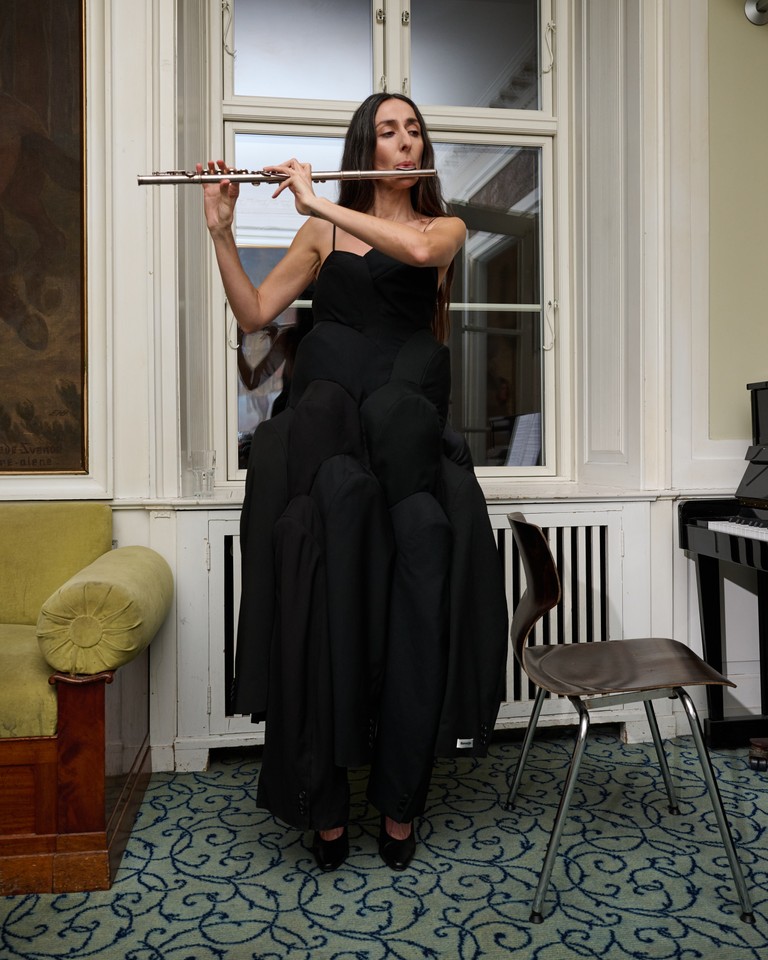
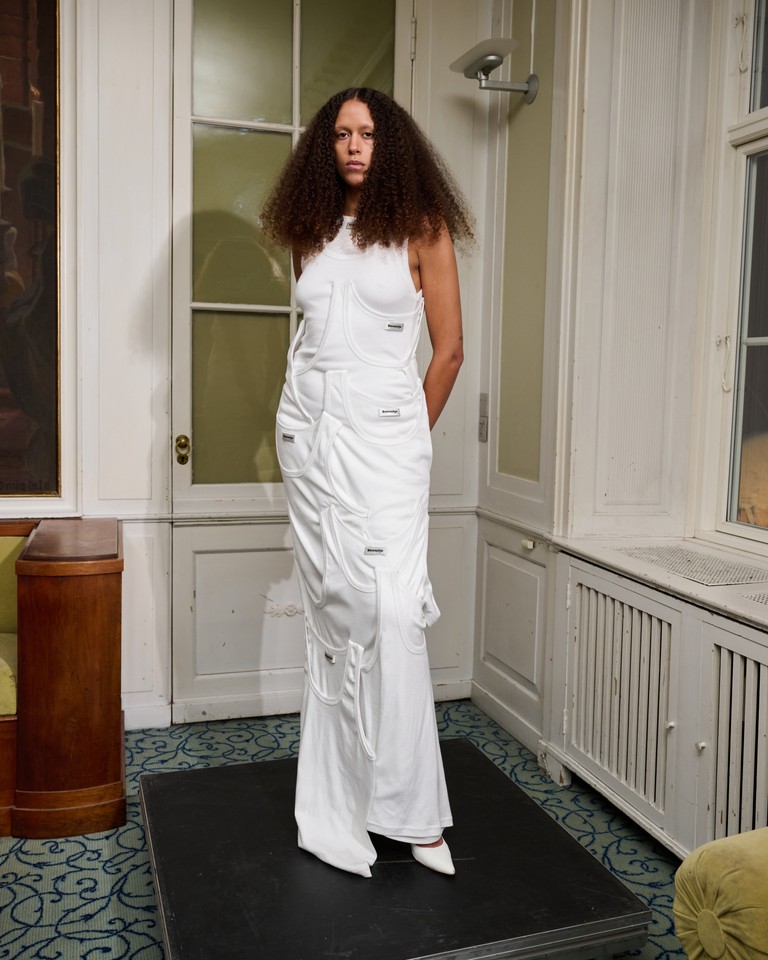
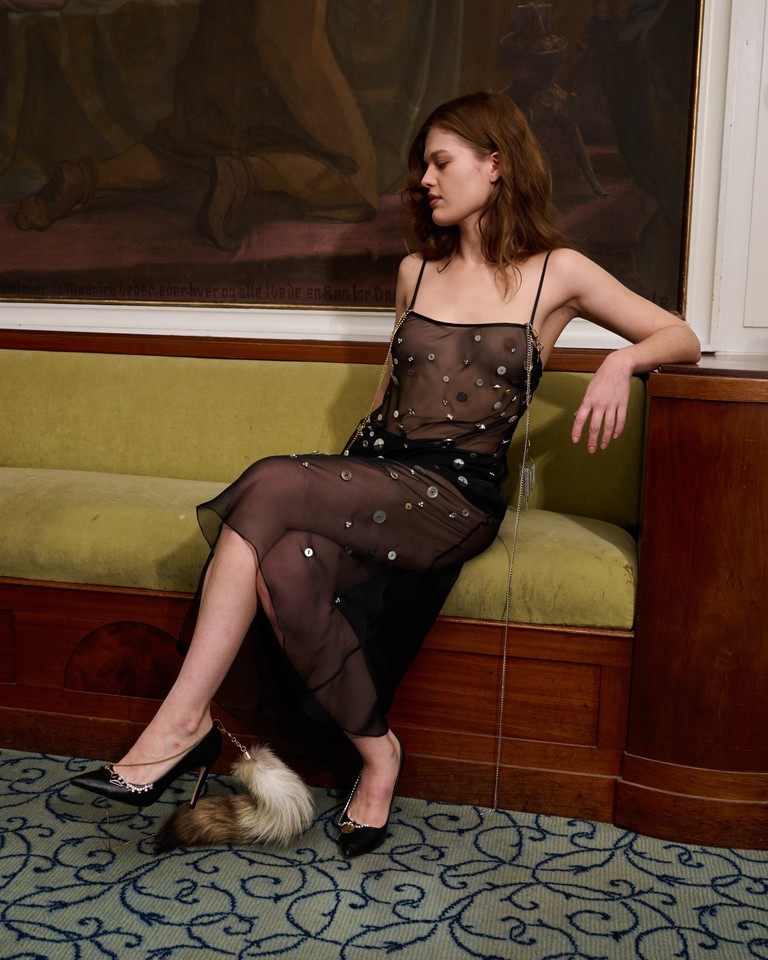
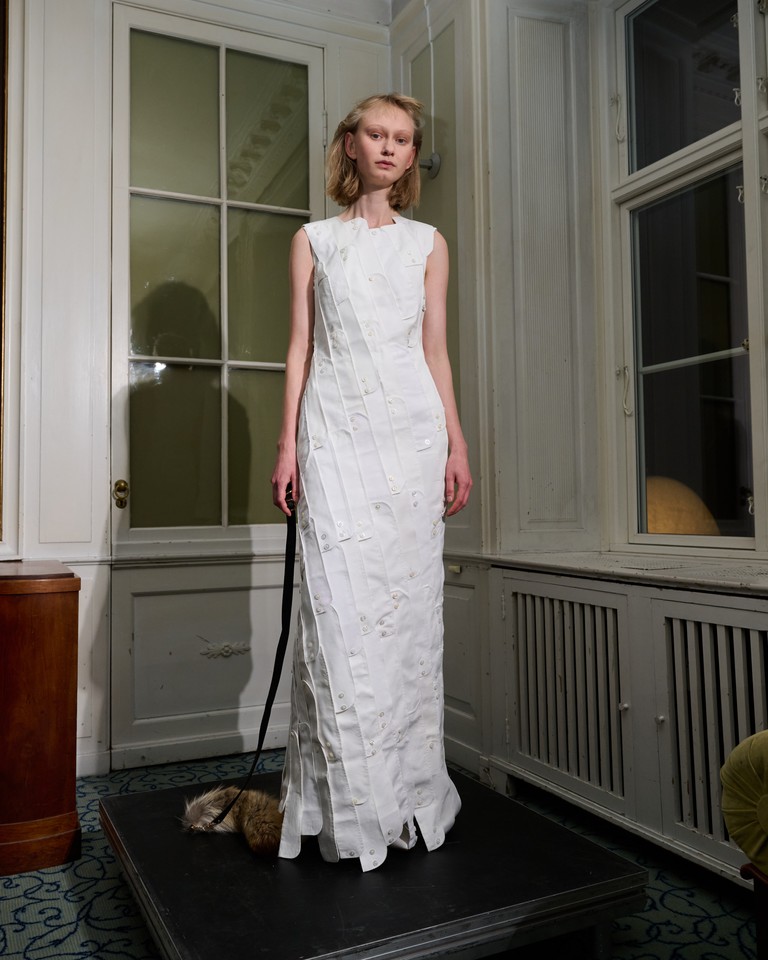
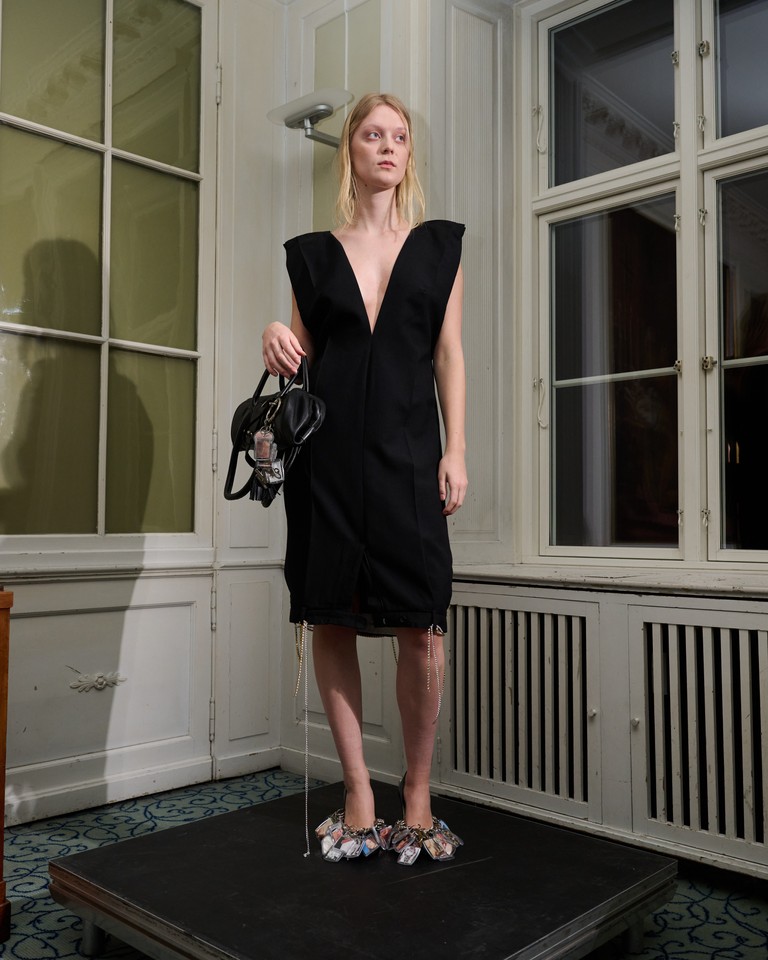
After a day spent confronting reality, the evening offered a necessary pause. Local brand, Bonnetje, known for its reuse of defunct materials aiming to go beyond contemporary throwaway society, appeared as an evening interlude, offering a break in time in a typical Danish apartment where slow movement and an ethereal atmosphere depicted fashion as experience, not consumption. Recharged by this quiet intensity, the following day turned to care, not just of garments, but of ideas.
Day three started bright and early with a visit to lifestyle brand Frama, a values-led business, where we got to learn more about the brand’s clear values, thoughtful assortment and idea of product longevity. Later in the day, the third talk, Wear and Care – Cultivating Consciousness, Creativity, and Longevity in Fashion, grounded the audience by evoking quietly radical topics such as the supply chain’s reality of high investment and high responsibility, care as part of design (the washing, repair, and afterlife of garments), and longevity beyond materials.
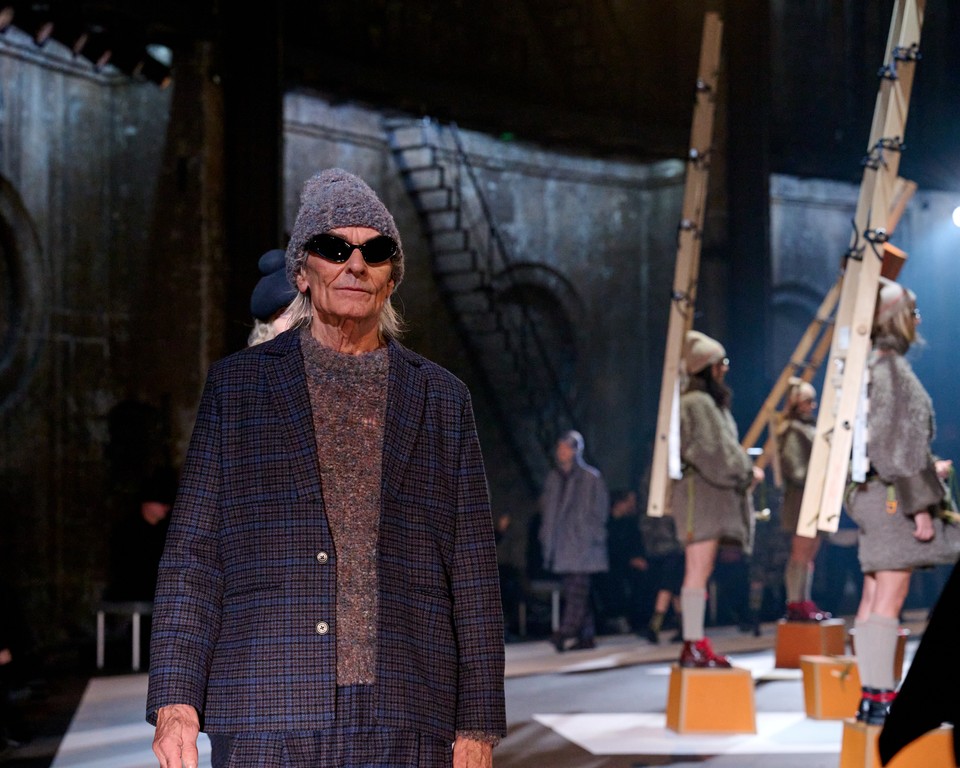
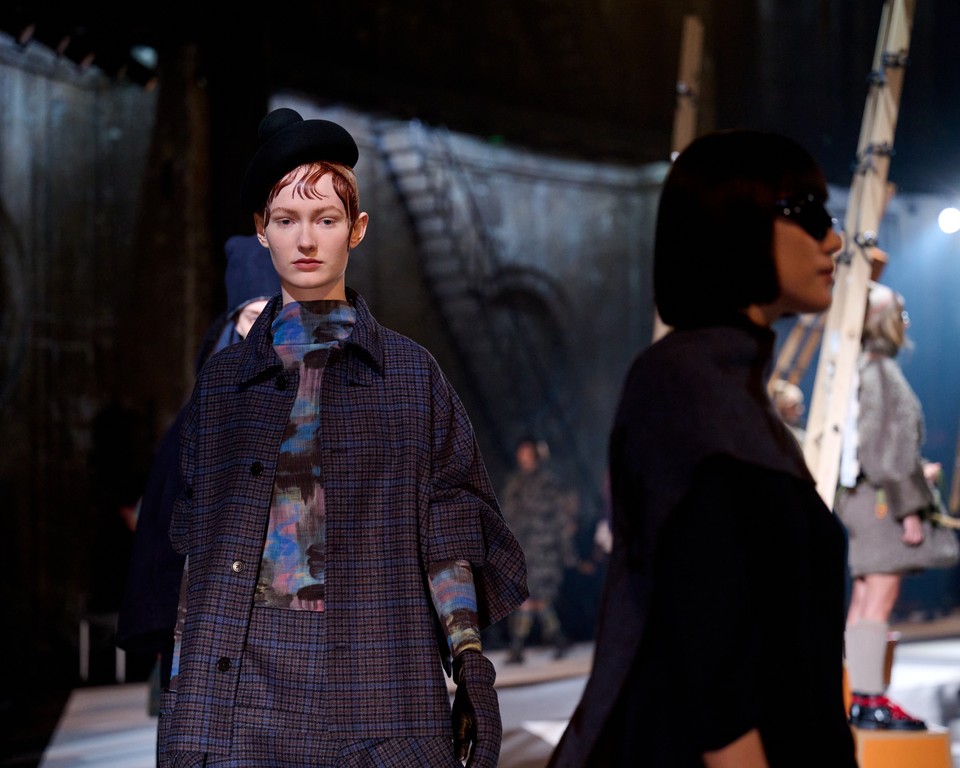
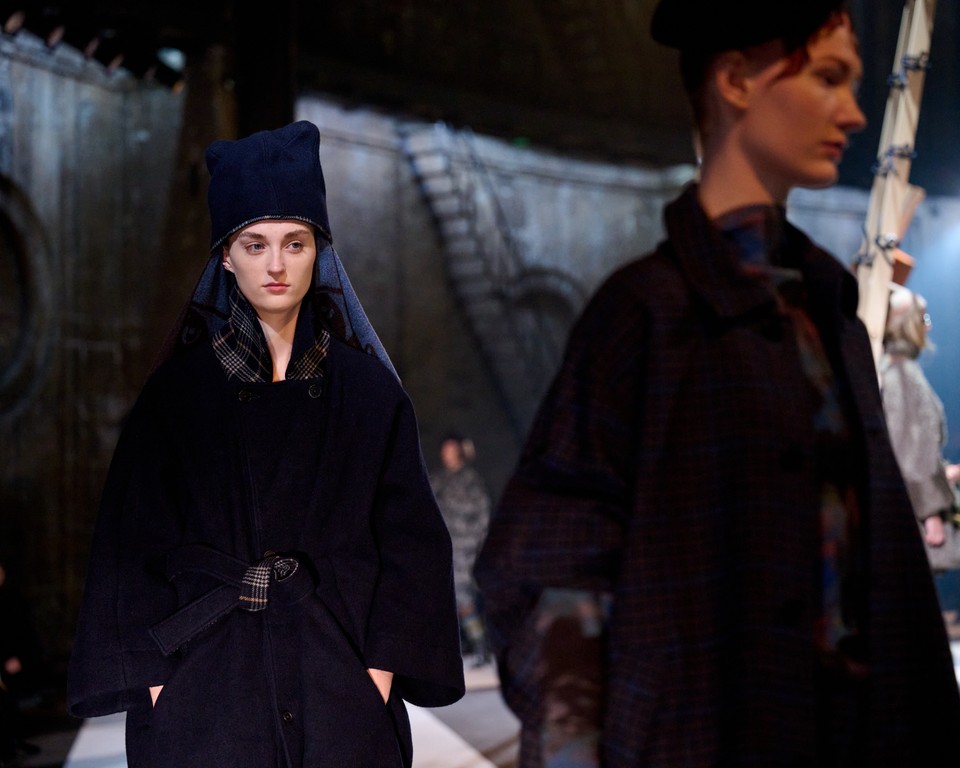
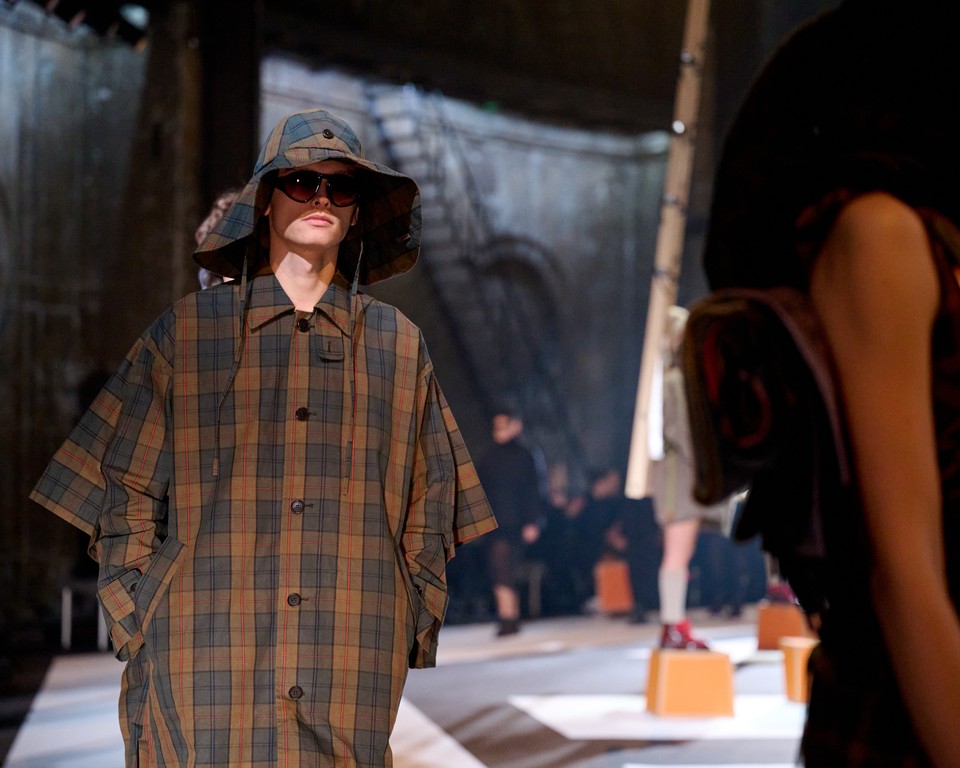
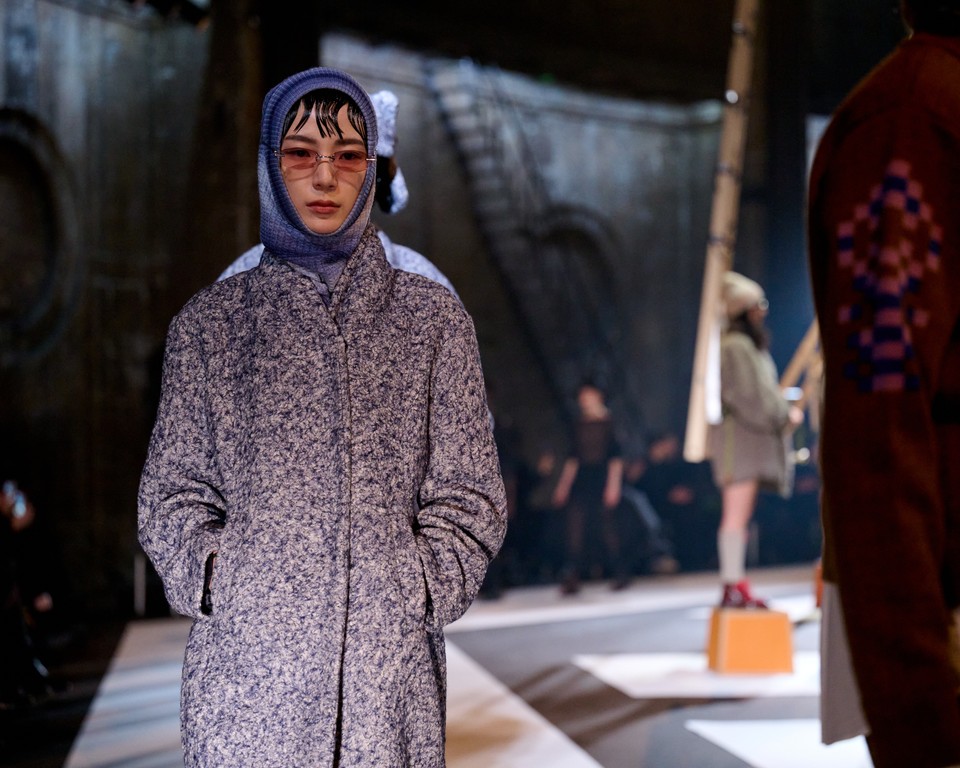
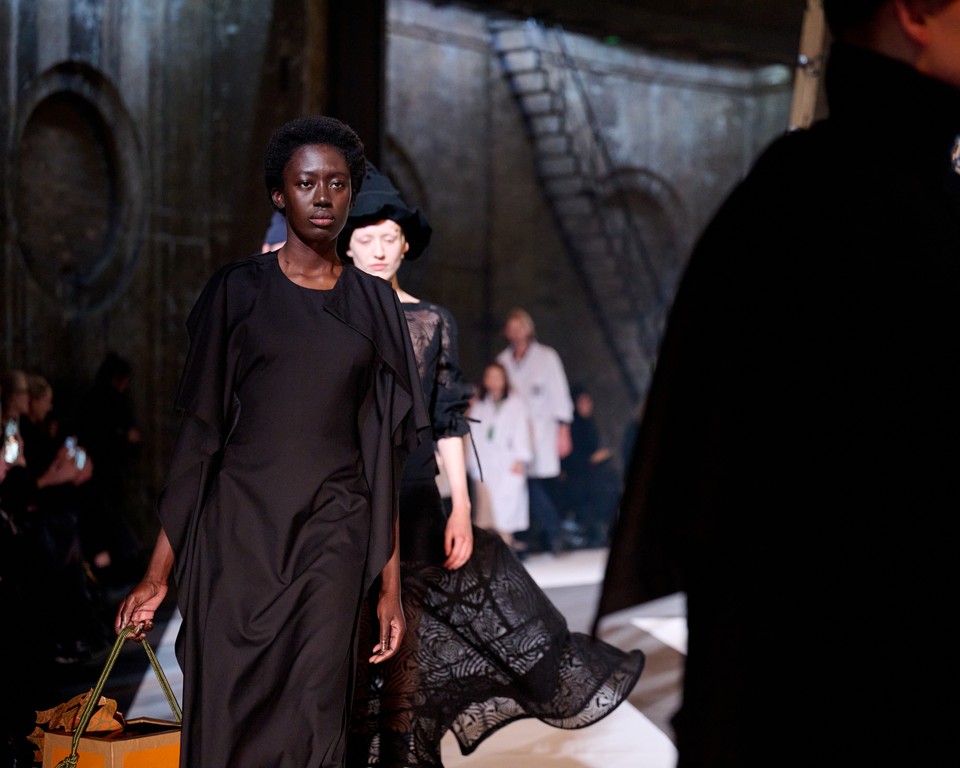
It wouldn’t be fashion week without a busy schedule: the day continued at Østre Gasværk Theatre, where Henrik Vibskov’s AW26 collection catapulted us inside a magnificent time capsule, before ending the night at the Baum und Pferdgarten show, a continuation of Copenhagen’s playful yet wearable identity.
Day four, centered around the human, introduced systems, technology and the body. We first had the opportunity to meet Jeanette Madsen, one of the founders of brand Rotate, at its headquarters. We discovered more about the brand’s history and purpose, and we got offered direct insight into its structure and growth. Rotate was born with a purpose: to enhance the female body and offer women the possibility to feel good about themselves.
The fourth talk of the program, The Digital Mirror – Re-writing the Rules of Fit in Europe, allowed us to look at the future of the industry in a human-centric way, by touching on topics such as: fit being technical and psychological, AI scaling solutions that don’t replace sensitivity, data as vulnerability impacting trust and transparency, and the future of omnichannel in fit and sizing.
The day ended with one last grounding experience at the Ranra show, which showcased its collection among beeswax sculptures, a symbol of reliability and longevity in Nordic culture, and a meaningful finale ahead of our departure.
Copenhagen Fashion Week acted for students as a guide, not a dictate. It allowed students to reflect and learn through its extensive talk program, anchoring the audience in a fast-moving industry. For students, about to start our career, this week reinforced the idea that fashion needs thinkers as much as designers. Each one of us will go home inspired, enlightened with a burning fire to act and be a part of the change. For most, stepping into one of the most stressful times ahead of graduating, the anxiety was momentarily suspended with passion, reminding all of us of the early days and why we started this journey. Copenhagen didn’t tell us what fashion is, it invited us to question what it could become.
Special thanks to CPHFW.
Written by:
Cover image: