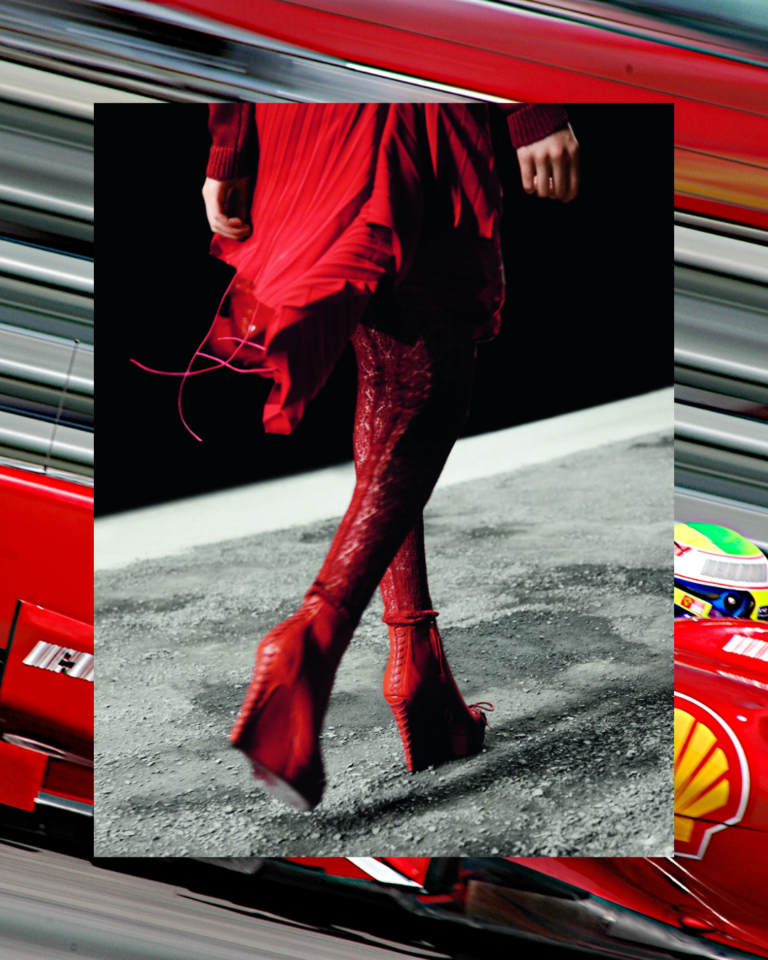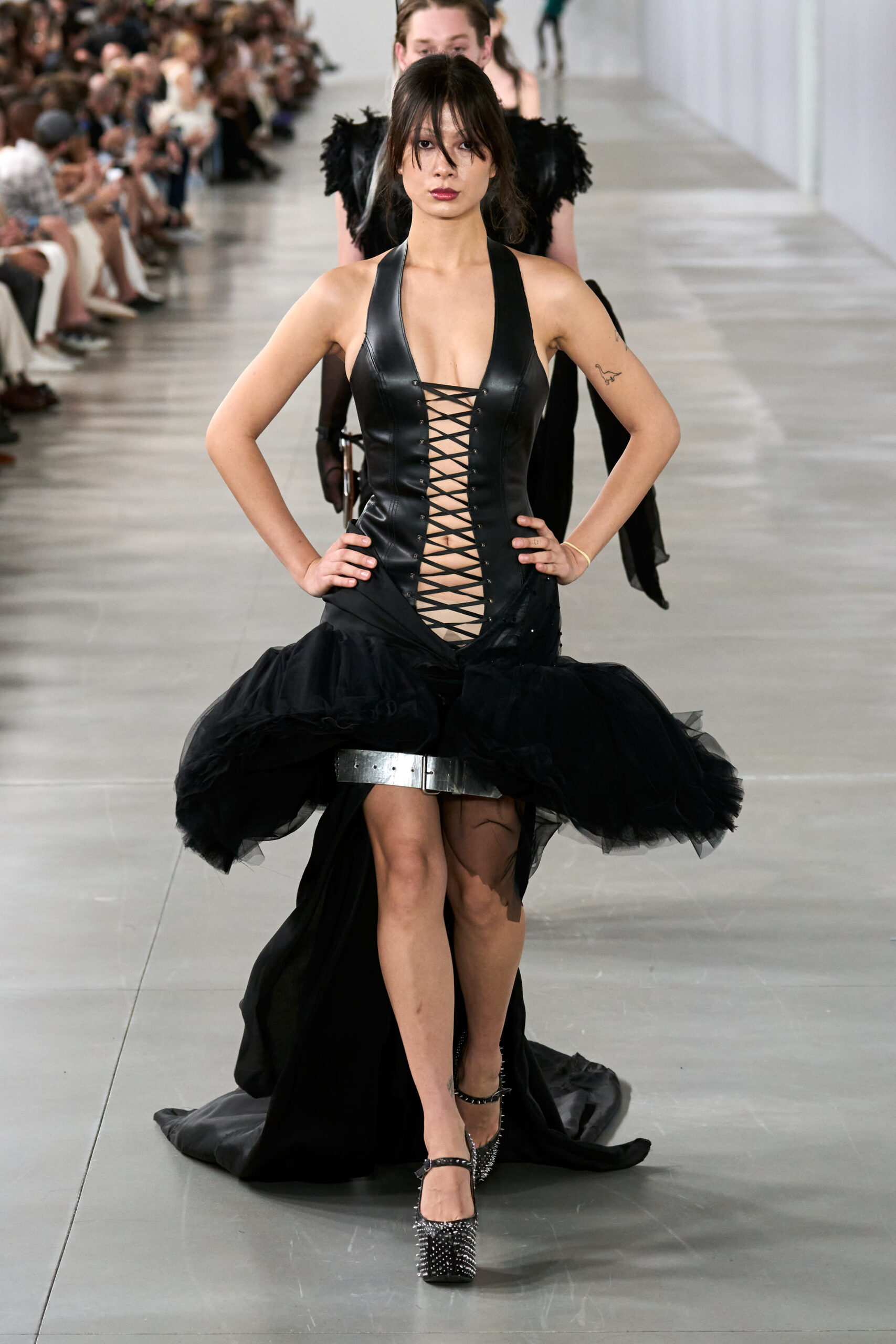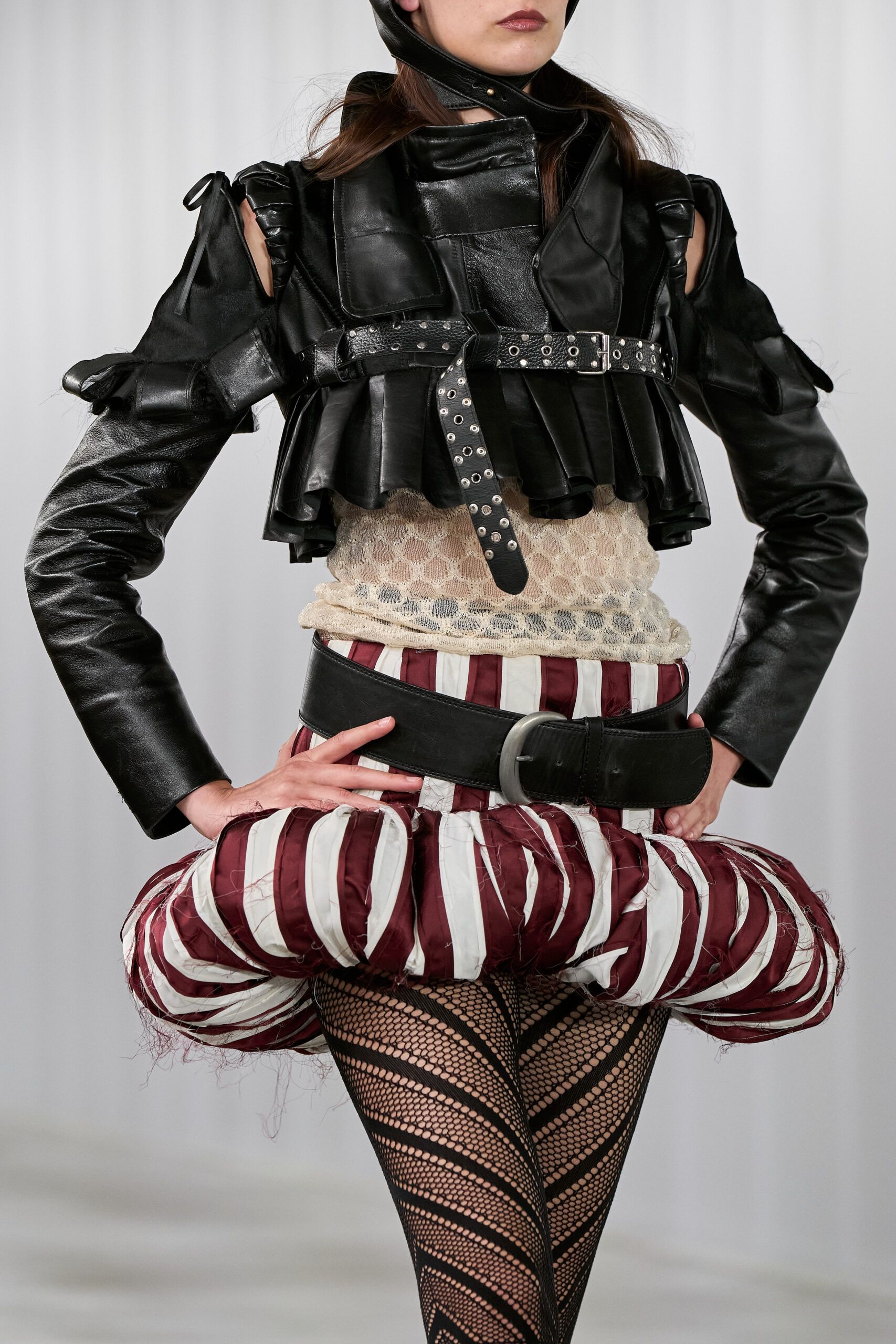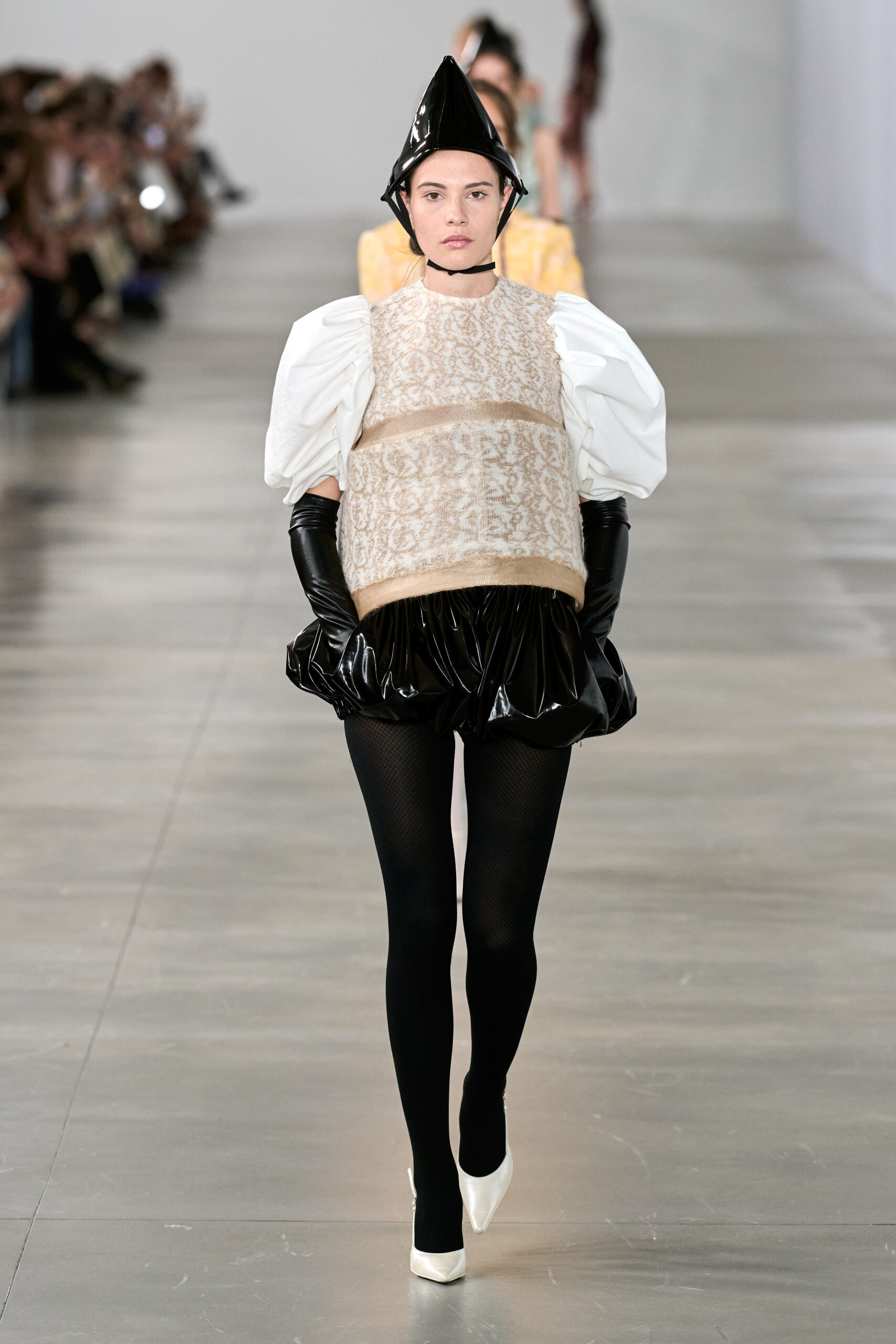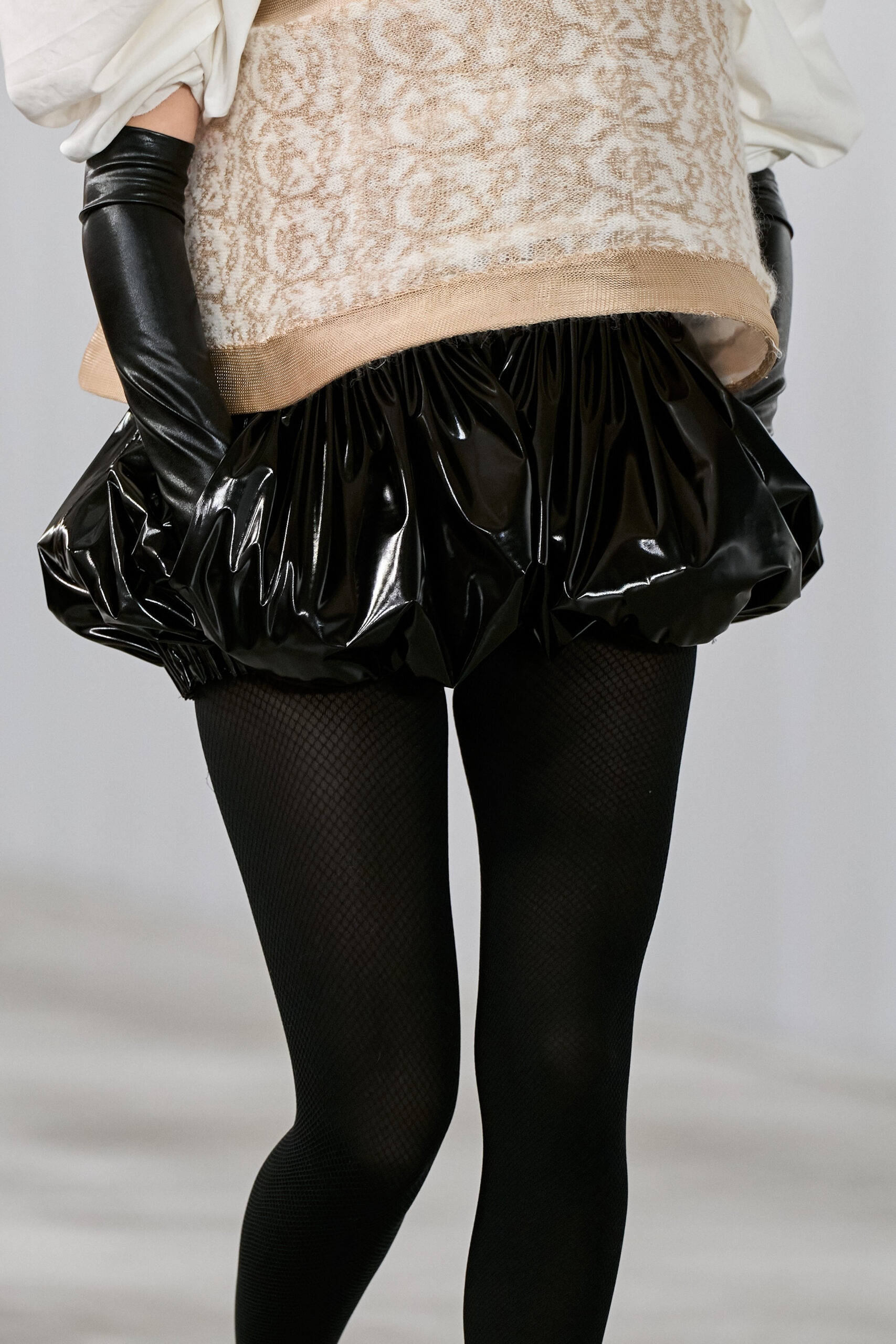
Why are we still obsessed with skirt length? Editor of the Journal, Phoebe Owston, investigates the idiosyncrasies of this controversial garment and why it still gets us so riled up.
On 19 September 2026, on the stage of a regional Italian politics and current affairs conference, Antonio Tajani, Minister of Foreign Affairs and Vice President of the Council of Ministers, commented on the type of woman he would recommend his son to marry: “meglio sposare una donna con la gonna più lunga, meno appariscente, che non ti tradisce,” which in English translates to, “it is better to marry a woman with a longer skirt, less flamboyant, who won’t cheat on you.”
The comment caused outrage across Italian society, and news and social media outlets, to the extent of female senators going to parliament in miniskirts as a protest. But why do skirts still cause such controversy? Where does this sartorial moral association come from? And is it surprising that in 2026, we are still obsessed with skirt length?
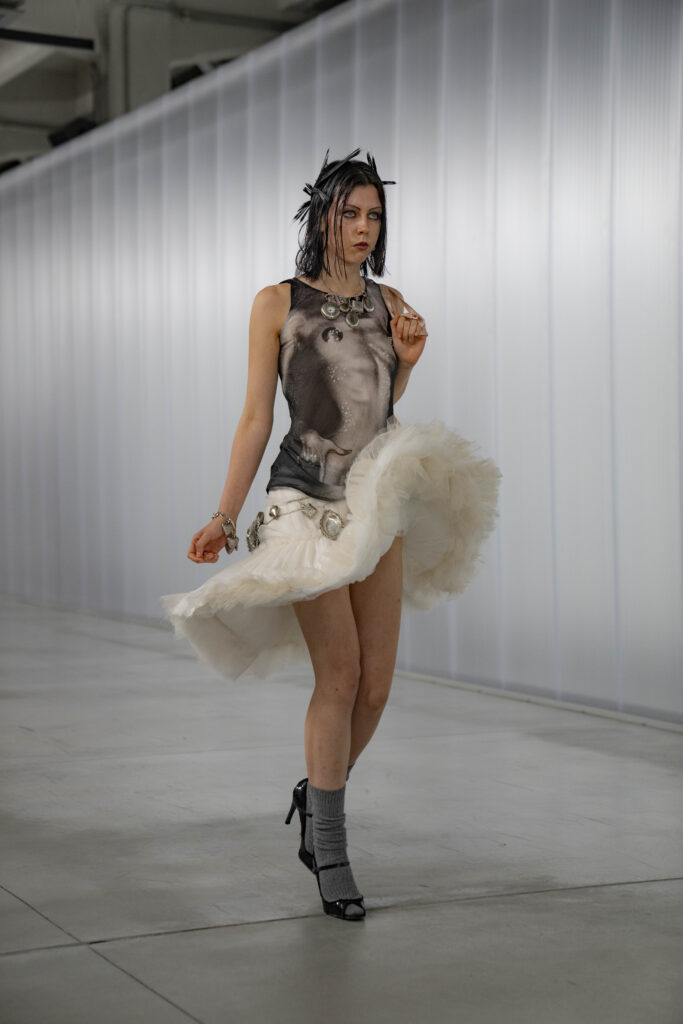
In an interview with Art and Fashion Historian and Polimoda teacher, Aurora Fiorentini, she stated that, “for millennia, from East to West, skirts were worn by men. Skirts and tunics were standard for the most authoritative roles and positions in society; for bishops, politicians, and bankers, the skirt was a symbol of superiority.” So, from what point did trousers become the norm? “The French Revolution was one of the most significant events in Western culture to bring trousers into common use. As the working classes rose to cultural and social prominence, trousers became more widespread,” she continued.
The current moral association of skirt length has roots in 20th century fascism. In the 1920s, women’s clothing was a battleground for ideology across European nations in the early throes of right wing movements. In a 1929 Time article titled Wheat Up, Skirts Down, it was reported that an order by the Secretary General of the Fascist Party in Italy, had ordered all females regardless of age to adhere to a “reasonable two inches for the below-knee limit required to give the proper external impression of Fascism’s internal seriousness.” The skirt was a sartorial morality tool, representative of the supposed innate seriousness of the regime.
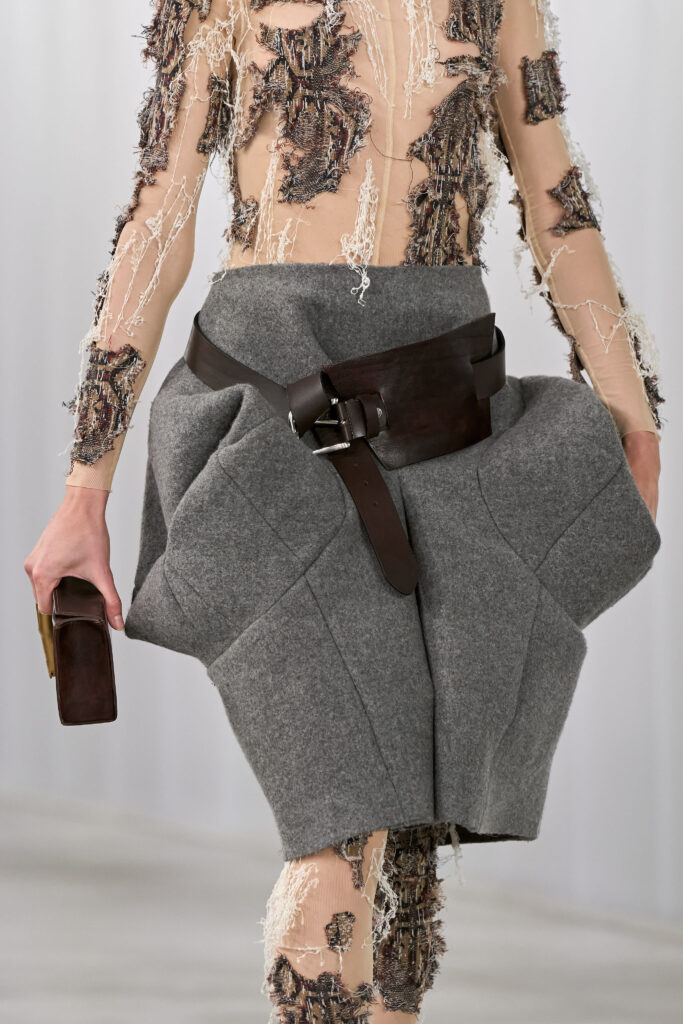
At the same time, post World War I Parisian trends were sweeping the West, representing female independence and general debauchery and quickly becoming the sworn enemy of rising right wing movements. The Italian fashion industry as we know it today hadn’t taken hold, and the woman that Parisian fashion presented did not fit the fascist ideal of women as mothers and home makers. Fascist propaganda created the dichotomy of the donna crisi, a “crisis woman”, defined as slim, sterile, urbanized, cosmopolitan and dressed according to current fashion, and the donna madre, a rural mother who was patriotic, strong, calm, and fertile. In fact, in 1935 the Ente Nazionale della Moda in Turin was founded. One of its goals was to redirect the country away from the influence of French fashion by imposing the rule that in a collection, at least 50 per cent of the garments had to be able to display a certificate of Italianness, as well as dictating the perfect measurements of models. Fashion was therefore an integrated part of politics, a question of political propaganda.
In the 1960s, the miniskirt entered the mainstream for the first time. It featured on the runway of Paris couturier André Courrèges in the early years of the decade, but its invention is often credited to Mary Quant. Aurora Fiorentini claims that “the miniskirt was one of the first instances of pure ‘street style’.” She continues, “it wasn’t entirely invented by Mary Quant. She was the one to ride the wave of this street style, she marketed and sold it.” The miniskirt fitted perfectly into the liberation of the 1960s; it was a way of rebelling post-war, in the midst of a new wave of youth culture, jeans, tie-dye, and new subcultures like mods and hippies. This generation went against their parents, the wars and regimes of decades past, and against the stuffy and constricting classic revival of the 1950s, championed by Christian Dior’s New Look.
Since then, the miniskirt has been fully released into the fashion mainstream via pop culture moments such as the thigh-grazing skirts worn on stage by Debbie Harry (Blondie) in the 1970s, the RaRa skirt of the 1980s, the 1994 Fall/Winter Versace campaign shot by Richard Avedon, films like 1995’s Clueless costume design by Mona May, music videos like 1999’s Britney Spears’ …Baby One More Time, and Christina Aguilera’s David LaChapelle-directed Dirrty video from 2002, up until Miu Miu’s viral Spring/Summer 2022 miniskirt. Regardless of the decade, the miniskirt has been a symbol of rebellion, rebirth, and appropriation of a new identity.
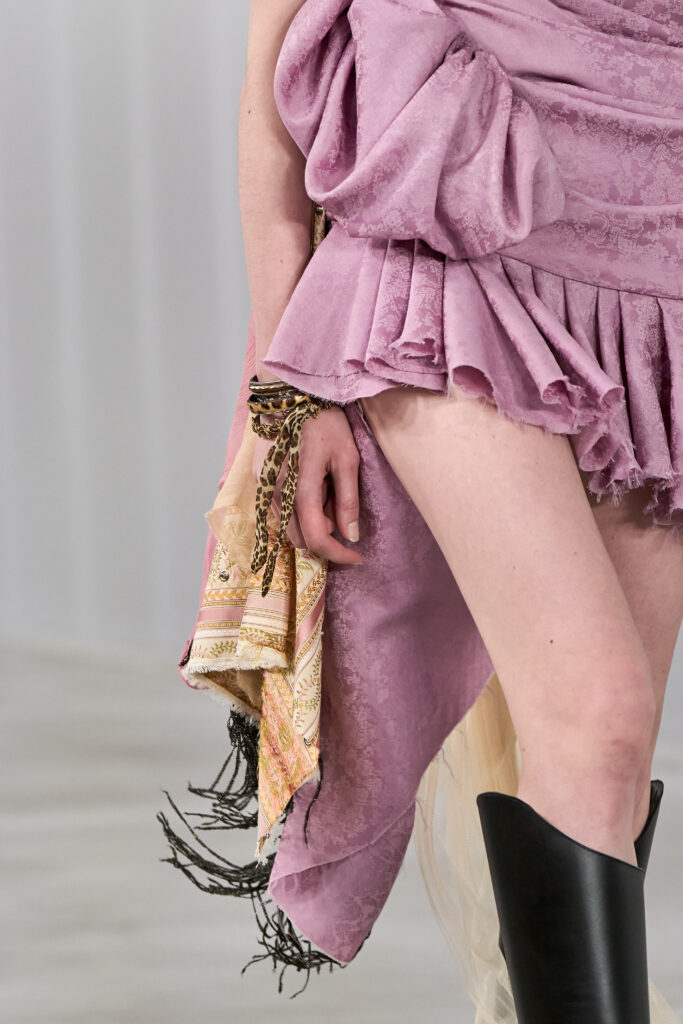
The idea that the length of a skirt reflects the moral standing of a woman is not new, and is scarily reminiscent of dark times for Europe and the rest of the world. It is important to know historically what the associations to certain garments have been, in order to be able to read the rhetoric that is being repeated to us today. One of the most divisive garments in Western culture, the skirt is a communicative tool which to this day mirrors what is happening around us.
It’s tedious to still discuss centimetres of fabric as an indication of the moral upstanding of a woman, however we can take solace in fashion as a language that can change society. Fashion is power and therefore fashion school is the constantly humming engine room of innovation and rebellion. Short skirts allowed.
LIBRARY READS
Find out more about the history of the skirt via these titles available in Polimoda’s library, carefully selected by the Journal’s editorial team.
- Skirts: fashioning modern femininity in the twentieth century, Chrisman-Campbell, Kimberly, St. Martin’s Press, 2022.
In a sparkling and beautifully illustrated social history, Skirts traces the shifting roles of women over the twentieth century through the era’s most iconic and influential dress. While the story of women’s liberation has often been contextualized in relation to the growing popularity of trousers over the twentieth century, this book highlights the importance and influence of the skirt. In fact, the famous saying “wearing the pants”, typically used to determine the distribution of power in a male-female relationship, took on a different meaning.
- Gonne e gonnelle, Gandolfi, Fiora, Zanfi, 1989
This title explores the evolution of the skirt itself and its relevance from a social point of view, looking at different eras and designers who contributed to shaping the narrative we hold of this garment up until today.
- Eleganza fascista: la moda dagli anni Venti alla fine della guerra Gnoli, Sofia, Carocci, 2017
A complete history of Italian fashion starting from the 1920s all the way to the end of the Second World War, that looks at the fascist period, propaganda, and the birth of an independent Italian fashion industry.
- Fashion under fascism: beyond the black shirt Paulicelli, Eugenia, Bloomsbury Visual Arts, 2025
This book demonstrates how fashion was and still is connected to politics; it is a critical reinterpretation of the cultural role of the fashion industry under fascism and the regime’s policies. The title also reflects on how this regime shaped Italian fashion throughout the twentieth century, up until the present day, and is still a source of discourse today.
- La minigonna: la rivoluzione, gli stilisti, le icone, Lang, Bianca, White Star, 2011
This title is about the relevance of the debut of the miniskirt and how it impacted modern society, enabling the skirt to evolve in time. It also retraces the history and upcoming of Mary Quant, the woman who invented the miniskirt during the 60s.
- Quant by Quant: the autobiography of Mary Quant, Quant, Mary, V&A, 2019
The entertaining story of Mary Quant’s early career and life, after the opening of her groundbreaking shop in London and where she found inspiration to develop her witty fashion style, synonymous with pop culture of the 60s, which she ultimately helped to define and change. It also includes sketches of her first designs of miniskirts, which are still fascinating and intriguing today.
- Late 60s fashion style: 1965-1970, Pie Books, 2003
A fashion chronology of the late 60s and how that era shaped fashion, with particular focus on the miniskirt and how not only designers but people on the street were eager to change what was happening in the fashion industry at the time.
BIBLIOGRAPHY
Bozza, C. (2026) ‘Le senatrici in minigonna protestano contro Tajani per le frasi sull’abbigliamento delle donne’, Corriere della Sera, 22 September. Available here: (Accessed: 5 October 2026).
Hollander, A. (2005) ‘Leg-and-skirt management’, London Review of Books, 27(8). Available here. (Accessed: 1 October 2026).
La7 (2026) Tajani: meglio sposare donna con gonna più lunga, meno appariscente ma più affidabile [Video]. 19 September. Available here. (Accessed: 20 September 2026).
Lucyk-Berger, C. (2019) ‘The fashion fascisti: Mussolini’s design for the “New Italian Woman”‘, Ink Treks, 21 September. Available here. (Accessed: 30 September 2026).
Moda MAM-e (2021) ‘Ente Nazionale della Moda’, Moda MAM-e: l’Enciclopedia della moda. Available here. (Accessed: 30 September 2026).
Monti, J.L. (2011) The contrasting image of Italian women under Fascism in the 1930’s. Undergraduate honors thesis. Syracuse University. Available here. (Accessed: 30 September 2026).
Pinto, F. (2026) ‘”Respectable women in long skirts”: Tajani under fire in memes and international media’, Euronews, 26 September. Available here. (Accessed: 30 September 2026).
Sassano, R. (2015) ‘Camicette nere: le donne nel Ventennio fascista’, El Futuro del Pasado, 6, pp. 253–280. Available here. (Accessed: 1 October 2026).
TIME (1929) ‘Italy: wheat up, skirts down’, TIME. Available here. (Accessed: 1 October 2026).
Treccani (2022) L’eredità del linguaggio sessista fascista. Available here. (Accessed: 1 October 2026).
Università Cattolica del Sacro Cuore (2025) La minigonna: la storia di un capo simbolo di libertà e rivoluzione. Available here. (Accessed: 1 October 2026).
Victoria and Albert Museum (2019) The miniskirt myth. Available here. (Accessed: 5 October 2026).
CREDITS
Written by
- Phoebe Owston, Editor of the Journal
Interview with
- Aurora Fiorentini, Art and Fashion Historian, and Faculty member
Research by
- Giuditta Donnini, Editorial Assistant Intern
Cover image
- 2023 Polimoda Graduate Collection by Fernanda Castro. Photo by Serena Gallorini.