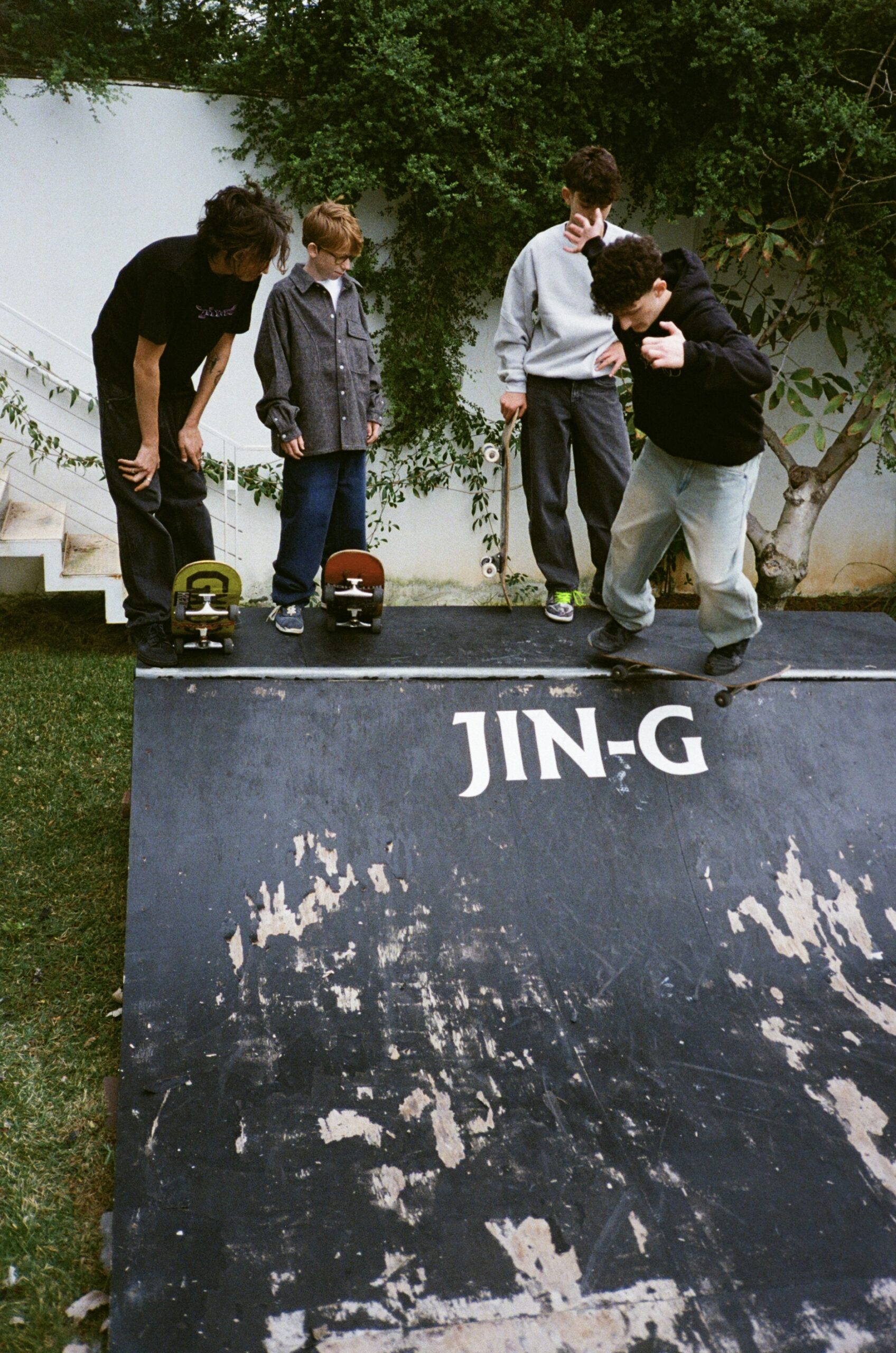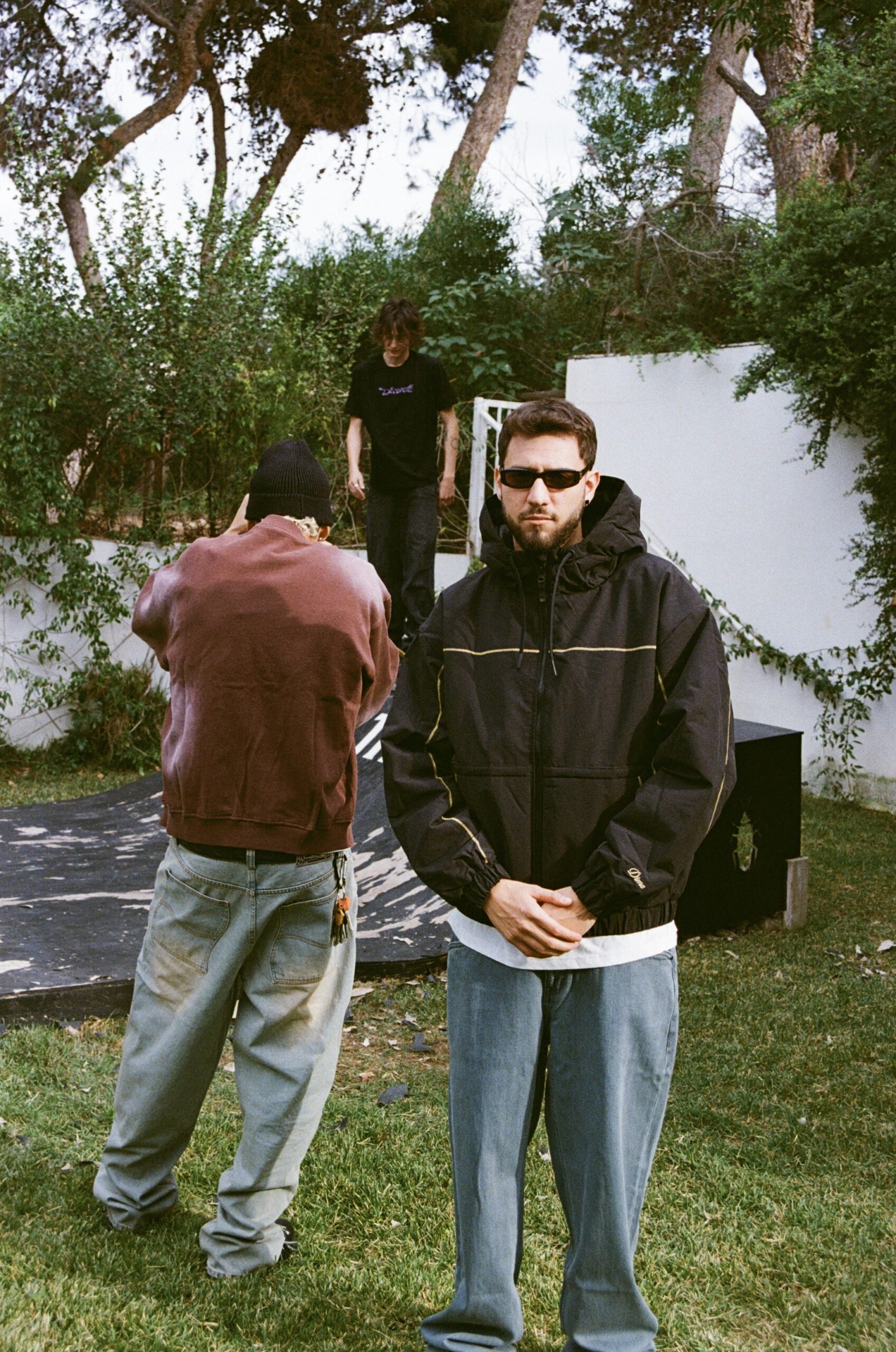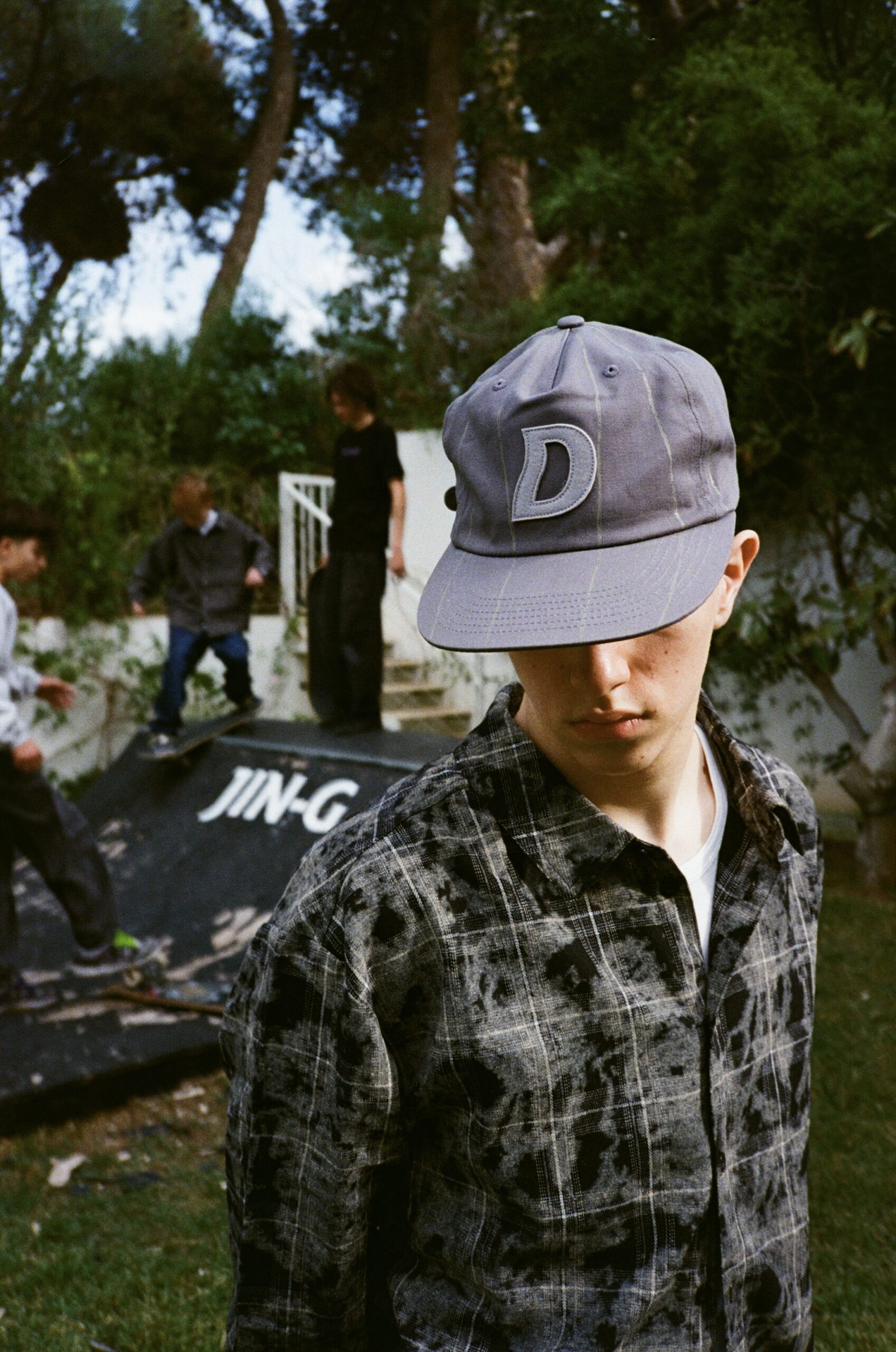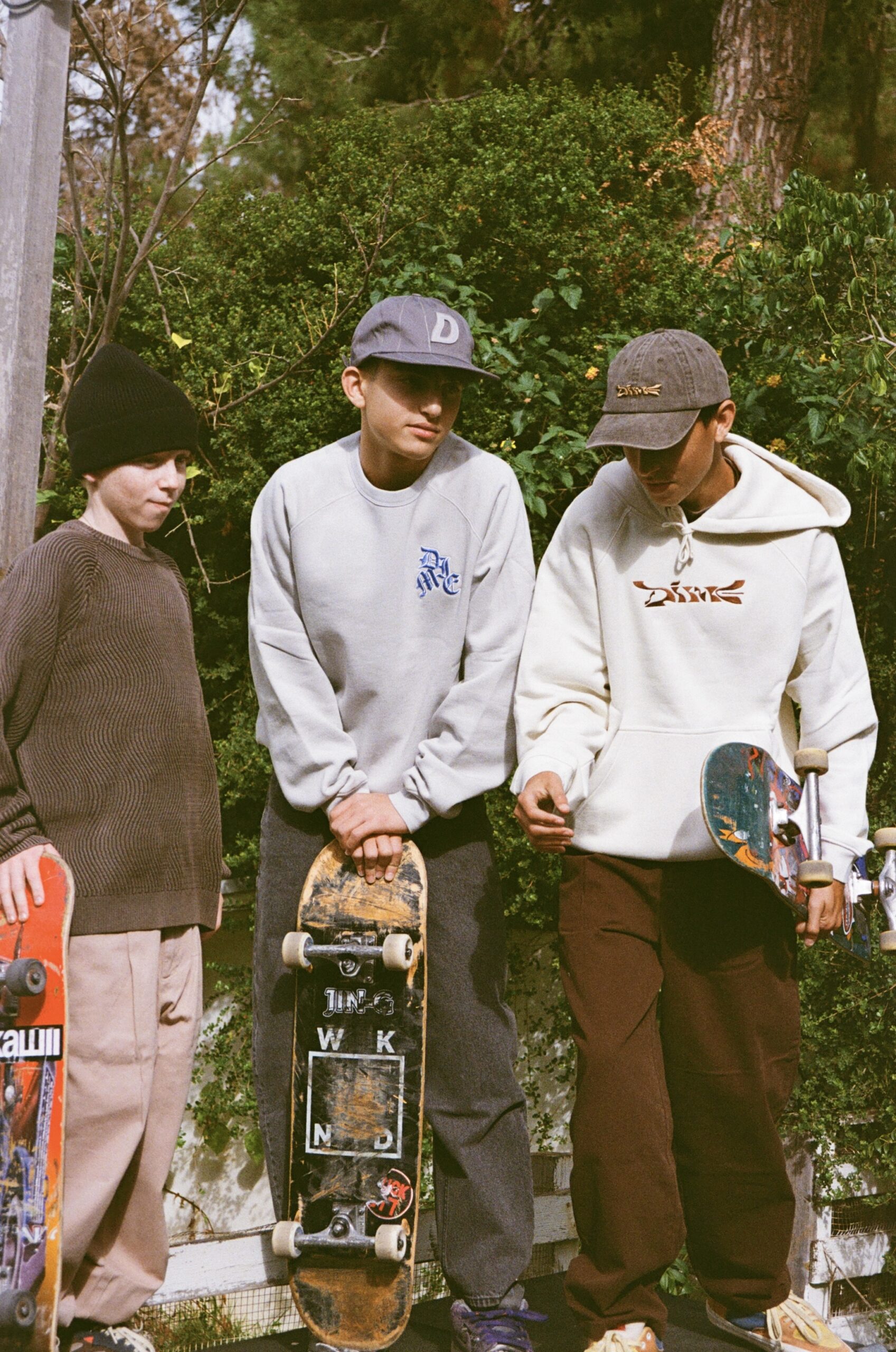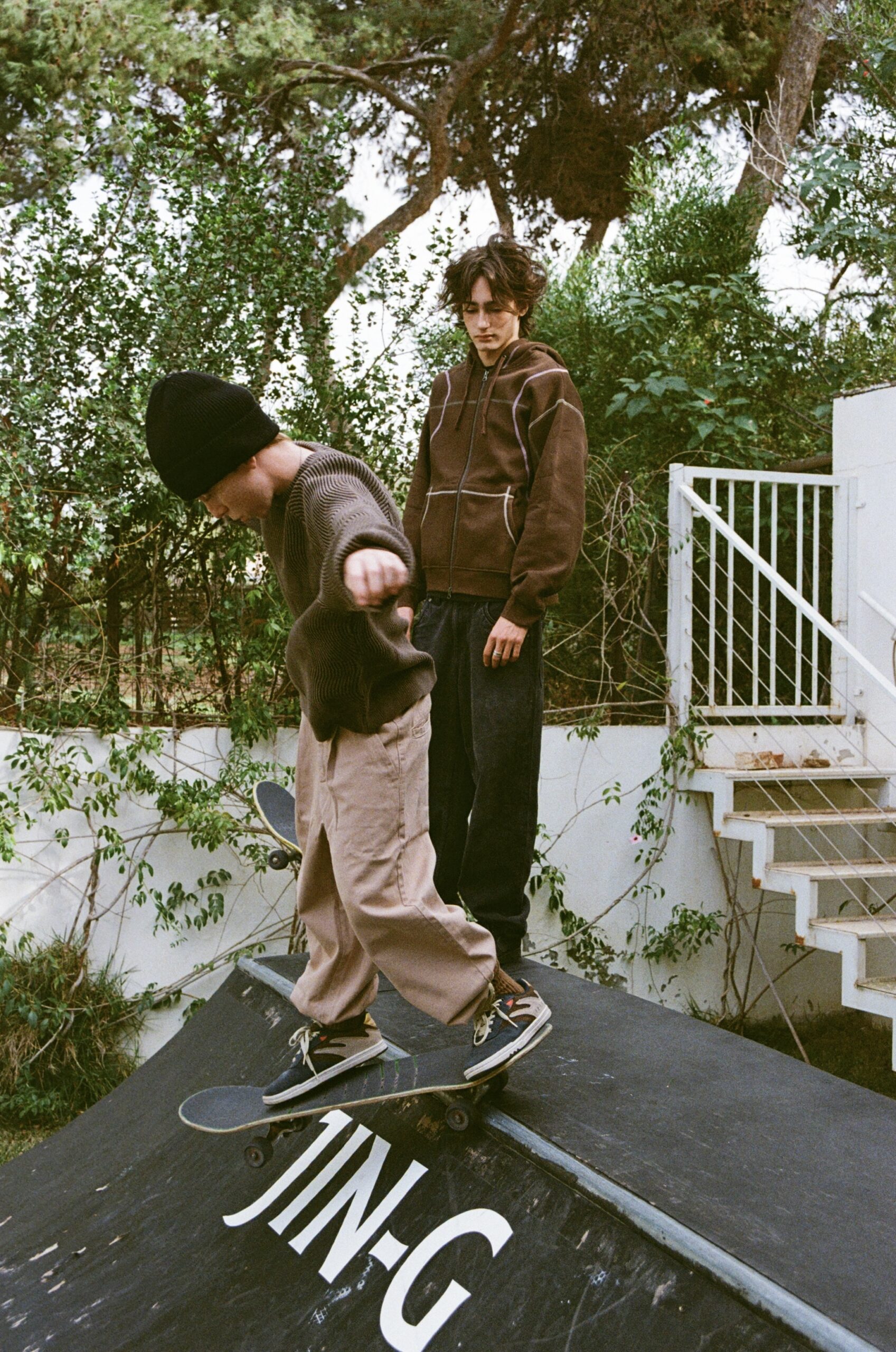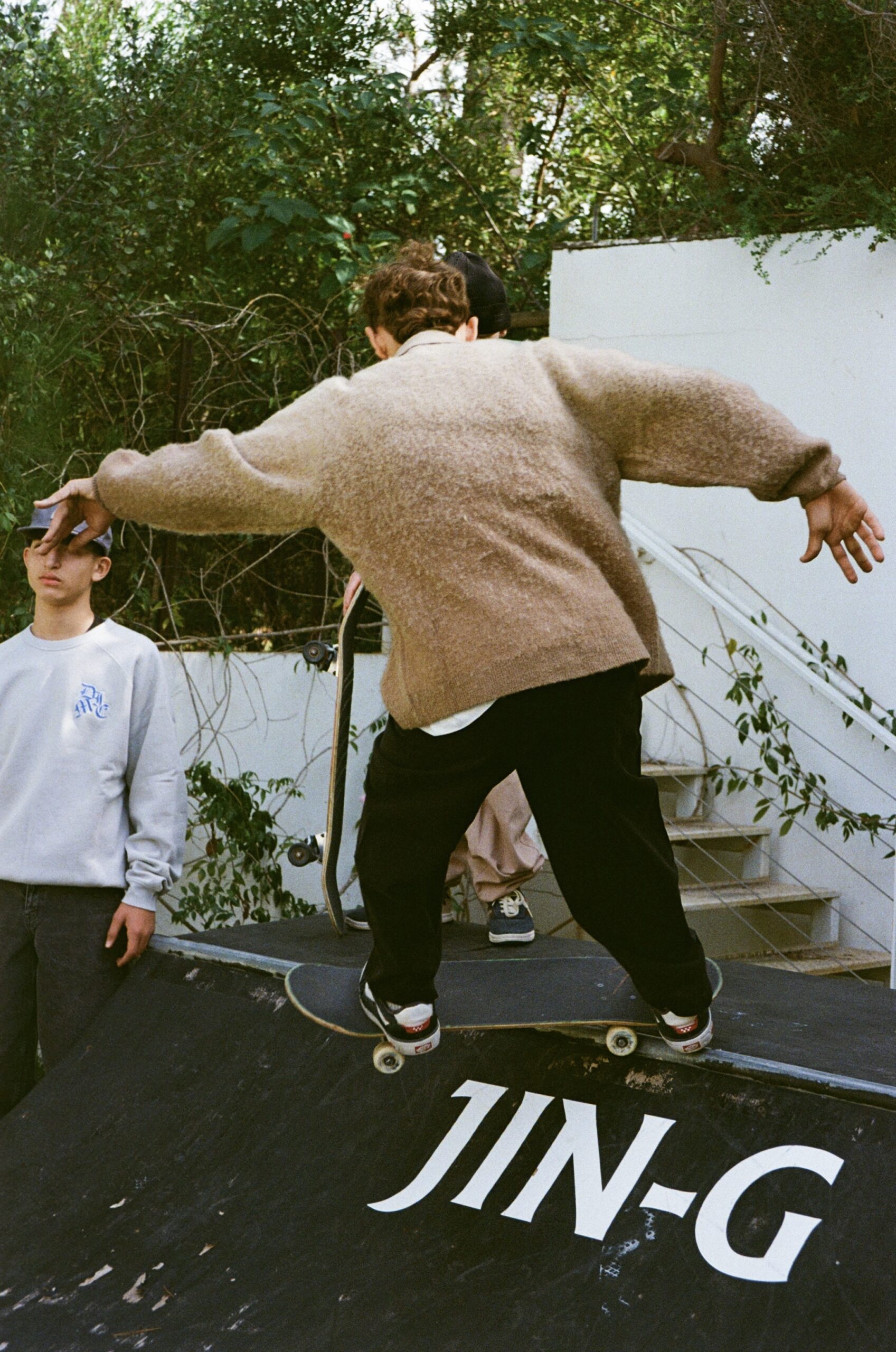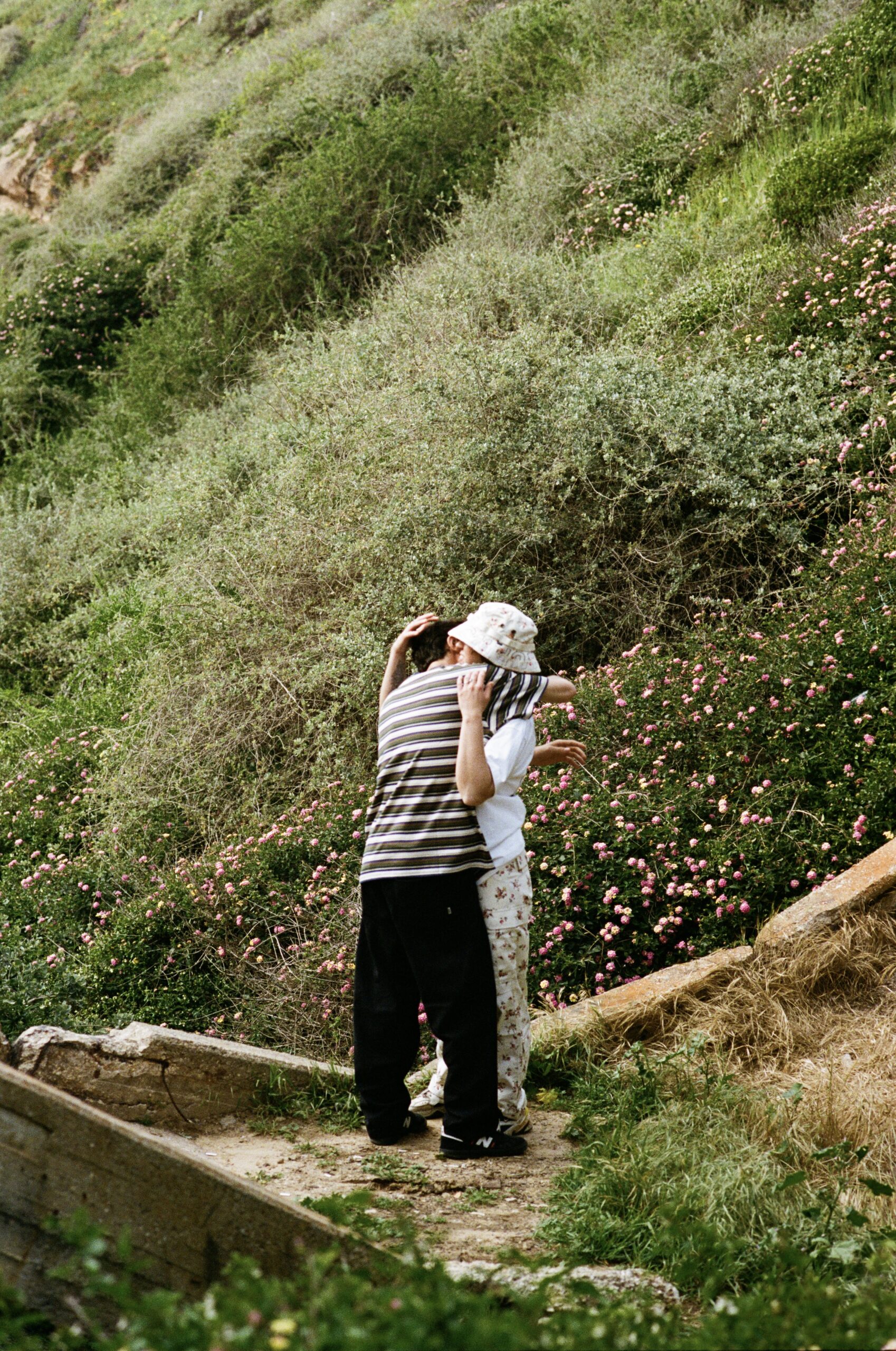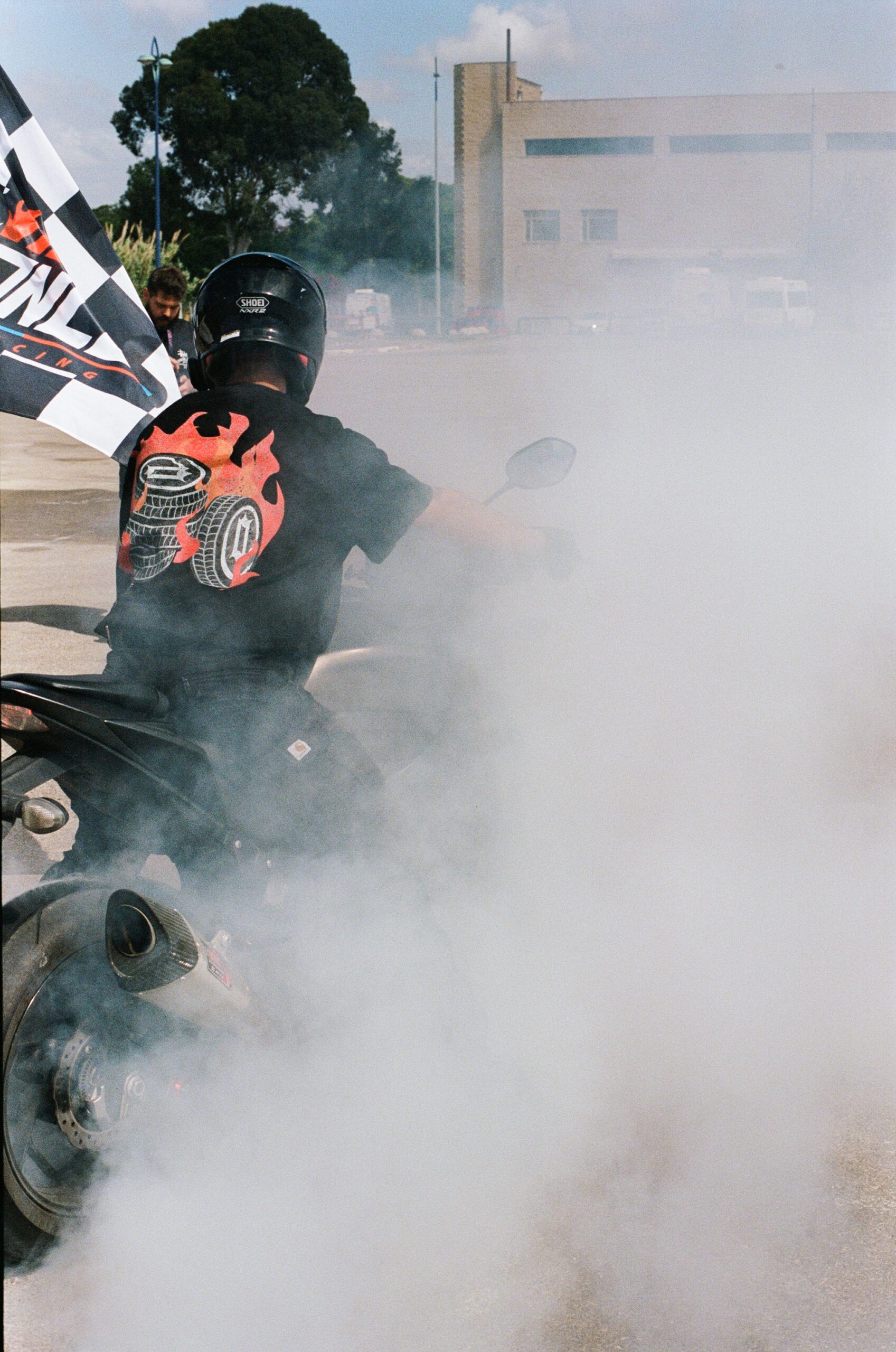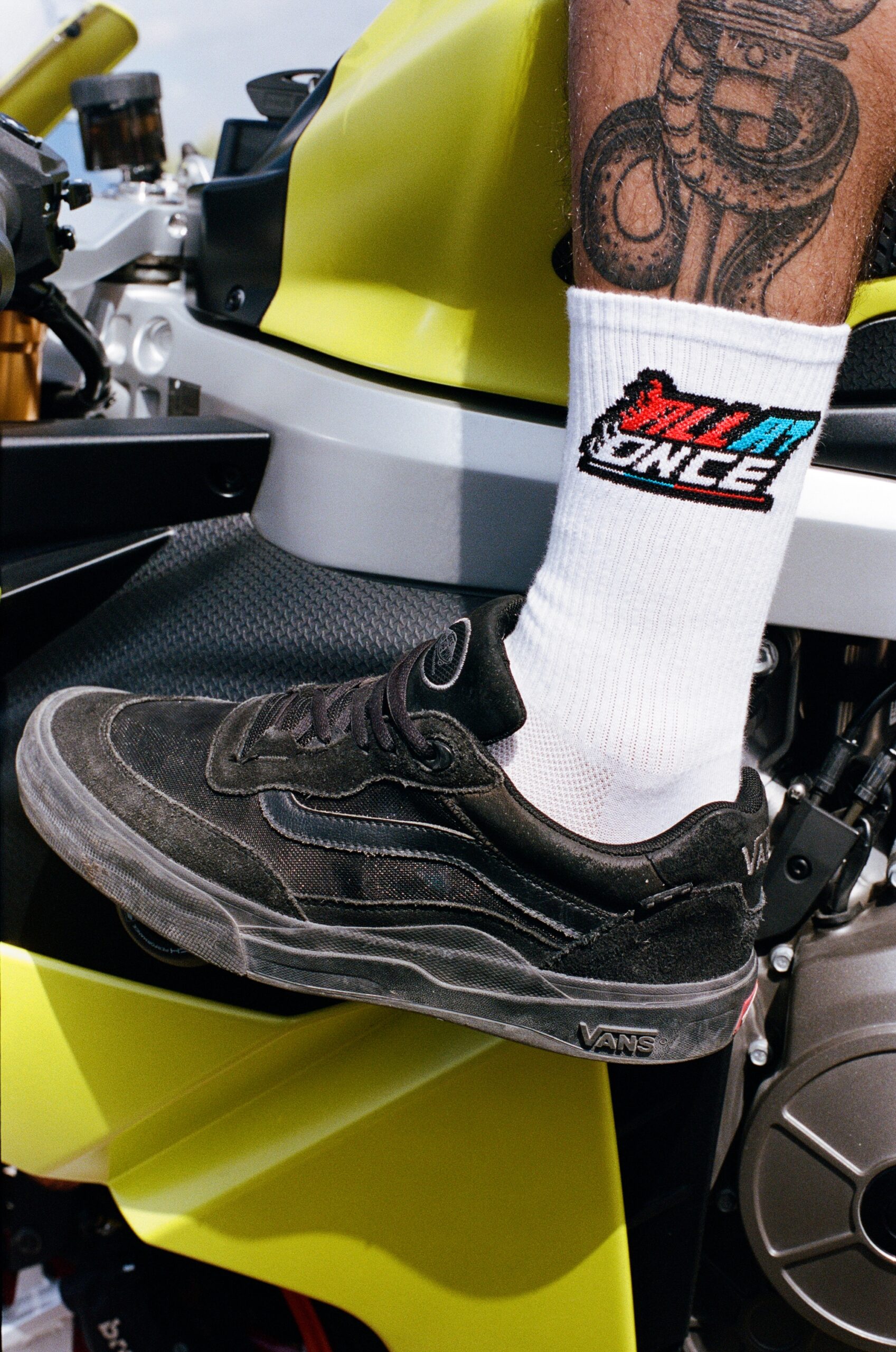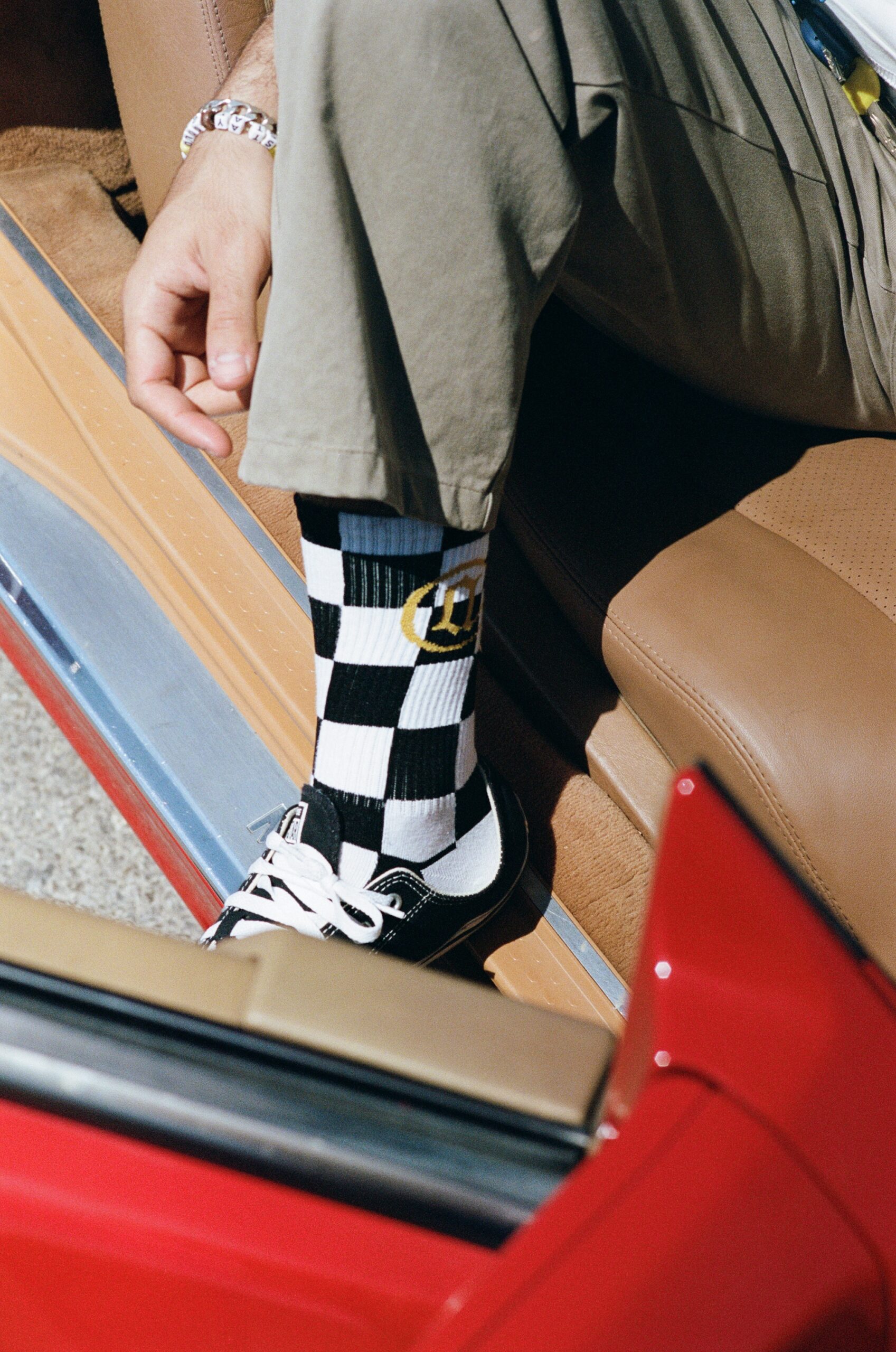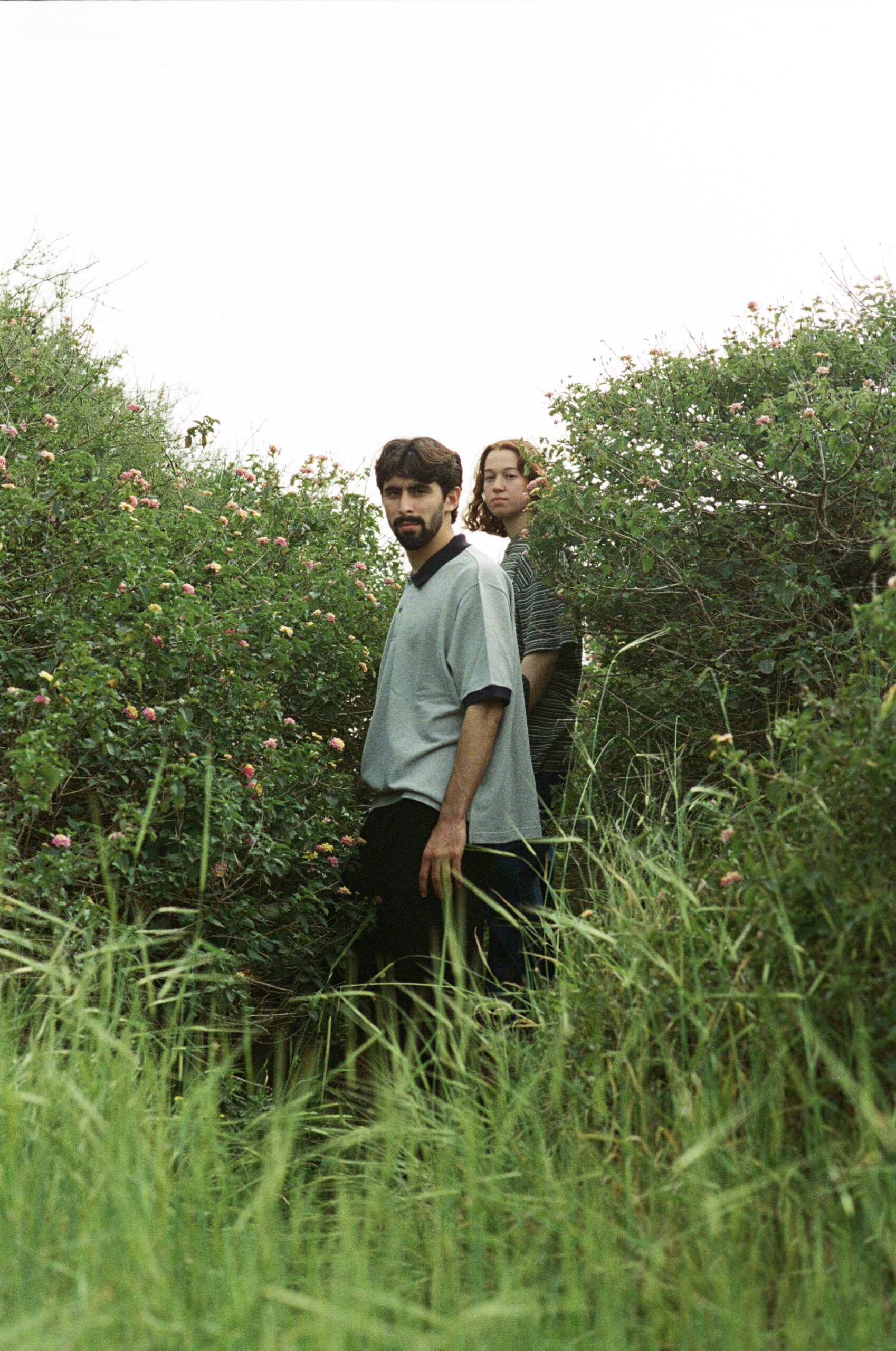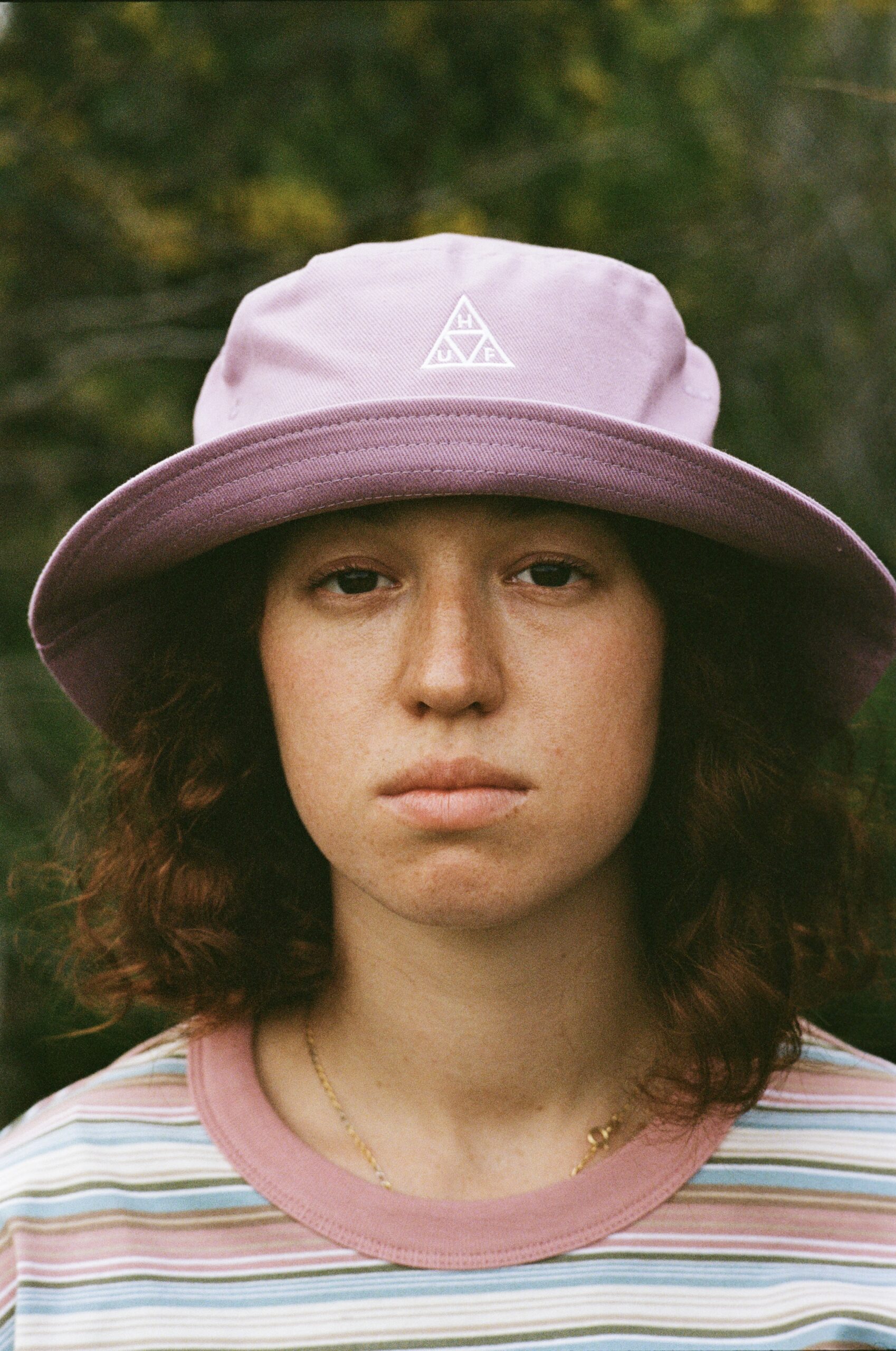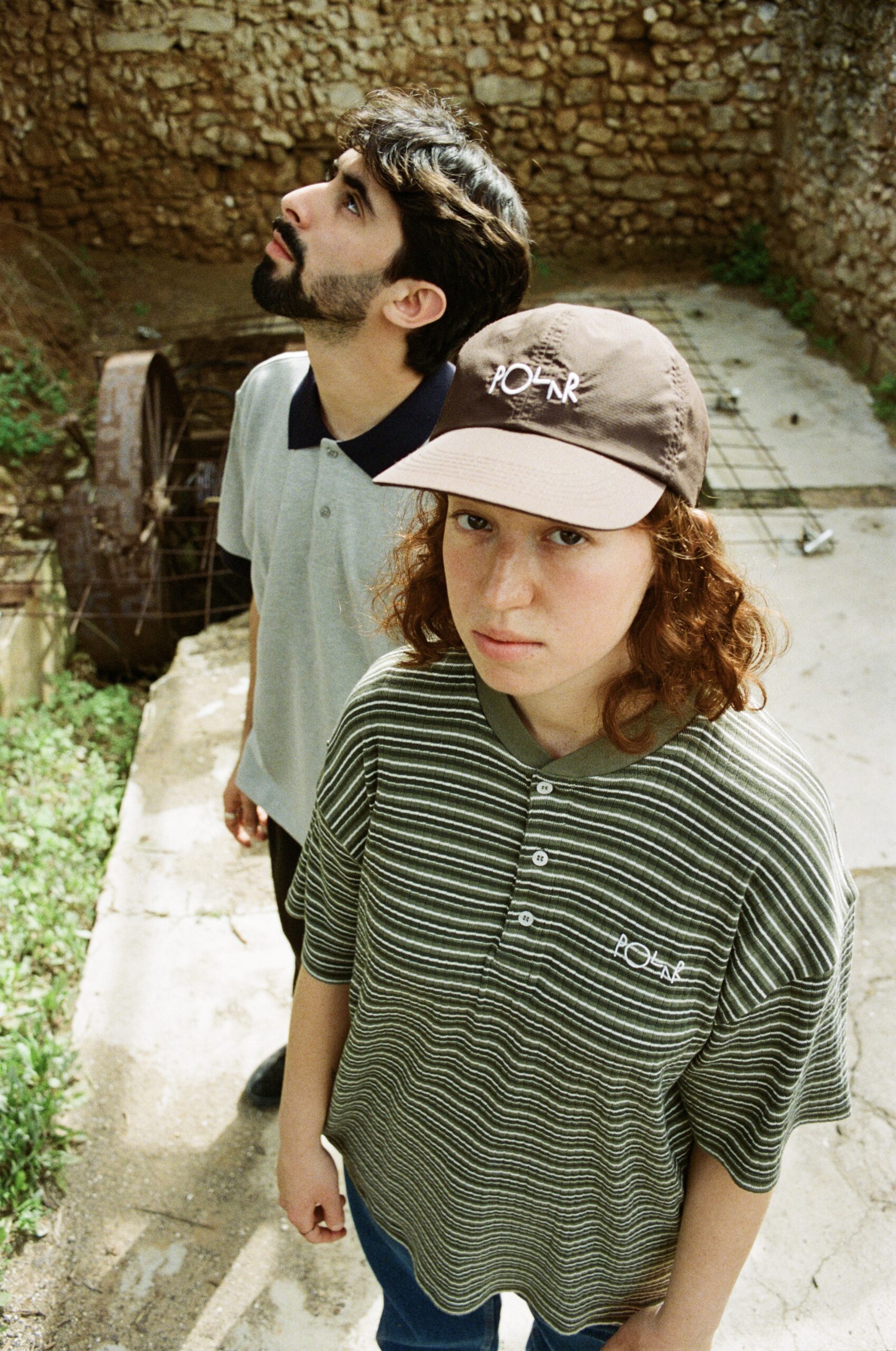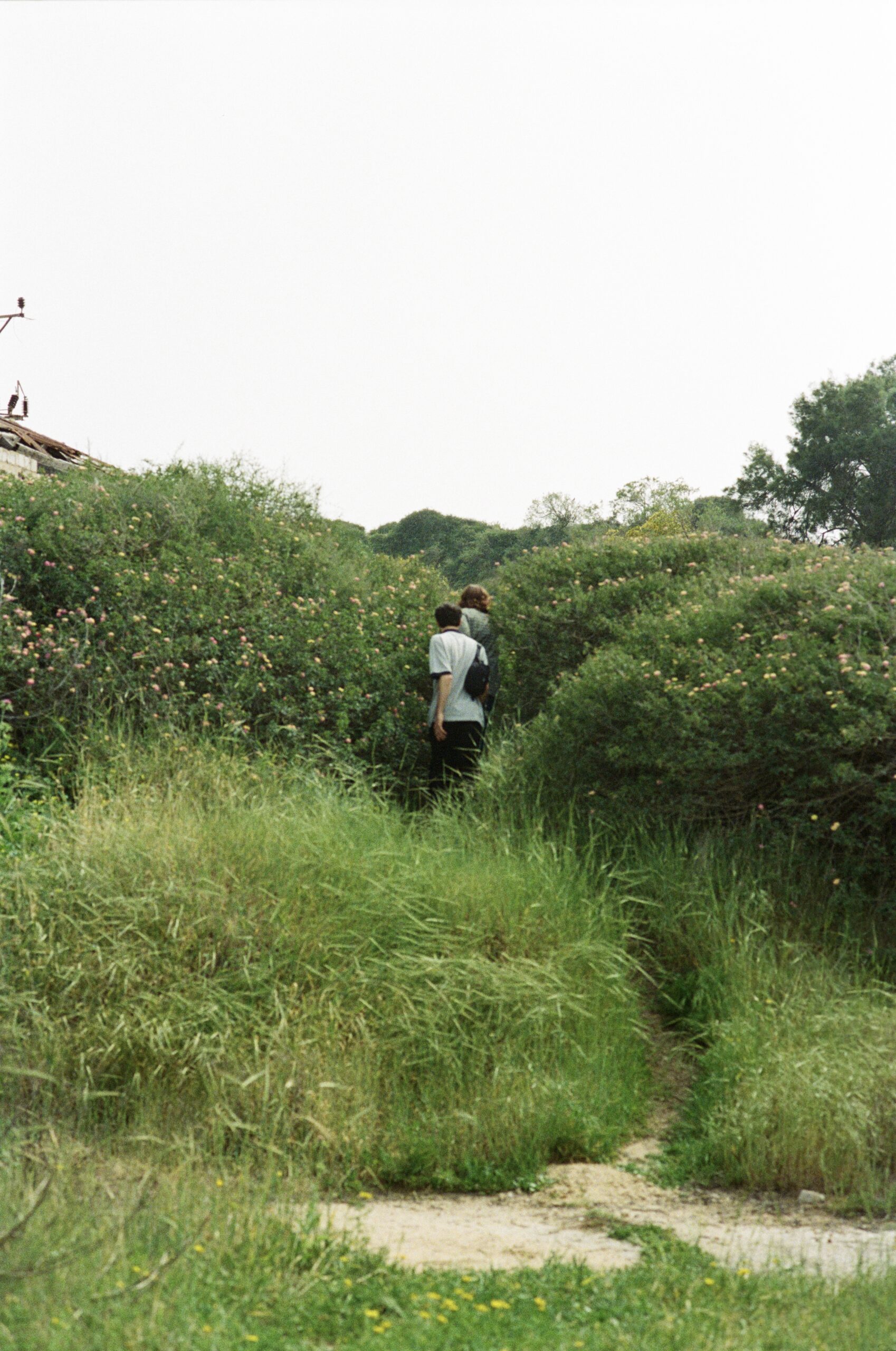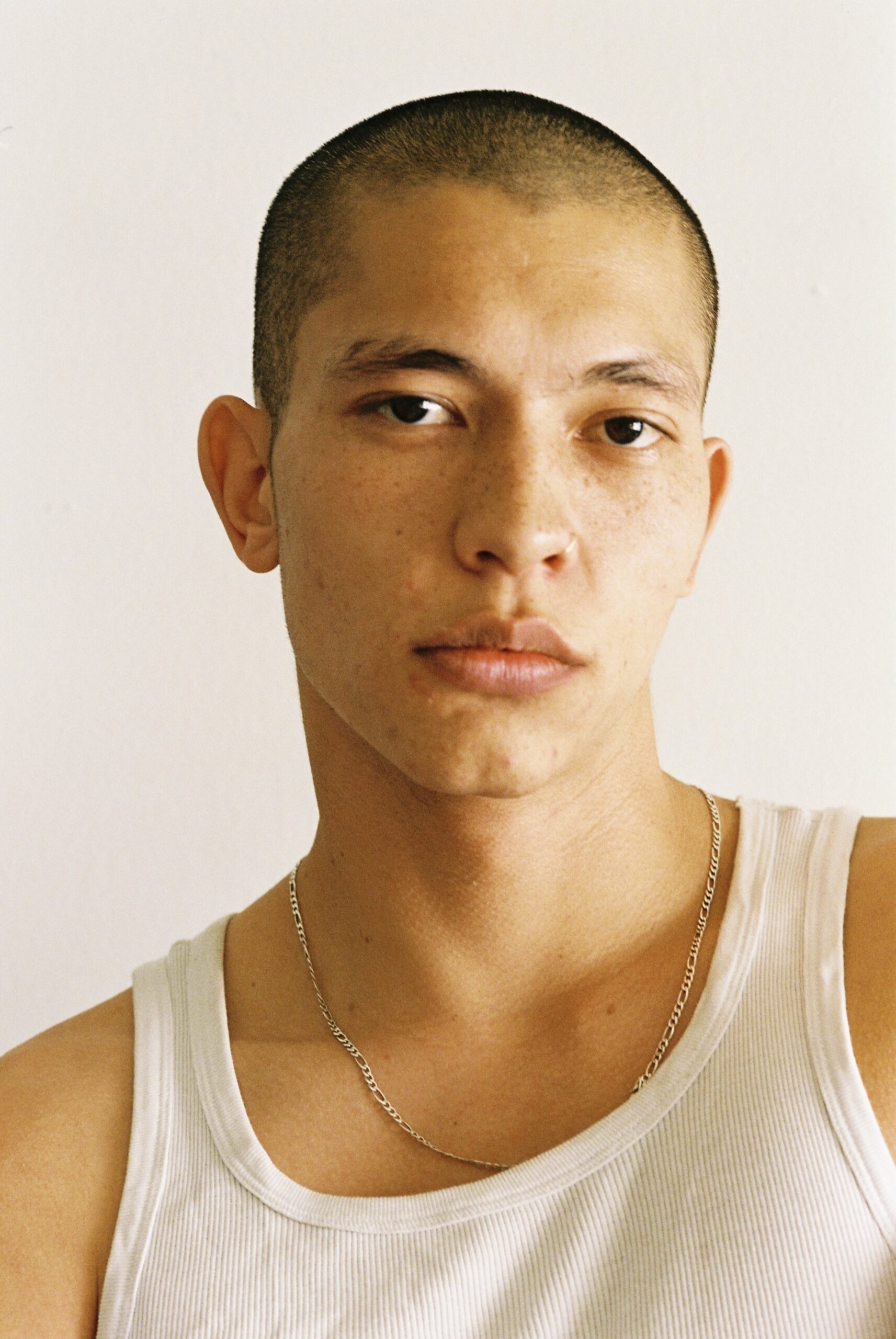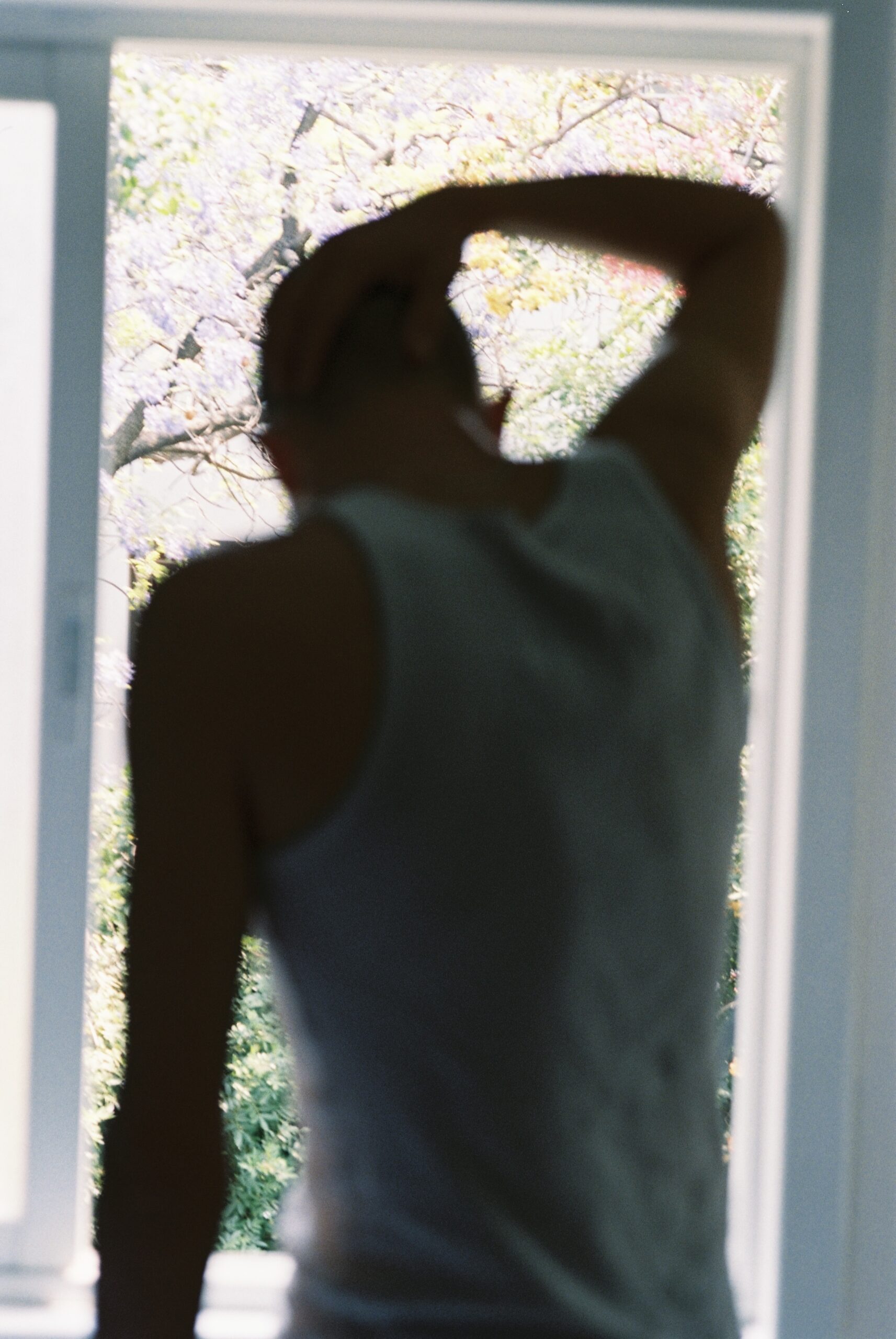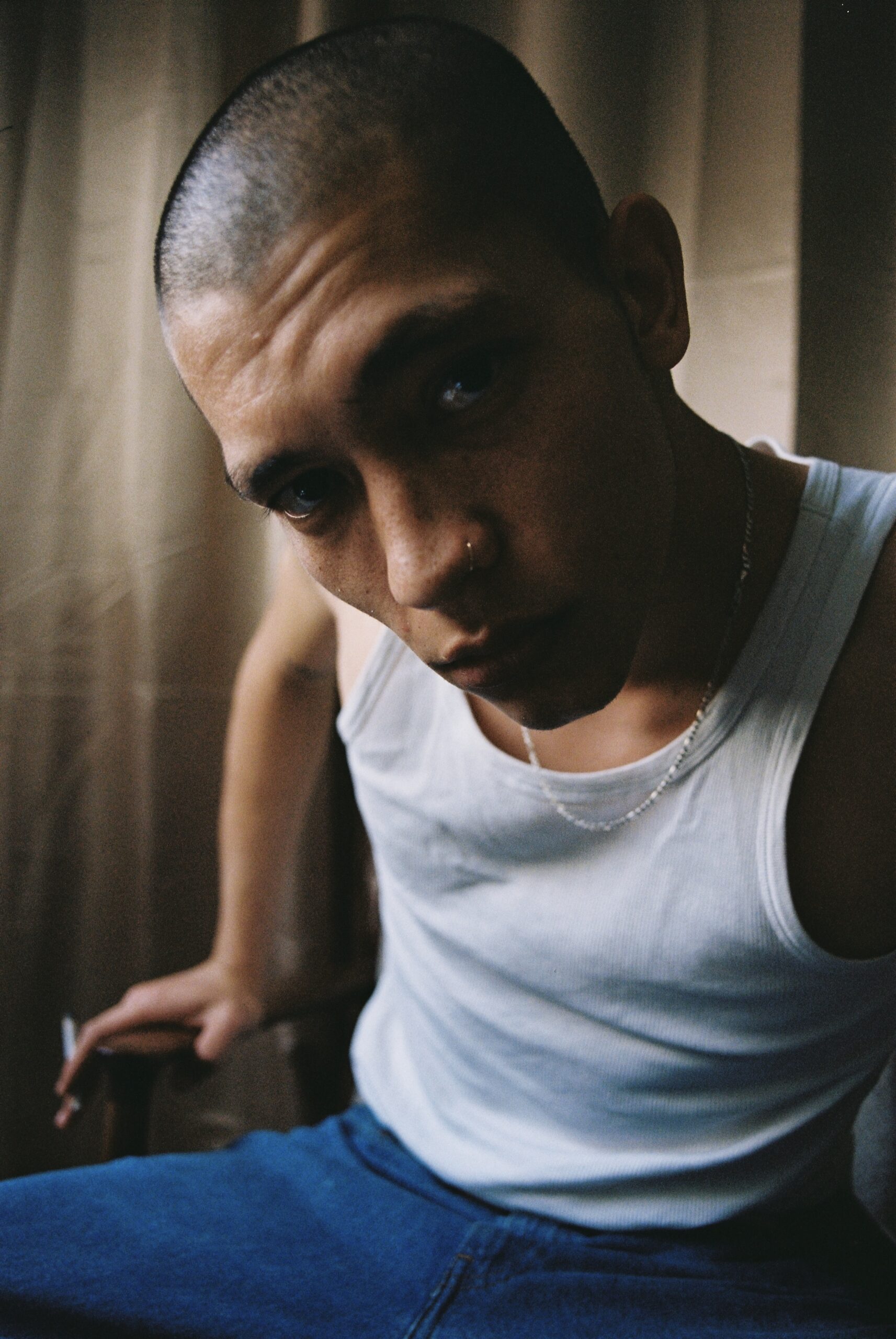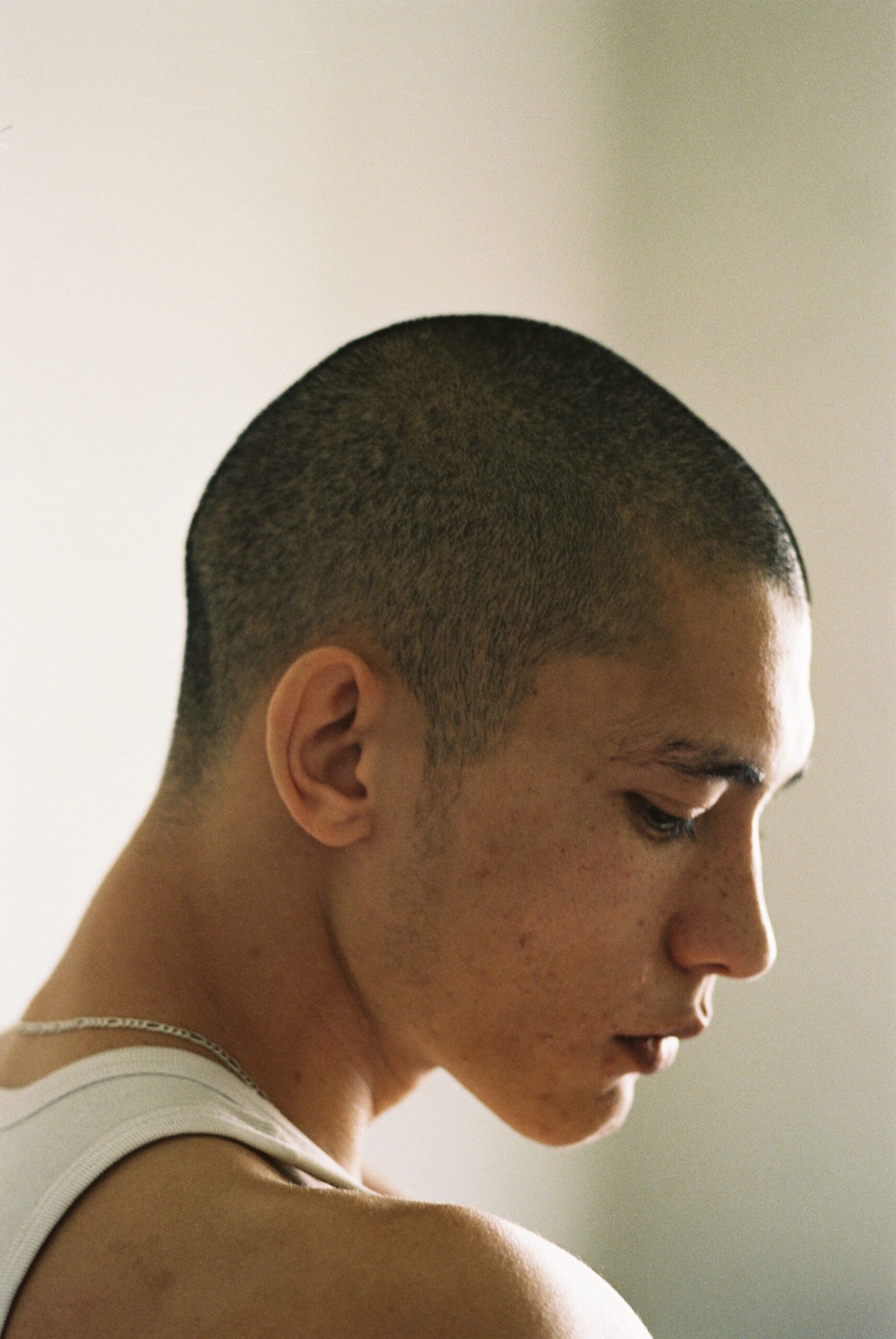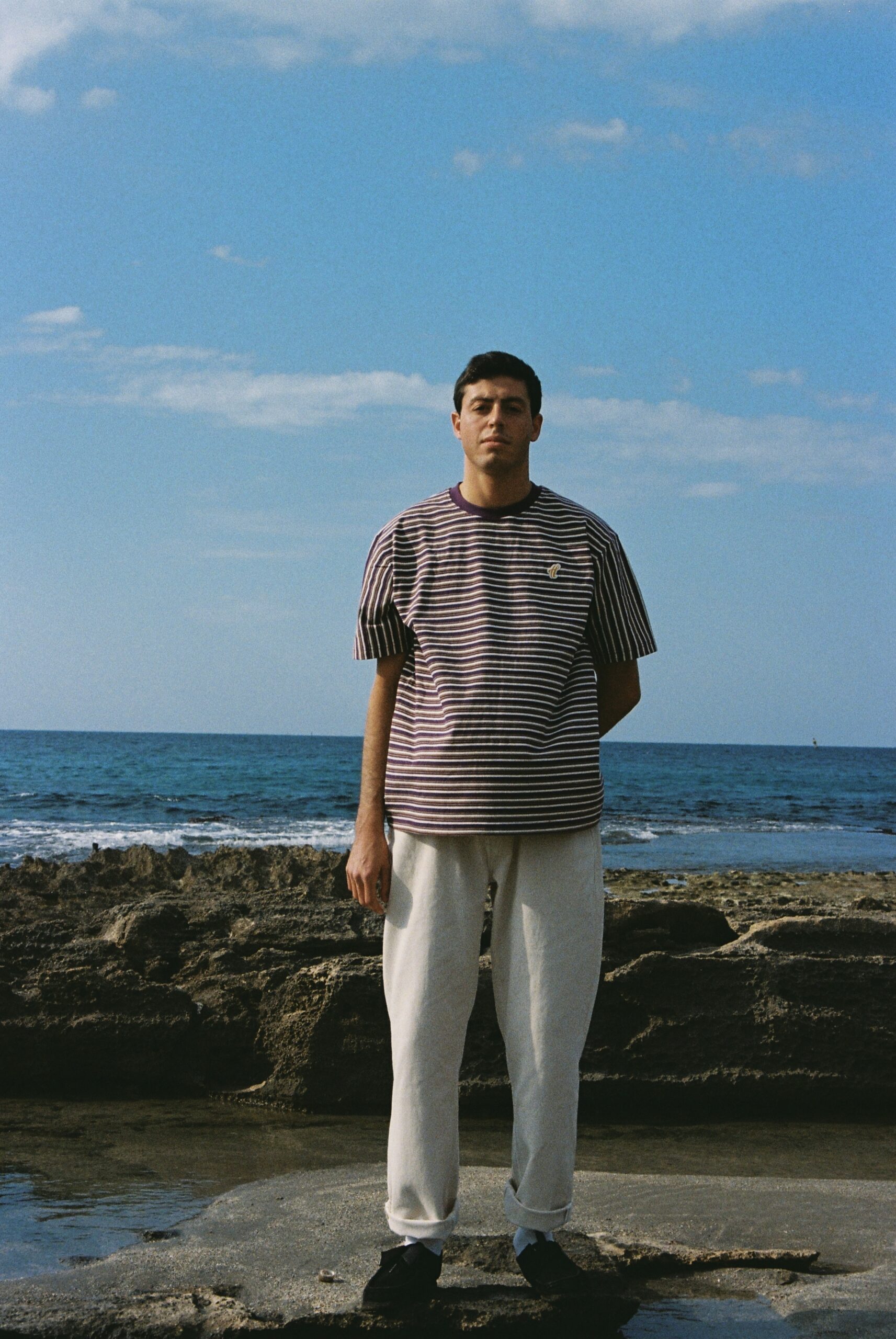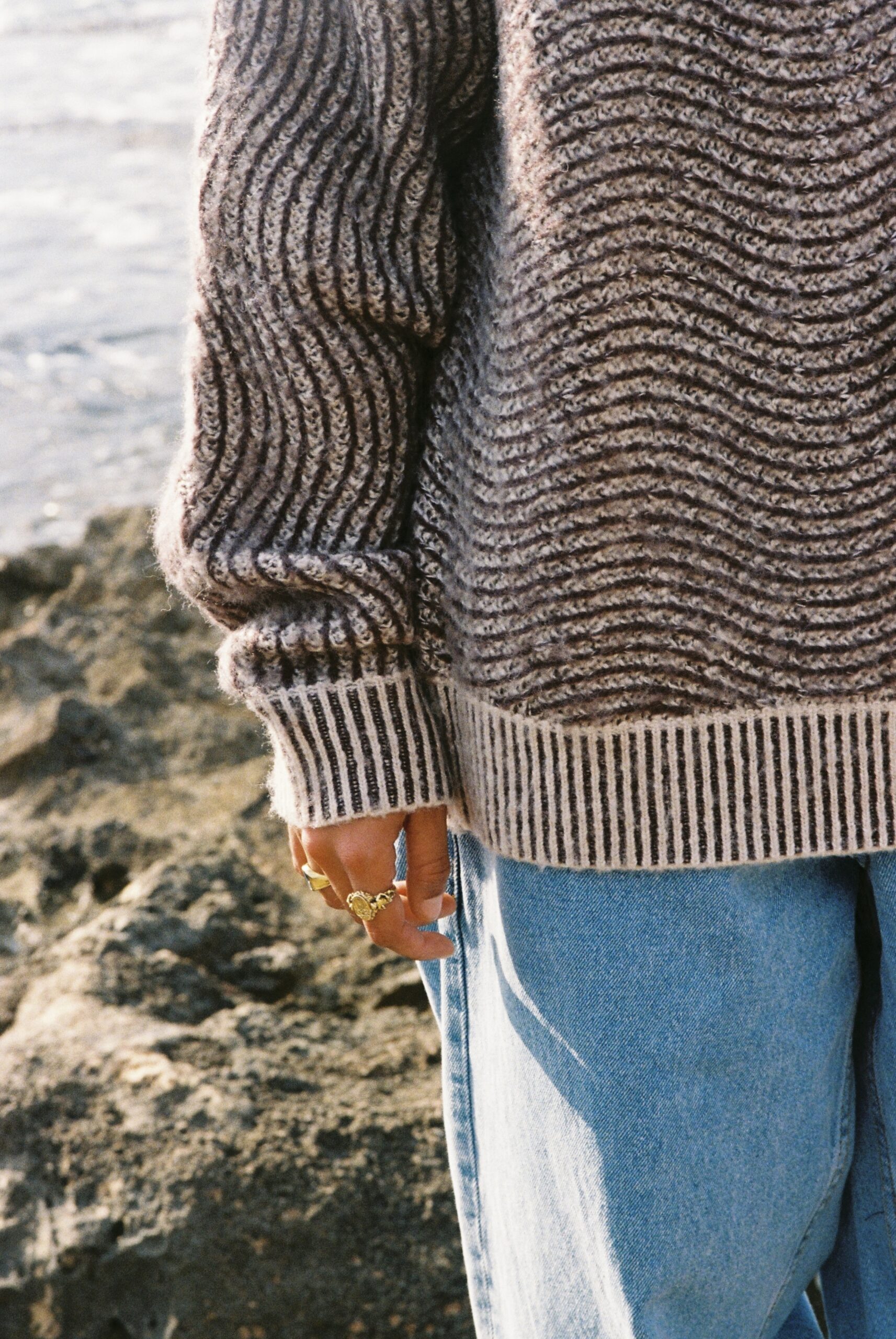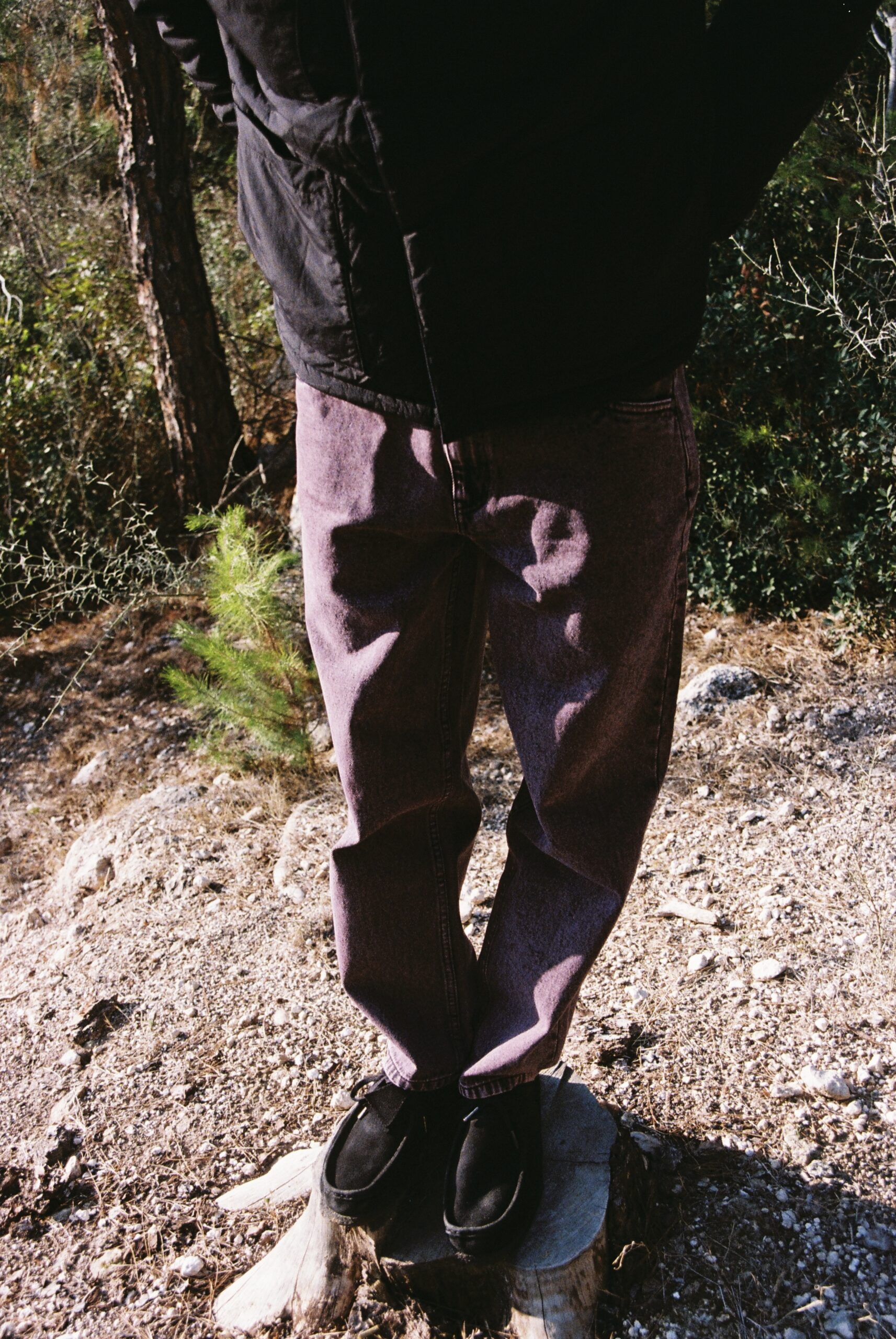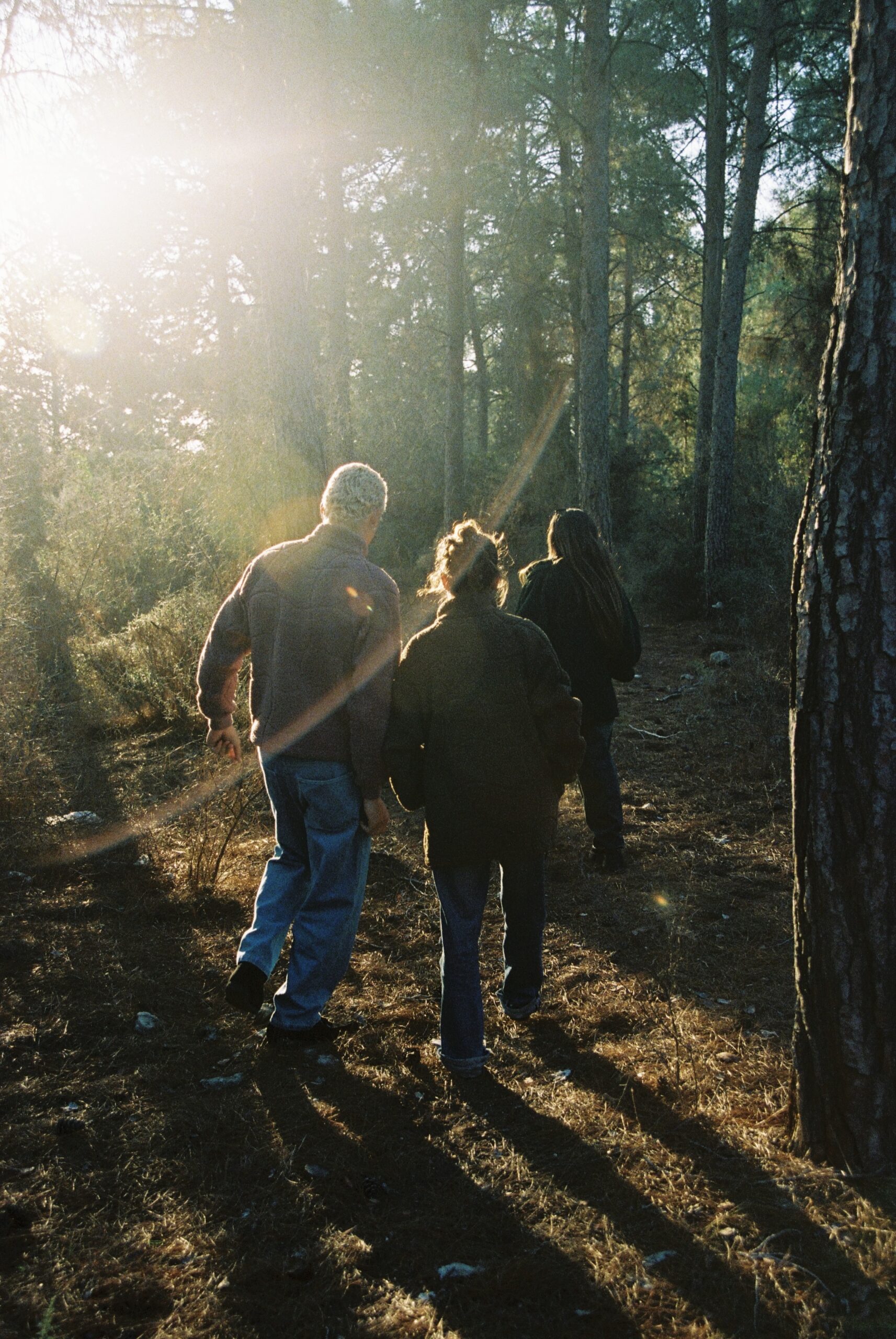
Master in Fashion Marketing & Communications student and photographer Shai Shariv started out on his photography journey by shooting his friends the way they actually are, skating and hanging out together. This gradually transformed into working with top skate and streetwear brands. His work proves that in an industry obsessed with polish, the most powerful images come from community, instinct, and the courage to keep it real. Interview by fellow student, Maddy Oppenhuis.
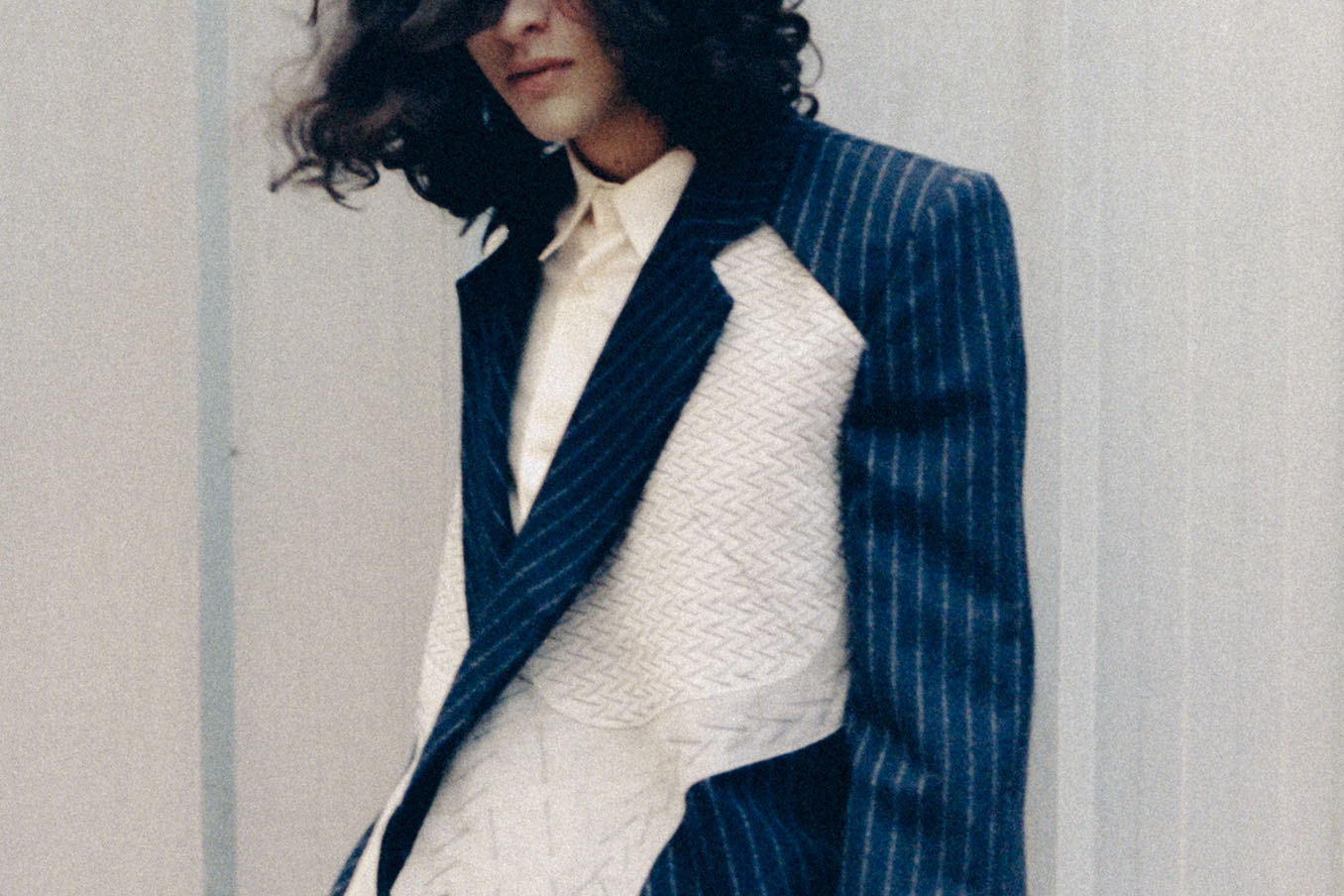
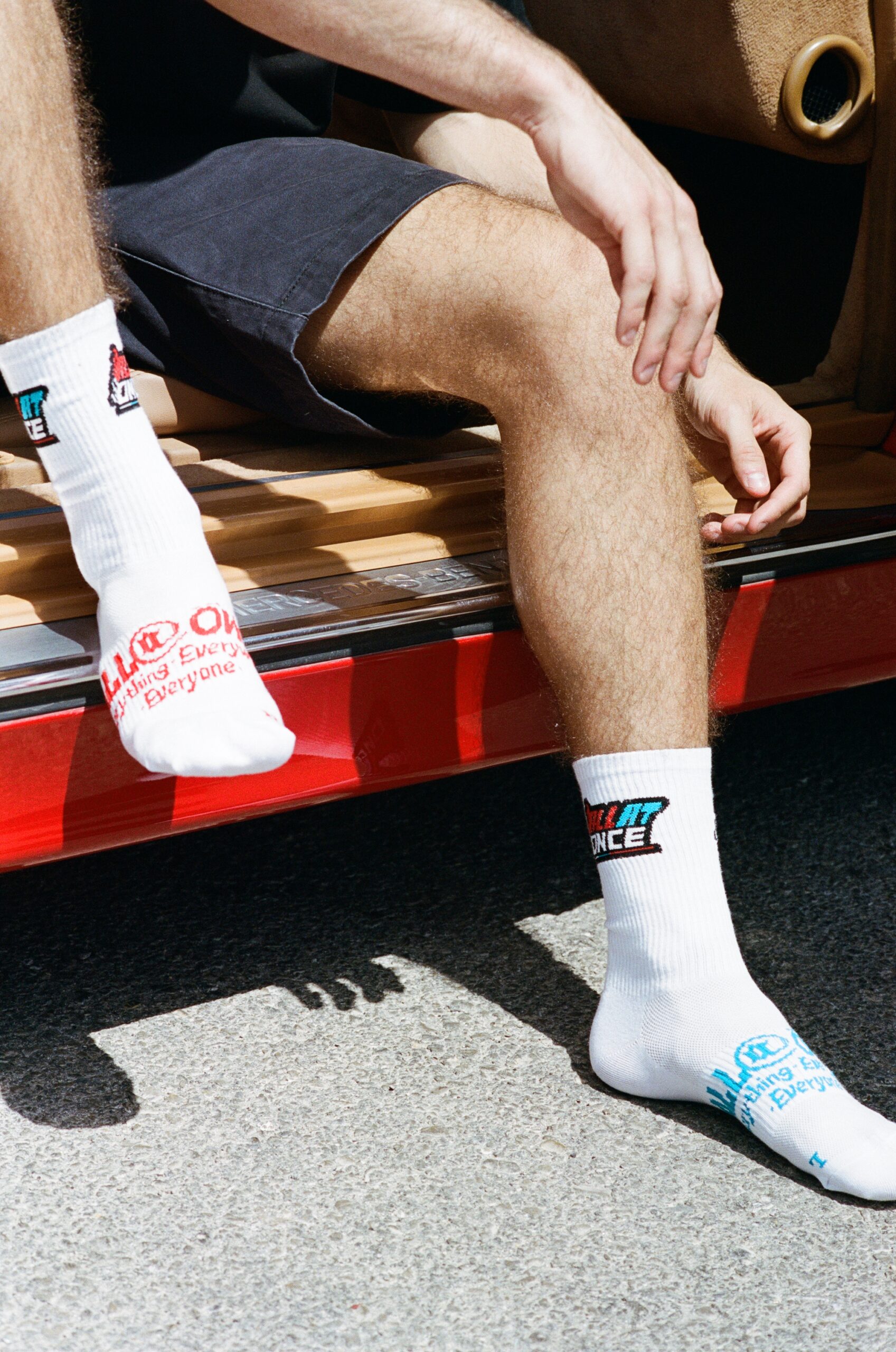
Skateboarding and streetwear has long been a defining visual language in contemporary image-making. No longer confined to the streets, its influence is now embedded in campaigns, editorials, and brand identities. 28 year old Master in Fashion Marketing and Communications student Shai Shariv captures this intersection through a raw, instinctive lens, working with skate-affiliated brands; Dime for Jin-g, HUF, Adish, All At Once, Adidas x Stella McCartney for terminal x and international icons including Dover Street Market. His work prioritizes movement, energy, and community over polish, reflecting a broader shift in how fashion is seen and experienced.
In an industry increasingly obsessed with “authenticity,” Shai’s work stands in quiet resistance to over-polished image-making. His images don’t try to convince you, they let you in. It reflects a broader shift in fashion imagery: away from perfection, toward presence. Authenticity as instinct, not strategy.
How would you describe your visual style as a photographer?
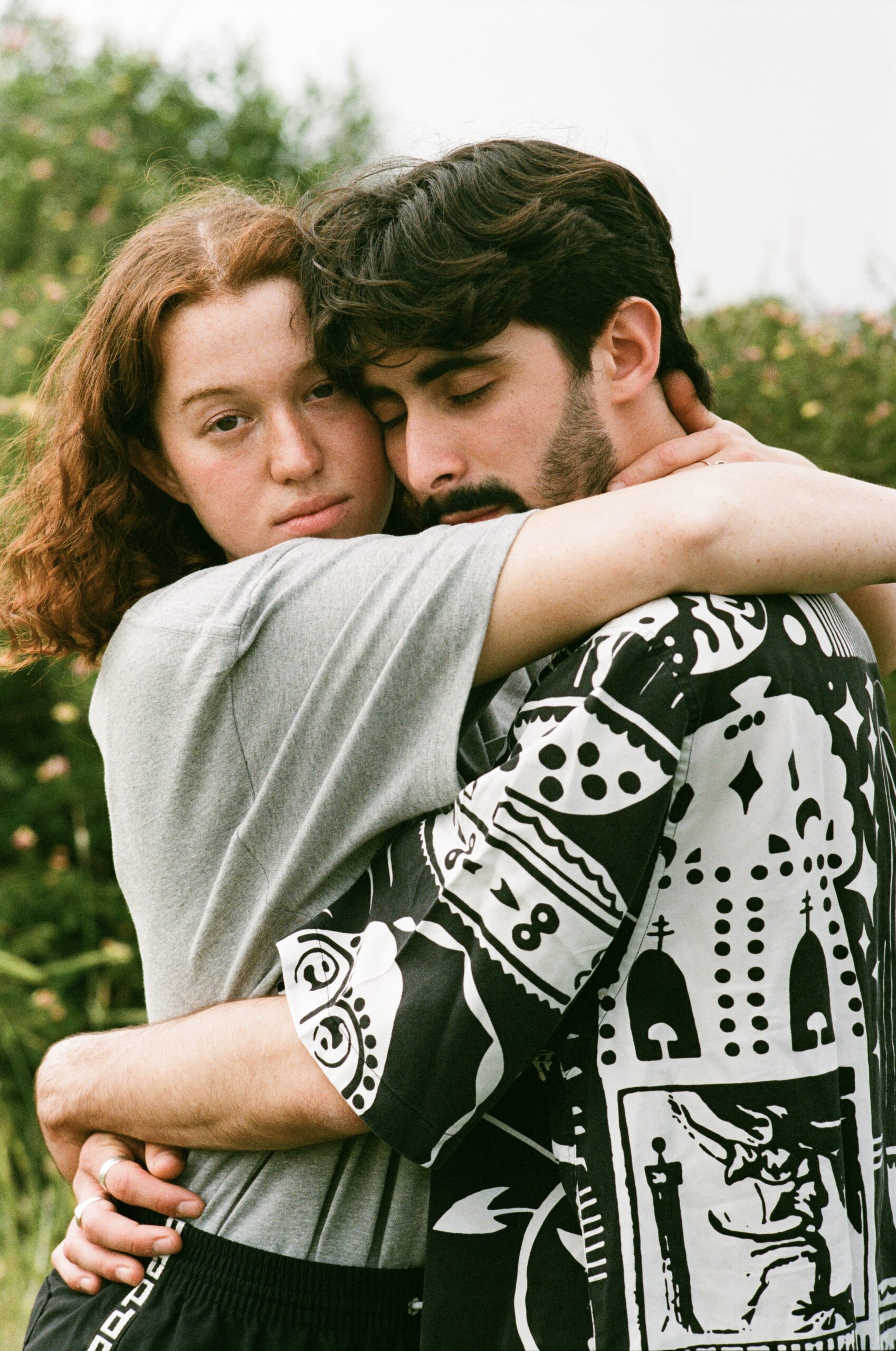
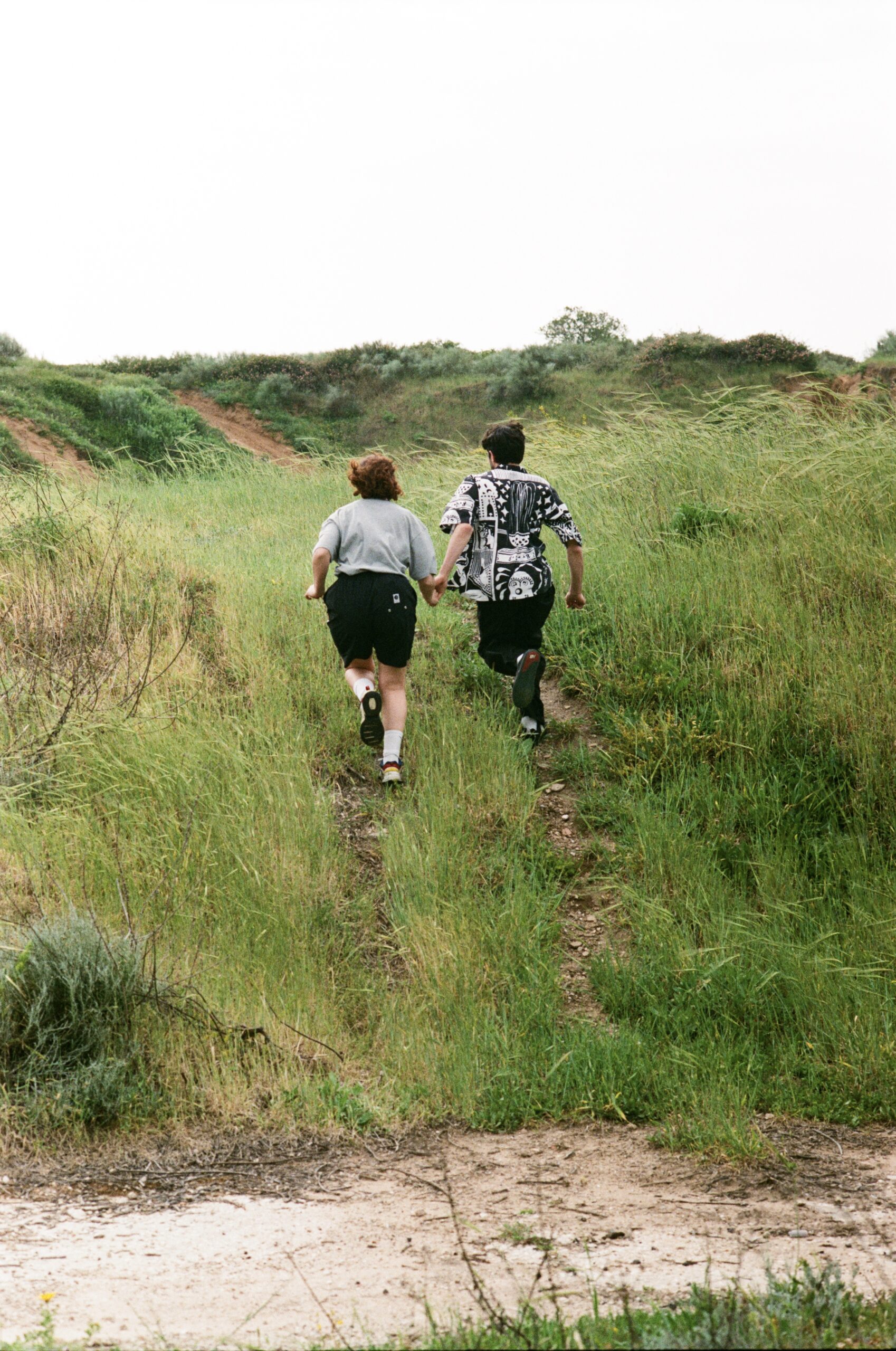
I hadn’t considered myself a photographer until 2023, when I got my first gig with Dover Street Market. My visuals were always friendly and effortless; I never thought anyone would consider them professional. I would only work with friends who were always very talented and supportive. So, I’d have to say my visuals always tend to be easygoing and natural. I try to show real emotions without any posing. I always tell the models to be themselves and do their thing, and I’ll take it from there.
What initially drew you to shooting within skate and streetwear culture?
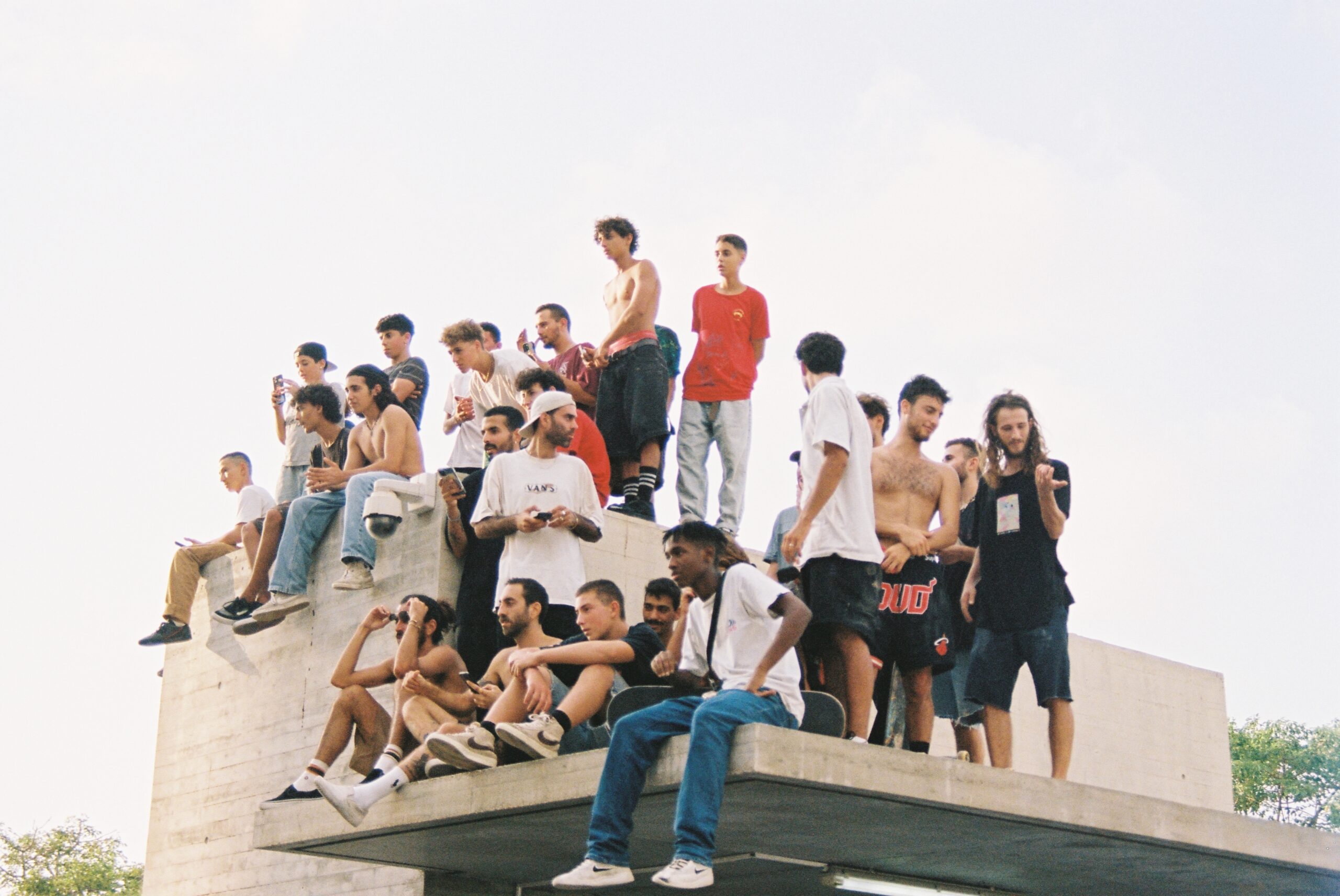
I grew up skating with friends in a very open environment, so when I finished school and wanted to start working, I knew I was going to work with my local skate shop. After one and a half years with the franchise, I became the marketing manager there. Working with minimal budgets, I thought to myself, “Why not save some money and do the photography myself with the old cameras my mother gifted me?” That ended up being my first photoshoot for HUF, just me and a few of my skater friends walking the streets, buying Coca-Cola at the local kiosk.
Your work feels very authentic. How do you maintain that while still working within fashion?
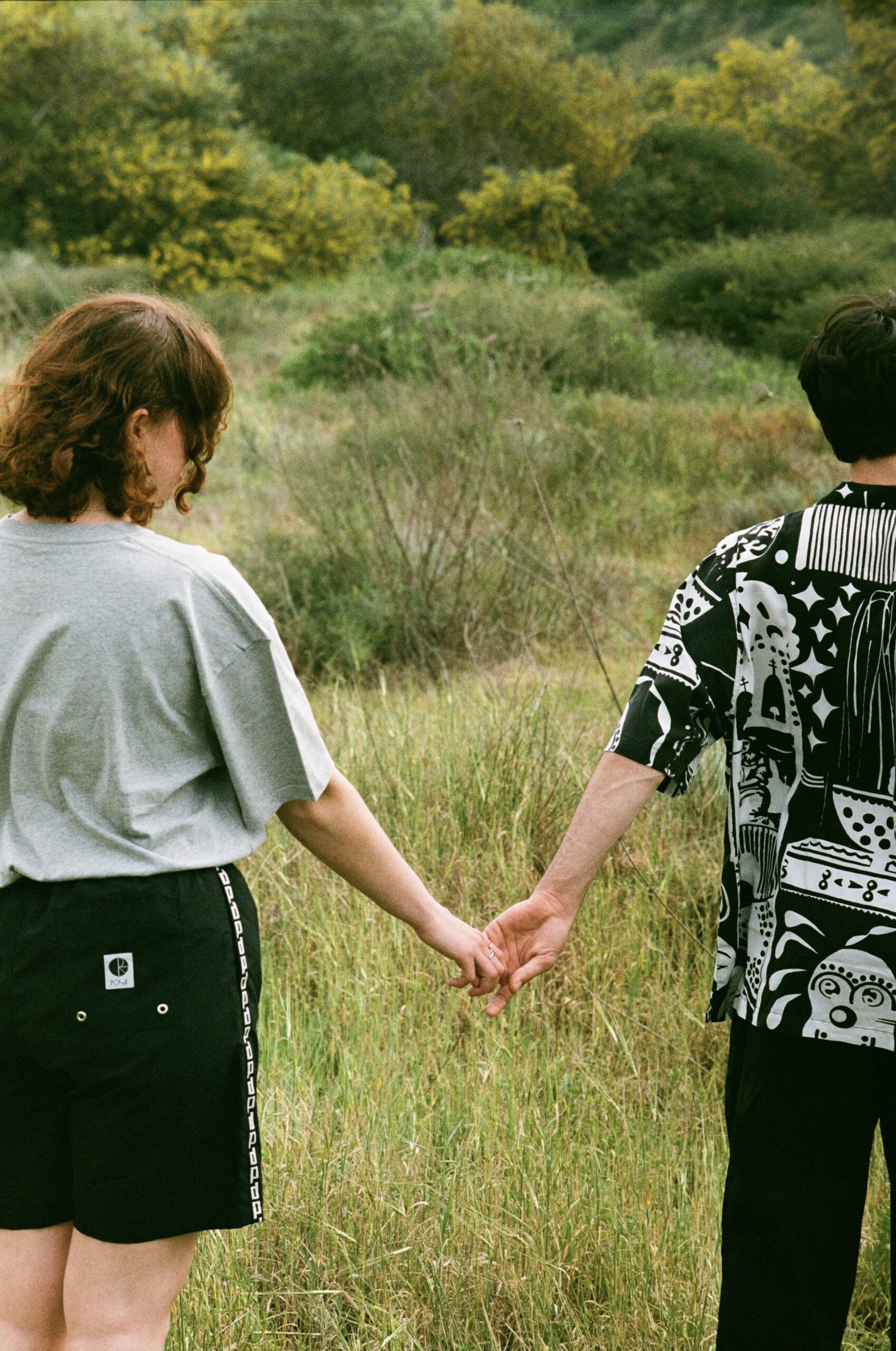
I’m really flattered by that, because that’s exactly what I want to show: the rawness of friendship and just having a good time. Basically, what makes this work is the fact that I have such a loving relationship with all my friends, who are always willing to chip in and take part in these productions, even if it’s just connecting me with the right model for the job. Usually, the brands I work with ask specifically for that, so I can keep the same friendly vibe in most shoots.
Do you approach shooting skaters differently from models, or do those worlds overlap for you?
I tend to treat everybody the same way; the only difference is that models are usually more professional than your local skater. But growing up around skaters, I learned that some of the world’s favourite models are also skaters, and agency scouts usually go to the skate hubs of every city to find the next top model, like three of my friends: Gal, Rotem, and Abu. Gal walked the runway for CDG in their last fashion week in Paris, Rotem shot a huge campaign with Stone Island in Sicily a few weeks ago, and Abu did Y-3’s collaboration with Real Madrid. So, overall, it’s different, but with the right direction and mentality, every skater can be a supermodel. I try to keep the same mentality toward professional models; we are all human, and even in the most professional environments, sometimes it’s better to keep that “skatepark energy” so that everybody feels comfortable enough to be themselves.
What makes a shoot feel ‘real’ versus overly styled or commercial?
I feel like when you push logos too hard, you lose the soul of the project. But it doesn’t have to be one or the other. If you have a clear vision and come to the set prepared and open-minded, you can find that sweet spot where the commercial part plays a key role, yet the message stays front and centre and authentic.
How important is community in your work?
Community is everything to me; I owe everything I have to my friends and family, and I wouldn’t be the same without them. I try to tell them how much I love them and appreciate their support every chance I get. We always support one another, pushing each other to do bigger things and promoting each other’s work whenever possible. Also, my community isn’t a closed-off cult. I believe that being inclusive and supportive of your surroundings is very important; it doesn’t only benefit the people around you—what goes around comes around. You never know what the outcome of a kind word to the right person will be. That’s why I try making friends everywhere I go; with a supportive community, I can feel at home anywhere in the world.
Where do you see your work evolving in the next few years?
I can only hope every year will be more successful than the last. I still have a lot to learn; that’s why I joined this Polimoda program, to push my boundaries, meet new people, and try new things. I hope to work internationally more often. I’ve only had a few big international projects, and I’d like to experience more of those in the future in any possible role. Every learning experience is an opportunity. I’m hoping my recent move to Florence will be the start of an international career, both for my community and me, because their success is also mine.
As the boundaries between fashion and subculture continue to blur, photographers like Shai Shariv are not just documenting underground fashion; they are actively shaping its visual identity.
This interview revealed to me that there’s something slightly ironic about trying to define authenticity in fashion. The moment you try to name it, structure it, or package it, it starts to slip away. And yet, speaking to my friend and talented photographer Shai, it feels less like a concept and more like a feeling; something instinctive, unpolished, and deeply human. His work shows opportunity for the future of fashion photography to be a space where hierarchy dissolves, where movement replaces posing, and where identity isn’t constructed, but revealed.