Fashion is one of the only creative disciplines that simultaneously holds both cultural meaning and function. Inspired by a class trip to the Louisiana Museum of Modern Art during Copenhagen Fashion Week, Fashion Business student Aleksandra Popova proposes her definition of fashion in relation to art, and puts forward the key ingredients to creating a progess-based, contemporary, and functional fashion industry.
Copenhagen Fashion Week marked its 20th anniversary with a surge of new manifestos, communal recognition, and a renewed appreciation for the smaller brand. Final-year Fashion Business undergraduates attended the extensive talks program, explored the inner workings of brands such as Rotate, and witnessed the backstage rhythm of Ranra alongside its front-row execution. Yet when the palate is full of flavour, it must be cleansed with something new, something sparkling, perhaps cold, so we took the train north of Copenhagen, to the Louisiana Museum of Modern Art.
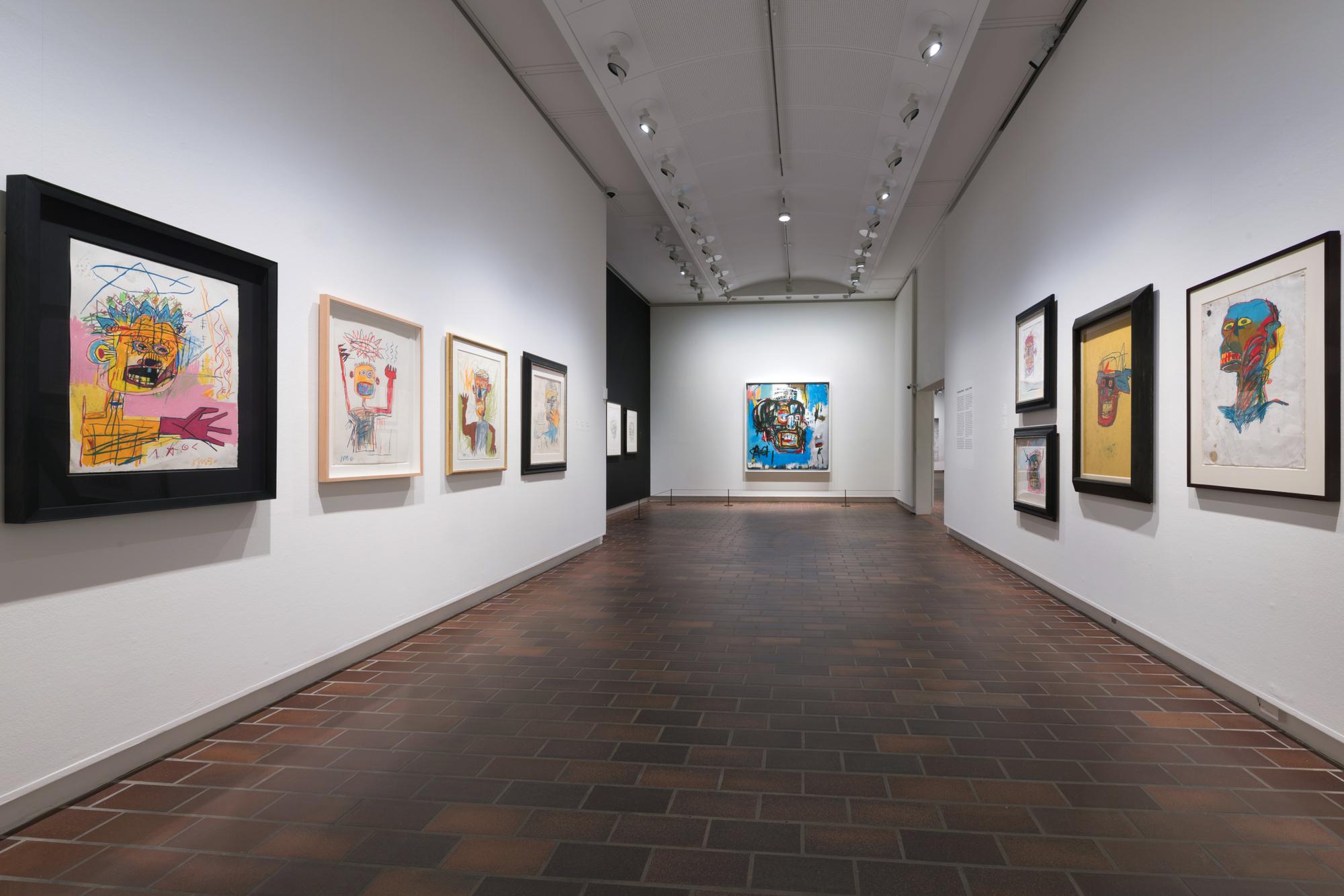
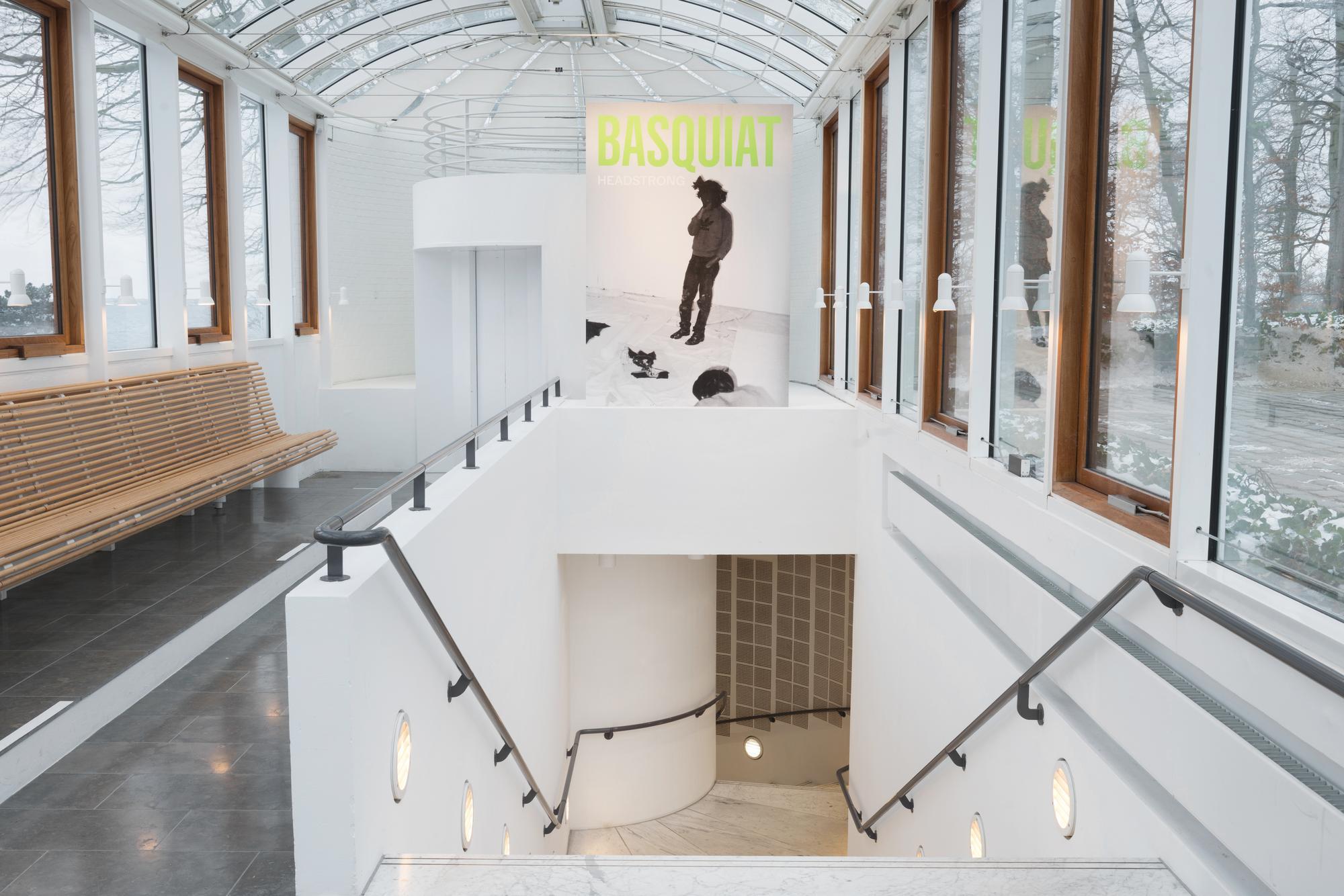
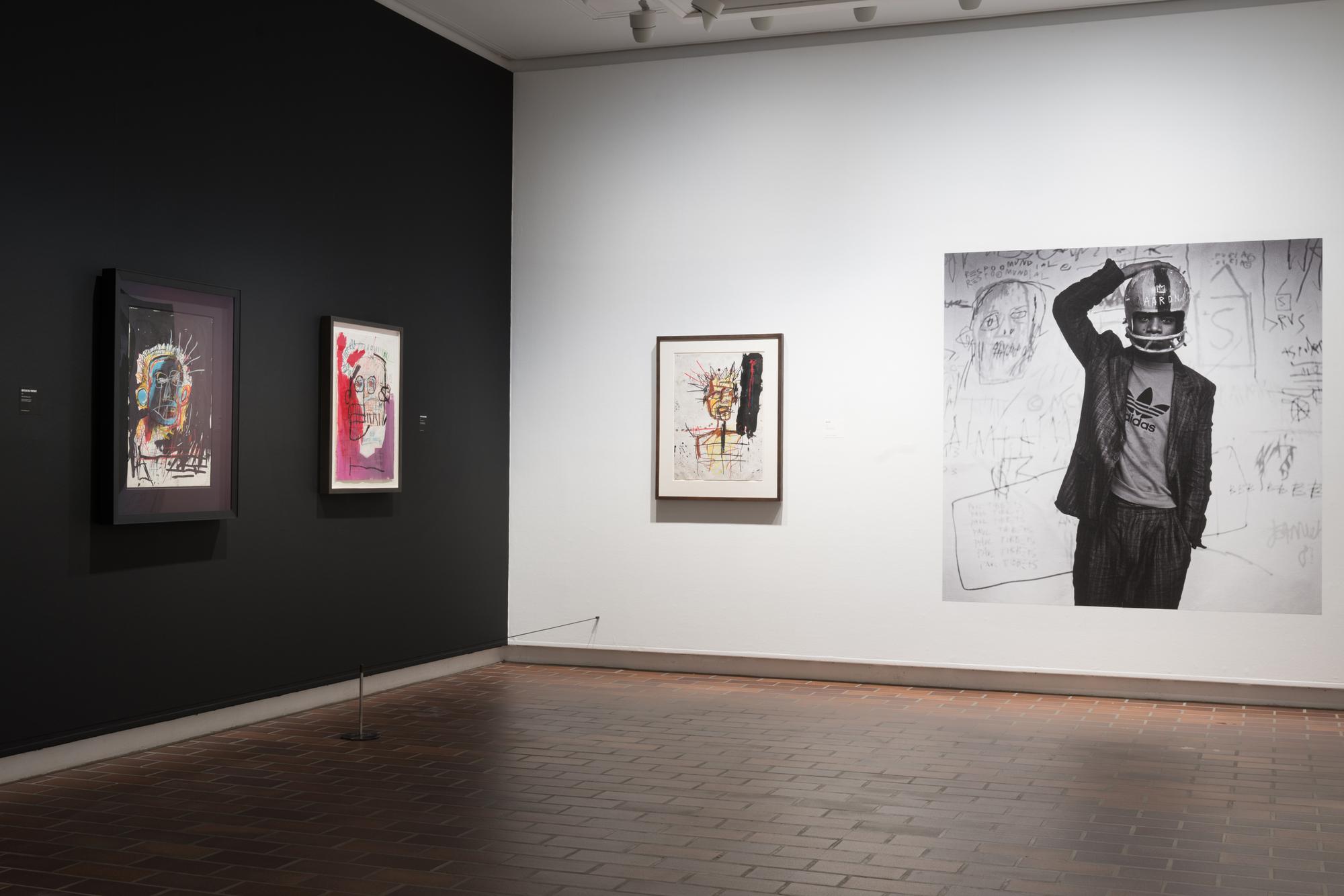
Placed delicately on the edge of cliffs, the museum overlooks a 118-kilometre strait connecting the Kattegat with the Baltic Sea. The wind was strong and the snow fell gently as the museum’s great windows opened its inner world to the hibernating sea. We arrived on the opening day of the Basquiat: Headstrong exhibition, which focuses on rarely seen drawings and head images on paper created between 1981 and 1983. The pieces felt full of wonder and spontaneity, with a strong connection to basic anatomy.
"Basquiat - Headstrong" at Louisiana Museum of Modern Art, 2026.
"Basquiat - Headstrong" at Louisiana Museum of Modern Art, 2026.
"Basquiat - Headstrong" at Louisiana Museum of Modern Art, 2026.
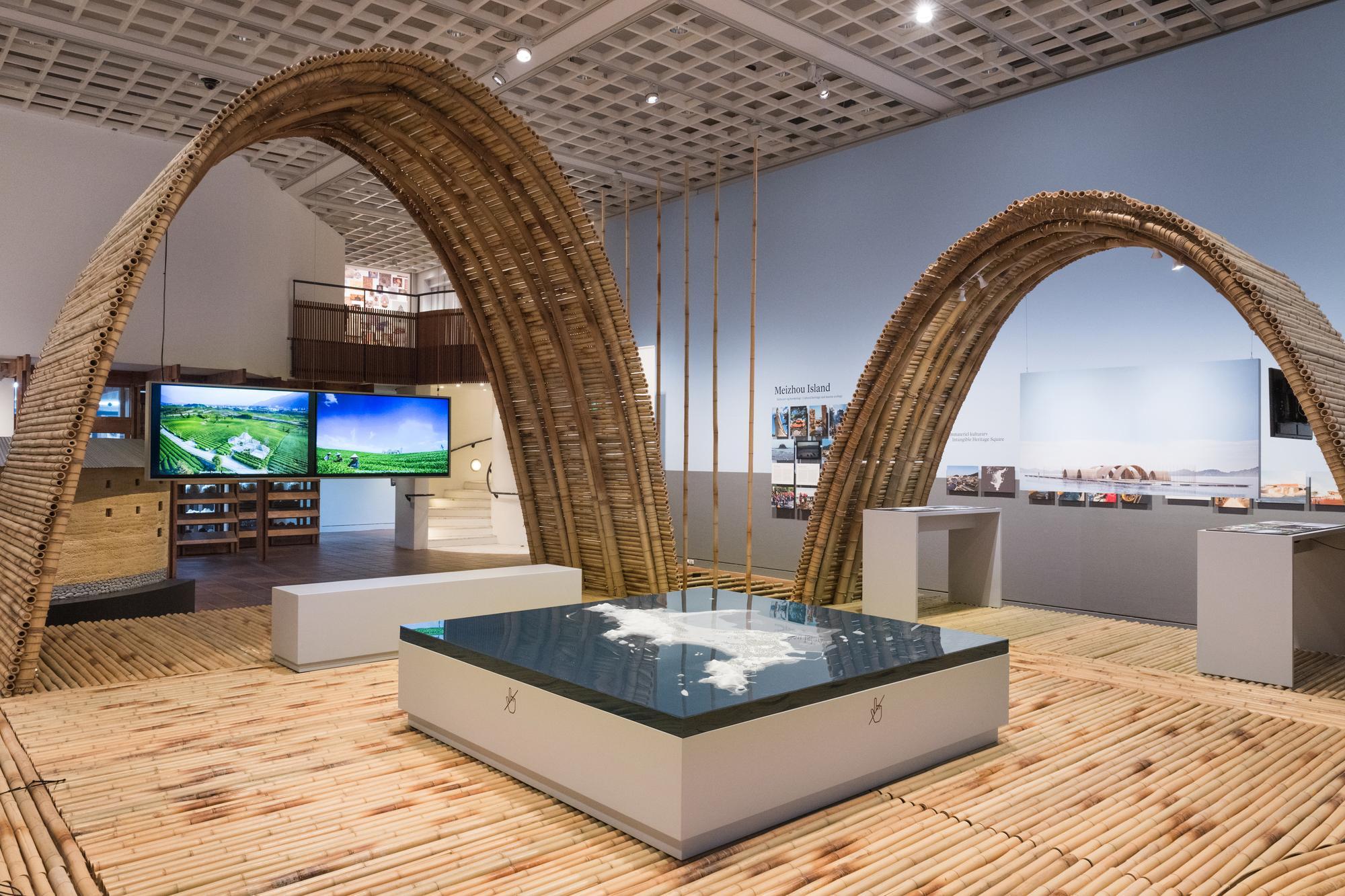
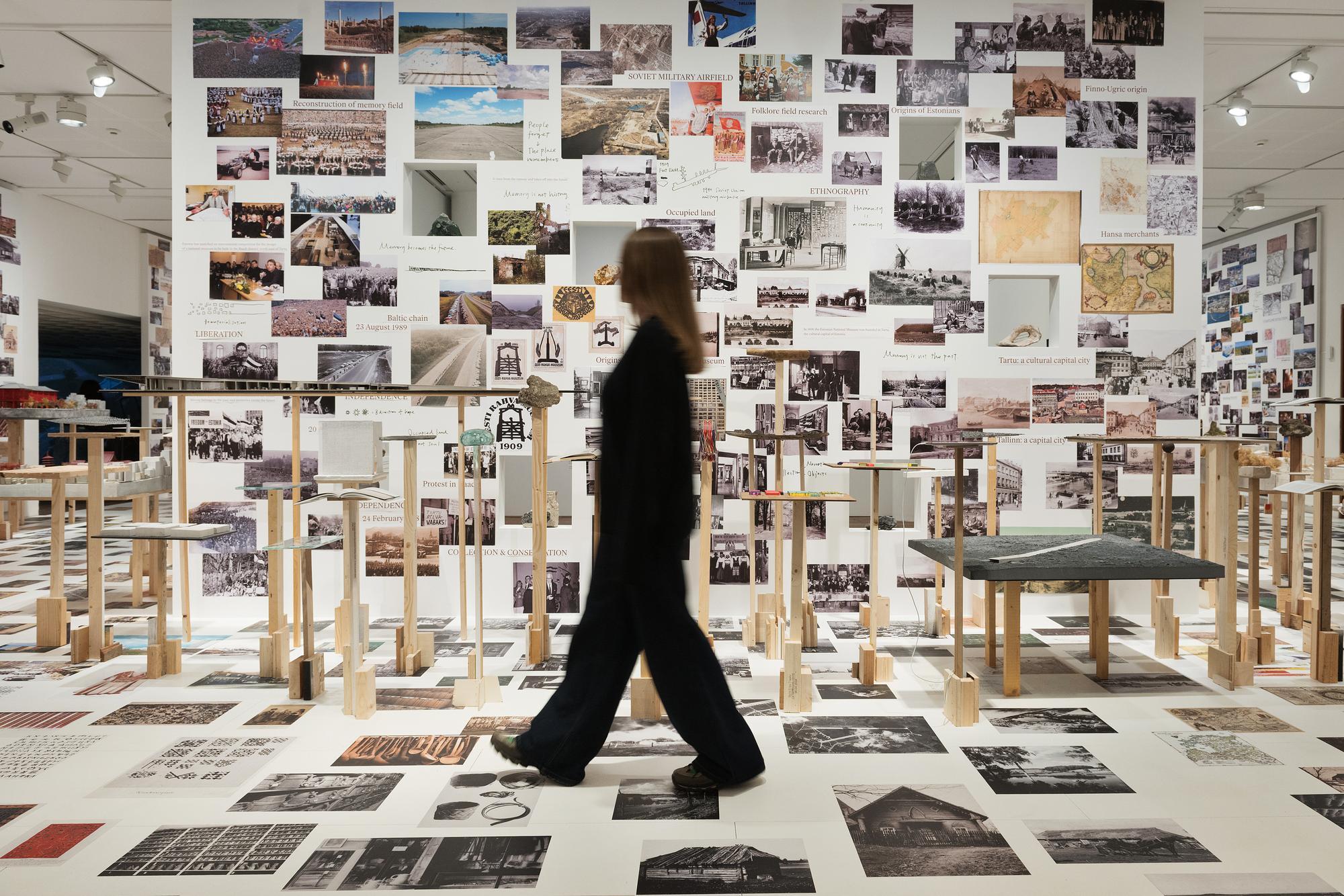
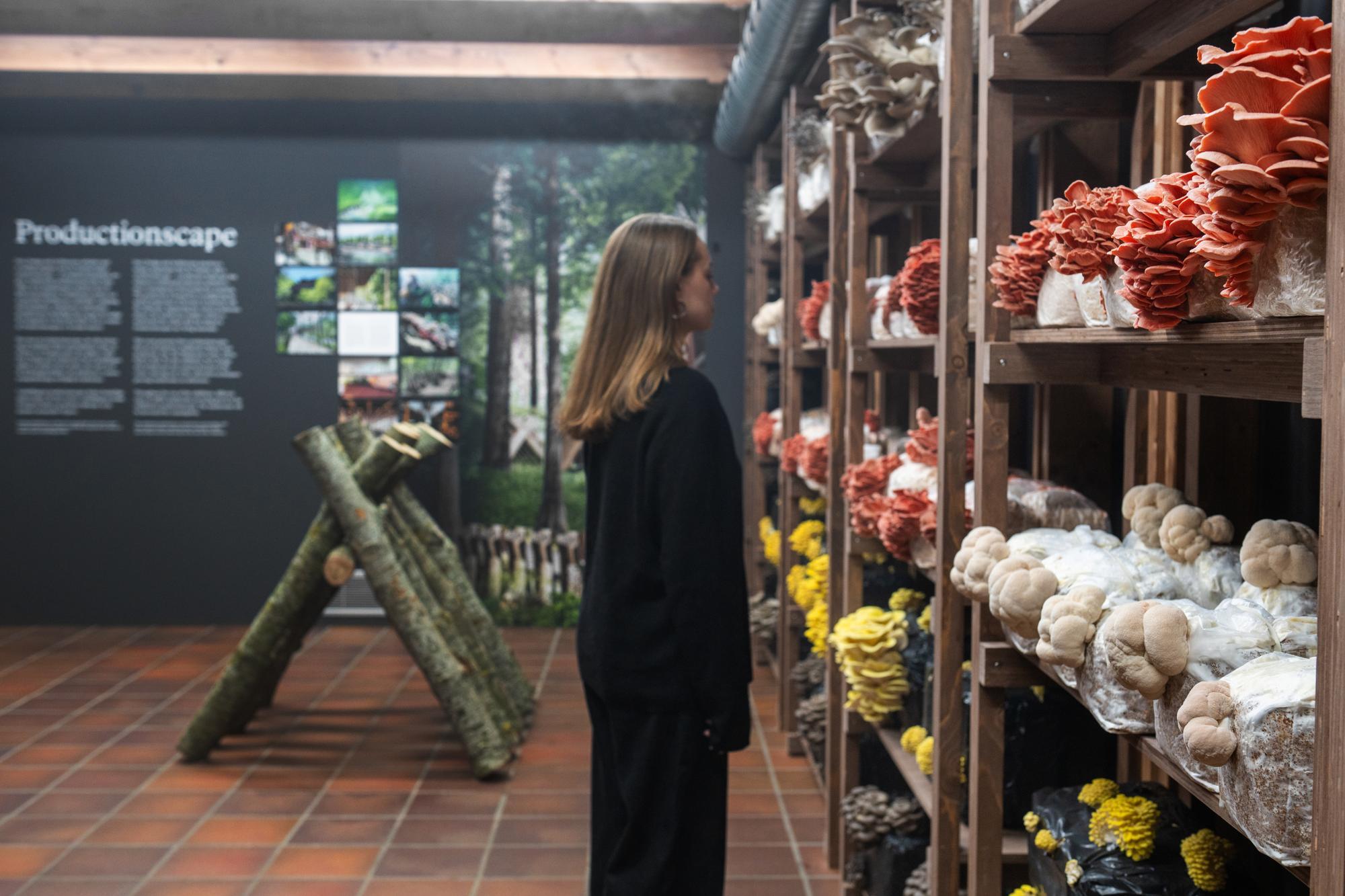
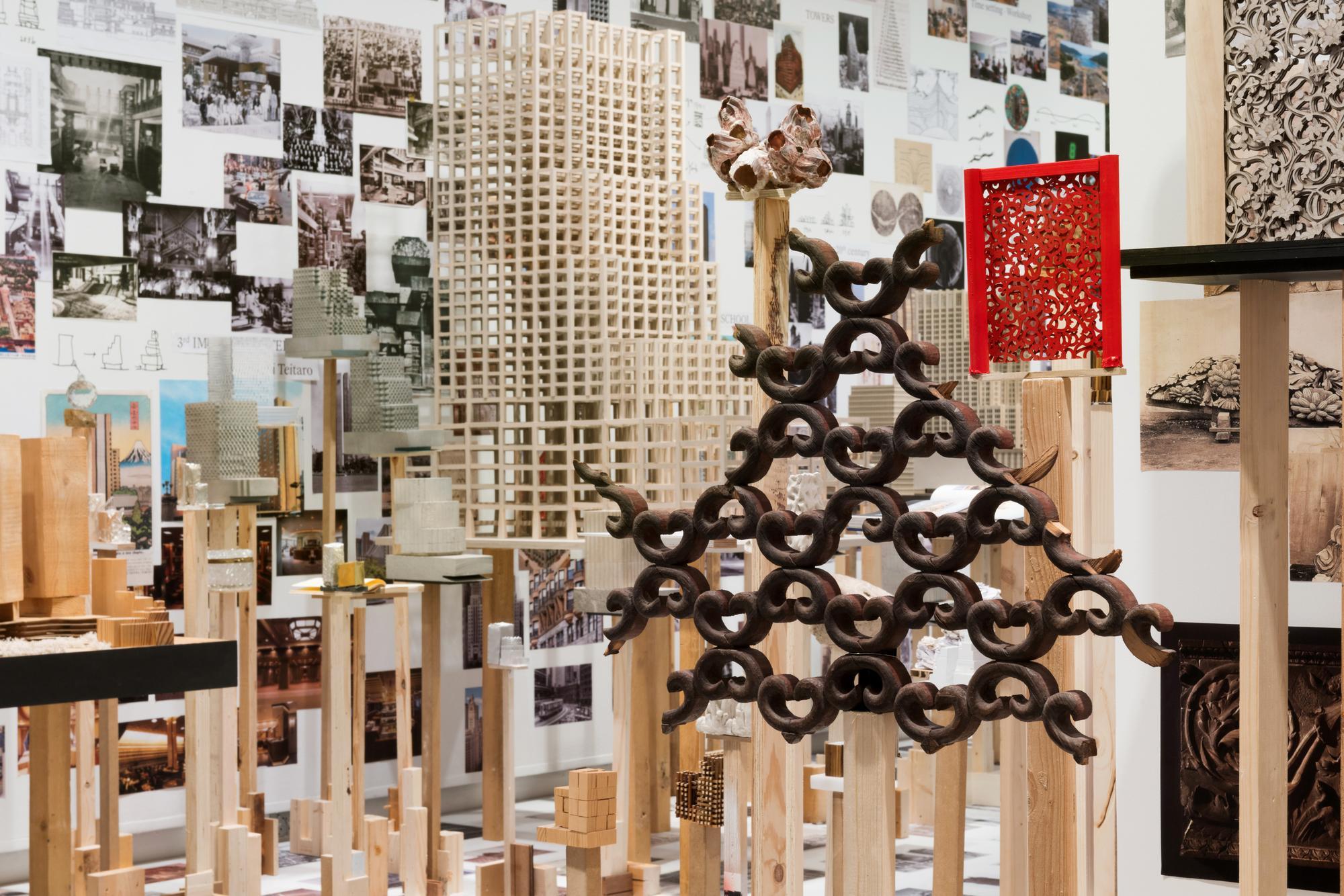
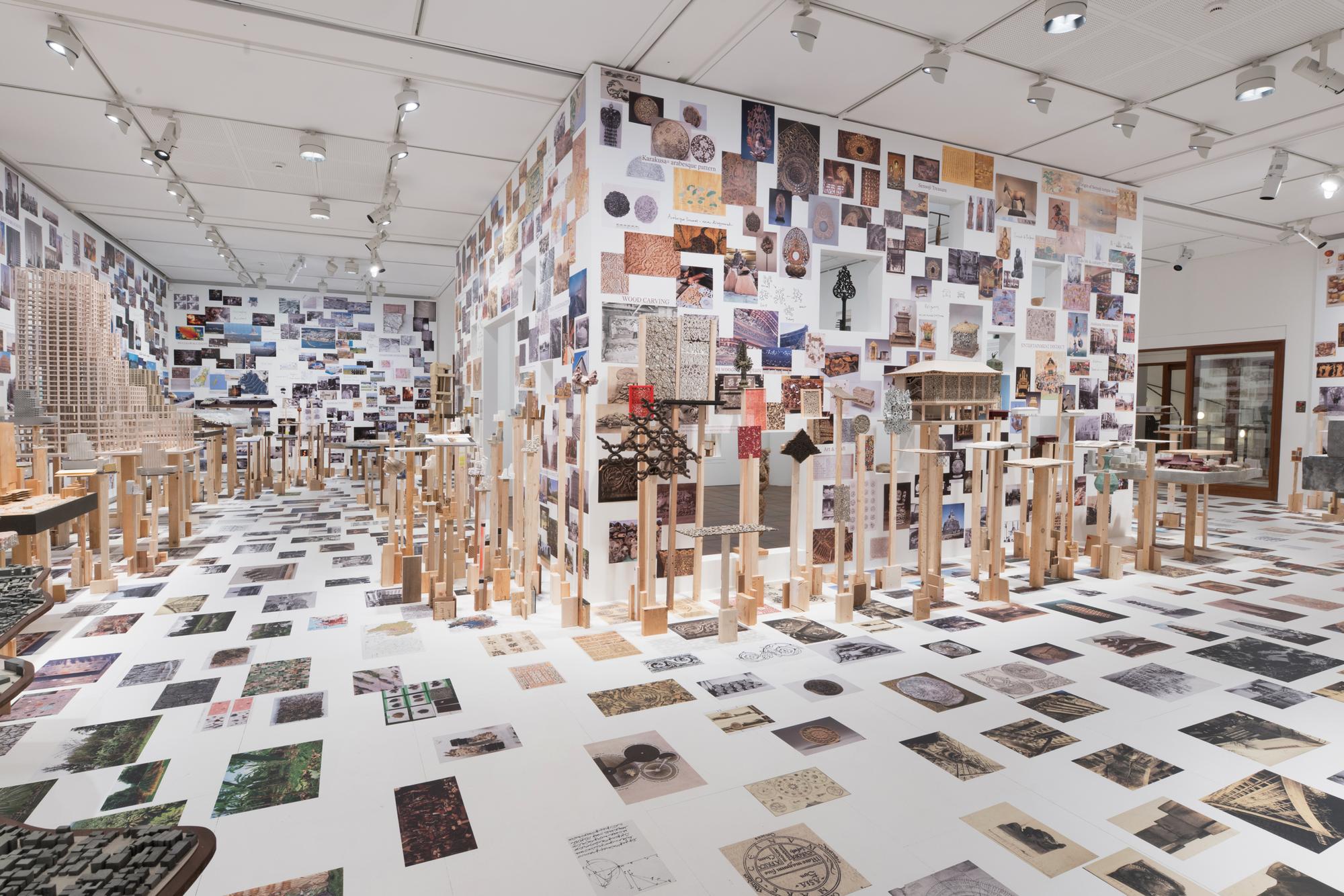
The second exhibition, Memoryscapes, forms part of the Architecture Connecting series. It presents the work of two studios that prioritize cultural-geographical research and fieldwork: DnA Design and Architecture, based in Beijing, and ATTA, Atelier Tsuyoshi Tane Architects, based in Paris. For both studios, the history of a site and its people serves as the foundation for new architecture, weaving past narratives into future buildings.
DnA Design and Architecture, led by Xu Tiantian, creates new architectural frameworks for traditional industries in China under the heading “productionscapes.” Inspired by the Chinese practice of acupuncture, the studio demonstrates how a small and precise architectural intervention can carry a disproportionately large impact.
ATTA practises what it calls the archaeology of the future, excavating a site’s past by gathering extensive historical visual material and objects in order to construct new architecture. Central to the studio’s approach is the conviction that past narratives are essential to creating meaningful built environments.
"Memoryscapes - Architecture Connecting" at Louisiana Museum of Modern Art, 2026.
"Memoryscapes - Architecture Connecting" at Louisiana Museum of Modern Art, 2026.
"Memoryscapes - Architecture Connecting" at Louisiana Museum of Modern Art, 2026.
"Memoryscapes - Architecture Connecting" at Louisiana Museum of Modern Art, 2026.
"Memoryscapes - Architecture Connecting" at Louisiana Museum of Modern Art, 2026.
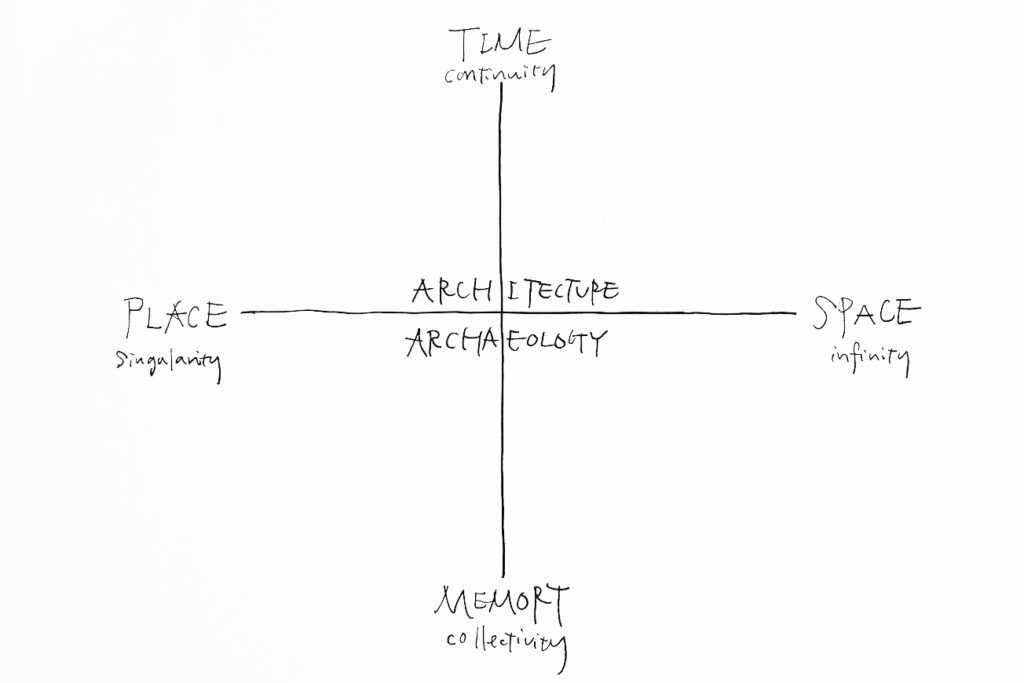
At the centre of the Memoryscapes room stood a square structure with an entryway at the back. A collection of references drawn from design and history covered the walls, and on the front left side there was a positioning map. This approach to defining architecture within this positioning map prompted a question: can fashion and art be understood in a similar way?
FASHION, ART, AND THE POSITIONING MAP
Architecture - Archaeology positioning map, "Memoryscapes - Architecture Connecting", Louisiana Museum of Modern Art, 2026.
The question of whether fashion is art is ever-present, but rather than answer it, this article seeks to dissect it. Fashion can be defined as a moving reflection of its times, materialized in functional ornamentation: the goal is to wear the garment, while any enhancement of its appeal remains at the designer’s discretion. Art, by contrast, is the expression of ideas and emotions through a learned skill. Art objects are collected not for their function but for what they represent, whether that is status, identity, or cultural movement. As a result, the definition or meaning of an artwork can carry more value than the physical object itself.
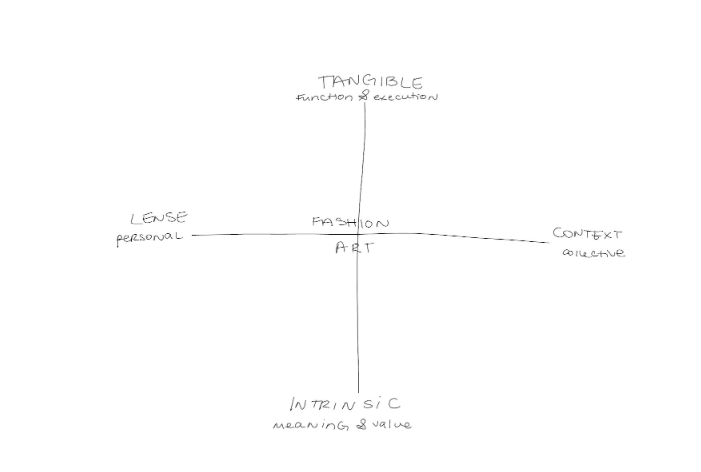
To map this relationship, consider a positioning grid. On the vertical axis, TANGIBLE (function) sits opposite INTRINSIC (value). On the horizontal axis, LENS (personal) sits opposite CONTEXT (collective). Art can be defined more towards intrinsic value and personal interpretation, while also allowing for the collective application of meaning. It rarely moves toward the purely functional. Fashion, however, occupies a unique position: it can be both functional and intrinsically meaningful, open to personal interpretation and important for a collective.
Fashion - Art positioning map by Aleksandra Popova.
Haute couture illustrates this well. Built from thousands of hours of technical expertise and the finest materials, couture is designed to be worn and therefore holds tangible functionality. At the same time, it carries deep intrinsic meaning for collectors. When a couture piece is purchased specifically not to be worn but to be preserved, it migrates across the positioning map, moving closer to art and further from fashion.
The global second-hand market, expected to nearly double and reach close to 350 billion dollars by 2027 according to Fortune, offers another perspective from which to study this. To own an archive Helmut Lang piece carries more meaning than owning a current Helmut Lang shirt. Intrinsic value is accumulated through name, history, context, and time passing, and so the act of collecting vintage or archive clothing begins to resemble the act of collecting art rather than simply buying clothes.
Fashion must be practical and useful while holding cultural meaning and value. This is not a duel between two forces but a dance between them.
Aleksandra Popova
Fashion Business student
At the opposite end of the map sits fast fashion, where mass production and profit take priority over quality and design. This represents not only a simplified version of function but an abuse of it. The original purpose of clothing, which is to fit and serve the individual body, becomes so optimized for scale that it loses its effectiveness entirely. Rather than a garment made for one person, we see fifty thousand identical pairs of trousers expected to fit everyone adequately.
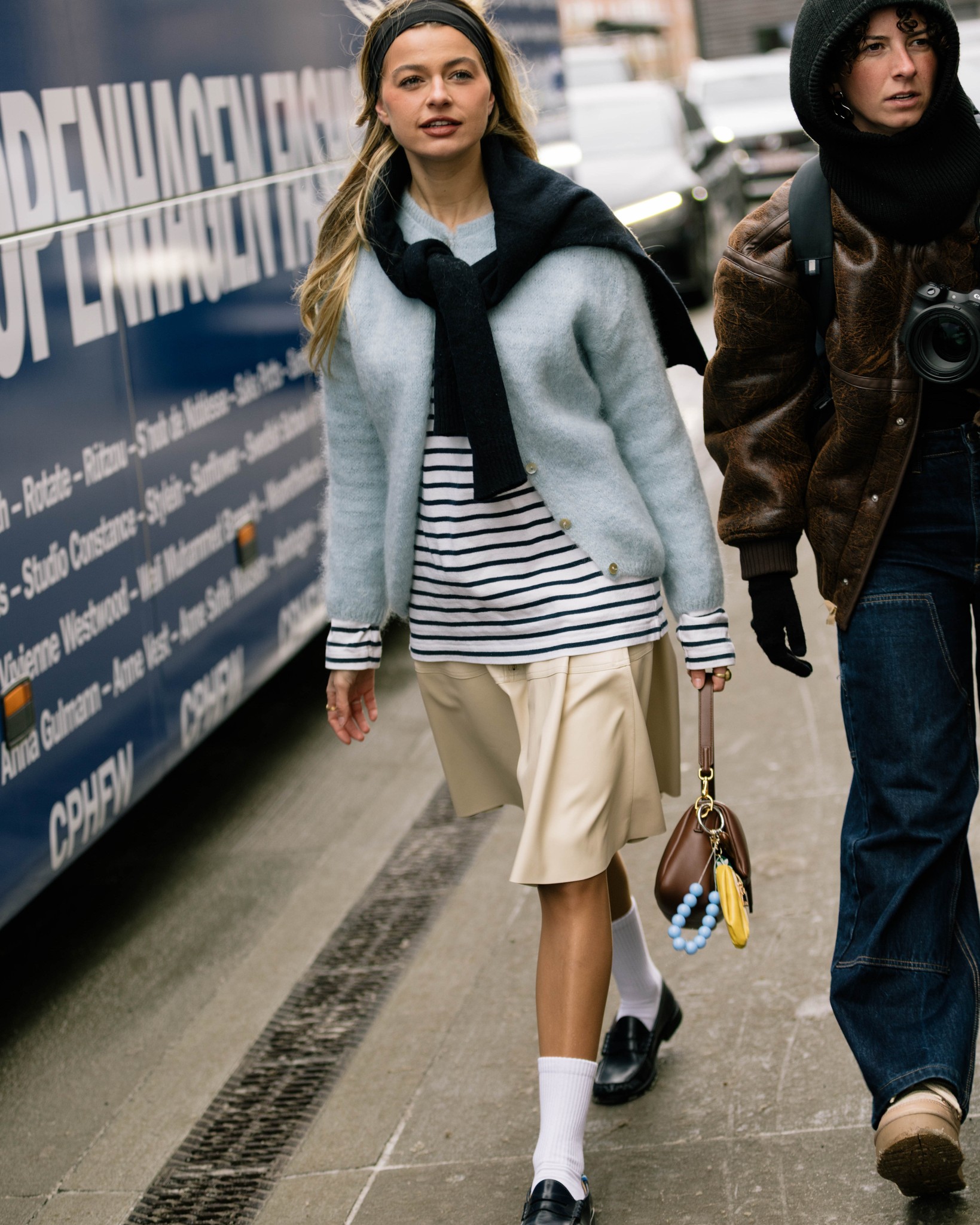
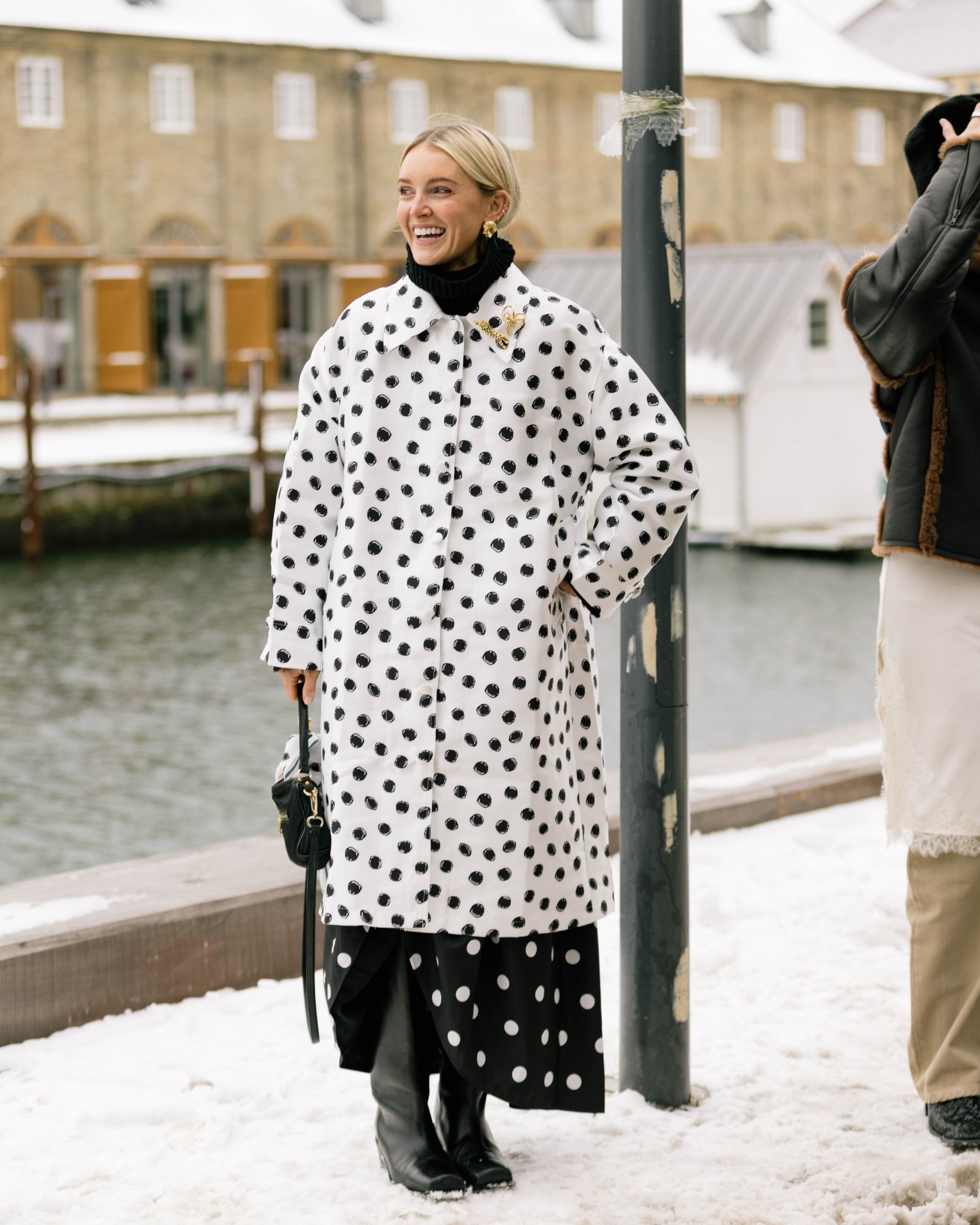
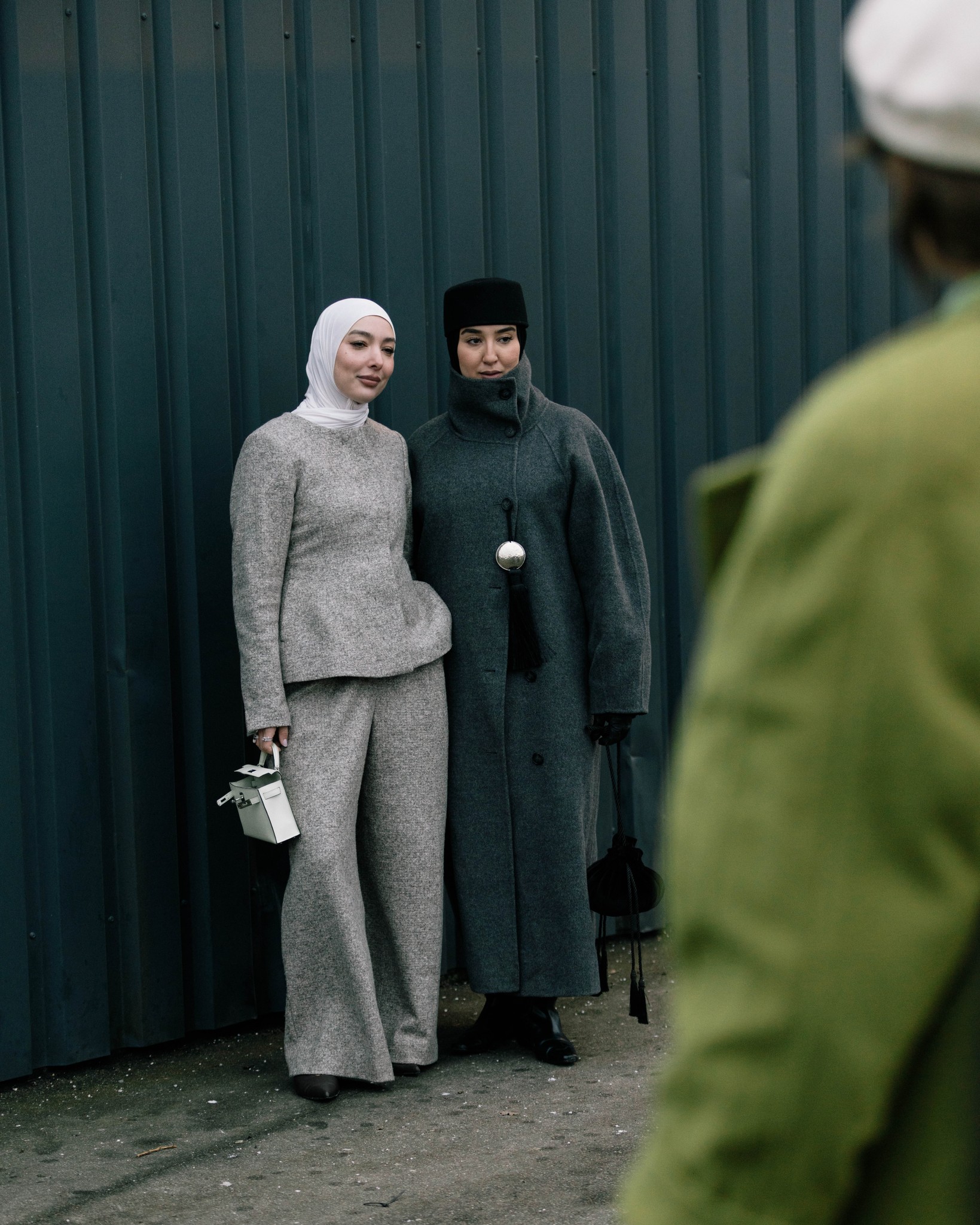
AW26 Copenhagen Fashion Week Street Style. Photo by Noor Unisa Khan.
AW26 Copenhagen Fashion Week Street Style. Photo by Noor Unisa Khan.
AW26 Copenhagen Fashion Week Street Style. Photo by Noor Unisa Khan.
With a new generation that places great importance on meaning and increasingly resists pure function, the challenge is to coordinate intention with large scale execution. What the small brands that form the backbone of Copenhagen Fashion Week demonstrate is that value and function can exist in close proximity on the positioning map.
Can fashion hold cultural value and be functional? Can intention coordinate with mass production? A strong foundation is necessary to withstand the turbulence of the fashion system, and the success of Copenhagen Fashion Week, now one of the most esteemed weeks in the fashion calendar, is evidence of this. Fashion can be practical and useful while holding cultural meaning and value. This is not a duel between two forces but a dance between them. Fashion and art can be distinguished by their physical outcome, with clothing serving functional value and art serving exploratory value, yet both contribute to progress, and both shape the way we see the world and operate within it. Each reflects how we navigate our current collective circumstances.
THE HAND AND THE MIND
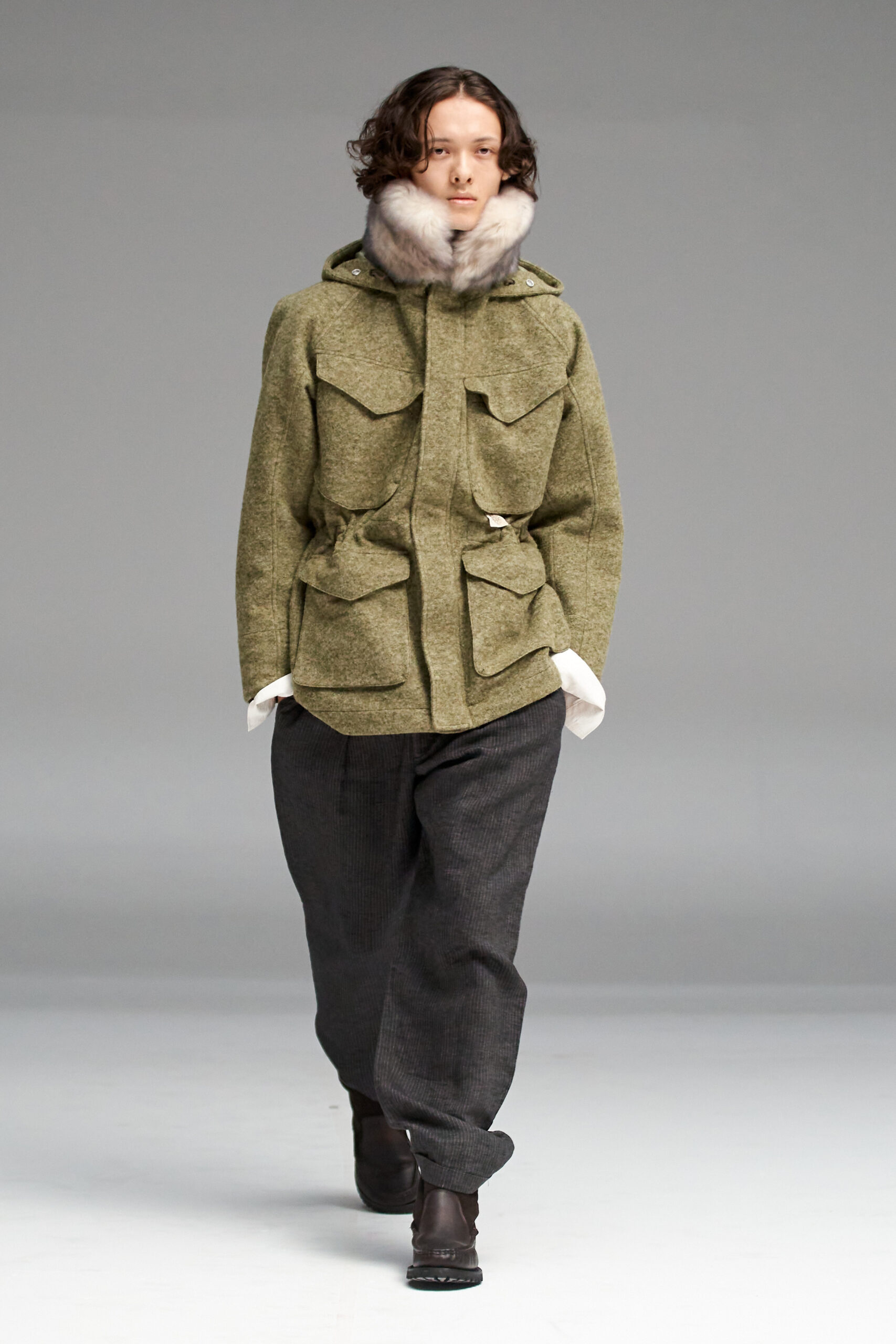
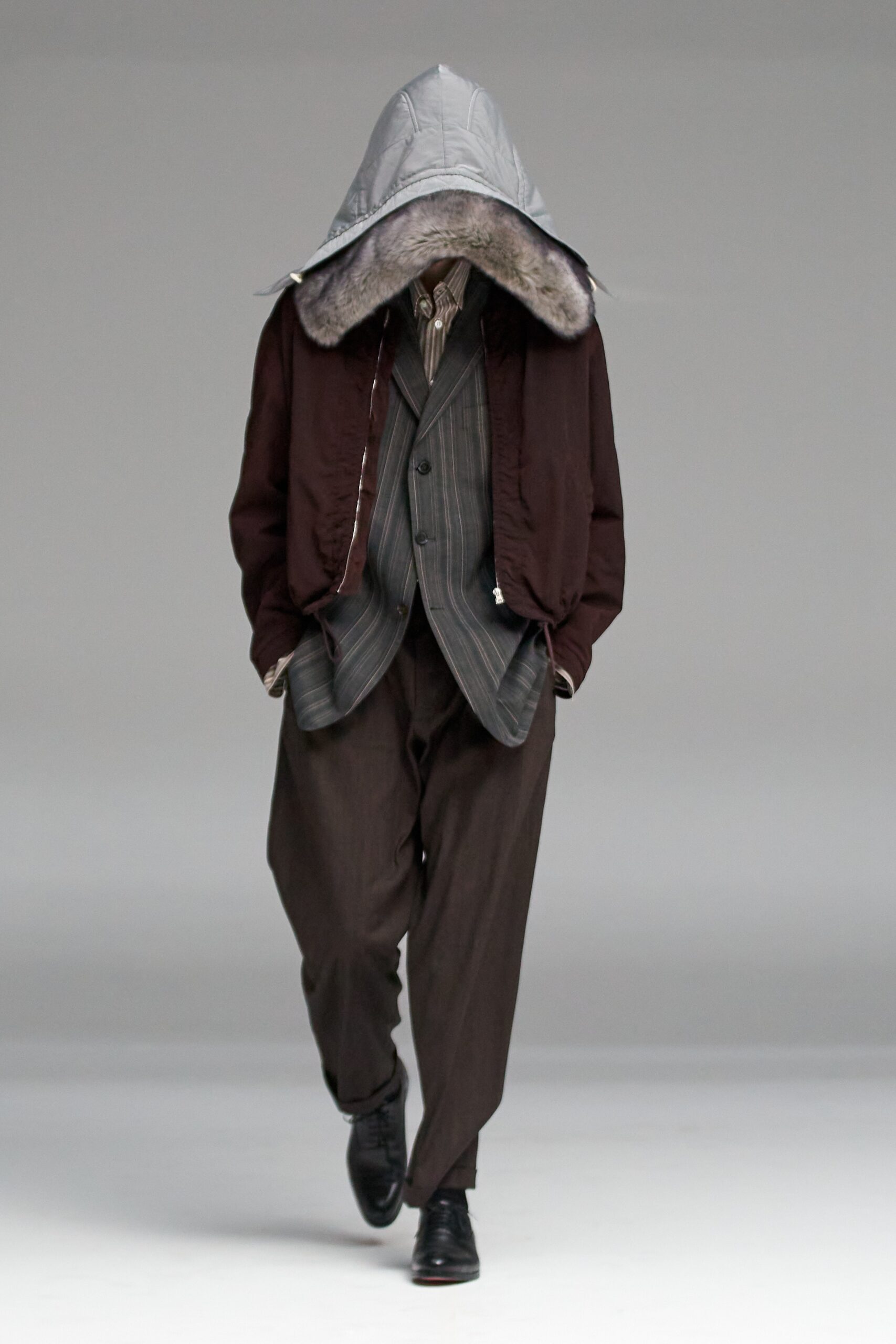
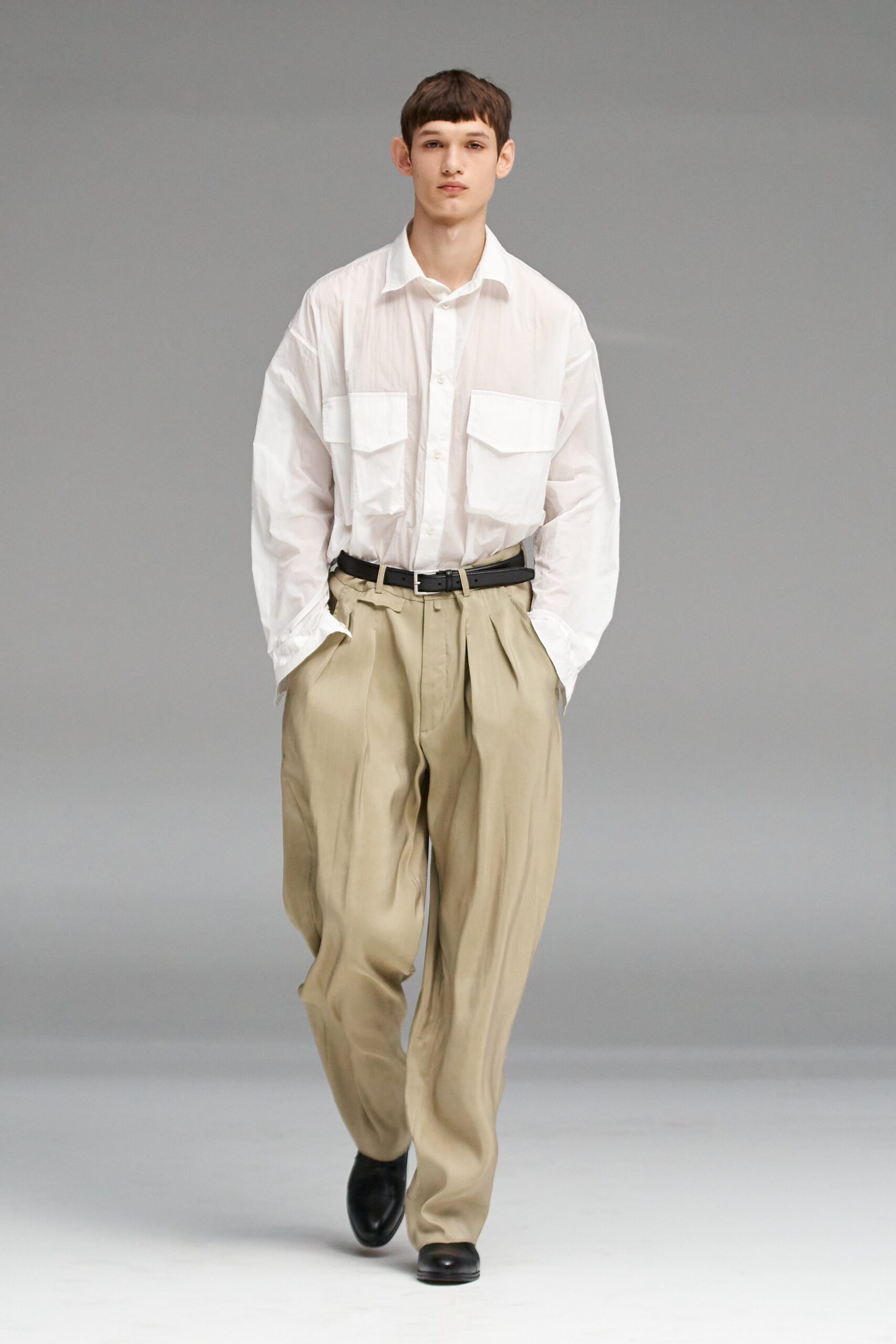
Working backstage at the Ranra show while dressing models, the brand’s tagline returned repeatedly: “The Mind is the Hand, The Hand is the Mind.” The mind orchestrates value, intention, and direction. The hand creates function, carves a path, and is guided by the mind. The two are together and inseparable: there is no use in the hand without the mind, and the mind without the hand produces nothing.
AW26 Copenhagen Fashion Week Ranra Runway. Photo by James Cochrane.
AW26 Copenhagen Fashion Week Ranra Runway. Photo by James Cochrane.
AW26 Copenhagen Fashion Week Ranra Runway. Photo by James Cochrane.
Those working within the fashion system are the hands behind its collective intelligence. We shape the broader mindset as we craft, coordinate, and embellish as much as we dream, communicate, and articulate why dressing and designing is itself a form of art. Just as an athlete knows that muscle memory shapes movement in a state of flow, repetition and a sound physical foundation enable more advanced movement. When injury occurs, the path forward requires looking back, understanding what was misaligned in previous movement.
THE FUTURE
In the same spirit as the Japanese architect Tsuyoshi Tane of ATTA who described the archaeology of the future as “the practice of excavating a site’s past and gathering historical material to build new architecture”, to move forward, fashion too must be willing to unravel what has been built, in order to understand how to design the future more intentionally. Function, practicality, creativity, and intrinsic collective meaning must co-exist in order for real progress and a truly contemporary and functional fashion industry to exist.