When Function Disappears

Architect Marc Leschelier's lecture on his Pitti Uomo installation offers fashion students a radical perspective on creativity beyond utility

When Function Disappears

Architect Marc Leschelier's lecture on his Pitti Uomo installation offers fashion students a radical perspective on creativity beyond utility

Through Marc Leschelier’s work and words, three essential questions emerge for creative practitioners: When function disappears, what do we rely on instead? Do we really know what to do with freedom once we have it? And must we always produce something immediately penetrable, or can uncertainty itself be a valid starting point?

Fashion Marketing Management student and Journal contributor Alara Arslan reflects on Marc Leschelier, artist and architect of Pitti Uomo’s 109 site-specific installation Ancient/New Site, exploring the themes discussed in the conversation held at Polimoda with the artist, nss magazine and in collaboration with Pitti Imagine, Shifting Identities: Art, Movement, and the Self.

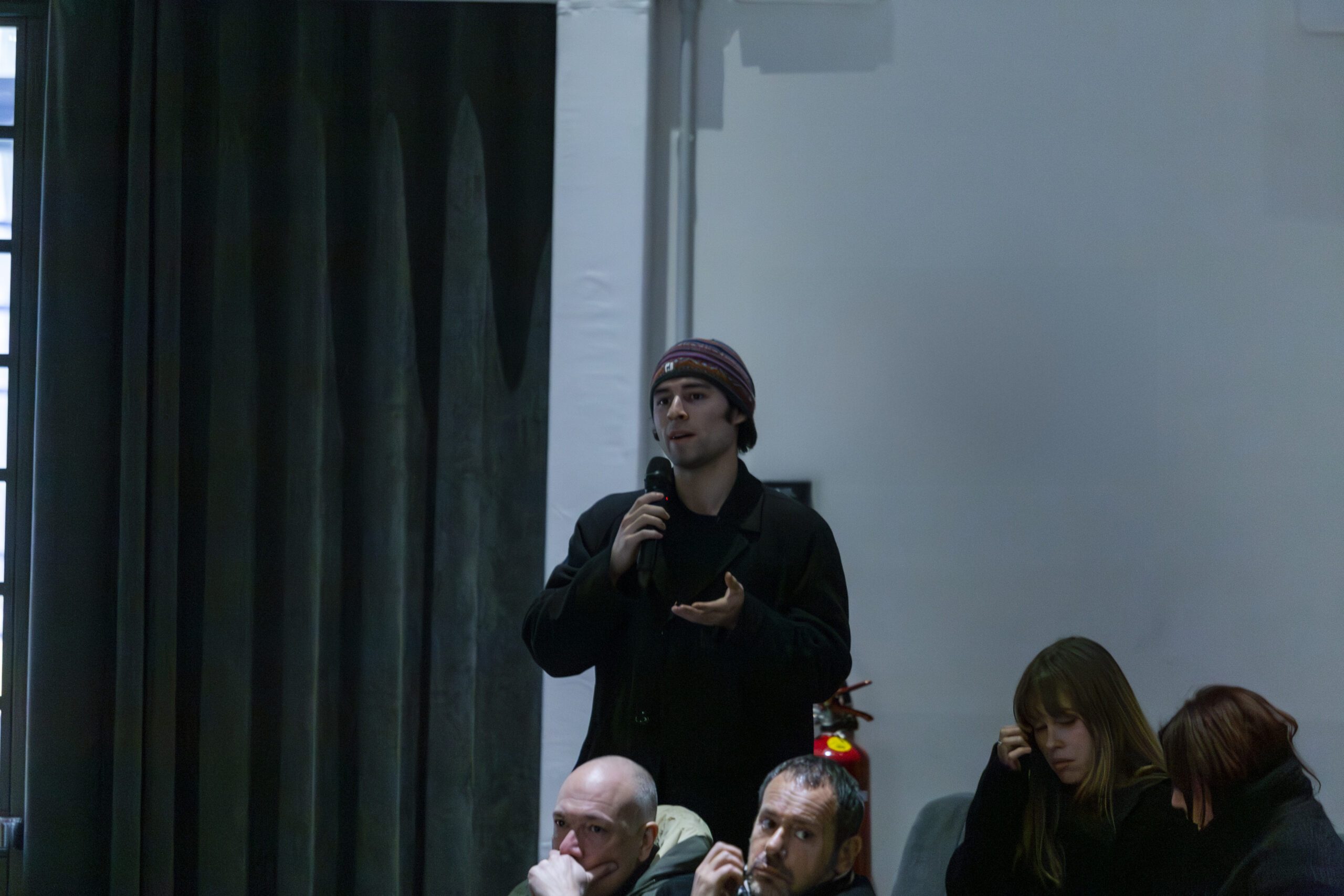
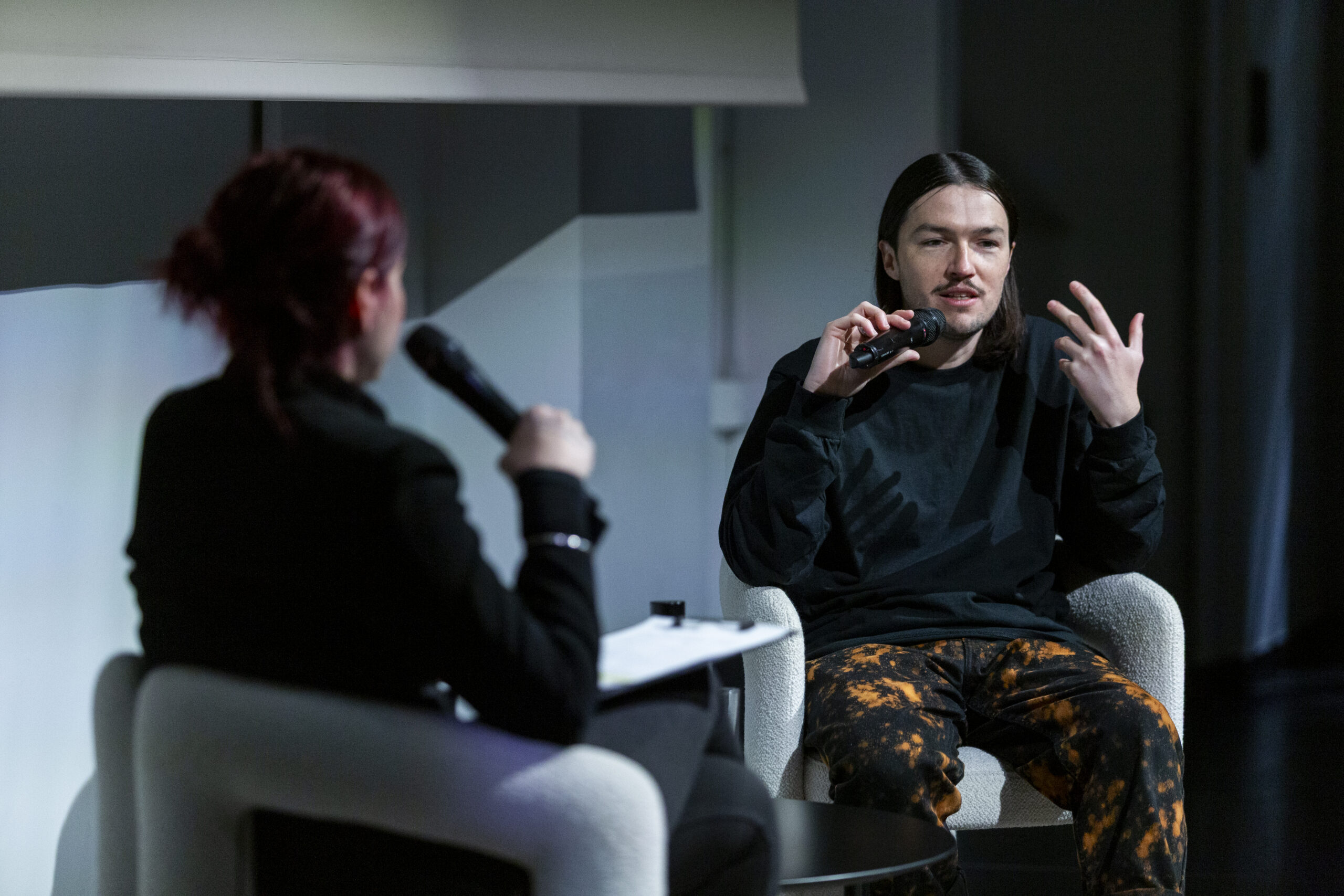
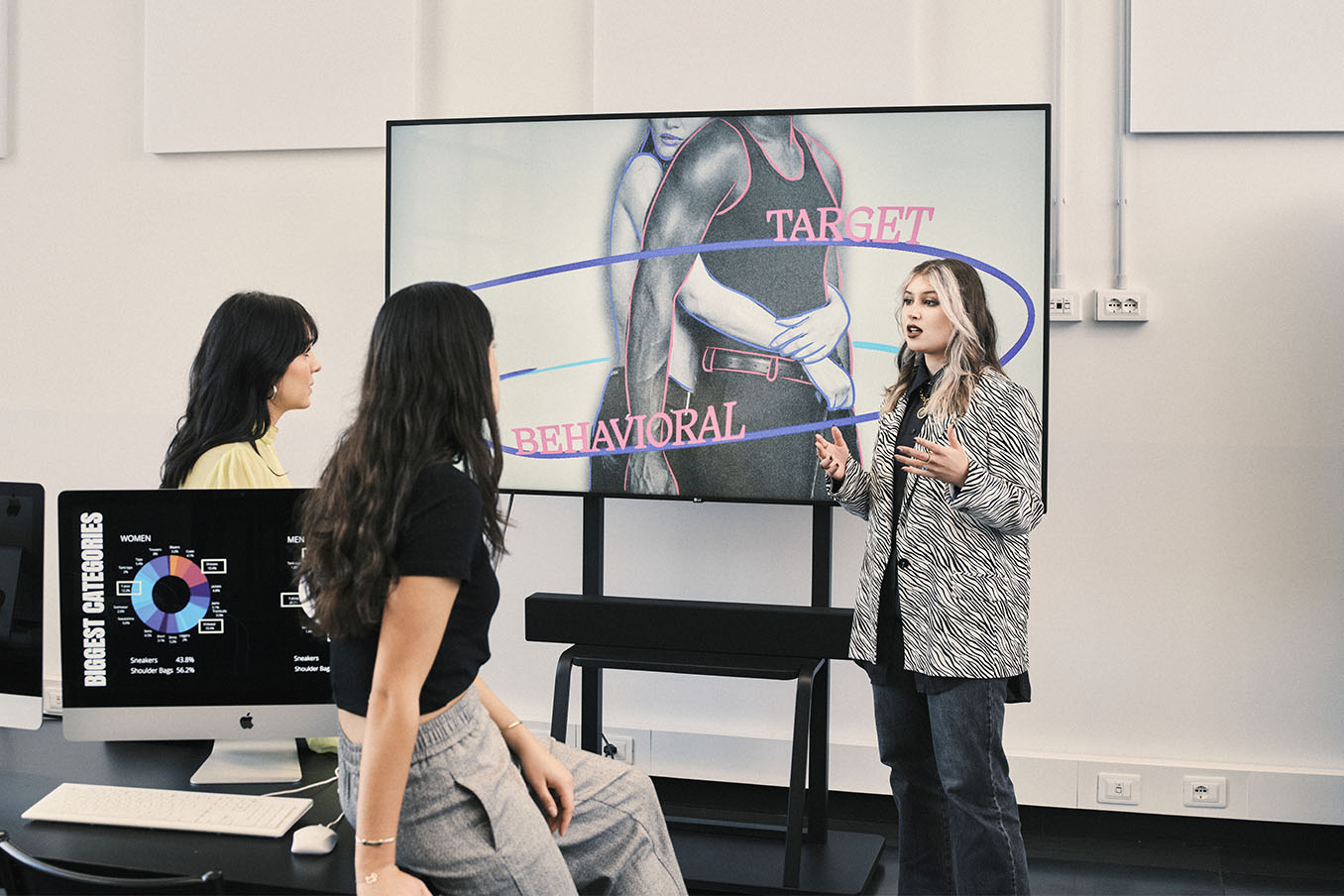
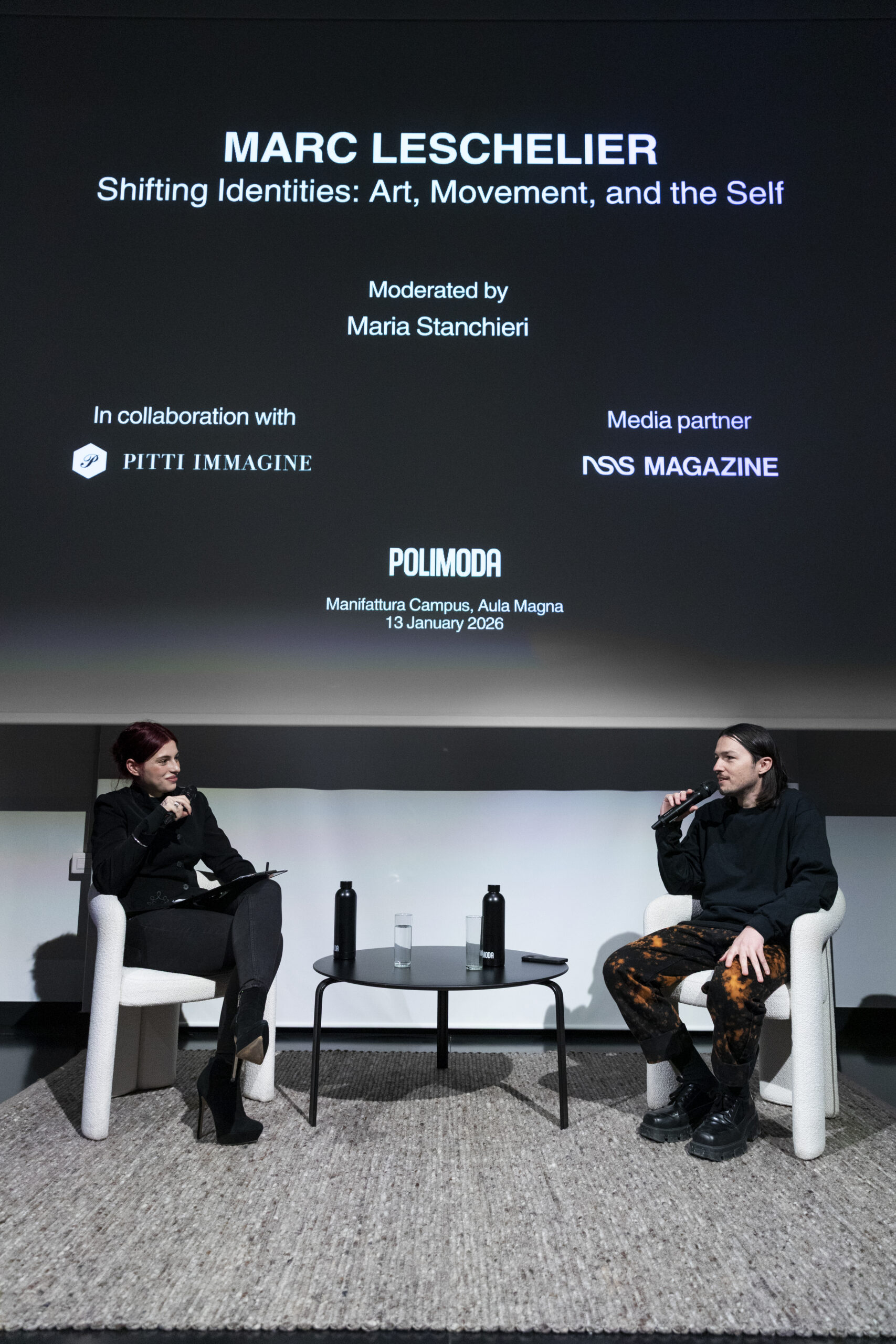
Marc Leschelier, guest lecture "Shifting Identities: Art, Movement, and the Self". Photo by Serena Gallorini.

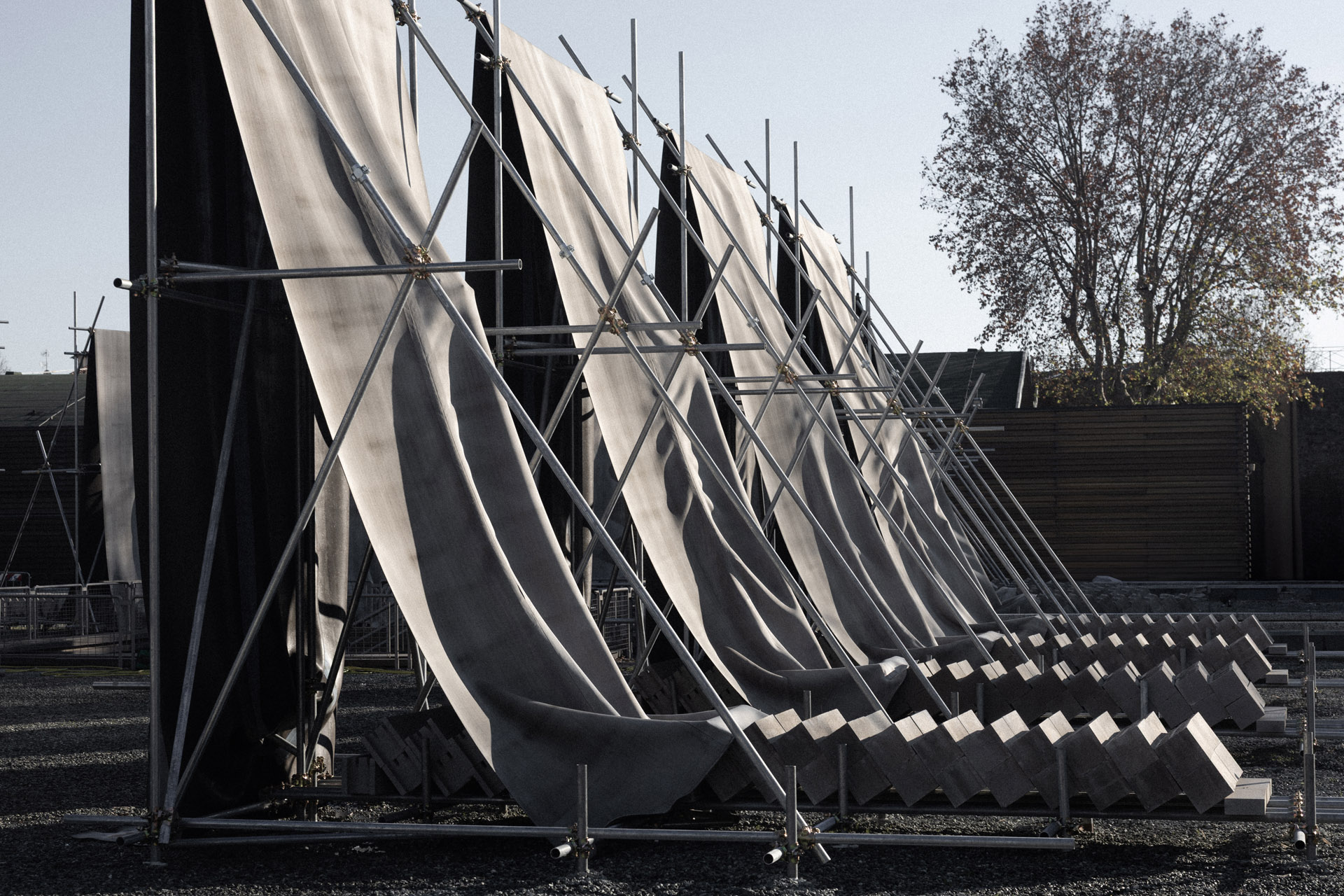
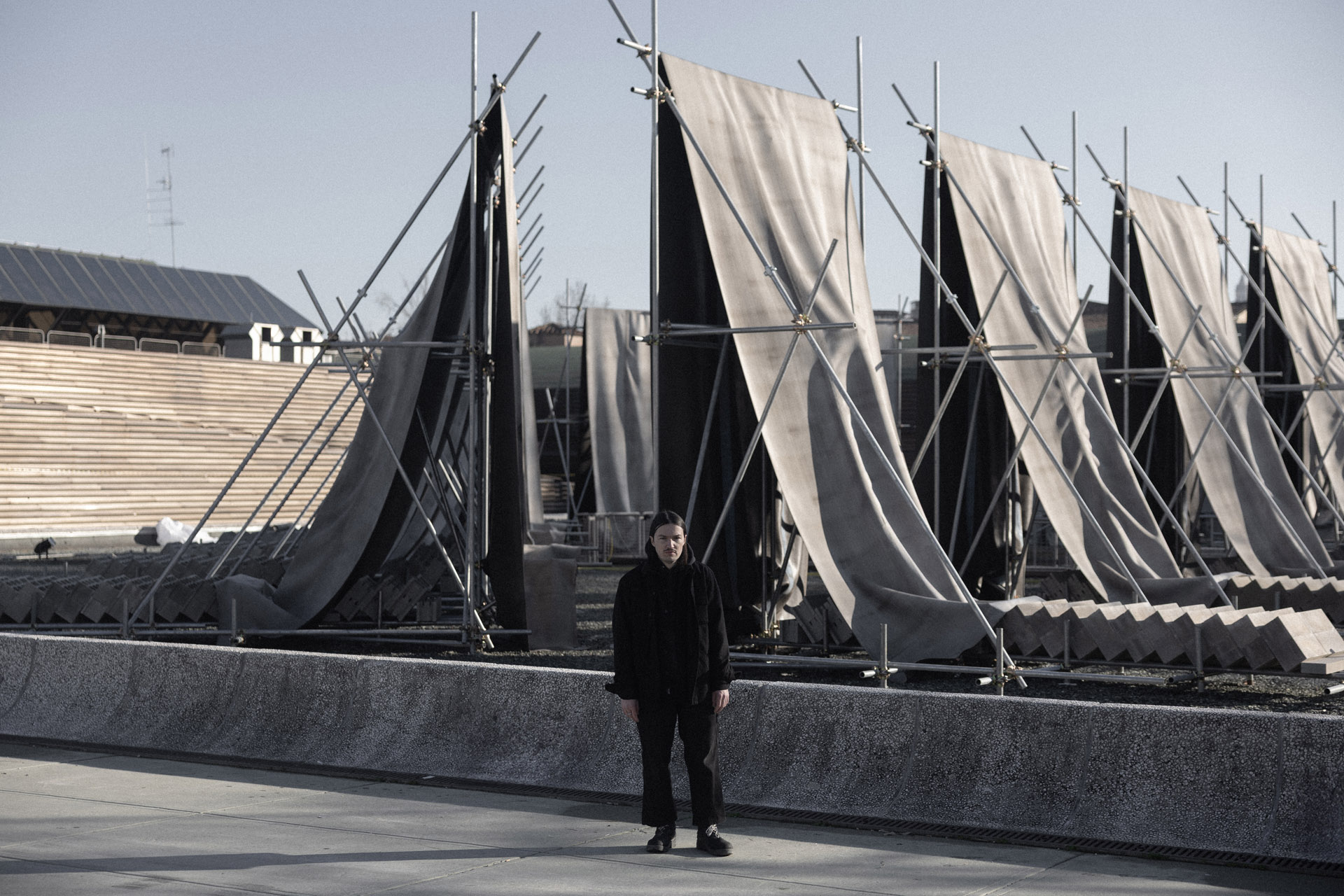
I walked towards Marc Leschelier’s work Ancient/New Site at Pitti Uomo 109 without really knowing what to expect. There was no clear entrance, no explanation, no function telling me what to do. Just space, material, weight. At first, it felt uncomfortable. And then I realised: maybe that discomfort was exactly the point.

We are used to being guided. Fashion tells us what to look at, architecture tells us how to behave in space. Here, nothing was guiding me. I had to decide how to move, how long to stay, what it meant or if it meant anything at all. And that made me ask myself: when function disappears, what do we rely on instead?

Listening to Leschelier speak during the conversation, hosted in Aula Magna at Polimoda’s Manifattura campus and moderated by Maria Stanchieri of nss magazine, I understood that this absence of function was not accidental. He talked about architecture as something that doesn’t necessarily need a client, a program, or a clear purpose. In a world where everything is expected to be productive and useful, this idea felt strangely radical.

What stood out was how honestly he spoke about his own path. He realised at some point that becoming an architect was influenced by his father’s dream of pursuing the profession. Not as a dramatic story, but as a quiet awareness: sometimes you walk into a discipline before fully asking yourself why.

That made me pause. How many of us really know why we chose what we are studying? And how long does it take before we allow ourselves to question that choice?

After working in architectural offices in Japan and Switzerland, Leschelier began to feel the limits of the system more clearly. Regulation, efficiency, permits, clients and architecture itself started to feel less like a space for thinking and more like a structure designed to produce answers. What interested me was that he didn’t talk about quitting architecture. Instead, he talked about stepping away from it.

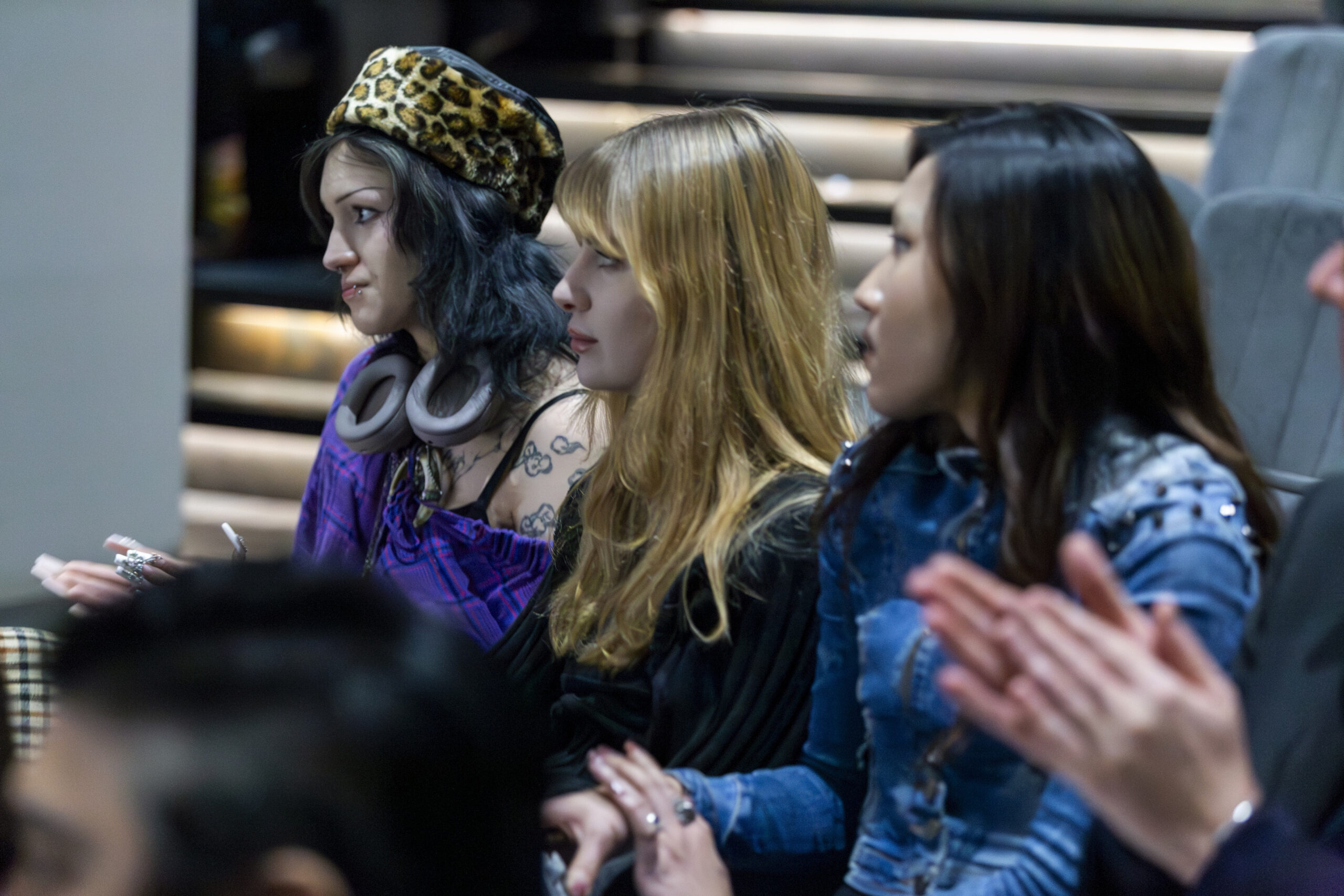
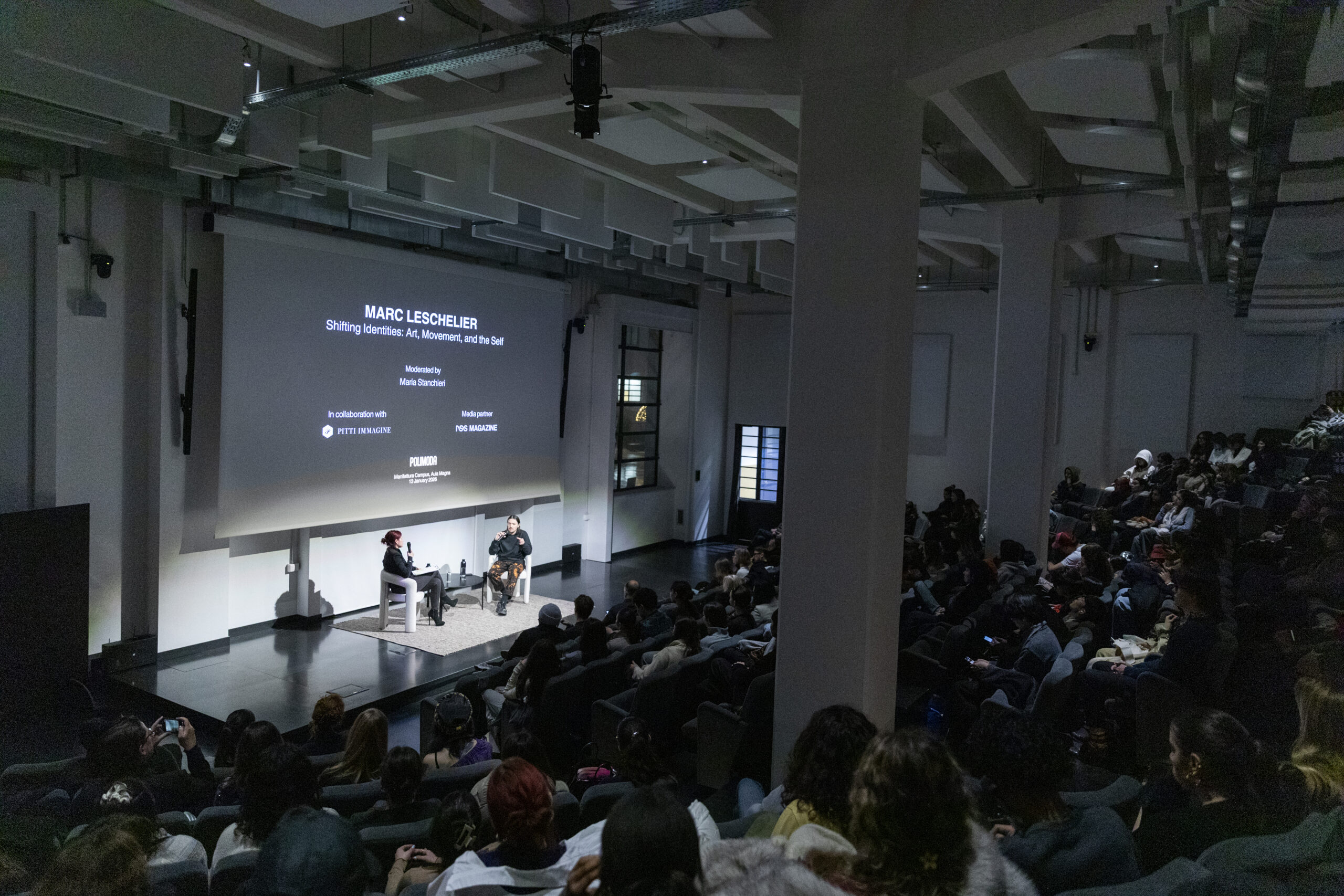
Marc Leschelier Guest Lecture, "Shifting Identities: Art, Movement, and the Self", at Polimoda. Photo by Serena Gallorini.

That distance allowed him to look at architecture differently, and also to look back at moments in history where architecture existed without clients. He referenced radical architecture in Florence in the 1960s and 70s, especially groups like Gruppo 9999, who worked outside commissions and produced speculative, utopian projects. He also spoke about revolutionary architects of the Enlightenment and the French Revolution, whose work often existed only as drawings and ideas.

Listening to this, I realised something important: architecture hasn’t always been about solving problems. Sometimes, it existed simply to question reality. This way of thinking became clearer when he spoke about his year at Villa Medici in Rome. For one year, he worked without expectations. No client, no deadline, no required outcome. And surprisingly, that freedom wasn’t easy. He explained that when nothing is imposed, you are forced to confront yourself.

That idea stayed with me. We talk so much about wanting freedom but do we actually know what to do with it once we have it?

It was during this time that Leschelier began to build again, not to create something useful, but to explore what architecture could be before it becomes finished. This is where the term pre-architecture comes in. At first, I didn’t fully understand it. “Pre” sounds unfinished, incomplete; indeed it refers to the phase of architecture that exists before it is forced to justify itself through function or efficiency. Often in Leschelier’s work, there is no clear instruction telling you how to behave. And at first, that feels unsettling. We are so used to being guided that the absence of guidance can feel like a mistake. But that discomfort is what makes us more aware of space, our body, and our presence.

Fashion is fast, image-driven, constantly renewing itself. And suddenly, in the middle of that, there is this heavy, silent structure asking you to slow down. To feel rather than look. To experience rather than scroll. As a fashion student, this hit close to home. Do we always need to produce something immediately penetrable? Do we always need a clear role, label, or outcome?
Alara Arslan
Fashion Marketing Management student

What fascinated me most is that even without function, Leschelier’s work still feels architectural. It has scale, weight, and material presence. You enter it, move through it, react to it. Is function really what makes architecture real, or is it the experience of space itself?

Leschelier doesn’t reject architecture. He pauses it. He removes the final step. He keeps it skeletal, open, unresolved. In doing so, architecture becomes experience rather than solution.

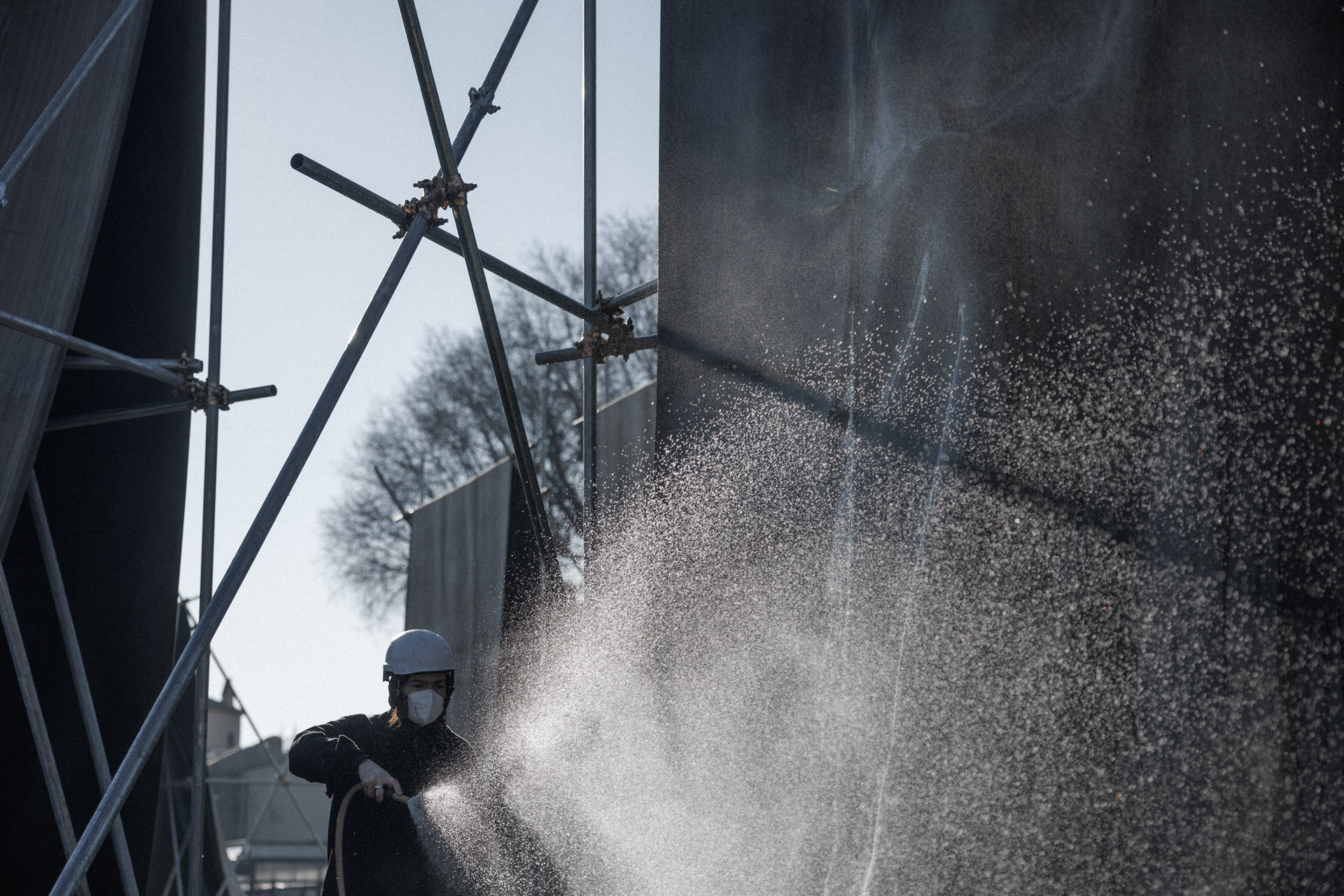
The conversation moved onto considering construction as something performative. Leschelier doesn’t believe in total control through drawing. Instead, he allows materials to resist and shape the work themselves. Concrete, gravity, weight. These are not just tools, but active participants. In a world obsessed with perfection and image, this approach feels almost rebellious.

Seeing this work within the context of Pitti Uomo made everything even more intense. Fashion is fast, image-driven, constantly renewing itself. And suddenly, in the middle of that, there is this heavy, silent structure asking you to slow down. To feel rather than look. To experience rather than scroll.

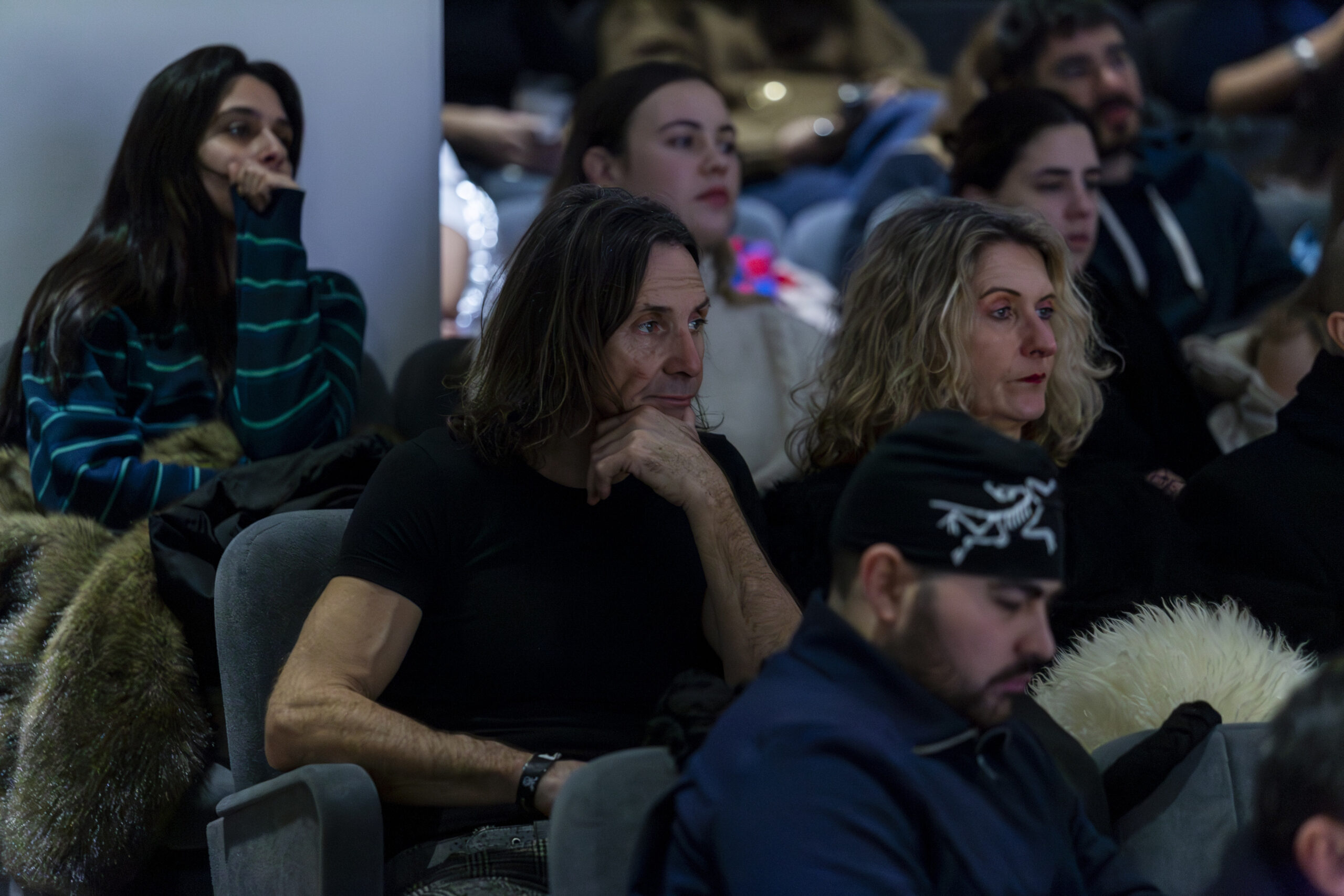
Marc Leschelier, guest lecture "Shifting Identities: Art, Movement, and the Self". Photo by Serena Gallorini.

As a fashion student, this hit close to home. Do we always need to produce something immediately penetrable? Do we always need a clear role, label, or outcome?

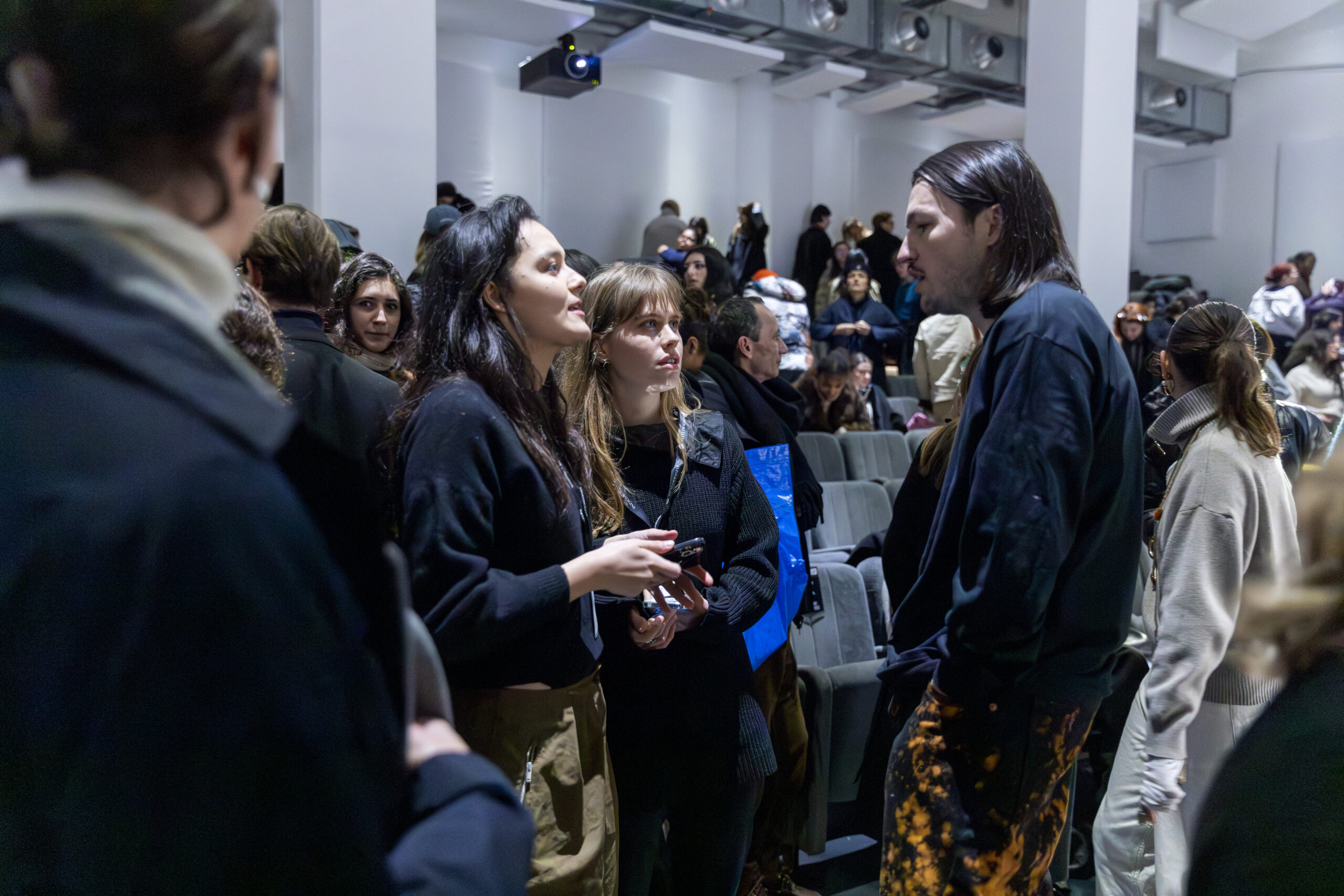
Leschelier claimed that social media is not the place to build a practice. That identity comes not from accumulation, but from refusal, knowing what you don’t want. He tells his students that being singular might lead to smaller successes, but also to more freedom.

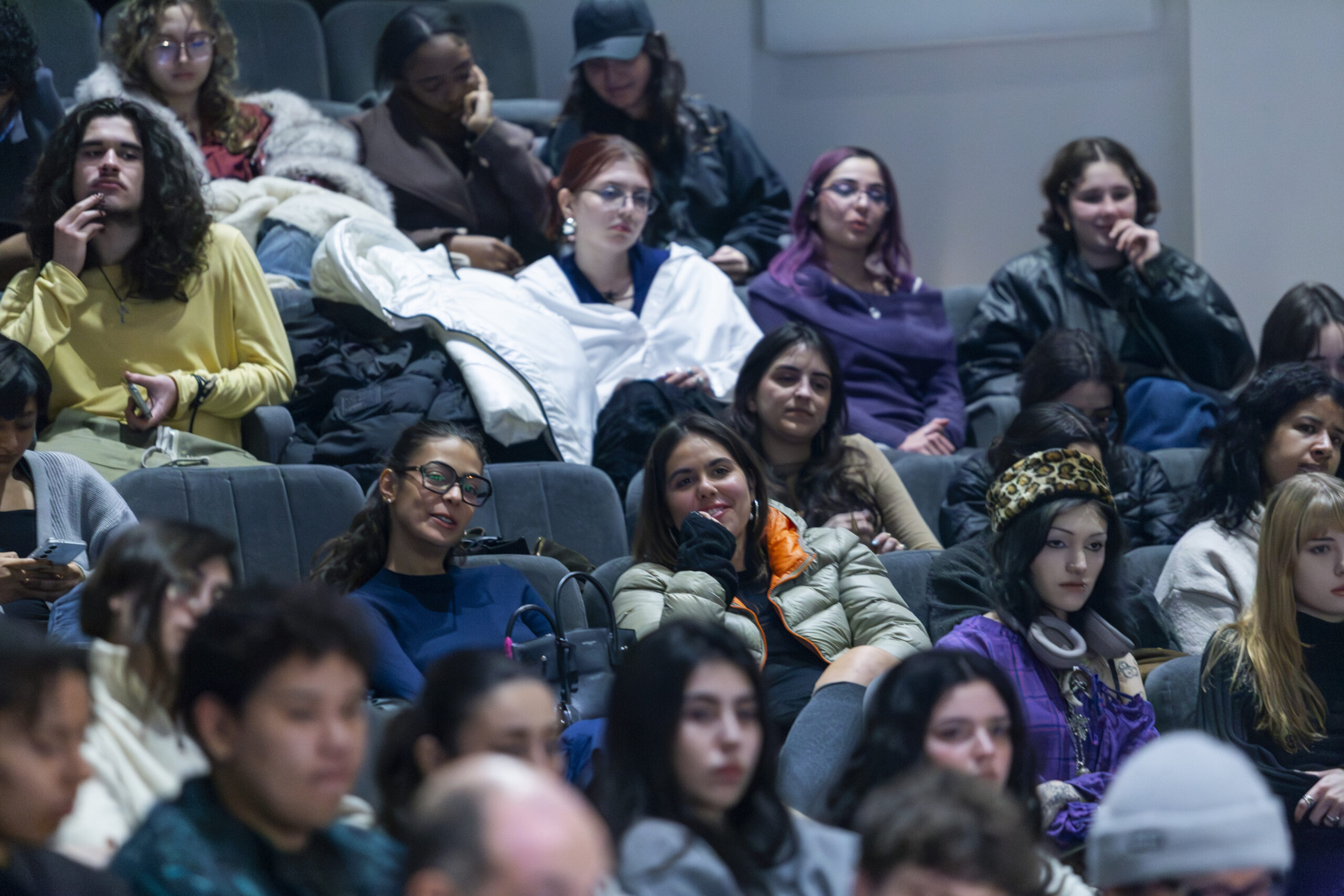
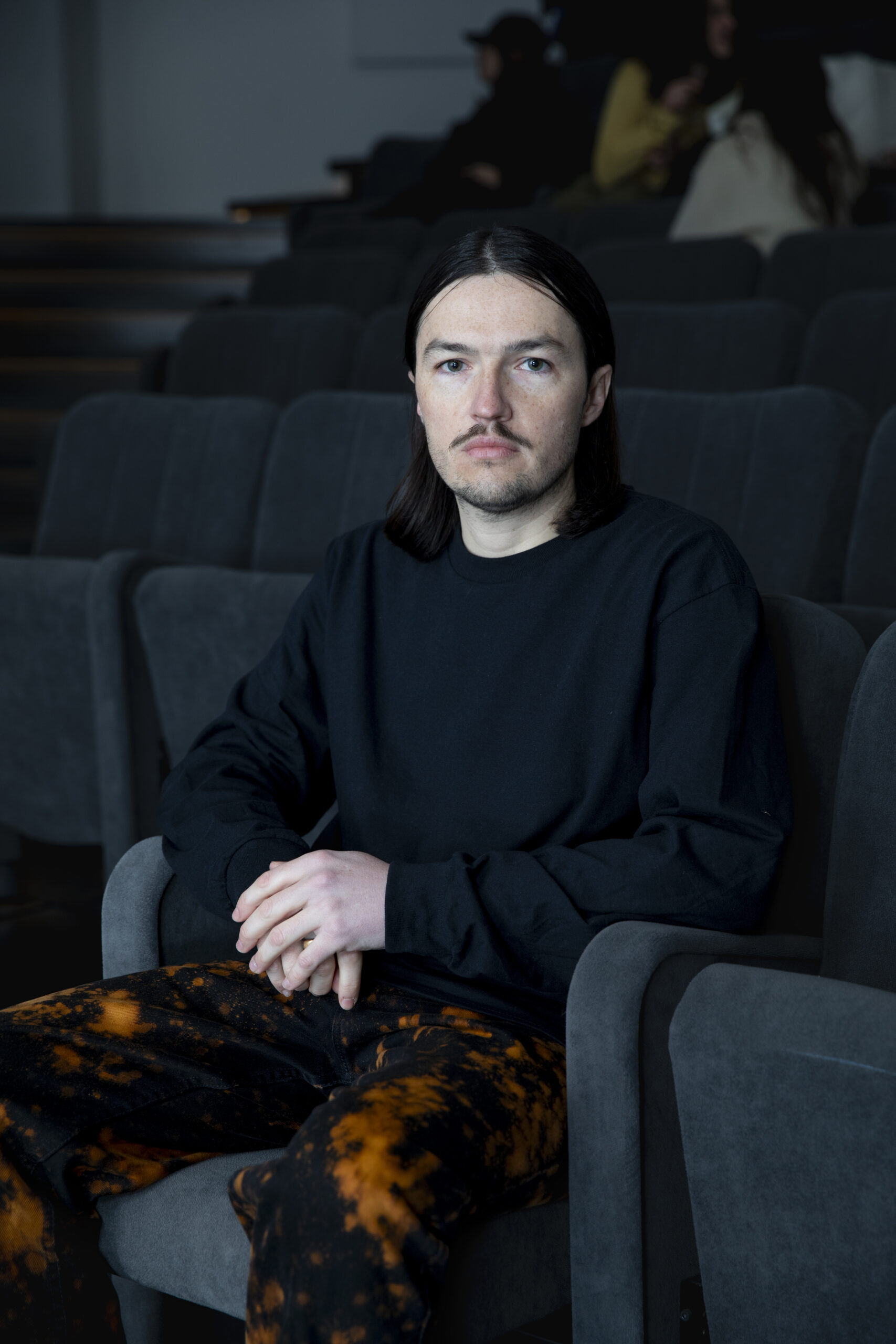
Marc Leschelier. Photo by Serena Gallorini.

I don’t think his work gives answers. And maybe that’s why it stayed with me. It doesn’t tell you what architecture is. It asks you what you expect it to be. And that’s the real value of his work, it acts as a companion for anyone still trying to understand who they are becoming. Sometimes, not knowing yet isn’t a weakness, it’s the most honest place to start.

CREDITS

Written by:

Cover image: 

  • Courtesy of Pitti Immagine
Design and set by: