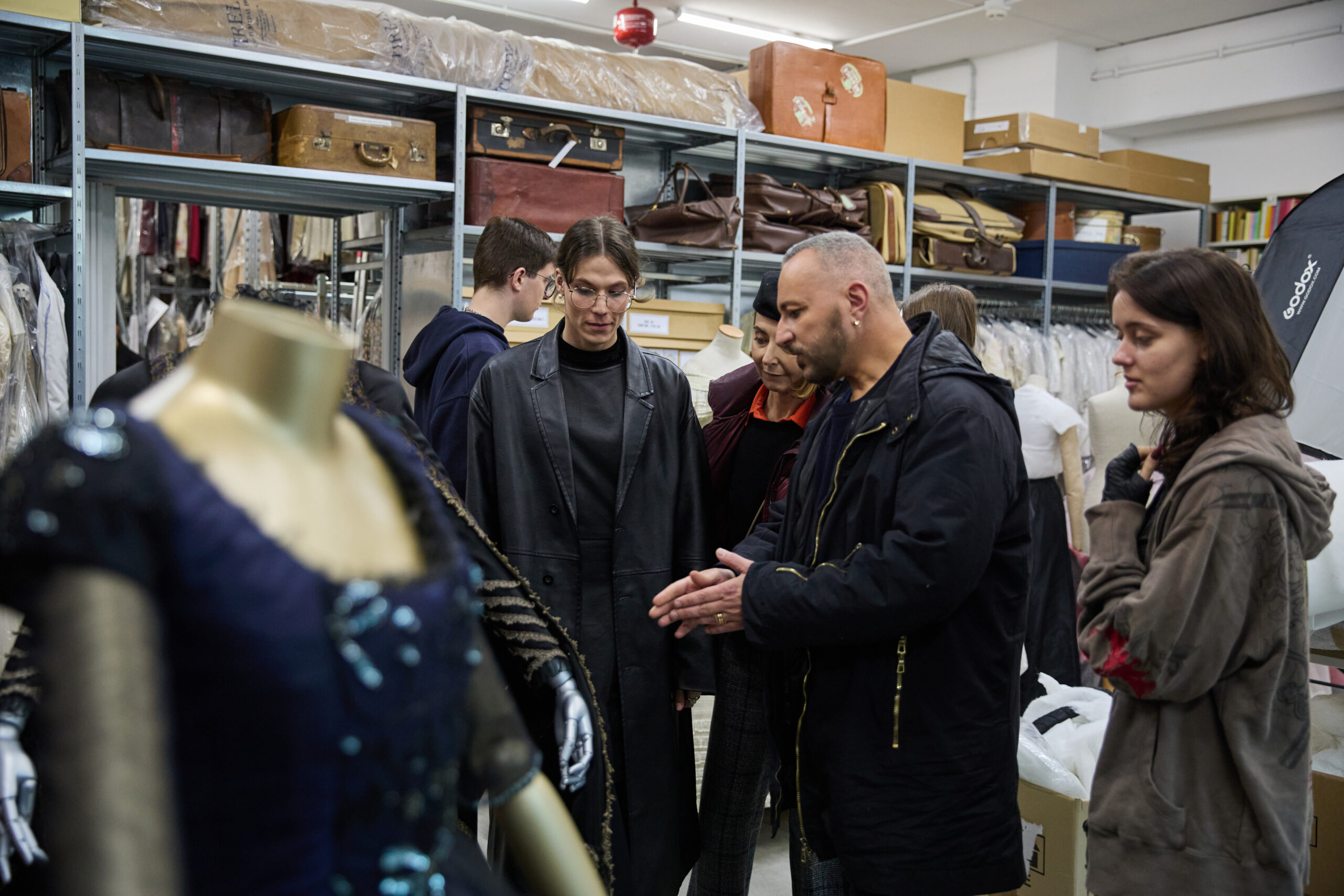
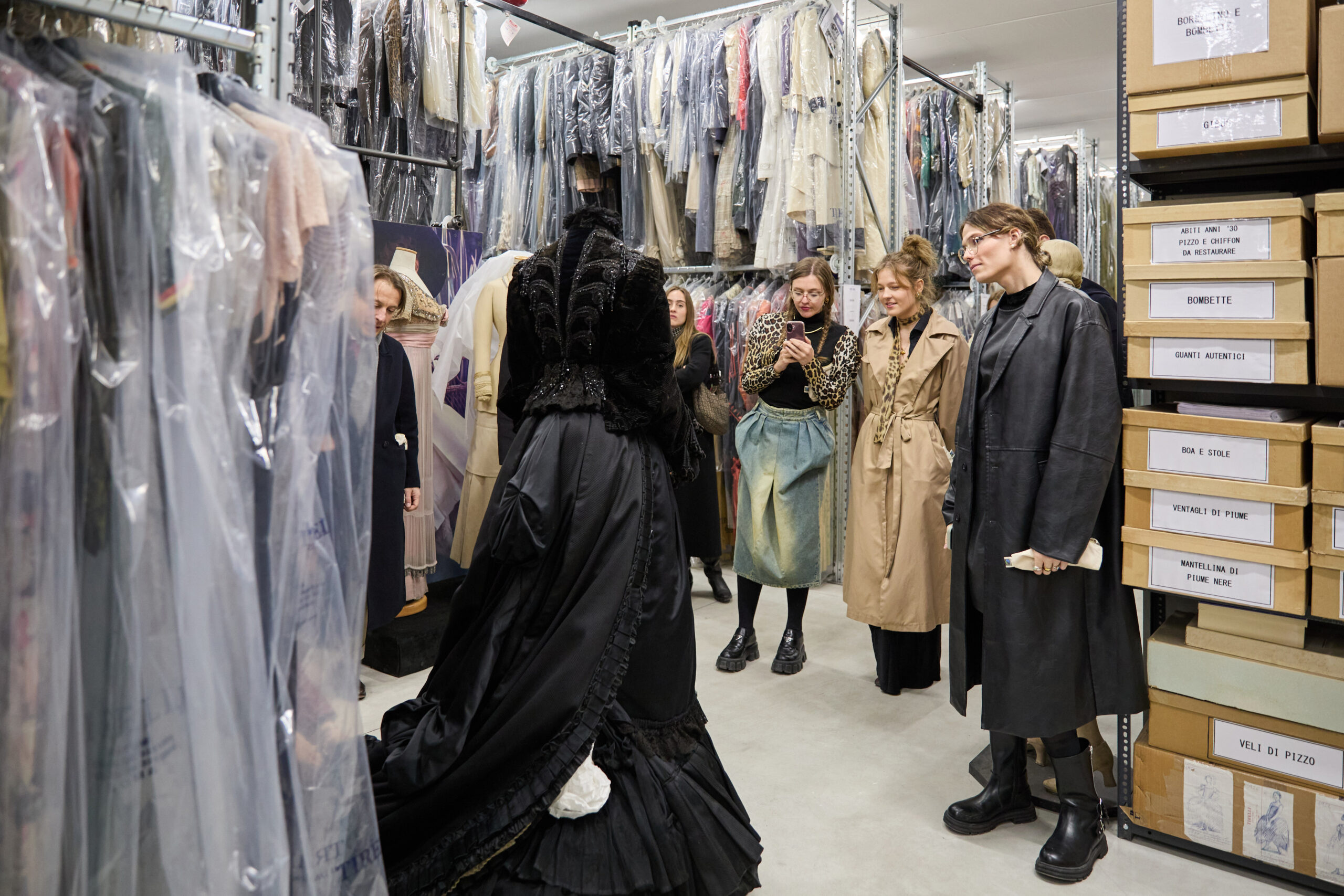
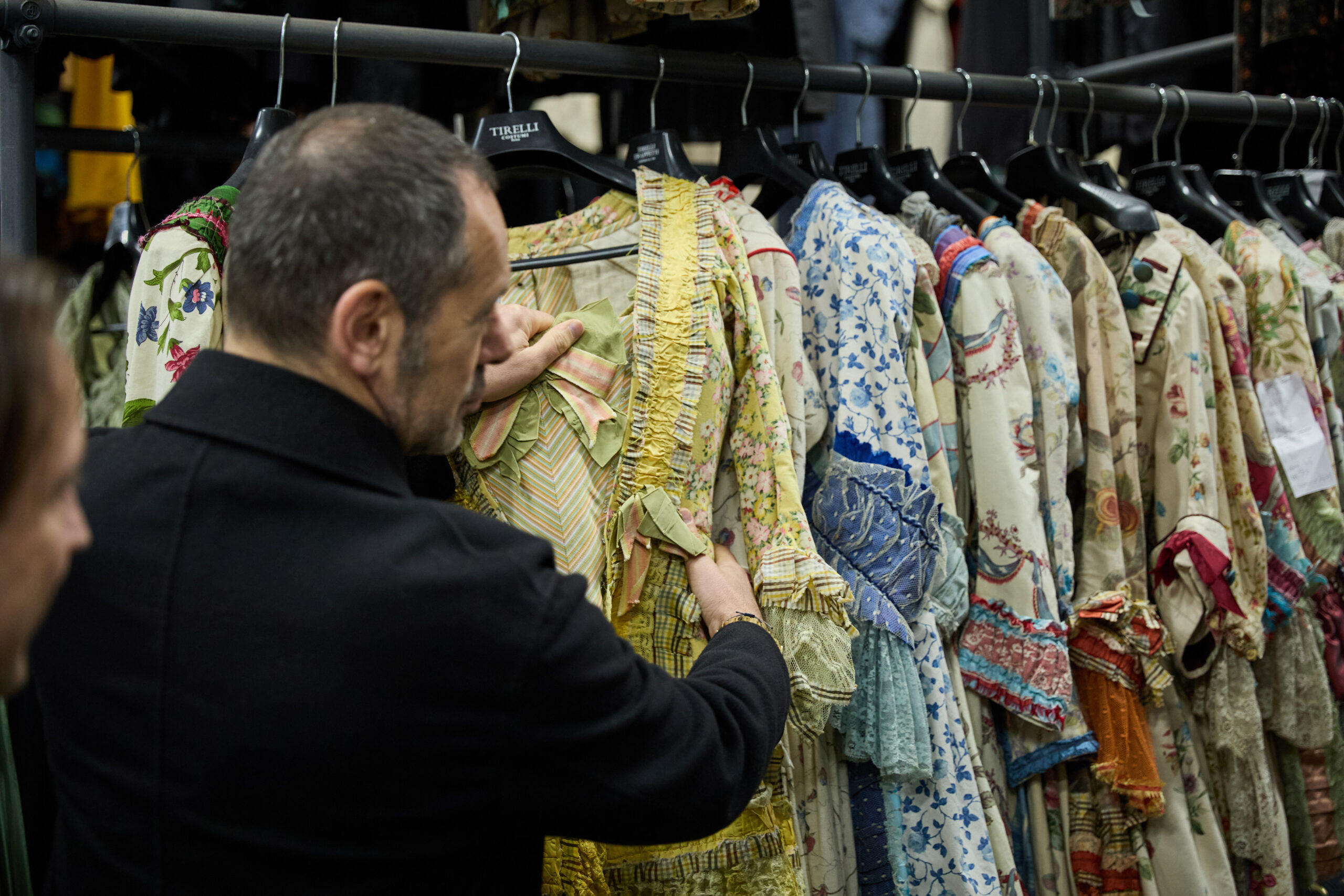
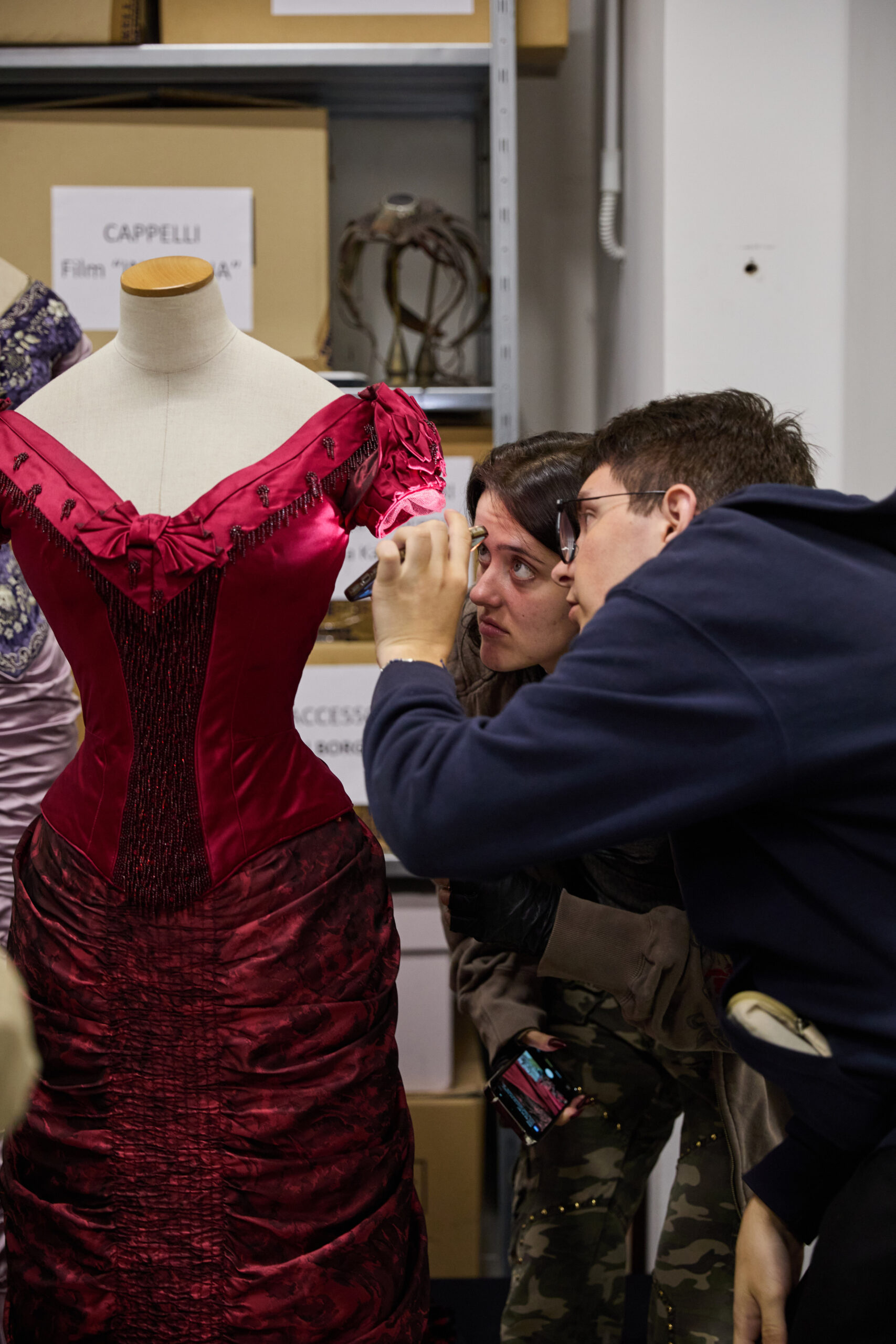
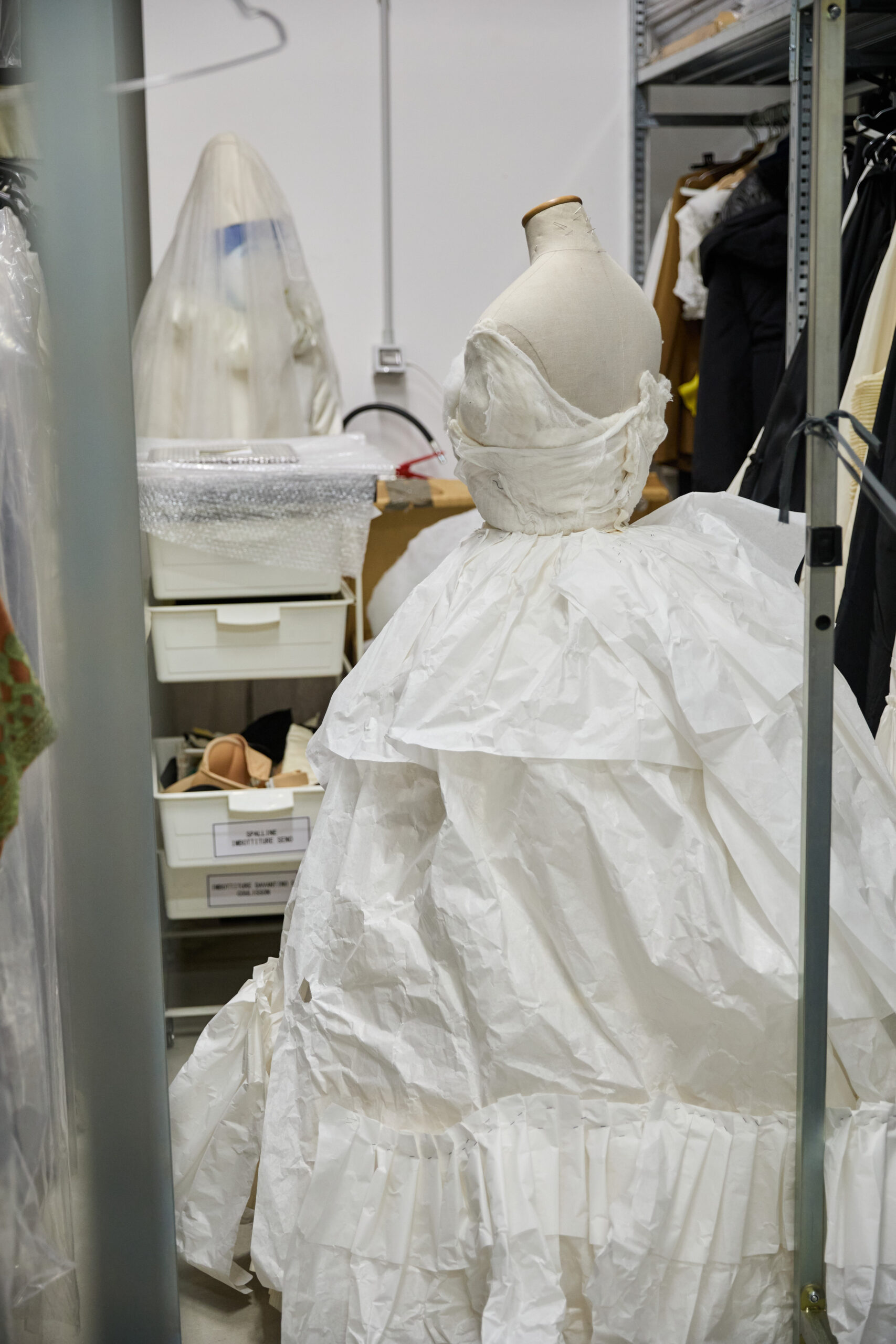
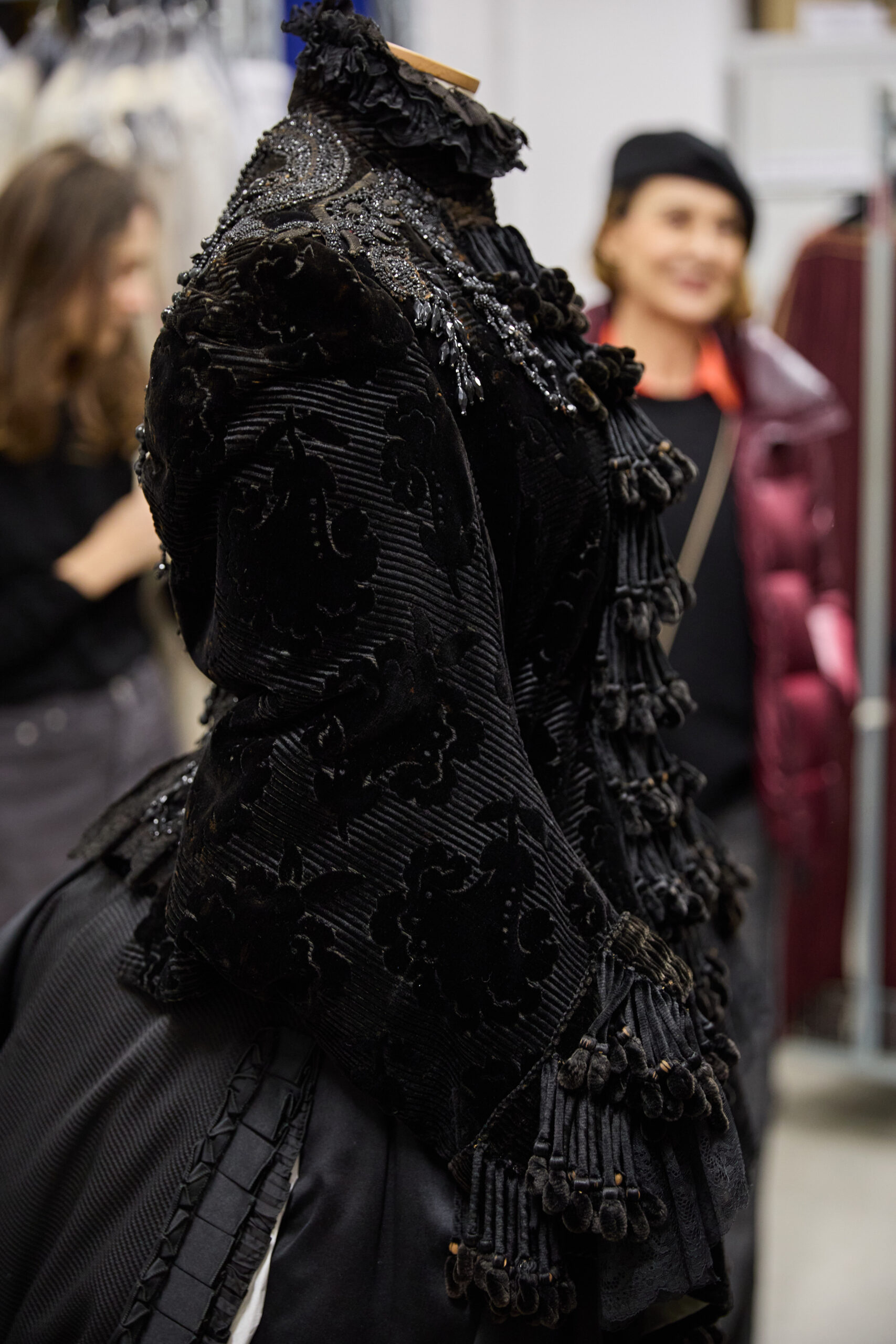
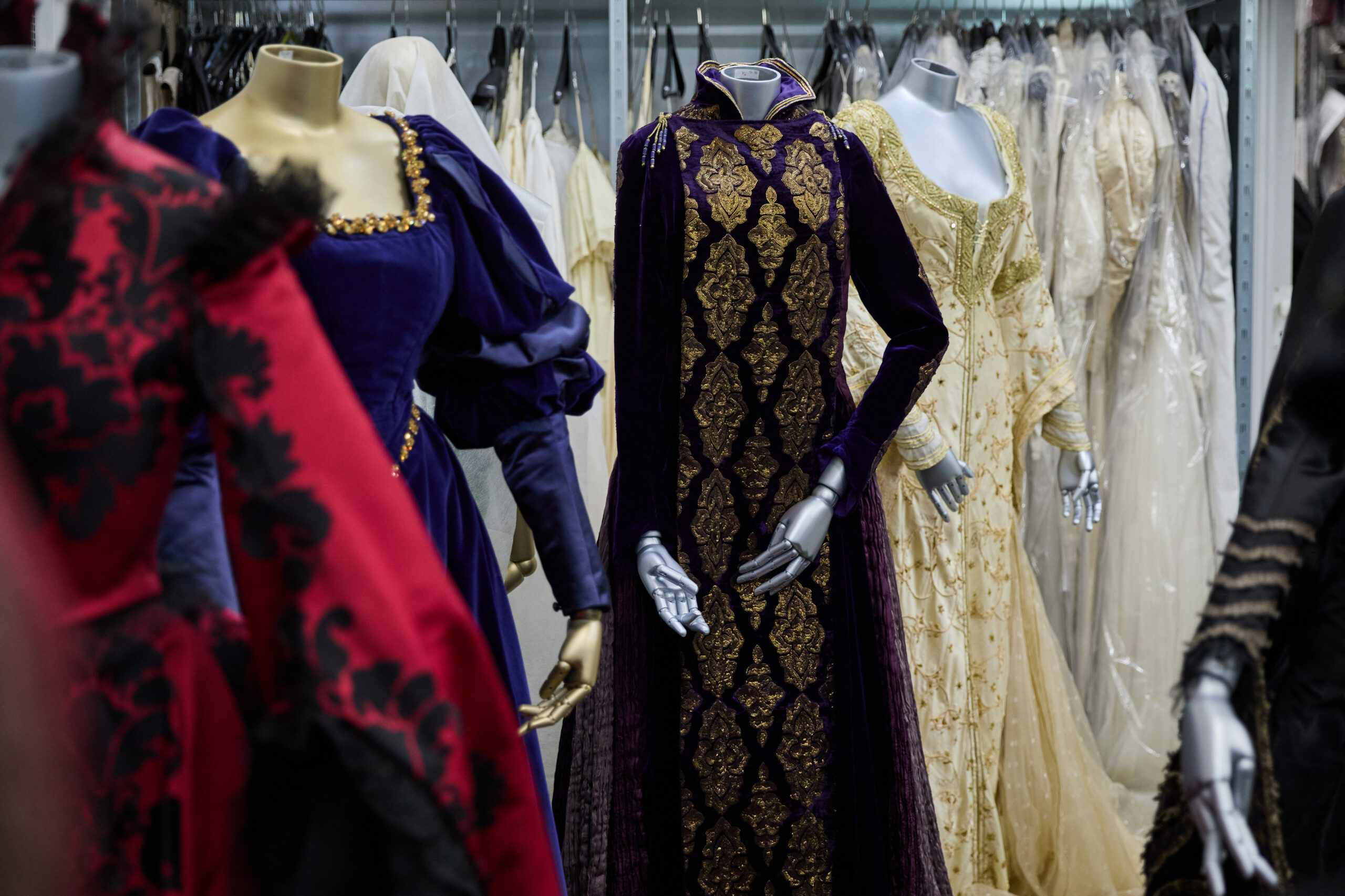
A short drive from Rome, Master in Costume Design students crossed the threshold of one of the most extraordinary repositories in the history of dress. Welcomed by Archivio Tirelli Coordinator Laura Nobile and the Tirelli Costumi staff, and accompanied by course mentor and Costume Designer Massimo Cantini Parrini, teacher Luigi Giannetta, and Director of Polimoda Massimiliano Giornetti, the group entered a 7,000-square-metre world suspended in time.
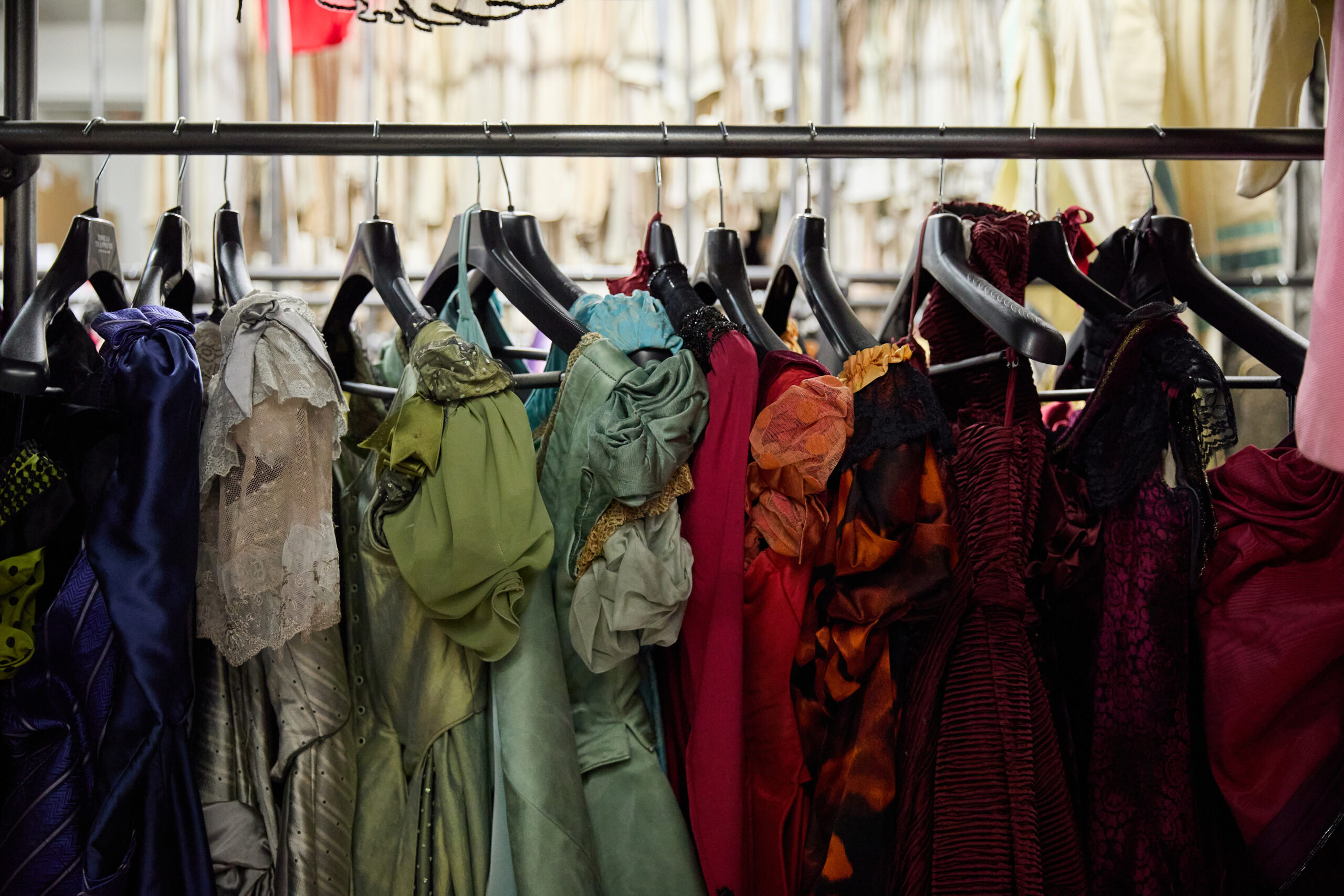
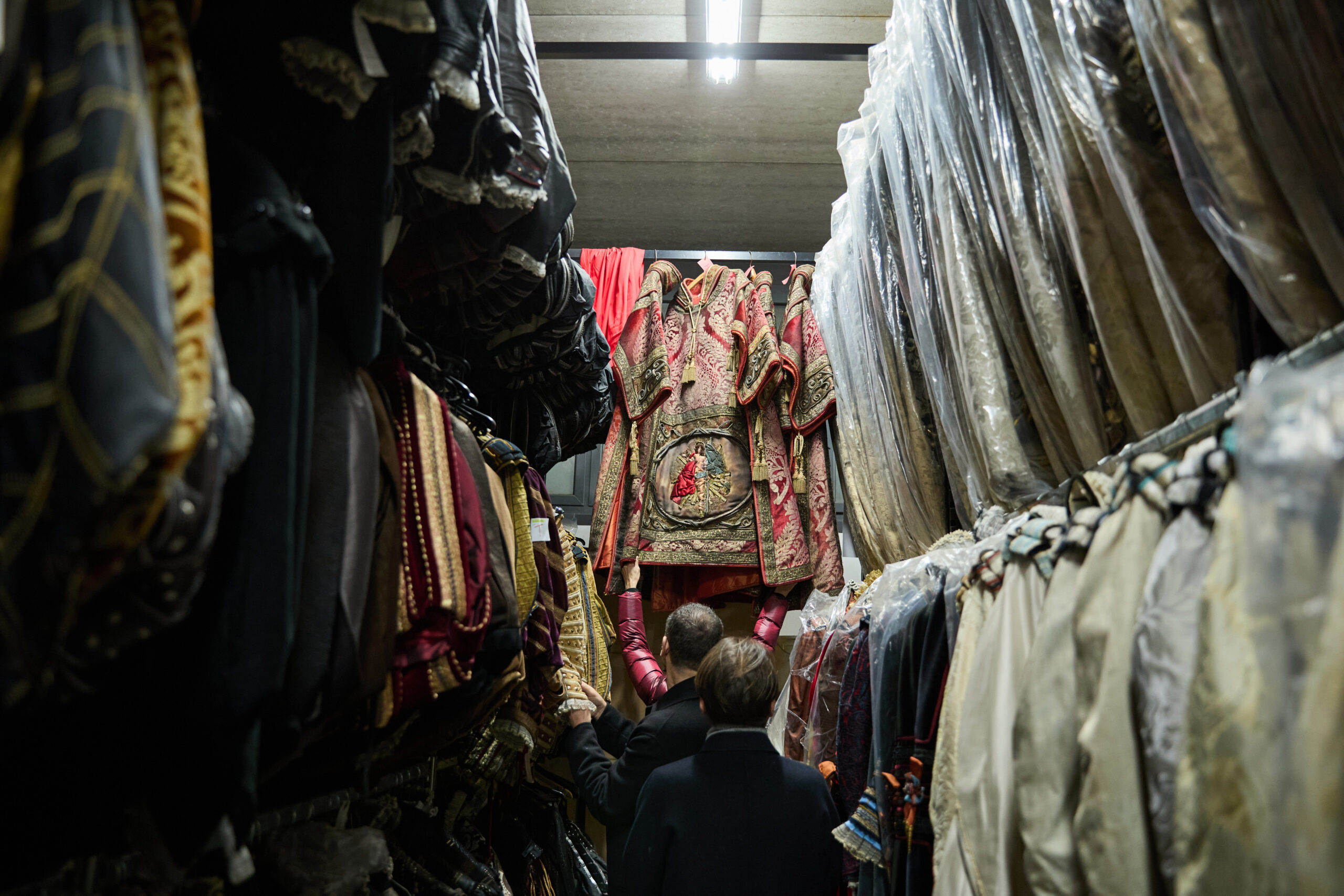
Accompanied by course mentor, Massimo Cantini Parrini, himself one of the most celebrated costume designers working in Italian cinema today, the students were presented with the archive’s over 15,000 authentic vintage garments and 300,000 costumes organized by era, gender, and social class, waiting to be studied by the students, and potentially chosen for illustrious, international, and Italian, television and film productions.
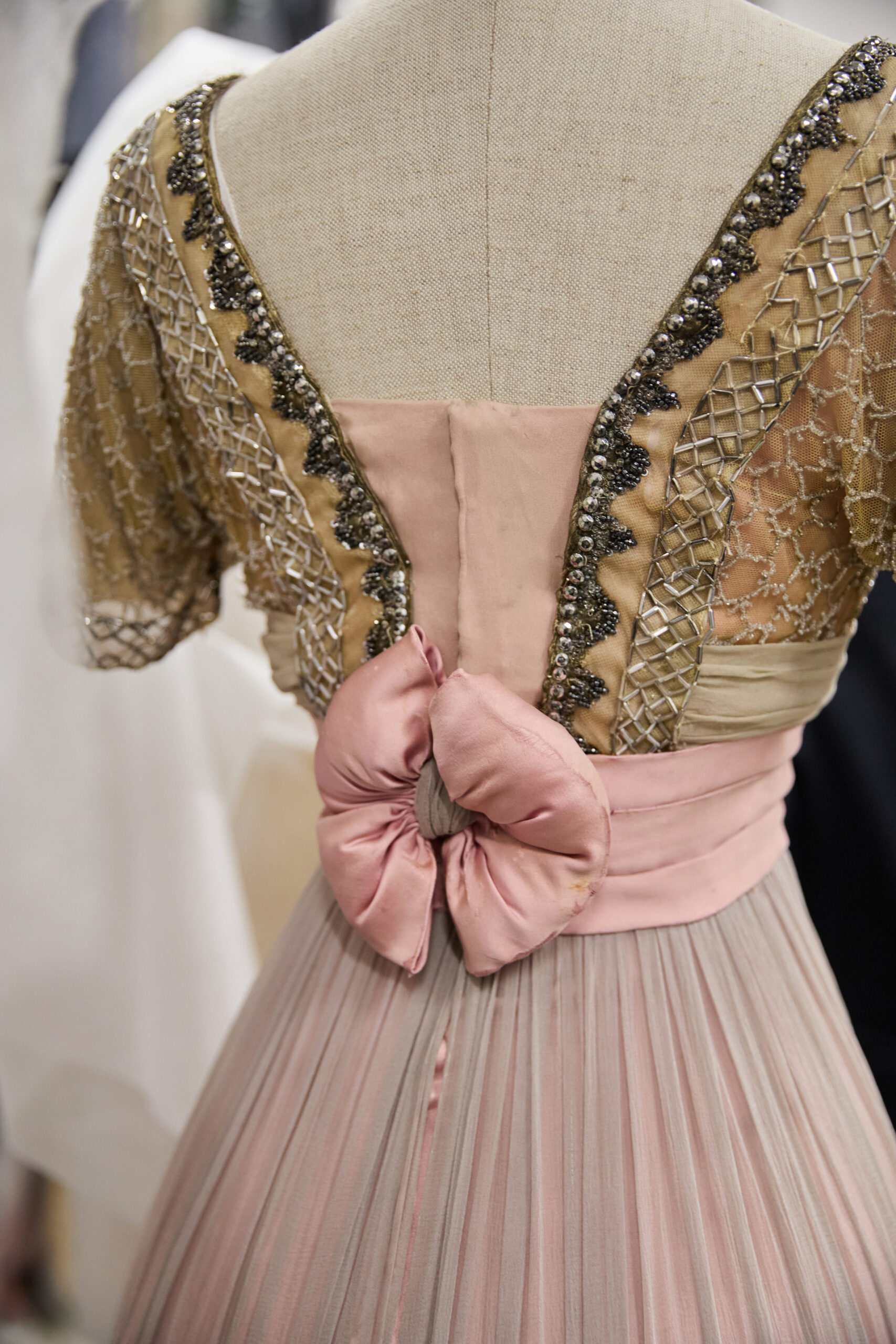
The visit carried particular resonance for the class currently immersed in the study of the 1920 novel by Edith Wharton, and 1993 film directed by Martin Scorsese and costumes by Gabriella Pescucci, The Age of Innocence. Standing before the archive’s late nineteenth-century holdings, the students found themselves face to face with the very garments they have been decoding at school, studying the two iconic dresses worn by the film’s protagonists, Countess Ellen Olenska played by Michelle Pfeiffer, and May Welland played by Winona Ryder.
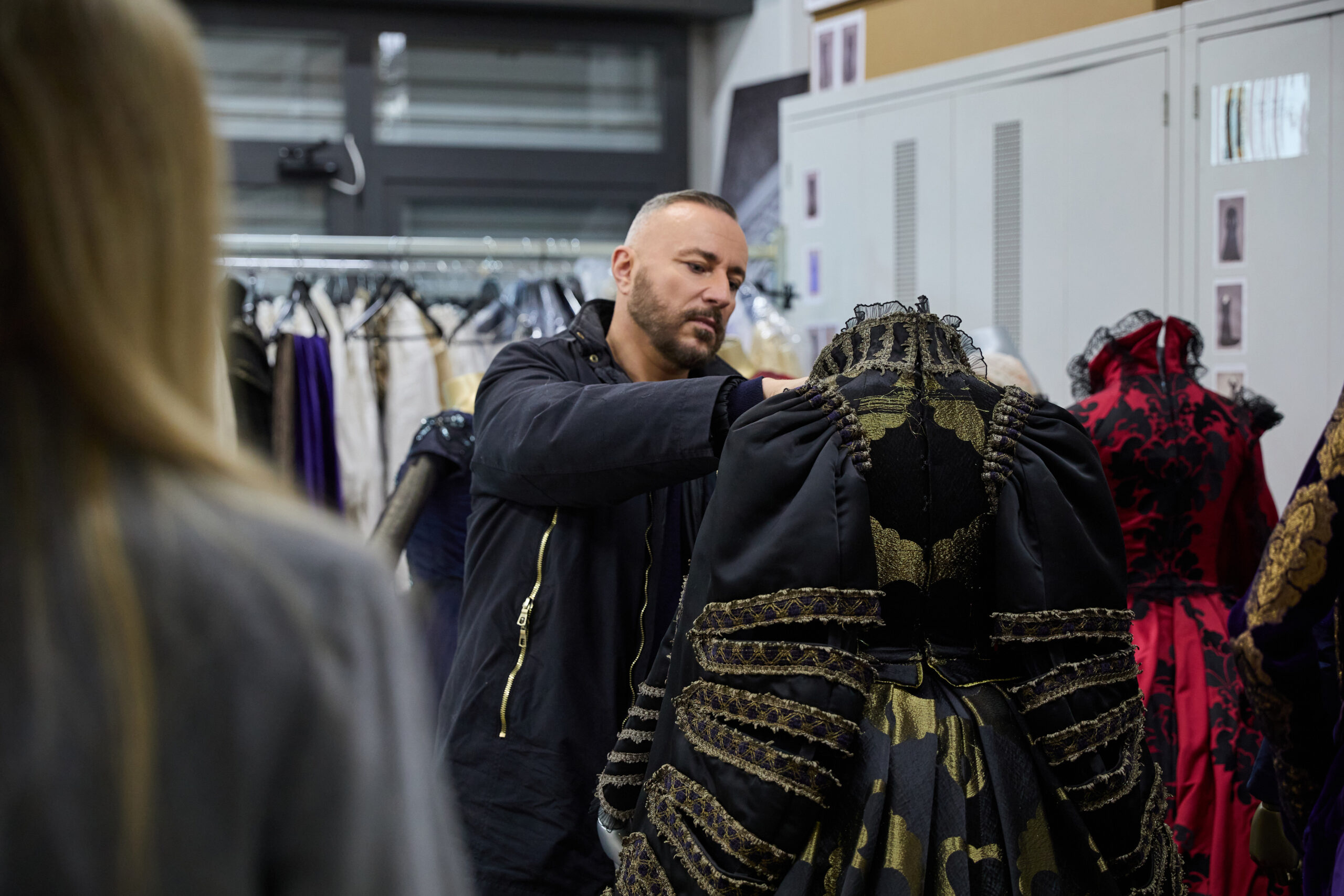
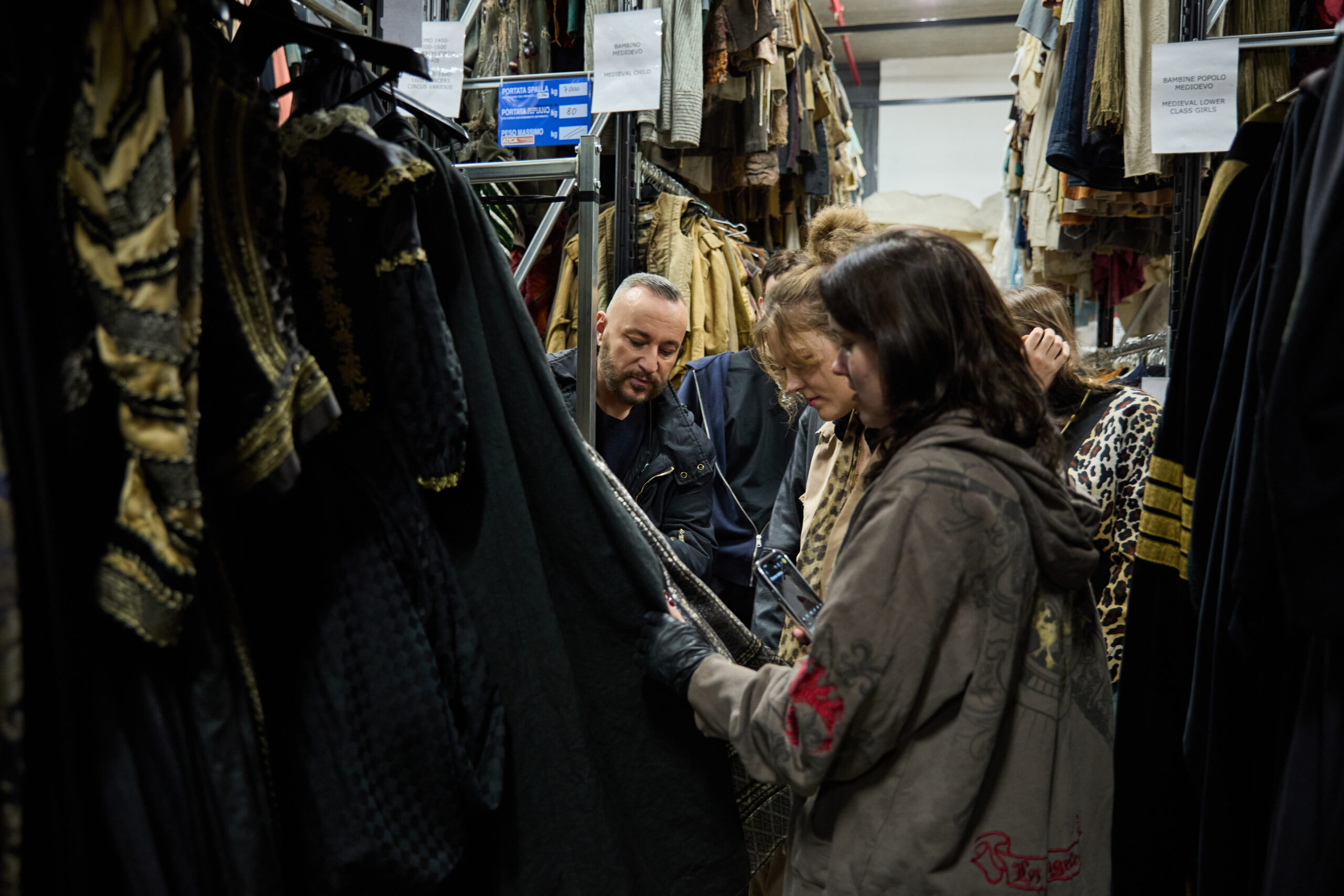
Course mentor Massimo Cantini Parrini with students
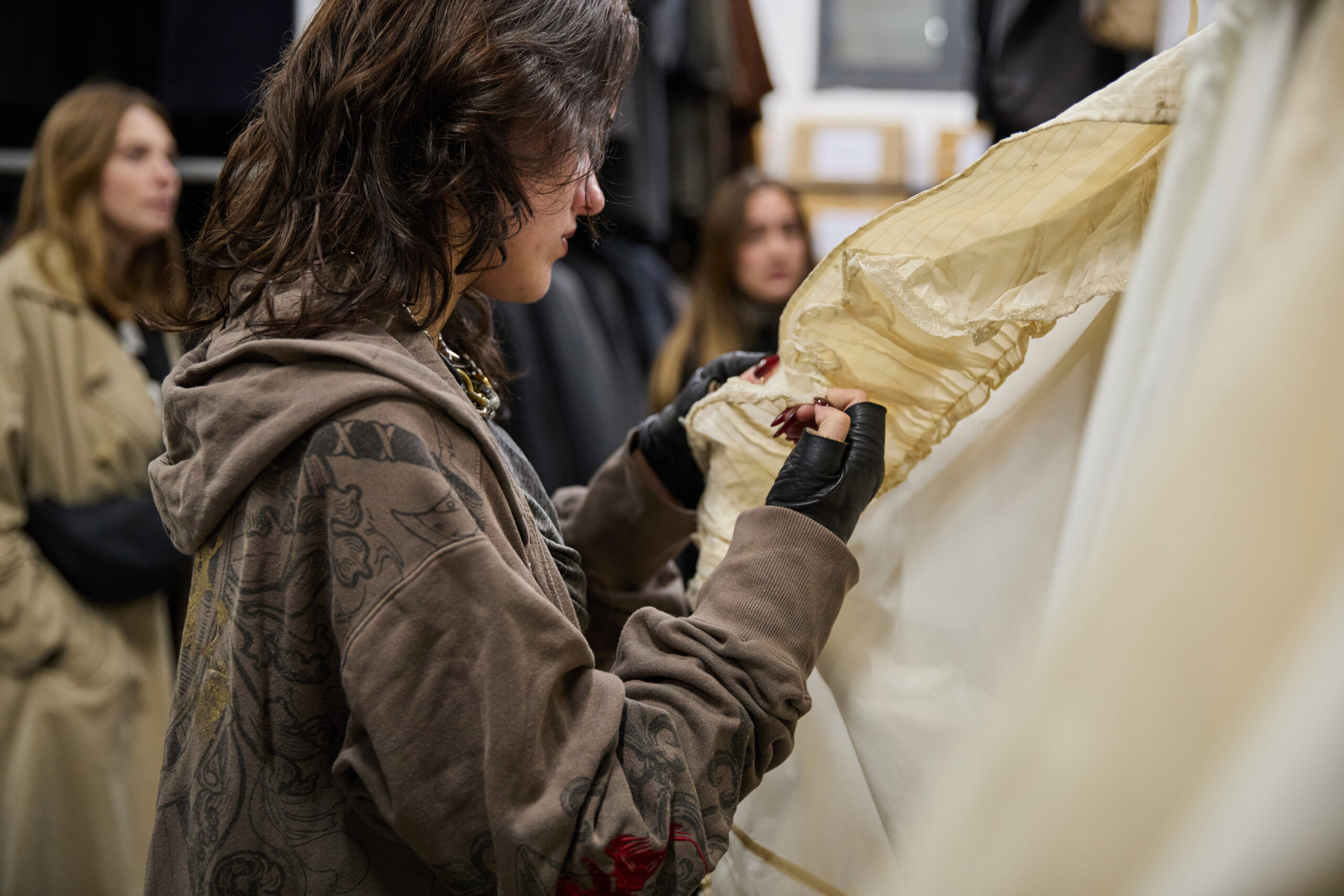
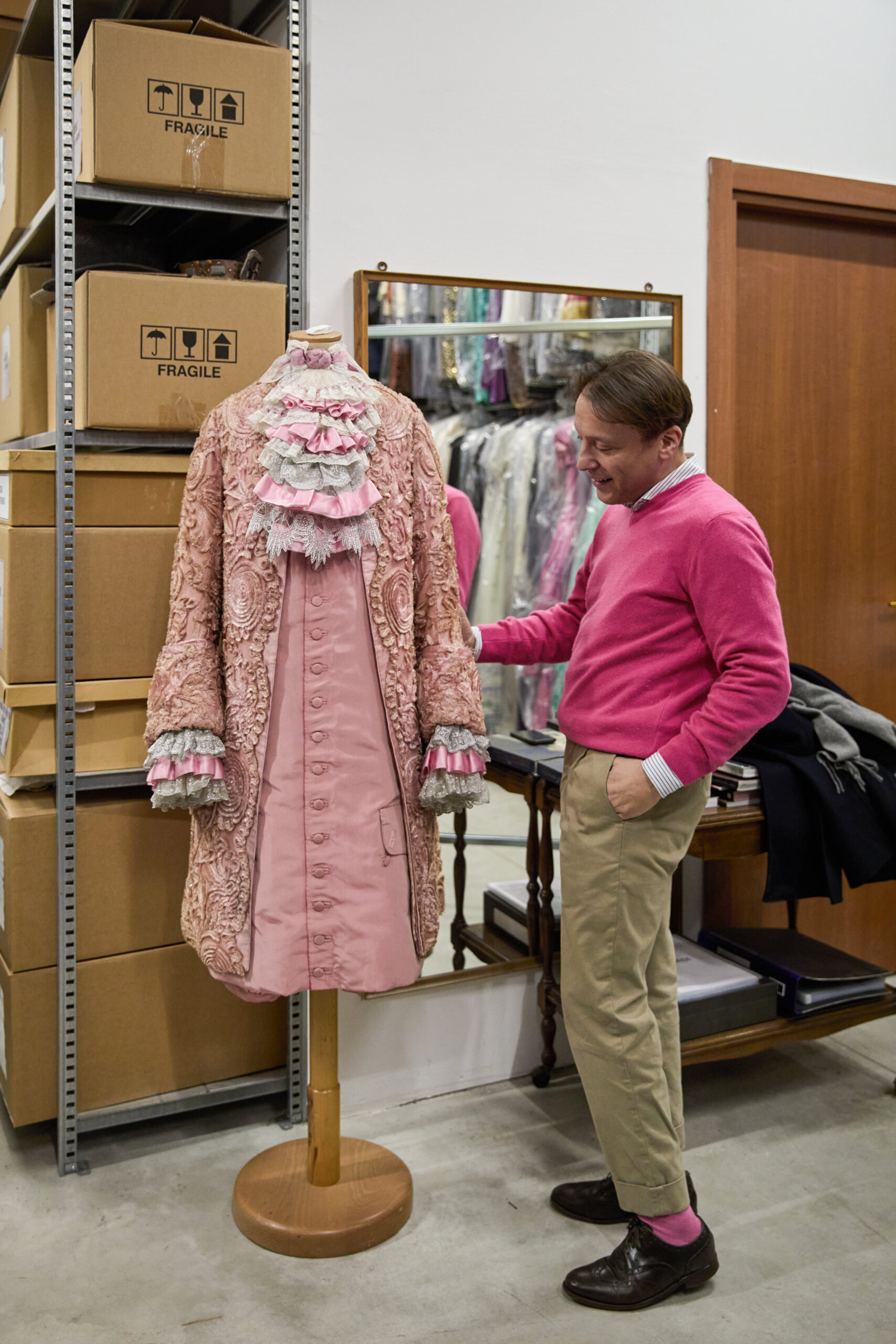
Students study the dress by costume designer Piero Tosifrom the 1973 film Ludwig
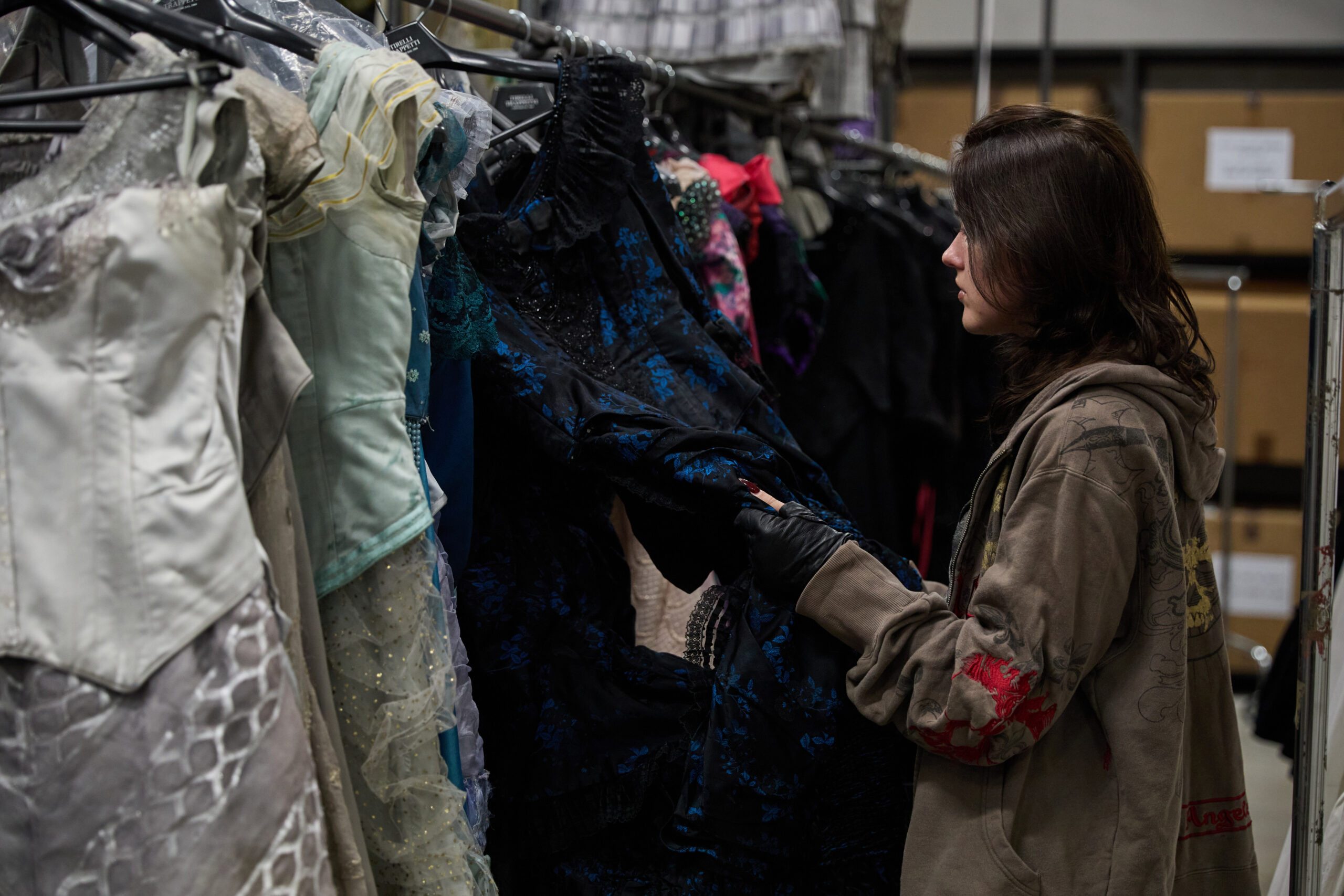
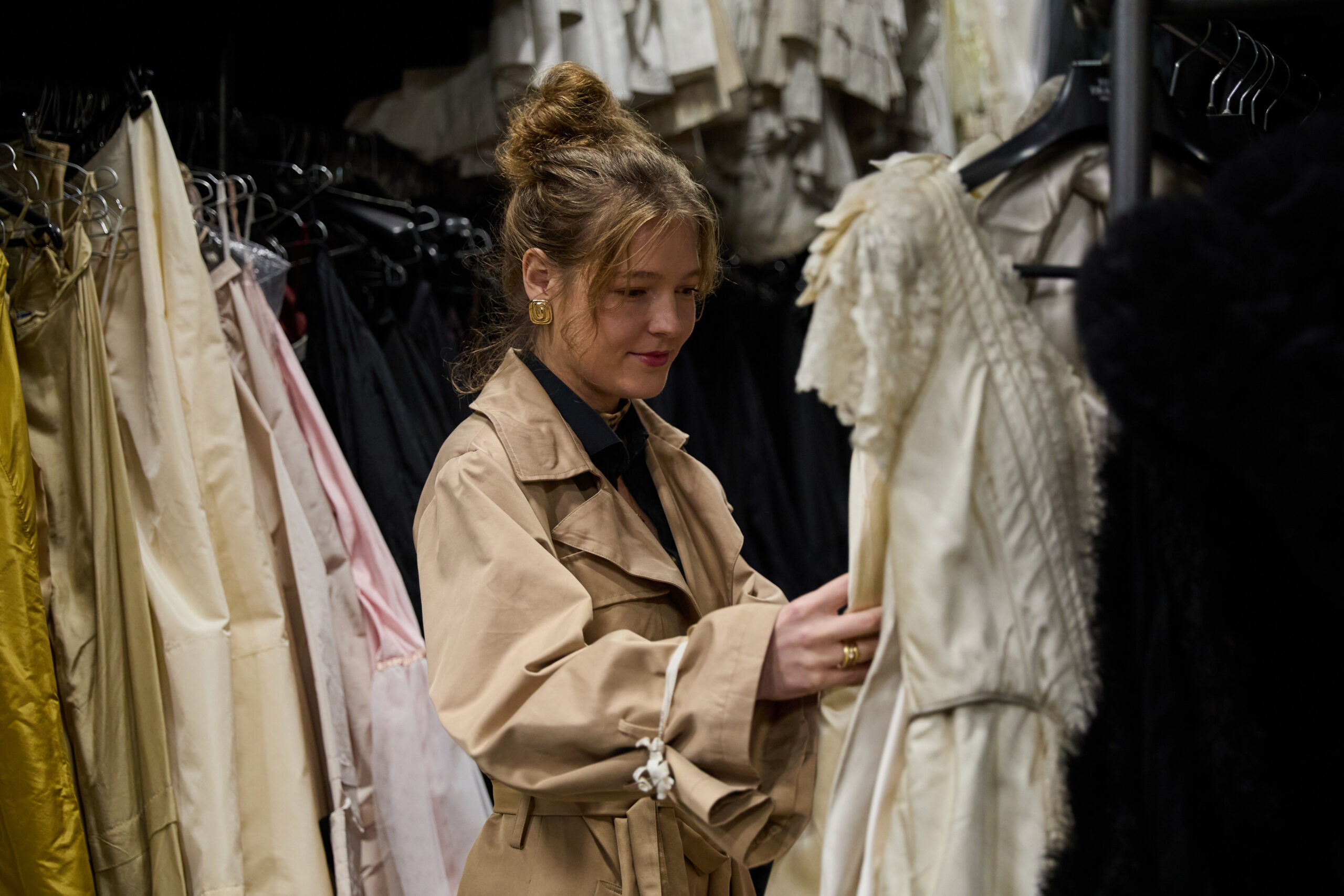
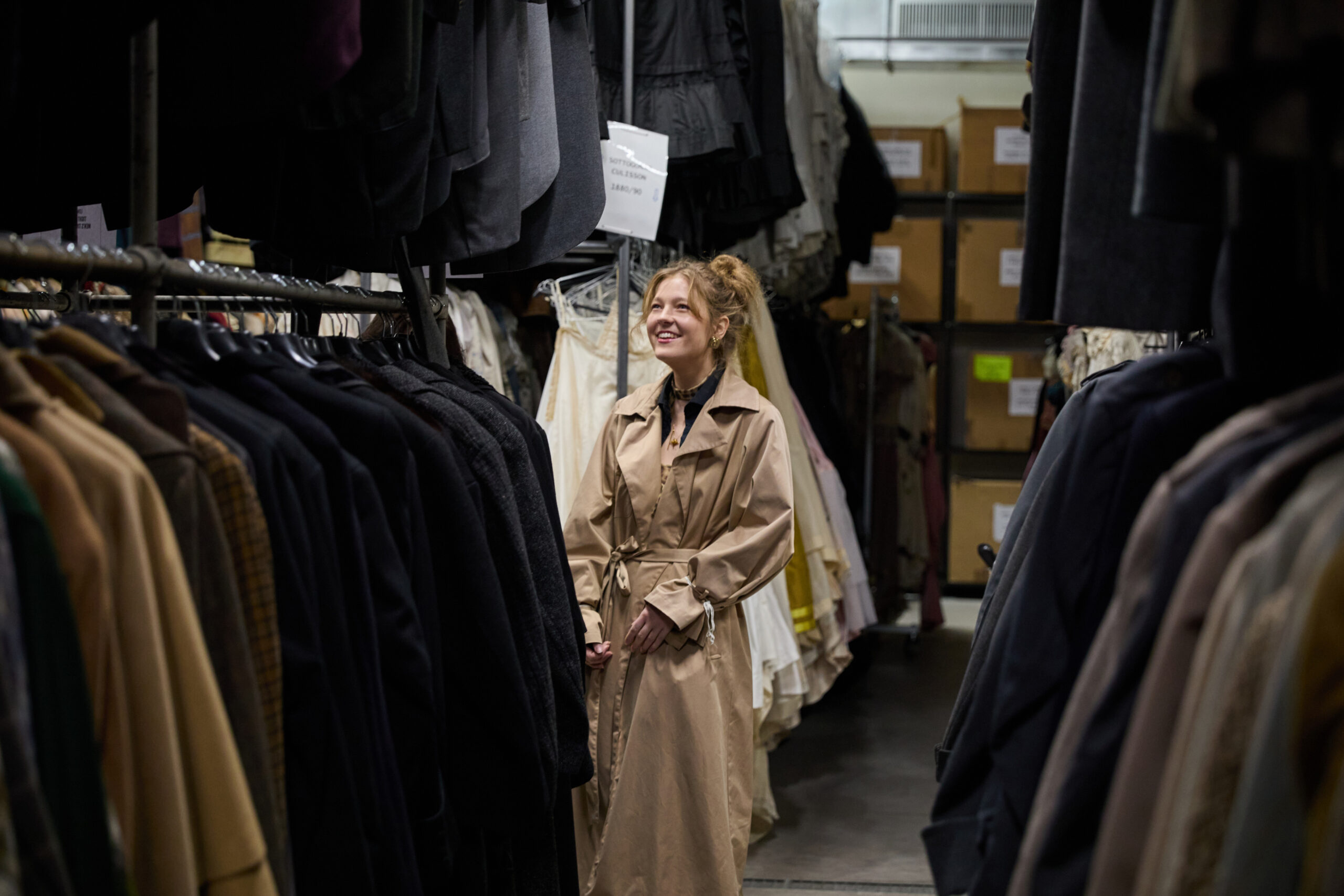
Master in Costume Design student at Archivio Tirelli
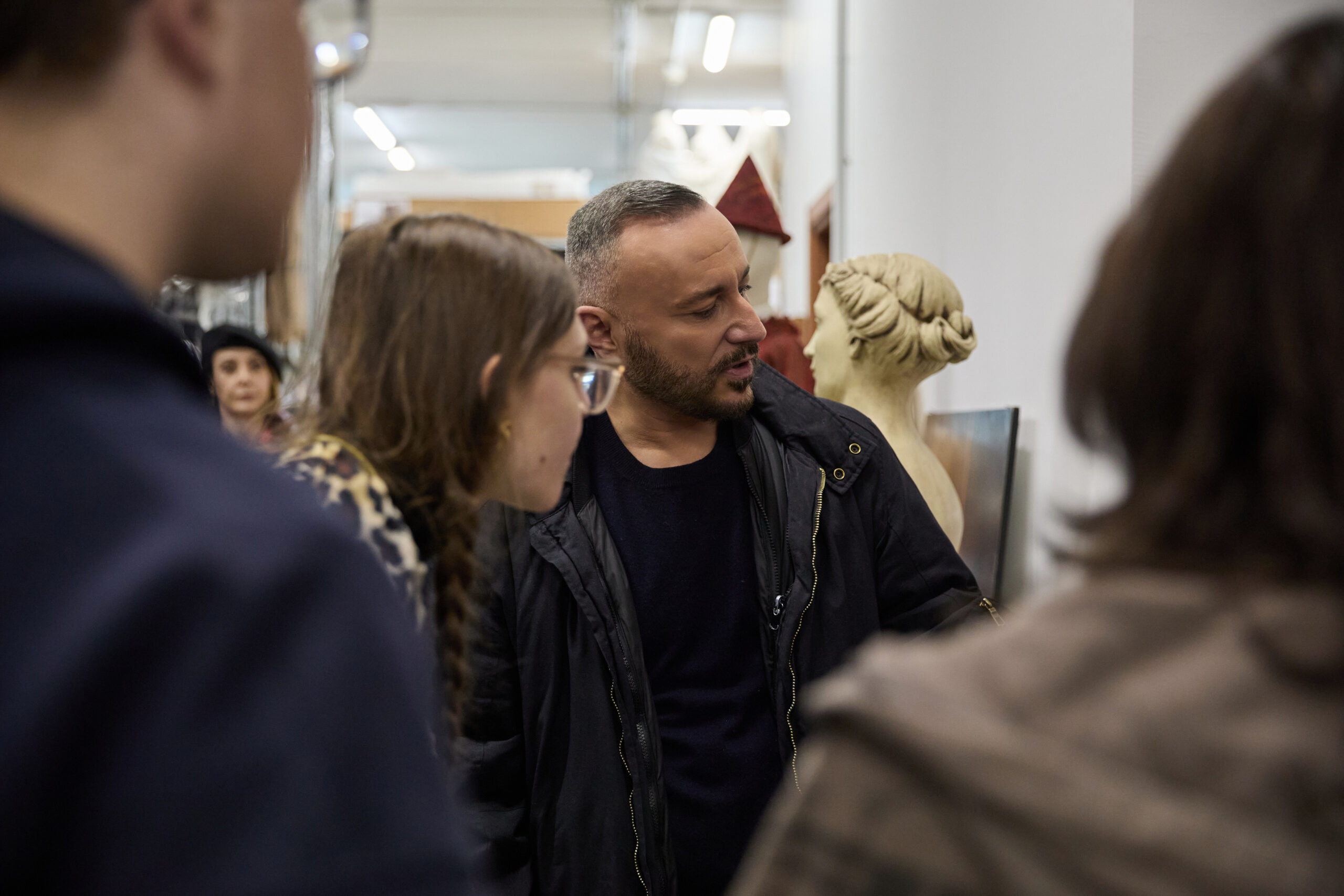
Course mentor Massimo Cantini Parrini with students
Polimoda director Massimiliano Giornetti at Archivio Tirelli
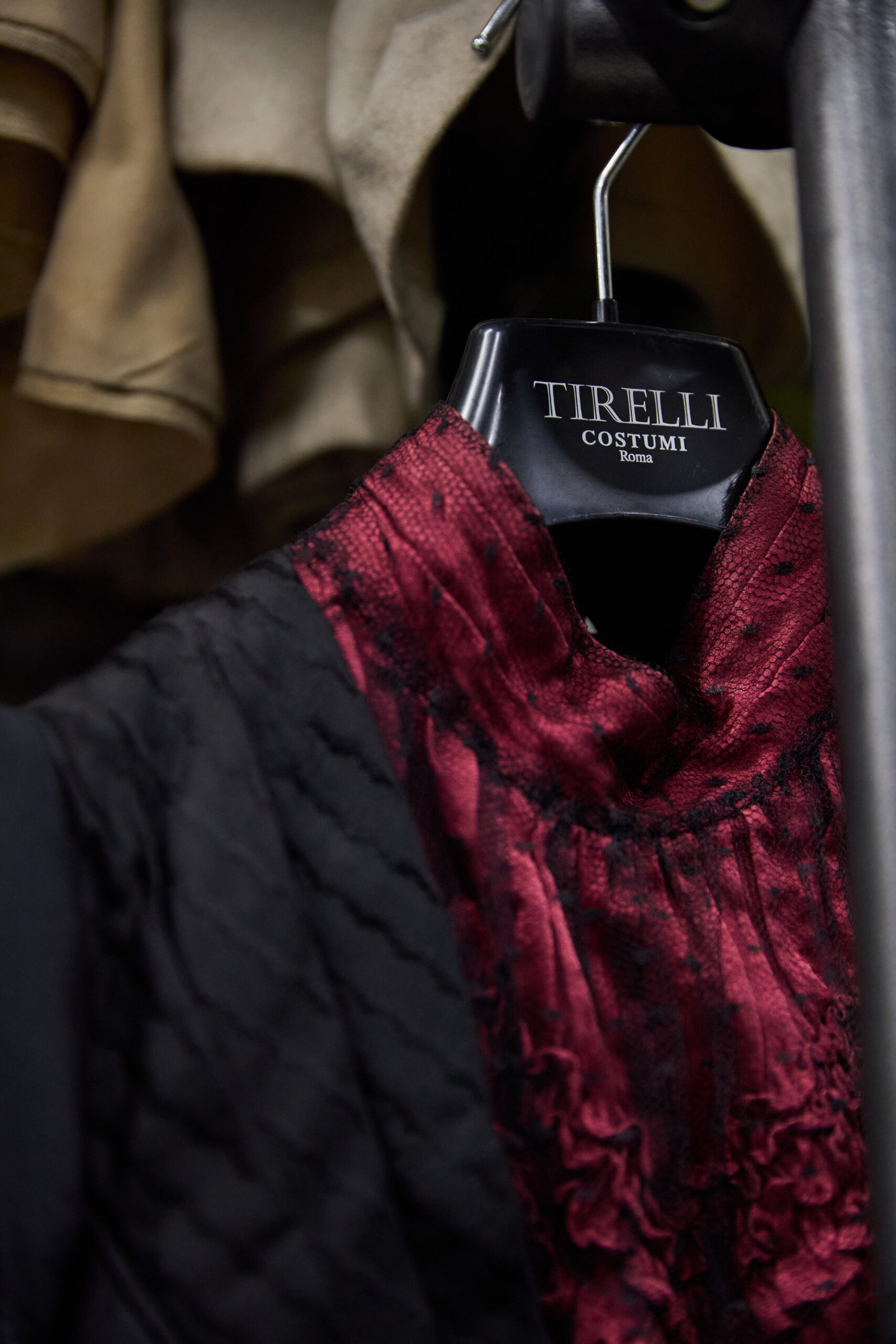
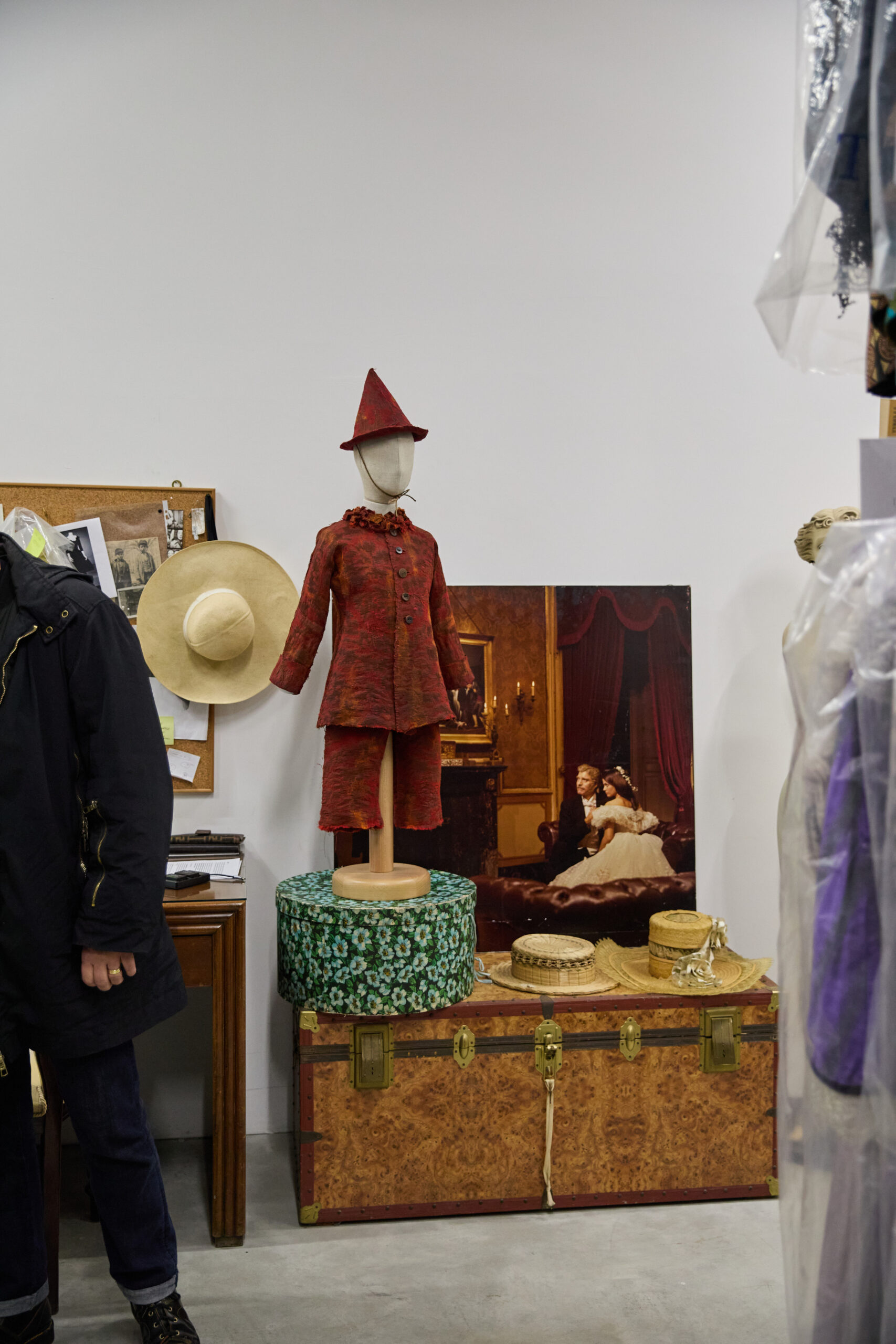
Archivio Tirelli
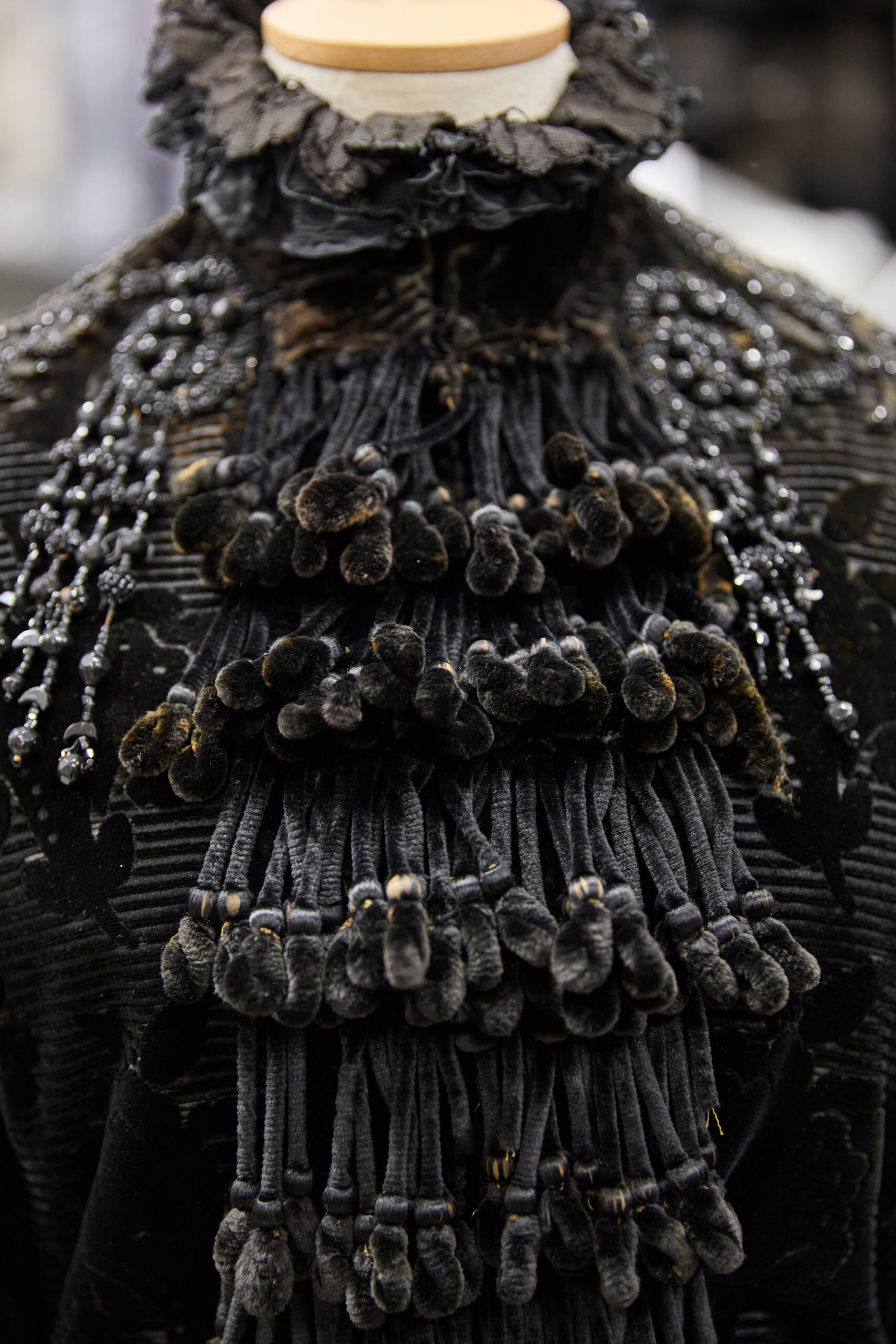
The period, as several noted, is one of remarkable sartorial velocity: silhouettes, construction techniques, and decorative codes shifted almost every five years, making each decade a distinct chapter in the grammar of dress. Here, those chapters were not illustrations in a book, but tangible, wearable garments.
It is precisely this kind of encounter, between the student’s eye and the historical garment, that Cantini Parrini has spoken of as foundational to his own practice, one rooted in meticulous archival research and an intimate understanding of how clothes are actually made and worn. His work on films such as Primo Carnera, Barbarossa, Pinocchio and Cyrano bears witness to that approach: each production a study in historical fidelity married to cinematic imagination.
Course mentor Massimo Cantini Parrini
Browsing Archivio Tirelli
Master in Costume Design student at Archivio Tirelli
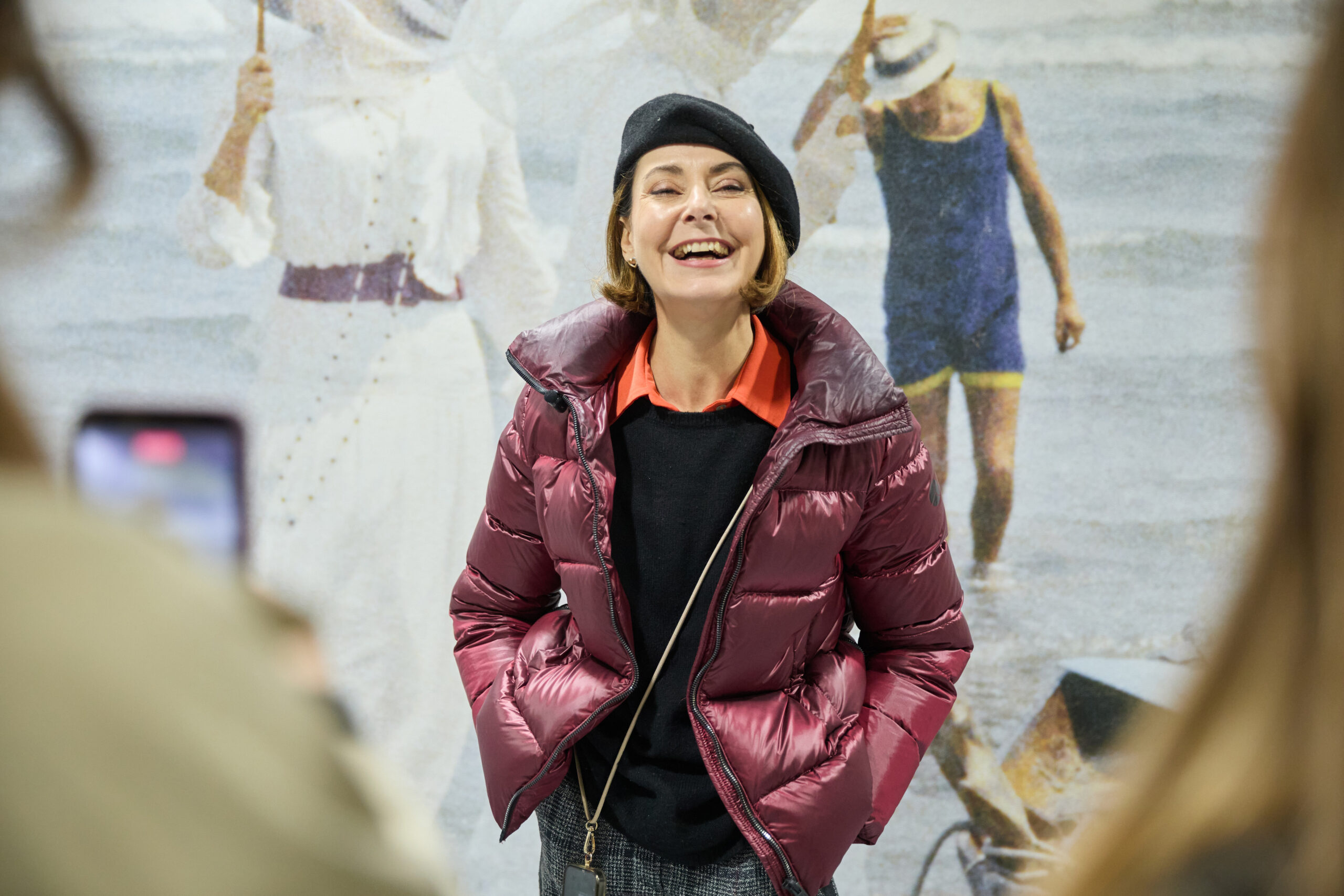
Laura Nobile, Coordinator of Archivio Tirelli
Master in Costume Design student at Archivio Tirelli
Founded in 1964 by the visionary collector and tailor Umberto Tirelli, and continued today under the stewardship of Dino Trappetti, the archive is as much a creative engine as it is a place of preservation. Its workrooms have dressed some of the most celebrated productions in cinema history and continues to work today as a hub of costume design, alterations, and custom creations for the worldwide television, stage, theatre and film industry.
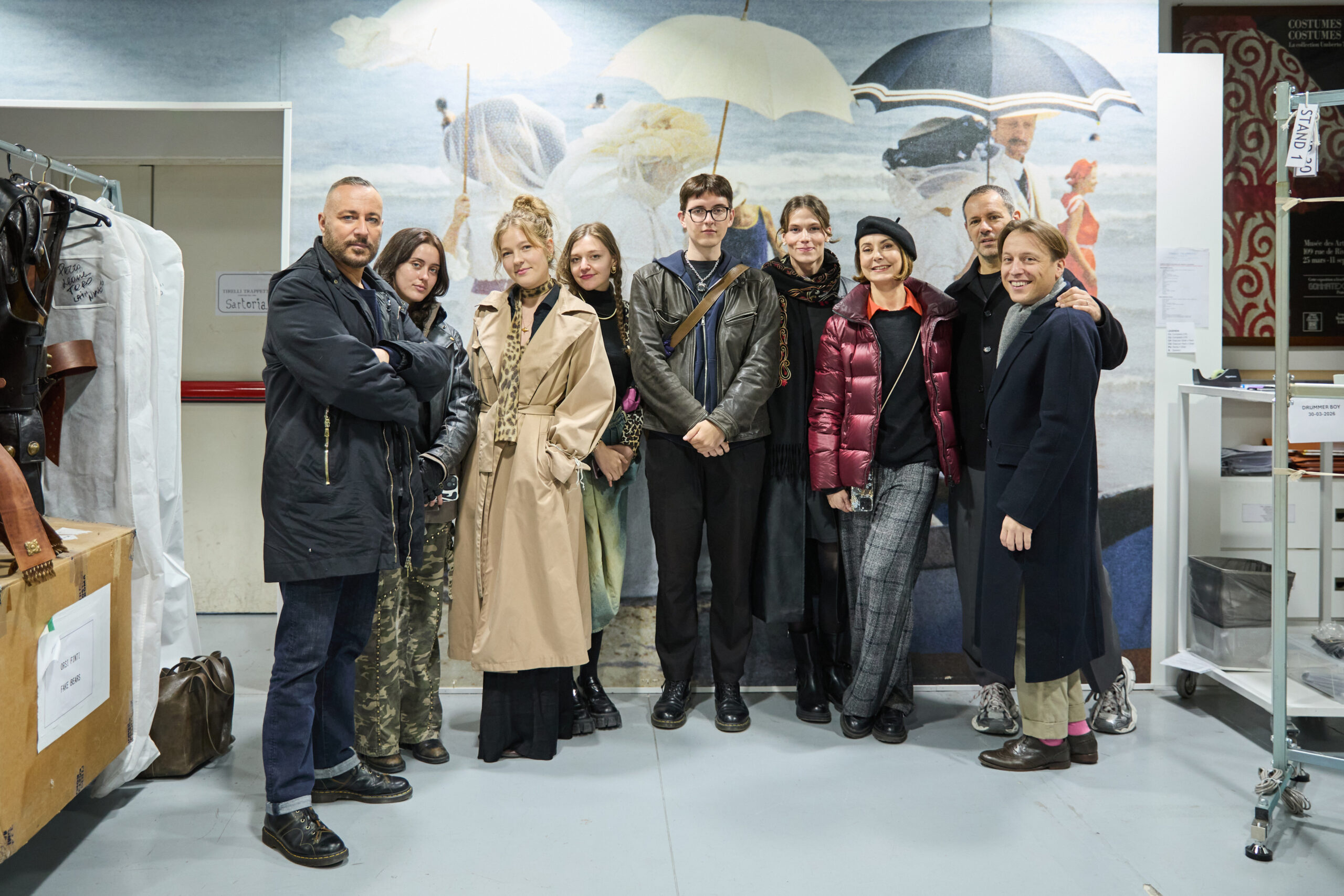
Students visit Archivio Tirelli with course mentor and Costume Designer Massimo Cantini Parrini, Archive Coordinator Laura Nobile, Director of Polimoda Massimiliano Giornetti, and teacher Luigi Giannetta.
For Master in Costume Design students, spending an afternoon in these rooms alongside the designer who brought those costumes to life was something beyond a field trip. It was an invitation into a living lineage, one that connects Tirelli’s founding vision to the future of costume design today.